
10 Trees and Shrubs To Prune in Late Winter and Ones To Leave Alone
Late winter is the ideal time to prune many trees and shrubs, helping them grow stronger and healthier for the upcoming spring season. Pruning during this dormant period promotes vigorous growth, enhances flower production, and prevents diseases. However, not all plants should be pruned at this time. Some trees and shrubs, especially those that bloom in the spring, should be left alone to preserve their buds and avoid damaging new growth. Understanding when and how to prune can make all the difference in your garden’s success.
This post may contain affiliate links, which helps keep this content free. Please read our disclosure for more info.
Apple Trees
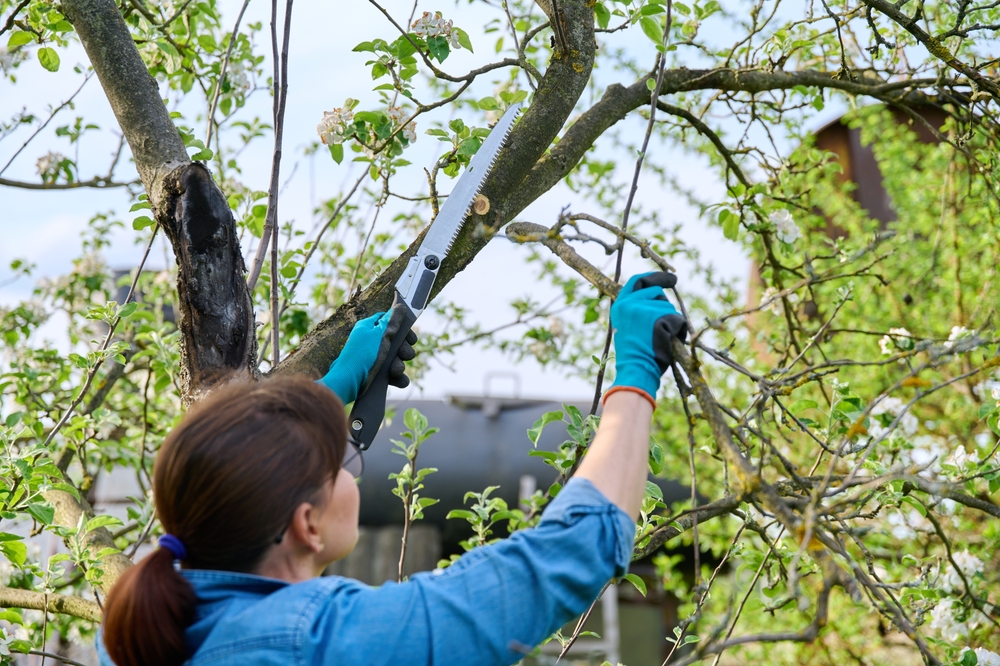
Late winter is an excellent time to prune apple trees, typically between January and March, before the sap starts flowing. Pruning during this dormant period helps to promote strong structural growth, allowing for better air circulation and sunlight penetration once the leaves start to emerge. By removing any dead, damaged, or crossing branches, you can encourage new growth that will produce healthier fruit. Apple trees pruned at this time tend to grow more vigorously and yield a better harvest in the spring and summer.
It is crucial to avoid heavy pruning right before the tree starts to bud in the spring, as it can stress the tree. Cutting branches too late in the season may also lead to excessive sap loss, which can weaken the tree. Aim to focus on shaping the tree by removing dead or weak wood and thinning out areas that are overcrowded. This will help your apple tree grow stronger and more resilient.
Pear Trees
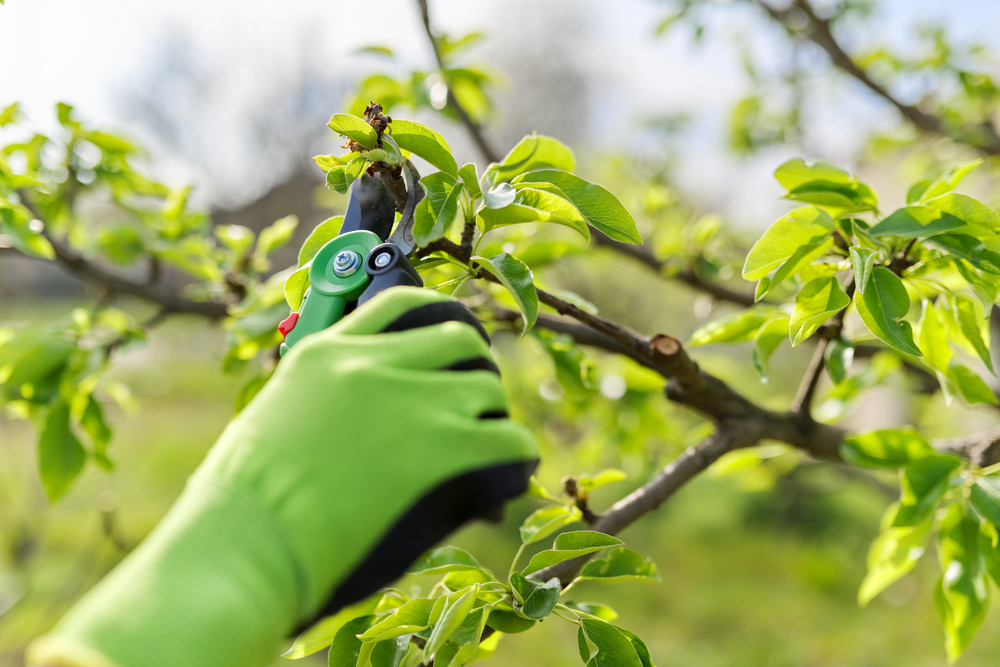
Similar to apple trees, pear trees benefit from late winter pruning. During the dormant season, you can remove any weak or diseased branches, improving airflow within the canopy. This helps to prevent fungal infections and encourages healthy, robust growth in the spring. Additionally, removing branches that are growing inward toward the center of the tree will help maintain an open shape and allow more sunlight to reach the core of the tree, enhancing fruit production.
Be cautious not to prune too late in the winter. Excessive pruning as the tree begins to awaken can encourage the tree to “bleed” sap, which can negatively impact its overall health. By pruning pears while they are dormant, you promote a well-structured tree that will be ready for a productive growing season.
Butterfly Bush
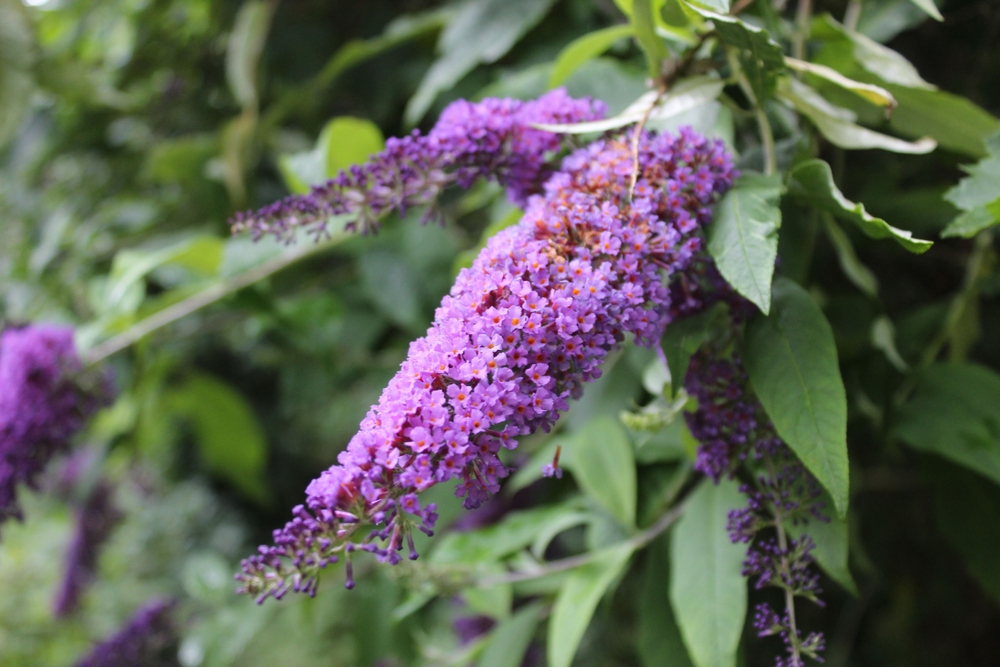
Butterfly bush is a hardy shrub that thrives when pruned in late winter, as it helps stimulate vigorous new growth and encourages more blooms. Cutting back this deciduous shrub before new growth begins ensures that it has plenty of energy to send into its roots and branches, leading to healthier and more prolific flowers. Pruning in late winter also helps to control the size of the shrub, allowing it to fill out in a more uniform way during the spring.
It is important to prune the butterfly bush down to about 12-18 inches from the ground. While this shrub can be pruned in early spring, doing so in late winter before new growth emerges gives it the best chance of producing the abundance of flowers it is known for. Cutting back too late can affect the plant’s flowering ability, so it is important to stick to the late winter window.
Panicle Hydrangeas
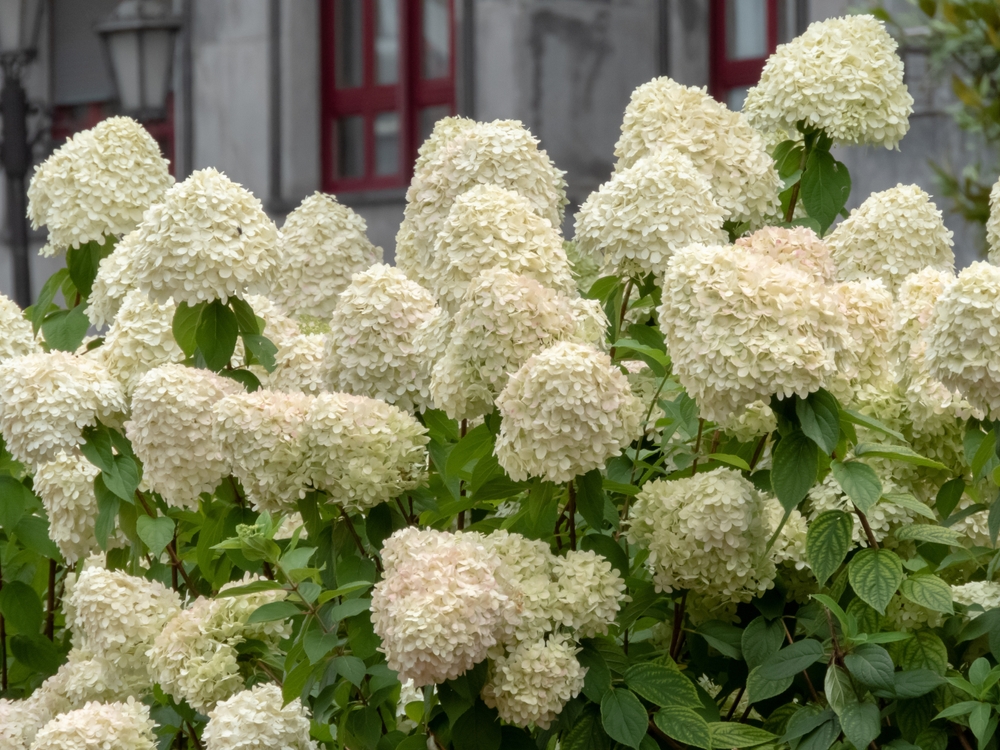
Panicle hydrangeas, also known as Hydrangea paniculata, are ideal candidates for pruning in late winter. Pruning these shrubs at this time ensures strong structural growth and a bounty of blooms in the coming season. By cutting back old stems to about 12 inches above the ground, you help to create a more compact and vigorous plant, promoting the growth of new, flower-bearing stems. Since panicle hydrangeas bloom on new wood, pruning during the dormant season will not harm their flowering potential.
Late winter pruning also helps the shrub to maintain a neat appearance, preventing the plant from becoming too leggy and overgrown. However, it is essential to avoid cutting back too much or too late in the season. Doing so after the buds begin to form can interfere with the plant’s natural growth cycle.
Roses (Hybrid Tea, Floribunda)
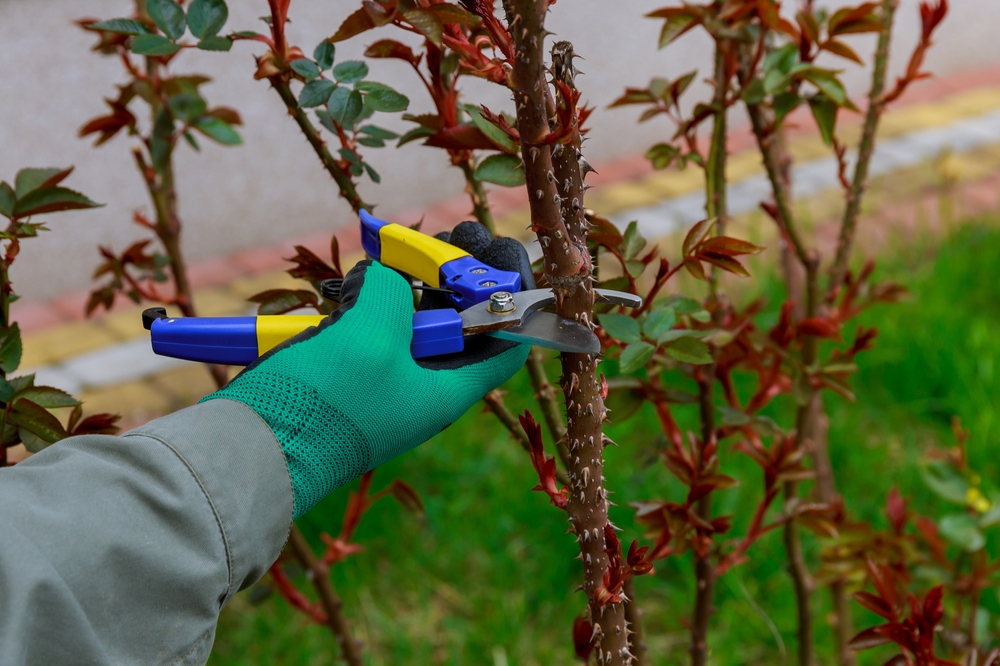
Pruning roses in late winter helps to shape the plants for the spring growing season while encouraging vigorous new growth. This is especially beneficial for hybrid tea and floribunda roses, as they respond well to pruning during their dormant phase. By cutting back dead or damaged canes and shaping the bush to encourage outward growth, you can ensure that the plant’s energy is focused on producing beautiful blooms instead of struggling to maintain weak branches.
Late winter pruning should be done carefully to avoid cutting back too much, as this can stress the plant. Be sure to make cuts just above the bud eye, which will encourage healthy new growth. Pruning too early in the season can result in damage from frost, while pruning too late may cause excessive sap loss.
Forsythia (Leave Alone)
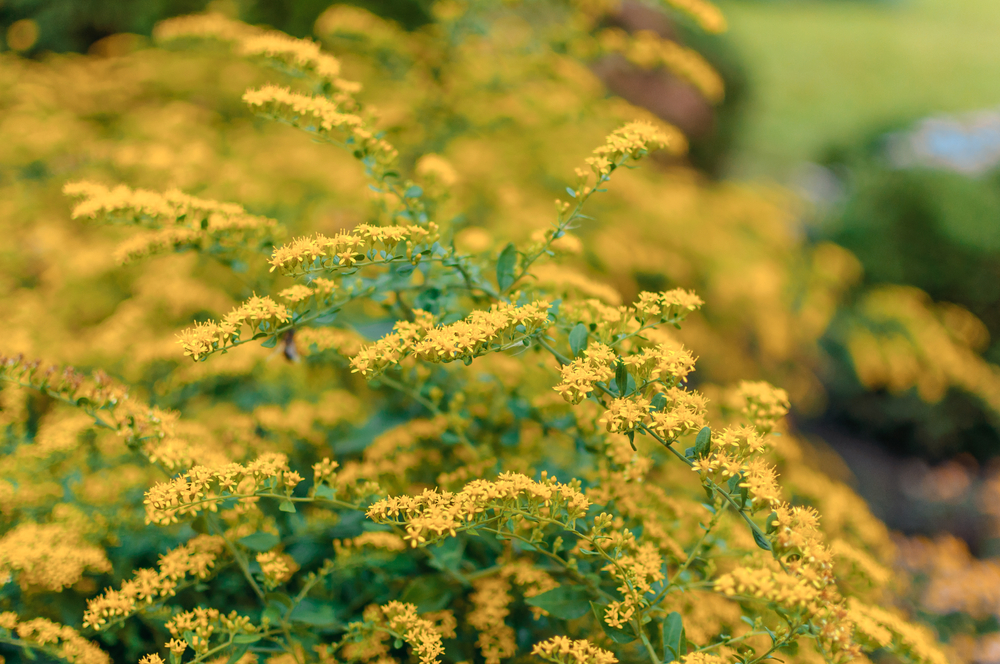
Forsythia is a spring-flowering shrub that should not be pruned in late winter. Pruning at this time can remove the buds that will eventually produce vibrant yellow flowers in early spring. It is best to leave forsythia alone until after it finishes blooming, as this will allow the plant to retain its buds for the next season’s flowers. Pruning too early in the season can significantly reduce the shrub’s flowering potential.
If pruning is needed, it is best to wait until after the bloom cycle ends, typically after the flowers have faded. Light pruning after flowering can help shape the plant without sacrificing its ability to produce next season’s blooms.
Lilac (Leave Alone)
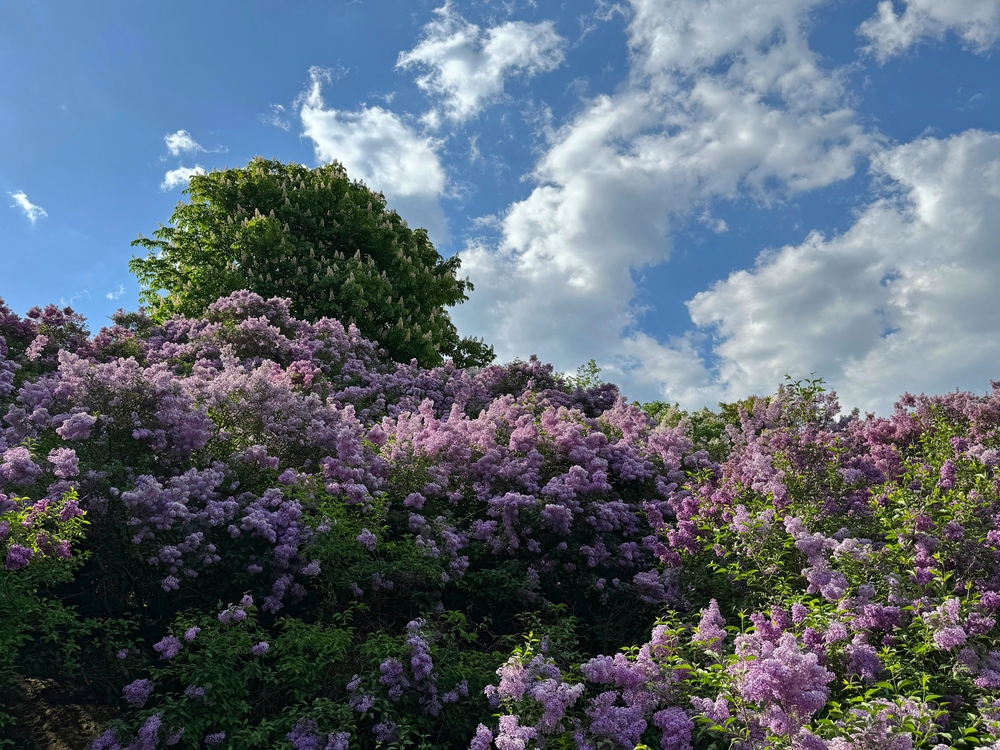
Lilacs, like forsythia, are spring-blooming shrubs that should not be pruned in late winter. They produce buds in the fall that bloom the following spring. Pruning them too early can remove these buds, resulting in fewer flowers coming in the spring. To ensure a beautiful display of blossoms, it is important to wait until after flowering to prune.
If necessary, prune lilacs after the flowers have faded in late spring or early summer. This ensures that you do not remove any of the bloom buds for the following year. By following this timing, lilacs will reward you with an abundance of fragrant flowers in the spring.
Evergreens (Leave Alone)
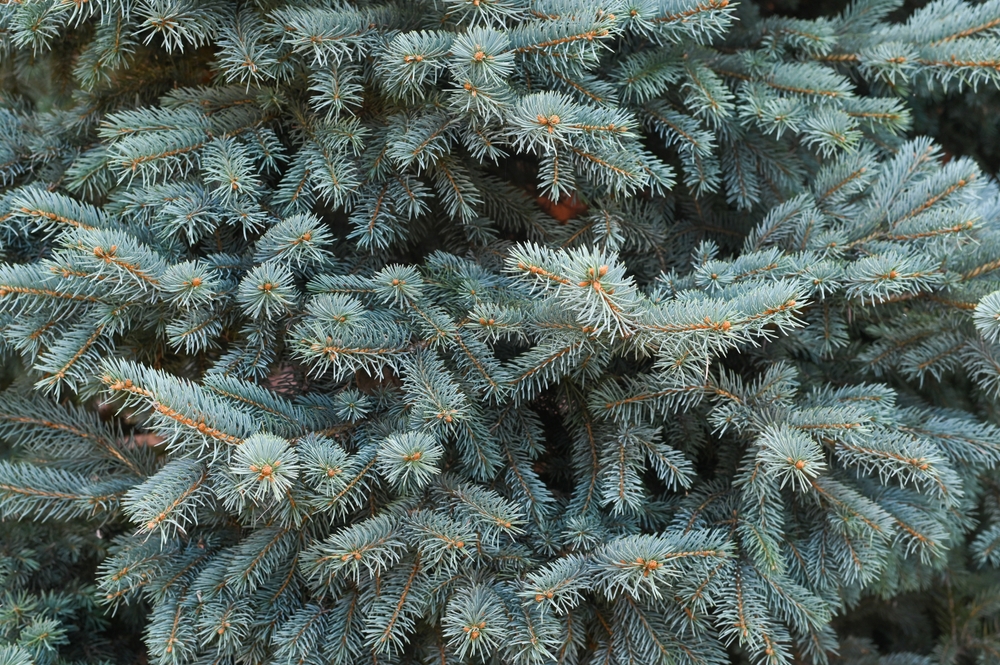
Evergreens, such as pines, spruces, and firs, should be left alone in late winter. Pruning evergreens during this time can cause excessive sap loss, and it can also result in an uneven, unsightly appearance. Additionally, pruning too late in the season can stress the plant, weakening it as it enters the growing season.
If pruning is required for evergreens, it is best to do so during the growing season, after new growth has emerged. This helps to maintain the shape and health of the tree while preventing damage to the plant. Pruning in late winter can expose the plant to harsh weather and disrupt its natural growth pattern.
Boxwood (Leave Alone)
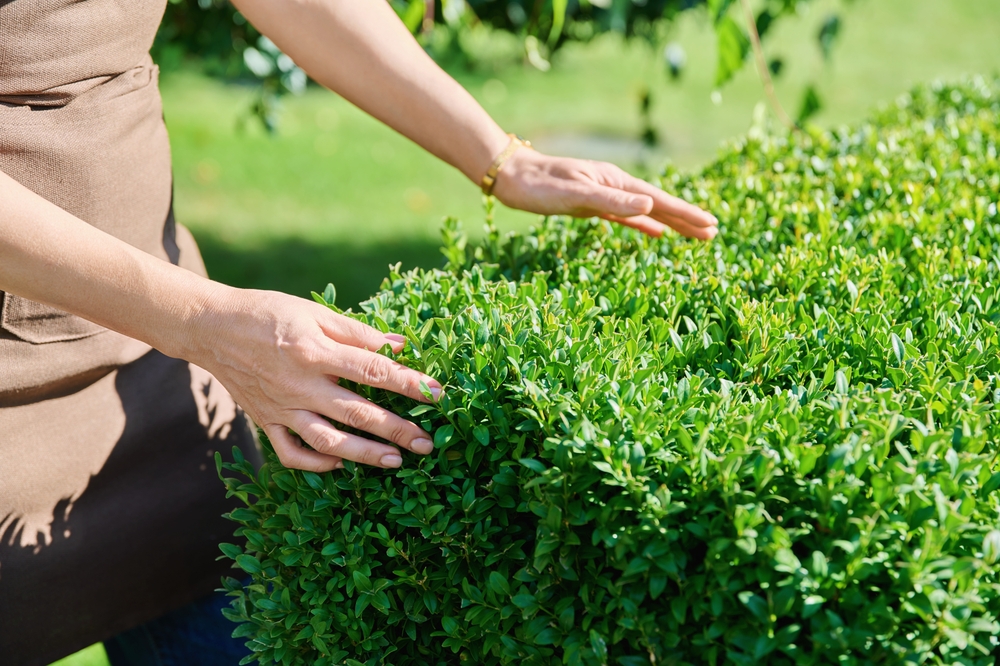
Boxwoods should also be left alone in late winter, as they are sensitive to frost, and pruning can expose them to the elements. While boxwoods can handle light pruning, it is best to wait until the plant starts its growth cycle in early spring to avoid damaging the plant. Pruning too early can encourage new growth that is vulnerable to frost damage.
To maintain boxwood’s shape, wait until new growth appears before trimming. Light pruning at this time will encourage dense, healthy foliage while avoiding damage to the plant’s structure.
Japanese Maple (Leave Alone)
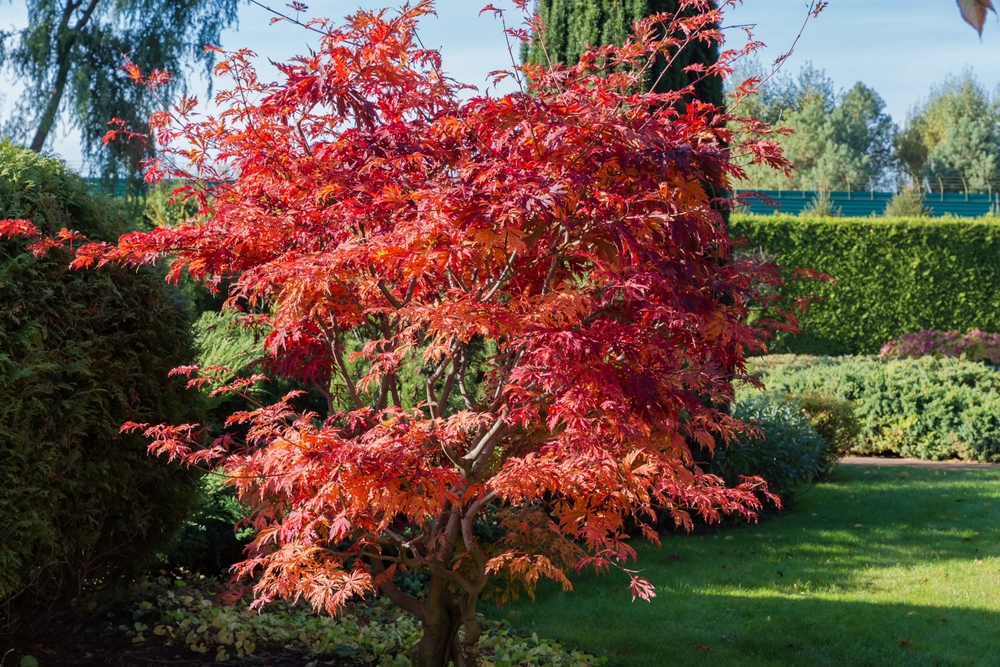
Japanese maples should not be pruned in late winter as their sap begins to flow with the rise in temperatures. Pruning too early can result in sap loss, which weakens the tree and makes it more susceptible to disease. To avoid damaging the tree, it is recommended to wait until the tree has leafed out before trimming.
If pruning is necessary, it is best done in early spring when the tree’s growth is more active. This allows for healthier, more efficient pruning, and it avoids compromising the tree’s structural integrity.
This article originally appeared on Avocadu.