
10 Trailing Plants That Look Lovely in Winter Light
When the winter months arrive, it is easy to forget about the beauty of plants. However, many trailing varieties are perfect for this season, adding charm and interest. These plants can help soften the starkness of winter by filling in spaces with color and texture. Their trailing nature creates a cascading effect that looks stunning in the winter light. If you want to brighten your space, these plants are the perfect choice.
This post may contain affiliate links, which helps keep this content free. Please read our disclosure for more info.
English Ivy
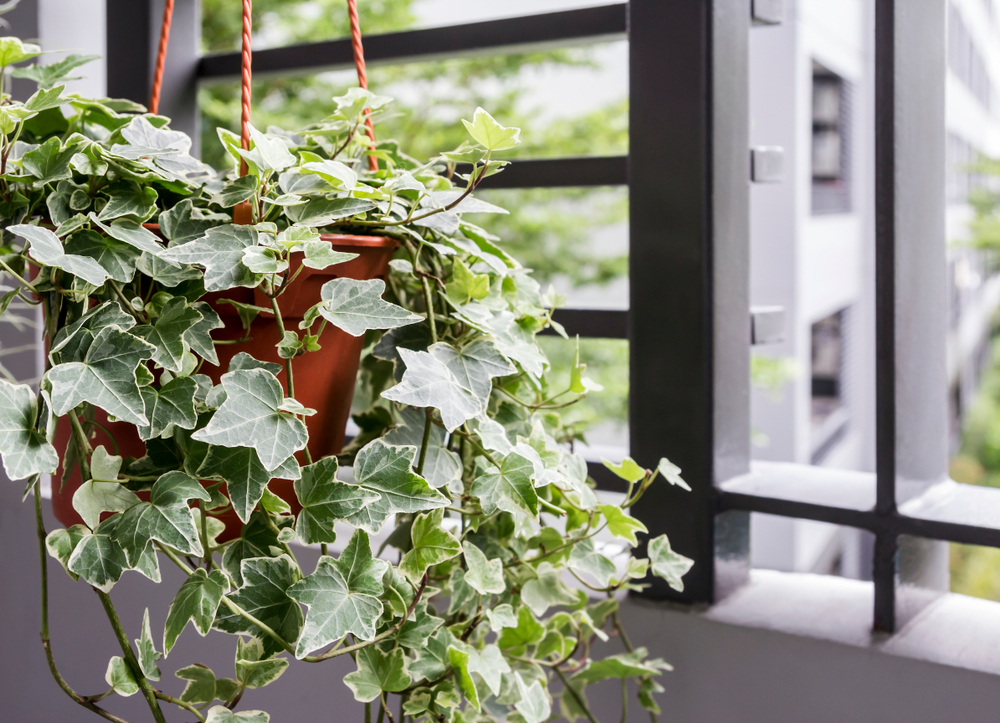
English ivy is a classic trailing evergreen vine that holds its deep green leaves through the winter, making it a perfect choice for adding tone and form when other plants have gone dormant. This plant grows well in a wide range of light conditions, from full sun to part shade, and it can cascade over the sides of pots or climb structures for dramatic effect. Ivy’s glossy foliage catches the low winter sun, creating contrast against bare branches and muted garden beds. An added benefit is its ease of care in most climates, though in warmer regions it can be quite vigorous and requires space management.
English ivy also thrives in container displays where it drapes down over edges, softening hard lines and filling gaps in winter planter arrangements. When paired with winter blooms or foliage plants, it brings grounding greenery that lasts all season. Its evergreen habit means it keeps a presence even through frost and cooler weather. For best results, choose compact cultivars for baskets or let longer stems trail from raised planters.
Winter Jasmine (Jasminum nudiflorum)
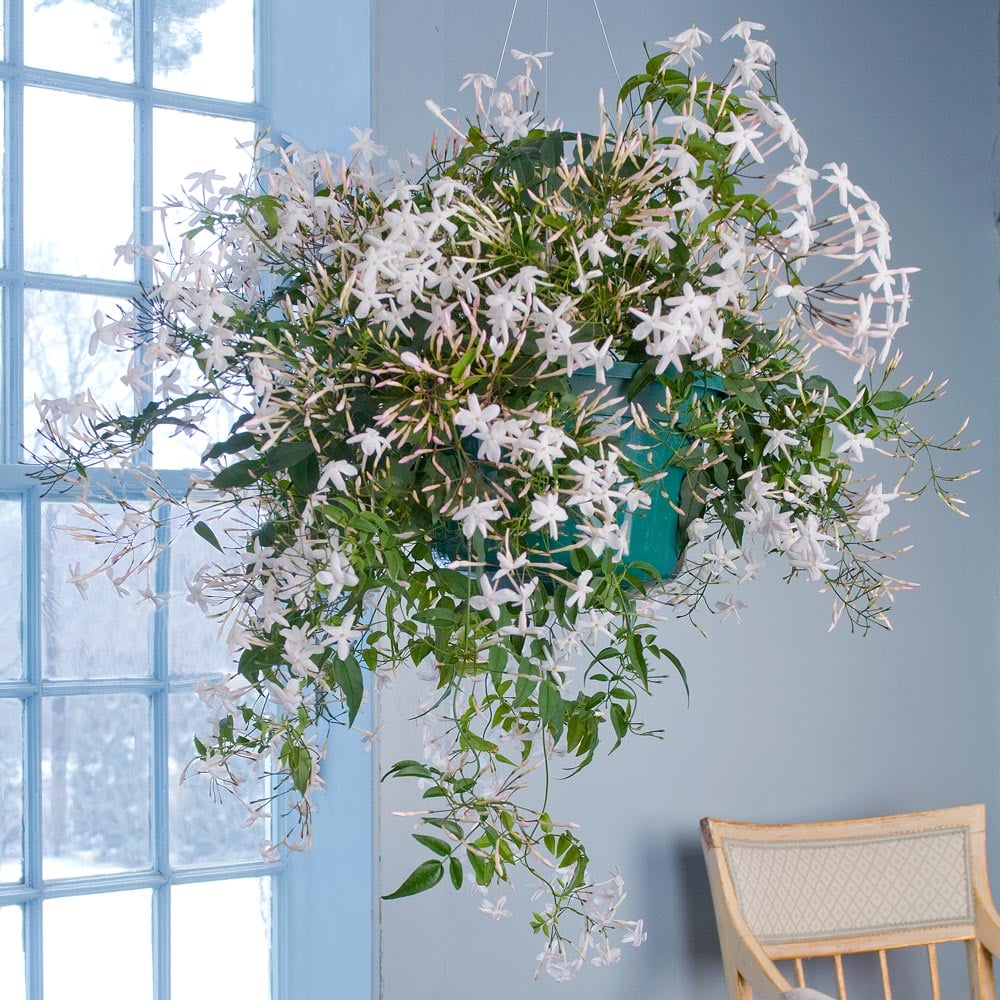
Winter jasmine is a vine known for its bright yellow flowers that open on bare stems in late winter and early spring, offering a cheerful burst of color when most plants are still resting. It climbs or trails along walls, through containers, or across groundcover areas, creating a lively contrast with muted winter scenery. Gardeners prize it for both its color and its tolerance of cooler temperatures, making it a popular winter garden choice. Though it produces flowers before its leaves unfurl, its trailing form adds weight to its value.
As a trailing shrub, winter jasmine can be trained along supports or allowed to cascade freely from elevated containers, creating an engaging display when lit by winter sunlight. Its gently arching stems make it a standout even when not in flower. Care includes full sun to part shade exposure and well-draining soil. Regular pruning after blooming helps maintain shape and encourages fresh growth for the following seasons.
Creeping Jenny (Lysimachia nummularia)
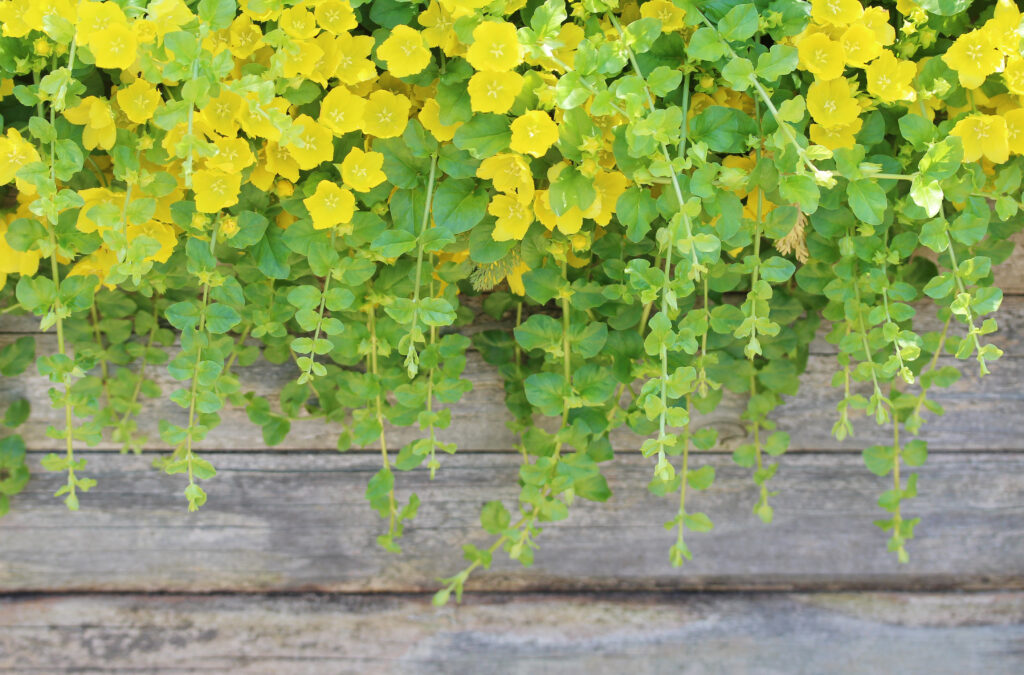
Creeping Jenny has trailing stems of chartreuse leaves that spill over the edges of containers, window boxes, and garden walls, bringing a vibrant glow even in the winter months. While it is best known for its performance in warmer weather, in milder winter climates its foliage can persist, providing texture and brightness when other plants are dormant. This plant’s low, spreading habit also makes it useful as groundcover where winter interest is needed. Gardeners should monitor its growth, as it can spread quickly in receptive soil.
Used in mixed containers with evergreen shrubs and winter flowers, creeping Jenny offers an accent of color that catches low winter light. Its trailing stems create a soft frame around other plants and help visually connect elements in a winter display. It pairs especially well with neutral or dark foliage for contrast. When choosing planting locations, consider moist but well-drained soil for best results.
Wintercreeper (Euonymus fortunei)
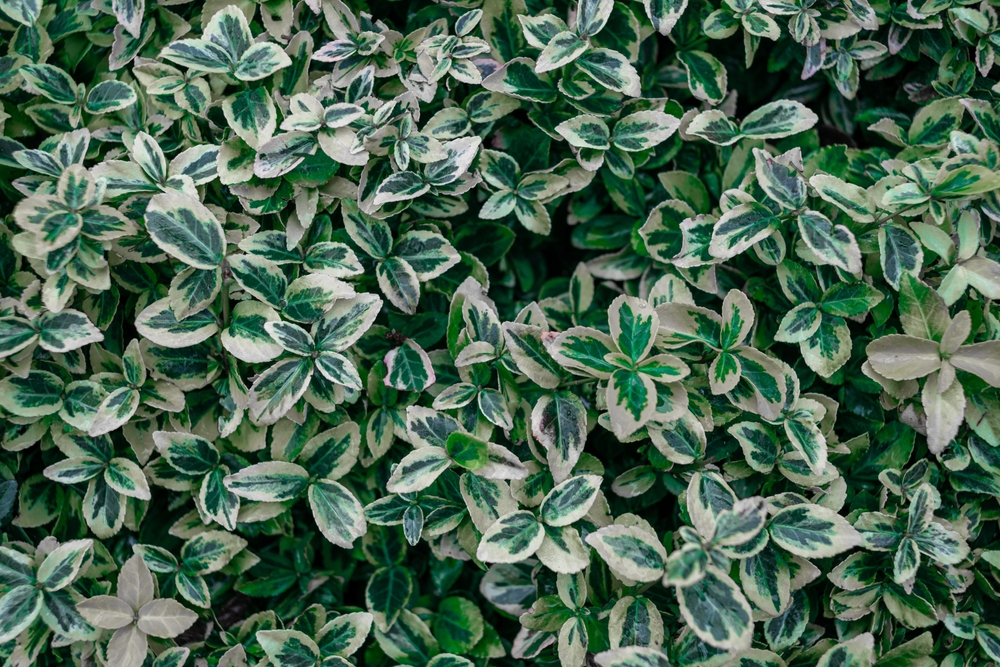
Wintercreeper is a trailing evergreen vine that brings glossy green leaves and a vigorous growth habit to winter gardens. It trails from container edges or spreads across beds, offering year-round cover that remains attractive even in cooler seasons. This plant tolerates a range of light conditions and lends itself to combinations with other evergreen or winter blooming plants. Its dense foliage provides contrast to barren branches and dormant perennials.
When used in pots or hanging baskets, wintercreeper’s trailing stems help soften container edges and create layered visual interest. It can also be planted along walls or slopes to stabilize soil while presenting flowing greenery throughout the winter. In colder climates, its evergreen leaves offer a welcome presence. Routine trimming keeps this vigorous plant in check and maintains its appearance.
Baby Tears (Soleirolia soleirolii)

Baby tears is a gentler trailing plant with tiny, bright green leaves that form a soft carpet over container rims or shaded garden patches. Its delicate stems can spill over the edges of pots or weave between rocks in borders, catching winter light with soft reflections. While not frost hardy in all regions, in milder winter zones it maintains foliage through cooler months and creates a lush groundcover effect. It prefers moist, shaded spots where its fine texture can be fully appreciated.
Used in hanging baskets or as underplanting for taller winter plants, baby tears brings a calm, low-lying element to garden compositions. Its fine leaves contrast nicely with larger foliage and structural partners. Care includes keeping soil evenly moist and providing shelter from harsh winds. Its presence in winter containers brightens subdued palettes with gentle green.
Trailing Lobelia
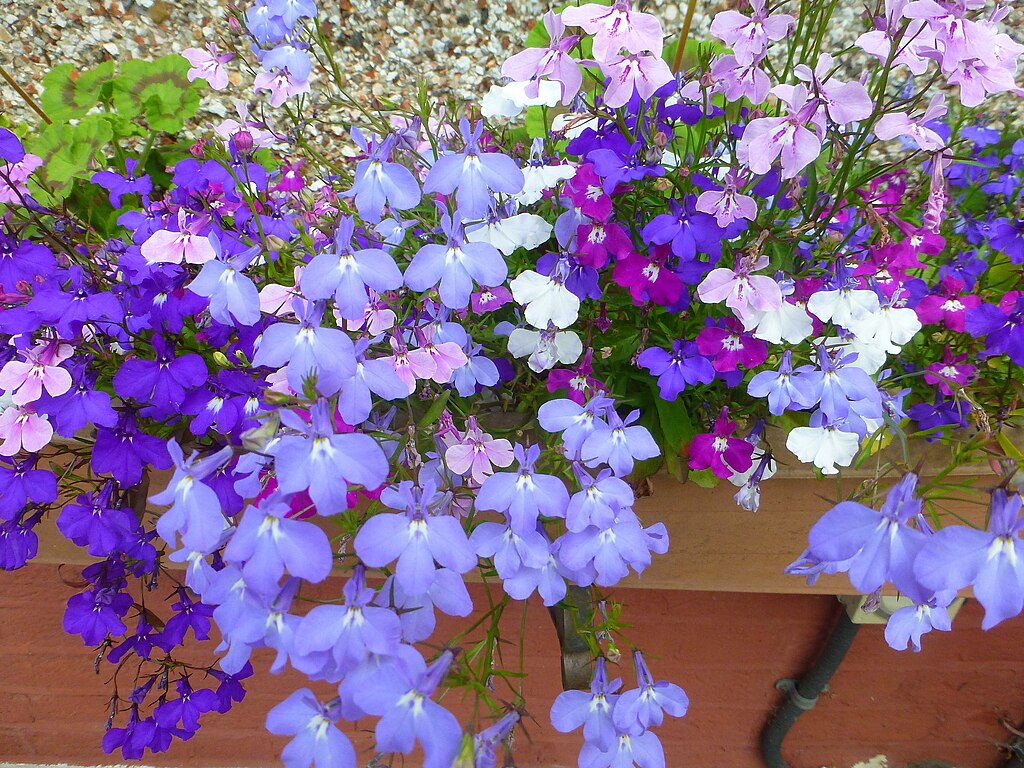
Trailing lobelia offers narrow stems covered with bright blue or purple flowers in warmer weather and retains foliage into the cooler months in mild climates. Its trailing stems look beautiful cascading from window boxes and hanging baskets, and the leaves catch winter light with subtle sheen. Gardeners value it for long periods of interest, from late spring through fall, and its form carries into winter containers where blooms are absent.
Even without flowers, lobelia’s fine foliage adds textural contrast to larger winter plants and evergreen trails. It pairs well with evergreen fillers that have broader leaves for contrast. Position it for part sun to give structure to cooler placements. Water consistently for full, healthy stems.
Creeping Mazus
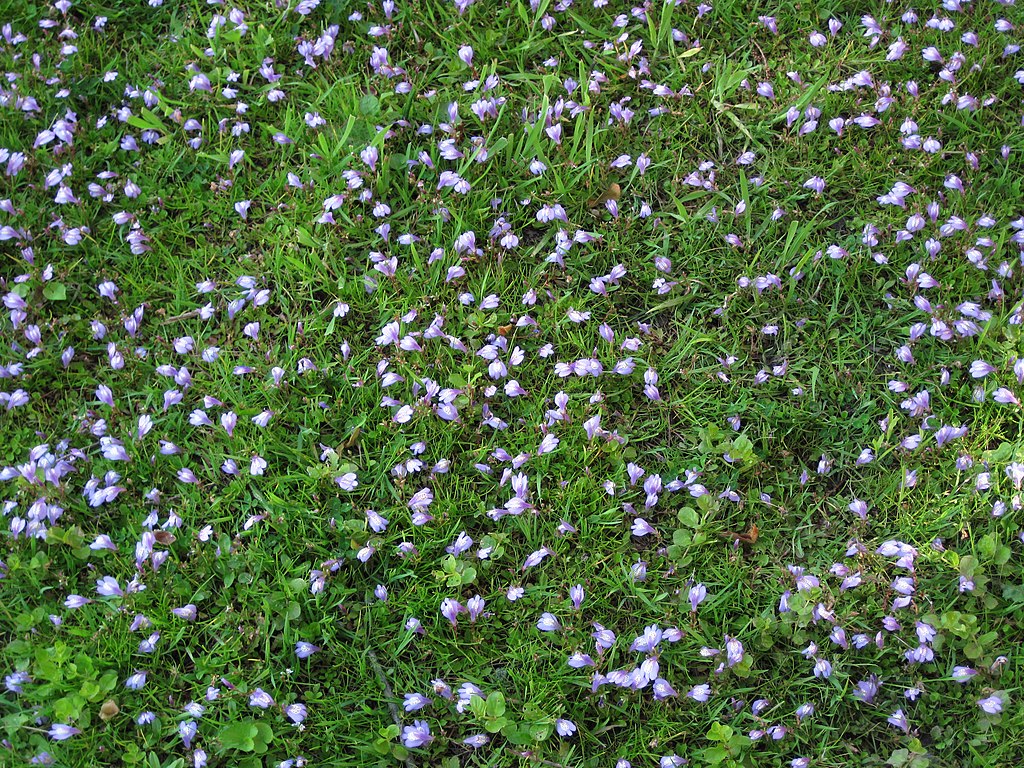
Creeping mazus is a low-growing groundcover with bright green foliage that holds through cooler months in many areas, creating a carpet of color under winter light. Its stems spread across garden beds or container rims, providing a trailing effect that softens hard edges. While its flowers appear in spring and summer, the foliage remains visually appealing even in winter displays. It thrives in moist, well-drained soil and enjoys part sun to shade.
Creeping mazus’s evergreen presence makes it a great companion in mixed winter containers. Its small leaves contrast well with larger evergreen plants and structural elements like ornamental grasses. Use it between stepping stones or at the front of beds to fill space and guide the eye across the garden. Its hardy nature makes it a reliable groundcover in suitable climates.
Persian Ivy (Hedera colchica)
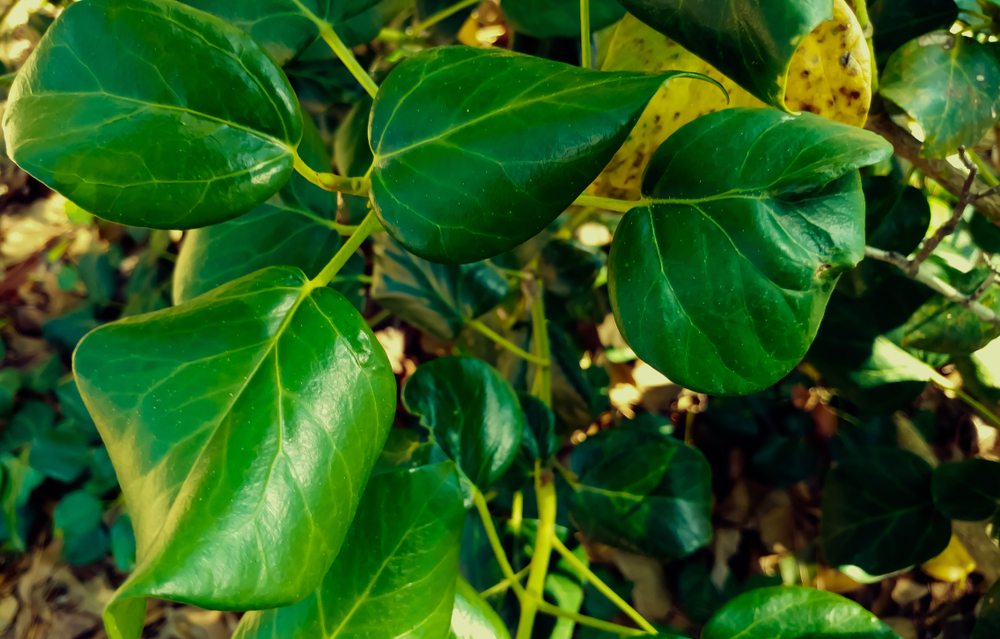
Persian ivy is an evergreen vine with larger leaves than common ivy and a strong trailing and climbing habit, making it a striking choice for winter gardens. Its bold foliage creates impactful draping from walls, trellises, and containers, catching winter light in a way that frames other plants. This hardy vine can thrive through chilly seasons, providing continuity when many plants have gone dormant. It also offers visual drama with its broader leaf shape and rich color.
Gardeners often use Persian ivy to cover vertical surfaces or let it cascade over raised beds where it adds a flowing green element. It prefers well-drained soil and moderate light to develop fully. Its evergreen leaves hold color through frost, enhancing winter scenes. Support or pruning helps direct its growth in tight spaces.
Ivy Geranium (Pelargonium peltatum)
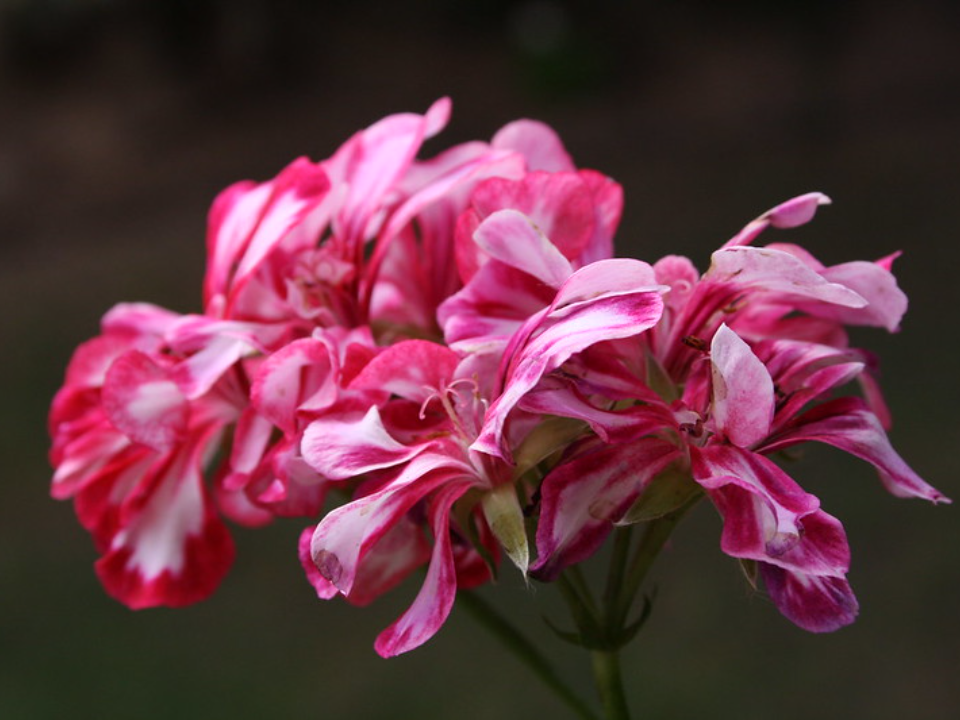
Ivy geranium is a type of trailing geranium with glossy green leaves that cling to trailing stems, ideal for window boxes and containers. Its long stems can spill over edges, creating a soft, cascading look in cooler seasons. In climates without hard frost, its foliage remains well into winter, giving texture where other plants are dormant. Though its flowers are more prominent in warmer months, the trailing leaves still contribute to container compositions under winter light.
This plant pairs nicely with evergreen trailing vines and groundcovers to build a continuous winter display. Position it in part sun and feed lightly to maintain leaf health. It works well alongside pansies or violas in cooler containers. Keep an eye on moisture so it does not dry out too severely in winter winds.
Dicondra (Dichondra ‘Silver Falls’)

Dicondra ‘Silver Falls’ has silvery foliage that trails gracefully over containers, walls, and rockeries, creating a soft, flowing display that glows under winter light. Its heart-shaped leaves and subtle sheen bring unique texture to winter plantings, complementing darker greens and brighter accents. This plant tolerates drought and warmer winter climates, making it a good choice where frost is not extreme. In containers, its trailing stems help bridge the visual space between taller plants and the ground.
Used with evergreen companions, dicondra adds fine, trailing detail that enhances visual depth in winter displays. Its color contrasts well with darker foliage, creating visual balance. Regular light exposure and well-drained soil support its healthy trailing habit. Its subtle cast gives winter gardens a gentle, luminous quality.
This article originally appeared on Avocadu.