
15 Toy Lines with Strange Features That Kids Would Not Put Down
Toys have always had a magical way of capturing kids’ attention, but some have features that make them impossible to put down. From interactive pets that mimic real animals to toys with unexpected movements and sounds, these unique creations kept children engaged for hours. What makes these toys so irresistible is how they combine fun with a bit of surprise. Whether it’s the thrill of watching a toy “come to life” or the challenge of figuring out how it works, these toys always keep kids coming back for more. Many of these strange features pushed the boundaries of imagination, offering experiences that were both entertaining and a little mysterious. As technology and creativity advanced, so did the toys, offering new ways for kids to play and explore.
This post may contain affiliate links, which helps keep this content free. Please read our disclosure for more info.
Tamagotchi Digital Pets
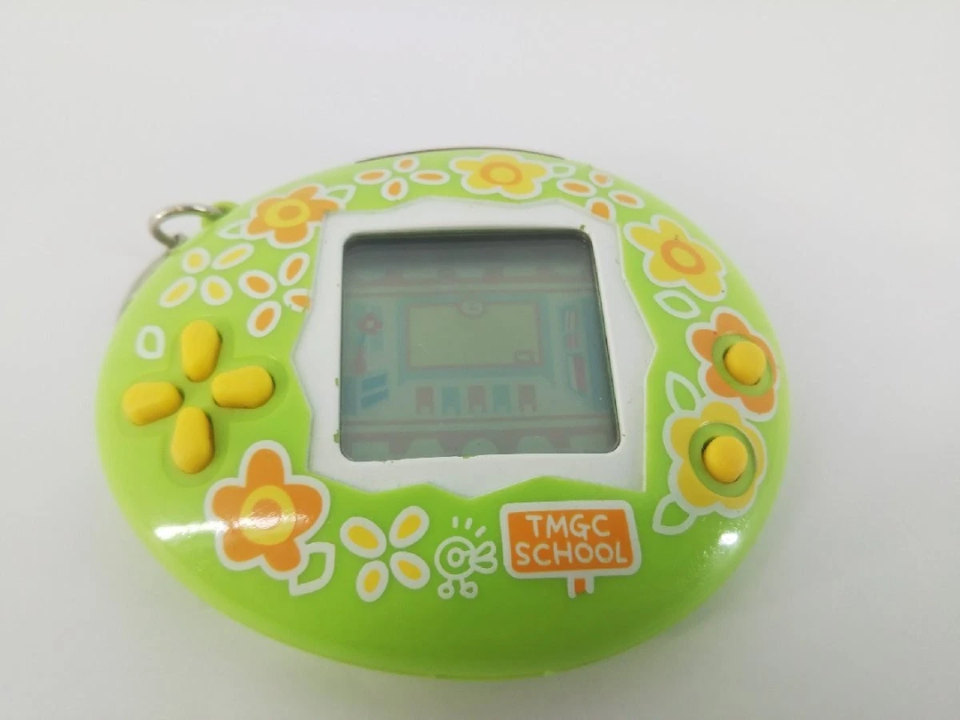
Tamagotchis are handheld digital pets that became a sensation in the late 1990s. This toy line features a small, egg-shaped device with a tiny screen where kids can care for their virtual pet by feeding, cleaning, and playing games. The appeal of Tamagotchi is the responsibility it gives to kids as they need to make sure their pet remains healthy and happy.
Its compact size made it easy to carry around, and its interactive features kept children entertained for hours. These digital pets also came with a variety of designs and characters, making each one unique. Over time, Tamagotchis became a symbol of nostalgia, with various iterations being released over the years. Current market prices for vintage models from the 1990s can range between $30 to $100, while new editions can cost around $20 to $30.
Furby Interactive Toy
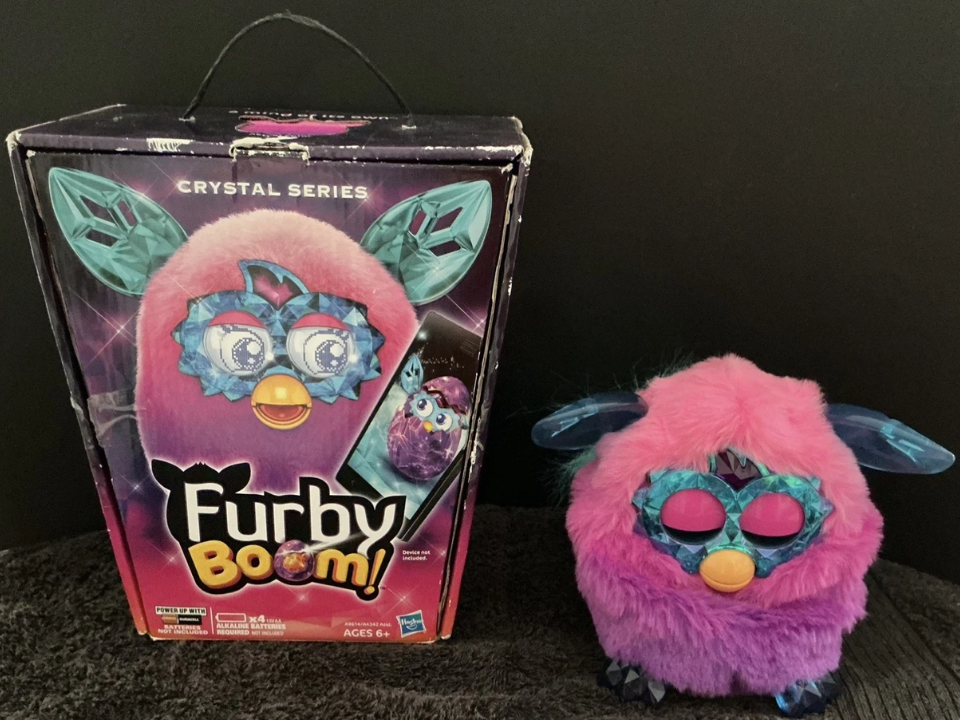
Furby is an electronic robotic toy that was first introduced in the late 1990s. With its soft, furry body and large, expressive eyes, Furby would respond to voice commands, music, and other stimuli. Kids could feed it, teach it new words, and interact with it in a way that seemed very advanced for its time. What made Furby strange was its ability to “learn” over time, with some models becoming more responsive and speaking new phrases as they were cared for.
The unpredictability of Furby’s behavior added to the toy’s charm, keeping kids coming back for more. Due to its popularity, Furby had multiple generations released, each with its own enhancements and features. The current market value of a Furby from the original 1998 release can range from $50 to $150 depending on condition and packaging, while newer versions cost around $40 to $60.
Cabbage Patch Kids Dolls
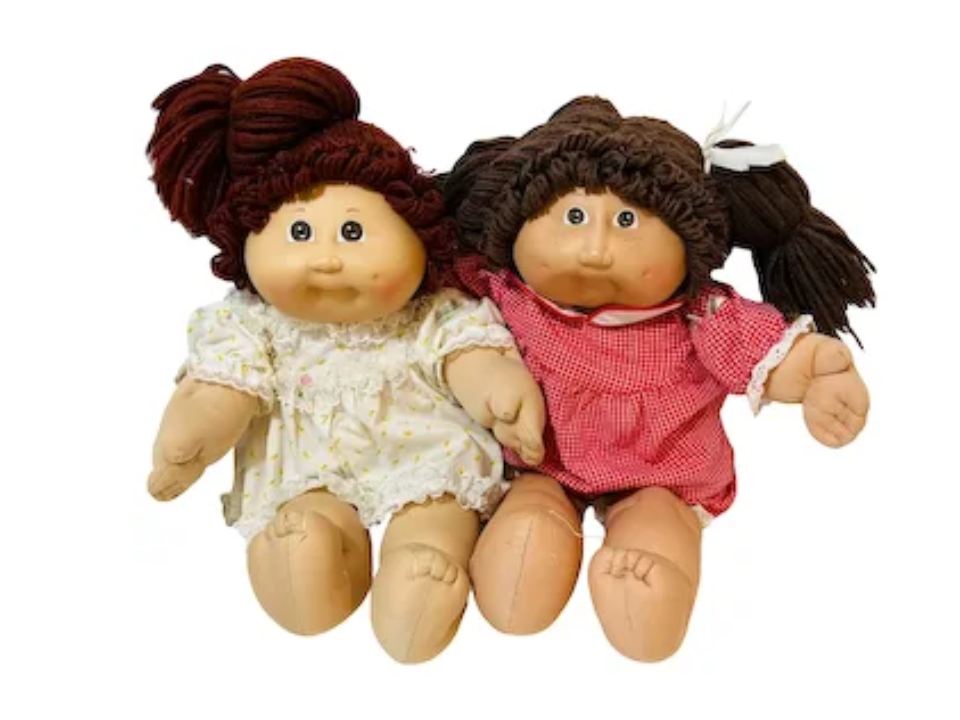
Cabbage Patch Kids were one of the most unique and collectible doll lines from the 1980s. Each doll had its own distinct face, personality, and birth certificate, making them feel more like a real child rather than a traditional toy. What set Cabbage Patch Kids apart was the way they were marketed ;they were “adopted” by kids, with each doll being assigned a name and backstory.
The odd, yet endearing appearance of the dolls made them stand out from other mass-produced dolls of the time. This added a level of attachment that many children could not resist. Since their release, Cabbage Patch Kids have become iconic collectibles. Vintage Cabbage Patch Kids from the 1980s can be found for $30 to $150, while modern versions are typically priced around $20 to $40.
Battle Beasts Action Figures
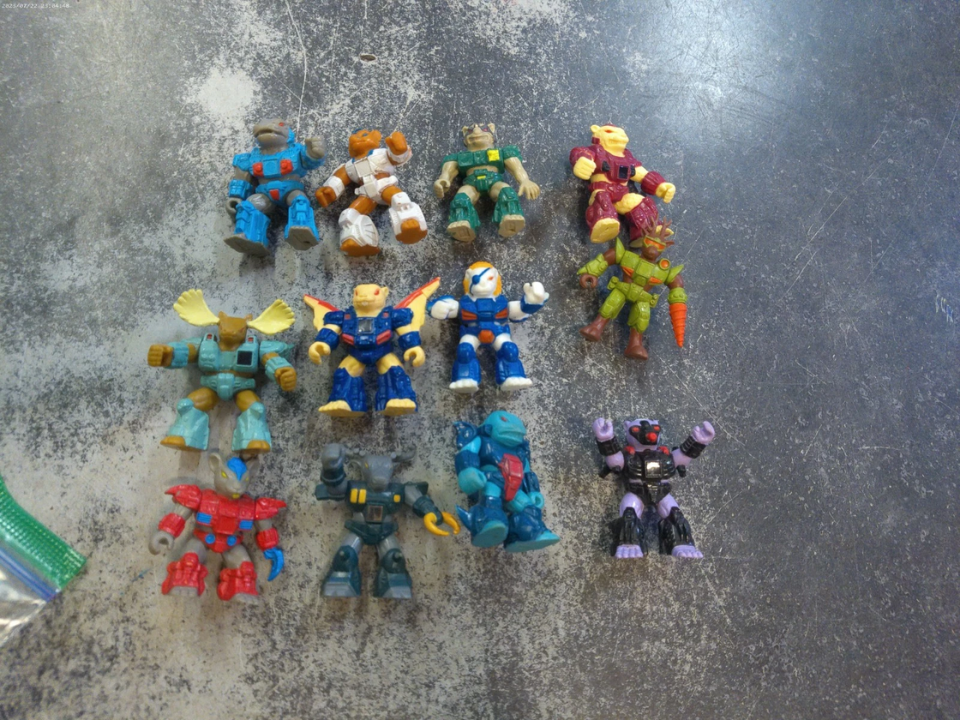
Battle Beasts were small, animal-like action figures that featured a unique combination of anthropomorphic creatures and battle play. The figures came with heat-sensitive rubs that would change color when touched, revealing their element (fire, water, or wood). This added an element of surprise and interactivity that kept kids entertained. Battle Beasts had distinctive personalities, and the toys were often used in imaginative games, where kids would pretend their figures were engaging in epic battles.
Their small size made them easy to collect and trade, and the variety of designs appealed to children’s love of different creatures and mythical beasts. Although the toy line had a relatively short run in the 1980s, it still has a cult following today. Depending on rarity and condition, vintage Battle Beasts figures can range from $10 to $100.
Poo-Chi Robot Dog
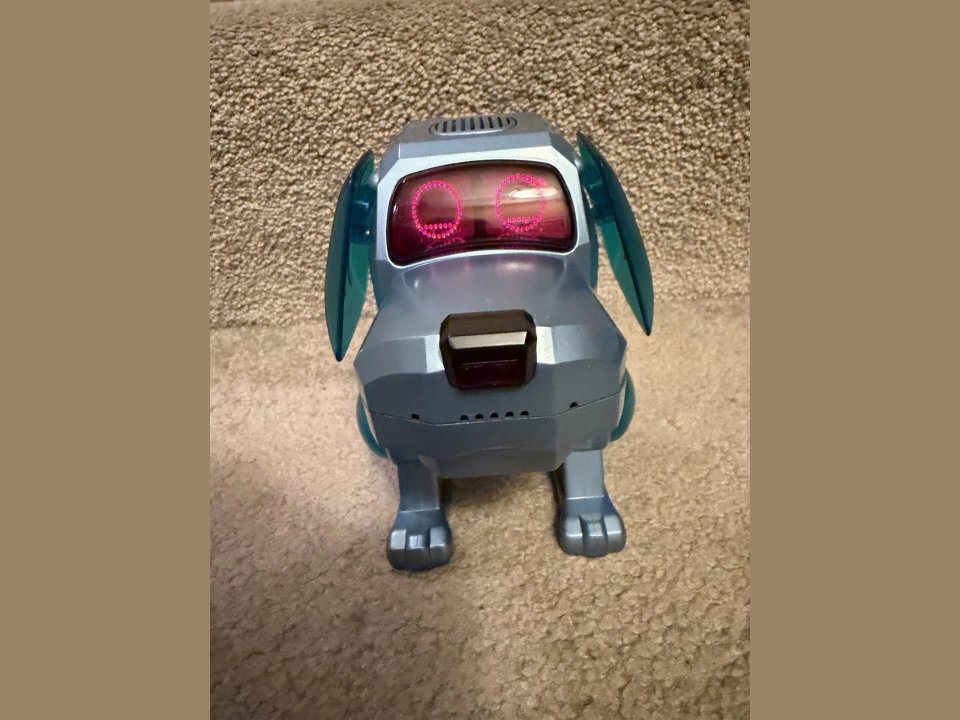
Poo-Chi was an interactive robotic dog that could walk, bark, and respond to voice commands. What made Poo-Chi different was its ability to “learn” new tricks, much like a real pet, and its array of sounds and movements. Kids could interact with it through touch and sound, making the experience feel more lifelike.
The toy’s combination of technology and cute design caught the attention of children in the early 2000s. It was marketed as a pet that did not require feeding or cleaning, which appealed to parents looking for a low-maintenance alternative to a real dog. Poo-Chi was also known for its quirky “singing” ability, where it would bark to the beat of certain songs. The current market value for a used Poo-Chi robot ranges from $30 to $60.
Stretch Armstrong

Stretch Armstrong was a stretchy, rubbery action figure that could be pulled, twisted, and stretched to extreme lengths without breaking. What made this toy so intriguing was the unique material it was made from, which allowed it to return to its original shape after being stretched. Children would engage in imaginative play, using Stretch Armstrong to perform feats of strength and battle villains.
The strange feature of its stretchy body gave it a fun, physical aspect that was rare in action figures at the time. There was also a sense of surprise about the toy; its unbreakable design made it feel like a challenge. Stretch Armstrong’s popularity led to multiple re-releases, and the toy has maintained its status as a nostalgic collectible. Vintage versions can fetch between $20 to $100, depending on condition, while newer versions cost around $15 to $30.
Hatchimals Interactive Hatch-and-Play Toys
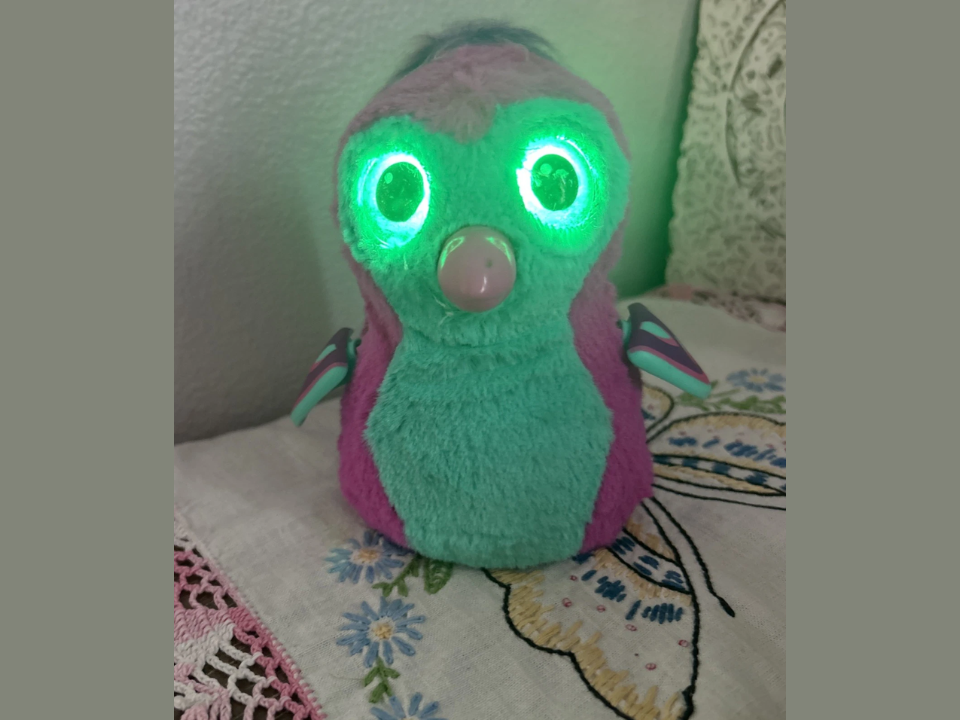
Hatchimals are toys that come in the form of eggs, which children must “hatch” by gently rubbing and tapping the egg. As the egg hatches, a colorful, interactive creature emerges, ready for kids to engage with. The toy line became hugely popular in 2016, with the excitement of watching the egg “crack” creating a sense of anticipation. The creatures inside can be taught new tricks and even “talk,” providing a more interactive experience than traditional dolls or action figures.
Hatchimals also allow kids to play games with their new pets and care for them, making them feel more like a companion. The novelty of the hatching process was a unique feature that kept kids entertained for hours. The current market value for a Hatchimal egg ranges from $40 to $80, depending on the series and condition.
Beyblades Spinning Tops
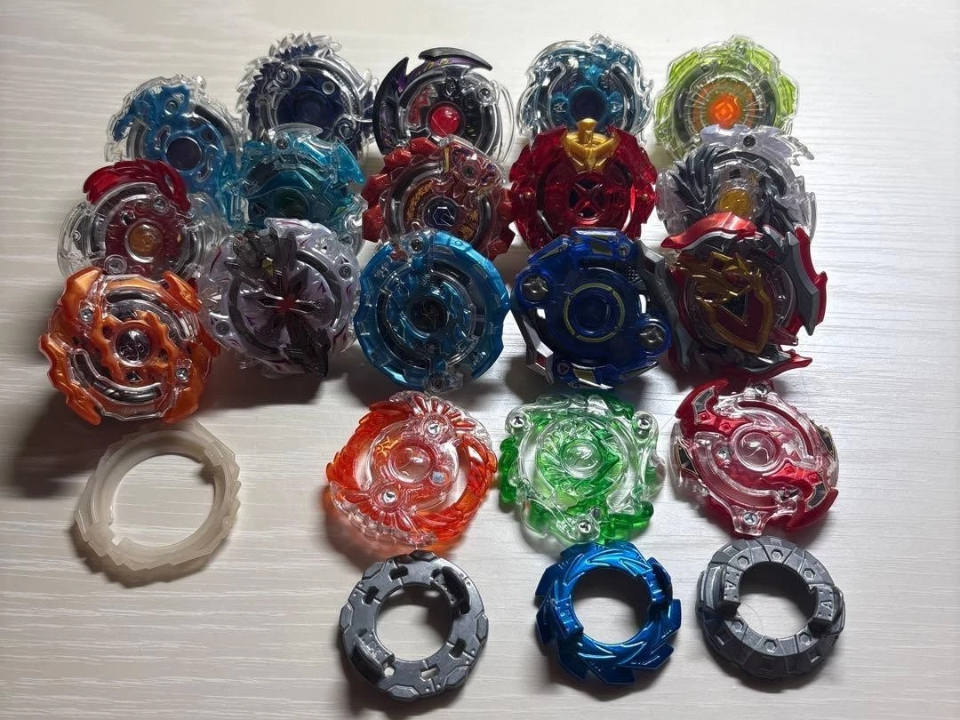
Beyblades are spinning top toys that became a global phenomenon in the early 2000s. What made Beyblades unique was the ability to customize the tops with various parts, allowing kids to create their own strategies for battle. These tops would be launched into an arena where they would spin and compete to knock each other out or stop spinning. The thrill of competition and the speed of the spinning tops were key elements that drew kids in.
Beyblades also had an anime series that further fueled their popularity, giving each top a backstory and special powers. The customization aspect of the toy allowed for endless combinations, making each battle different. Beyblades can be found on the market today for around $5 to $20 for a single top, with special edition or rare ones costing more.
Sky Dancers Flying Dolls
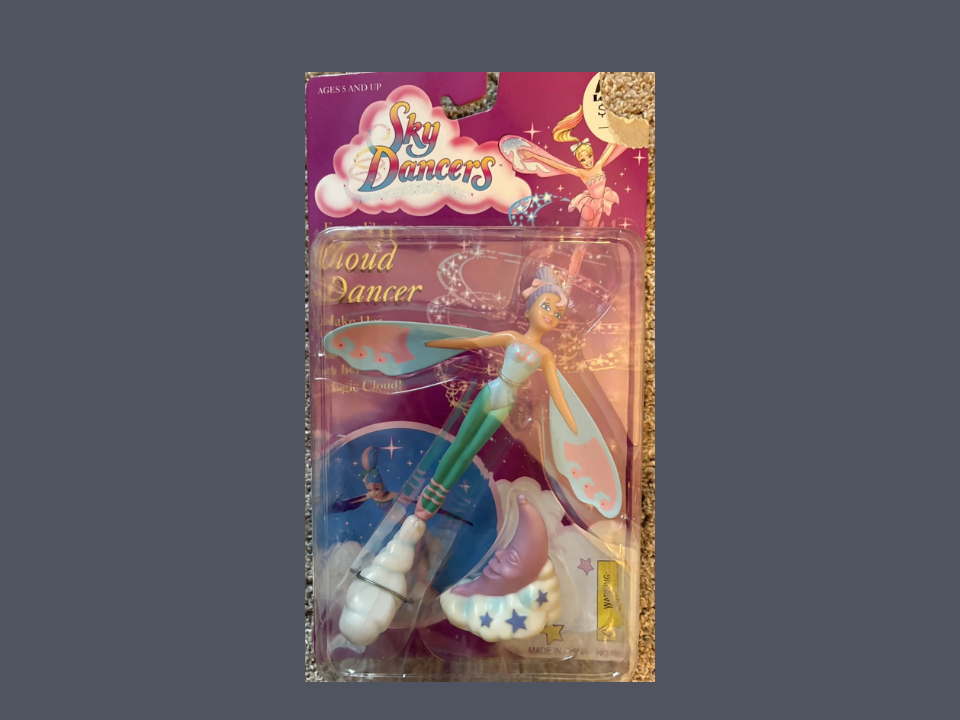
Sky Dancers were dolls with wings that could “fly” into the air when a button was pressed on their base. The toy was unique because it combined the fun of dolls with the action of a flying toy. Kids would watch as the Sky Dancer launched into the air, spinning and gliding with graceful movements. The dolls came in various designs and colors, appealing to a wide range of children.
What made Sky Dancers strange was the way they would twirl and glide through the air, seemingly defying gravity. The excitement of launching them into the air created a sense of wonder and made it feel like the dolls were alive. A set of Sky Dancers typically costs between $10 and $30 on the current market.
Zhu Zhu Pets Interactive Hamsters
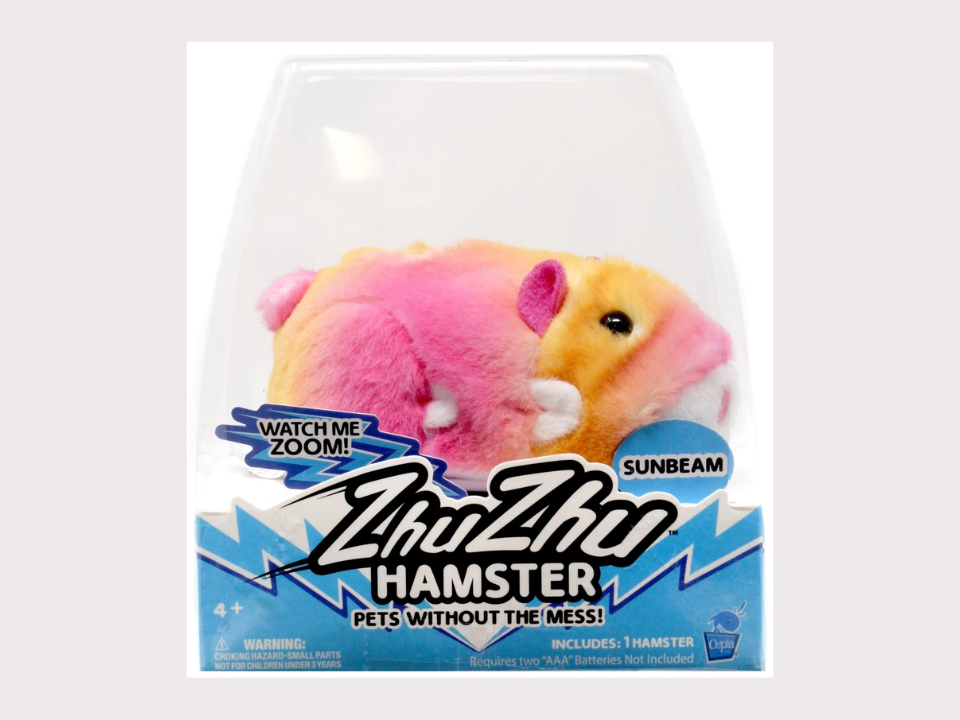
Zhu Zhu Pets were small, motorized hamsters that could move around on their own, making realistic hamster sounds and actions. What made them unique was the way they could interact with the playsets, which were designed to mimic a hamster’s cage with tunnels and wheels. These toy hamsters could be placed in a variety of scenarios and would scurry around, interact with obstacles, and even “talk” to kids.
The charm of Zhu Zhu Pets was in their unpredictability and lifelike movements, which made them feel like real pets. Despite their small size, they were capable of performing a variety of actions that kept children entertained. Due to their popularity, Zhu Zhu Pets spawned a variety of playsets and accessories. Current market values for Zhu Zhu Pets range from $5 to $20, depending on condition and edition.
Wild Planet’s Spy Gear
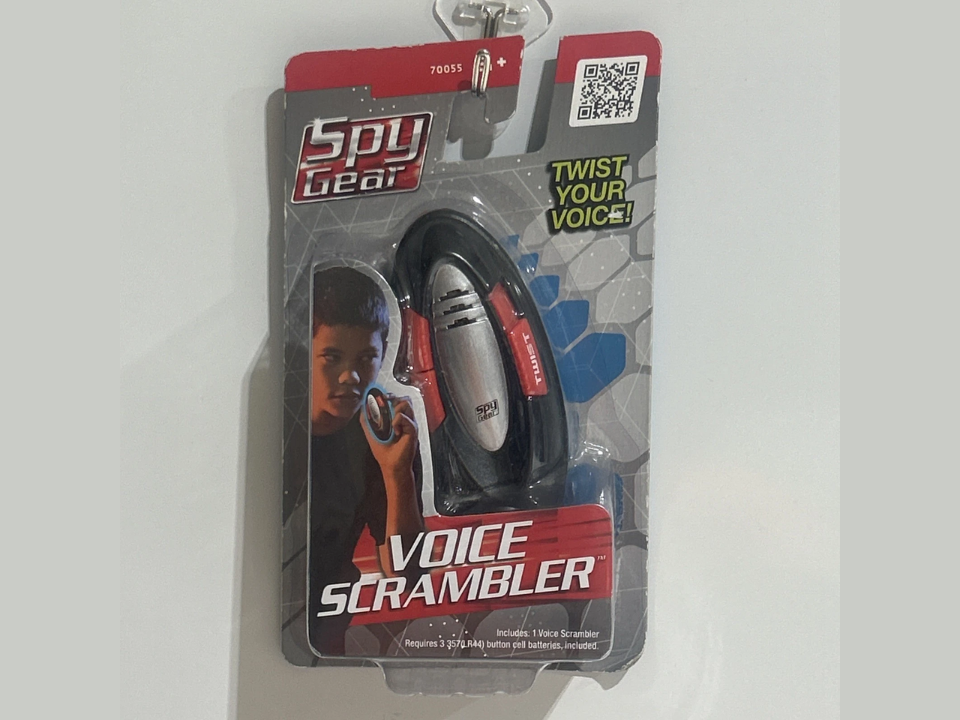
Spy Gear toys were a popular line for kids who wanted to feel like real-life secret agents. The line featured various gadgets like spy glasses, binoculars, and night-vision goggles, which were designed to make children feel like they were part of a secret mission. What set Spy Gear apart was the creativity in its design, making each item look high-tech and fun to use. The gadgets were often marketed as tools for secret agents, and children could use them to “spy” on family and friends.
With toys such as a “laser” detector and spy pens, kids could engage in pretend missions, adding a level of excitement to their playtime. The strange feature of Spy Gear was how the toys blended pretend play with a sense of mystery and intrigue, making them hard to put down. These toys can typically be found for $10 to $40, depending on the specific item and its features.
Moon Shoes
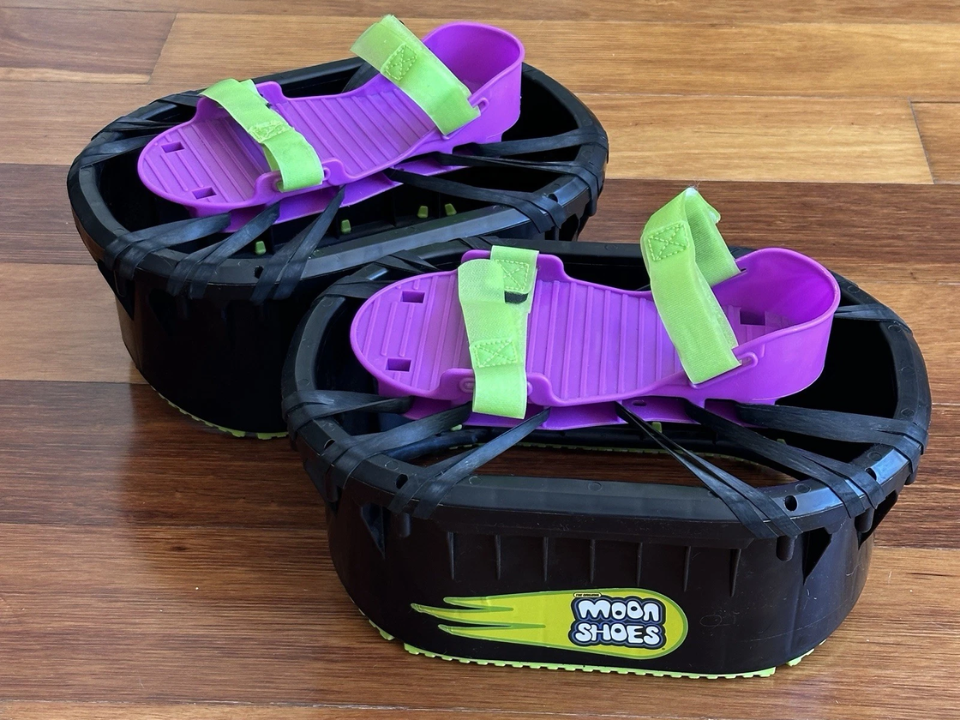
Moon Shoes were a unique type of footwear designed to make kids feel like they were jumping on the moon. The shoes were small, plastic platforms with elastic bands that allowed kids to bounce and jump with ease. What made Moon Shoes strange was the way they created a fun, bouncy effect that simulated low gravity, making each jump feel like an adventure.
Children would often use these shoes for obstacle courses or pretend play, jumping from one spot to another. They offered a combination of exercise and entertainment, keeping kids active and engaged. The bouncy action and unique design made them a hit for several years. Current market prices for Moon Shoes range from $20 to $50, depending on the model and condition.
Skip-It
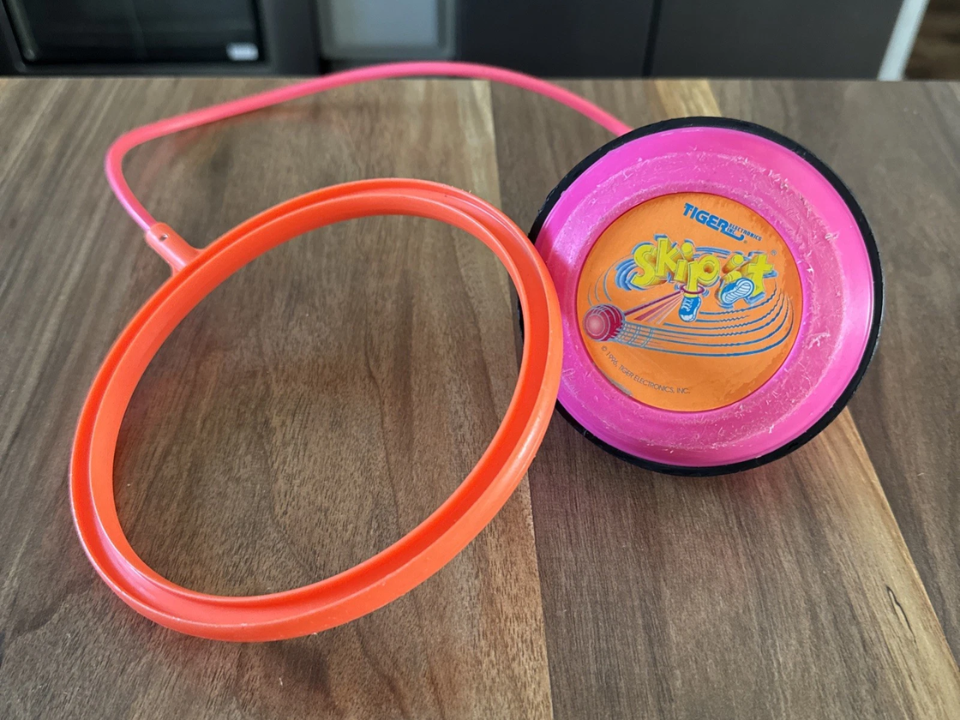
Skip-It was a simple yet entertaining toy that kept kids hopping for hours. The toy consisted of a plastic ring that went around one ankle while the other foot would “skip” over it repeatedly. The strange part about Skip-It was its simplicity and how much fun it offered with very little involvement.
Kids would swing their leg to get the Skip-It to rotate, and the goal was to see how many rotations could be completed without tripping. The rhythmic motion made it easy for kids to engage in solo play or challenge their friends. The competitive nature of the game kept kids motivated to keep going. The market price for Skip-It varies between $10 and $20.
Gak from Nickelodeon
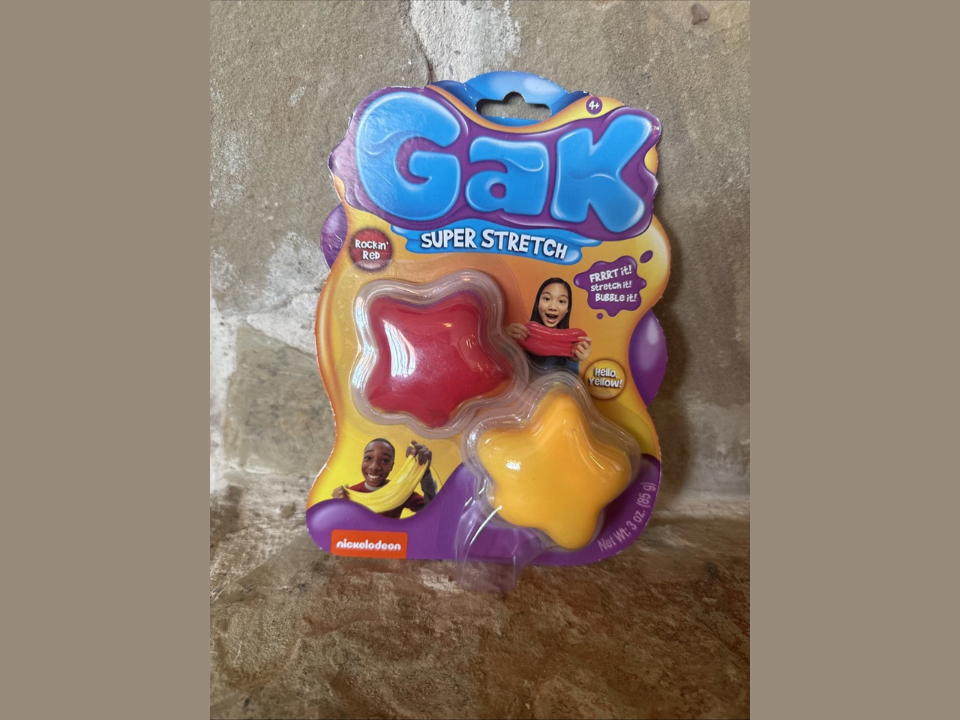
Gak was a slimy, stretchy toy that was marketed as the ultimate fun goop. The toy’s strange feature was its consistency; it could be squeezed, stretched, and shaped, making it fun to manipulate. Kids loved playing with Gak because it had an oddly satisfying texture and could be used for all kinds of pretend play. It was similar to slime but had a thicker, more flexible feel, which added to the fun.
The bright colors and quirky “gak” sounds when squeezed made it unique. Gak became a major hit in the 1990s, and kids would use it to make squishy sounds, stick it to surfaces, or simply mold it into shapes. Gak typically sells for around $5 to $10, depending on the packaging.
Micro Machines
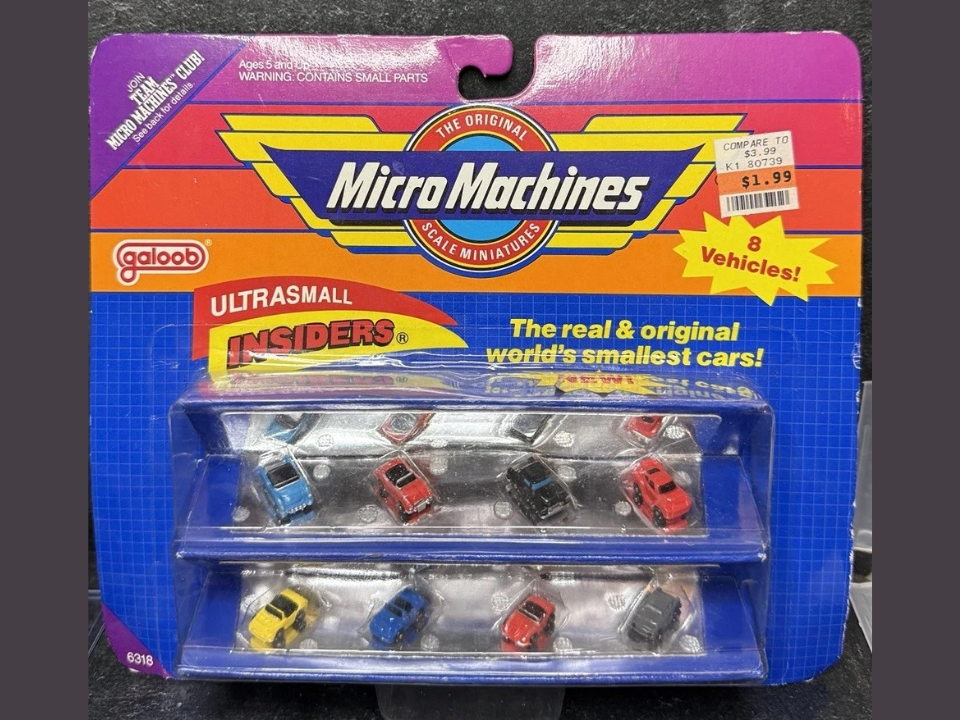
Micro Machines were tiny, collectible cars that were about half the size of a typical Hot Wheels car, making them unique in the toy market. These cars could be used in custom-made playsets that were often just as small as the vehicles themselves. What made them strange was their ability to offer the same play experience as full-sized car toys, but on a much smaller scale.
Kids could build intricate cities or racetracks with Micro Machines, all while enjoying the miniature size. There was also an element of excitement in collecting the vast variety of designs and limited edition cars. Micro Machines allowed children to use their imagination in ways that other toys could not. The current market value for a set of Micro Machines ranges from $10 to $100, depending on the rarity and condition.
This article originally appeared on Avocadu.