
13 Tough Winter Blooms That Stand Up to Snow
Winter doesn’t have to mean a dull garden. With the right plants, your outdoor space can stay vibrant even in the coldest months. Some hardy flowers and shrubs are built to withstand freezing temperatures, continuing to bloom or even intensifying their colors through snow and frost. These resilient plants utilize natural compounds, such as sugar alcohols, to protect their cells from freezing, ensuring they remain strong when winter weather strikes. If you’re looking to brighten up your garden during the chilly season, these tough blooms are perfect for adding color and life to your winter landscape.
This post may contain affiliate links, which helps keep this content free. Please read our disclosure for more info.
Hellebore (Helleborus spp.)
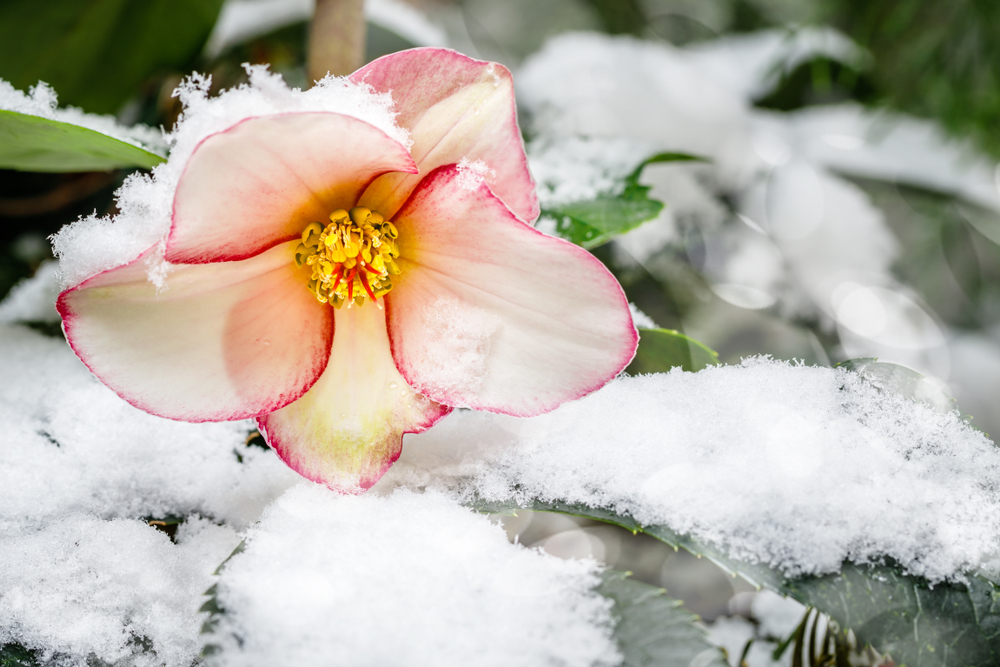
Hellebores, commonly known as “Christmas roses,” are one of the most resilient plants, capable of blooming even when snow is still covering the ground. They often emerge in the depths of winter, with their vibrant blooms standing out against the snow. These flowers can survive the frost due to their unique ability to produce natural antifreeze-like compounds such as sugar alcohols. These compounds prevent cell freezing and allow the plant to retain moisture during cold spells, helping the flowers stay intact even when temperatures drop below freezing.
Aside from their frost tolerance, hellebores are also celebrated for their beautiful range of colors, including shades of white, pink, and deep purple. These evergreen perennials have leathery, waxy leaves that not only protect the plant during winter but also help keep the blooms from wilting in the cold. Their striking colors seem to intensify under the dull winter light, bringing an unexpected burst of beauty to the landscape during the bleakest months of the year. These traits make hellebores a perfect choice for gardens that need a bit of winter cheer.
Snowdrop (Galanthus nivalis)
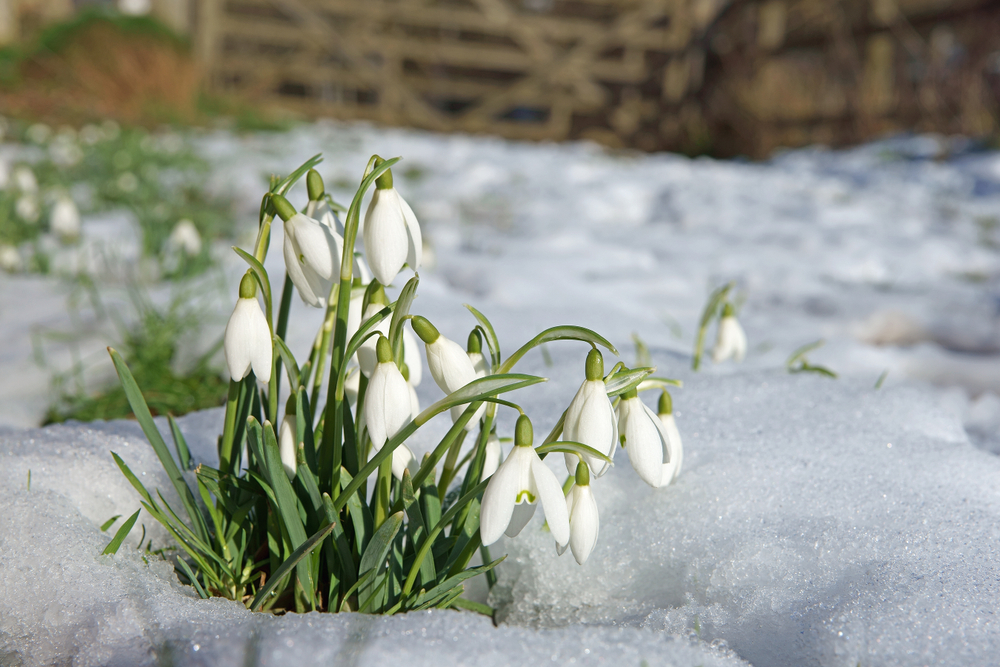
Snowdrops are among the first flowers to bloom as winter begins to wane. Their pure white petals create a striking contrast against the snowy backdrop, making them a welcome sight in early spring. Snowdrops thrive despite the cold temperatures, thanks to their natural antifreeze compounds like sugar alcohols, which protect the plant’s cells from freezing. These compounds help snowdrops survive even when temperatures dip below zero, allowing them to bloom in early winter and keep their flowers intact through snow and ice.
These tiny yet resilient flowers are a symbol of hope, often blooming while the ground is still covered in snow. The beauty of the snowdrop lies in its ability to bloom early, often at the tail end of winter when little else is flowering. They can tolerate harsh conditions by growing in full shade, under trees, or in the midst of the remaining snow, which further showcases their adaptability and strength in the face of winter’s challenges. Snowdrops are essential for any garden looking to brighten the winter landscape with early, delicate blooms.
Winter Jasmine (Jasminum nudiflorum)
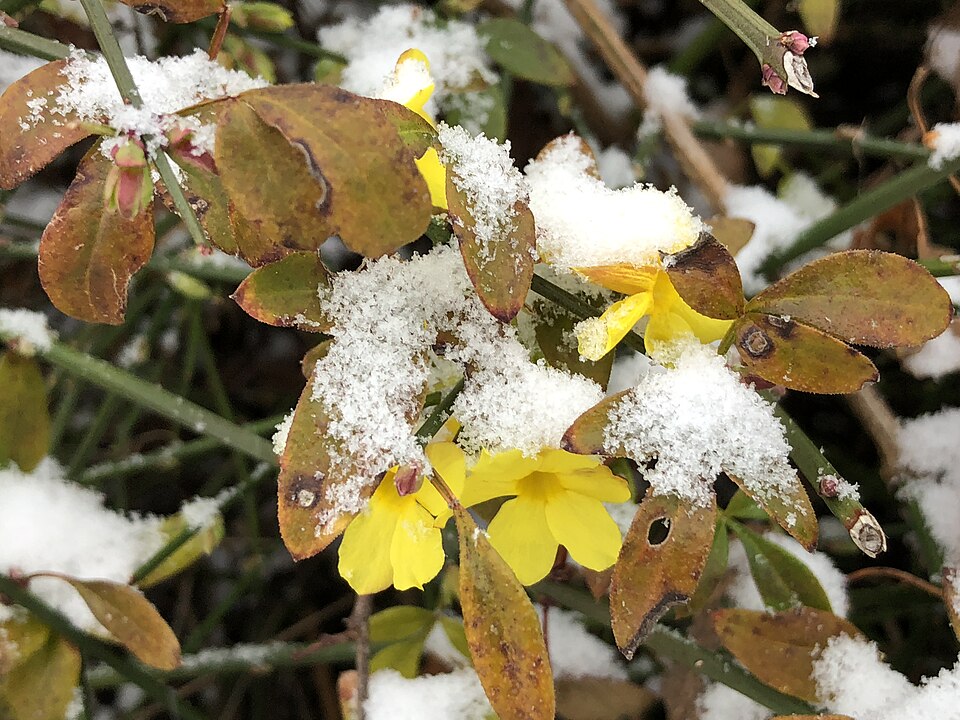
Winter jasmine is an incredibly hardy plant that defies the cold, with its bright yellow blooms appearing during the coldest months of the year. Unlike many plants that wait for spring to produce flowers, winter jasmine thrives when most of the landscape is dormant. The flowers bloom on bare stems, creating a brilliant contrast to the otherwise drab winter scenery. This plant’s ability to flower in such harsh conditions is due to the presence of sugars and proteins in its cells, which help prevent ice formation within the plant’s tissues, keeping the blooms intact through frost and snow.
Despite its delicate appearance, winter jasmine is known for its resilience, surviving through frost, snow, and even low temperatures that would kill less hardy plants. It is a perfect addition to gardens that need a splash of color during the dreary months. Not only does winter jasmine bring brightness to a cold landscape, but it also thrives in various conditions, including full sun or partial shade, making it an adaptable and reliable plant to grow through the winter. Its charming flowers stand out against the frosty environment, providing much-needed warmth to the winter garden.
Crocus (Crocus spp.)
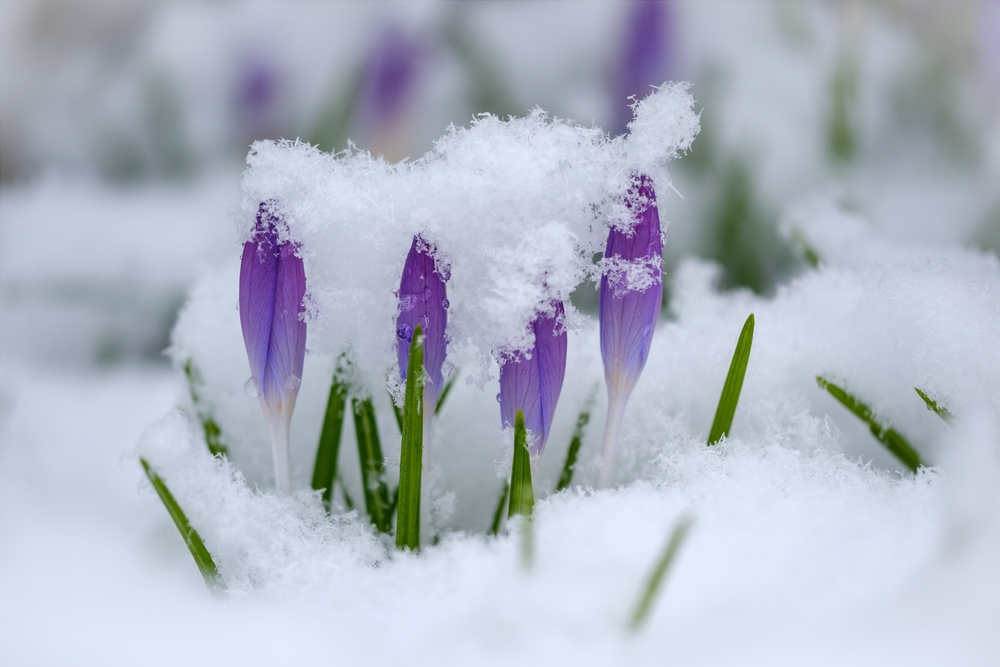
Crocus flowers are the first signs of life that many gardeners see after the cold winter months. These hardy bulbs are known for pushing their colorful blooms through snow, making them one of the earliest blooms of spring or late winter. Crocus flowers can withstand frost because of the natural compounds in their cells, which act like antifreeze, preventing damage when temperatures drop. Their ability to bloom through snowflakes gives them a unique charm and makes them a beloved symbol of the changing seasons.
In addition to their resilience, crocuses bring vibrant colors to the winter garden. Their flowers range in colors from purple and yellow to white and blue, creating a cheerful splash of color when the landscape is still mostly brown or white from snow. Crocus plants thrive in well-drained soil and prefer sunny spots, making them ideal for early spring gardens or areas that see snowfall. Their ability to survive in harsh winter conditions is a testament to their toughness, and their stunning blooms help lift the spirits of anyone who encounters them during the colder months.
Winter Aconite (Eranthis hyemalis)
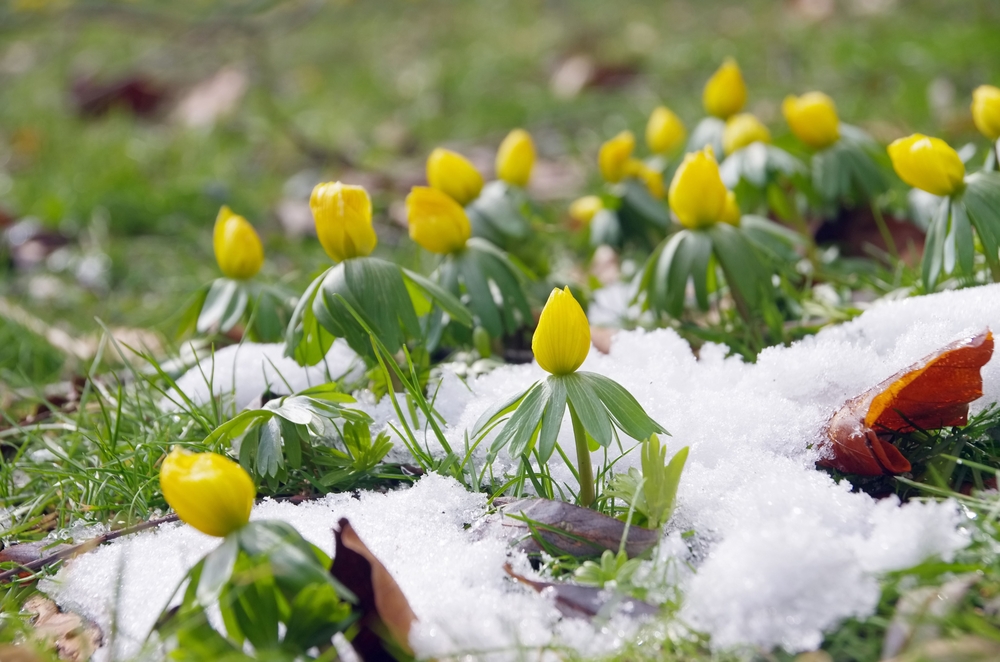
Winter aconites are among the most resilient and cheerful flowers of the winter season, often blooming while the ground is still frozen and covered in snow. These bright yellow flowers have an extraordinary ability to emerge early in the year, sometimes even before the snow has fully melted. Their winter resilience comes from their ability to produce antifreeze-like chemicals that protect their cells from freezing, allowing them to remain intact even when the weather is harsh. These tiny flowers bring an uplifting touch of color to the winter garden, often appearing in clusters along the ground.
Winter aconites are well-suited for shaded areas or woodlands where they can bloom in the early spring sunshine. The vibrant yellow of their blooms contrasts beautifully against the white snow, creating a stunning visual for garden enthusiasts. They grow in clumps and can naturalize in the garden, returning year after year. Despite their delicate appearance, winter aconites are incredibly tough and provide a valuable early-season source of nectar for pollinators, even during the coldest months.
Witch Hazel (Hamamelis spp.)
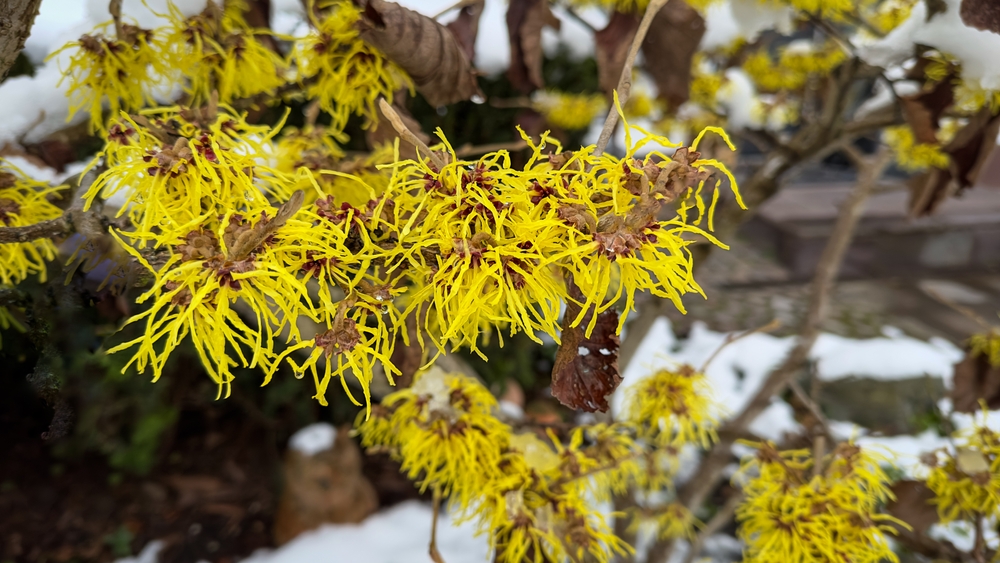
Witch hazel is a striking shrub that defies the winter chill by producing beautiful, fragrant flowers even in freezing temperatures. The flowers are often yellow or orange and have a delicate, spidery appearance that adds an unusual beauty to the garden during the colder months. Witch hazel’s ability to flower in winter comes from its natural antifreeze capabilities, which protect the plant’s cells from ice damage. The flowers, which appear on bare branches, seem to glow against the winter sky, making witch hazel a standout in any winter landscape.
In addition to its stunning flowers, witch hazel has medicinal properties, with extracts from its bark used in skincare products and herbal remedies. The plant’s resilience in the face of winter frost is matched by its adaptability, thriving in both sun and partial shade. Witch hazel’s early blooms also help to attract wildlife, including bees and other pollinators, providing them with much-needed resources during a time when other flowers are scarce. This tough shrub is a symbol of nature’s strength, able to withstand the coldest conditions and still provide beauty and function.
Camellia (Camellia spp.)
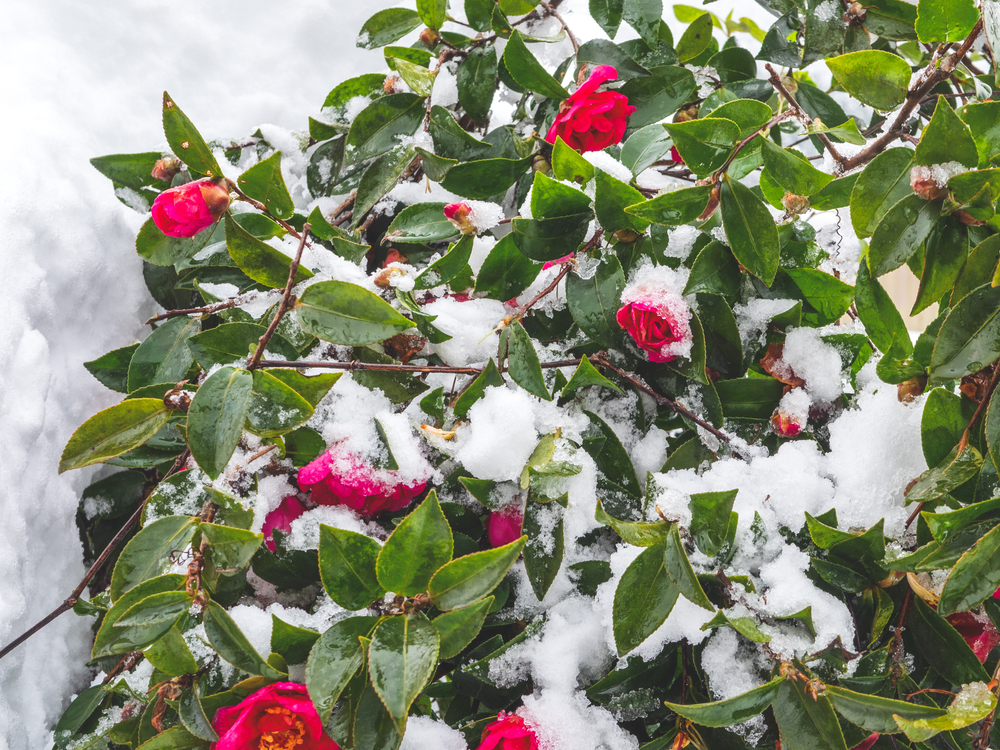
Camellias are evergreen shrubs that add a touch of elegance to the winter garden with their large, glossy green leaves and bright flowers. These plants are capable of blooming during the colder months, with their delicate flowers appearing in shades of pink, red, or white. The camellia’s ability to bloom in the winter months is thanks to its natural defenses against frost, including the production of sugars and other compounds that help protect the plant’s tissues from freezing. The flowers of the camellia are often surrounded by a backdrop of evergreen foliage, creating a striking contrast against the dull winter colors.
Camellias thrive in sheltered locations, where they can benefit from winter sun but are protected from harsh winds. Despite their delicate appearance, camellias are hardy plants that can tolerate cold temperatures, though they may need some extra protection in areas where winters are particularly harsh. These resilient plants provide color and beauty to the landscape when most other plants are dormant, making them an essential part of any winter garden. With their stunning blooms and evergreen nature, camellias are a symbol of enduring strength through the winter months.
Pansy (Viola tricolor var. hortensis)
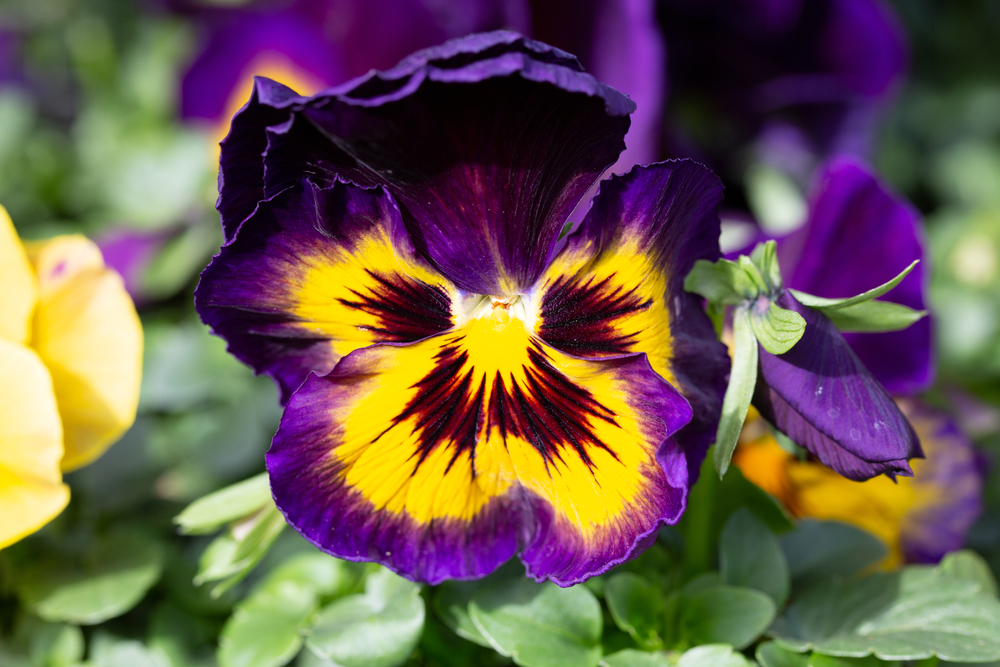
Pansies are a popular choice for winter gardens, known for their cheerful faces and vibrant colors that brighten up the coldest months. These hardy flowers are capable of surviving frost, with their petals containing natural compounds that help prevent freezing. Pansies can bloom in early winter or late fall, adding a splash of purple, yellow, or white to the landscape. They are well-suited for containers or garden beds, where their bright colors stand out against the dull winter backdrop.
One of the reasons pansies are so well-loved is their ability to thrive in cooler temperatures. They often flower during periods of mild winter weather, continuing to bloom as the temperatures dip. Their ability to withstand frost is a testament to their strength and adaptability, making them perfect for gardeners looking to add color to their winter spaces. Pansies also attract pollinators during the colder months, providing an early source of nectar for bees and other insects.
Primrose (Primula spp.)
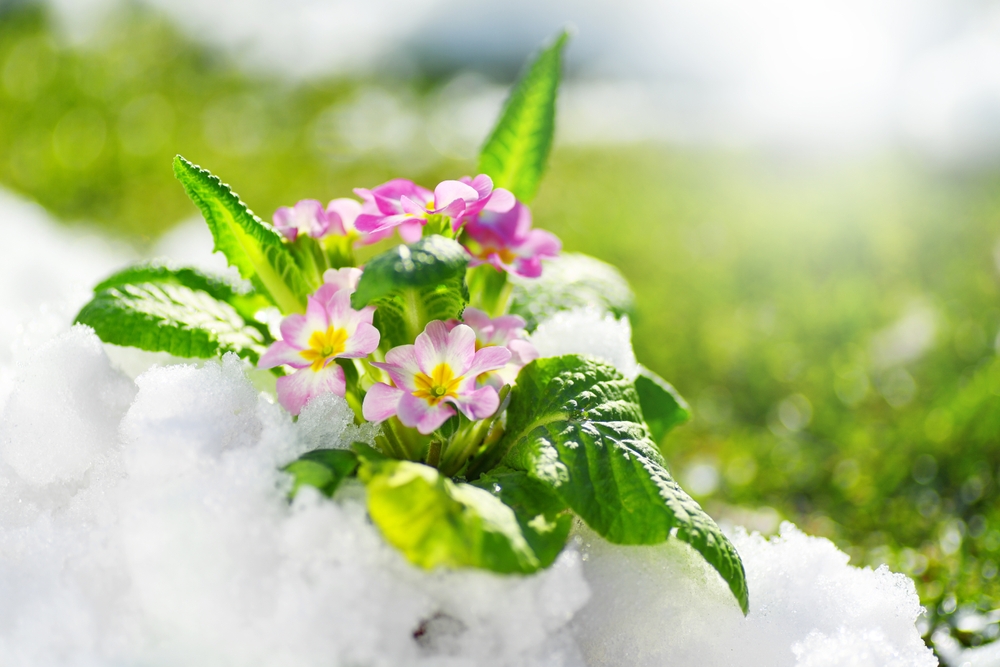
Primroses are hardy flowers that bring early spring color to gardens, blooming in the late winter or early spring, even in cooler temperatures. These plants are incredibly resilient, with their ability to withstand frost thanks to their high concentration of sugars and other antifreeze-like compounds. The bright yellow, pink, or purple flowers of the primrose often appear in clusters, creating a cheerful splash of color when the rest of the garden is still dormant. These flowers are known to thrive in both shade and partial sun, making them versatile and adaptable to different garden conditions.
Primroses are ideal for growing in moist, well-drained soil and are often used to brighten up shaded areas or woodland gardens. Their resilience to frost and their ability to bloom early make them an excellent choice for gardeners who want a splash of color during the winter months. They are low-maintenance plants that provide both beauty and practical benefits to the garden, helping to attract pollinators even in the cold months.
Heather (Calluna vulgaris)
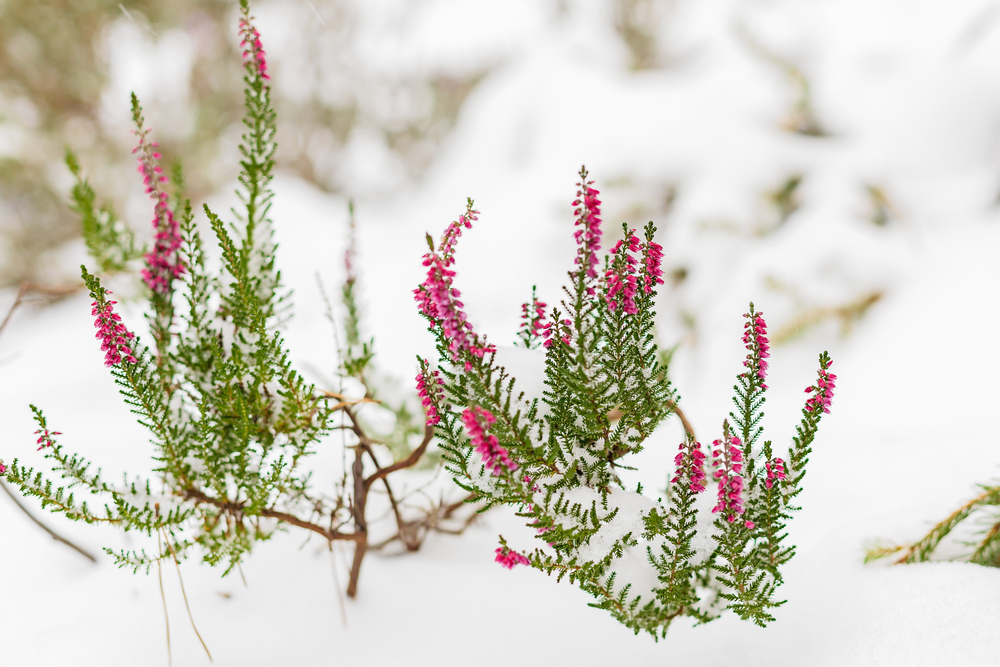
Heather is a small shrub known for its vibrant, purple or pink flowers that bloom during the winter months. This hardy plant thrives in poor soil and can withstand frost and snow, thanks to its natural antifreeze properties. Heather is an excellent choice for low-maintenance winter gardens, as it requires minimal care and can bloom for months during the colder months. Its ability to tolerate snow and frost while continuing to bloom makes it an essential plant for adding color to the winter landscape.
Heather is often used as ground cover or planted in clusters to create a striking contrast against the white of snow. Its hardy nature allows it to survive in a variety of climates, including cold regions where winters are harsh. In addition to its vibrant flowers, heather’s evergreen foliage helps maintain interest in the garden during the winter, providing texture and color even when the blooms have faded. Heather is a symbol of resilience, able to withstand the cold and continue to thrive through the winter months.
Cyclamen (Cyclamen persicum)
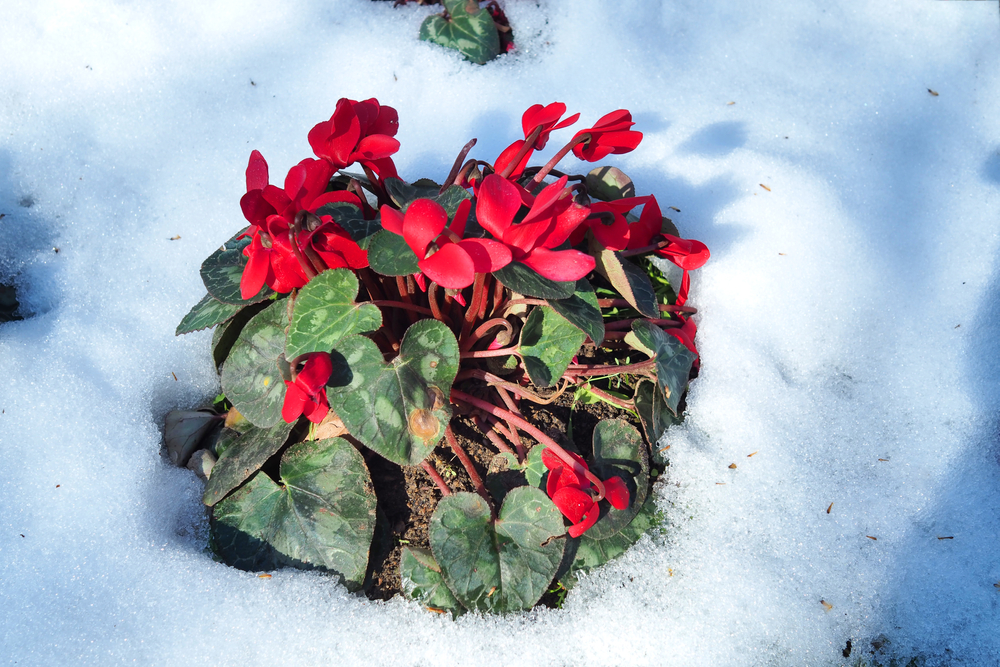
Cyclamen is a unique winter bloomer that produces beautiful, delicate flowers in shades of pink, red, and white. This plant can withstand cold temperatures due to its antifreeze-like compounds that help protect its cells from freezing. Cyclamen grows from tubers, and its flowers appear in late fall or early winter, often before the first frost. These flowers rise above the heart-shaped leaves, creating a lovely contrast of colors and textures in the garden.
Cyclamen thrives in well-drained soil and shaded areas, making it perfect for planting under trees or in woodland gardens. It is a hardy plant that can endure frost and continue to bloom throughout the winter months, bringing color and life to areas that would otherwise be barren. The resilience of cyclamen makes it a reliable choice for gardeners looking for winter blooms that can survive even in the coldest temperatures.
Mahonia (Mahonia spp.)
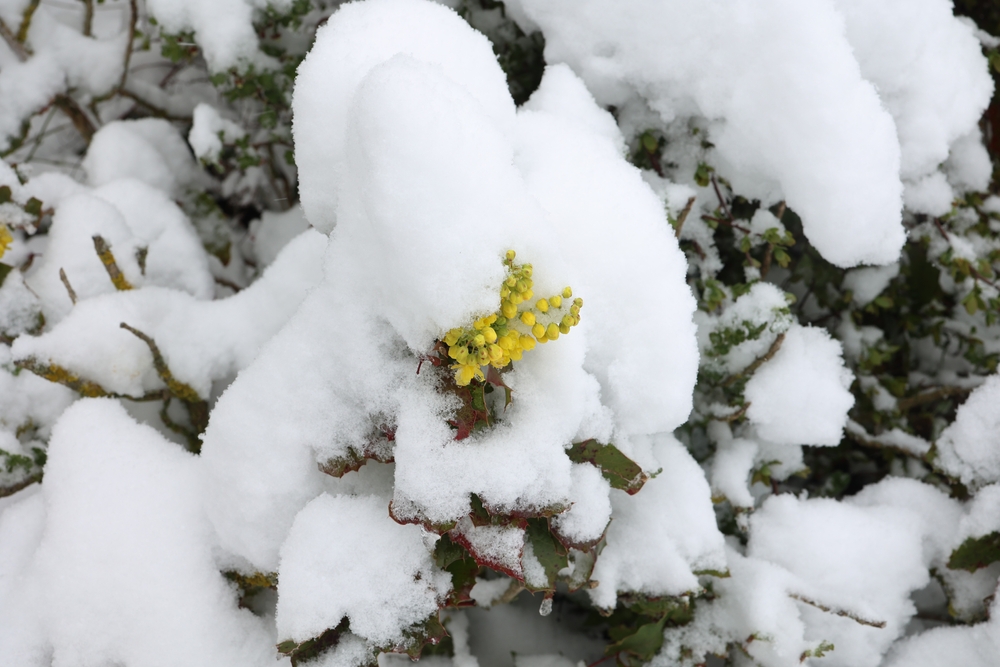
Mahonia, also known as Oregon grape, is a shrub that produces vibrant yellow flowers in the middle of winter. These flowers are often followed by blue-black berries, which are edible and attract birds to the garden. Mahonia’s ability to withstand frost and snow is due to its thick, leathery leaves and its antifreeze-like compounds that protect it from freezing temperatures. The flowers add a bright burst of yellow to the winter landscape, while the plant’s evergreen leaves provide structure and interest throughout the year.
Mahonia thrives in shaded areas or partial sun, making it perfect for planting under trees or in woodland gardens. The plant’s resilience to the cold makes it an excellent choice for gardens that need winter interest. It can tolerate both snow and frost, continuing to bloom even in harsh conditions. Mahonia’s ability to survive winter conditions and attract wildlife makes it a valuable addition to any winter garden.
Periwinkle (Vinca minor)
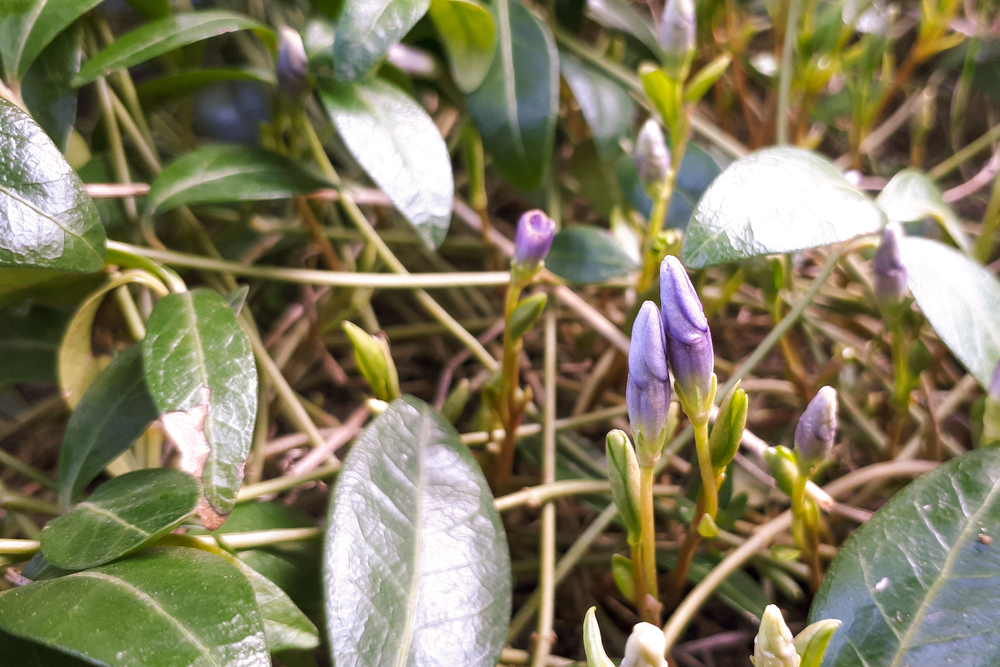
Periwinkle, also known as vinca, is an evergreen ground cover that blooms with small blue or purple flowers in late winter or early spring. This hardy plant can survive cold temperatures and harsh winter conditions, thanks to its natural antifreeze-like compounds that protect its cells. Periwinkle is often used to cover the ground in shady areas, and it thrives even in the colder months, providing color and texture to the garden. Its resilience to frost and its ability to bloom early make it a great choice for those looking to brighten up the garden during the winter months.
Periwinkle is an easy-to-care-for plant that requires minimal attention. It is a great ground cover, helping to suppress weeds and retain moisture in the soil. The flowers of periwinkle add a pop of color to shaded garden spaces, making it a reliable choice for winter gardens. Its ability to survive frost while continuing to bloom makes it a great option for any garden that needs a touch of color during the colder months.
This article originally appeared on Avocadu.