
13 Tough Perennials That Bounce Back Fast After Cold Nights
When winter’s chill begins to fade, many perennials spring back to life, offering vibrant color and texture to your garden. These resilient plants are designed to withstand cold nights and harsh weather, quickly regenerating once the warmer days arrive. Whether you’re looking for low-maintenance blooms or hardy foliage, these perennials thrive in colder climates, adding beauty and stability to your garden year after year.
This post may contain affiliate links, which helps keep this content free. Please read our disclosure for more info.
Hellebore (Helleborus spp.)
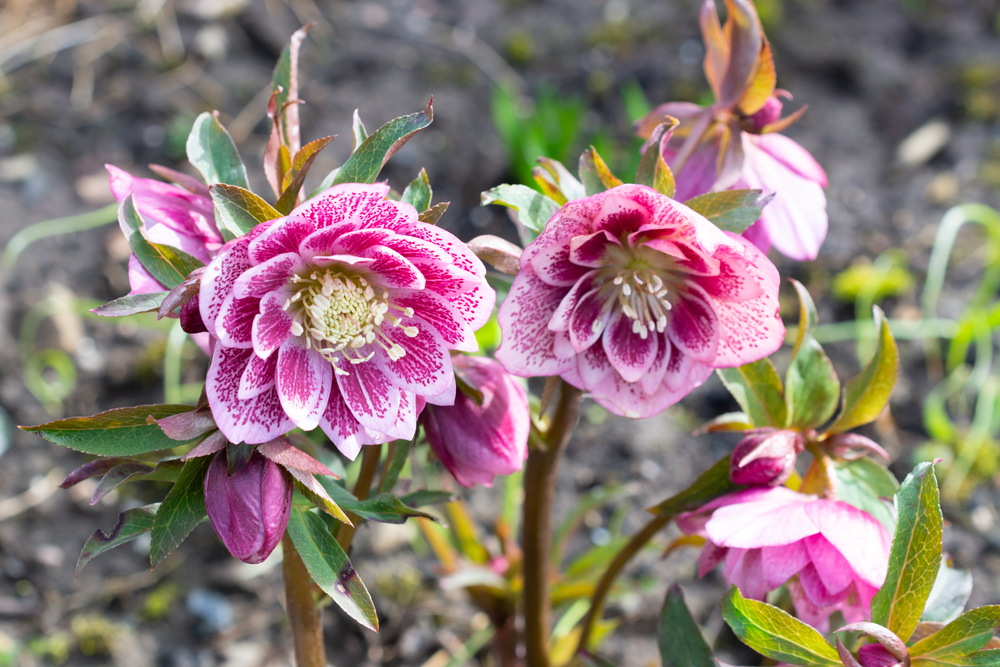
Hellebores are highly regarded for their remarkable resilience in cold climates, making them a favorite for gardeners in regions with harsh winters. These perennials have a well-established root system that remains insulated in the ground throughout the winter months. While their leaves may appear damaged or die back from frost, the roots stay protected by the earth, and the plant itself is not affected. This allows hellebores to come back strong as soon as temperatures warm up.
One of the most impressive features of hellebores is their early blooming season, often starting in late winter or early spring when most plants are still dormant. The hardy root system ensures that, despite the frost, they can push out fresh new growth as soon as the conditions are right. These plants are known for adding early color to gardens, with their nodding flowers ranging from white and green to purple and pink, making them a valuable addition to woodland or shaded areas where other plants may struggle.
Daylily (Hemerocallis spp.)
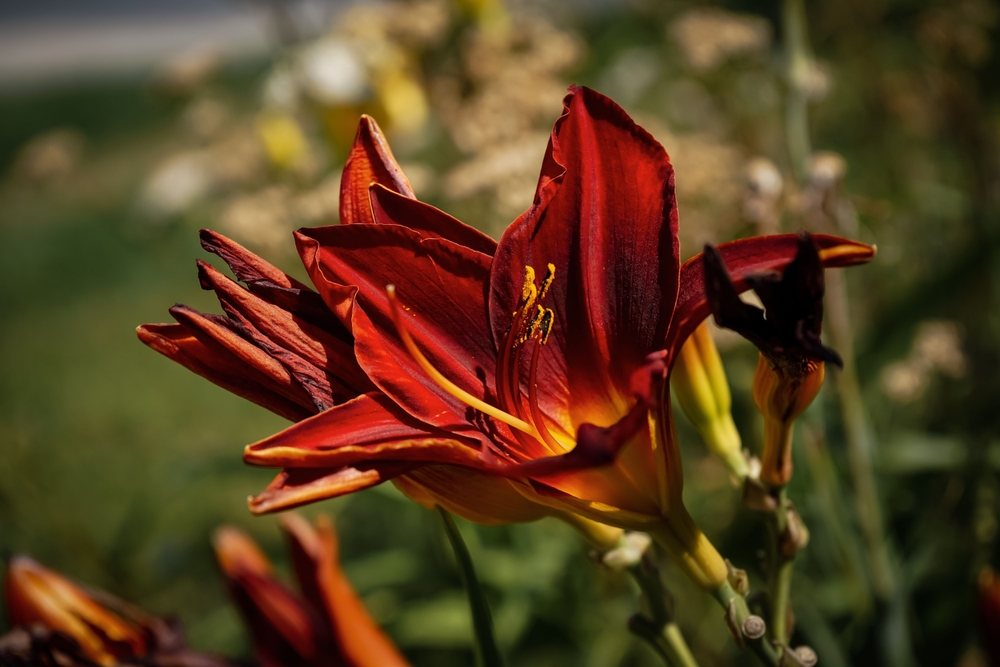
Daylilies are among the toughest perennials, known for their ability to bounce back quickly even after prolonged cold spells. These plants typically enter a state of dormancy during the winter, with their foliage dying back completely. However, their extensive root systems remain safe and insulated beneath the surface, protecting the plant from freezing temperatures. As the weather warms in the spring, daylilies rapidly emerge from their roots, producing vibrant flowers in a wide range of colors, including yellows, reds, and purples.
Their ability to regenerate quickly after the winter makes them ideal for colder climates, where freezing temperatures can cause many other plants to fail. The plants are not picky about soil types and can thrive in almost any garden environment, provided they receive full sunlight. Daylilies are also incredibly hardy, resisting pests and diseases while requiring minimal care. Even if the foliage is damaged by frost, daylilies bounce back in no time, often outperforming many other perennials in terms of speed and consistency.
Siberian Iris (Iris sibirica)
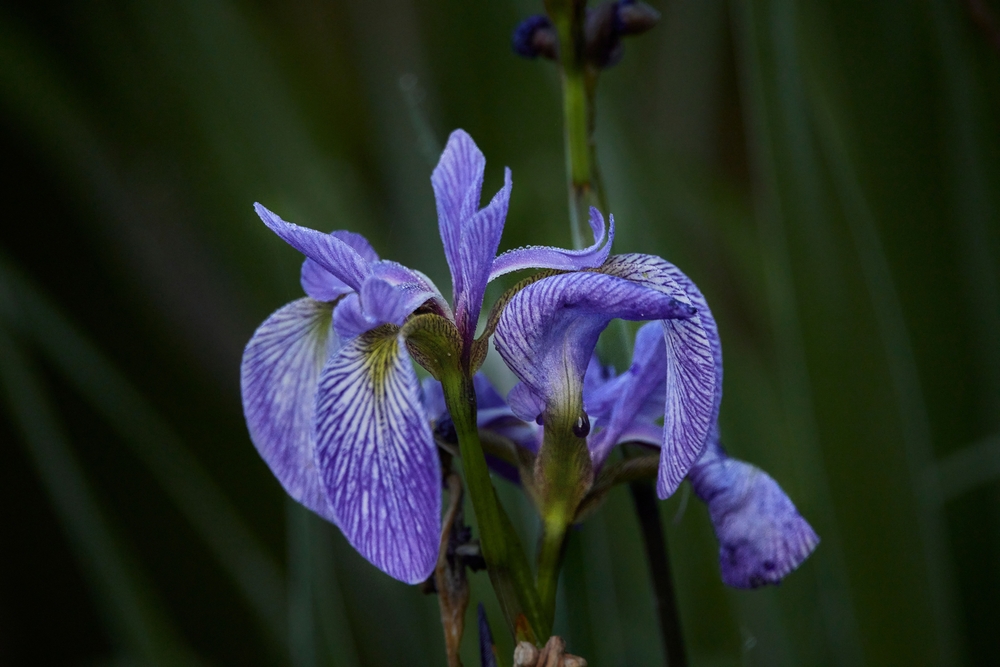
Siberian irises are well-known for their ability to withstand cold winters and spring back quickly when temperatures rise. These hardy perennials can survive freezing temperatures without significant damage, thanks to their deep, fibrous root systems that remain insulated in the ground. During the winter months, Siberian irises typically die back to the ground, yet the roots are well-protected and will start to sprout new growth as soon as the soil warms up in the spring. Their ability to regenerate quickly makes them a reliable choice for gardeners in colder climates.
These irises thrive in moist, well-drained soil and are particularly effective in areas that may have colder winters and wet springs. Their tall, elegant flowers in shades of blue, purple, and white bloom in late spring to early summer, bringing an uplifting burst of color to the garden. Siberian irises are also extremely low-maintenance, often requiring little more than occasional division to keep them healthy. Their tough nature and quick recovery after frost make them a staple in cold-weather gardens.
Bleeding Heart (Dicentra spectabilis)
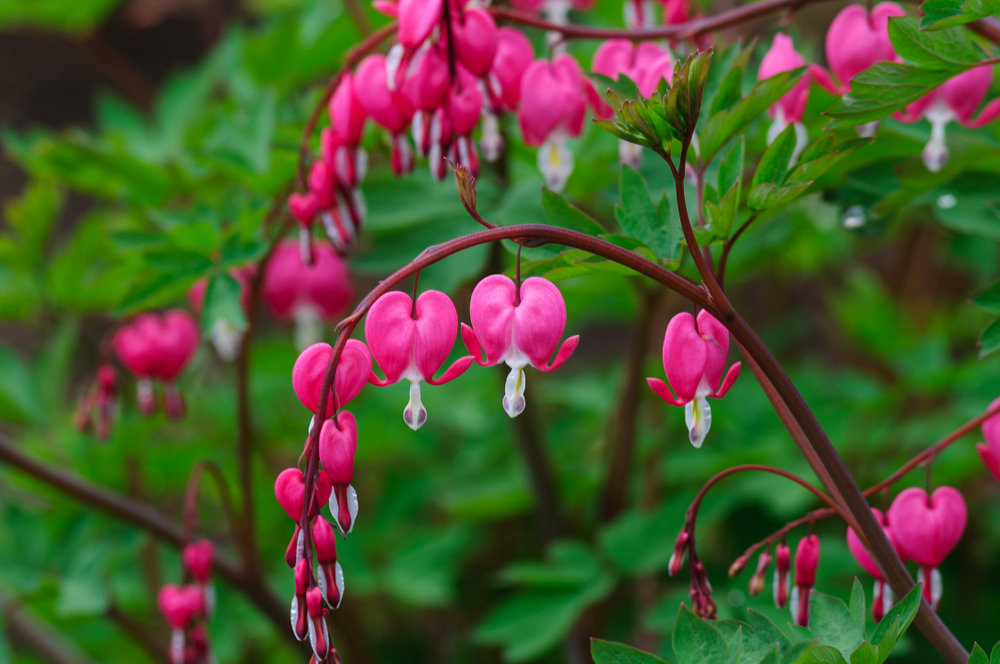
Bleeding hearts are another perennial that excels in colder regions, thriving in both shade and full sunlight. These plants have a remarkable ability to tolerate frost and cold temperatures, with their hardy roots staying intact through harsh winter conditions. As temperatures warm in spring, the plant’s roots immediately begin to send up fresh shoots, often covered with delicate, fern-like foliage that will soon bear their signature heart-shaped blooms. Bleeding hearts are capable of bouncing back after even the coldest of winters, making them ideal for gardeners who want reliable color in shaded spots.
The plant’s ability to regrow quickly after frost is a testament to its strength. While the top growth dies back completely in winter, the underground rhizomes stay safe from freezing temperatures, allowing for rapid recovery in the spring. Bleeding hearts bloom in late spring to early summer, offering a stunning display of pink, white, or red flowers. Their ability to thrive in shaded, cool garden spots with minimal care is what makes them a go-to perennial for any cold-weather garden.
Coneflower (Echinacea purpurea)
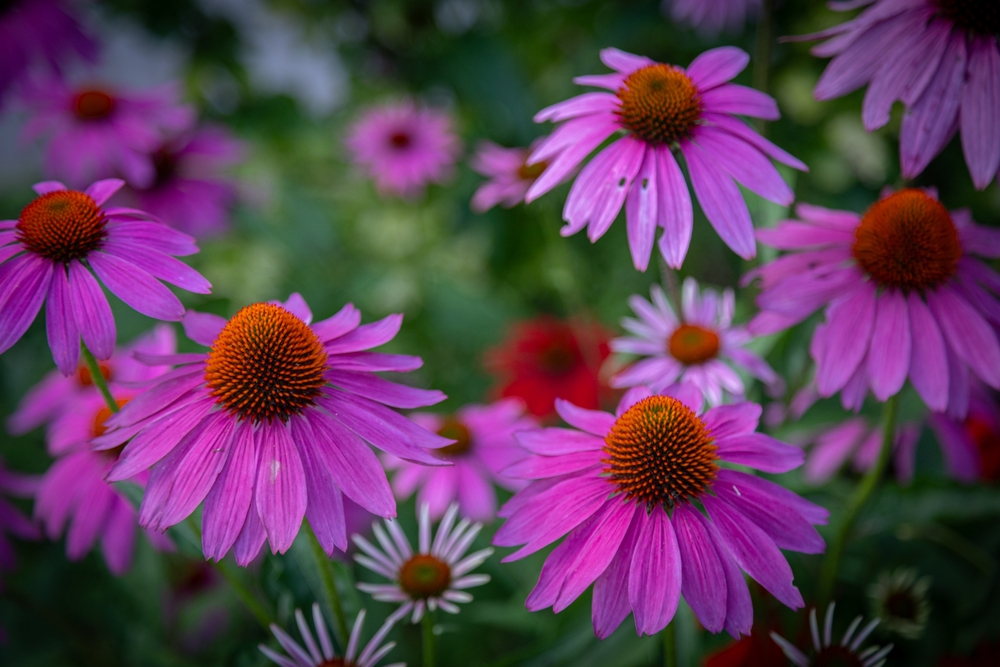
Coneflowers are not only tough perennials but also some of the most enduring flowers in cold climates. These plants have deep, fibrous roots that help them survive even the most frigid temperatures. While their top growth may die back in winter, the roots remain insulated beneath the soil, where they are safe from freezing conditions. As the warmer temperatures of spring arrive, coneflowers quickly emerge from their protected root systems, often providing some of the earliest color in the garden.
Coneflowers are incredibly hardy and adaptable, able to withstand freezing temperatures without issue. They bloom in the summer, producing large, daisy-like flowers with vibrant petals ranging from purple to orange, depending on the variety. Their resilience extends beyond cold weather, as they can also tolerate drought and poor soil, making them an excellent choice for a low-maintenance garden. Coneflowers not only come back quickly after cold nights but continue to thrive throughout the growing season, attracting pollinators and adding texture to the landscape.
Lavender (Lavandula spp.)
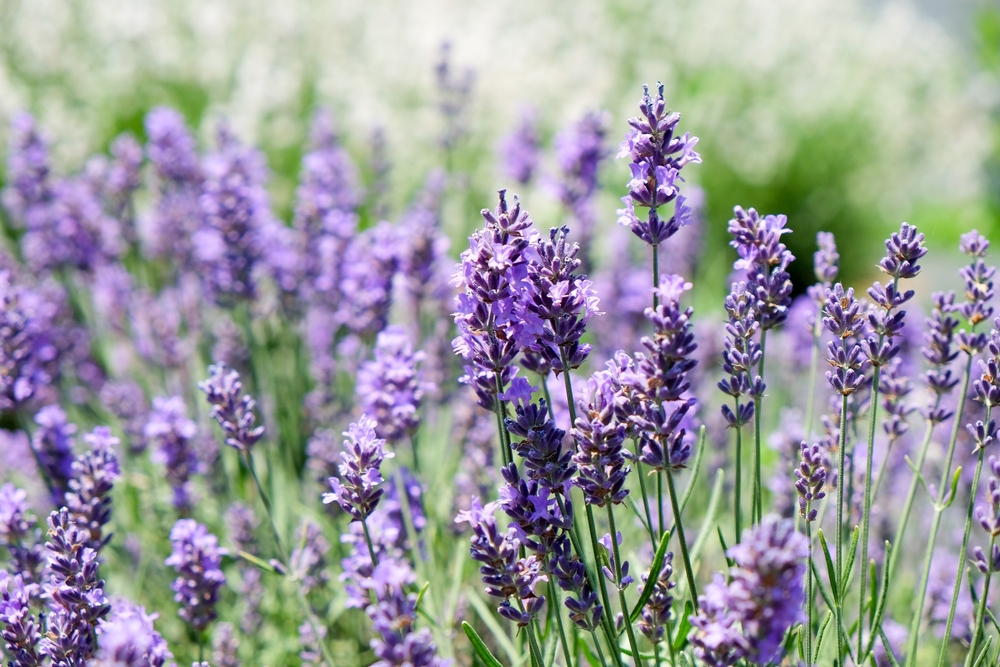
Lavender is another perennial that thrives in cold climates and recovers quickly from cold nights. While some varieties may die back to the ground in extremely cold weather, the plant’s woody base and deep root system remain alive and well beneath the soil. As spring temperatures warm, lavender reemerges with new growth, often accompanied by the unmistakable fragrance of its purple or blue spikes. Lavender’s ability to survive cold winters and regenerate quickly makes it a reliable addition to any garden, even in colder regions.
The plant’s tolerance for frost is complemented by its drought-resistant nature, which makes it suitable for gardens that experience fluctuating weather. Lavender prefers well-drained soil and full sun, where it can flourish and produce its signature fragrant blooms. Though it may look bare during the winter months, lavender’s tough, well-established roots ensure that it will rebound quickly as soon as warmer weather sets in. This combination of cold tolerance, quick recovery, and year-round beauty makes lavender a favorite in many gardens.
Black-eyed Susan (Rudbeckia hirta)
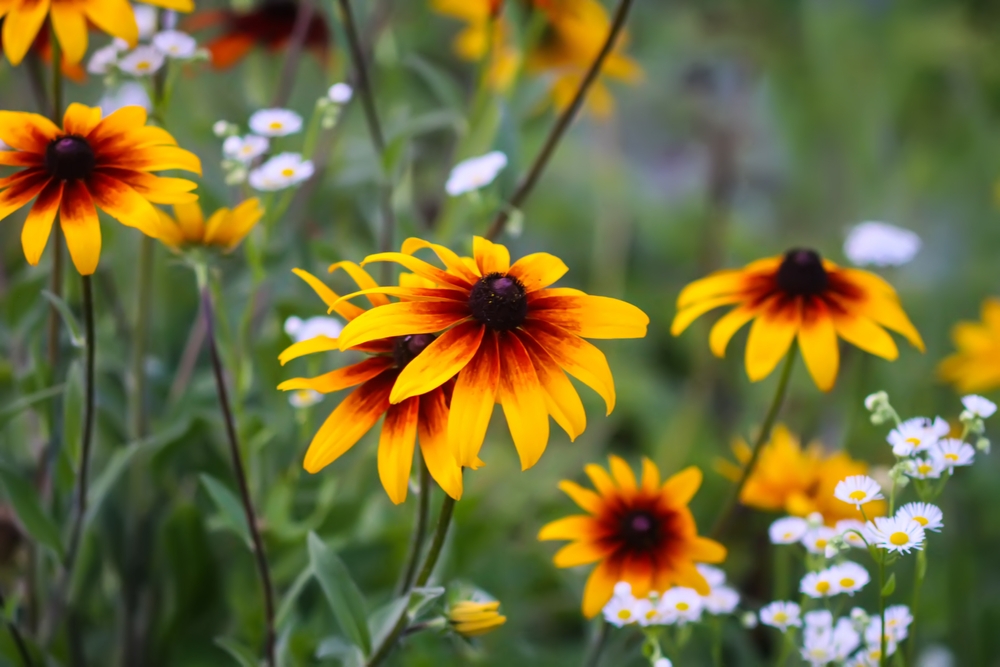
Black-eyed Susans are a robust perennial that can handle cold temperatures without compromising their ability to bounce back come spring. These plants are known for their strong root systems, which remain protected during winter, allowing them to emerge again in early spring. While the foliage may die back after the first frost, the roots survive the winter and are primed to generate new growth once the weather warms up. Black-eyed Susans’ ability to thrive in a variety of soil types and tolerate cold temperatures makes them an excellent choice for gardens in cooler climates.
The yellow, daisy-like blooms of black-eyed Susans brighten up the garden in late summer and fall, making them a valuable addition to any perennial bed. These plants are also low-maintenance, requiring minimal care once established. Black-eyed Susans are perfect for areas that experience fluctuating temperatures, and they provide a cheerful, colorful display when they bounce back after winter, making them an enduring garden favorite.
Coral Bells (Heuchera spp.)
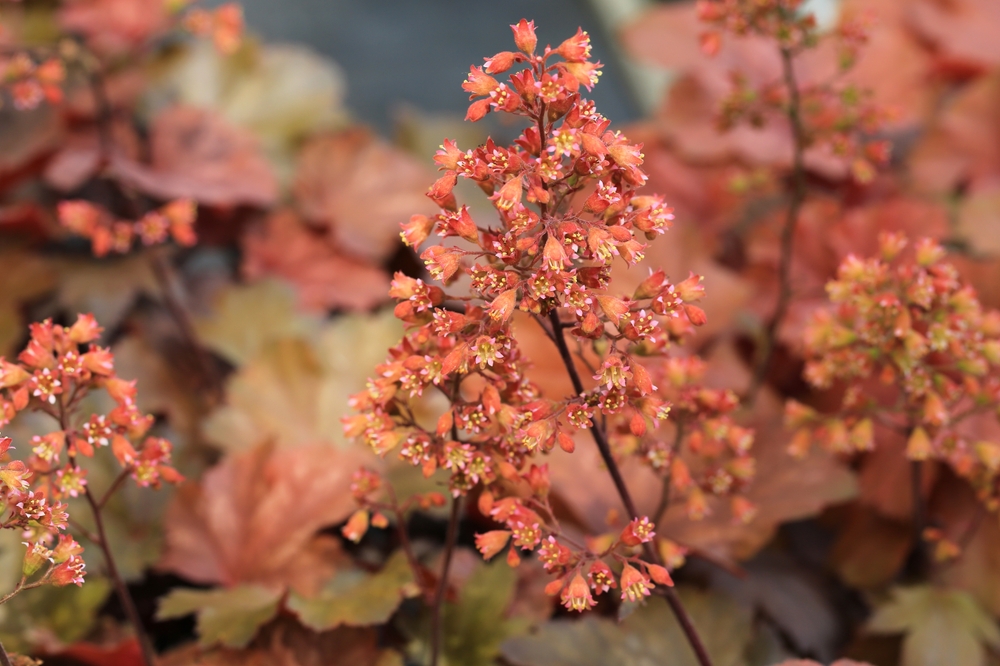
Coral bells are known for their vibrant foliage and ability to thrive in cold conditions. These plants have hardy root systems that can survive freezing temperatures without suffering any significant damage. While the leaves may die back in winter, the plant’s roots remain intact, ready to push up fresh growth when temperatures rise. Coral bells are particularly valuable in shaded areas of the garden, where they can maintain their color and resilience through the harshest winters.
The attractive foliage of coral bells, which can range from deep burgundy to lime green, creates a striking contrast in gardens even during the colder months. As the weather warms, the plant’s roots quickly regenerate new shoots, and the flower spikes start to emerge. These plants are highly resistant to pests and diseases, making them a reliable perennial for cold gardens that require minimal maintenance. The speed at which coral bells bounce back after the frost is just one reason they remain a popular choice for gardeners in northern climates.
Russian Sage (Perovskia atriplicifolia)
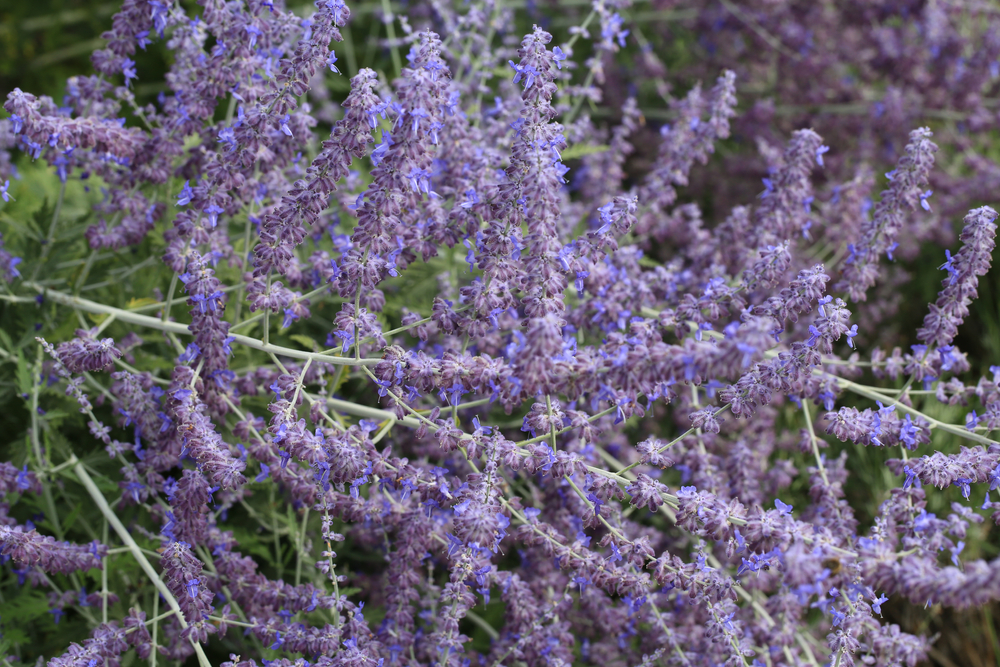
Russian sage is a tough perennial that can survive even the most bitterly cold winters. Known for its silvery foliage and tall, spiky purple flowers, this plant is well-suited to colder climates, where it thrives in poor, well-drained soil. During winter, the plant’s foliage may die back, but its roots remain well-protected underground, ready to spring into action as soon as temperatures rise. Russian sage’s hardy nature and fast recovery time make it a valuable addition to any cold-weather garden.
When spring arrives, Russian sage begins to sprout from the roots, producing fresh, aromatic leaves and tall spikes of purple flowers that last throughout the summer. Its tolerance for drought and cold temperatures makes it ideal for low-maintenance gardens in regions with harsh winters. Russian sage thrives in full sun, where it can reach up to 4 feet tall and 3 feet wide, adding texture and color to the garden. This perennial is an excellent choice for gardeners who want a plant that not only survives the winter but also bounces back quickly and brings lasting beauty.
Astilbe (Astilbe spp.)
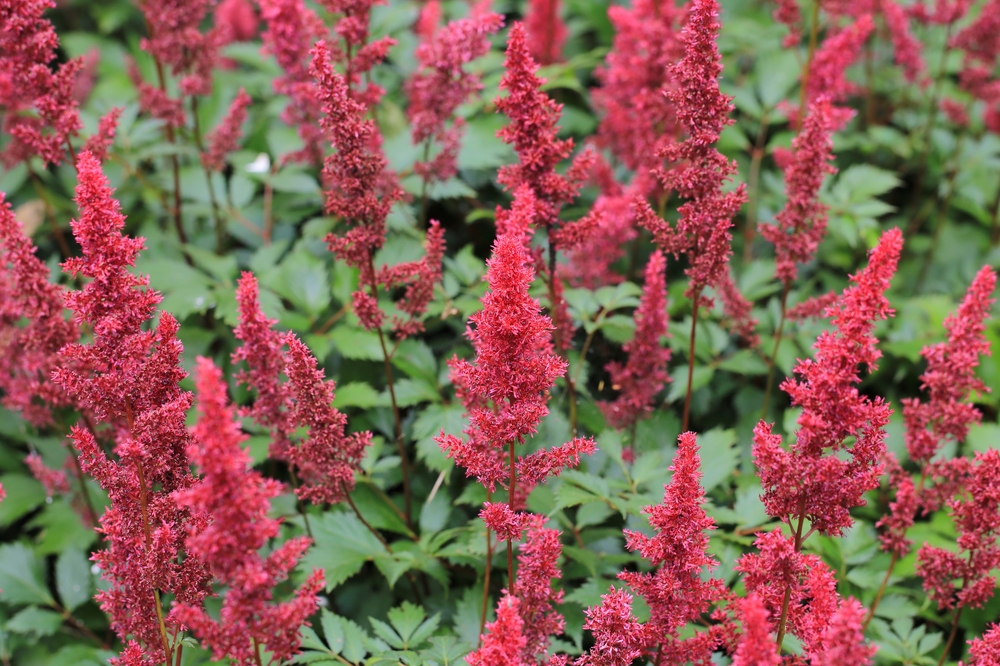
Astilbes are known for their colorful, feathery blooms and their ability to thrive in cool, moist conditions. These plants are especially valued in gardens with partial to full shade, where they provide striking texture and color even in the coldest months. During winter, astilbes die back to the ground, but their rhizomes remain insulated and protected from frost. As spring arrives, new shoots quickly emerge, giving the plant a fresh appearance.
Astilbes bloom in late spring or early summer, with feathery, plume-like flowers in shades of red, pink, white, and purple. Their ability to regrow quickly after the frost makes them a reliable perennial for areas with cold winters. Astilbes also thrive in moist, well-drained soil, making them a perfect choice for garden spots near ponds, streams, or shaded woodland areas. Their rapid recovery from cold temperatures and their stunning blooms are key reasons why they remain a favorite among gardeners in colder climates.
Sedum (Sedum spp.)
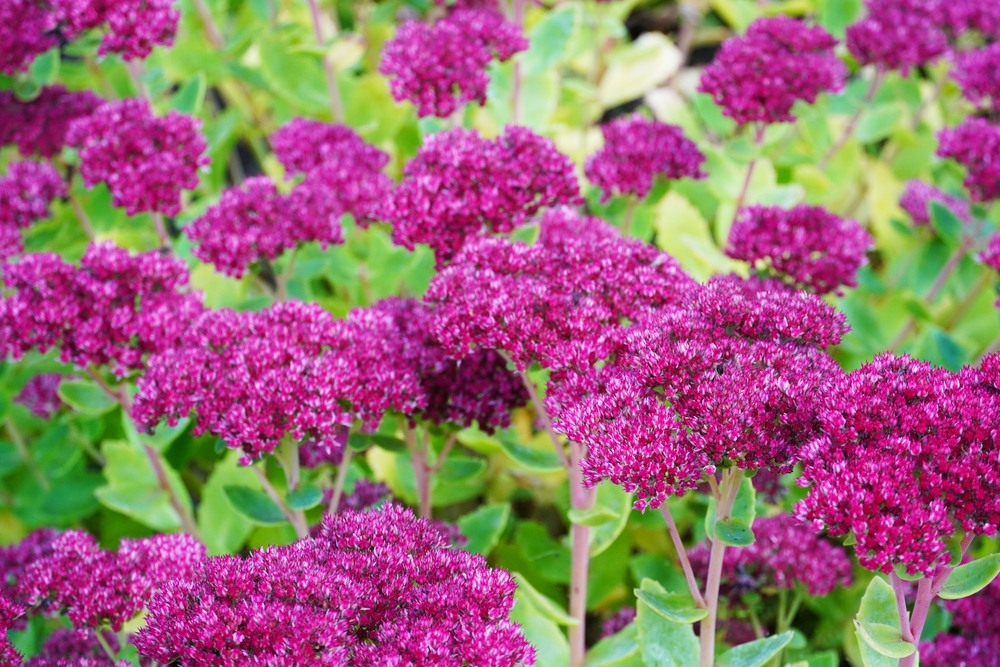
Sedums, also known as “stonecrops,” are incredibly hardy and capable of surviving cold winter temperatures. These succulents can die back in the winter, but their thick, fleshy roots and stems retain enough moisture to make them highly resistant to frost damage. As the weather warms, sedums quickly regenerate, sending out new growth and starting to bloom in late summer or fall. Their drought tolerance, combined with their cold hardiness, makes them an excellent choice for gardeners in cold regions.
These plants are particularly effective in areas that experience both cold winters and dry conditions. Sedum blooms in late summer, with vibrant clusters of flowers in shades of pink, red, or yellow, depending on the variety. Their fast regrowth in the spring makes them a reliable perennial for filling in garden spaces after frost has passed. Sedums are also relatively low-maintenance, requiring little more than occasional trimming to keep them looking neat.
Shasta Daisy (Leucanthemum × superbum)
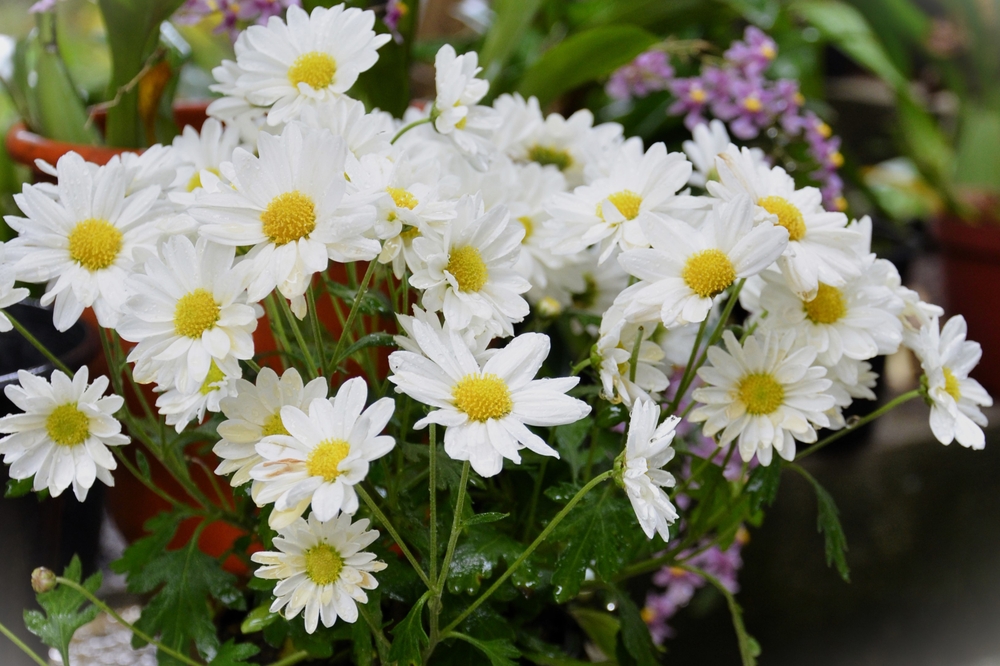
Shasta daisies are popular perennials known for their cheerful white blooms and ability to thrive in colder climates. These plants are tough and can withstand freezing temperatures, with their robust root systems staying protected throughout the winter months. While the foliage dies back after the frost, the roots remain intact and ready to send up new shoots as soon as the weather warms. Shasta daisies are often one of the first perennials to bloom in spring, adding an early burst of color to gardens.
The plant’s flowers, with their bright white petals and yellow centers, provide a cheerful contrast against the green foliage that emerges in the spring. Shasta daisies thrive in full sun and are perfect for borders, meadows, or wildflower gardens. Their resilience in the face of cold winters, combined with their vibrant blooms, makes them a great addition to any cold-weather garden. These daisies quickly bounce back after frost, ensuring that the garden remains full of life even after the harshest winters.
Toad Lily (Tricyrtis spp.)
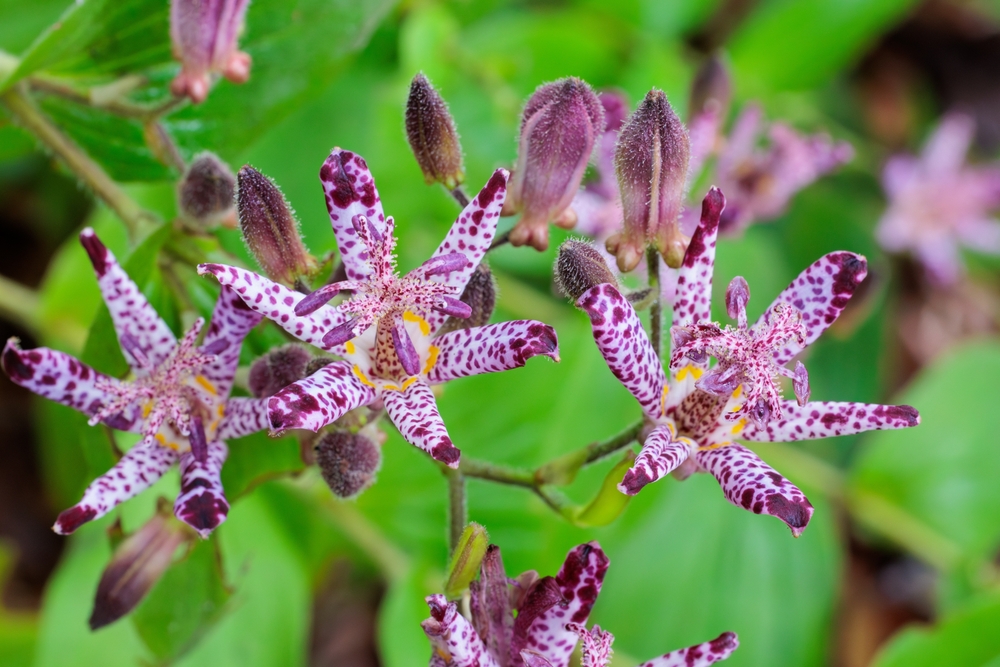
Toad lilies are hardy perennials that flourish in colder climates and can bounce back quickly after cold nights. These plants are particularly well-suited to shaded areas, where they provide both texture and interest throughout the year. Toad lilies die back in winter, but their underground root systems remain safe from frost, allowing them to regenerate rapidly once spring arrives. The rapid emergence of new shoots ensures that the plant provides a vibrant display once the warmer weather sets in.
These plants bloom in late summer to fall, producing intricate, orchid-like flowers in shades of white, pink, and purple. The flowers are a standout feature, often blooming when many other plants are finished for the season. Toad lilies thrive in moist, well-drained soil, making them ideal for shaded garden beds or woodland areas. Their ability to withstand cold temperatures and regenerate quickly makes them a reliable choice for any cold-weather garden.
This article originally appeared on Avocadu.