
10 Tips for Buying Antique Jewelry Without Overpaying
When it comes to buying antique jewelry, it’s easy to get caught up in the excitement of finding unique, timeless pieces. However, to ensure you are getting good value for your money, it’s important to approach the purchase with knowledge and caution. By understanding the history, materials, and condition of the jewelry, as well as buying from reputable sources, you can make informed decisions that will help you avoid overpaying. With a bit of research and attention to detail, you can confidently add beautiful, high-quality jewelry to your collection without breaking the bank.
This post may contain affiliate links, which helps keep this content free. Please read our disclosure for more info.
Research the Jewelry’s History
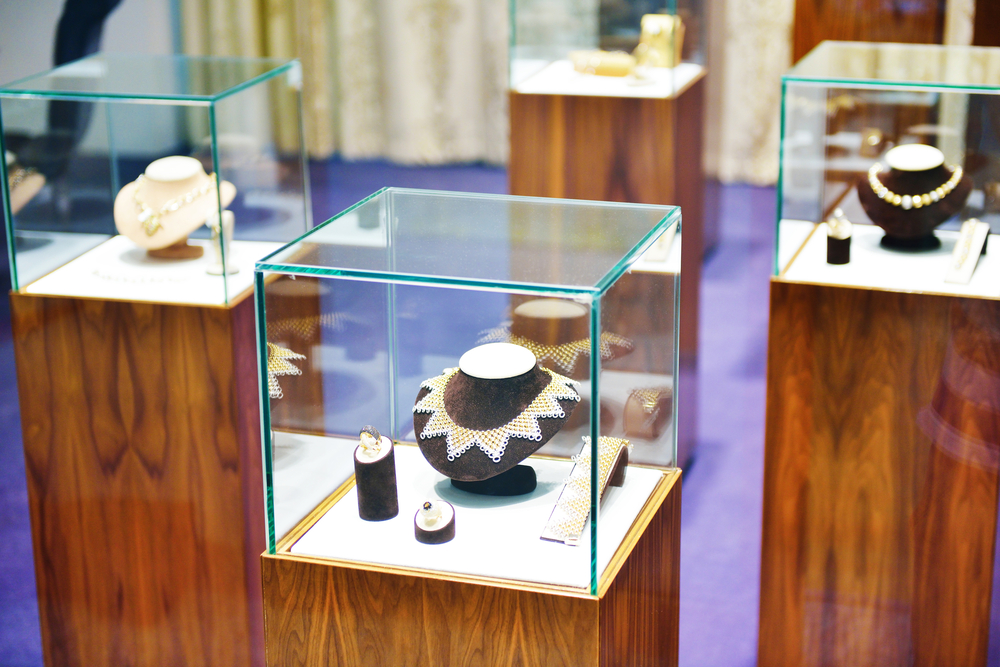
Before making any purchase, researching the history of antique jewelry is crucial. Each era has its distinctive styles, materials, and craftsmanship techniques, and understanding these can significantly influence your buying decisions. Antique jewelry spans centuries, and learning about the historical context helps you evaluate whether the piece is authentic. For instance, Victorian jewelry often features intricate metalwork, while Art Deco jewelry is known for geometric designs and the use of bold, vibrant gemstones. Understanding the characteristics of these periods allows you to spot reproductions or poorly priced items that don’t align with the historical period.
Moreover, knowing the historical significance of a piece can impact its value. Certain antique jewelry pieces associated with famous designers, royal families, or historical events carry a premium price tag. For example, pieces designed by renowned jewelers like Cartier or Tiffany can be highly valuable due to their craftsmanship and association with luxury. Understanding the jewelry’s history, therefore, gives you a clearer picture of its worth and ensures that you’re not paying inflated prices for a piece that does not have such historical significance.
Understand the Materials Used
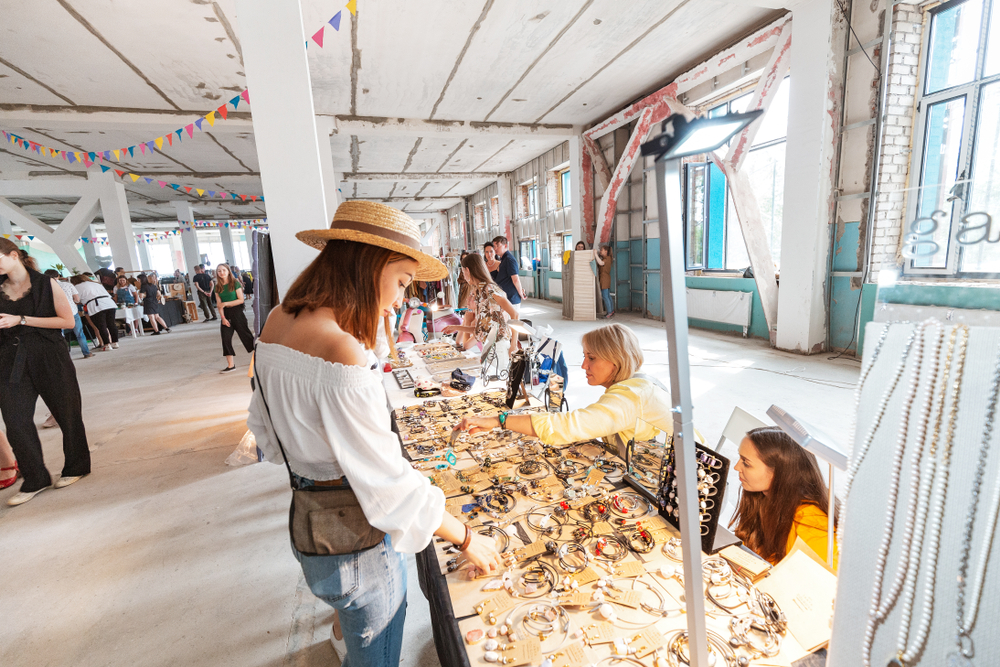
Antique jewelry often contains materials that may be rare or no longer in common use today. It’s essential to familiarize yourself with the types of metals and gemstones used in older pieces, as this can significantly impact the item’s value. For instance, gold used in antique jewelry may be of higher purity than what is commonly available today. Older pieces often contain 22k or 24k gold, compared to the 14k or 18k gold that is more common now. Similarly, gemstones such as antique diamonds, old mine cuts, or antique emeralds may have a different look and feel compared to modern stones, making them more valuable in certain cases.
Furthermore, the metal’s condition and alloy composition affect the jewelry’s worth. For example, pieces made from platinum, which was more commonly used in the early 20th century, can be worth more than those made from lesser metals. Additionally, many antique jewelry pieces feature unique gemstones that are rare or hard to find today. Knowing how to differentiate between authentic antique gemstones and synthetic or treated stones will ensure you don’t pay over the odds for pieces that have been artificially altered.
Buy from Reputable Dealers
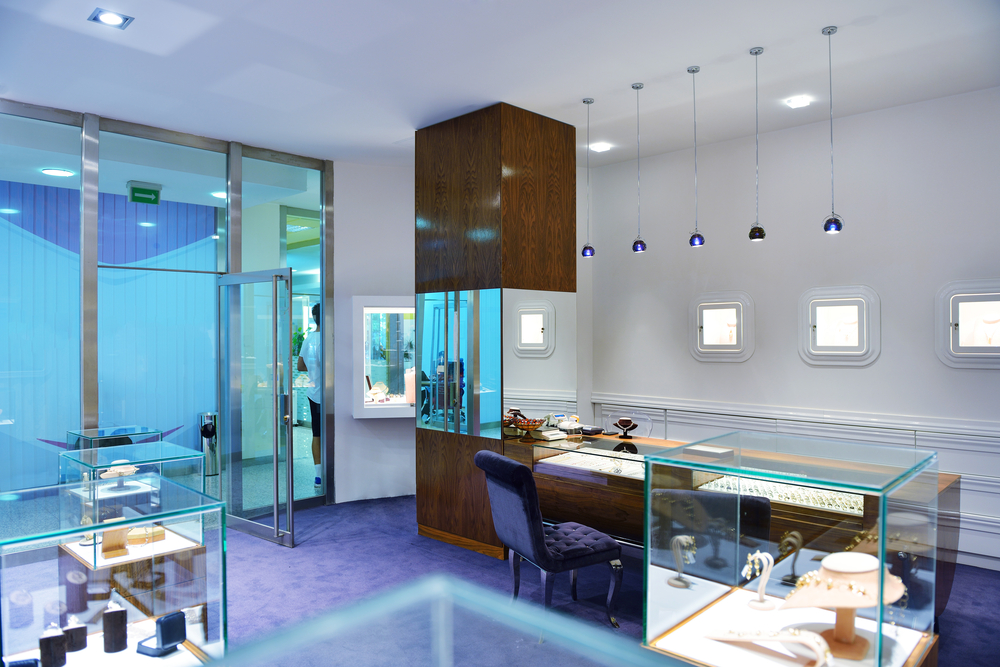
One of the best ways to avoid overpaying for antique jewelry is by buying from reputable dealers who have a strong history of selling genuine and well-priced pieces. Reputable dealers have the knowledge and experience to authenticate and price jewelry correctly, and they often offer guarantees of authenticity. Many of these dealers are members of trade organizations, such as the Gemological Institute of America (GIA) or the American Society of Appraisers (ASA), which ensures a level of trustworthiness in their business practices. These affiliations provide added security, as they are bound by ethical standards and regulations.
While purchasing from well-established dealers might seem more expensive initially, it can save you money in the long run by avoiding overpriced or counterfeit items. Dealers with a strong reputation are also more likely to provide proper documentation of a piece’s provenance, which is essential for verification. Always ask to see certificates of authenticity, and if you’re unsure about a piece, don’t hesitate to ask the dealer for further information. Purchasing from trusted sources means you’re more likely to receive fair prices and avoid the risks of buying from unscrupulous sellers who may overcharge or misrepresent the jewelry’s quality.
Inspect the Condition of the Jewelry
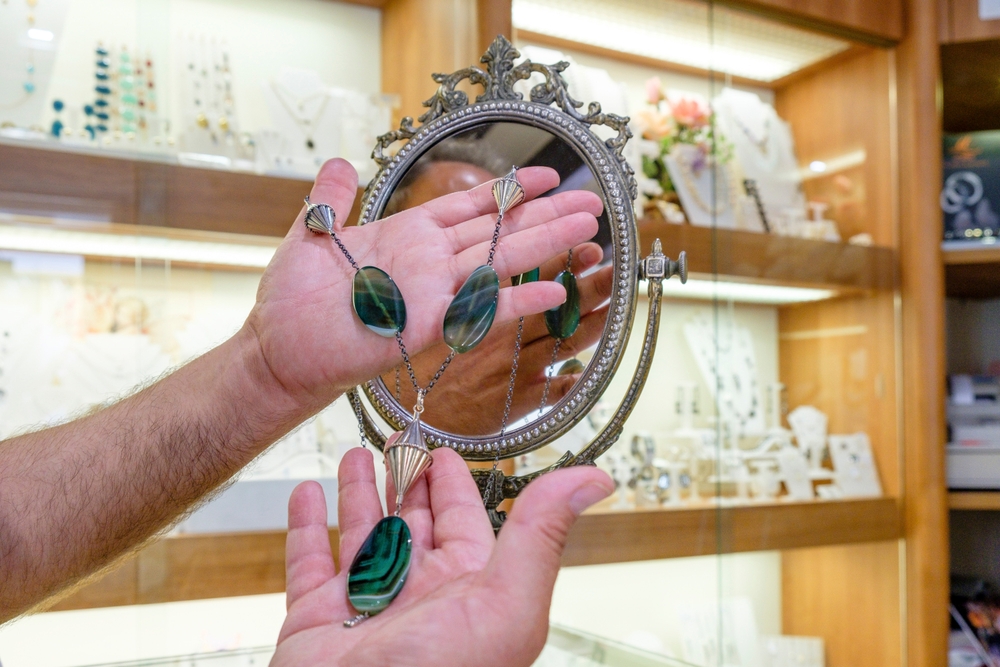
The condition of antique jewelry plays a significant role in determining its value, and this is something every buyer should pay close attention to. Antique jewelry, by nature, has been worn and handled over time, which can lead to signs of wear and tear. Before purchasing, examine the piece for any cracks, scratches, tarnishing, or missing stones. A well-preserved piece will generally fetch a higher price than one that shows significant signs of damage. Be especially cautious of cracks or chips in gemstones, as these can lower the piece’s value and cost a lot to repair.
Additionally, consider whether the piece has undergone any restoration or repair work. Restorations may enhance the overall appearance but can sometimes affect the value, particularly if the repairs are noticeable or poorly executed. In some cases, especially with extremely rare or valuable pieces, professional repairs may be acceptable and even necessary. However, make sure to inquire about any restoration work that has been done to the piece and whether it impacts its historical integrity. Keep in mind that buying a piece in pristine condition can sometimes come with a premium price, but it will likely be a better investment over time.
Seek Professional Appraisals
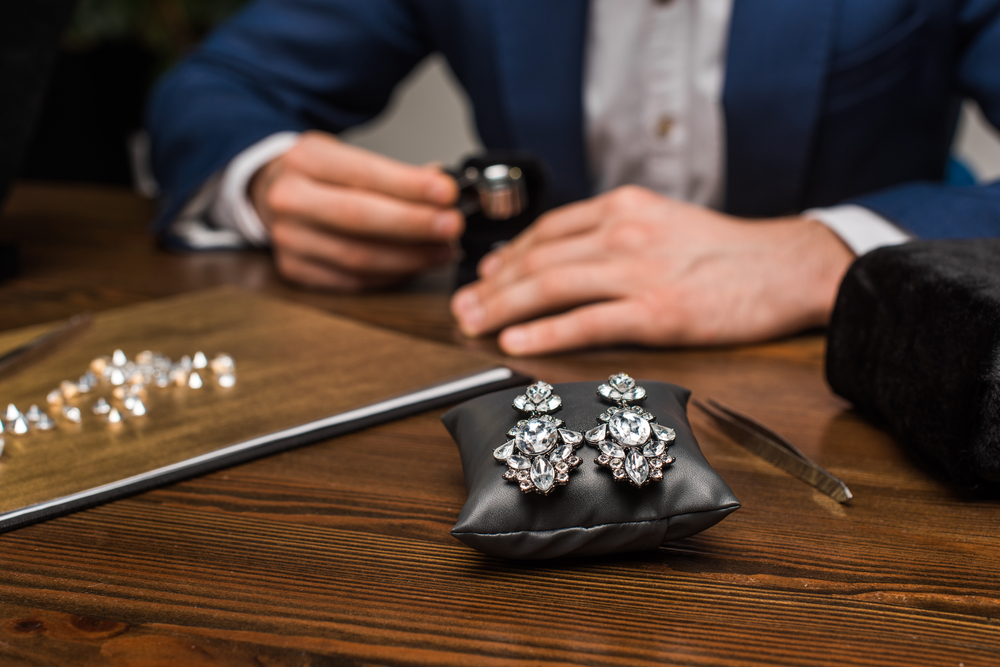
An essential step in avoiding overpaying for antique jewelry is to have it professionally appraised. A certified appraiser is trained to assess the true value of a piece based on various factors, such as the quality of the gemstones, the rarity of the materials, and the craftsmanship. Appraisers use specialized tools and extensive knowledge of market trends to determine the fair market value of antique jewelry. Whether you are buying jewelry at an auction, through a private seller, or at a store, having the item appraised will help ensure that you are paying a fair price and not being overcharged.
In addition, an appraisal will provide you with a document that authenticates the piece, which can be useful if you decide to sell it in the future. The appraisal report will include details about the materials used, the piece’s age, and the current market trends that affect its value. This kind of documentation can help protect you from any potential overpricing, particularly in a marketplace where jewelry values can fluctuate. Most professional appraisers charge a fee for their services, but the investment is well worth it for the peace of mind it offers and the assurance that you are making an informed purchase.
Ask for Provenance Documentation

Provenance refers to the documented history of a piece of jewelry, including where it came from, who owned it, and its journey through the years. Provenance is essential in antique jewelry because it can significantly affect a piece’s value. A piece with verifiable provenance, such as being owned by a notable figure or linked to a significant historical event, can command a higher price than one without any documented background. When buying antique jewelry, always inquire about its provenance, as this information not only verifies authenticity but also provides additional value that you can factor into your purchase decision.
Pieces that have been passed down through generations or have been part of significant collections are often considered more valuable due to their connection to history. If the jewelry is being sold without provenance documentation, be cautious. Without clear provenance, it can be difficult to verify the authenticity of the piece, making it harder to determine whether the price is fair or inflated. Provenance documentation not only provides authenticity but also helps protect the investment you are making.
Know the Market Value of Similar Pieces
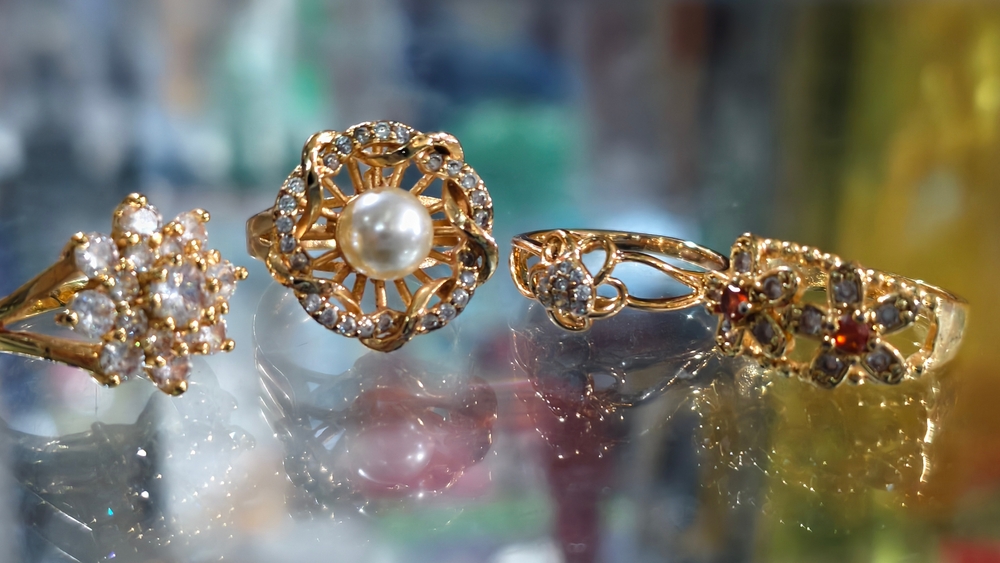
Understanding the market value of similar pieces is a key factor in ensuring you do not overpay for antique jewelry. The value of antique jewelry can vary greatly depending on factors such as rarity, condition, and historical significance. To ensure you are getting a fair price, it’s helpful to research the value of comparable pieces. For instance, if you are interested in an Art Nouveau brooch, look up prices for similar items from the same period and designer. Online auction sites, antique jewelry auctions, and even retail dealers can provide useful insights into the current market prices for comparable pieces.
Market value can fluctuate based on trends, demand, and the rarity of certain designs. Knowing the going rates for pieces with similar characteristics allows you to spot items that are priced too high or too low. By understanding how much similar items are selling for, you can better assess whether the price of the piece you’re considering is reasonable.
Be Cautious with Antique Jewelry Auctions

While buying antique jewelry at an auction can be exciting, it requires careful attention to detail and a clear understanding of the bidding process. Auctions often create a competitive environment where bidders may get caught up in the excitement, resulting in overpaying for pieces. It’s crucial to set a firm budget before participating and stick to it. Auctions may also have additional fees, such as buyer’s premiums, which can add up and increase the overall cost of the item.
Before bidding, take the time to carefully examine the piece and ask questions about its condition, provenance, and any potential flaws. Research auction results for similar pieces to ensure you’re not bidding above market value. Auctions can be a great way to acquire rare or unique items, but they require discipline and patience to avoid paying more than the piece is worth.
Consider the Seller’s Reputation
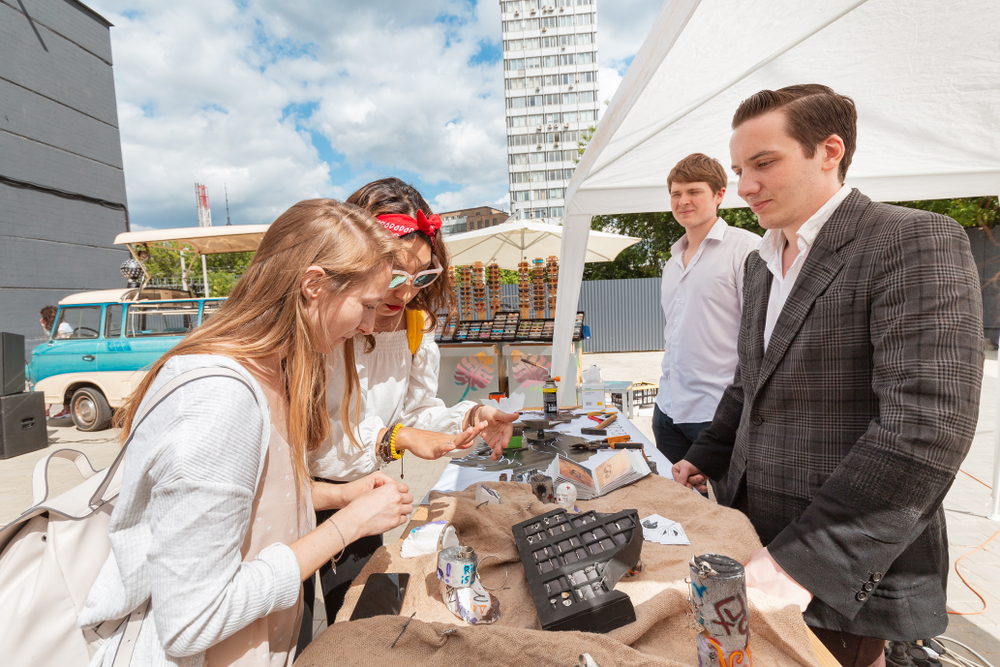
When purchasing antique jewelry, the reputation of the seller is incredibly important. A reputable seller should be transparent about the piece’s origin, quality, and any repairs it has undergone. Look for dealers or sellers with a strong track record of honesty and reliability, ideally with positive customer reviews or ratings. When dealing with private sellers, ask for references or recommendations to confirm their credibility.
Additionally, check whether the seller offers guarantees or returns. A trustworthy seller should be willing to provide you with a reasonable return policy if the jewelry turns out not to be as described. Buying from a reputable seller can significantly reduce the risks of overpaying for an item or purchasing something of lesser quality.
Know the Common Red Flags of Overpriced Jewelry
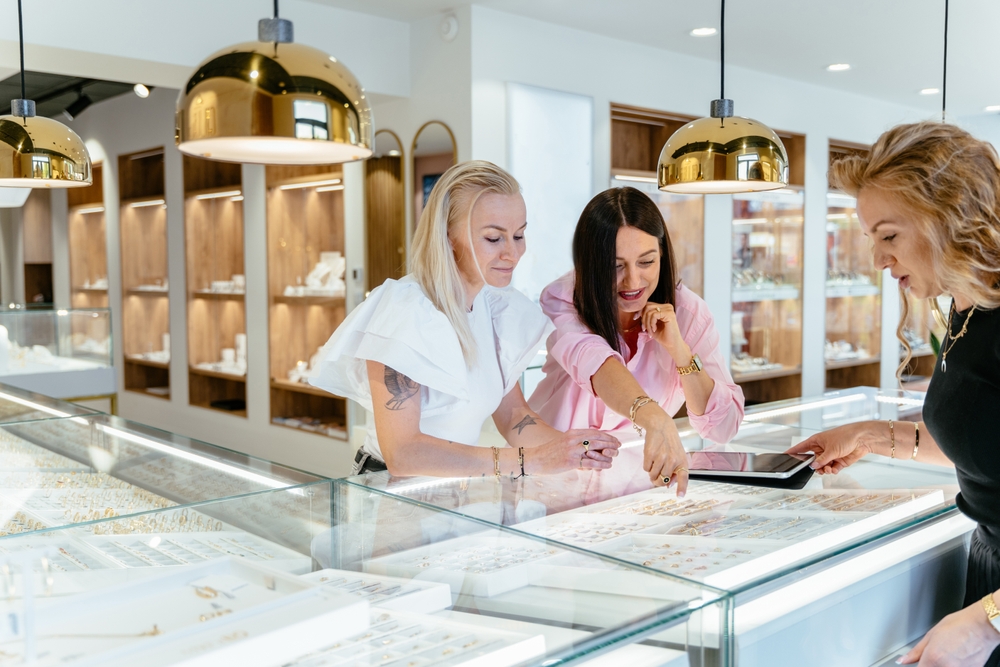
It’s important to recognize the common red flags that may indicate overpriced jewelry. Some signs include a lack of provenance, unsubstantiated claims about rarity or value, and poorly executed repairs. Jewelry that is significantly marked down in price may appear tempting, but it could be a warning sign of poor quality or damage that has not been disclosed. Another red flag is when the seller is unwilling to provide documentation, such as certificates of authenticity or appraisals.
A reputable seller will be transparent about the item’s history, condition, and price. Be cautious of jewelry that seems too good to be true, especially if it lacks the necessary verification or comes from an unreliable source. Knowing what to look for will help you avoid paying too much for jewelry that does not meet the standard you expect.
This article originally appeared on Avocadu.