
15 Thrillers With Twists That Still Work Even When You Know Them
Twists may grab headlines, but the best thrillers stand firm without them. These stories stay engaging because of sharp performances and careful buildup. Knowing the ending changes how scenes land, often in interesting ways. Each rewatch feels more layered than the last. Keep going to find thrillers that still work even when the surprise is gone.
This post may contain affiliate links, which helps keep this content free. Please read our disclosure for more info.
Fight Club
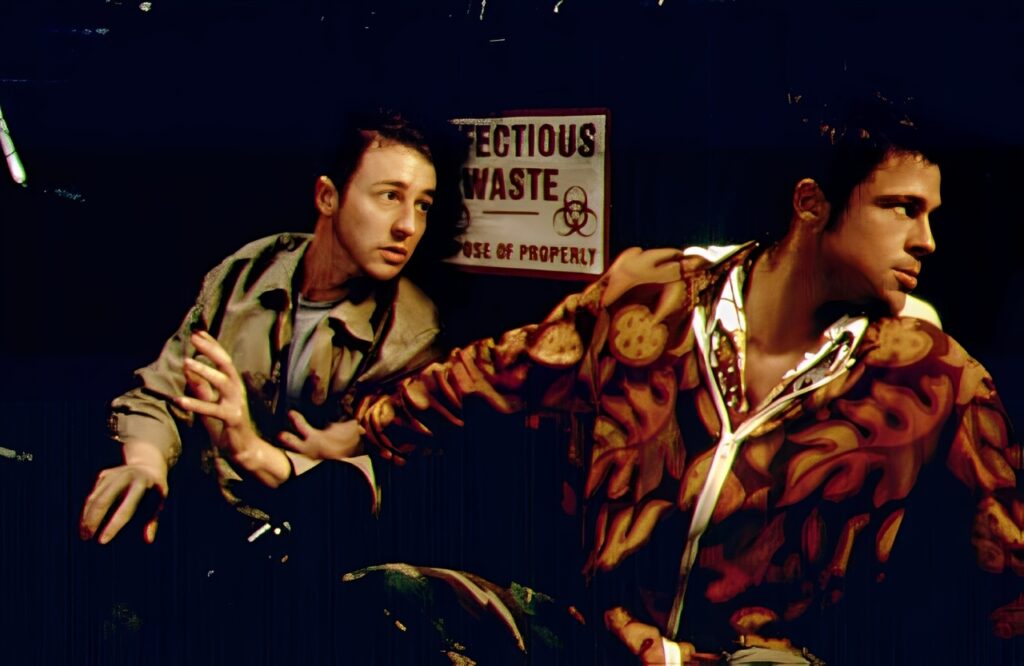
Fight Club follows an unnamed office worker whose dull life changes after he meets the charismatic Tyler Durden and forms an underground fighting club. The movie blends grim humor with commentary on consumer culture, male identity, and loneliness in modern cities. Even when you know the final reveal about Tyler, the story keeps drawing you in through its voiceover, strong performances, and striking visuals. On repeat viewings, small clues in the dialogue, editing, and background details stand out, which makes the twist feel like a natural part of the story instead of a one-time trick.
The film holds up because it works as a character study long after the surprise has passed. You can focus on how the narrator unravels, how his relationships shift, and how scenes play differently once you understand what is real. The tension between fantasy and reality becomes richer when you already know the answer. That mix of style, theme, and emotional build keeps the movie engaging even when the twist is completely familiar.
The Sixth Sense
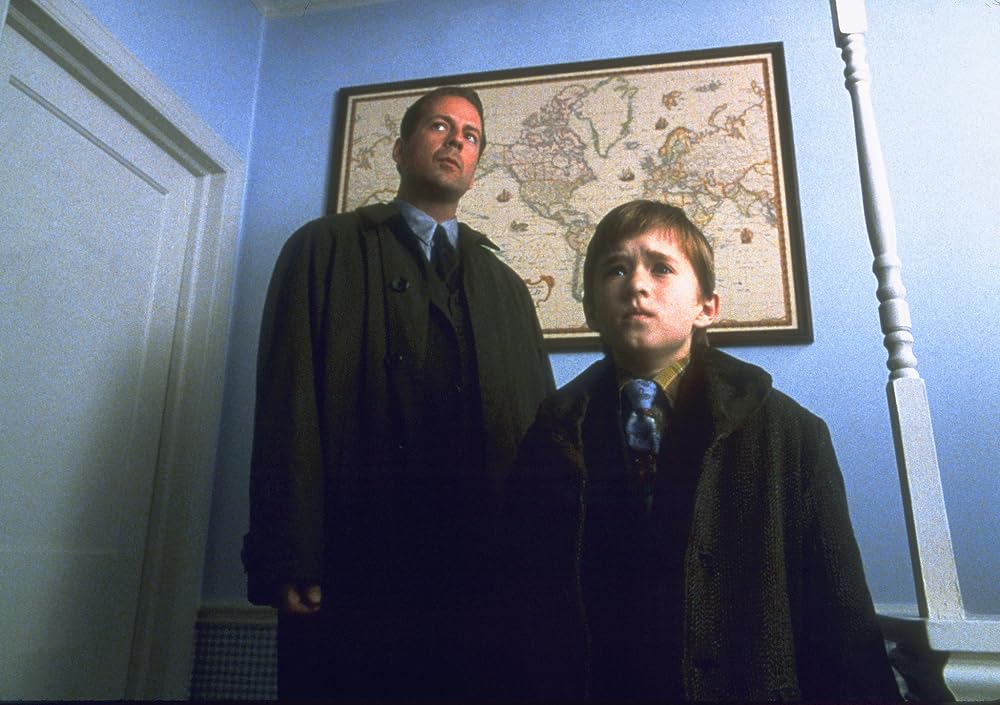
The Sixth Sense centers on a child psychologist who tries to help a young boy haunted by terrifying visions of dead people. The film moves at a quiet pace, focusing on conversations, small gestures, and the growing bond between the two main characters. Viewers who know the ending can still enjoy the careful setup of clues, from the way scenes are framed to how other characters interact with the psychologist. The mood leans on gentle dread rather than loud jump scares, which makes the story feel richer than a simple shock ending.
On later viewings, it becomes a story about isolation, regret, and the need for closure. The twist changes from a surprise to a lens that reshapes every earlier scene, inviting you to watch character reactions in a different light. Since the drama works on an emotional level, the movie still hits hard even when the final reveal is no longer surprising. That emotional pull gives the film lasting strength beyond its reputation for a famous twist.
Shutter Island

Shutter Island follows two U.S. marshals sent to a remote psychiatric hospital to investigate the disappearance of a patient. Stormy weather, eerie staff behavior, and strange clues create a constant sense of unease. Even when you know the truth about the lead character, the story remains engaging because it deals with grief, guilt, and denial in a vivid way. The environment and visuals support that unraveling, so you can focus on how the island reflects his mental state.
On rewatch, scenes that once seemed confusing begin to feel tragically clear. You notice how the doctors speak to him, how the guards watch him, and how his partner behaves during tense moments. The twist becomes less of a puzzle and more of a heartbreaking confirmation of what trauma can do to a person. That shift from mystery to tragedy keeps the movie interesting long after the secret is out.
The Usual Suspects

The Usual Suspects unfolds through the testimony of Verbal Kint, a small-time crook who tells detectives a tangled story about a recent crime. The film jumps between interrogation room scenes and flashbacks of a heist gone wrong, building up the legend of the shadowy criminal mastermind Keyser Soze. First-time viewers remember the final reveal, yet the movie stays enjoyable once you know how it ends. Rewatching lets you pay attention to how Verbal shapes his story and plays to his audience.
When you already know the twist, the fun comes from spotting where he seems to improvise or borrow background details. The movie becomes a study of storytelling, misdirection, and the way people accept a story when it fits what they want to hear. Dialogue that felt casual on the first watch suddenly feels sly and loaded. That playful relationship with truth helps the film hold up even when the surprise no longer lands the same way.
Se7en

Se7en follows two detectives hunting a serial killer who chooses victims based on the seven deadly sins. The film slowly moves through grim crime scenes, each one more disturbing and symbolic than the last. By the time the story reaches its famous final sequence, it has already built a heavy sense of dread. Even when you know what is in the box, the final stretch still feels tense because of the acting, the music, and the moral questions raised.
On repeat viewings, you can focus on the contrast between the older weary detective and his younger, more impulsive partner. Their conversations about the world, hope, and resignation bring a layer of depth that goes beyond the killer’s plan. The twist ending then serves as a harsh extension of the themes that have been present all along. Instead of relying on shock value alone, the movie keeps drawing you back to its mood, characters, and bleak outlook.
Gone Girl

Gone Girl tells the story of a marriage gone sour after Amy Dunne disappears, and suspicion falls on her husband, Nick. The movie plays with media coverage, public opinion, and the secrets couples keep from each other. Once you know where Amy went and what she has done, the tension shifts from mystery to watching two deeply flawed people battle for control of the story. The voiceovers and shifting perspectives stay interesting even when there are no surprises left.
On rewatch, small details of their relationship become more troubling and revealing. You see how each partner manipulates others, how their past choices led to the mess, and how public image matters as much as truth. The twist no longer functions as a shock, yet it sharpens the bitter commentary on image-driven relationships and scandal-driven news cycles. That dark look at marriage and reputation keeps the movie engaging long after the twist is familiar.
Oldboy

Oldboy follows Oh Dae su, who is imprisoned in a strange private cell for fifteen years without knowing why, then suddenly released and given a few days to find his captor. The story mixes brutal violence with surreal touches and dark humor, building toward a twist that feels brutal in both plot and emotion. Once you know the truth about his imprisonment and the villain’s plan, the movie turns from a mystery into a tragedy. It remains gripping because the central questions about revenge, guilt, and control do not disappear after one viewing.
Later viewings highlight the careful setup behind the villain’s scheme and the way Oh Dae su has been guided rather than freed. You can focus on how certain scenes hint at the final answer, and how the editing keeps you aligned with his confusion until the final stretch. The emotional impact of the twist still lands because it speaks to shame and manipulation rather than a simple puzzle solution. That lingering sense of moral discomfort is what keeps this film talked about long after the secret is revealed.
Memento

Memento follows Leonard, a man with short term memory loss who is trying to track down the person who attacked him and killed his wife. The story is told in two timelines that move in opposite directions, which mirrors his broken sense of time. Even when you know who he is really chasing and how unreliable he has become, the film holds attention through its structure and thoughtful character work. Each scene plays differently when you understand how much he is lying to himself.
On rewatch, the mystery comes from watching how Leonard shapes his own story with notes, tattoos, and selective memory. You can trace where he chooses comfort over truth and how other characters try to break through his denial. The twist about his past does not end the story, it simply makes clear that this cycle will continue. That bleak yet fascinating idea gives the movie replay value far beyond its puzzle like structure.
The Prestige
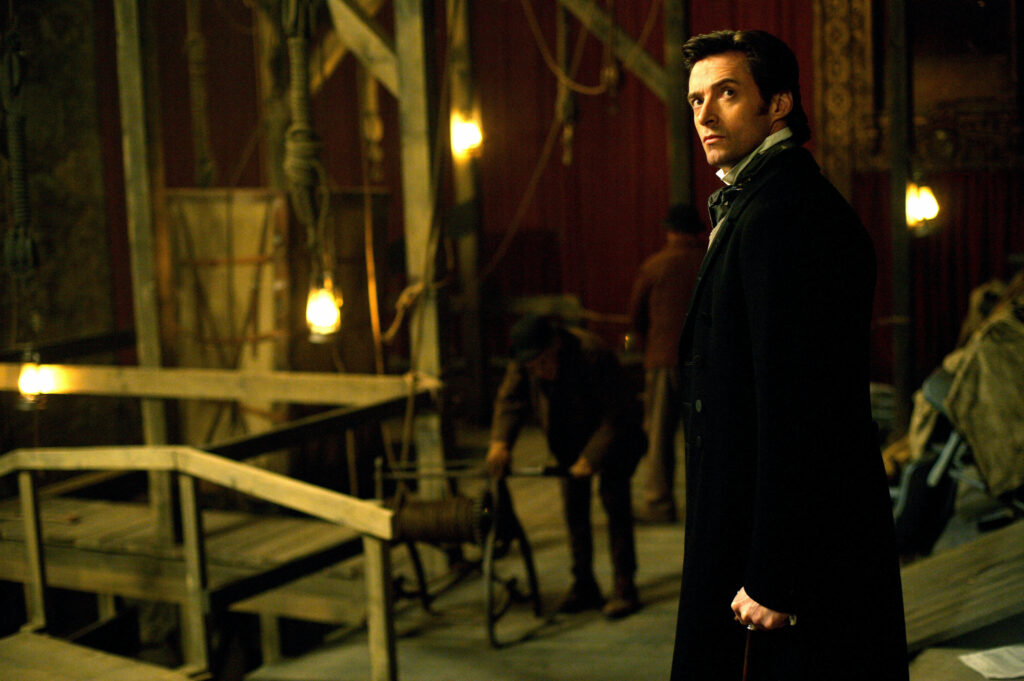
The Prestige centers on two rival magicians in Victorian London who become obsessed with outdoing each other. Their rivalry leads to dangerous experiments, stolen secrets, and emotional fallout for everyone around them. The movie builds toward two major reveals, one about each magician, that change how you view earlier scenes. Even once you know how their tricks work, the film stays interesting because it explores obsession, sacrifice, and identity.
Repeat viewings allow you to trace how both men slowly lose sight of anything beyond their need to win. You can spot small hints in costumes, camera framing, and repeated lines that quietly point to the answers. The twist then feels like a natural conclusion rather than a gimmick. That focus on character and theme keeps the movie engaging even when the mechanics of the tricks are completely clear.
Prisoners
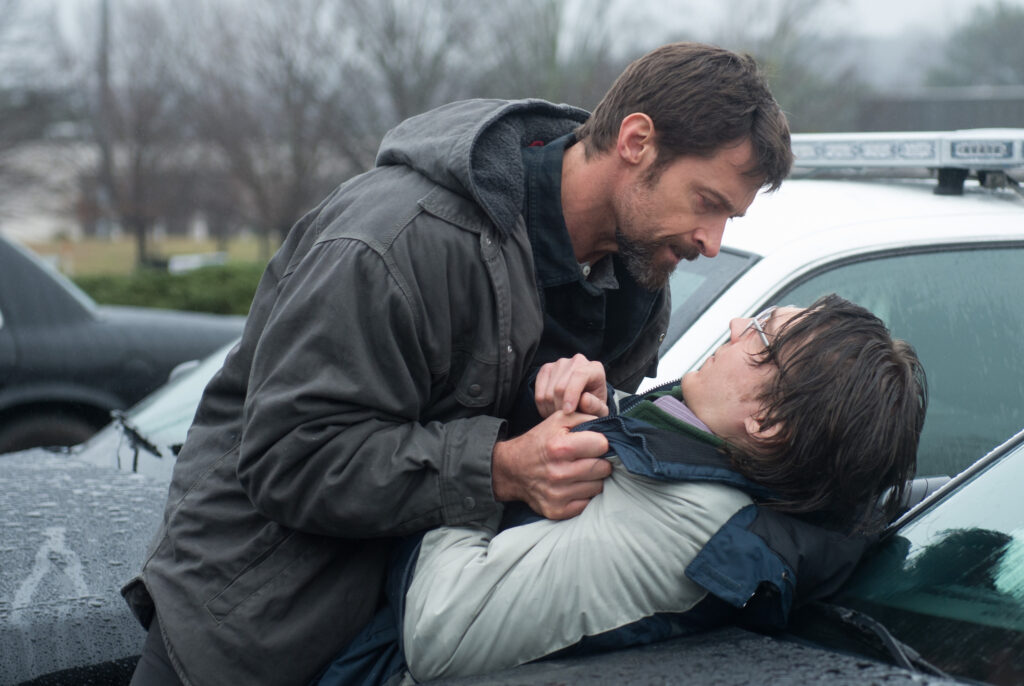
Prisoners follows two families whose young daughters go missing on Thanksgiving and the desperate search that follows. One father takes matters into his own hands when he feels the investigation is moving too slowly, leading to moral lines being crossed. The movie includes surprises about who is involved and how the abductions connect, yet it works just as well once you know who did it. At its core, the story is about fear, faith, and the lengths people will go to for their children.
On repeat viewings, you can pay more attention to the detectives, their quiet frustrations, and the clues that surround them. Small background details in houses, cars, and old news stories suddenly gain new meaning when you know the full picture. The twist becomes less important than the way every character deals with guilt and doubt. This focus on human reaction keeps the film gripping even when the mystery no longer surprises.
Get Out
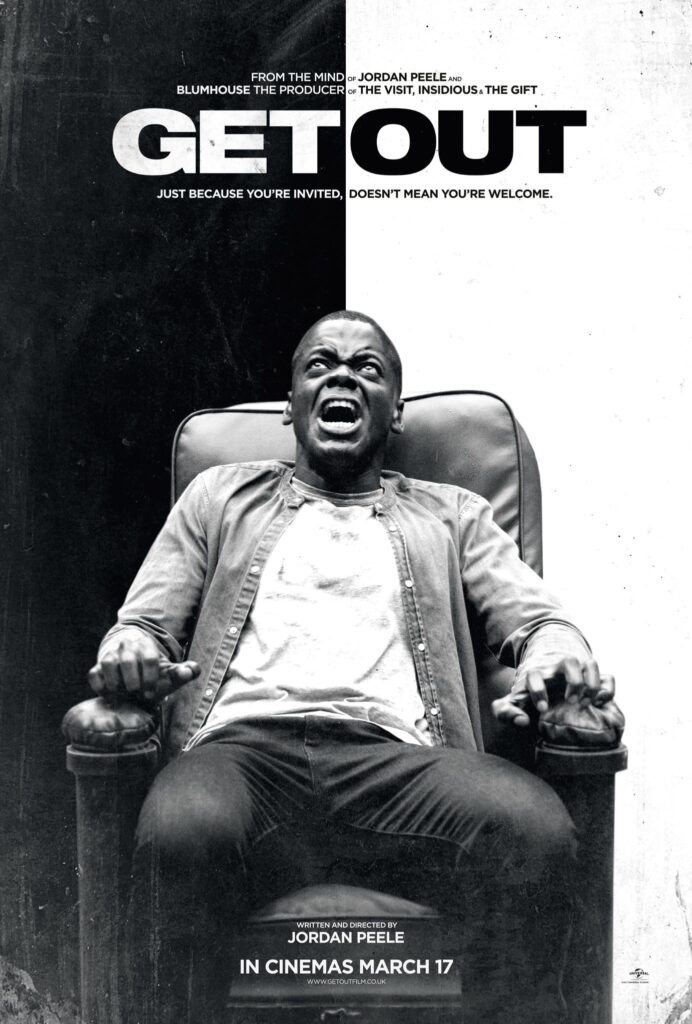
Get Out follows Chris, a young Black man who visits his white girlfriend’s wealthy family for the weekend, only to sense that something is deeply wrong. Strange behavior from the house staff and uncomfortable conversations with guests build a feeling of creeping danger. Once you know what is truly happening at the estate, the movie shifts from pure suspense to sharp social commentary. The tension still works on a rewatch because so many early scenes carry double meanings.
Viewing it again lets you see how characters test Chris, how jokes hide threats, and how carefully the script hints at the final reveal. The twist about the family’s secret does not lose its power because it is tied to real world fears about racism, exploitation, and control. Jokes, awkward moments, and unsettling smiles all take on richer meaning when you know the outcome. That mix of social insight and horror gives the film lasting impact beyond the surprise.
Arrival

Arrival tells the story of a linguist brought in to communicate with mysterious alien visitors who have appeared in massive ships across the world. The film focuses on language, time, and grief rather than loud set pieces. Its twist reorders how you view the main character’s memories and her choices, yet the movie remains moving even when you know the answer. That is because the emotional core rests on her relationship with her daughter and the weight of choosing a difficult path.
On later viewings, you can pay closer attention to visual cues, repeated phrases, and how the aliens explain their view of time. The twist transforms from a surprise into a way of understanding her calm and her decisions. You notice how each scene gently hints that time is not as simple as it seems. The film still carries emotional weight because it asks what you would do if you could see every joy and loss ahead and still choose the same life.
The Girl With The Dragon Tattoo

The Girl With The Dragon Tattoo follows journalist Mikael Blomkvist and hacker Lisbeth Salander as they investigate a wealthy family’s long buried secrets. What starts as a cold case about a missing girl turns into a story about abuse, power, and corruption hidden behind polished public images. The film does have reveals about who is responsible for certain crimes, yet it keeps you drawn in even when you know those answers. A big part of the appeal lies in watching Lisbeth’s methods and her complicated connection with Mikael.
On a second viewing, the clues in family photos, business records, and brief side comments become easier to spot, which makes the investigation feel richer. The twist becomes less about shock and more about seeing how people will protect ugly truths to keep control. Lisbeth’s personal history and choices gain more weight once you understand where the case will lead. The movie stays compelling because the characters and their motives remain interesting beyond the mystery itself.
Identity

Identity takes place at a remote motel where ten strangers are stranded during a storm and start dying one by one. The story at first appears to be a standard slasher-style setup, yet strange coincidences and shared details hint that something else is happening. When the twist arrives and changes the context of the murders, it completely reshapes what the audience thinks they have been watching. Knowing that twist ahead of time does not ruin the experience, because you can look for all the early hints hiding in plain sight.
On rewatch, the characters’ names, backgrounds, and interactions feel more deliberate and symbolic. You can track how the movie drops clues through room numbers, license plates, and repeated phrases. The twist then functions as a frame for understanding how the story deals with guilt, identity, and second chances. That structural game keeps the film rewatchable even when you are fully aware of the final reveal.
The Others
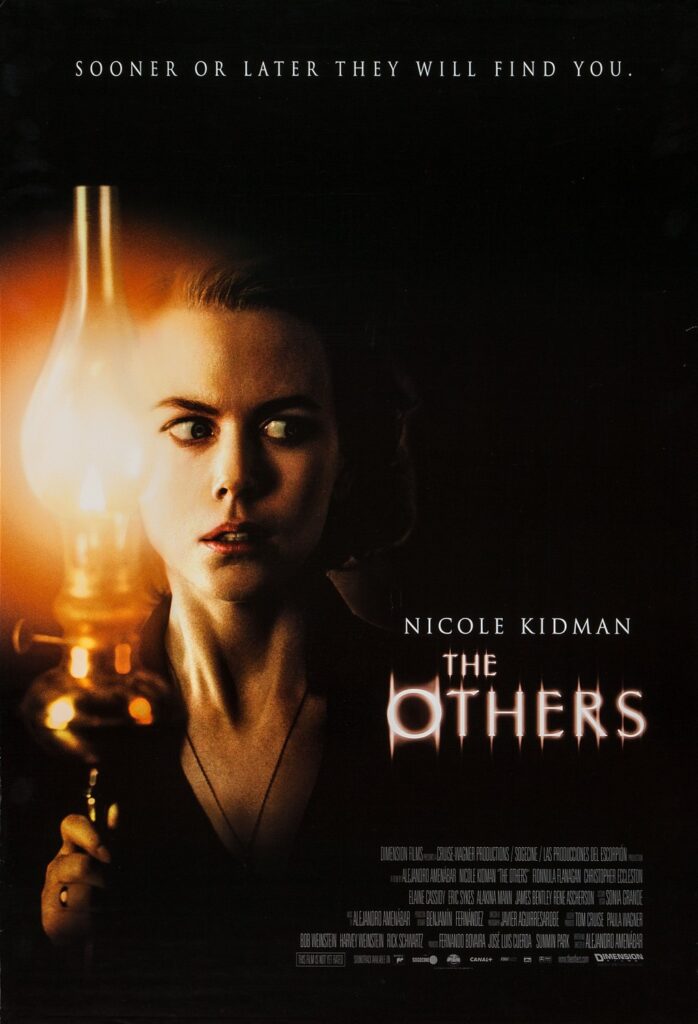
The Others follows Grace, a strict mother living in a fog-shrouded mansion with her two children, who have a rare sensitivity to light. Strange events, whispers, and doors that seem to open on their own make her suspect that the house is haunted. The movie builds its tension through quiet scenes, old photographs, and a sense of isolation rather than big special effects. Once you know the truth about the house and the family, the film becomes even sadder on a second viewing.
Rewatching lets you notice how characters react to certain questions, how rooms are arranged, and how the servants behave. The twist casts earlier scenes in a very different light, turning what seemed like a classic ghost story into something more tragic. Instead of waiting for the final jolt, you can focus on the hints that were there all along. That slow, melancholic approach keeps the movie engaging even when the ending is no longer a surprise.
This article originally appeared on Avocadu.