
15 Thrillers That Stay Tense No Matter How Many Times You Rewatch
There are thrillers that lose their edge after one watch, and then there are those that never seem to loosen their grip. The suspense comes from atmosphere, not twists alone. Each scene feels carefully placed, making repeat viewings just as engaging. Fans often notice new details with each revisit. Read on to find the films that keep that uneasy feeling alive.
This post may contain affiliate links, which helps keep this content free. Please read our disclosure for more info.
Se7en (1995)

Se7en maintains its tension through a bleak atmosphere that settles in almost immediately and never truly lifts. David Fincher relies on constant rainfall, dim interiors, and deliberate pacing to make every scene feel oppressive rather than rushed. Even when viewers know where the story is heading, the slow march toward the conclusion remains deeply uncomfortable. Strong performances keep the film grounded in realism instead of spectacle.
On repeat viewings, the careful structure of the investigation becomes even more apparent. Each crime scene adds moral weight rather than shock value, which keeps the tension simmering beneath the surface. Long stretches of quiet police work heighten the dread instead of easing it. The ending still carries emotional force because of how patiently the film builds toward it.
The Silence of the Lambs (1991)
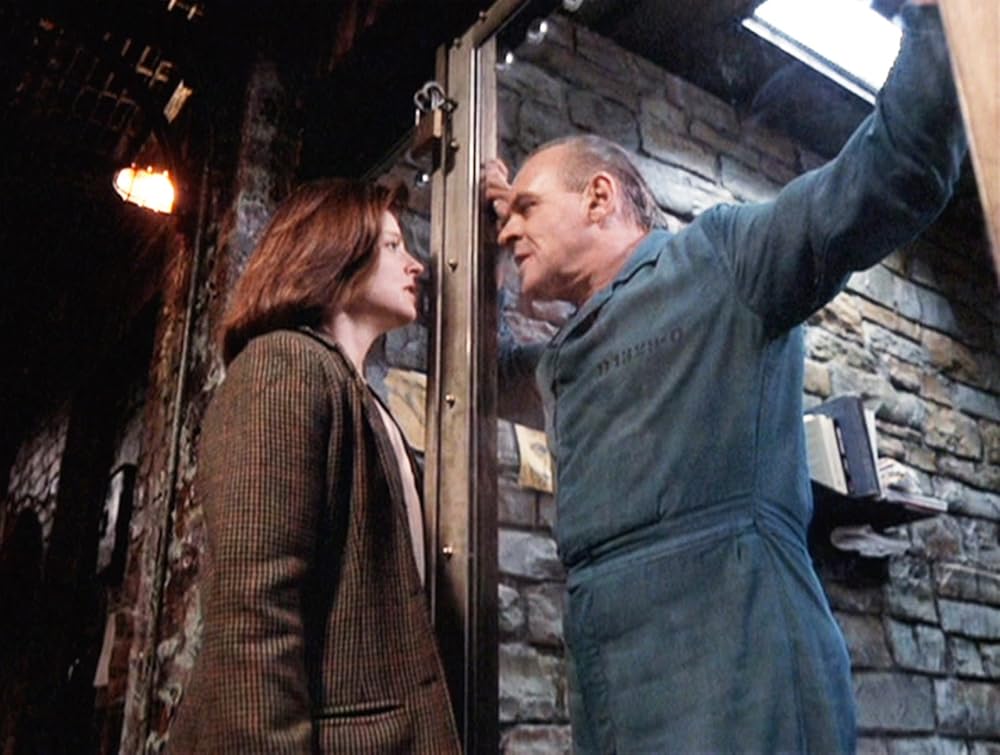
The Silence of the Lambs stays tense because danger exists in conversation rather than physical action. Anthony Hopkins delivers a controlled and unsettling presence that makes even polite exchanges feel threatening. Jodie Foster balances vulnerability and determination, creating constant emotional strain. The film rarely raises its voice, which makes its quiet moments feel even more dangerous.
With each rewatch, the power of restraint becomes clearer and more unsettling. Scenes rely on eye contact, pauses, and subtle shifts in tone to maintain pressure. Familiarity with the plot never weakens the discomfort. The tension remains locked in place from beginning to end.
Zodiac (2007)

Zodiac draws its tension from uncertainty and the slow erosion of patience rather than sudden violence. The investigation stretches across years, making the lack of answers feel exhausting and deeply frustrating. David Fincher presents the case as emotionally draining, with no sense of relief waiting at the end. That lingering uncertainty keeps the film uneasy even when the story is well known.
Rewatching reveals how obsession quietly takes control of the characters over time. Small moments that once felt minor gain weight and meaning. The absence of closure keeps the pressure intact throughout the film. Tension comes from what never arrives rather than what does.
No Country for Old Men (2007)
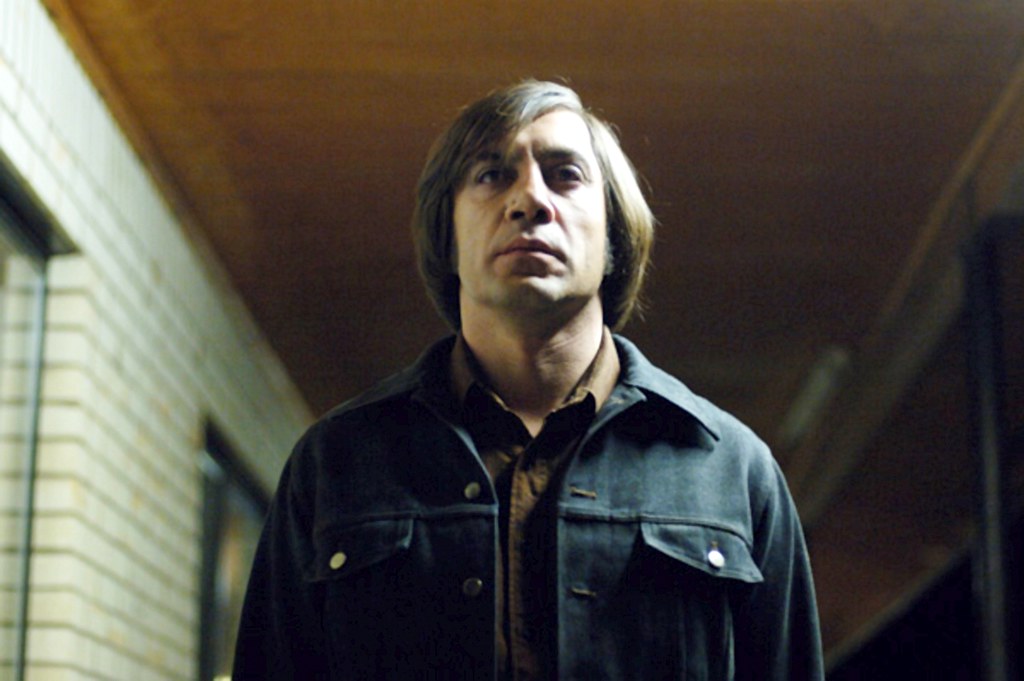
This film builds tension through silence, stillness, and unpredictability rather than traditional suspense beats. Anton Chigurh feels threatening even during calm moments, which keeps viewers constantly alert. The story avoids familiar patterns, making outcomes feel uncertain. That lack of structure creates ongoing unease.
Each rewatch reinforces the idea that safety does not exist in this world. Violence appears suddenly, without warning or buildup. The bleak tone never softens, even in quieter scenes. Knowing the ending offers no comfort.
Prisoners (2013)
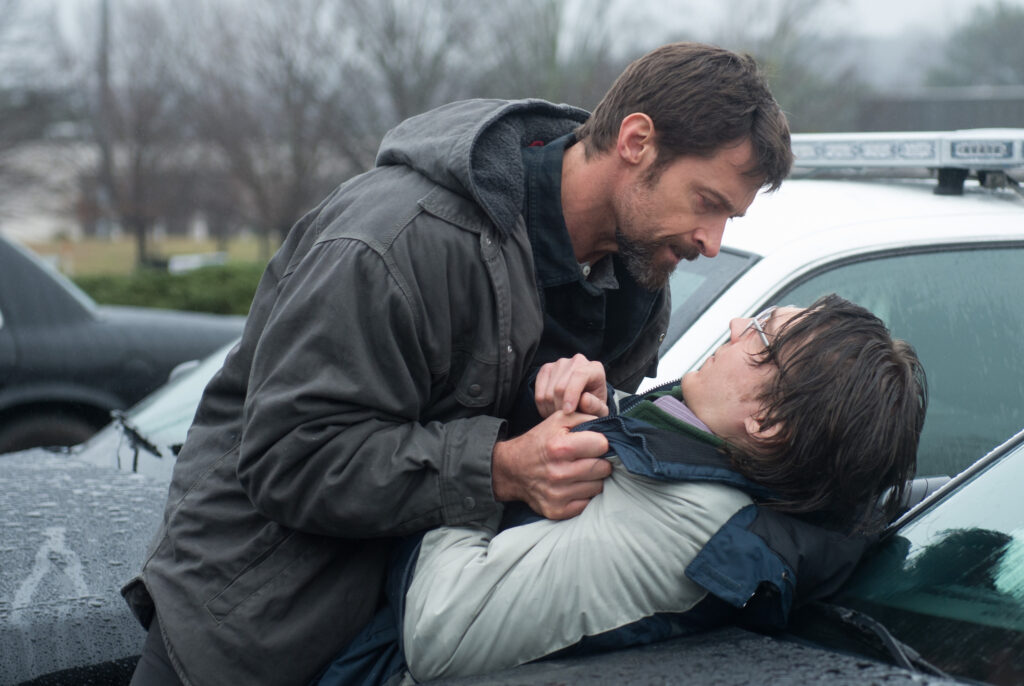
Prisoners stays tense by placing viewers inside moral discomfort that grows heavier as the story unfolds. The film moves deliberately, allowing dread to settle rather than relying on constant action. Hugh Jackman and Jake Gyllenhaal bring emotional intensity that makes every decision feel costly. The mystery remains unsettling instead of exciting.
Repeat viewings reveal how fear slowly pushes characters toward irreversible choices. The emotional pressure increases rather than fades with familiarity. Darkness dominates both the visuals and the tone. The film remains difficult to sit through in a meaningful way.
Heat (1995)
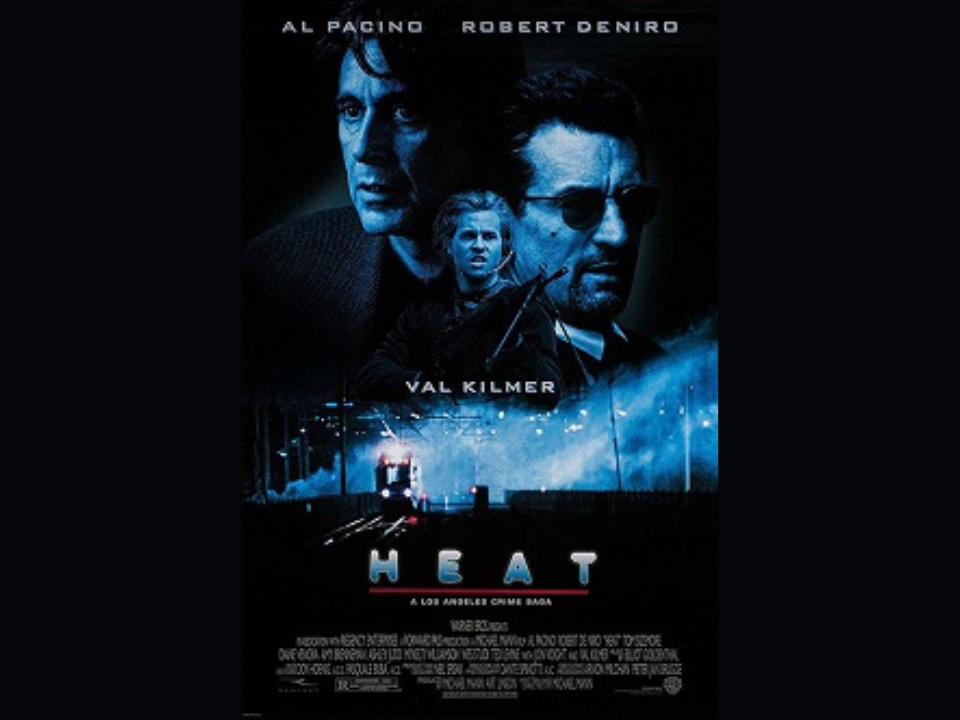
Heat creates lasting tension through inevitability rather than surprise. Every scene feels like part of a larger collision that cannot be avoided. Michael Mann gives equal attention to criminals and police, which raises the emotional stakes on both sides. The sense of anticipation never disappears.
Rewatching strengthens the feeling of slow buildup toward an unavoidable ending. Action scenes remain powerful because of how patiently they are prepared. Conversations carry just as much tension as gunfire. The final moments still feel gripping despite familiarity.
Memento (2000)

Memento remains tense because its structure places viewers inside constant confusion. The reversed timeline forces each scene to reshape what came before it. That design keeps uncertainty high even when the story is familiar. Tension comes from instability rather than danger.
Watching again reveals how tightly information is controlled throughout the film. Greater understanding does not reduce anxiety. Emotional weight increases with context. The experience remains unsettling every time.
The Departed (2006)
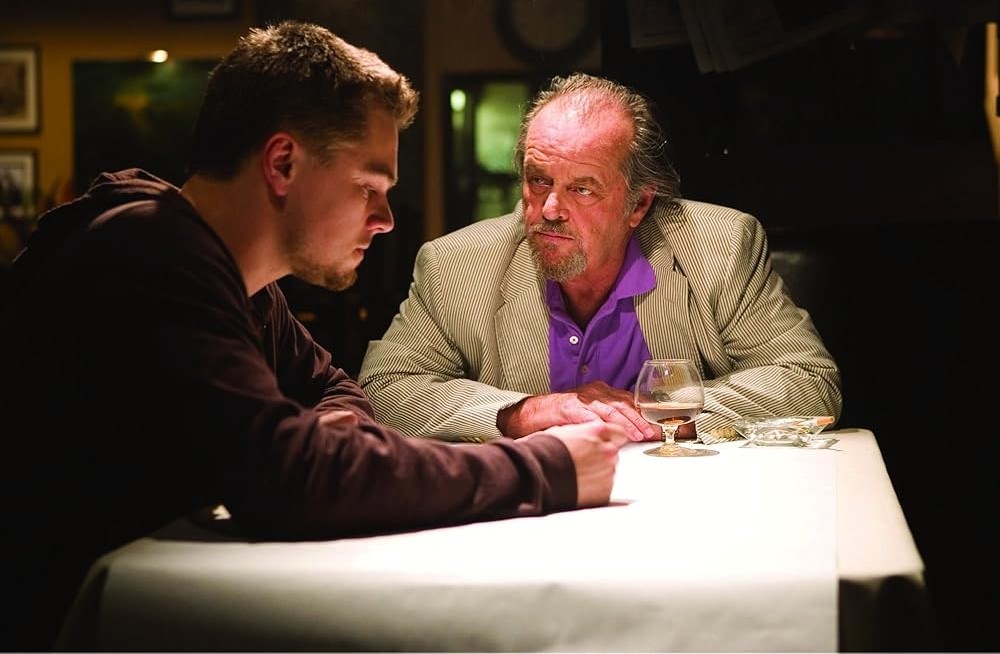
The Departed thrives on constant pressure created by secrecy and divided loyalties. Characters live under nonstop threat of exposure, which keeps tension simmering in every scene. Dialogue carries as much weight as violence. The pacing never allows a moment of relief.
Rewatching emphasizes how close everything is to collapse at all times. Performances carry the suspense rather than surprises alone. The final stretch still feels stressful. Familiarity does not soften the impact.
Shutter Island (2010)

Shutter Island builds tension through isolation and an atmosphere that feels increasingly unstable. The setting itself creates unease long before the story reaches its turns. Leonardo DiCaprio brings emotional strain that grows heavier with each scene. Nothing ever feels secure.
Knowing the truth does not remove discomfort on repeat viewings. Early scenes feel darker with added context. Subtle hints become more disturbing. The film maintains its unsettling tone throughout.
The Thing (1982)
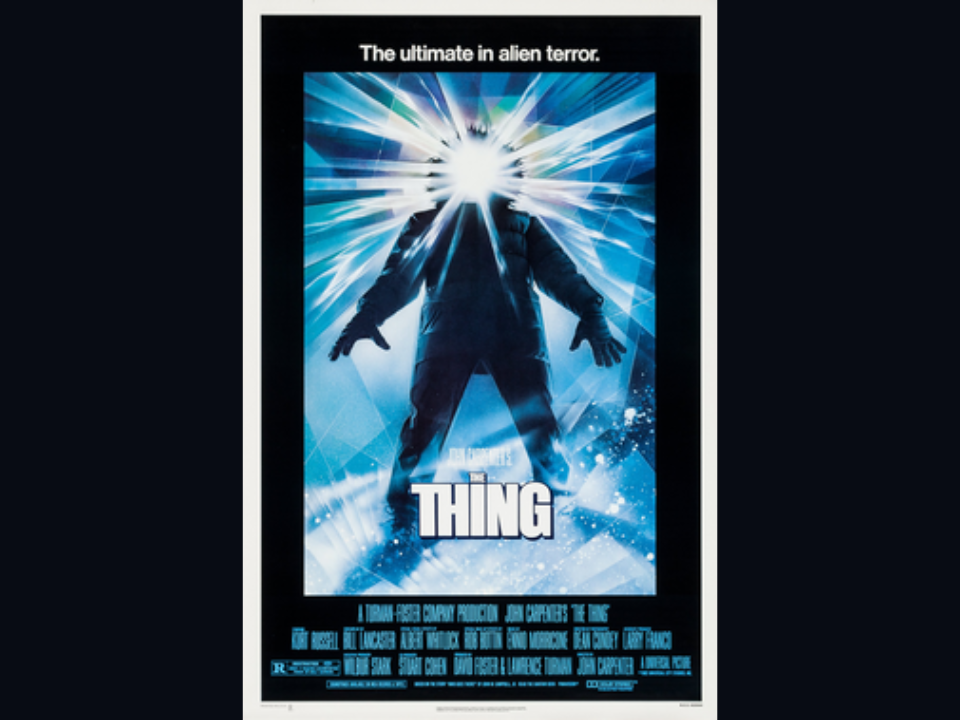
The Thing remains tense because trust is never established among the characters. Paranoia spreads quietly, infecting every interaction. The confined setting increases pressure and isolation. The effects still feel disturbing because they serve the story.
Each rewatch renews uncertainty about identity and intent. Silence plays a major role in building dread. Familiar scenes still feel unstable. The tension lasts until the final moments.
Black Swan (2010)

Black Swan draws tension from psychological collapse rather than external threat. Natalie Portman delivers a performance filled with anxiety and control slowly slipping away. Reality and perception blur gradually. Pressure builds without release.
Rewatching reveals how early the warning signs appear. Small moments take on darker meaning. The mood remains claustrophobic. The film stays deeply uneasy throughout.
Nightcrawler (2014)
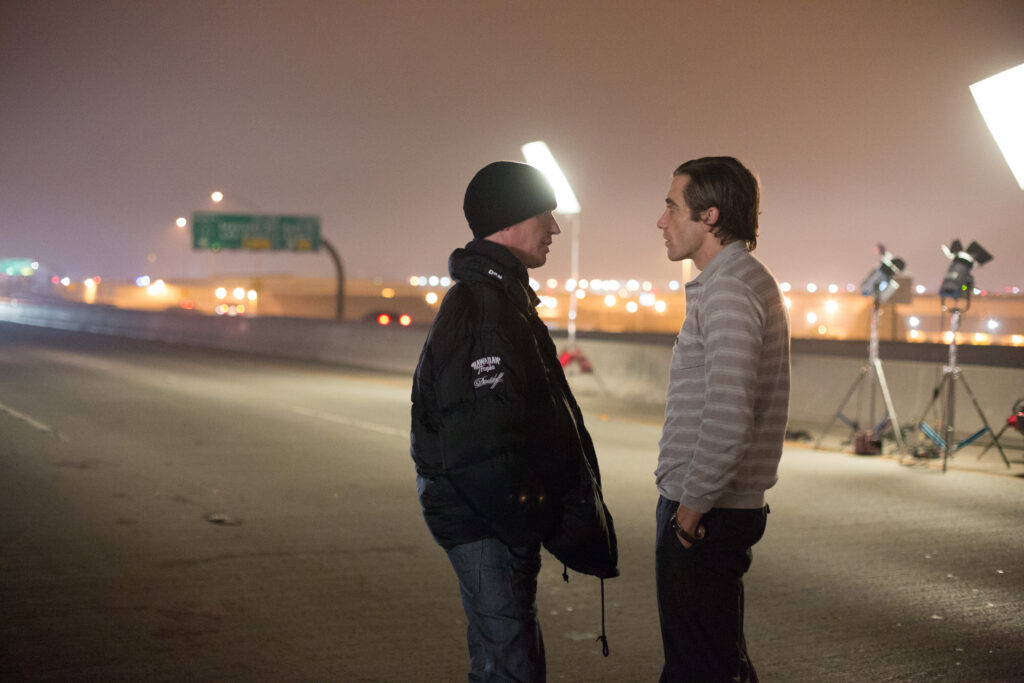
Nightcrawler stays tense through disturbing character behavior instead of physical danger. Jake Gyllenhaal presents calm ambition that feels increasingly threatening. The story progresses toward darker decisions without hesitation. Discomfort grows steadily.
Repeat viewings highlight how deliberate every action feels. Emotional detachment increases tension rather than easing it. The film offers no relief. Unease remains constant.
Cape Fear (1991)
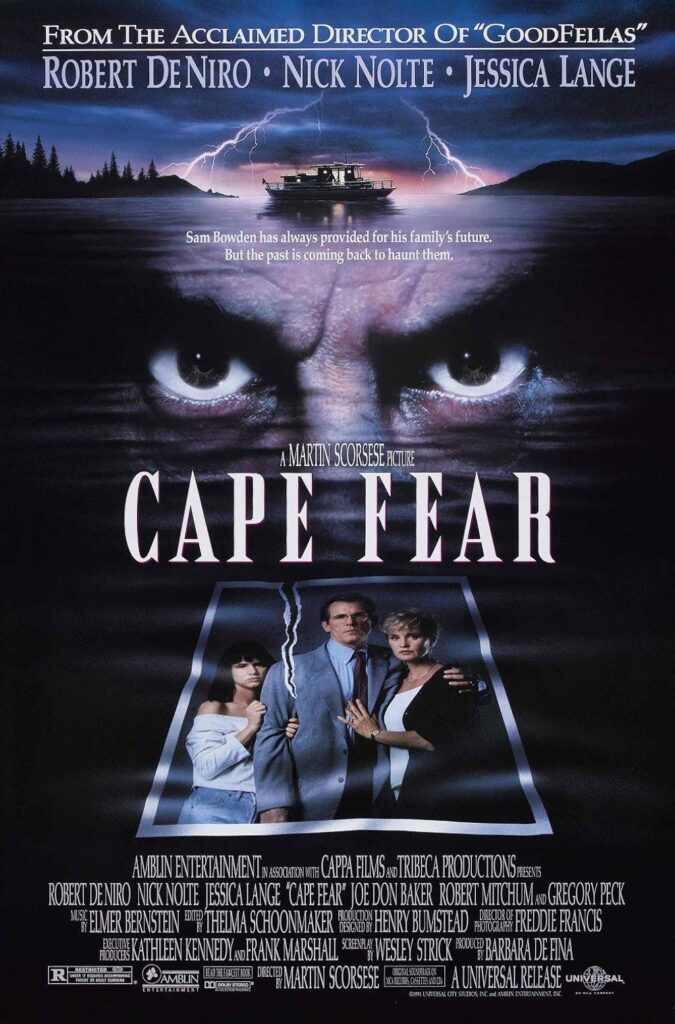
Cape Fear builds tension through inevitability and persistent threat. Robert De Niro’s presence dominates every scene he enters. Each encounter raises pressure rather than resolving it. Fear grows through repetition.
Rewatching does not reduce the menace. Music and pacing maintain constant strain. The sense of danger never fades. The ending remains intense.
The Usual Suspects (1995)

This film keeps tension alive through layered storytelling and unreliable narration. Dialogue scenes carry quiet pressure rather than spectacle. Every character feels questionable. That uncertainty holds attention.
Knowing the ending adds tension instead of removing it. Rewatching exposes careful misdirection. Details gain new importance. The structure rewards close attention.
Oldboy (2003)

Oldboy remains tense because of the emotional weight paired with the mystery. Each revelation deepens discomfort rather than offering clarity. Pacing shifts in unsettling ways. Visual choices heighten intensity.
Repeat viewings do not soften the impact. The story feels heavy throughout. Every scene carries purpose. The experience stays difficult to forget.
This article originally appeared on Avocadu.