
15 Survivor Condition Muscle Cars Collectors Prefer Over Restorations
Survivor condition muscle cars hold a special place for collectors who value history that shows through every worn surface and aging detail. These cars tell a story through original paint, factory parts, and the small signs of use that come from decades on the road. Many enthusiasts feel a stronger connection to a vehicle that has lived a full life rather than one brought back to a like new appearance. The appeal often comes from knowing the car still carries the same components it left the factory with, along with the character that time adds. Each scuff, fade, or crease becomes part of its identity instead of something to hide. For collectors, owning a survivor car can feel like preserving a moment in automotive history rather than rewriting it. This preference reflects a growing appreciation for authenticity and the honest charm that only time can provide.
This post may contain affiliate links, which helps keep this content free. Please read our disclosure for more info.
1969 Chevrolet Chevelle SS 396 Survivor
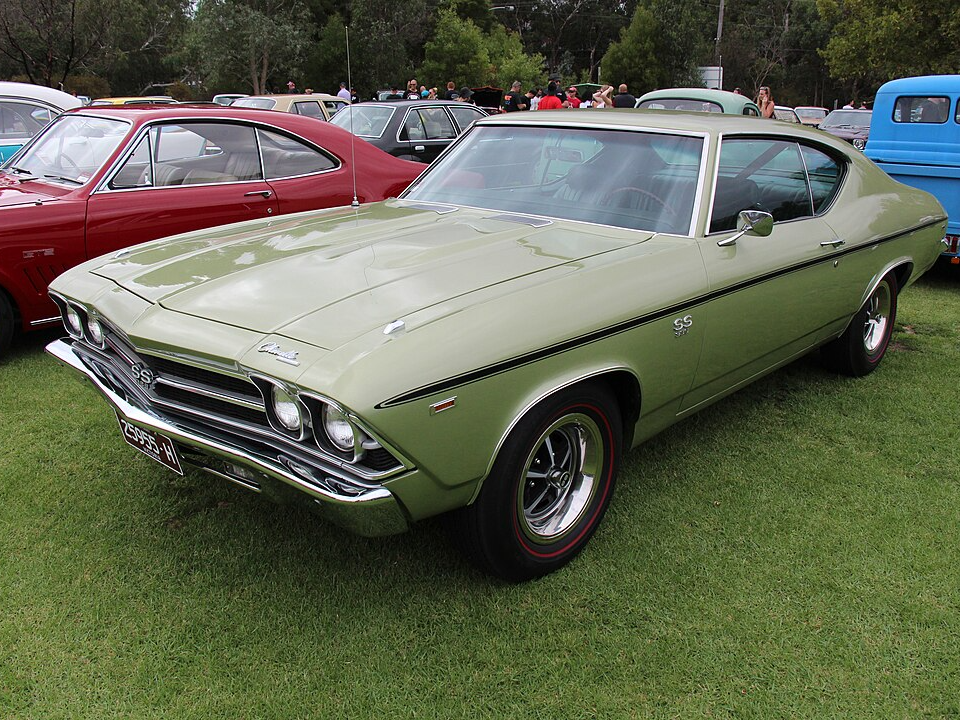
A 1969 Chevrolet Chevelle SS 396 in original, unrestored condition can draw strong interest from collectors who value cars that carry their full history in every panel and bolt. These cars were known for a balanced mix of power and everyday usability, making them one of the most admired muscle cars of their generation. A survivor example typically retains its original paint, interior, and drivetrain components with matching numbers, offering a rare window into how it left the factory.
The patina on the interior components can hint at long drives, road trips, and the kind of life the car has led since new. These examples are often supported by documentation such as original receipts, old photographs, and even period inspection tags that connect them to their first owners. Well preserved cars of this model often trade in the range of $80,000 to $140,000 depending on completeness of history, mechanical soundness, and condition. Collectors look for survivor cars that still start on the first turn of the key, that have no hidden rust repairs, and that have original glass and trim intact.
1970 Plymouth Road Runner Survivor
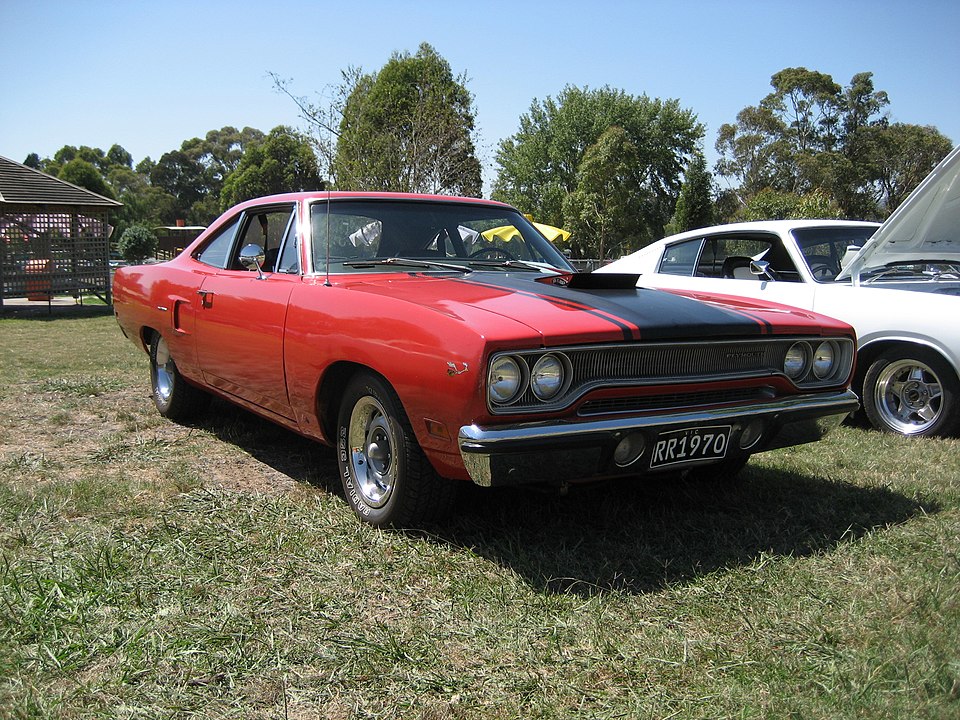
A 1970 Plymouth Road Runner in unmodified and unrestored form is prized because it captures the raw simplicity that made the model iconic. These cars came with minimalistic interior trim and a purpose built attitude that reflected a time when performance was more important than comfort. A survivor unit that retains its original bench seat, Hurst shifter, and donor sheet metal draws interest because it reveals how close it remains to its first road test. Collectors often look for original engine stamps, carburetor tags, and transmission codes that match documented build sheets.
A well preserved 1970 Road Runner with documented history can be valued between $60,000 and $90,000 for regular big block variants and higher for rare specifications. Many buyers in this niche market appreciate that this vehicle still operates with its factory calibration, untouched by modern tuning or aftermarket parts. The originality of the paint may have faded, yet that fade is part of the charm for those who want authenticity.
1968 Ford Mustang GT Fastback Survivor
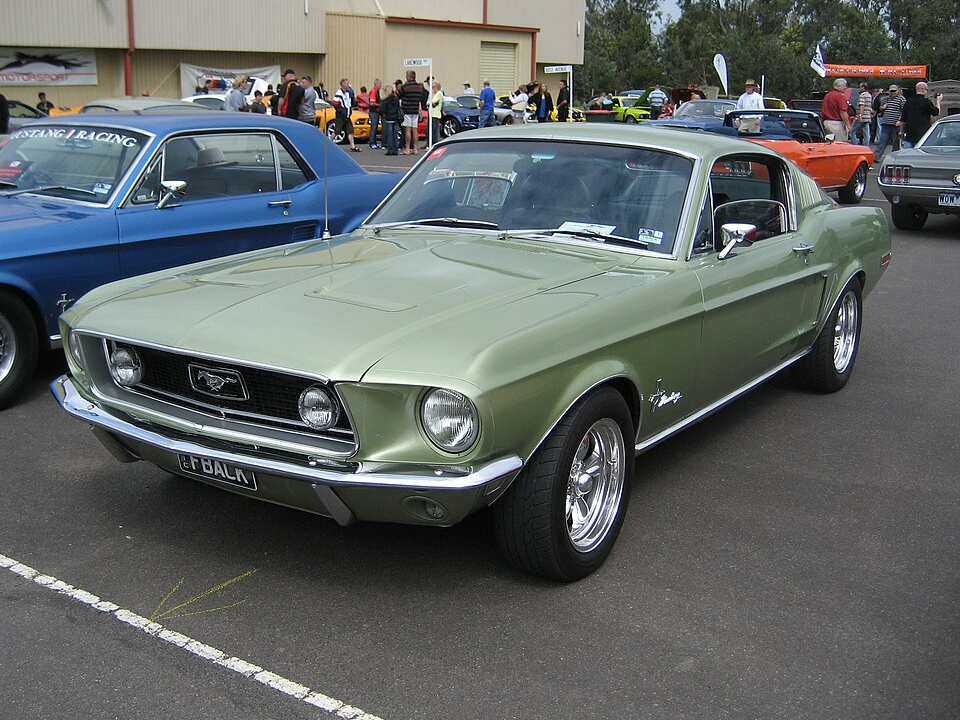
A 1968 Ford Mustang GT Fastback in original form represents an important chapter in American performance history with its combination of sleek design and V8 performance. Survivor examples retain the original drivetrain, suspension components, and interior fabrics that were standard when new. For collectors, the appeal of an untouched fastback lies in the way it tells a complete life story, from its first spin around the block to decades of care and maintenance without cosmetic restoration.
Many collectors prize cars that still run well with their factory carburetor and ignition settings, enjoying the way they feel and sound on open roads. Well preserved survivor examples of this model can range from $70,000 to $130,000 based on rarity, mechanical condition, and completeness of documentation. Rust free body panels and clear interpretation of original color schemes add to the desirability.
1971 Dodge Demon 340 Survivor
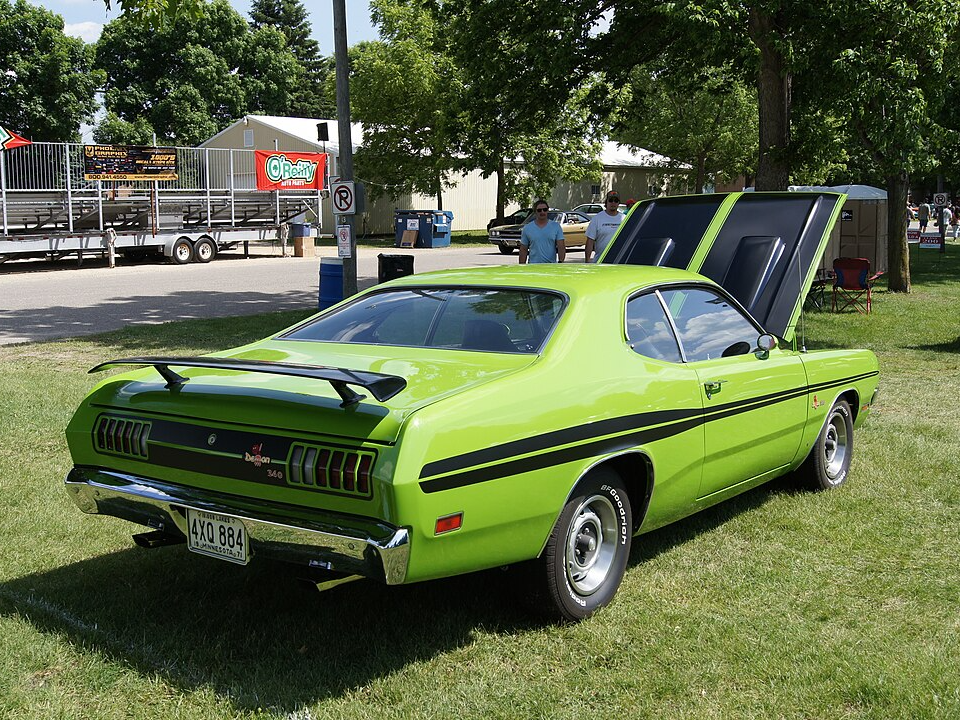
A 1971 Dodge Demon 340 left the factory as a no frills, high torque small block performance car that was built to be driven. Survivor examples are appreciated because they often still house their original engine, transmission, and hardware that link back to the car’s first use. Many still retain their original air cleaner, emission control components, and brake booster, all of which show how the car came equipped from the factory. Collectors look for matching fender tags and original interior door panels that reflect the car’s documented heritage.
Unlike restored cars that may look fresh but lack a physical connection to their past, survivor cars show the result of years of use in the form of gently worn seats, period correct radio units, and original steering wheels. Some still have original tires that carry age cracking, which is seen by some buyers as part of the authentic experience. These cars typically sell anywhere from $50,000 to $80,000 depending on mechanical condition and the completeness of original components. The stronger the documentation that ties the car to its first purchase and ownership history, the more interest it may attract.
1967 Pontiac GTO Survivor
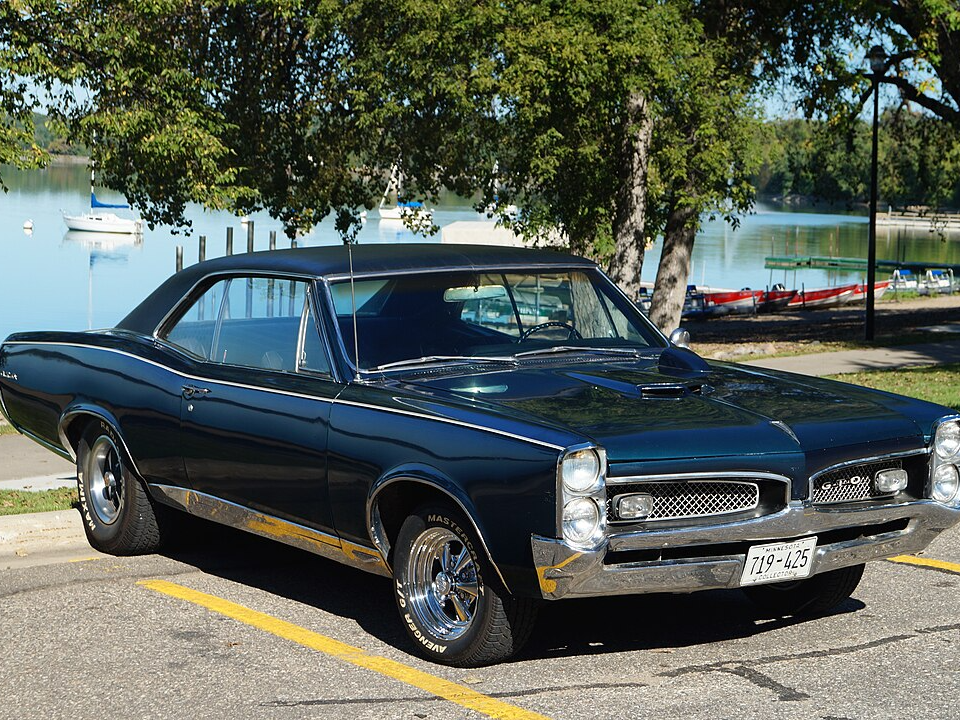
A 1967 Pontiac GTO that has spent little time under a restoration lift can be an extraordinary find. These vehicles often still sport their original engine block, carburetor, and intake manifold that carry casting numbers tied to period build sheets. Interior details like original upholstery, dash pad, and period radio units often remain in place, telling owners about decades of use and maintenance choices. The chrome trim, if intact, can show small imperfections that speak to the car’s real service life instead of a recent cosmetic reset.
Documentation such as old service receipts and archived photographs can make these cars especially meaningful because they place physical objects into real human histories. Prices for well presented survivor GTOs typically sit between $70,000 and $120,000 based on originality and mechanical function. Mechanical systems that still operate with original calibrations draw buyers who prefer to experience muscle cars in their historic state.
1972 Chevrolet Nova SS Survivor
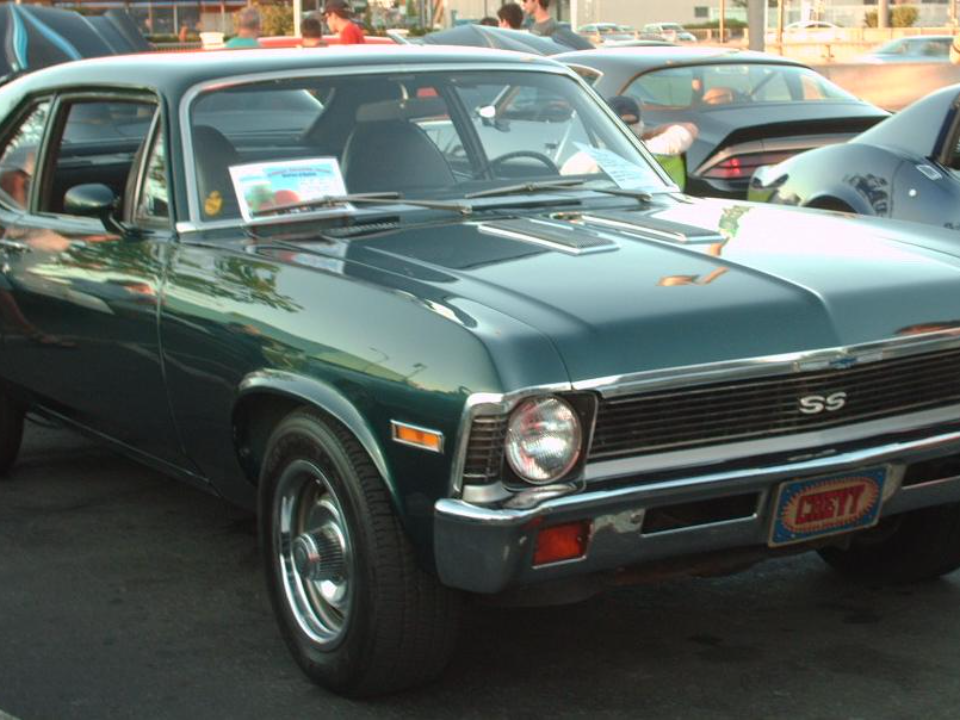
A 1972 Chevrolet Nova SS in original condition is attractive because it often retains a simple and honest appearance that speaks to its life since new. These cars emerged with a variety of V8 engines and a manual or automatic transmission, and a survivor example often still holds its original powertrain. Collector interest grows when original paint codes match the documented factory build sheet, showing that the exterior has not been switched or repainted. The interior often shows seat wear patterns that reflect long drives and years of use, yet without tears or missing trim pieces that confuse its identity.
In the current market, well documented survivor Novas can command between $40,000 and $65,000 depending on engine size and condition. The presence of period correct accessories like rally wheels and original hub caps further increase interest. Survivors that start easily and hold tune without aftermarket wiring changes are especially admired. Collectors who value complete cars with histories often prize these Novas as a reminder of accessible performance from the early 1970s.
1969 Dodge Charger 500 Survivor

A 1969 Dodge Charger 500 in true survivor condition embodies a chapter of design and performance that is not easily matched by restored examples. These cars often retain their original black-out grille, quarter panels, and roof vinyl that may show signs of sun fading and wear. Buyers often look for matching engine and transmission numbers that align with original paperwork, indicating the car is complete and authentic.
The undercarriage often shows original welds and stampings that confirm structural history without modifications or repairs that are common in restored units. Well preserved Charger survivors typically bring strong interest, often valued between $90,000 and $150,000 in current market trends. Rust free rocker panels and floors, if present, are rare and contribute to higher valuations. These cars often start with their period correct ignition and run with their original carburetor setup, giving a sense of connection to the era before electronic fuel systems.
1970 Buick GSX Survivor
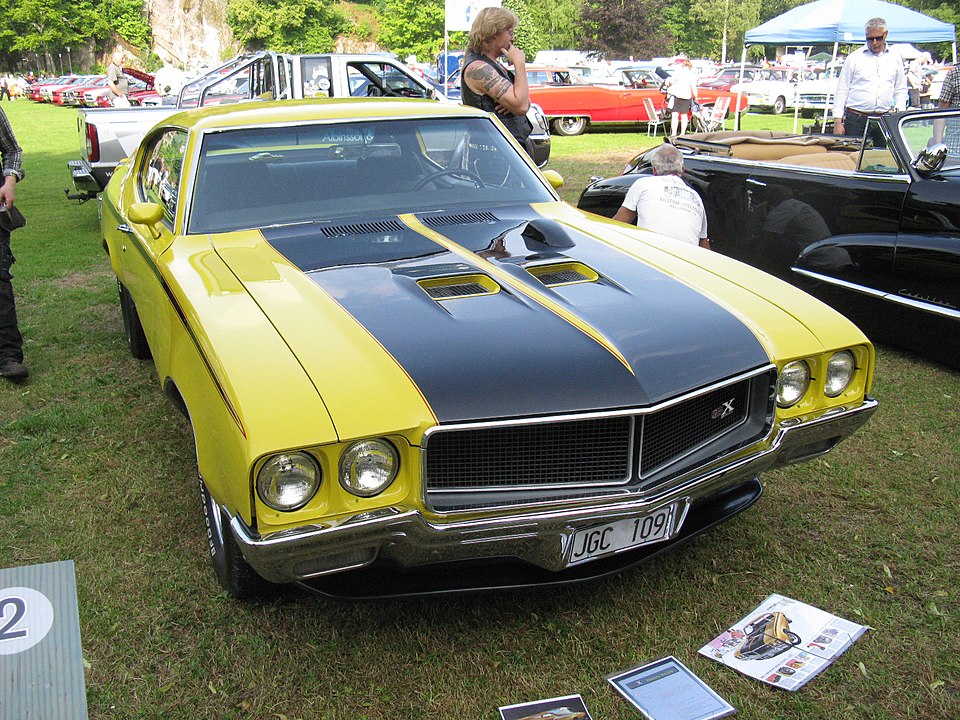
The 1970 Buick GSX in survivor condition represents one of the most powerful and visually striking cars of its era. These cars originally came with a strong V8 engine and performance oriented suspension that made them exceptional performers on open roads. Survivor examples often retain original wheel choices, decals, and interior trim that show wear consistent with decades of use.
Documentation often includes old delivery receipts and early service records that anchor the car to a specific history. Cars in this condition often sell between $120,000 and $180,000 depending on completeness of original parts, mechanical condition, and thoroughness of documentation. The feeling of sitting in an untouched cabin with original vinyl and plastic can evoke a stronger emotional reaction than a refurbished interior. Buyers in this segment often prefer a car that carries decades of real life use, telling its own story through every worn surface and unchanged panel.
1966 Oldsmobile 442 Survivor
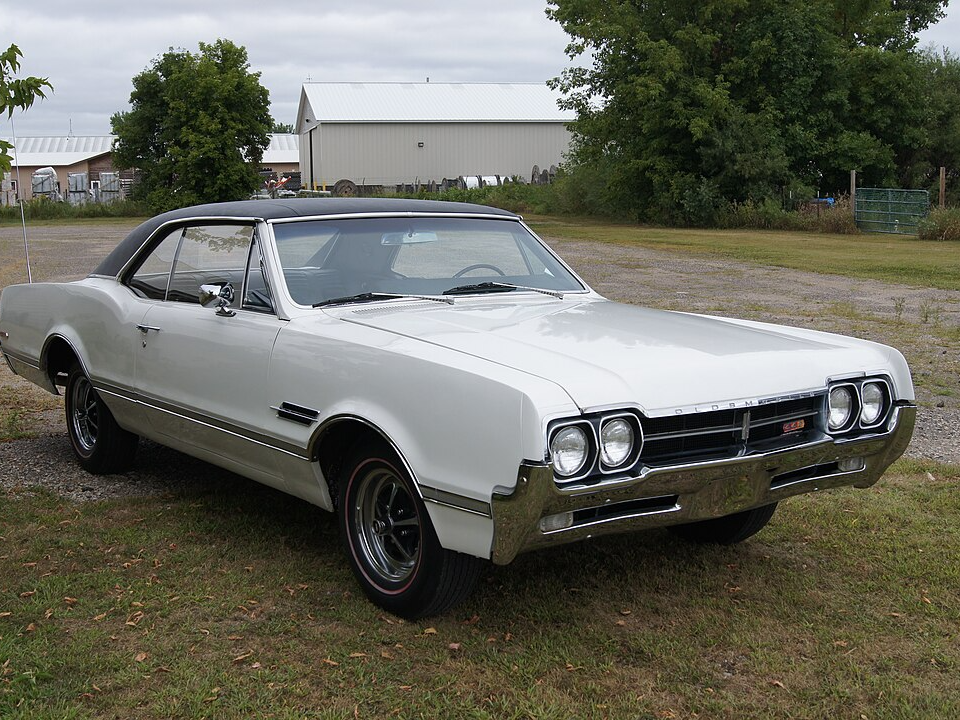
A 1966 Oldsmobile 442 that has survived decades without cosmetic restoration holds a special place with collectors who prize authenticity. These cars were originally built as performance oriented machines with a balanced combination of power, weight, and handling for their time. A survivor example often still bears its original block and head casting numbers, and paperwork may link directly to original shipping and dealer records. Surface wear on the interior seats, steering wheel, and floor mats suggests decades of use while leaving the car readable and honest.
Cars like this often trade in the $60,000 to $100,000 range based on condition and rarity of options. Collectors who enjoy vehicles that speak of years lived can find joy in seeing the untouched under dash wiring and period correct hardware. These survivors can start and run using original factory settings, giving drivers a sense of how the car felt when new. Each blemish on the car can tell a story that restorations might hide, making them significant pieces for certain collectors.
1973 Plymouth Barracuda Survivor
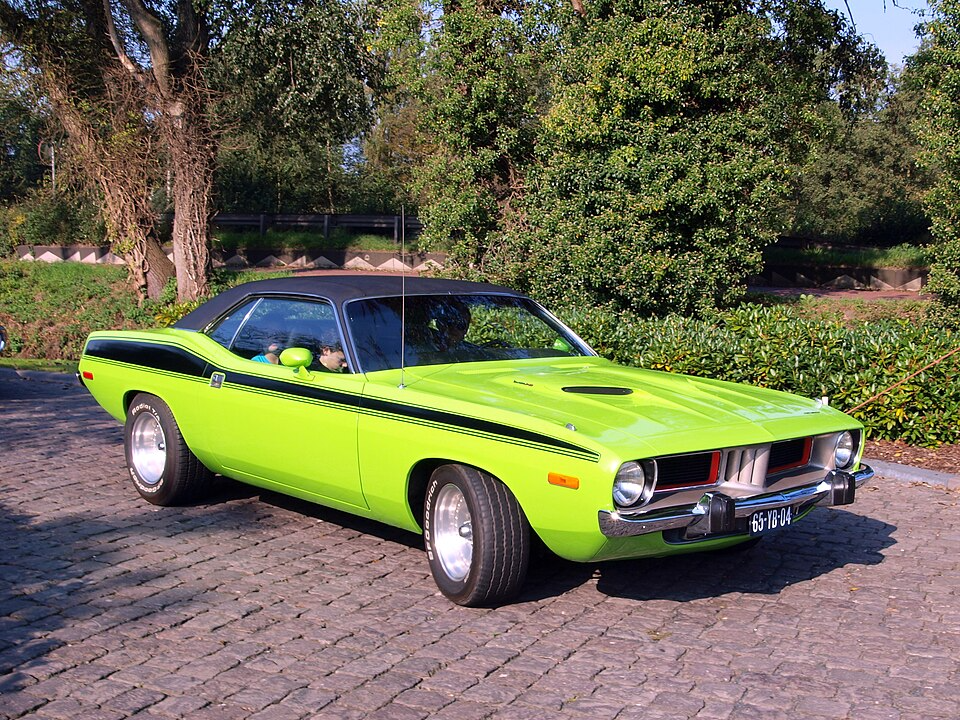
A 1973 Plymouth Barracuda that has retained its original condition is often seen by some collectors as a time capsule of early 1970s performance. These cars were produced with a variety of engines and trim levels, and a survivor example still holds the original drivetrain with matching numbers if documented. The interior may show decades of use in the seat coverings, dash pad, and original carpeting, yet remain free of tears or aftermarket replacements. Exterior panels may show surface irregularities from age without signs of repainting or body work that would confuse its history.
Market values for these cars vary widely but a strong survivor can be worth $50,000 to $85,000 depending on engine size, documentation, and mechanical condition. Buyers often enjoy that the suspension and brakes are original, offering a genuine driving experience rather than a reconstructed one. The presence of original tires, even with age cracks, can contribute to the feeling that the car has truly lived through decades of use. For collectors who place a higher interest in authenticity over cosmetic perfection, these Barracudas hold a special appeal.
1969 Pontiac Firebird 400 Survivor

A 1969 Pontiac Firebird 400 in survivor condition offers collectors a clear look at how Pontiac balanced style and performance during the height of the muscle car era. These cars often retain their original engine block, intake, and exhaust components that match factory records. Original paint may show fading and thin spots, yet it reflects decades of exposure rather than recent cosmetic work. Interior details such as factory seat covers, dash trim, and steering wheels often show natural wear that confirms authenticity.
Well documented examples commonly trade between $55,000 and $90,000 depending on drivetrain, condition, and history. The presence of factory wheels and correct badging adds to interest. Many collectors feel these cars offer a more honest connection to late 1960s performance culture than restored versions.
1970 Chevrolet Camaro Z28 Survivor
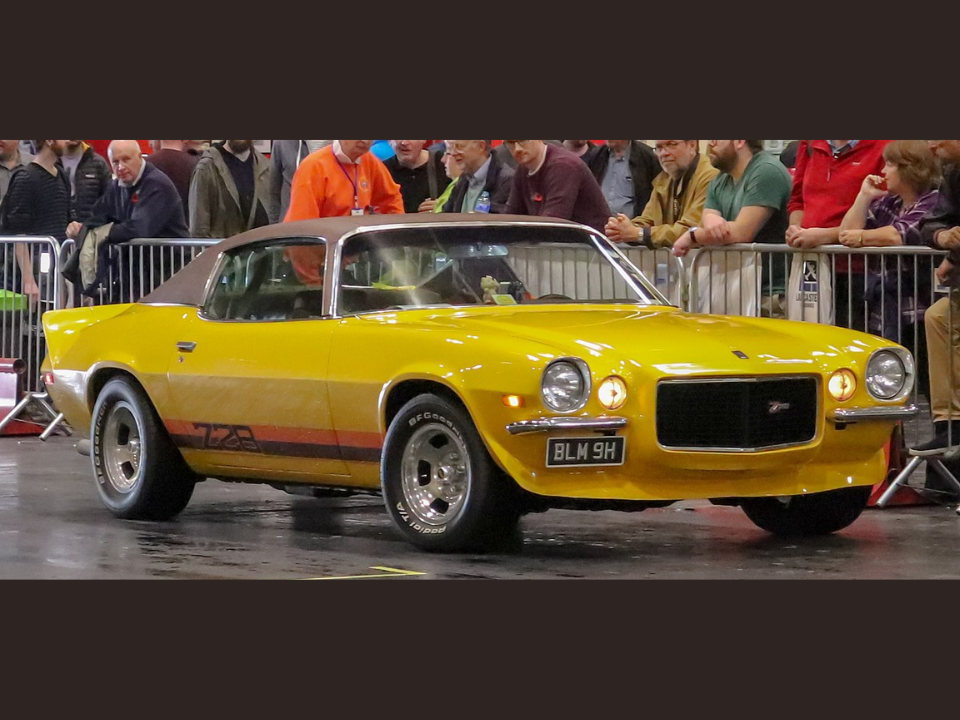
A 1970 Chevrolet Camaro Z28 left untouched by restoration is highly appealing due to its racing inspired roots. Survivor examples often retain original suspension components and drivetrain pieces that reflect factory intent. The paint may appear thin or weathered, yet it confirms originality and lack of body filler or panel replacement. Interiors frequently show seat wear and dash aging consistent with long term use rather than replacement.
Market values for strong survivor Z28 models often range from $90,000 to $150,000 based on condition and documentation. Buyers look closely at matching numbers and build sheets to confirm authenticity. These cars offer a true sense of how performance focused Camaros felt when driven straight from the showroom.
1968 Dodge Coronet R T Survivor
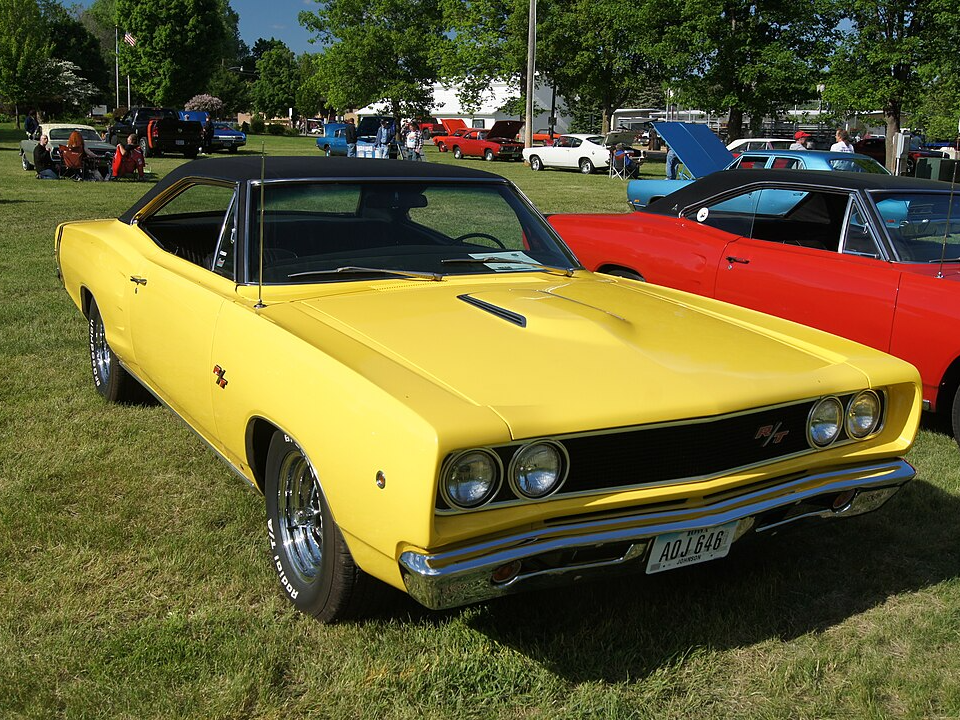
A 1968 Dodge Coronet R T in survivor condition showcases a powerful yet understated muscle car design. Many examples still carry their original big block engine and transmission, which adds greatly to collector interest. The exterior paint may show age related wear, yet panel alignment and factory spot welds remain visible. Interior components such as seat frames, door panels, and dash switches often remain original and functional.
Collectors appreciate cars that retain factory exhaust routing and suspension geometry. Documentation tied to original ownership often adds emotional and monetary value. Well preserved examples generally fall within a $65,000 to $100,000 value range depending on drivetrain and condition. Survivors that retain original wheels and trim attract more attention. These cars often feel more authentic than restored examples due to their unchanged character.
1971 Ford Torino Cobra Survivor
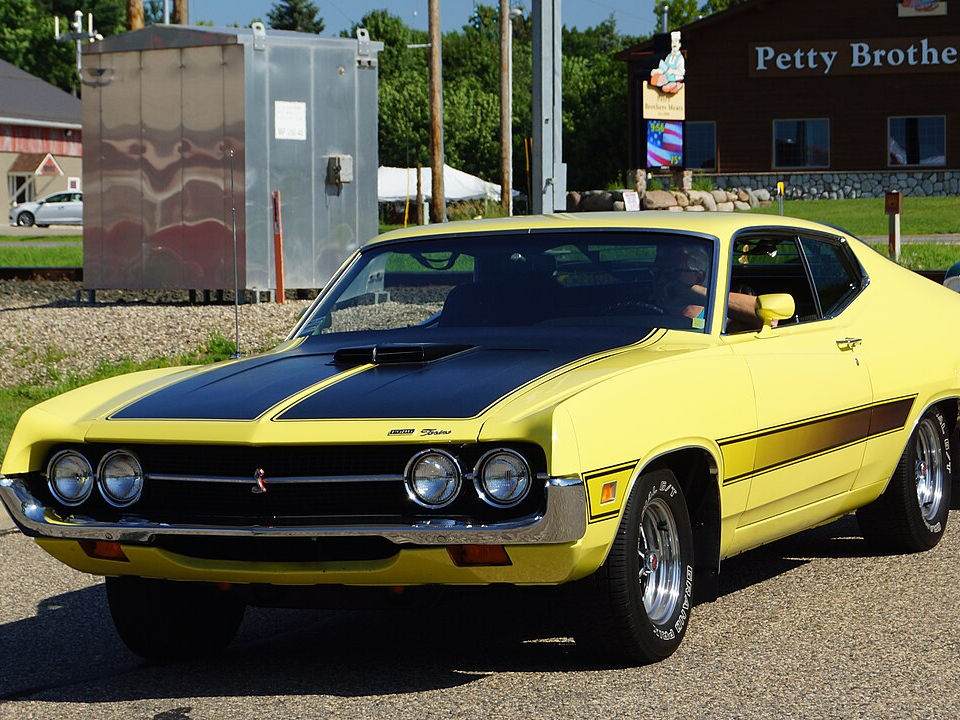
A 1971 Ford Torino Cobra in original condition appeals to collectors who admire large body muscle cars with serious power. Survivor examples often retain their factory engine, carburetor, and cooling components. Original paint may show sun wear yet remains uniform across panels, signaling no repaint history. Interior wear on seats and door panels reflects genuine use rather than neglect.
Collectors value original hood scoops, decals, and trim that remain intact. Undercarriage inspection often reveals factory markings and untouched frame rails. Market values for survivor Torino Cobras typically range from $60,000 to $95,000 depending on engine and documentation. Cars with original wheels and factory exhaust systems bring added interest. These vehicles provide a strong sense of early 1970s performance without cosmetic alteration.
1969 AMC AMX Survivor
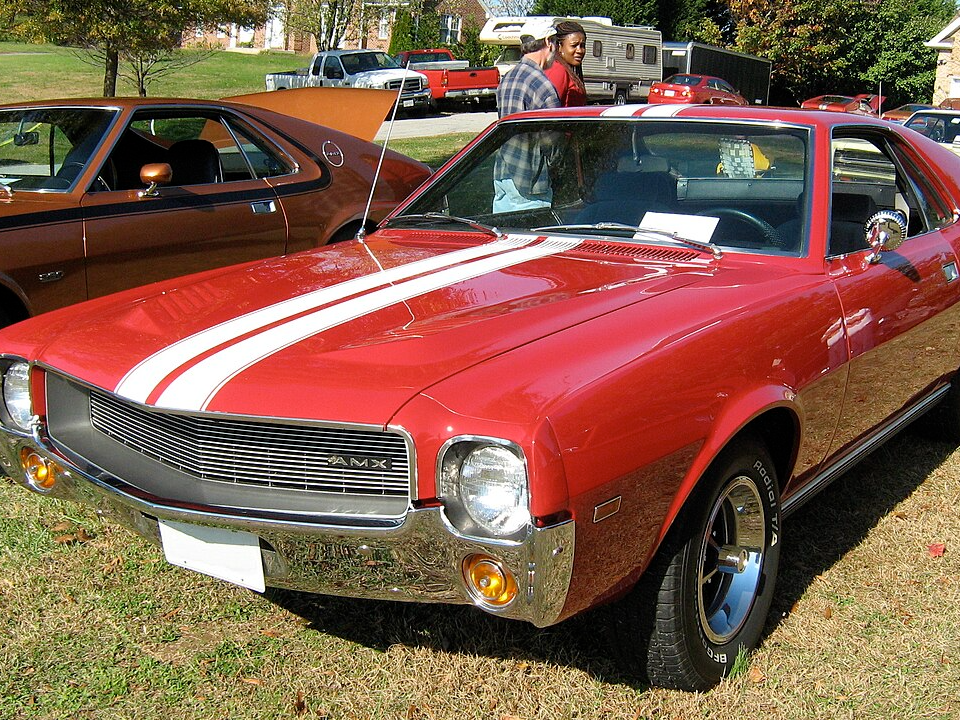
A 1969 AMC AMX survivor offers something different from the more common muscle car brands. These cars were compact, powerful, and distinctive, making survivor examples especially rare. Original drivetrain components and interior trim play a major role in collector appeal. Paint wear often appears consistent and tells a story of long term ownership.
Collectors admire cars that still retain factory suspension parts and braking systems. Documentation linking the car to its original dealer and owner strengthens value. Survivor AMX models often sell between $55,000 and $85,000 depending on originality and condition. Original wheels and interior materials add to desirability. These cars stand out due to their rarity and honest presentation.
This article originally appeared on Avocadu.