
12 Sunscreen Mistakes People Still Make in Spring and How to Fix Them
A lot of people treat spring sun as if it were less serious than summer sun. That can lead to sunscreen mistakes that are easy to miss during daily errands, walks, or outdoor lunch breaks. The good news is that most of these habits are simple to fix once you know what to watch for. So go ahead and take a look at what may need a second thought.
This post may contain affiliate links, which helps keep this content free. Please read our disclosure for more info.
Applying too little sunscreen

A very common problem is using a thin layer that does not give the level of protection written on the label. People may try to stretch the product or avoid a heavy feel on the skin. When too little goes on, the coverage drops, and the skin is left more exposed. This mistake is easy to make with both lotion and spray formulas.
For the face, most adults need about two finger lengths of sunscreen. For the body, a full ounce is often suggested, which is close to a shot glass amount. Spread it evenly and do not rush through the step. If a product feels too thick, trying a lighter formula can help you use the right amount more comfortably.
Skipping sunscreen on cloudy spring days
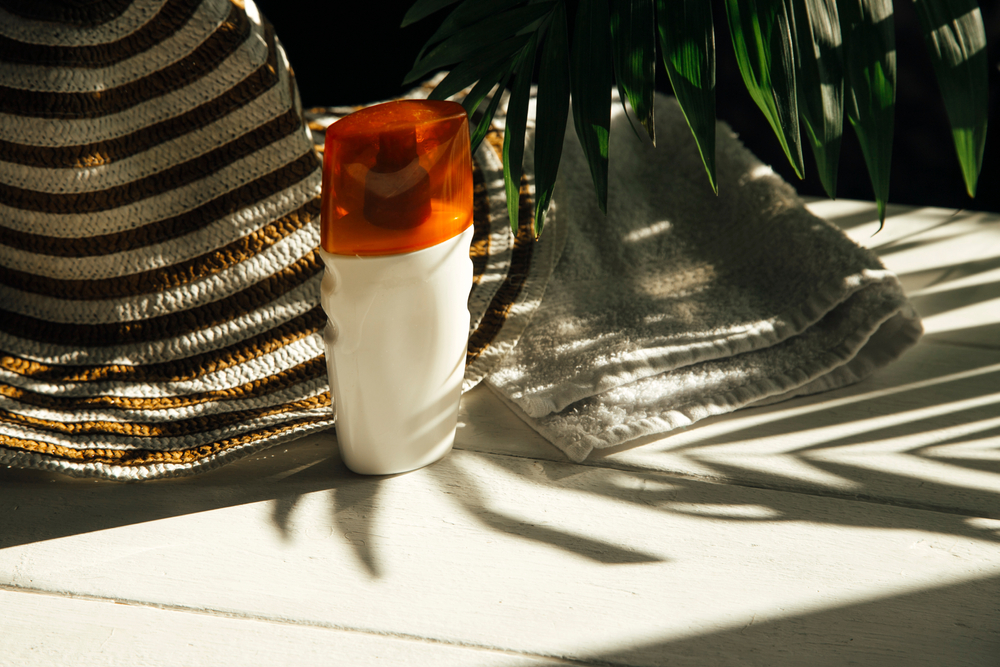
Cloud cover often makes people think the sun is too weak to matter. In spring, that mistake happens a lot because the air still feels cool and mild. Ultraviolet rays can still reach your skin even when the sky looks gray. That means you can end the day with more sun exposure than you realized.
A better habit is putting sunscreen on as part of your morning routine, even when the weather looks dull. Pick a broad-spectrum sunscreen with SPF 30 or higher and apply it before heading out. Focus on daily exposure from walking, driving, or sitting near windows. Keeping a bottle near your toothbrush or keys can make the habit easier to remember.
Missing easy-to-forget areas

It is very common to cover the face and arms while leaving small areas exposed. Ears, eyelids, lips, scalp lines, neck, and the tops of feet are often skipped. Those places can burn quickly because they are easy to overlook. In spring, lighter clothes and open shoes make some of those spots more exposed.
A good way to fix this is to slow down for a few extra seconds during application. Check the mirror and think through each exposed area before leaving the house. Lip balm with SPF can help protect lips, and scalp sprays or hats can help with the hair part. This small check can make coverage much more complete.
Putting sunscreen on too late

Some people wait until they are already outside before applying sunscreen. By then, the skin may already be getting direct sun. Chemical sunscreens need time to settle and start working as intended. Spring mornings often feel rushed, which can make this step easy to delay.
A better plan is to apply sunscreen about 15 minutes before sun exposure. That gives it time to sit properly on the skin before you head out. If you know mornings are hectic, keep sunscreen where you get dressed or near the front door. Building in that short lead time can make a real difference.
Relying on makeup with SPF alone
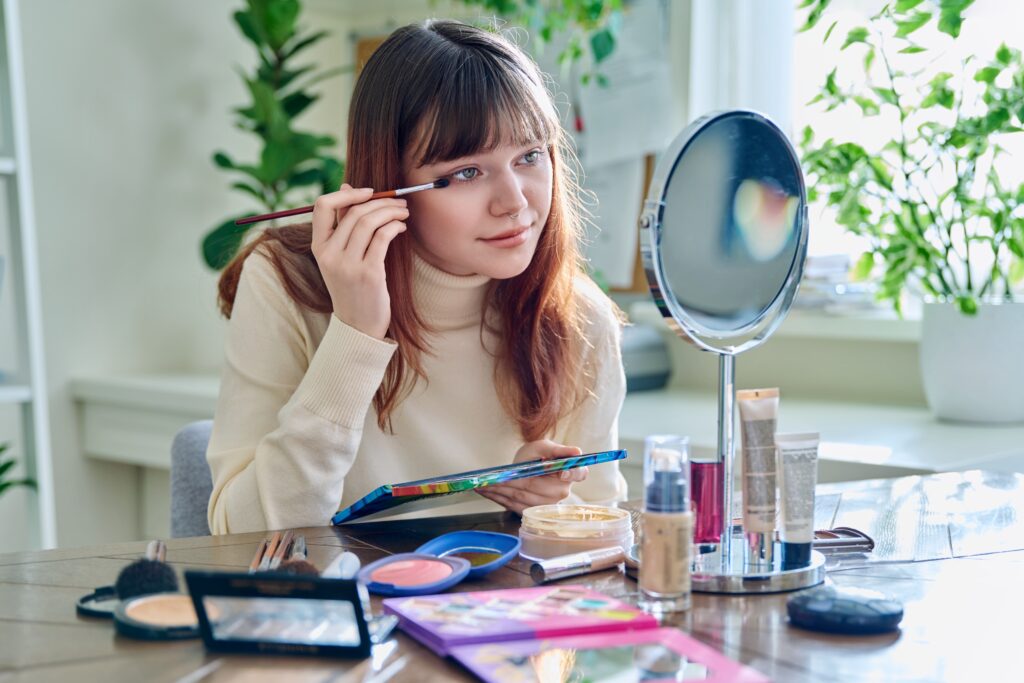
Makeup with SPF can sound like enough, though it rarely gives full daily coverage by itself. Most people do not apply foundation or tinted products in a thick enough layer to match the label claim. It may help a little, though it should not be the only thing between your skin and the sun. This is a very common spring mistake when routines get lighter.
The best fix is using a dedicated sunscreen first, then applying makeup on top. That way, your protection does not depend on how much makeup you wear that day. If you need a midday touch-up, sunscreen sticks or powders can help over makeup. Think of makeup SPF as a small extra rather than your full plan.
Using an old or expired sunscreen

Last year’s sunscreen often gets pulled out in spring without a second thought. Heat, age, and time can affect how well a product works. If the texture, smell, or color seems off, it may no longer be a good choice. Using an expired product can leave your skin less protected than you expect.
Start the season by checking the expiration date on every bottle and tube. Toss anything that is expired or looks separated and unusual. If the label is worn off and you cannot tell how old it is, replacing it is the safer move. Fresh sunscreen is a better bet than hoping an old one still works well.
Forgetting to reapply

One morning, an application does not last through a full day outside. Sunscreen can wear off with time, sweat, touching your face, or wiping your skin. Spring outings often start cool and turn warmer later, so people may not notice when protection fades. That is when missed reapplication becomes a real issue.
Reapplying every two hours is a good rule when you are outdoors for long stretches. Put it on again sooner if you sweat a lot or dry off with a towel. Travel-size tubes, sticks, and powders can be useful when you are away from home. Setting a phone reminder can help when the day gets busy.
Choosing an SPF that is too low
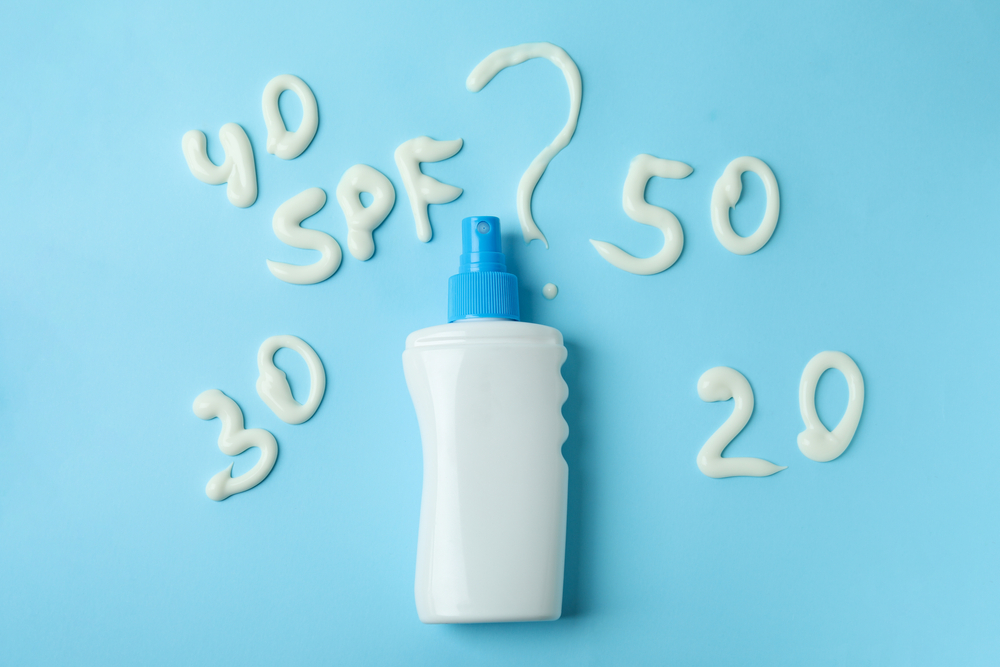
Some people pick a very low SPF because the spring sun feels less intense than the summer sun. That can be a mistake, especially for fair skin or long periods outside. Lower SPF products leave less room for small application errors. In daily life, those small errors happen all the time.
Going with SPF 30 or higher is a more reliable choice for most people. If you spend many hours outdoors, sweat a lot, or burn easily, a higher SPF may make more sense. What matters most is using enough and applying it well. A higher number does not replace good habits, though it can give a little more backup.
Thinking that one sunscreen works for every situation
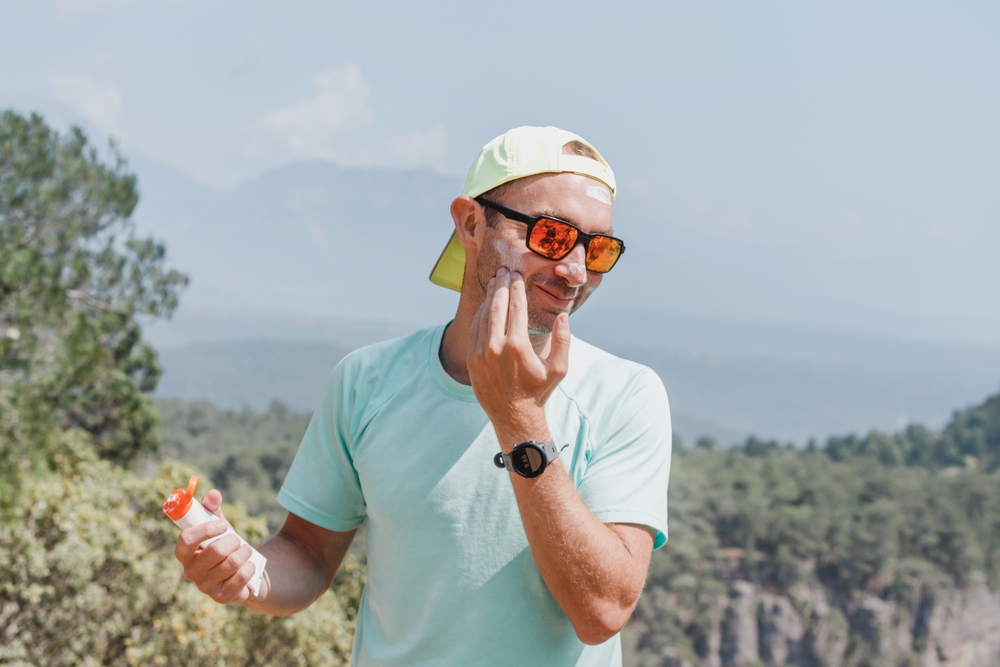
A single product does not fit every spring activity equally well. What feels fine for office days may not hold up during hikes, gardening, or sports. People often get frustrated when sunscreen feels greasy, stings the eyes, or slides off. That can lead them to skip it the next time.
It helps to match the formula to the activity and the area of the body. Lightweight lotions or fluids can work well for the face, while water-resistant formulas may suit outdoor exercise better. Sticks are useful around the eyes, and sprays can help with hard-to-reach spots if used carefully. When the product fits the situation, people are more likely to keep using it.
Ignoring sunscreen indoors near windows

A lot of people assume indoor time means no sun exposure at all. In reality, windows can still let in rays that affect the skin during long periods of time, such as the car, desk, or couch. Spring sunlight can feel soft, which makes this risk easier to miss. Over time, that exposure can still add up.
The fix depends on how close you stay to the windows and how long you are there. If you sit near bright windows for much of the day, wearing sunscreen on exposed skin is a good idea. This matters a lot for the face, neck, chest, and hands. It is a small step that can help with day-to-day exposure that many people forget about.
Forgetting water resistance during spring activities
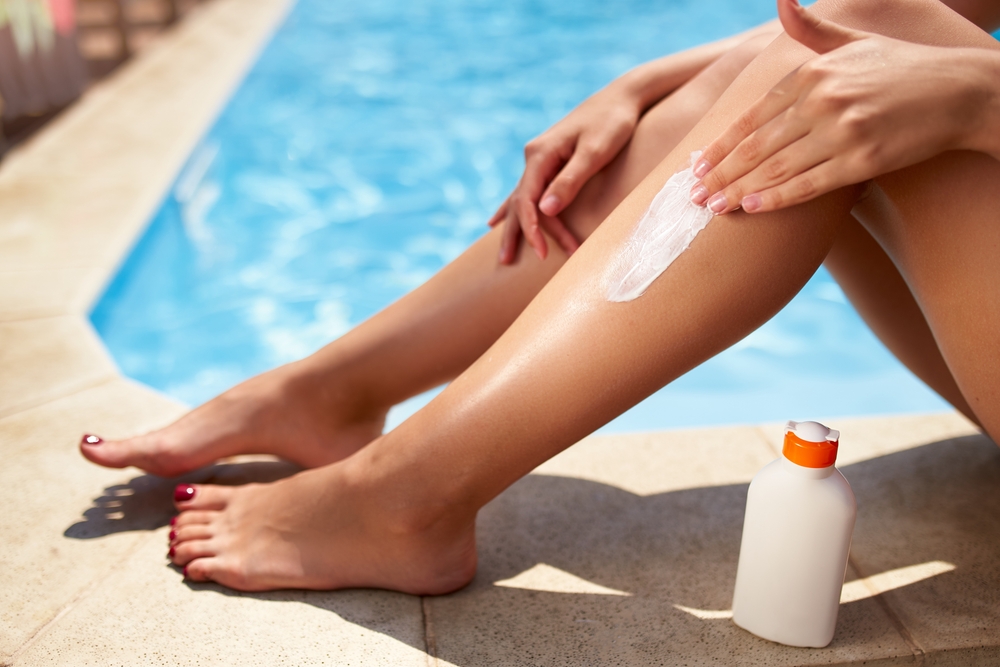
Spring brings yard work, long walks, bike rides, and sports that can lead to sweating. Many people do not think about water resistance unless they are swimming. Sweat can break down sunscreen and make it less reliable during active time outside. That leaves skin more open to the sun than expected.
A better move is choosing a water-resistant sunscreen for active spring days. Read the label and reapply based on how long you have been sweating or toweling off. Even with water resistance, it still needs to be put on again during long outings. Pairing sunscreen with a hat can help during very active days.
Using sunscreen but skipping other sun protection
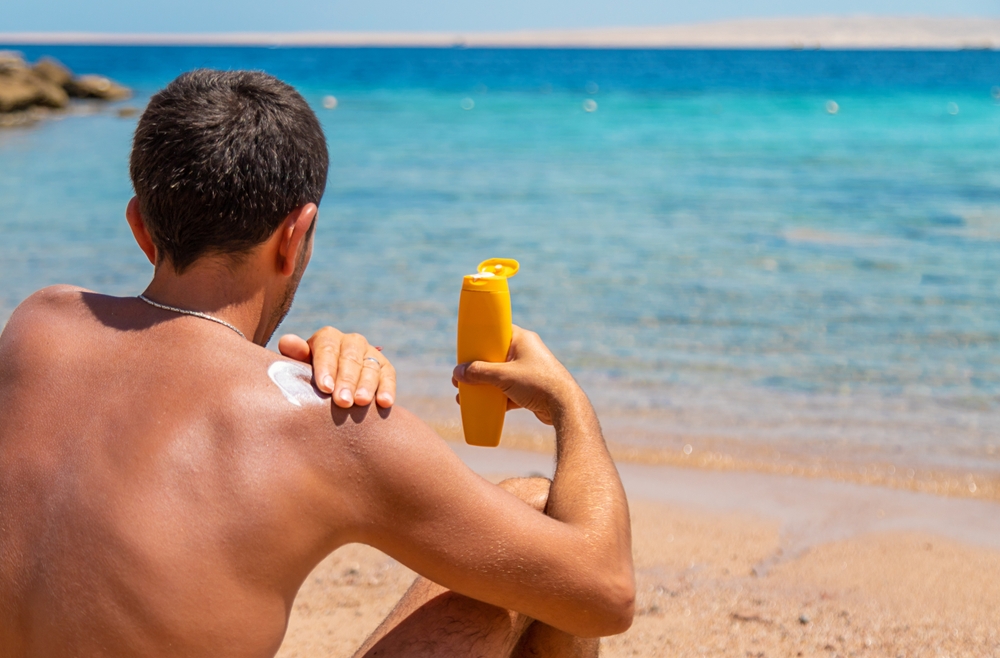
Sunscreen matters a lot, though some people treat it like the only step that counts. In spring, the sun can feel pleasant enough that hats, sunglasses, and shade get forgotten. That leaves more strain on sunscreen alone, especially during long outdoor blocks. No single product does all the work by itself.
A stronger plan is combining sunscreen with a few simple habits. Wear sunglasses, use a hat with a brim, and look for shade when the sun feels strongest. Lightweight long sleeves can help on days when you will be outside for hours. Putting these steps together gives your skin better day-to-day coverage.
This article originally appeared on Avocadu.