
12 Sunny Southwest Towns with Red Rock Trails for Late Winter Trips
Late winter in the Southwest brings crisp mornings, sunny afternoons, and cool desert nights that feel just right for outdoor plans. February and March offer ideal hiking weather across Red Rock trails, where clear skies and mild temperatures make longer walks more comfortable. From Arizona to Utah and New Mexico, this season creates a sweet spot between winter chill and spring crowds. After time on the trails, sunny patios with heaters invite you to relax and linger outside.
This post may contain affiliate links, which helps keep this content free. Please read our disclosure for more info.
Sedona
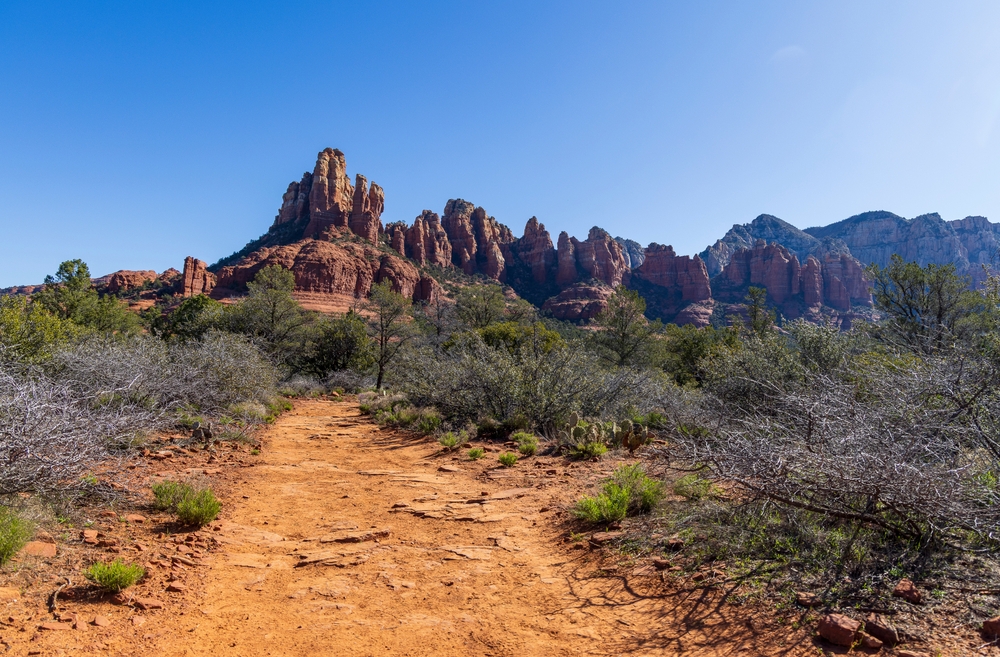
Late winter in Sedona feels almost made for long hikes followed by slow patio lunches. February and March bring crisp mornings that gradually warm into sunny afternoons, with daytime temperatures that usually sit in a comfortable range for steady climbing on trails like Cathedral Rock and Devil’s Bridge. The red rock formations glow under the low winter sun, and the clear air makes distant mesas look close enough to touch. Because spring break crowds have not fully arrived, trailheads tend to be calmer, especially on weekday mornings. That quieter atmosphere makes it easier to pause, take photos, and really take in the layered rock walls and open desert views.
By early afternoon, the sun feels pleasantly warm rather than harsh, which makes outdoor dining especially inviting. Many restaurants set up heated patios, so guests can sit outside without worrying about the cool air that rolls in later. There is something satisfying about finishing a red rock hike and then settling into a sunny courtyard with a view of the same formations you just explored. Evenings cool off quickly, often dropping into sweater weather, which makes fire pits and patio heaters welcome additions. The rhythm of active days and relaxed nights is what gives Sedona its late winter appeal.
Tucson
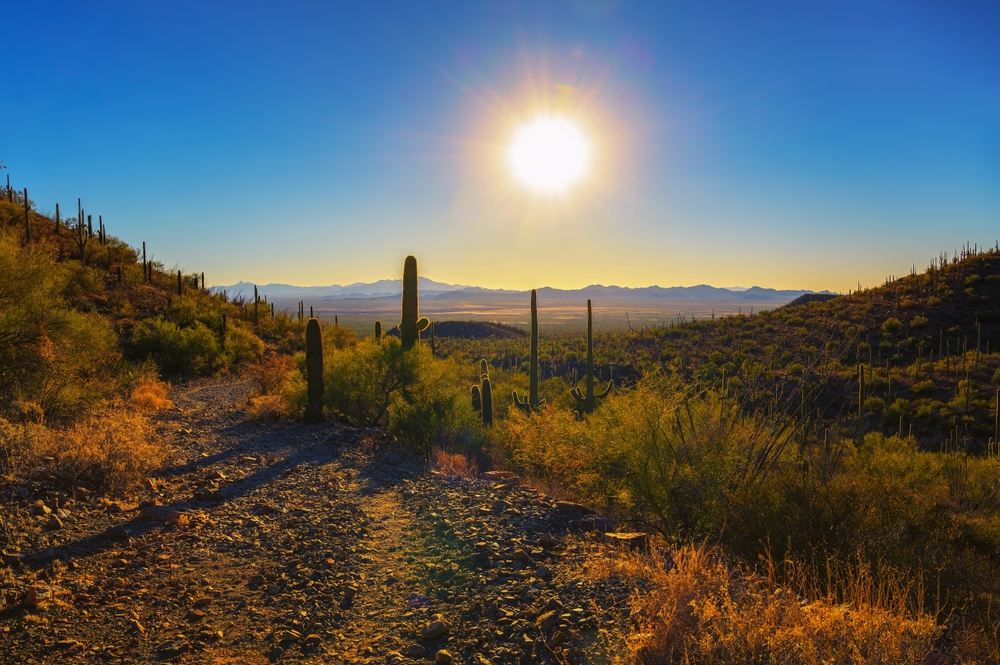
Tucson shines in late winter, when the desert air feels fresh, and the sun is bright but gentle. February and March are ideal for exploring the trails in Saguaro National Park, where towering saguaro cacti stand against wide desert horizons. Daytime temperatures are usually mild enough for longer hikes without the intense heat that arrives later in the year. The Rincon Mountain District and the Tucson Mountain District both offer rocky paths and rolling terrain that show off the Sonoran Desert at its most comfortable. Early mornings can feel brisk, yet by midday, the warmth makes light layers all you need.
After time on the trails, Tucson’s food scene comes alive on sunlit patios across downtown and the foothills. Many restaurants lean into outdoor seating, with heaters and windbreaks that keep things pleasant even as the sun dips lower. The mountain views pair naturally with a relaxed lunch or early dinner outdoors. As night falls, temperatures drop enough to remind you it is still winter, but not so much that outdoor dining feels out of reach. That mix of cool desert nights and golden afternoons defines Tucson in late winter.
Moab
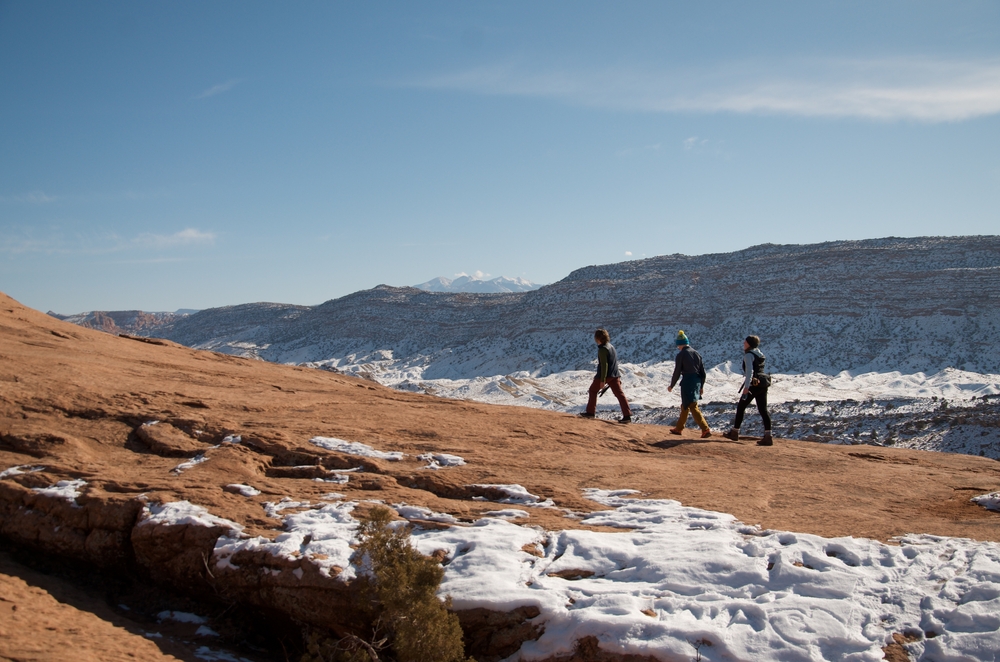
Moab in late winter feels like a quiet preview of spring. February and early March bring cool mornings and bright afternoons that make hiking through red rock terrain both comfortable and scenic. Trails in Arches National Park and Canyonlands National Park are often less crowded than they will be just a few weeks later. The red sandstone arches and canyons look especially striking under crisp blue skies, and the lower sun angle highlights every curve and ridge. Layers are key, since shaded sections can feel chilly even while exposed rock warms quickly.
Back in town, patios begin to reopen and fill with hikers enjoying the extra daylight. Outdoor tables often sit in direct sun, which feels welcome after a morning in cool canyon shadows. Some spots offer heaters for added comfort as the sun lowers behind the cliffs. The overall pace remains relaxed compared to peak season, which means less waiting and more time to unwind. Late winter in Moab offers that sweet spot between solitude on the trails and easygoing evenings outdoors.
Scottsdale
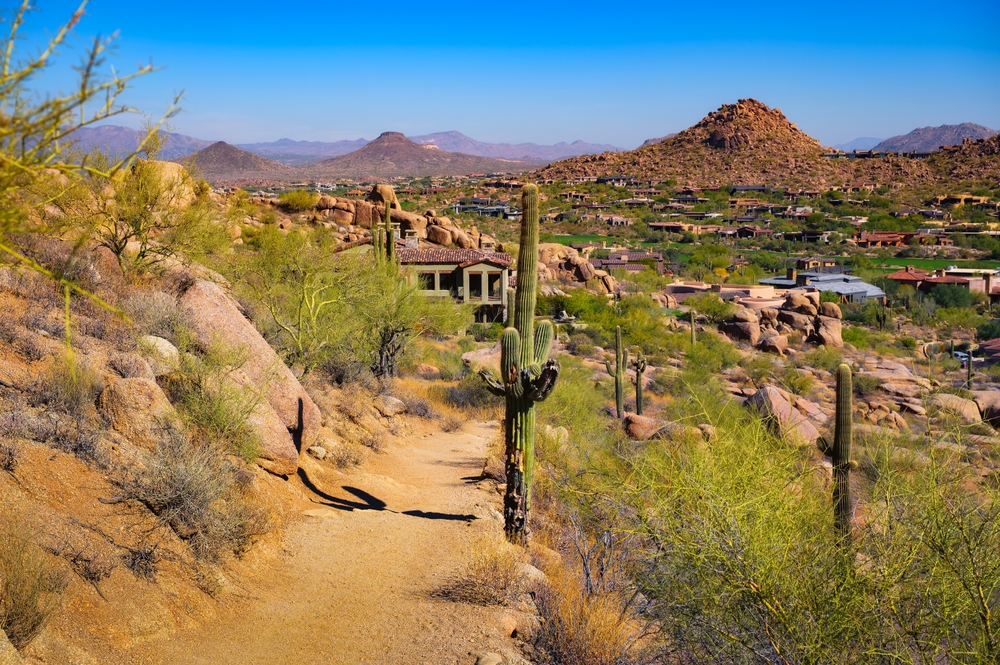
Scottsdale’s desert preserves are at their best in February and March, when temperatures invite longer hikes without the strain of summer heat. Trails in McDowell Sonoran Preserve wind through rocky hills and saguaro-lined ridges under clear skies. The air feels dry and cool in the morning, then comfortably warm by early afternoon. This time of year makes it easier to tackle elevation gains and still feel energized afterward. The red and tan rock formations stand out sharply against the blue sky, especially in the soft light of late winter.
Once the hiking boots come off, Scottsdale’s patio culture takes over. Many restaurants design their outdoor spaces to face the sun, with heaters and fire features that make lingering outside easy. Lunch in a sunny courtyard or dinner beneath patio lights feels like a reward after a morning climb. Even as temperatures dip at night, outdoor dining remains part of the routine. The balance between desert trails and polished patios defines Scottsdale’s late winter charm.
St. George
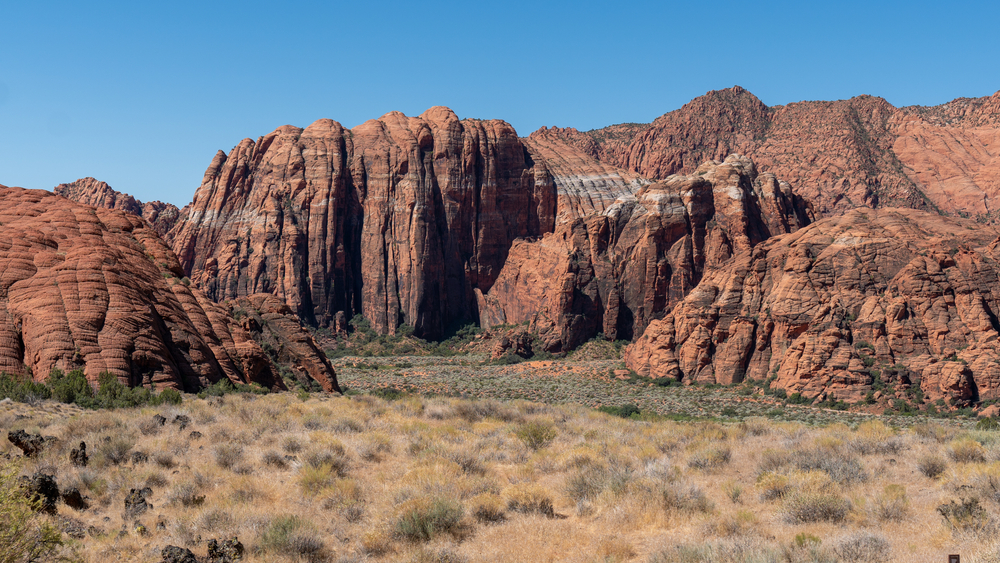
St. George offers a warmer slice of Utah in late winter, making it a favorite for red rock hiking before spring crowds grow. February and March bring mild afternoons that are well-suited for exploring the red sandstone cliffs of Snow Canyon State Park. The contrast between black lava flows and red rock formations creates striking scenery under a bright winter sun. Morning air can feel cool, yet by midday, the warmth makes steady hiking comfortable. Trails feel open and quiet, giving visitors space to move at their own pace.
In town, patios catch the afternoon light and stay pleasant into early evening. Outdoor dining is common, and heaters are often available for extra comfort once the sun lowers. The desert setting makes even a simple meal feel scenic. Cool nights settle in gently, bringing that crisp desert feel without shutting down outdoor activity. St. George pairs accessible trails with easygoing evenings in late winter.
Santa Fe
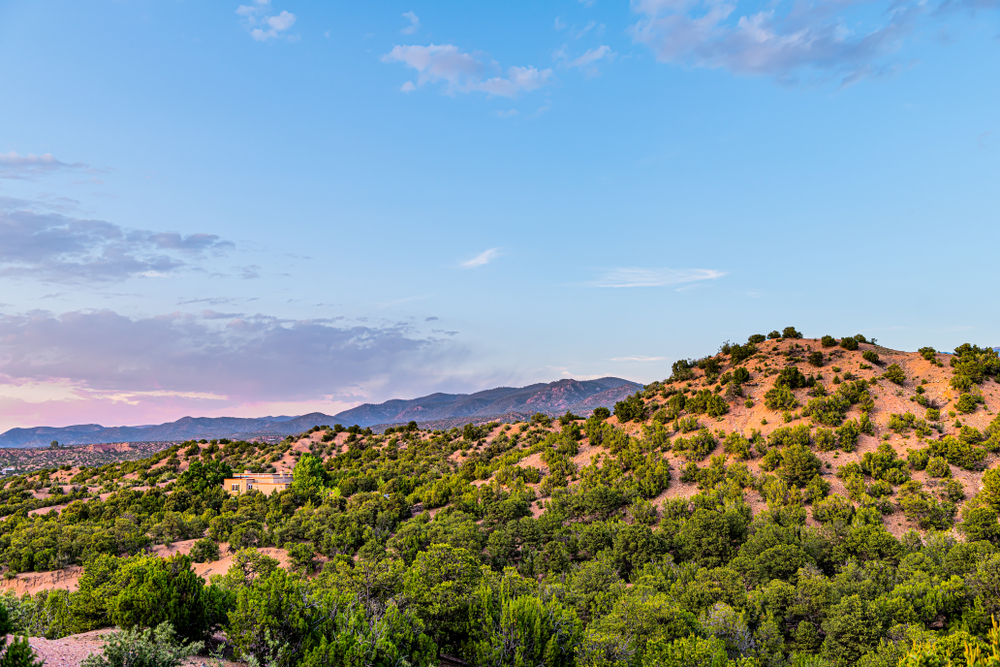
Santa Fe blends high desert terrain with cooler late winter air that suits steady hiking. February and March often bring sunny days with snow still visible on distant peaks. Trails around Bandelier National Monument and nearby foothills reveal red cliffs, ancient dwellings, and wide desert views. The altitude keeps mornings brisk, yet the midday sun feels comfortable rather than harsh. This time of year allows hikers to enjoy the terrain without summer thunderstorms or heavy tourist traffic.
Afterward, Santa Fe’s adobe-lined streets lead to patios tucked into courtyards. Many restaurants offer heated outdoor seating, letting diners stay outside even as the temperature drops. The glow of late afternoon light against the clay walls creates a warm setting. Evenings cool quickly, so blankets and heaters often appear, adding to the cozy feel. Late winter in Santa Fe feels both active and relaxed at the same time.
Kanab
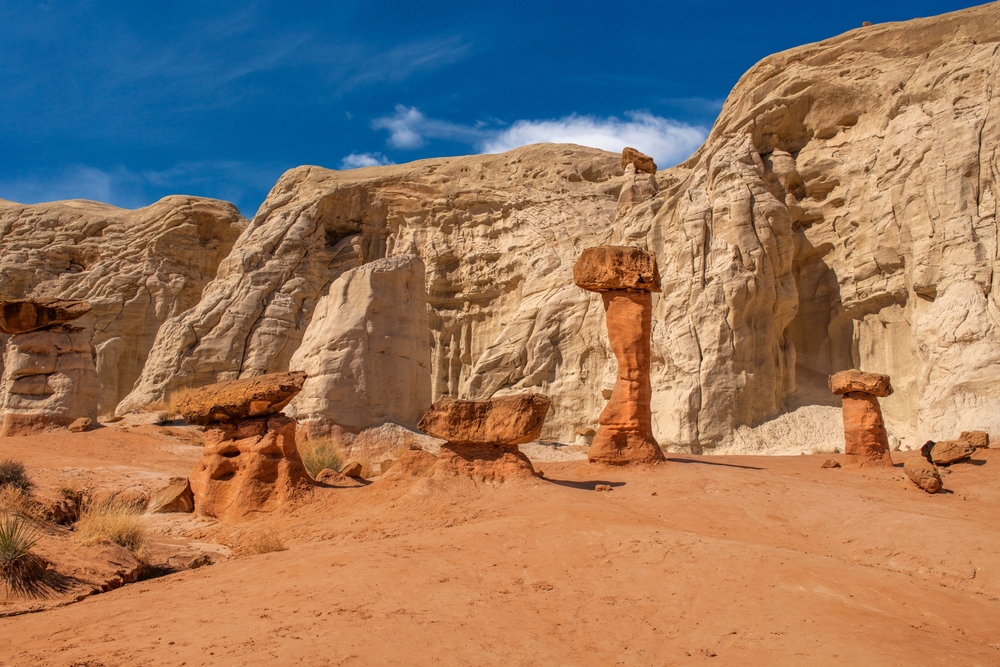
Kanab sits close to several red rock wonders, and late winter is one of the most comfortable times to explore them. February and March bring mild daytime temperatures ideal for hiking sandy trails without overheating. The surrounding cliffs and canyons glow under bright winter skies, and fewer visitors mean quieter viewpoints. The cool air makes longer treks feel manageable, especially on exposed terrain. Early spring wildflowers may even begin to appear as the season shifts.
In town, small cafes and restaurants offer sunny outdoor seating when the weather allows. The direct desert sun keeps patios comfortable through the afternoon. Even as evening brings cooler air, heaters often make outdoor dining possible. The relaxed pace of Kanab fits well with slow lunches after a morning on the trails. Late winter highlights the town’s peaceful setting among dramatic red rock scenery.
Page
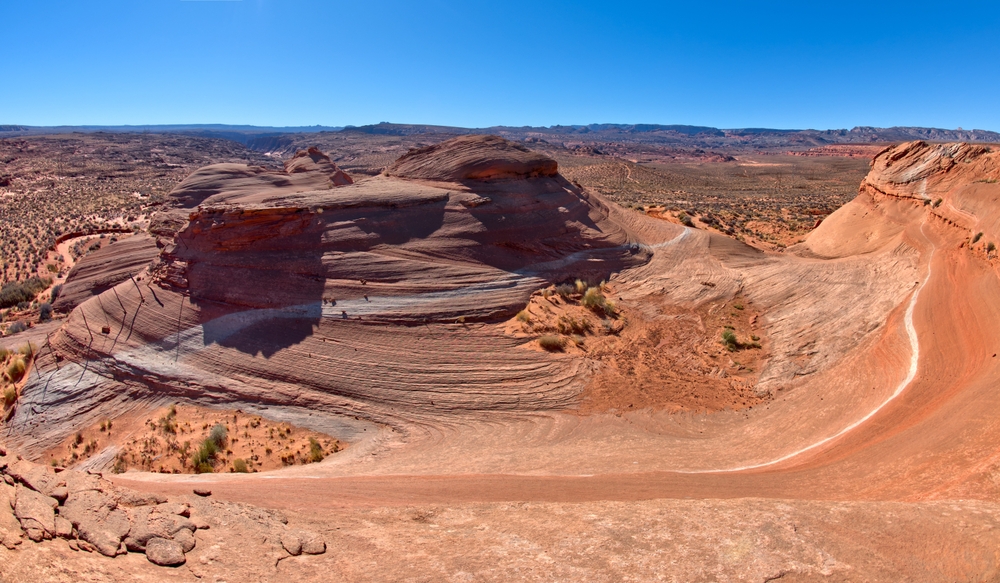
Page draws visitors for its dramatic rock formations, and late winter offers clear skies and manageable temperatures. February and March are well-suited for exploring the sandstone curves of Antelope Canyon and the viewpoints around Lake Powell. The sunlight enters narrow canyon walls at angles that highlight their textures. Hiking near Horseshoe Bend feels more comfortable in cooler weather than it does in summer heat. Mornings may start cold, yet by midday the warmth makes outdoor activity pleasant.
Restaurants in Page often provide outdoor seating with views of desert terrain. Sunny patios feel inviting after a morning in shaded canyon slots. Heaters are common, making it possible to linger outside even as the day winds down. The calm pace of late winter means fewer crowds and more room to relax. Page combines iconic red rock scenery with easy outdoor dining during this season.
Palm Springs
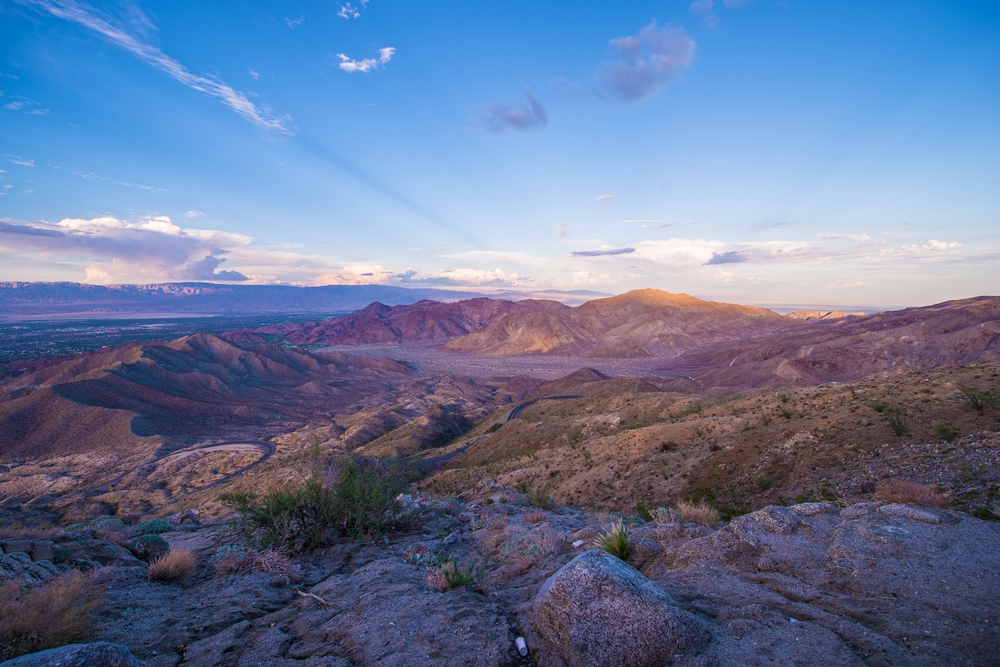
Palm Springs enjoys some of its best weather in late winter, when desert heat has not yet peaked. February and March bring sunny skies and comfortable temperatures for exploring nearby trails in Indian Canyons. Red and tan rock walls rise above palm-lined oases, offering a contrast that feels distinctly Southwestern. The dry air and bright light make morning hikes refreshing rather than exhausting. It is easy to spend hours outside without the intensity that summer brings.
Patio culture is a major part of life here, and late winter keeps it at the forefront. Many restaurants and cafes center their seating around open-air courtyards. Outdoor heaters extend the comfort into the evening, when desert air cools quickly. Dining under string lights with mountain views feels natural this time of year. Palm Springs blends red rock exploration with polished patio scenes in a way few towns can match.
Boulder City
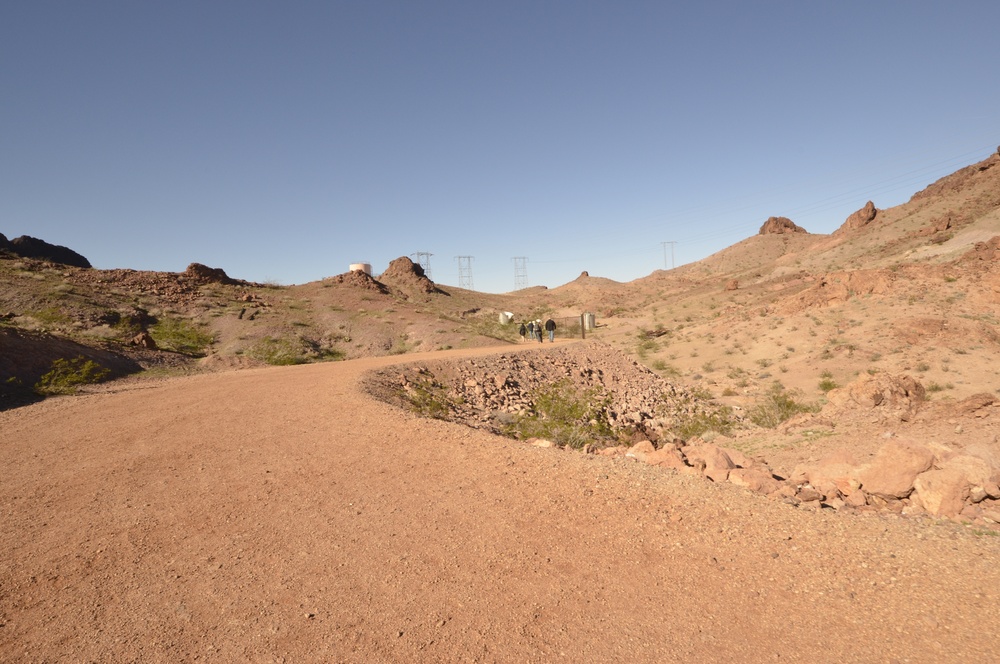
Boulder City offers access to red rock trails without the bustle of nearby Las Vegas. Late winter temperatures make hiking around Valley of Fire State Park far more comfortable than during hotter months. The bright red sandstone formations glow under steady sunshine. February and March provide that sweet spot where the air feels cool, yet the sun provides warmth. Trails feel quieter, allowing visitors to move at an unhurried pace.
Back in town, patios benefit from Nevada’s strong winter sun. Outdoor tables remain comfortable through much of the day. As evening approaches, heaters help maintain that relaxed outdoor setting. The contrast between dramatic rock formations and laid-back dining makes the experience memorable. Late winter brings balance to Boulder City’s desert surroundings.
Flagstaff
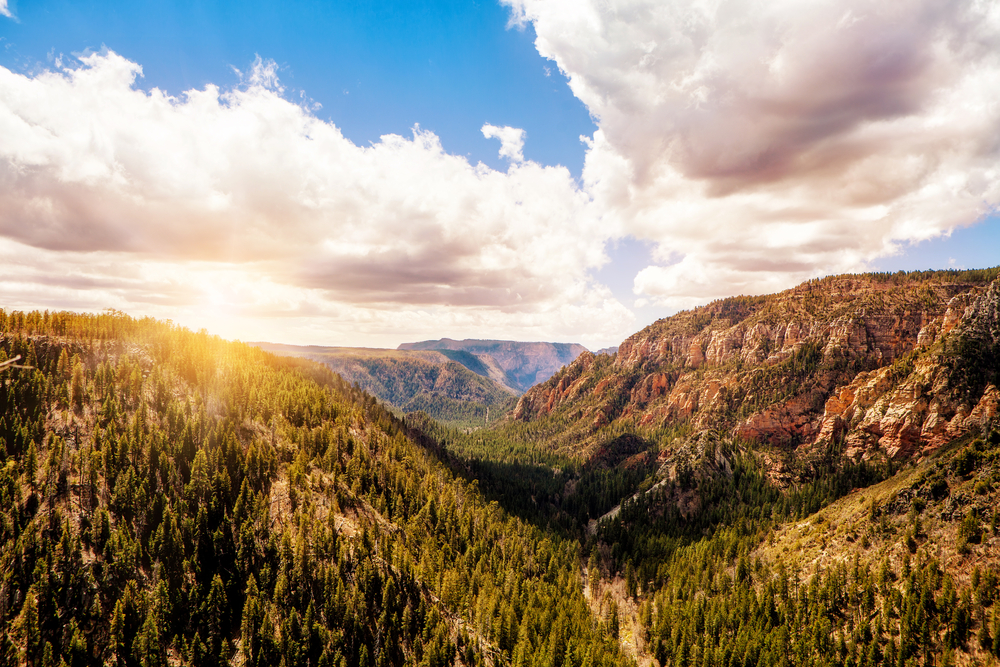
Flagstaff sits at a higher elevation, so late winter carries a cooler edge. Yet sunny days still make the lower elevation red rock areas nearby appealing. A short drive leads to trails around Sedona, while Flagstaff itself offers forested paths with views of red cliffs in the distance. February and March bring clear skies that make hiking invigorating. Snow may linger in shaded areas, adding variety to the terrain.
Downtown patios take advantage of sunny afternoons, especially when heaters are available. The crisp mountain air pairs well with warm drinks enjoyed outside. Even though nights turn cold, daytime dining outdoors remains common. The blend of alpine setting and nearby red rock access gives Flagstaff a distinct late winter feel. It offers variety within a short drive.
Albuquerque
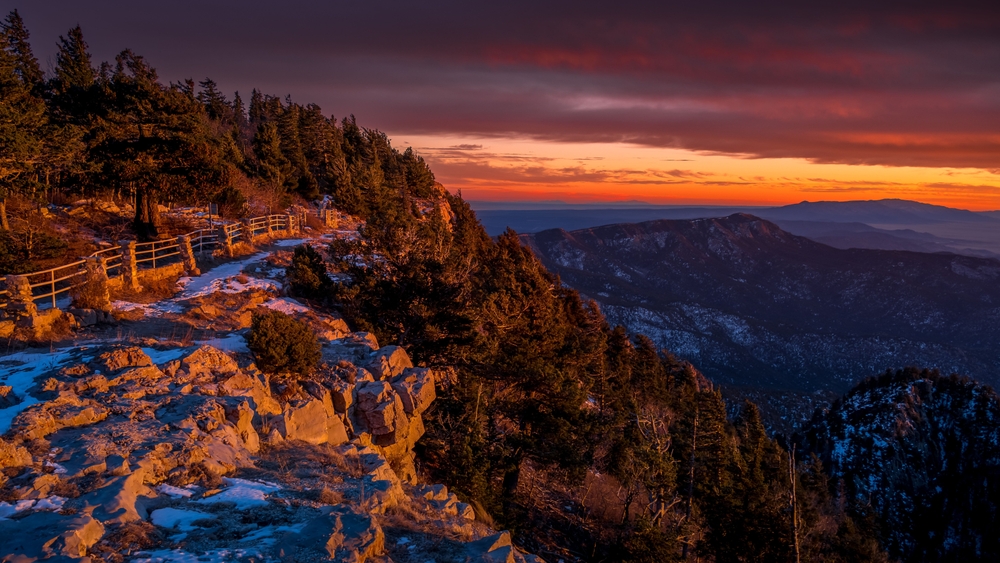
Albuquerque’s high desert climate makes late winter hiking appealing. February and March bring sunny days suited for exploring the foothills of the Sandia Mountains. Red rock and sandy trails feel comfortable under mild afternoon temperatures. The wide open sky adds to the sense of space and clarity. Cool mornings shift quickly into pleasant afternoons ideal for longer outings.
The city’s patios often face the sun, drawing in hikers after time outdoors. Heated seating extends patio season even when evenings cool off. The combination of mountain views and adobe architecture sets a distinct Southwestern scene. Dining outdoors feels natural during this stretch of the year. Albuquerque pairs open desert trails with relaxed patio culture.
This article originally appeared on Avocadu.