
12 Stone Looking Plants That Surprise You With Flowers
If you’re a fan of unique and low-maintenance plants, there are some remarkable species that can easily be mistaken for stones until they surprise you with their stunning flowers. These plants have evolved to mimic the appearance of rocks or pebbles, making them a perfect addition to rock gardens or areas with minimal space. Their ability to blend in with the surroundings offers both camouflage and charm. When these plants finally bloom, they reveal vibrant flowers that stand out against their seemingly stony exterior. The contrast between their tough, stone-like appearance and the delicate, colorful blooms adds an element of surprise and beauty. Whether you’re a succulent enthusiast or just looking for something unusual, these plants offer a striking and low-maintenance way to enhance your garden.
This post may contain affiliate links, which helps keep this content free. Please read our disclosure for more info.
Lithops (Living Stones)
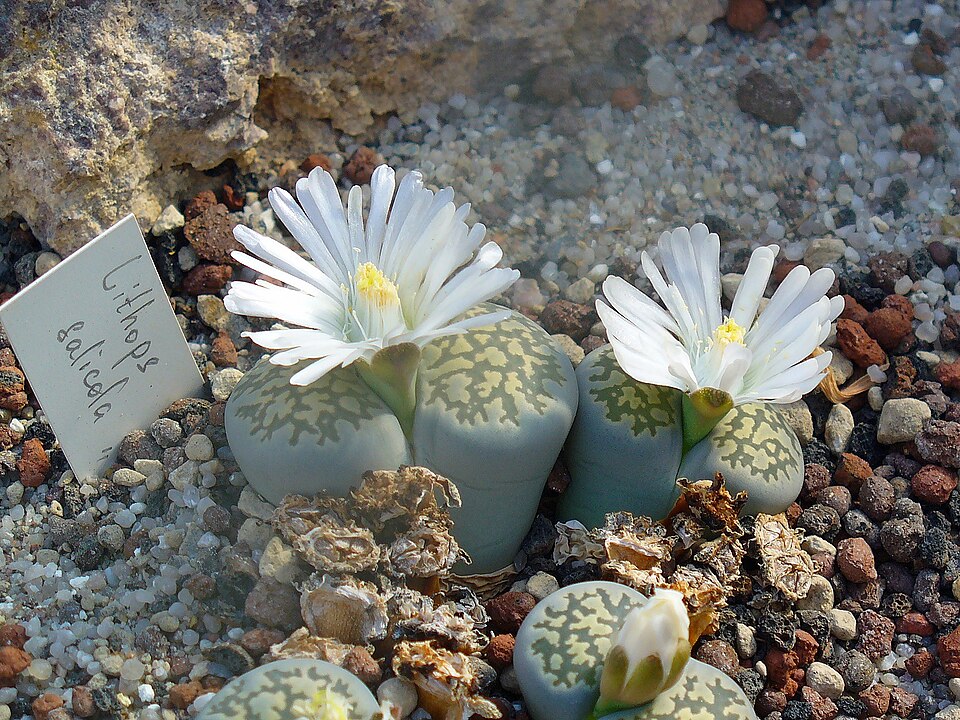
Lithops are fascinating plants known for their remarkable stone-like appearance. They are native to the arid regions of Southern Africa and have evolved to blend seamlessly with the rocky landscape. These plants are small, with thick, fleshy leaves that are often mottled or patterned, resembling pebbles or stones. Lithops are well-suited for dry environments and thrive in well-drained, sandy soils.
When they bloom, however, they reveal stunning flowers that emerge from the center of the plant. The flowers are typically bright and vibrant, often in shades of white, yellow, or orange. The blooming period, while short-lived, offers a beautiful contrast to the otherwise stone-like exterior of the plant. Lithops require minimal watering and should be placed in direct sunlight to ensure their survival.
Pleiospilos Nelii (Split Rocks)
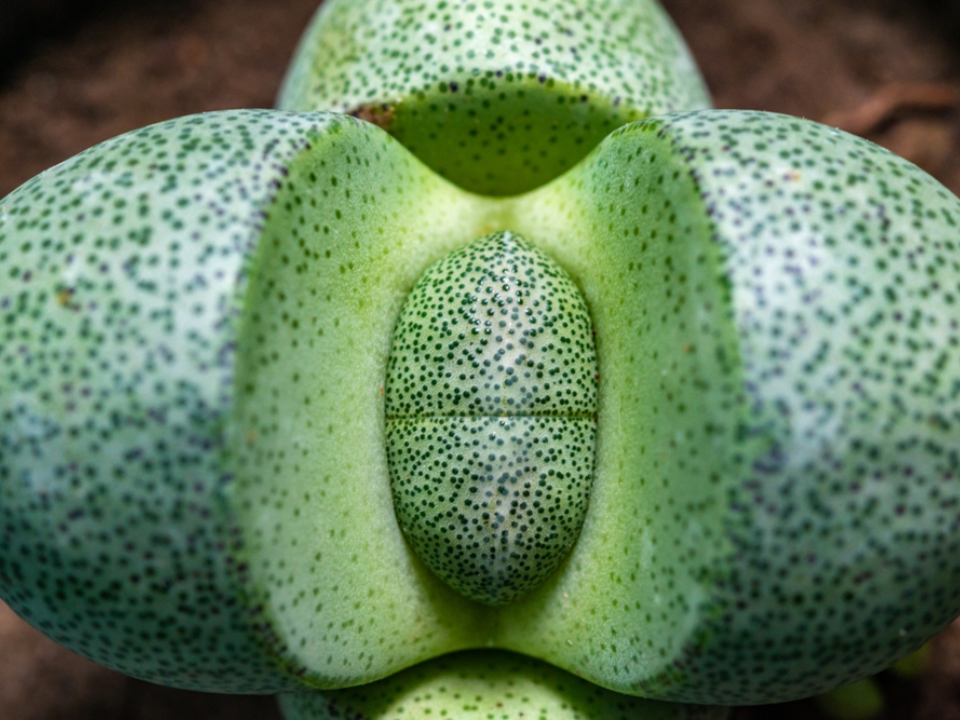
Pleiospilos nelii, also known as split rocks, is another extraordinary succulent that mimics the appearance of stones. Native to South Africa, this plant has two thick, fleshy leaves that appear cracked, resembling a split stone. The leaves are often green, grey, or brown, with dark veins that make them look even more lifelike.
During its flowering season, Pleiospilos nelii produces bright, daisy-like flowers that are usually yellow or orange. The flowers emerge from the center of the split leaves, offering a striking contrast to the plant’s otherwise stone-like look. These plants prefer bright, indirect light and well-drained soil. They thrive in dry conditions, so it’s essential not to overwater them. The bloom adds a delightful pop of color to the otherwise muted appearance of the plant.
Conophytum (Button Plants)
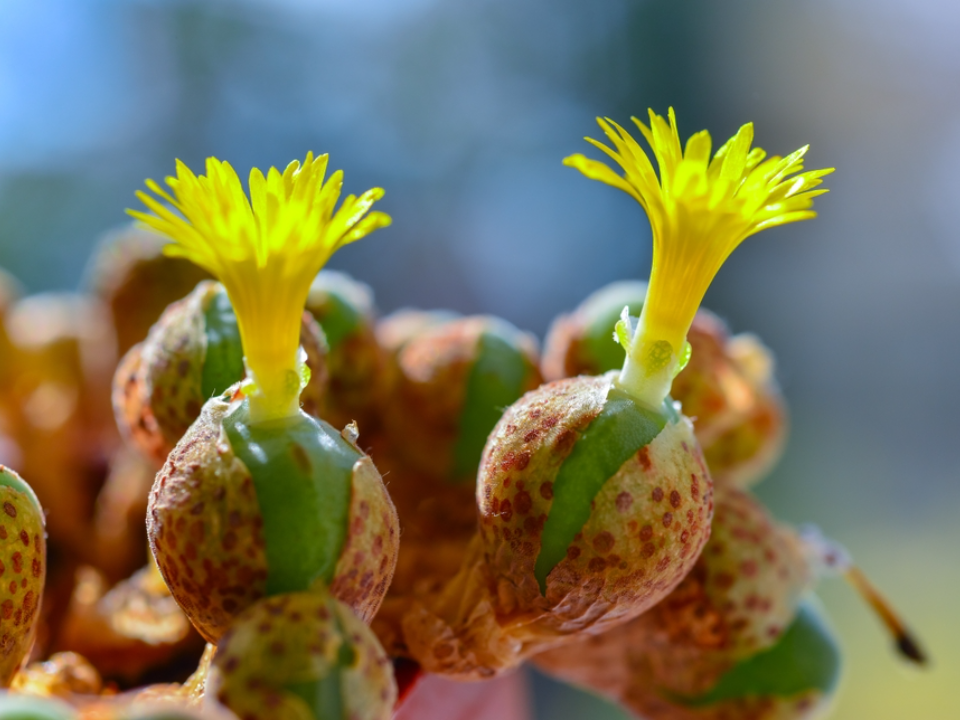
Conophytum, also known as button plants, are succulents that closely resemble small, round stones. Native to South Africa, these plants are often found in rocky, arid regions. Their leaves are thick, fleshy, and can be green, grey, or even reddish-brown, which helps them blend in with their surroundings. In the spring or fall, Conophytum plants produce brilliant, daisy-like flowers that spring from the center of the plant.
The flowers are typically white, purple, or pink, adding a lovely contrast to the plant’s stone-like exterior. These plants are perfect for xeriscaping or rock gardens and require little maintenance. They thrive in dry conditions and should be watered sparingly. Conophytum is an ideal plant for those looking for an easy-to-care-for yet visually captivating addition to their garden.
Argyroderma (Living Stones)
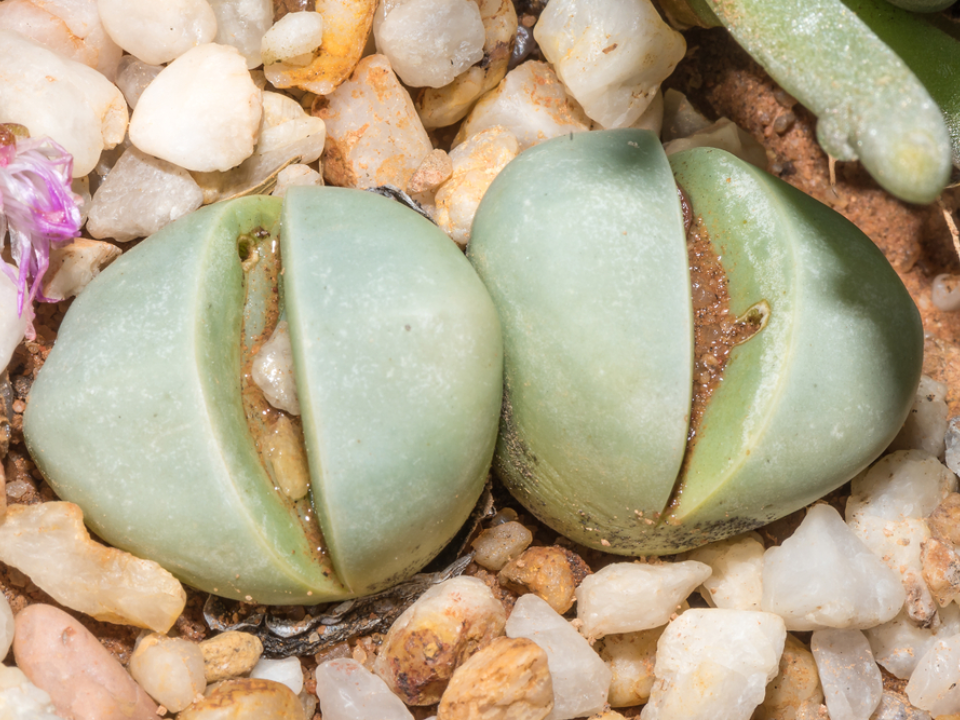
Argyroderma is another type of succulent that resembles a stone or pebble until it blooms. This plant has thick, fleshy leaves that are usually grey or green, often covered in fine hairs or a powdery coating, which helps it blend with its surroundings. Argyroderma is native to the rocky regions of South Africa, where it thrives in dry conditions. When the plant flowers, it produces vibrant, daisy-like blooms that are often purple, yellow, or white.
These flowers emerge from the split leaves, which are often mistaken for rocks or stones. Argyroderma is a slow grower but a rewarding one, as its stunning flowers make it a perfect focal point for a succulent collection. It prefers bright, indirect light and well-drained soil. During the growing season, the plant should be watered occasionally, but it is important not to overwater.
Fenestraria (Baby Toes)
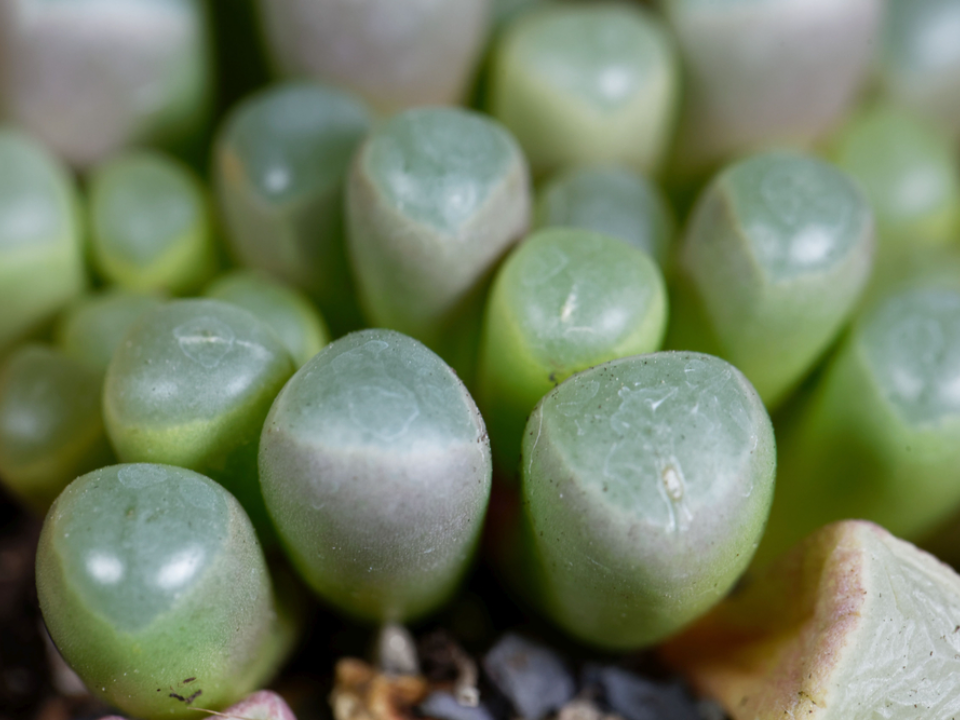
Fenestraria, commonly called baby toes, is a succulent native to South Africa that has an appearance similar to small, round stones. The plant’s leaves are thick and fleshy, often white or pale green, and are designed to store water. The leaves grow in clusters and have a translucent tip that helps them blend in with the surrounding rocks and pebbles. When Fenestraria blooms, it produces delicate, daisy-like flowers in shades of yellow or white.
These flowers emerge from the center of the plant, standing out against the otherwise stone-like appearance. Baby toes require very little maintenance and can survive with minimal watering. They thrive in bright, indirect sunlight and well-draining soil. This plant is ideal for those with dry gardens or small rock gardens where it can blend in naturally.
Tylecodon (Living Stone Bush)
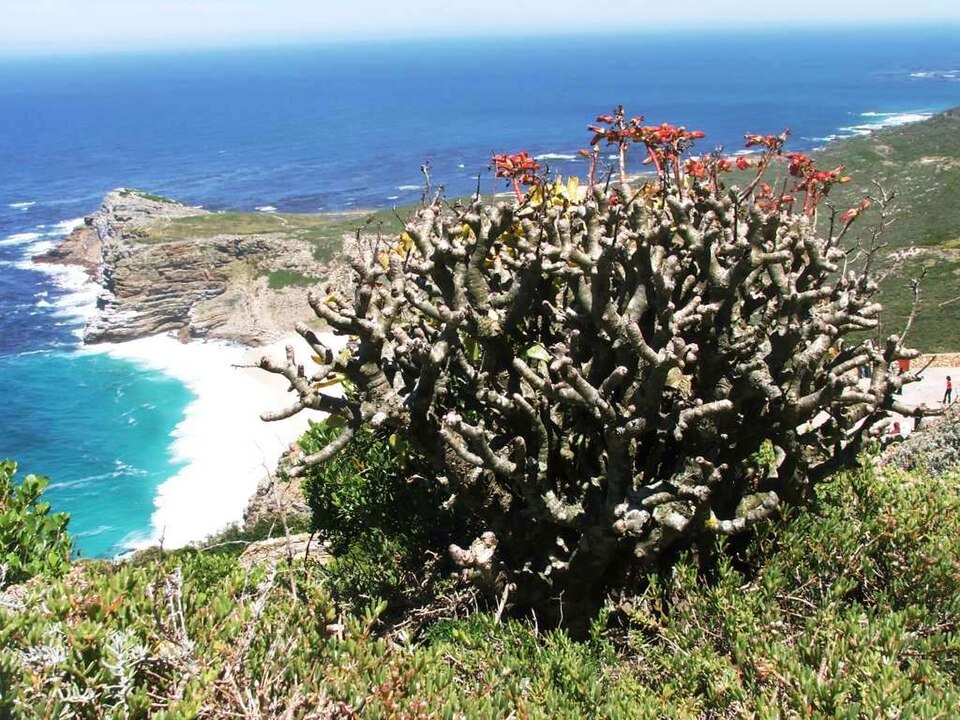
Tylecodon, also known as the living stone bush, is a unique succulent that looks like a stone or boulder until it begins to flower. This plant is native to the dry, rocky regions of Southern Africa. It has thick, fleshy leaves that are typically pale green or grey and have a rough texture that helps it blend into its surroundings. Tylecodon produces vibrant, tubular flowers that come in shades of yellow, orange, or red, emerging from the center of the plant.
The flowers attract pollinators, providing a burst of color against the dull, stone-like appearance of the plant. Tylecodon prefers well-drained soil and bright, indirect light. It is drought-tolerant and requires minimal watering. This plant is perfect for xeriscaping or rock gardens, where it can mimic the natural stone environment.
Oophytum (Egg Plant)
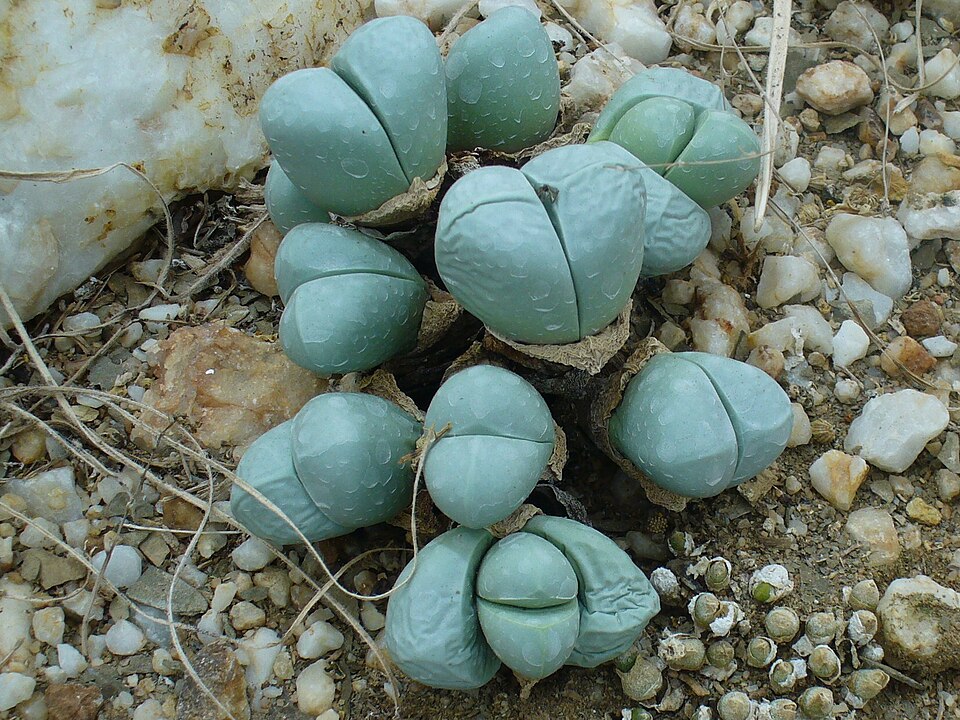
Oophytum, or egg plant, is another fascinating succulent that looks like a stone or pebble. Native to South Africa, this plant has rounded, thick leaves that are greyish-green and covered in tiny hairs, helping it blend in with the rocky landscape. The leaves are often paired together in a way that resembles a pair of eggs or stones lying side by side. When it blooms, Oophytum produces bright, daisy-like flowers in yellow or orange.
The flowers stand out starkly against the stone-like appearance of the plant, adding a pop of color to the otherwise drab exterior. Oophytum prefers a dry, well-drained environment with bright, indirect sunlight. It is a low-maintenance plant that is perfect for those who enjoy succulents with a unique appearance. The plant only requires occasional watering and thrives in arid conditions.
Stomatium (Tooth Plant)
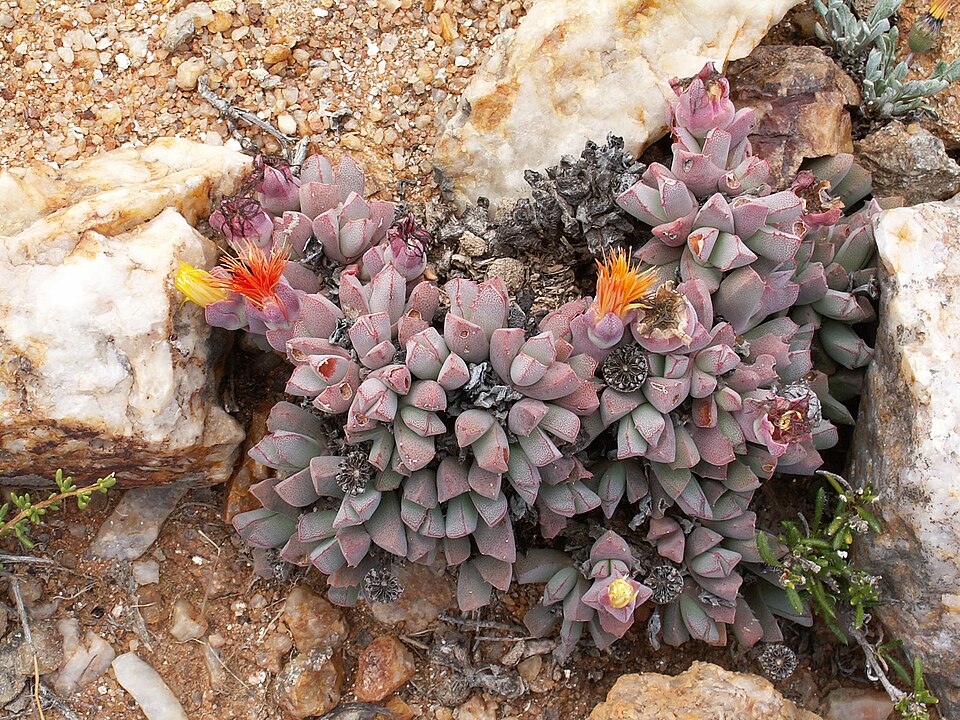
Stomatium, also known as the tooth plant, is another succulent that appears to be a stone or pebble until it begins to bloom. Native to Southern Africa, this plant has thick, fleshy leaves that are often green or grey and covered in fine, hair-like structures that make it blend into its surroundings.
The leaves are arranged in a way that resembles a small stone or rock. When Stomatium flowers, it produces small, daisy-like blooms that are typically white or yellow. These flowers stand out against the otherwise stone-like appearance of the plant. Stomatium is easy to care for, requiring minimal watering and bright, indirect sunlight. It thrives in well-drained soil and is perfect for dry, arid gardens.
Frithia (Baby Toes)
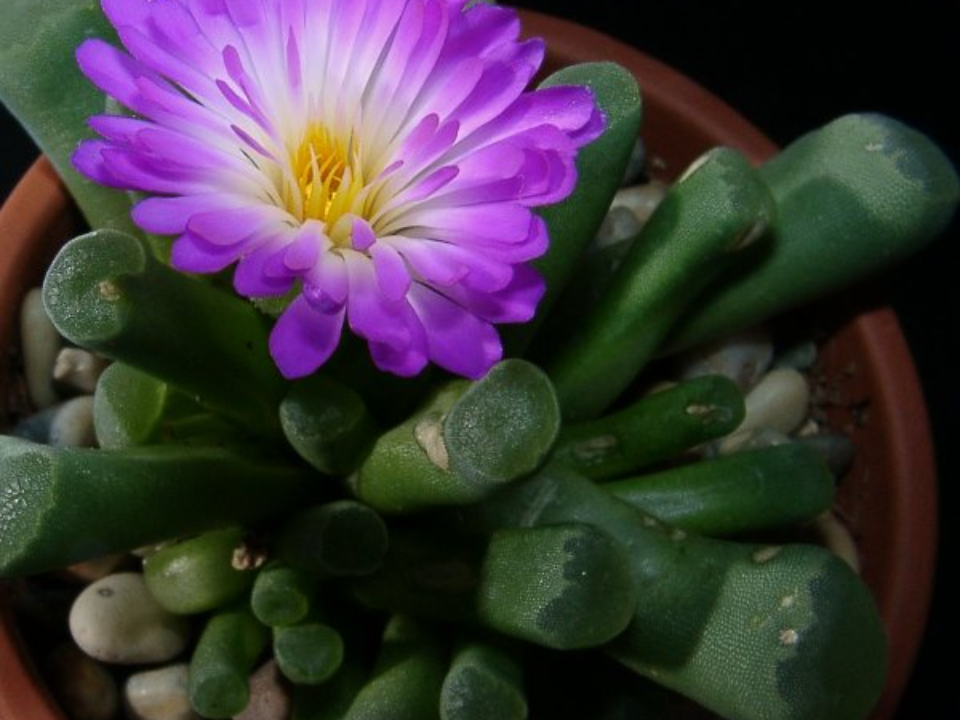
Frithia, another plant commonly known as baby toes, is a striking succulent that resembles small stones or pebbles. Native to South Africa, it features small, rounded leaves that are often translucent at the tips, mimicking the appearance of tiny stones. The plant grows in clusters, which helps it blend into its natural environment.
When Frithia blooms, it produces delicate flowers in shades of pink, yellow, or white. These flowers emerge from the center of the plant, providing a striking contrast to its stone-like appearance. Frithia prefers well-drained soil and should be placed in bright, indirect light. It requires minimal watering and is perfect for dry gardens or rock gardens.
Adromischus (Jelly Beans)
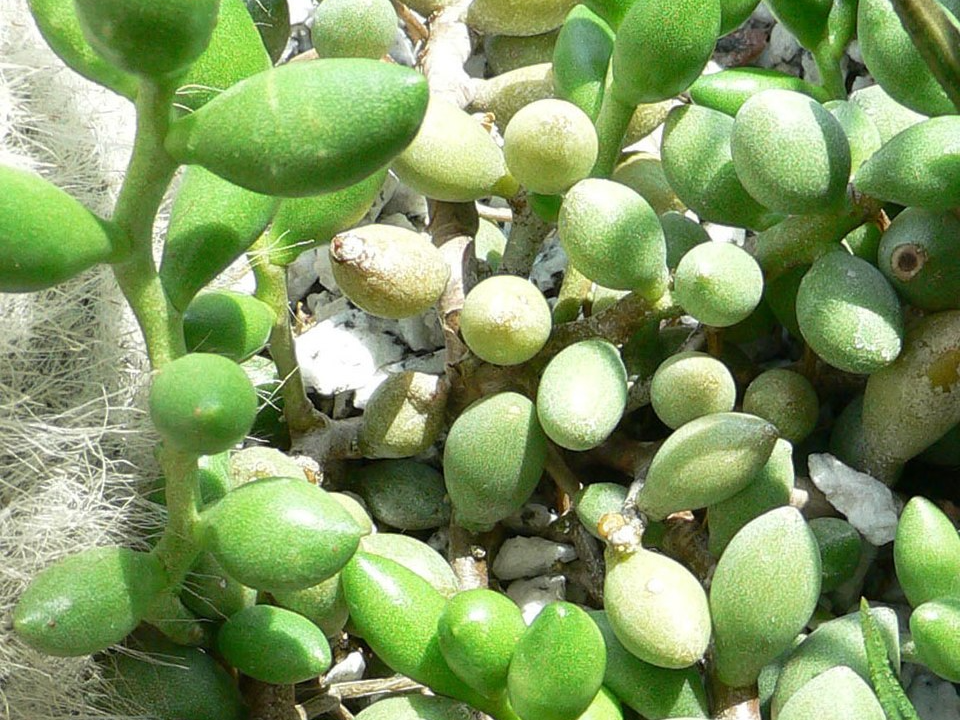
Adromischus, often referred to as jelly beans, is a succulent with small, thick leaves that resemble stones or pebbles. This plant has a unique appearance with its rounded, smooth leaves that grow in a compact arrangement. The leaves are typically green or grey with occasional reddish hues, blending perfectly with rocky terrain.
When Adromischus flowers, it produces small, tubular flowers in shades of white or pink. These blooms appear unexpectedly, adding a delightful contrast to the otherwise stone-like appearance of the plant. Native to South Africa, Adromischus thrives in dry, well-drained soil with minimal watering. It prefers bright, indirect light and is ideal for succulent collections or rock gardens.
Faucaria (Tiger Jaws)
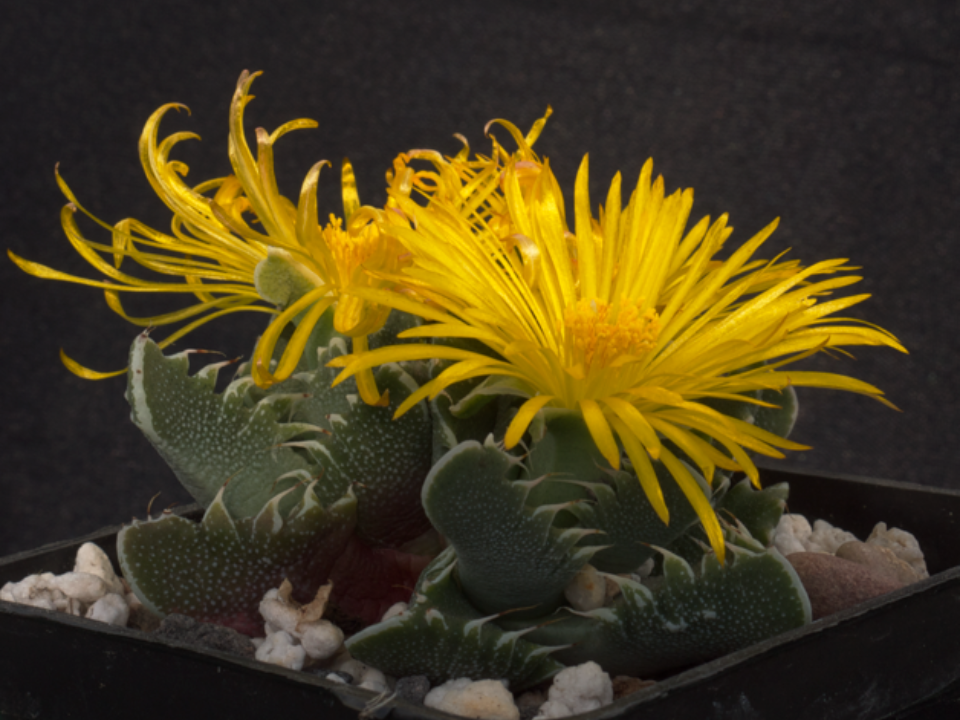
Faucaria, commonly known as tiger jaws, is a succulent that has a stone-like appearance due to its thick, fleshy leaves. The leaves are typically triangular or wedge-shaped, with jagged edges that resemble the claws of a tiger. Faucaria’s unique appearance allows it to blend into rocky environments, making it hard to spot among stones.
When it blooms, Faucaria produces striking yellow or white flowers with a star-shaped appearance. The flowers emerge from the center of the plant and stand out beautifully against its tough, stone-like exterior. This plant prefers well-drained, sandy soil and requires minimal water, making it an excellent choice for xeriscaping. Faucaria thrives in bright sunlight and is well-suited for rock gardens or as part of a succulent collection.
Ruschia (Ice Plant)

Ruschia, another species of ice plant, is a succulent that resembles stones when not in bloom. The plant has thick, fleshy leaves that are typically green or grey, with a slightly translucent tip that adds to its stone-like appearance. Ruschia grows in dense clumps, making it look like a group of small pebbles or rocks.
When it flowers, it produces vibrant, daisy-like blooms that are often pink, purple, or white. These flowers emerge from the center of the plant, providing a striking contrast to its otherwise muted appearance. Ruschia thrives in dry, well-drained soil and requires minimal water. It prefers bright sunlight and is perfect for rock gardens or succulent collections.
This article originally appeared on Avocadu.