
15 Spring Skincare Myths to Stop Believing Now
Warmer days often bring a new wave of skincare tips, though not all of them deserve your trust. A lot of spring skin advice gets passed around so often that it starts to sound true without much thought. Taking a step back can help you sort helpful habits from old misconceptions. Read on, and you may find it easier to rethink your routine this season.
This post may contain affiliate links, which helps keep this content free. Please read our disclosure for more info.
Stopping Sunscreen on Cloudy Days

A very common spring skincare myth says sunscreen matters only when the sun looks strong and bright. That idea causes problems because ultraviolet rays still reach the skin through clouds and can still add to dark spots, fine lines, and irritation. Spring weather often feels milder, which can fool people into thinking daily protection is less important. In reality, this season is one of the easiest times to fall out of good sunscreen habits.
What helps most is using sunscreen every morning as part of a regular routine instead of treating it like a beach day product. A broad-spectrum formula with SPF 30 or higher is a solid choice for everyday wear, even when the sky looks gray. Reapplying matters too if you spend time outside, sweat, or stay near windows for long stretches. Keeping sunscreen by the door or next to your toothbrush can make the habit easier to remember.
Oily Skin Needing No Moisturizer

Plenty of people still believe oily skin should skip moisturizer as soon as the weather turns warmer. That thinking can leave skin feeling tight, uncomfortable, and more likely to produce extra oil in response to dryness. Skin still needs water and support, even when it already looks shiny by midday. A lack of moisture and an oily surface are not the same thing.
Lightweight lotions and gel creams often work well for spring because they feel easier on the skin than rich winter products. Ingredients like glycerin, hyaluronic acid, and niacinamide can help skin feel balanced without feeling heavy. When a moisturizer is chosen well, it can leave the face calmer and less greasy over time. A stripped feeling after cleansing is usually a sign that skin needs kinder care, not less moisture.
Exfoliating More for Brighter Skin
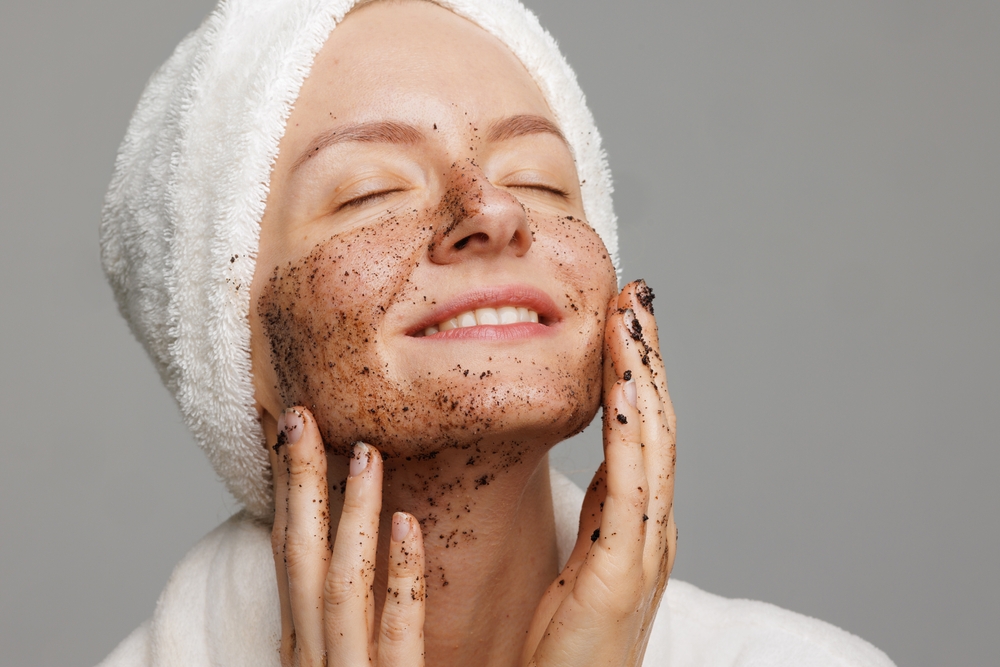
Some people think spring is the perfect time to scrub away winter skin with stronger and more frequent exfoliation. That sounds appealing, though too much exfoliation can leave skin red, sensitive, and more reactive to sun exposure. A brighter look usually comes from steady care, not from harsh treatment over a few days. The skin barrier often suffers when exfoliation becomes too aggressive.
Gentler use tends to work better, especially when acids or scrubs are added only a few times each week. Paying attention to stinging, flaking, or unusual dryness can help you spot when you have gone too far. Skin usually responds better when exfoliation is followed by moisture and sunscreen rather than more active products. A softer approach often gives a fresher look with far less trouble.
Hot Weather Clearing Acne Fast

A lot of people assume warmer weather and more sun will naturally dry out breakouts and make acne disappear. That can happen for a short time in some cases, though sweat, oil, sunscreen buildup, and heat can also make clogged pores worse. More time outside does not always mean clearer skin. For many people, spring can bring a mix of dryness and breakouts at the same time.
A better plan is to keep the routine steady with gentle cleansing, light hydration, and acne products that suit your skin type. Salicylic acid, benzoyl peroxide, and adapalene may help, though overdoing them can create more irritation. Washing away sweat after outdoor activity can also lower the chance of congestion. Clean pillowcases, light layers, and patience often matter more than sunshine alone.
Natural Ingredients Are Always Safer

Spring beauty advice often pushes the idea that anything natural must be kinder to the skin. That sounds comforting, though plant oils, fragrant extracts, and essential oils can still cause redness or itching in some people. A product is not automatically better just because it came from a leaf, flower, or fruit. Skin usually responds to the full formula, not to the label image.
Patch testing can save a lot of trouble when trying new spring skincare products. Looking at fragrance levels, alcohol content, and the full ingredient list is often more helpful than focusing on a natural claim alone. Many simple lab-made ingredients are well studied and gentle when used correctly. Calm, healthy skin usually comes from what suits you personally, not from what sounds the most earthy.
Heavy Creams Being Useless in Warm Weather

As temperatures begin to rise, some people toss aside all richer creams and think only feather-light products belong in spring. That belief misses the fact that skin type, indoor air, wind, and allergies can still leave some faces dry or irritated during this season. A thicker cream may still be helpful at night or on dry patches, even if daytime products change. Warmer weather does not erase dryness for everyone.
The better approach is adjusting texture based on how your skin actually feels each day. Many people do well with a lighter lotion in the morning and a richer cream in the evening. Areas around the nose, cheeks, or mouth may still need extra comfort when pollen, cleansing, or active products cause dryness. Seasonal changes often call for small shifts, not a complete product ban.
Washing Your Face More Often

Longer days and rising temperatures can make frequent face washing seem like the answer to fresh skin. Too much cleansing, though, can strip away what the skin needs and leave it more irritated or greasy afterward. Washing more often does not always mean the skin will look clearer. In many cases, over-cleansing starts a cycle of dryness and rebound oiliness.
Most people do well with a gentle cleanse in the evening, and a lighter rinse or mild cleanse in the morning, depending on skin needs. After sweating heavily, an extra wash may help, though harsh foaming formulas can still be too much. A soft cleanser that leaves skin comfortable is often a better pick than one that leaves it squeaky clean. That tight, dry feeling after washing is usually not a good sign.
You Do Not Need Lip Care in Spring

Lip care gets a lot of attention in winter, so many people stop thinking about it once spring arrives. Lips can still dry out from the sun, wind, allergy symptoms, and mouth breathing during this season. Chapping does not belong only to cold weather. A little neglect can quickly lead to peeling, soreness, and discomfort.
Using a simple lip balm throughout the day can make a bigger difference than many people expect. Formulas with sunscreen are especially useful when you spend time outside because your lips can burn too. Drinking enough water helps, though water alone will not stop dryness if the lip barrier is already worn down. Picking or peeling dry skin usually makes healing take longer.
Sweat Replacing Skincare

Some people act as if sweating during warmer weather is enough to clean out pores and refresh the face. Sweat does not replace cleansing, moisturizing, or sunscreen, and it does not wash away buildup on its own. Once it dries, it can leave salt and residue sitting on the skin. That can be uncomfortable, especially for people with acne or sensitivity.
Cleaning the face after workouts or a long time outdoors can help keep skin calmer and more comfortable. A gentle cleanser or even a simple rinse followed by light moisture can be enough for many people. Leaving sweat, dirt, and sunscreen on for hours may lead to clogged pores or irritation. Skin usually looks better when sweat is handled as part of care, not as the whole plan.
One Routine Works for Everyone

Warmer weather often brings a flood of advice that makes one routine sound perfect for all skin types. Skin does not work that way because oil levels, sensitivity, acne, dryness, and lifestyle can differ a lot from person to person. What feels great for one face may leave another irritated or greasy. Copying a popular routine without thinking can waste both time and money.
Paying attention to your own skin often leads to better results than following trends too closely. Someone with rosacea may need a very different spring routine from someone with oily acne-prone skin. Even the same person may need changes from one month to the next, depending on the weather and product use. Watching how your skin responds is often the best guide.
SPF Makeup Being Enough Protection

Makeup with SPF can sound like an easy answer once spring arrives and people start wearing lighter layers. The problem is that most people do not apply enough foundation or tinted moisturizer to get the full sun protection listed on the label. That means the coverage is often lower than expected in real life. Relying on makeup alone can leave skin less protected than you think.
A separate sunscreen underneath makeup is usually the safer everyday choice. SPF in makeup can still add a little extra help, though it works best as a bonus rather than the whole plan. Reapplying during the day matters as well, especially if you spend lunch breaks or commutes outdoors. Powders and sprays with SPF can be useful touch-up options for some people.
Pores Opening and Closing With the Weather
One of the most repeated skincare ideas says pores open in warm weather and close in cold weather. Pores do not actually work like tiny doors, even though heat and oil can make them look more noticeable. Spring humidity, sweat, and shine may change how the skin appears, though the pore structure itself does not open and shut. That old claim has confused people for years.
What usually helps more is keeping pores clear with gentle cleansing and ingredients that support smoother looking skin. Salicylic acid, retinoids, and niacinamide may help reduce the look of congestion over time. Cold tools may feel soothing for a few minutes, though that is different from changing pore size. Consistent care tends to do more than dramatic temperature tricks.
More Products Mean Better Results

When shelves fill with seasonal launches, it is easy to think a larger routine will fix every skin issue faster. Too many products at once can leave the skin confused, irritated, or hard to read when something goes wrong. A crowded routine does not always mean better skin. In fact, it can make simple problems harder to solve.
A shorter routine with cleanser, moisturizer, sunscreen, and one or two targeted products is often enough for many people. Adding new items slowly makes it easier to know what is helping and what is causing trouble. Skin usually likes consistency more than constant product swapping. Keeping things simple can save money and lower the chance of irritation.
You Can Skip Sunscreen Indoors

Staying inside all day leads many people to think sunscreen is unnecessary until summer plans begin. Indoor time can still include sunlight through windows during work, driving, or sitting near bright rooms for hours. That exposure may add up more than people realize. Spring light can be gentle in feel while still affecting the skin.
Daily sunscreen makes sense for many people, even on home days, especially if they spend time near windows or drive often. This can matter even more for anyone using retinoids, acids, or products aimed at discoloration. Skipping protection indoors may slow progress on dark spots and uneven tone. A comfortable sunscreen formula can make daily use feel much easier.
Seasonal Breakouts Mean Your Products Failed

A breakout in spring can make people think their entire routine suddenly stopped working. Skin can react to weather shifts, pollen, sweat, sunscreen changes, stress, and many other seasonal factors, so one flare up does not always mean every product is wrong. Sudden changes often have more than one cause. Panicking and replacing everything at once can make matters worse.
Taking a step back usually helps more than throwing out the whole routine. Looking at new triggers such as heavier sunscreen, increased outdoor time, or missed cleansing after sweating can reveal a lot. It may also help to scale back irritating products for a few days while keeping the basics in place. A calm reset often gives clearer answers than a fast routine overhaul.
This article originally appeared on Avocadu.