
15 Spring Shorebirds With Tiny Populations and Where They Rest
Spring shorebirds often pass through quiet coastal places that many people never notice. Some of these birds have very small populations, which makes their resting grounds even more important. From sandy flats to sheltered marsh edges, these stopover spots can mean everything during migration. Read on to see which birds rely on these places and why those resting areas matter so much.
This post may contain affiliate links, which helps keep this content free. Please read our disclosure for more info.
Spoon billed Sandpiper
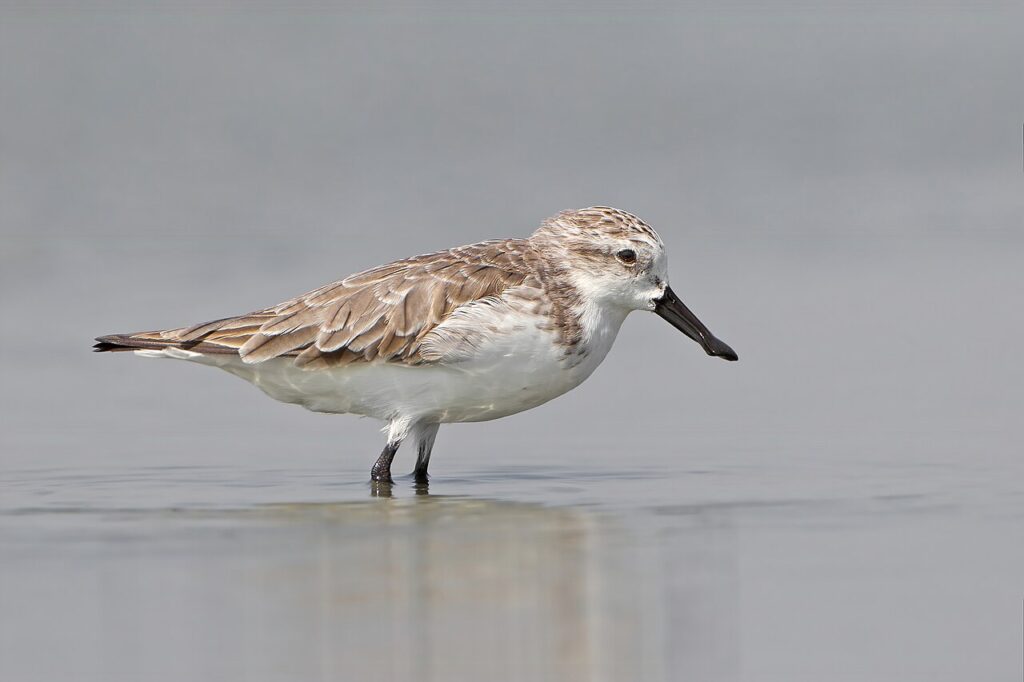
One of the rarest shorebirds in the world breeds mainly in northeastern Russia, especially Chukotka and nearby breeding areas. Its population is now very small, and the decline is tied largely to habitat loss across the flyway. In spring, many birds pause on the Yellow Sea coast in China, where tidal mudflats give them food and a place to rest before they move on. It is one of the clearest examples of how a bird can depend on a very short list of safe stopover sites.
What makes this species especially fragile is how much of the population gathers in a few places during migration. When mudflats are reclaimed or disturbed, the birds lose the feeding time that they need for the next leg north. Spring stopovers around the southern Yellow Sea are watched closely because even small changes there can matter a great deal. The bird is also well known for its unusual bill shape, which makes it easy to pick out once you know what to look for.
Spotted Greenshank
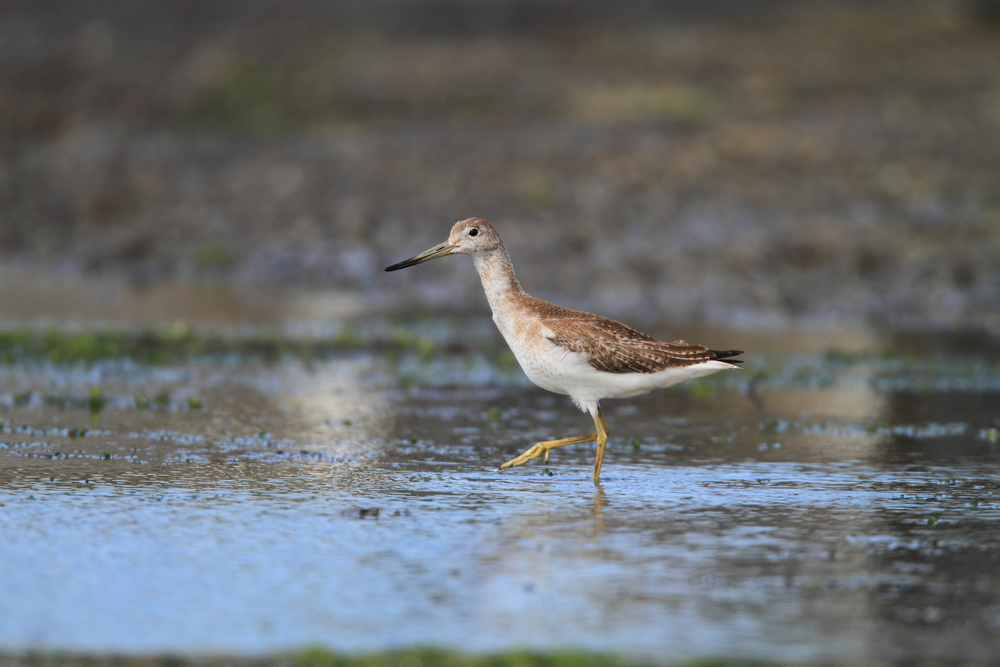
Along the coasts of the Russian Far East, this species breeds in a narrow stretch of northeastern Asia. Its remaining population is very small, and the decline is largely due to habitat loss at coastal wetlands used during migration. In spring, it rests on coastal mudflats and estuaries across the East Asian Australasian Flyway, including sites in Malaysia and other parts of Southeast Asia. This species serves as a clear reminder that even a wide migration route can still depend on a limited number of important locations.
Spring resting areas matter because the species needs quiet, food-rich tidal flats before it moves north again. Birds gather on intertidal shores, shallow pools, and muddy estuaries where small crabs and other prey remain easy to find. When those shores are changed by land reclamation or heavy disturbance, the greenshanks lose both feeding and roosting ground. That is why many bird groups now focus on keeping these coastal resting sites intact.
Far Eastern Curlew
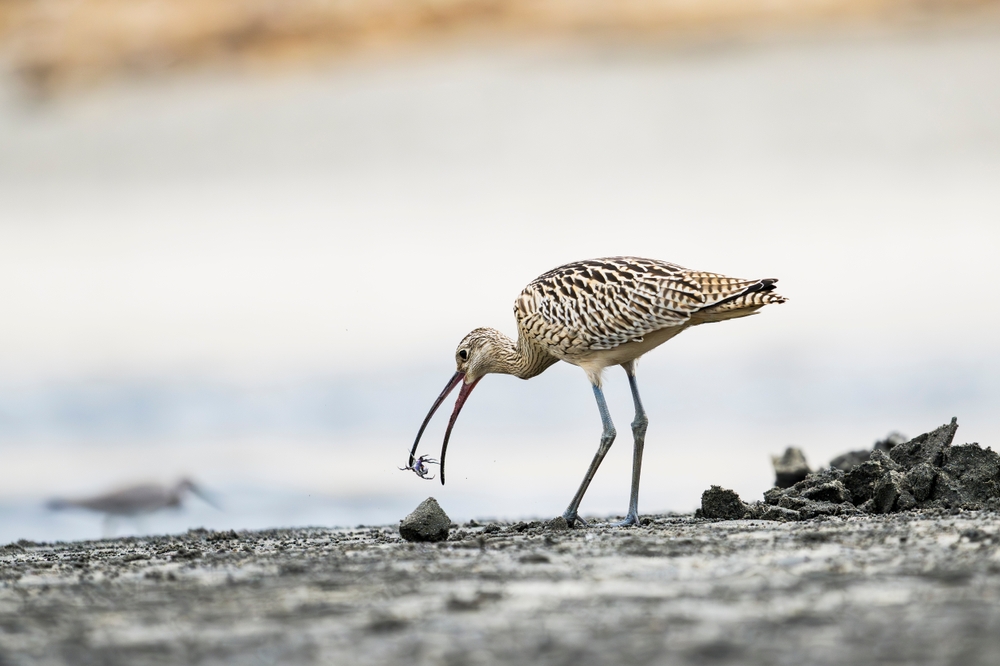
Few large shorebirds show the cost of habitat loss as clearly as the Far Eastern Curlew. It is native mainly to Russia and nearby parts of northeastern Asia, with breeding also tied to areas such as Kamchatka, Mongolia, and northern China. Its population has dropped hard over time, and the loss of staging habitat around the Yellow Sea is thought to be one of the main reasons. In spring, it rests and feeds around the Yellow Sea, then also uses stopover grounds in parts of Southeast Asia as it moves north.
Its size does not protect it from the loss of mudflats. Birds need broad tidal areas where they can probe for food and then rest above the tide line. Spring stopovers are often on estuaries, mudflats, and coastal marshes, and many birds return to the same routes year after year. That site loyalty can become a weakness when those resting places are altered or built over.
Great Knot
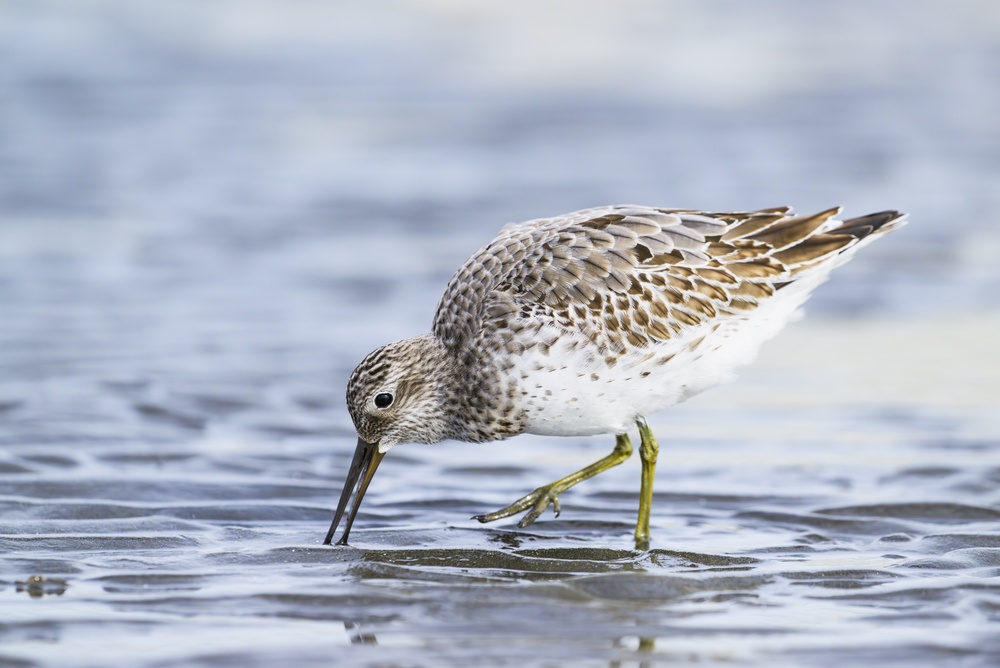
During spring migration, huge numbers of Great Knots depend on a very small stretch of coast. The species is native mainly to northeastern Siberia in Russia, where it breeds before moving south and later north again along Asian coasts. Its numbers have fallen heavily, and the decline is closely tied to the loss of key Yellow Sea tidal flats. In spring, it relies heavily on the Yellow Sea, with both the southern and northern parts serving as major staging and refueling grounds.
The species is known for gathering in large flocks at a few rich mudflat systems. During spring migration, many birds rest on intertidal flats and nearby roosting bars while they build fuel for the long trip north. When those feeding areas shrink, the birds may leave underweight and with less room for error. Great Knot is often used as an example of how shorebirds can suffer when one stopover region carries too much of the migration load.
Asian Dowitcher
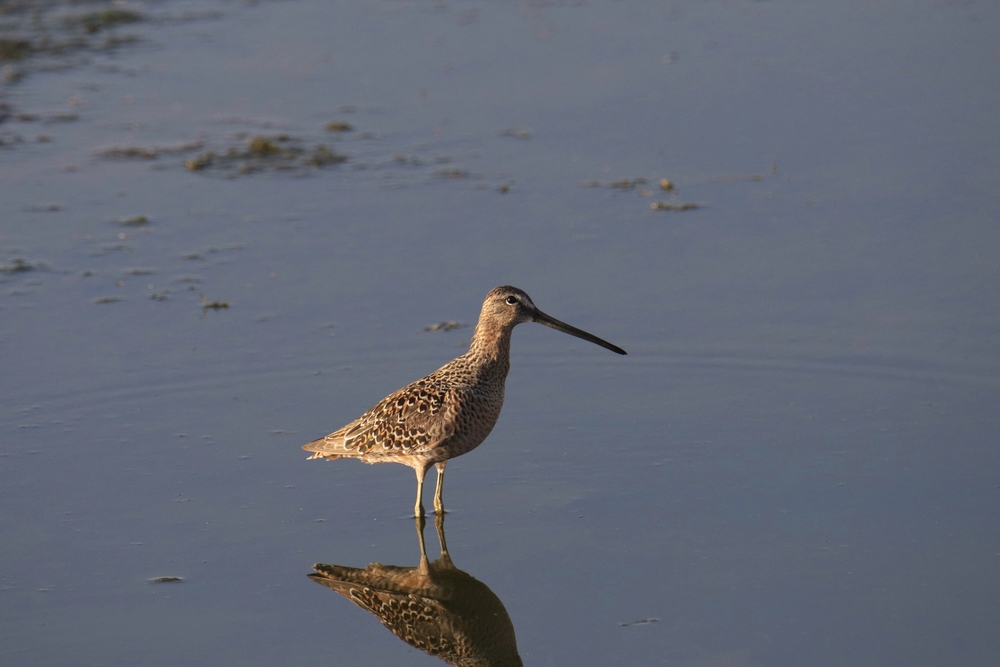
Across a broad stretch of inner Asia, the Asian Dowitcher breeds in places that already feel remote and scattered. It is native mainly to southern Siberia, Mongolia, and northern China. Its population is not as tiny as the rarest birds on this list, though it is still small for a long-distance migrant using such a broad route. In spring, it rests at places such as Lianyungang in China, the Solo Delta in Indonesia, and coastal mudflats in North Sumatra.
A dowitcher like this needs shallow coastal flats where it can feed fast and then roost nearby. Because the species is concentrated in a limited flyway, damage at a few sites can be felt across a big part of the population. Spring birds often settle at open mudflats, estuaries, and tidal shorelines with soft ground. Bird watchers pay close attention to those resting places because they often reveal how the species is doing from year to year.
Sociable Lapwing
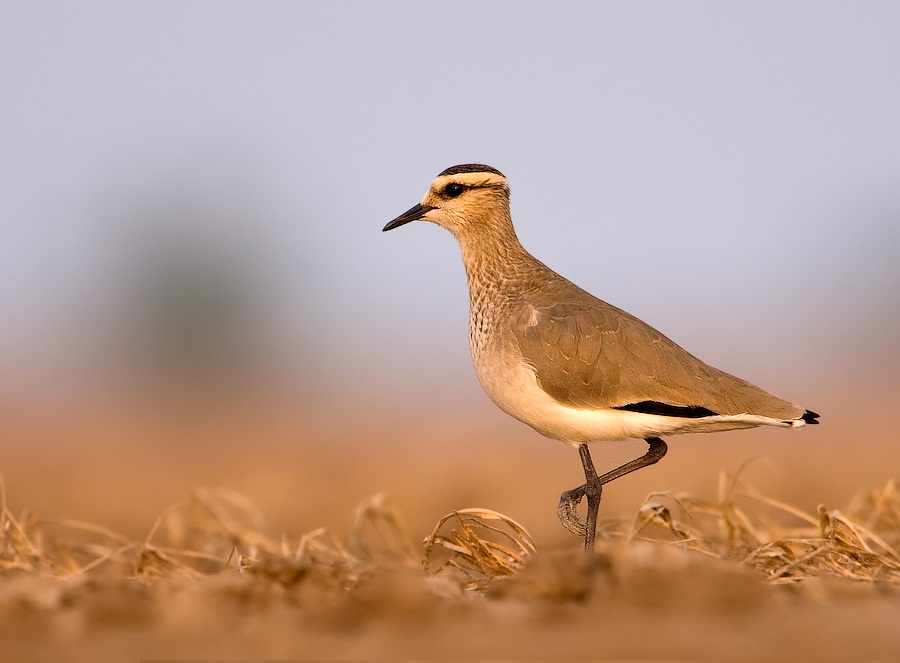
Sociable Lapwing is native mainly to Kazakhstan and the nearby steppe areas of central Asia. Its global population is very small, and the decline is tied to habitat pressure and problems across migration routes. In spring, it rests at places such as Ceylanpınar in Turkiye and breeding and passage sites in Kazakhstan, while other major stopovers are also known in Uzbekistan. These birds have small numbers partly because they rely on open steppe and wetland systems that have been heavily changed.
Unlike the mudflat specialists, this lapwing often rests on open short grass ground, steppe margins, and shallow wet areas. That still leaves it vulnerable because the same landscapes are often farmed, drained, or disturbed. Spring passage sites are watched closely since large shares of the population can pass through a few known areas. For a bird with numbers this low, good stopover ground has to stay available every season.
Curlew Sandpiper
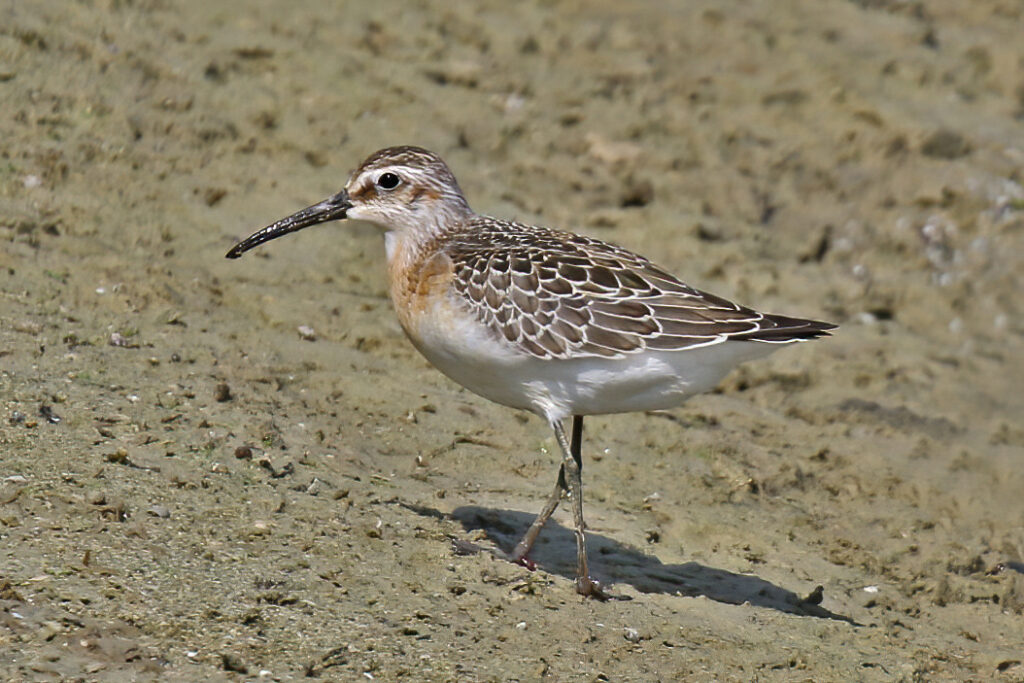
From Arctic tundra in Siberia to crowded migration routes farther south, the Curlew Sandpiper covers a long and risky path. It is native mainly to Siberia in Russia, where it breeds before migrating south and then back north in spring. Broad declines have been tied in part to the loss of Yellow Sea tidal flats used during migration. It rests on tidal mudflats and coastal lagoons in the Yellow Sea region, which has become far more important to the species than many earlier counts suggested.
Spring birds need soft wet flats where they can pick through mud for invertebrates and then roost nearby as tides rise. The trouble is that many of those same sites have been reclaimed or altered over the last few decades. This leaves the birds with fewer places to pause and refuel on time. Curlew Sandpiper is a useful reminder that a shorebird does not have to be extremely rare before habitat loss becomes serious.
Broad-billed Sandpiper
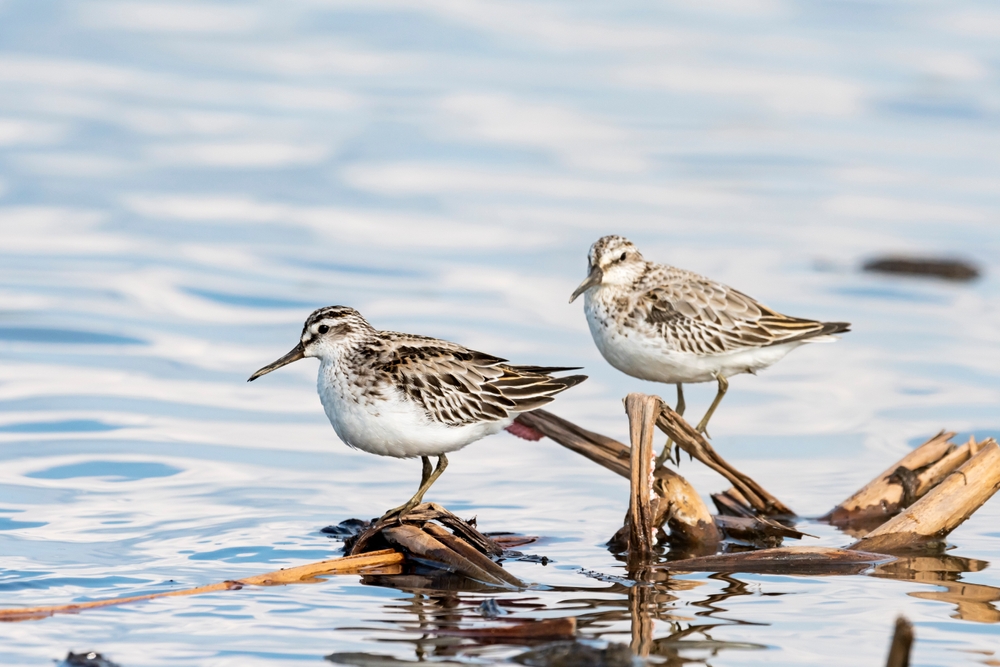
Small coastal wetlands can make a surprisingly big difference for the Broad-billed Sandpiper. It is native mainly to Arctic and subarctic breeding areas across northern Eurasia, including parts of Russia and Fennoscandia. The world population is larger than some species on this list, though regional groups remain vulnerable because they lean on a small set of wetlands during migration. It rests on wet coastal flats, salt marsh edges, and shallow lagoons where feeding stays easy.
These birds are small and can be missed, which sometimes hides the scale of decline until long-term counts are compared. The reason they belong in a list like this is not that the whole world population is tiny, but that their migration depends on a thin spread of suitable places. Once those sites go, the route becomes much harder to finish. That makes their resting areas more important than they may first appear.
Grey Plover
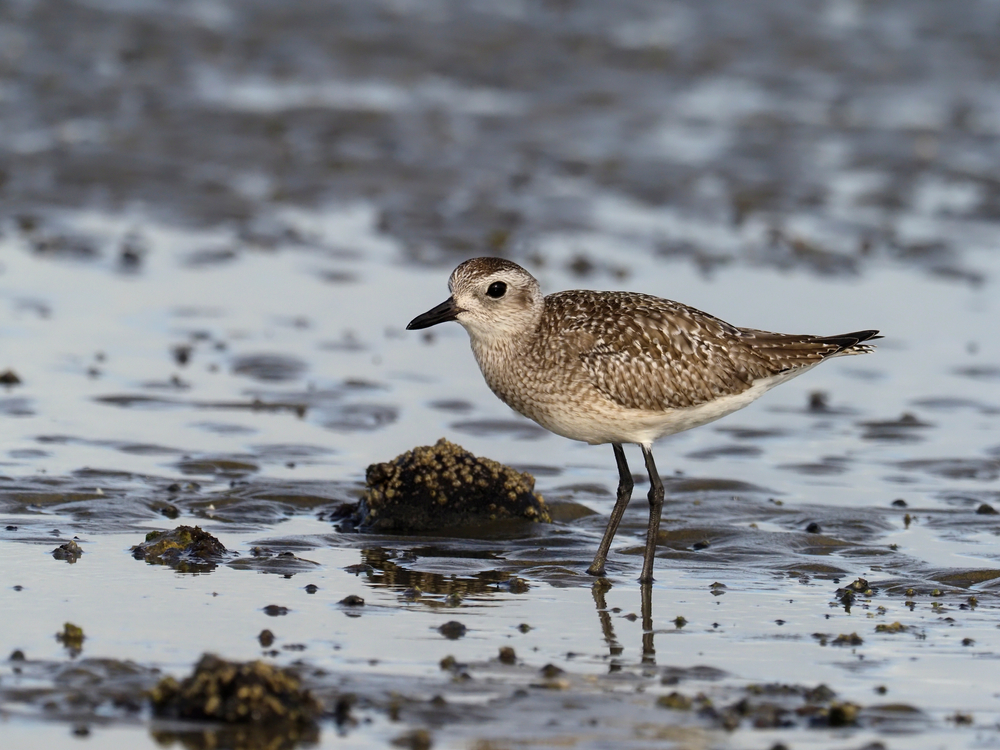
Even a shorebird with a wide range can run into trouble when one flyway loses too much habitat. Grey Plover is native mainly to Arctic breeding grounds across Russia, Alaska, and Canada, though many birds on the Asian route move down the Yellow and East China Seas. Their numbers are under pressure because coastal stopover habitat in the East Asian route has changed so much. In spring, they rest on Chinese coastal stopovers in the Yellow Sea and other shallow estuarine sites before pushing into Arctic nesting areas.
This is a bird that needs open mud, sand, and shallow pools while on the move. Northbound birds can linger on the Chinese coast for long periods, which shows how much they depend on those resting sites. If those coasts are reduced, birds have less feeding time and less room to wait out bad conditions. That is why a still familiar plover can become a growing concern on some flyways.
Piping Plover
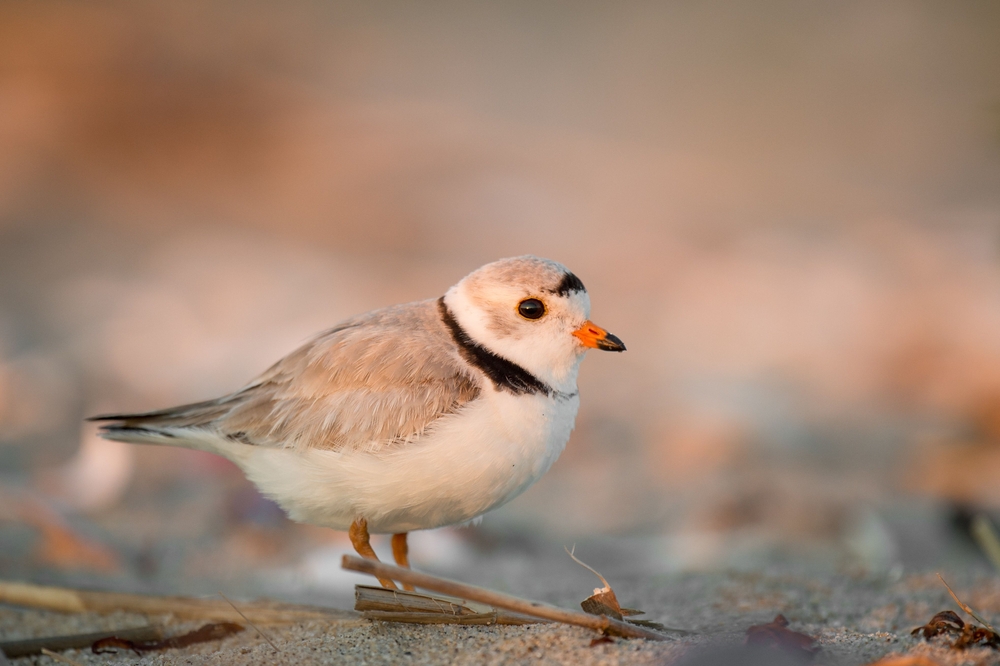
Piping Plover is native mainly to the United States and Canada, breeding on Atlantic beaches, Great Lakes shores, and parts of the northern Great Plains. Its population is small for a bird spread across such a wide area. In spring, piping plovers rest on sandy beaches, sand flats, and sheltered coastal shorelines as they move back toward breeding sites. Their small population is linked to beach development, disturbance, predation, and water level problems in some nesting areas.
A piping plover needs more than a pretty beach. It also needs quite open sand for nesting and a nearby feeding ground along the water’s edge. Spring stopovers are often simple beach systems, though they work only when people, pets, and habitat change are kept in check. That is why such a familiar-looking shorebird still needs careful protection.
Buff-breasted Sandpiper
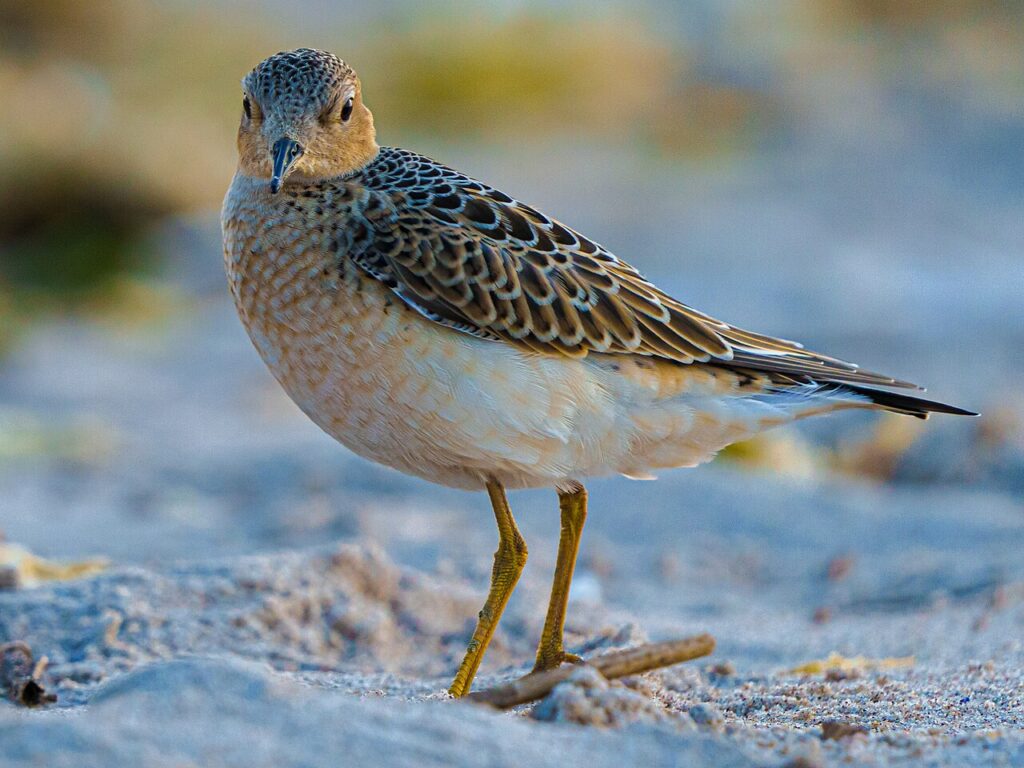
Unlike many shorebirds, the Buff-breasted Sandpiper depends more on open grassland than tidal coast. It is native mainly to Arctic North America, especially northern Canada and Alaska. Its population is small and declining, and that drop is closely tied to the loss of native grasslands along its route. In spring, it rests in places such as the Llanos in Colombia and farther north in short grass prairie and Prairie Pothole stopovers.
Unlike many shorebirds, this one often rests in short grass areas rather than open tidal mud. It uses grazed prairie, wet meadow edges, and similar open ground, which means conversion to cropland can hurt it badly. The species is also known for gathering in a limited set of spring stopover zones, and that concentration adds risk. When those grasslands shrink, the birds lose one of the few places that still suit them.
Hudsonian Godwit
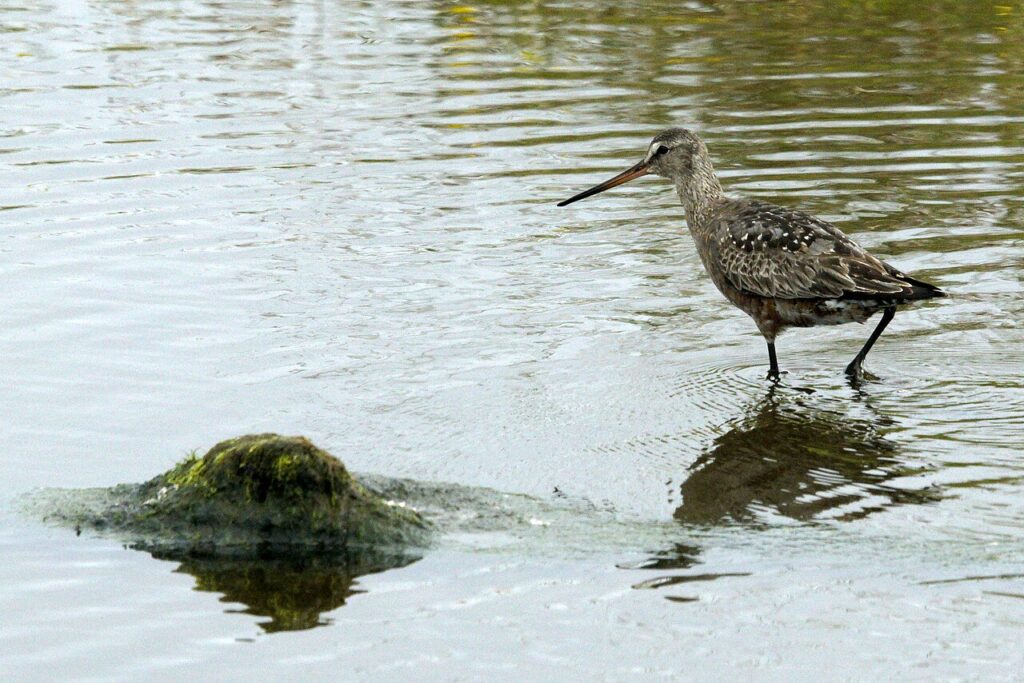
Long inland stopovers matter just as much as coastal ones for the Hudsonian Godwit. This bird is native to Canada and Alaska, where it breeds in remote northern bogs and wet tundra. Its population is not as small as that of the rarest Asian shorebirds, though concentration at a few major resting areas still leaves it vulnerable. In spring, many birds rest and feed in wet prairie basins, shallow pools, and flooded flats during northbound travel.
This godwit depends on broad wetland systems that can change a lot from year to year. That means a dry year or heavy wetland loss can quickly make migration harder. Spring stopover ground in the Prairie Pothole region is especially useful because it lets birds feed hard before heading farther north. Long-distance migrants like this one show why inland resting sites matter almost as much as coastal ones.
Stilt Sandpiper
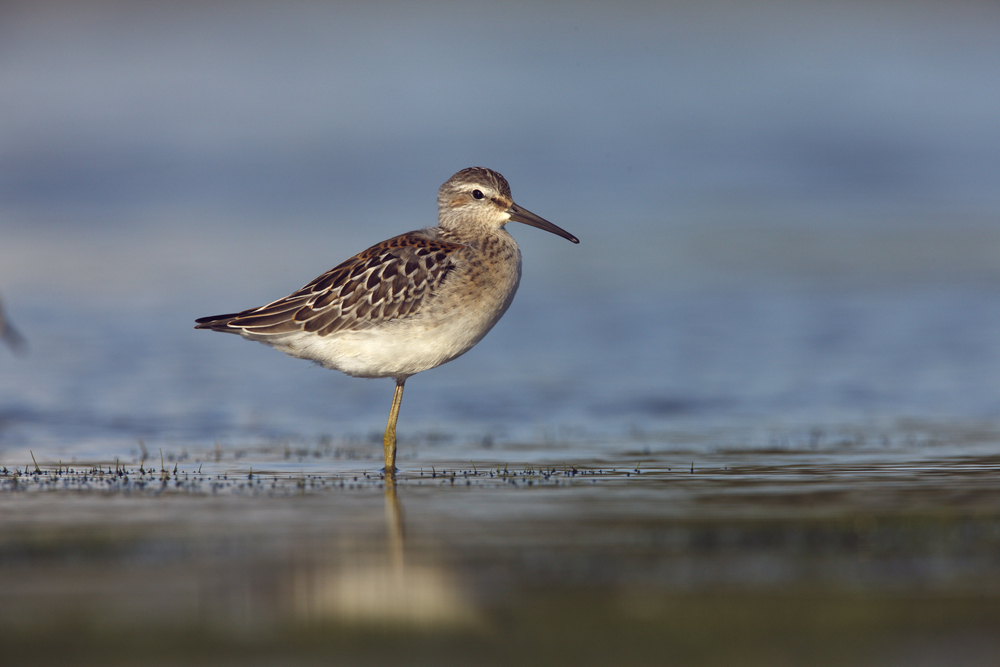
Shallow marshes and wet prairie pools are where the Stilt Sandpiper finds the break it needs during spring travel. It can be found in subarctic and low Arctic North America, especially Canada and nearby northern breeding areas. Its numbers have been slipping over time, and broad wetland change across migration and wintering areas is a main reason. In spring, it rests on shallow marshes, mudflats, and wet prairie habitats during the northbound trip.
A stilt sandpiper often chooses shallow water where it can wade and feed steadily. Those stopovers may look plain, though they are part of a very large route that has to work almost perfectly for the species to keep moving. When shallow wetlands are drained or heavily altered, the birds lose both feeding sites and quiet places to rest. That is why this modest-sized sandpiper now draws more concern than it once did.
Lesser Yellowlegs
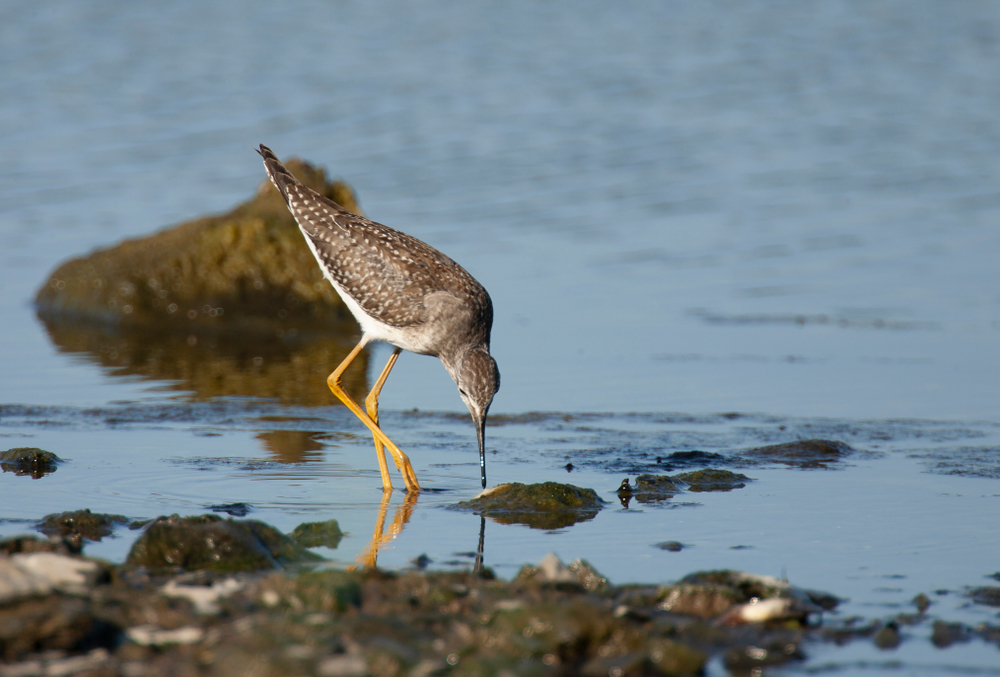
Across much of North America, the Lesser Yellowlegs still looks familiar, though the numbers tell a less comfortable story. It is native mainly to Canada, with a large share of the breeding population there, though it also nests in Alaska. Its decline is tied to threats across a very long route, including habitat loss and hunting pressure on parts of the flyway. In spring, the birds rest at shallow marshes, flooded fields, and prairie wetland sites where they can keep feeding through passage.
What makes this species a concern is the scale of the route and the number of hazards along it. The birds need many stopovers, and they do not have much spare room if one part of the chain fails. Spring sites in the Prairie Pothole region are especially useful for western birds heading north. A yellowlegs can still look common in migration season while the bigger picture grows weaker.
Rufa Red Knot
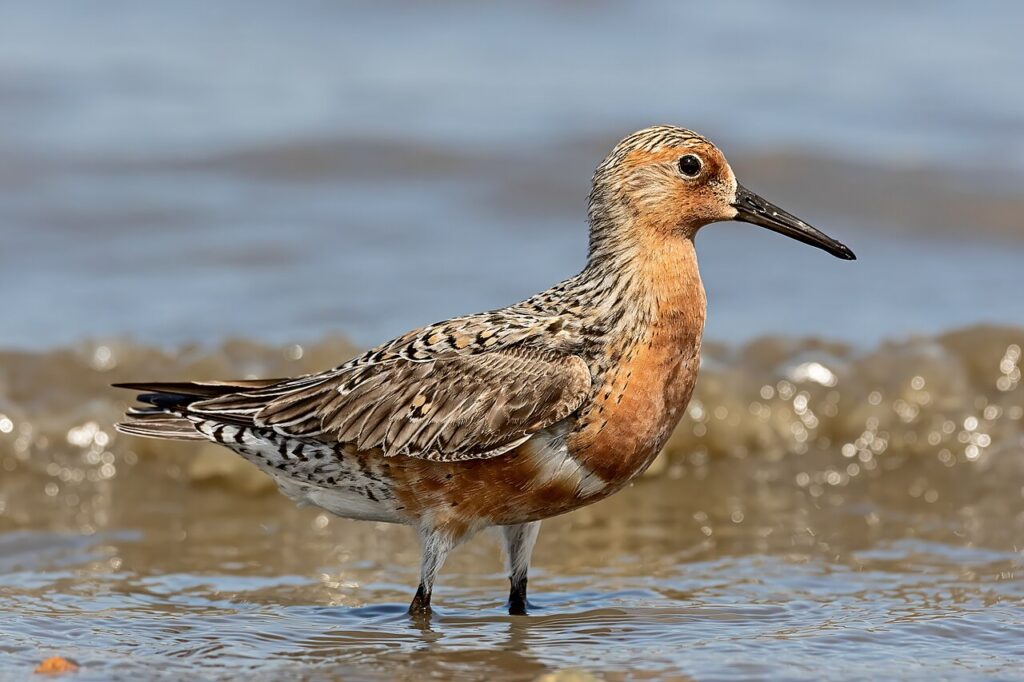
Rufa Red Knot is native mainly to Arctic Canada, where it breeds after a very long migration from South America. Its numbers have fallen hard since the 1980s, and the decline is closely tied to changes in habitat and food supply across its route. In spring, large numbers rest on bay beaches and mudflats along Delaware Bay before the final flight north. That stopover matters because horseshoe crab eggs provide the food these birds need for the next stage.
This is one of the clearest examples of a migrant depending on one especially rich stopover. When horseshoe crab eggs are scarce, red knots may leave with less fuel than they need. Delaware Bay beaches are, therefore, a resting ground, feeding ground, and a measuring point for the population all at once. The bird still makes a striking spring story, though it is also one of the stronger warnings about how shorebird routes can fray.
This article originally appeared on Avocadu.