
12 Spring Plants With Pink Blooms and Pretty Foliage
A garden can feel much more lively when pink flowers start appearing against pretty green, silver, or deep-toned leaves. These plants do more than flower for a short moment, since their foliage can keep things looking nice through the season. Whether you are refreshing a flower bed or filling a few pots, there are plenty of lovely options to think about. Take a look at these spring favorites and see which ones fit your style.
This post may contain affiliate links, which helps keep this content free. Please read our disclosure for more info.
Bleeding Heart
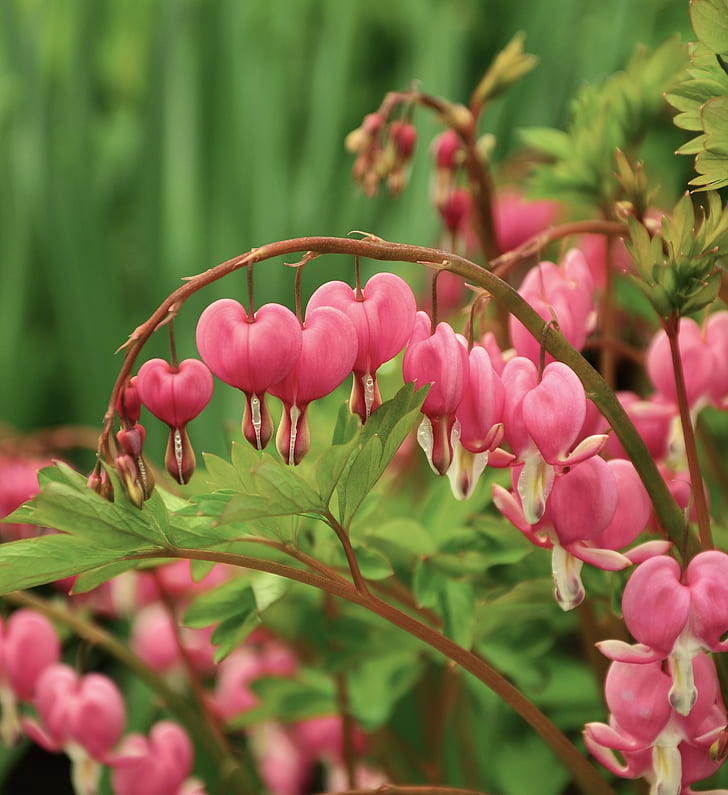
Bleeding heart comes from parts of China, Korea, and Siberia, where it grows in cool woodland settings. In spring, its arching stems fill with dangling pink flowers that look like tiny hearts in a row. The soft blue green leaves give the plant a gentle, airy look that stands out in shaded beds. It brings a delicate feel to the garden without looking plain or flat.
This plant likes partial to full shade and soil that stays lightly moist. Many gardeners place it near ferns and hostas so the soft foliage has a nice contrast around it. Once warm weather sets in, the leaves may fade back, so it helps to pair it with plants that fill in later. It is a lovely pick for quiet corners that need color early in the season.
Japanese Andromeda
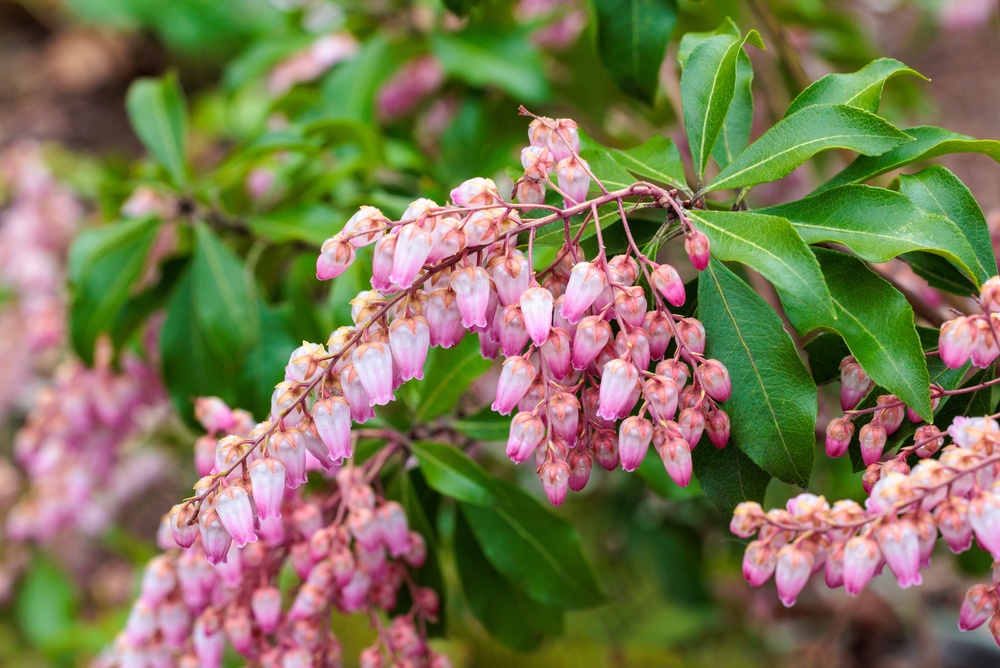
Japanese andromeda is native to Japan, eastern China, and Taiwan, and it has a very polished look in the garden. Its pink flower clusters hang down like little bells, which gives the shrub a graceful spring display. Young leaves often come in bronze or red shades before turning dark green, so the plant stays attractive after blooming ends. That mix of flowers and leaf color makes it easy to notice from a distance.
It grows best in acidic soil with partial shade and steady moisture. Since it is evergreen, it keeps its leaves all year and gives structure to garden beds even in cooler months. This shrub works well near foundations, paths, or mixed borders where its changing foliage can be appreciated. It is especially nice in gardens that lean toward a woodland look.
Weigela
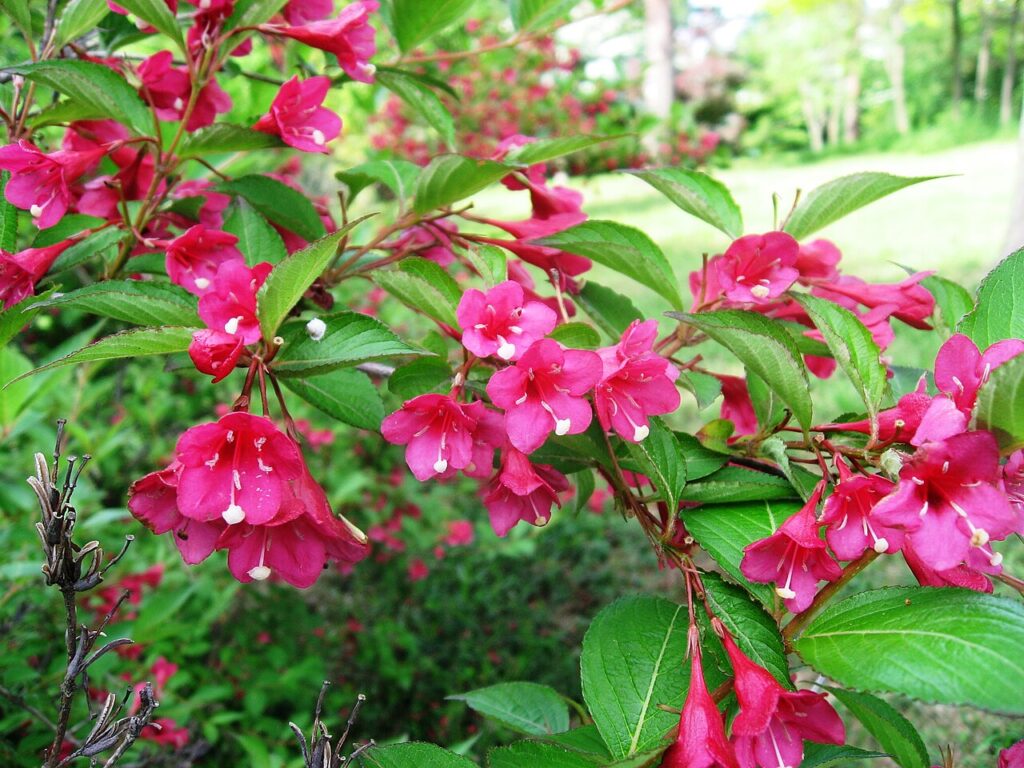
Weigela comes from China, Korea, and Japan, and it is one of those shrubs that can light up a yard in spring. Its funnel-shaped pink flowers cover the branches and bring a bright, cheerful look to the season. Some types have deep green leaves, while others show burgundy or variegated foliage that adds even more visual interest. The contrast between the flowers and the leaves gives it a rich garden presence.
Full sun helps weigela bloom well and keeps the plant fuller in shape. It can be used in shrub borders, cottage gardens, or as a loose hedge along a fence line. A light trim after flowering can help keep it neat without much fuss. Smaller varieties are a good fit for compact yards or patio plantings.
Flowering Almond
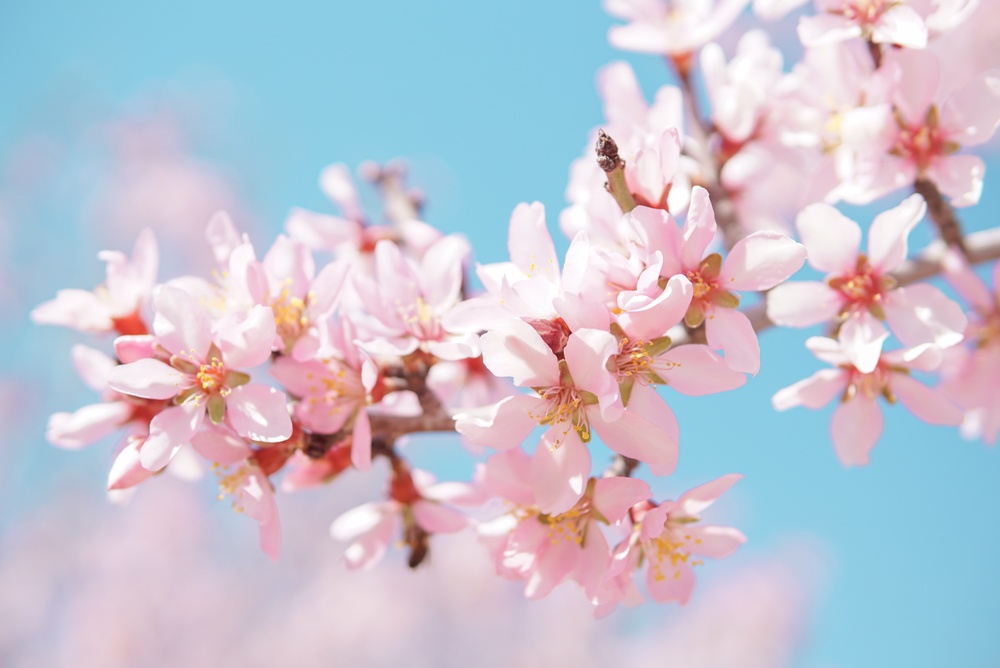
Flowering almond is native to China, and it brings a soft, old-fashioned feel to spring gardens. The branches fill with fluffy pink double flowers that almost cover the plant when it is in bloom. Fresh green leaves appear around the same time and give the shrub a clean, lively backdrop. When viewed from a few steps away, it can look like a pink cloud settled in the yard.
This shrub likes sunny spots and well-drained soil. Gardeners often use it as a focal point near walkways, porches, or small planting beds where the blooms can be seen up close. Pruning after flowering helps keep the shape tidy and supports steady growth. It is a charming choice for anyone who likes classic spring color.
Bergenia
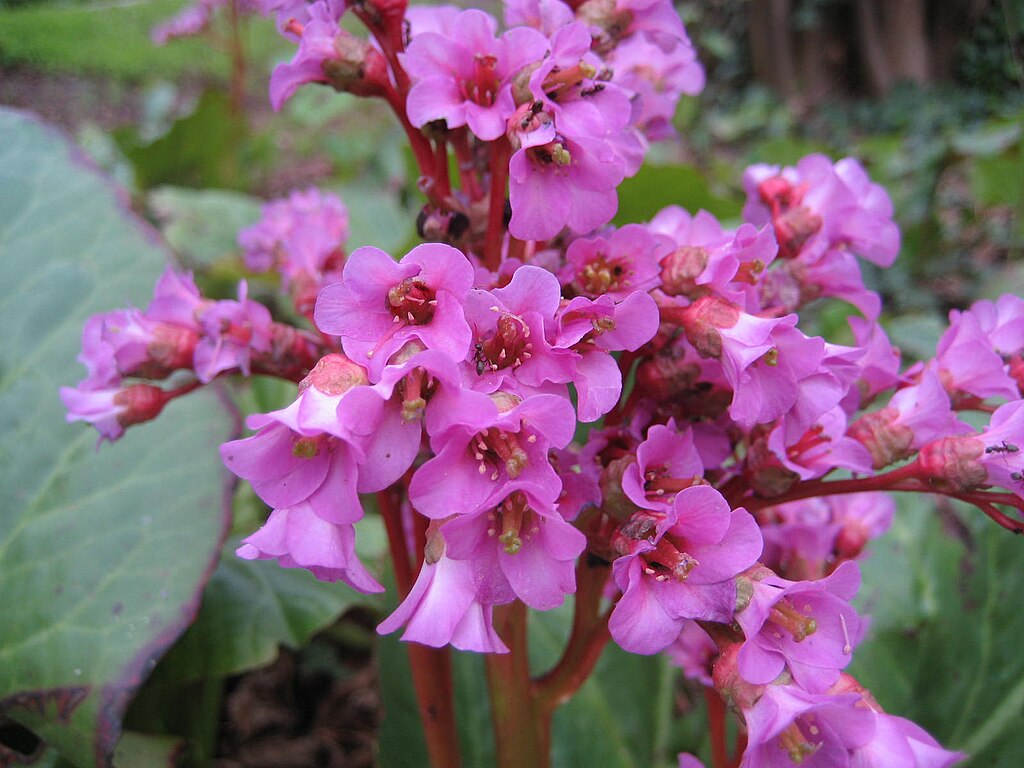
Bergenia is native to central Asia and parts of the Himalayan region, and it has a look that feels sturdy yet pretty. In spring, clusters of pink flowers rise above wide, rounded leaves that hold their shape well. The foliage is thick and glossy, and it can turn purple or bronze when the weather is cool. That leaf color gives the plant interest even before the flowers appear.
It grows well in partial shade and can handle a range of garden conditions. Bergenia is often planted along paths, under shrubs, or at the front of mixed beds where the leaves can be seen clearly. Since it stays low and spreads slowly, it can work as a neat ground cover too. It is a reliable plant for gardens that need early color without a lot of upkeep.
Flowering Cherry
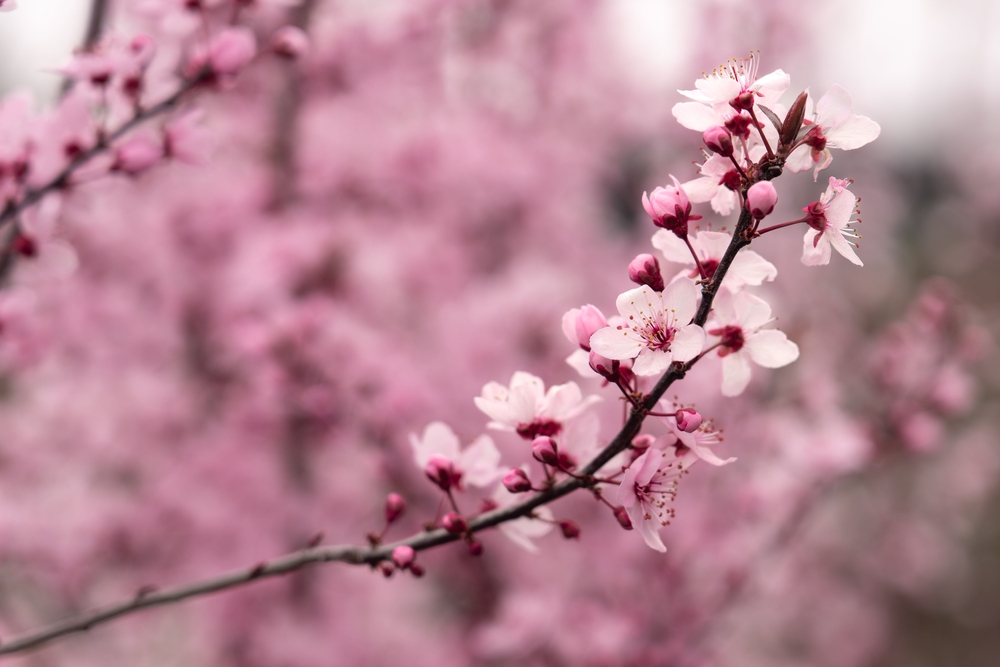
Flowering cherry trees are native to Japan, China, and Korea, and they are well known for their soft pink spring display. When they bloom, the branches can look almost covered in clouds of petals. Many kinds have young leaves with copper or bronze tones before they settle into green. That fresh foliage keeps the tree looking appealing even after the blossoms fall.
These trees do best in full sun with well-drained soil. They are often planted as specimen trees in lawns, along drives, or near patios where their spring bloom can be fully enjoyed. Some varieties stay small enough for modest yards, while others need more room to spread. The petals that drift down can make the ground look just as pretty as the tree itself.
Azalea
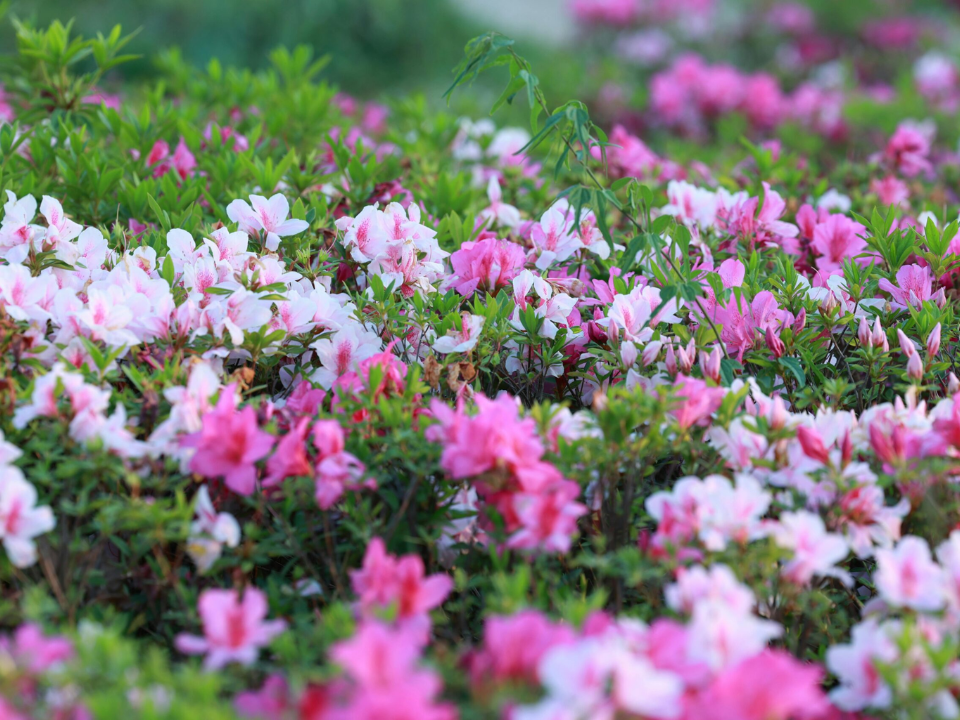
Azaleas are native to several parts of Asia, especially China and Japan, while some species also come from North America. In spring, their pink blooms can cover the shrub so fully that the leaves seem to disappear for a while. When the flowers fade, the foliage still gives the plant shape and fullness in the garden. Evergreen types keep that leafy look through the year, while deciduous kinds may show good fall color too.
These shrubs like acidic soil, regular moisture, and some shade, especially in warmer areas. They work well in woodland gardens, foundation beds, and grouped plantings where their bloom display has room to stand out. Mulch can help keep the roots cool and the soil from drying too quickly. With the right spot, azaleas can be one of the most eye-catching plants of the season.
Lungwort
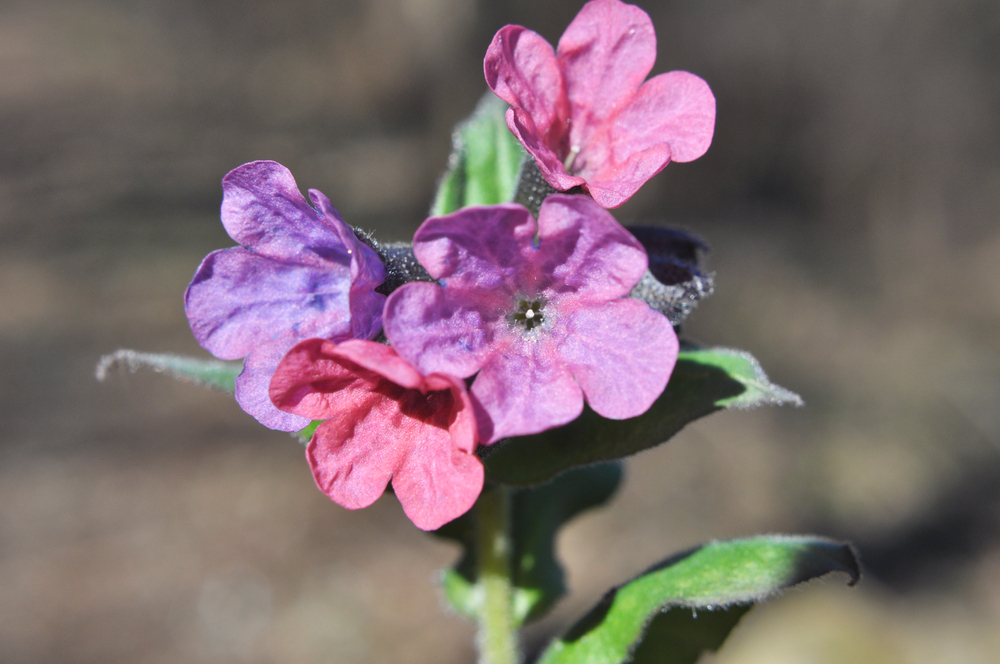
Lungwort is native to Europe and western Asia, and it brings a very different look from many other spring bloomers. Its small pink flowers appear above leaves that are often marked with silver spots or splashes. Even when the flowers are gone, the foliage still catches attention because of that patterned surface. It is one of the best plants for bringing brightness to shady garden areas.
Cool, moist soil and partial shade suit lungwort best. It is often planted in woodland beds or along shaded paths where its silver-marked leaves can stand out. Some flowers may shift in color as they age, which adds another layer of interest. This plant is especially useful when you want spring color in places that do not get much sun.
Creeping Phlox
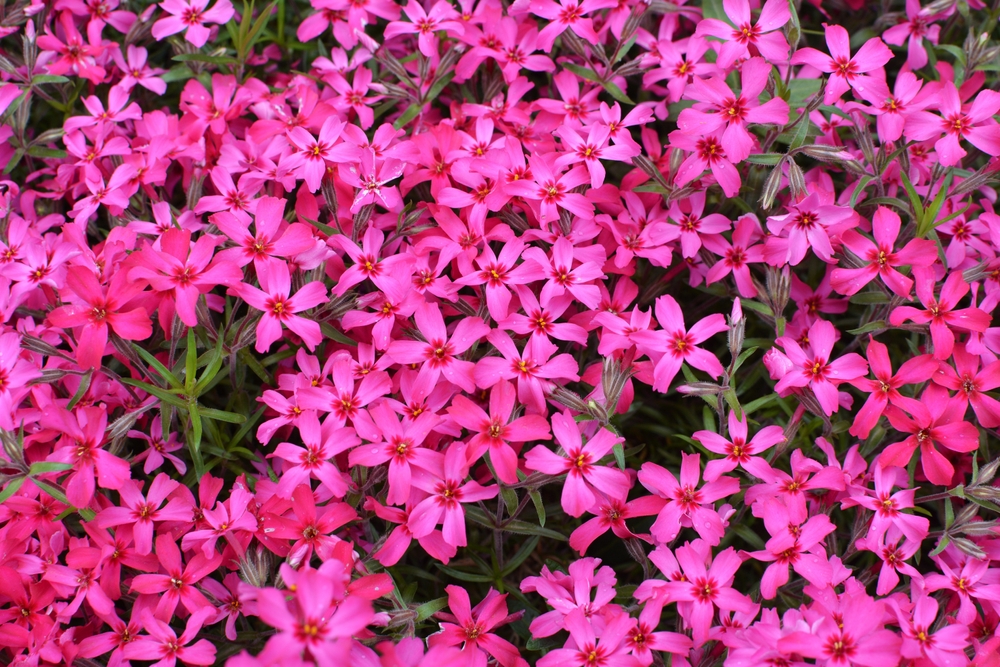
Creeping phlox is native to the eastern and central United States, and it is known for covering the ground in pink flowers during spring. The blooms sit over a mat of narrow evergreen leaves that stay neat through much of the year. When it flowers heavily, the plant can look like a soft blanket of color spread across the garden. It brings both texture and color to edges, slopes, and stone borders.
Full sun and well-drained soil help this plant look its best. Gardeners often use it in rock gardens or let it spill over retaining walls and path edges. Since it spreads low and wide, it can fill open spaces without getting too tall. It is a useful option for adding spring color close to the ground.
Primrose
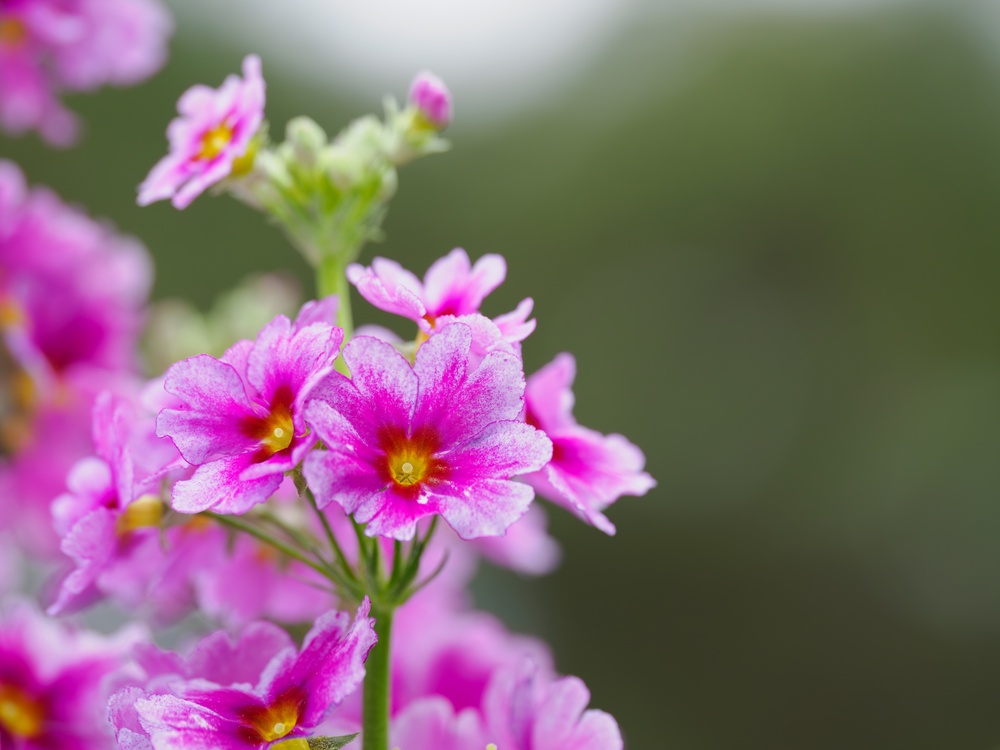
Primroses come from Europe, Asia, and parts of North America, depending on the type, and they have a fresh, cheerful look in spring. Their pink flowers rise just above tidy rosettes of green leaves and bring color to beds when the season is still young. The foliage often has a softly textured surface that adds to the plant’s charm up close. Even though the plant stays fairly compact, it can still make a noticeable impression.
Primroses enjoy cool weather and soil that stays evenly moist. They are often planted in containers, shady borders, or woodland-style gardens where spring color is welcome after winter. In areas with mild temperatures, some types may return year after year. They are a nice fit for gardeners who want something bright without taking up much room.
Pink Dogwood
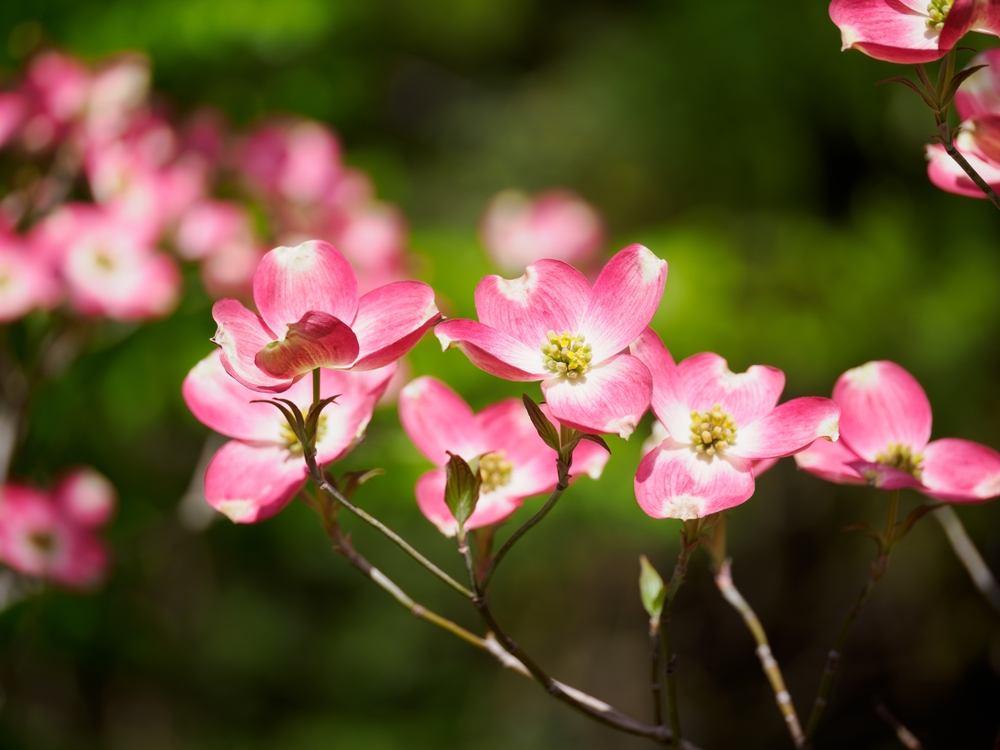
Pink dogwood comes from the eastern United States, with pink forms selected from the native flowering dogwood. In spring, the tree is covered with soft pink bracts that many people mistake for petals. Green leaves follow and later shift into red or purple tones in fall, so the tree stays attractive well beyond bloom time. Its layered branch pattern gives it a graceful shape in every season.
This small tree likes rich, well-drained soil and some protection from harsh afternoon sun. It is often planted near wooded edges, garden lawns, or as a focal tree in front yards. Birds are drawn to the berries later in the year, which adds another reason people like growing it. It is a gentle, graceful choice for a spring-centered planting plan.
Camellia
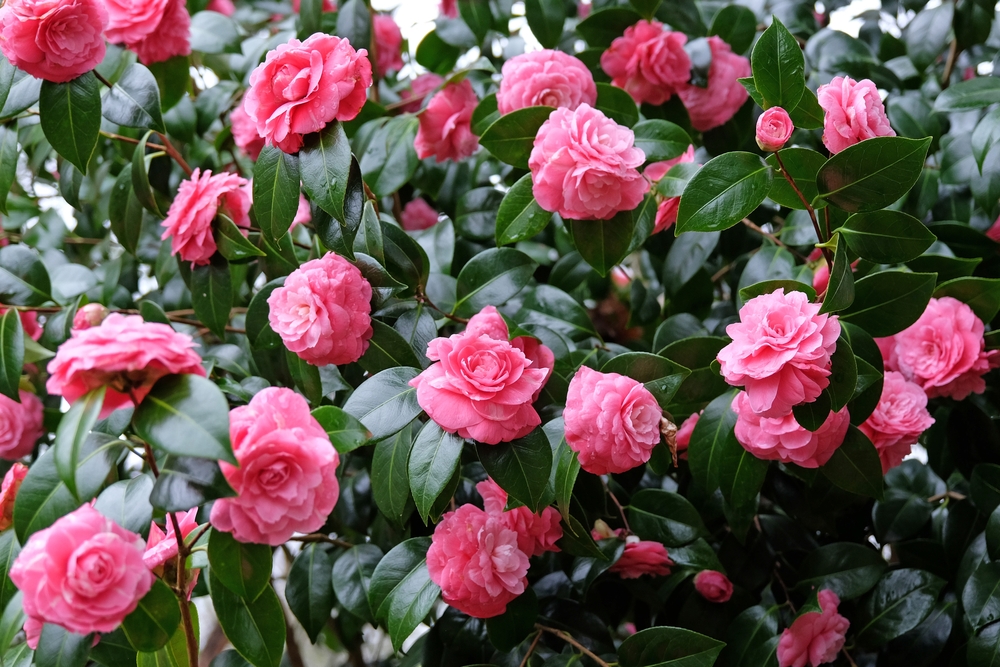
Camellias are native to China, Japan, and Korea, and they bring a refined look to gardens in bloom season. Their pink flowers can be simple, layered, or very full, depending on the variety. Dark green glossy leaves stay on the shrub year-round and give the blooms a rich background. That deep foliage color makes the flowers stand out even more.
Camellias prefer acidic soil, partial shade, and shelter from strong afternoon light. They are often planted near patios, entrances, or shaded borders where people can enjoy the flowers up close. In warmer regions, they are especially valued for blooming when many other shrubs are still quiet. A healthy camellia can become one of the most admired plants in the yard.
This article originally appeared on Avocadu.