
17 Spring Plants with Long Bloom Time
Spring is a wonderful time to refresh your garden with vibrant blooms that last well into the warmer months. Whether you have a small flower bed or a large backyard, choosing plants with a long bloom time can keep your garden looking beautiful for weeks. These plants offer a steady show of color, attracting pollinators like bees and butterflies along the way. From cheerful perennials to fragrant flowers, there are plenty of options to fill your space with life and charm. Not only do these plants add visual appeal, but many are low maintenance once they’re established.
This post may contain affiliate links, which helps keep this content free. Please read our disclosure for more info.
Peonies
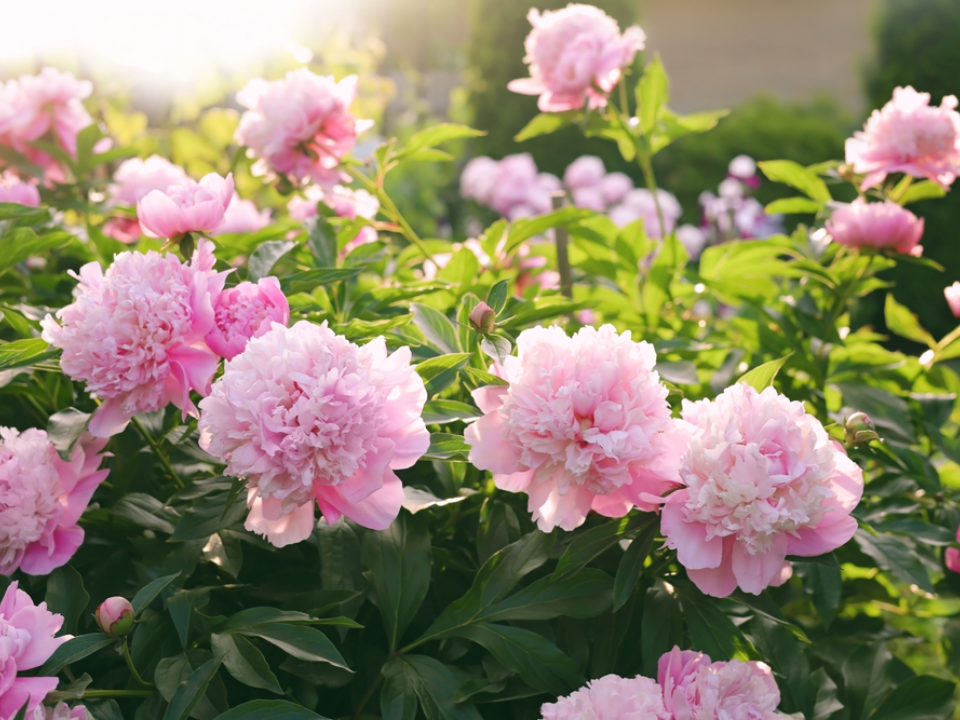
Peonies are beloved for their stunning, large blooms and long blooming period. They start to bloom in late spring and can last well into early summer, providing weeks of colorful flowers. Peonies come in a variety of colors, including shades of pink, red, and white. The plants thrive in full sun and prefer well-drained soil.
Once established, peonies can bloom year after year, often for decades. They grow in clumps and can reach a height of 3 feet, offering both visual appeal and fragrance. Their flowers make beautiful cut arrangements and add a romantic touch to any garden.
Lavender
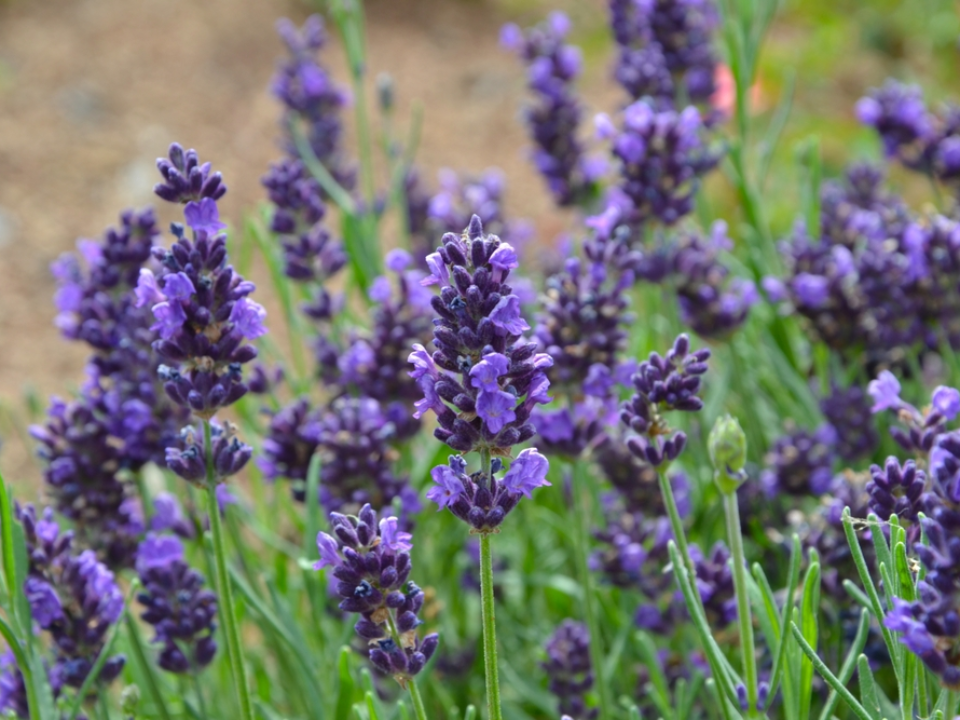
Lavender is a fantastic spring plant that offers a long bloom time, often lasting from late spring to early fall. Known for its calming fragrance and purple spikes, lavender is a versatile addition to any garden. It thrives in full sun and well-drained, sandy soil. This hardy perennial plant is drought-resistant once established, making it perfect for low-maintenance gardens.
In addition to its beauty, lavender attracts pollinators such as bees and butterflies. It is ideal for herb gardens, borders, or containers. Lavender’s aromatic scent makes it an excellent choice for dried bouquets or as an ingredient in homemade sachets and oils.
Daylilies
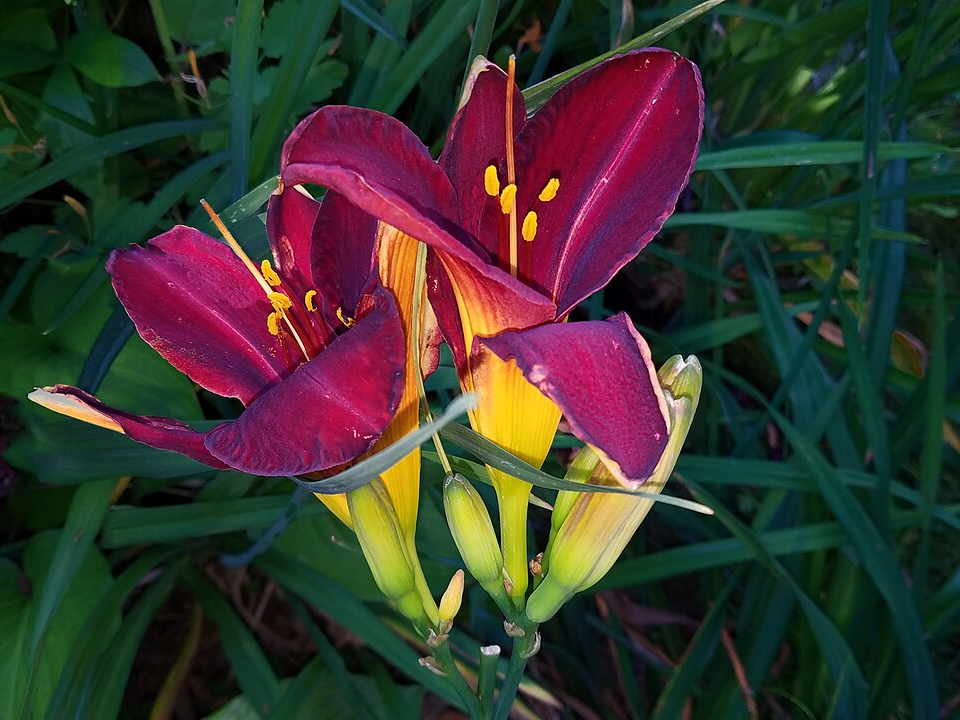
Daylilies are known for their ability to bloom for an extended period during the spring and summer months. These plants are incredibly versatile, with blooms appearing in early spring and continuing through to the fall. Daylilies come in a variety of colors, from vibrant reds and yellows to more subtle pinks and whites.
They are hardy and easy to grow, thriving in full sun and a variety of soil types. Once established, daylilies require minimal care and can tolerate periods of drought. Their flowers typically last for only a day, but new buds constantly bloom, ensuring a continuous display of color.
Geraniums
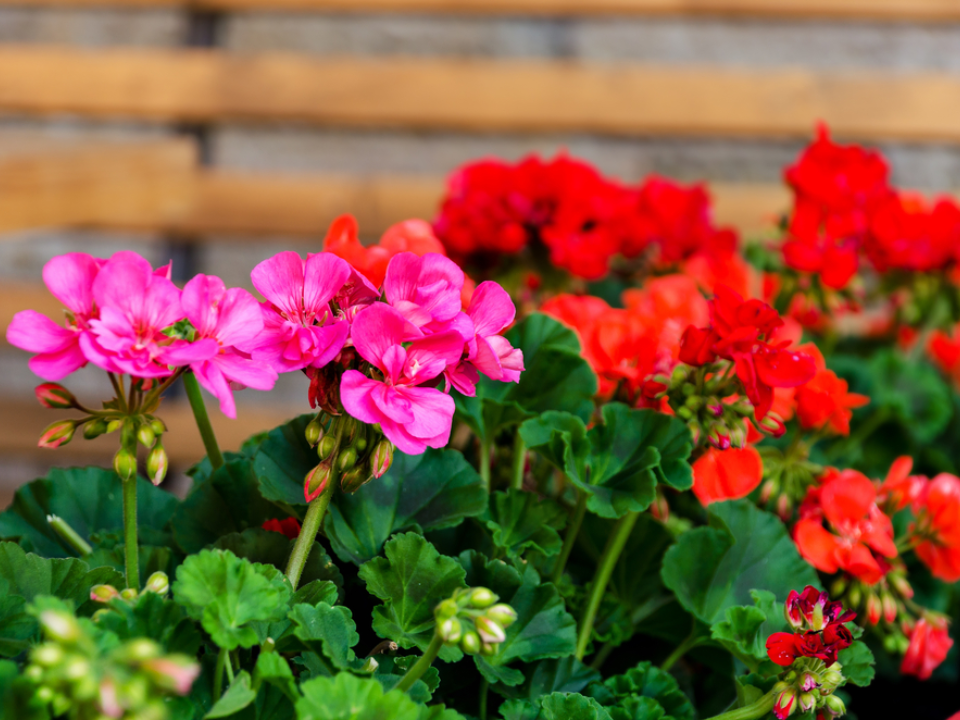
Geraniums, specifically the hardy varieties, are excellent spring plants with an extended bloom time. They begin blooming in early spring and continue through summer, sometimes even into the fall in milder climates. Known for their vibrant colors, geraniums offer hues of red, pink, purple, and white.
These plants thrive in full sun and well-drained soil, though they can tolerate partial shade. Geraniums are perfect for garden beds, window boxes, and containers. Their unique flowers attract pollinators like bees, butterflies, and hummingbirds, enhancing the overall garden experience. The leaves also have a pleasant fragrance, adding an extra layer of charm.
Bleeding Heart
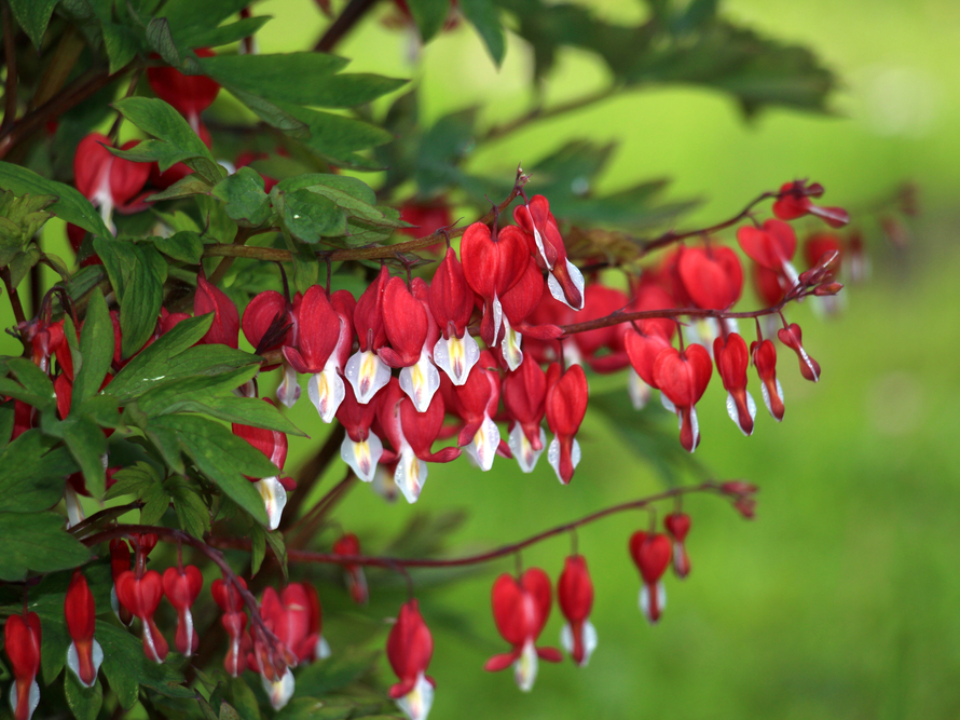
Bleeding Heart plants are striking perennials that bloom in the spring and can last for several weeks. The heart-shaped flowers are white, pink, or red, and they create a unique and beautiful look in any garden. These plants thrive in partial to full shade, making them ideal for gardens with less sunlight.
They prefer moist, well-drained soil and tend to grow well in cool climates. Bleeding Heart plants typically reach a height of 2-3 feet and spread over time, creating a stunning visual effect. Their flowers provide a delicate yet vibrant contrast to other spring blooms.
Shasta Daisy
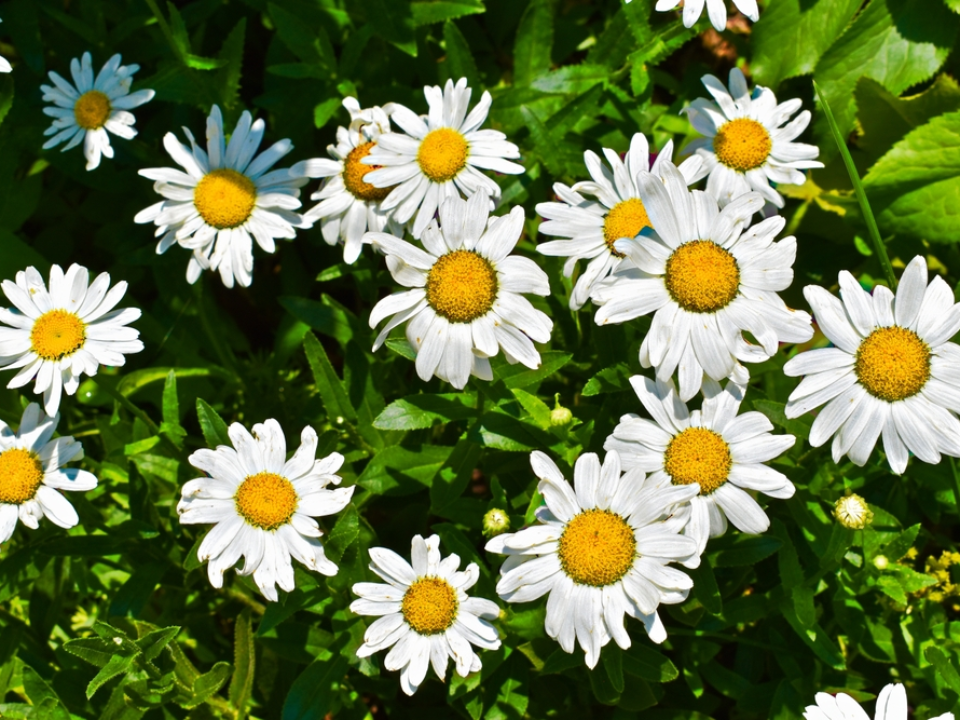
Shasta Daisies are known for their simple yet elegant white flowers with yellow centers. These cheerful blooms start appearing in early spring and last well into the summer months. They prefer full sun and well-drained soil, making them a versatile choice for various garden styles.
Shasta Daisies are not only visually appealing, but they also attract beneficial insects such as bees and butterflies. Their long-lasting blooms continue to open throughout the season, providing an ongoing display of beauty. Shasta Daisies grow in neat, compact clumps, making them great for borders, flower beds, or as cut flowers.
Coral Bells
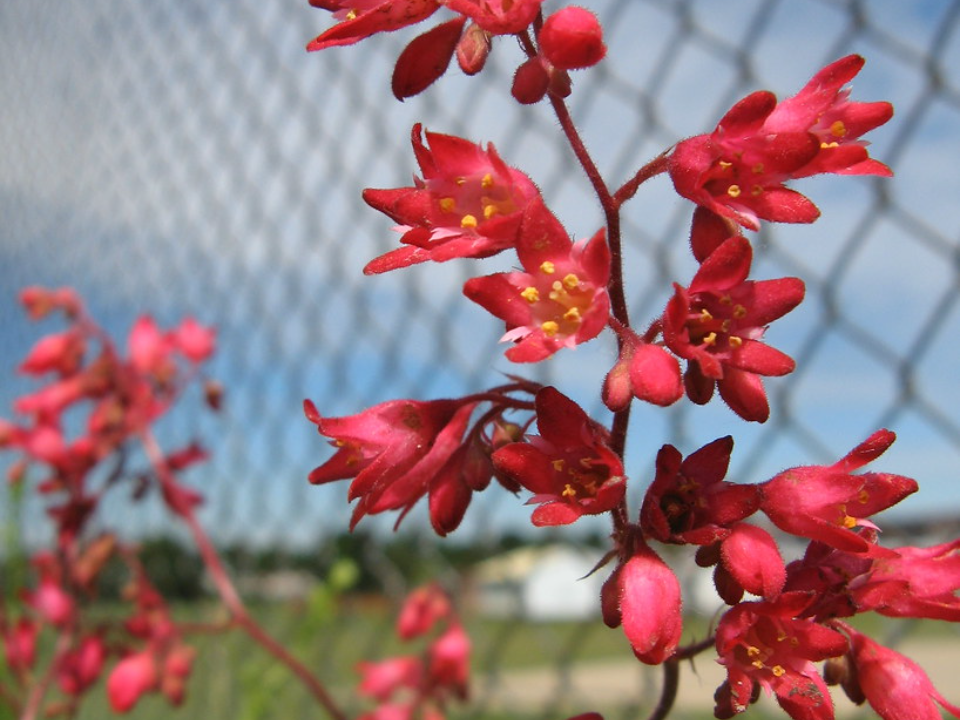
Coral Bells, also known as Heuchera, offer beautiful foliage along with their extended bloom period. Their bell-shaped flowers appear in late spring and continue to bloom into the summer months. These plants are available in a variety of colors, including pink, red, and white.
Coral Bells are ideal for shady areas and thrive in moist, well-drained soil. They make great additions to shaded garden beds or containers, adding both color and texture. Their long-lasting blooms provide a touch of elegance to the garden, while their foliage offers year-round interest.
Primroses
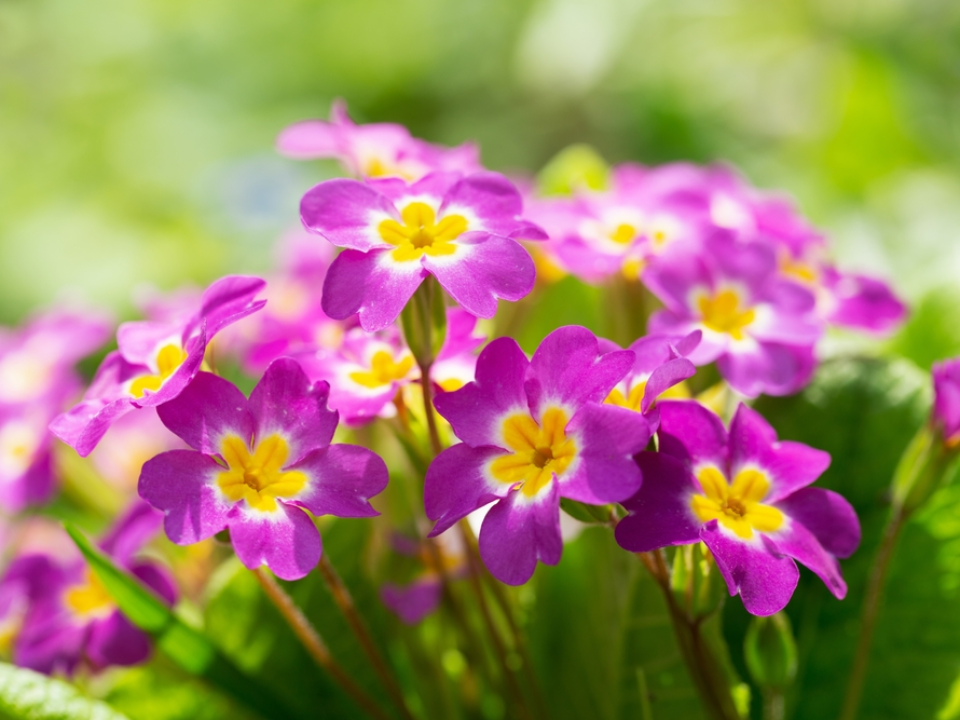
Primroses are one of the earliest spring bloomers, offering a long period of flowering. Their bright and colorful blooms appear in late winter to early spring and can last for several weeks, often continuing through to the summer months. They are available in various colors, including purple, pink, yellow, and white.
Primroses thrive in partial to full shade and require well-drained, moist soil. They are excellent for filling in shaded areas of the garden or as a ground cover. The plants are also known for attracting pollinators, making them a great addition to wildlife-friendly gardens.
Alliums
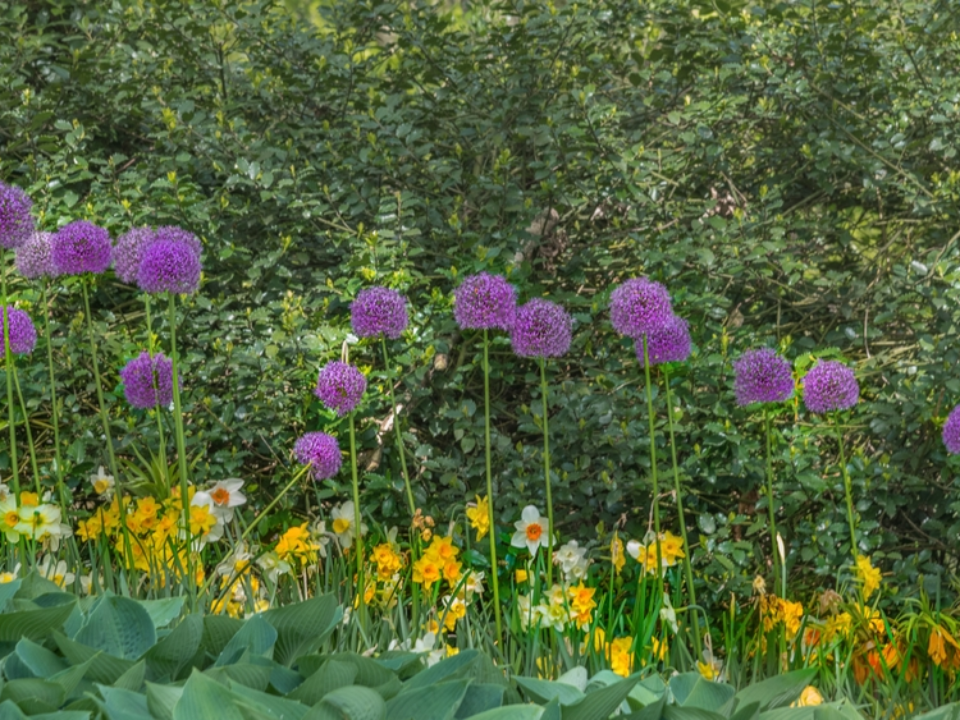
Alliums, such as the ornamental varieties, are known for their long bloom time and striking, globe-like flower heads. These spring-blooming bulbs start flowering in late spring and continue well into the summer. Their tall, upright stems and unique flower clusters make them a standout addition to any garden.
Alliums prefer well-drained soil and full sun, making them ideal for sunny, well-lit garden spots. The flowers often attract bees and butterflies, making them great for pollinator-friendly gardens. In addition to their beauty, the plants have a long lifespan and return year after year with minimal care.
Astilbe
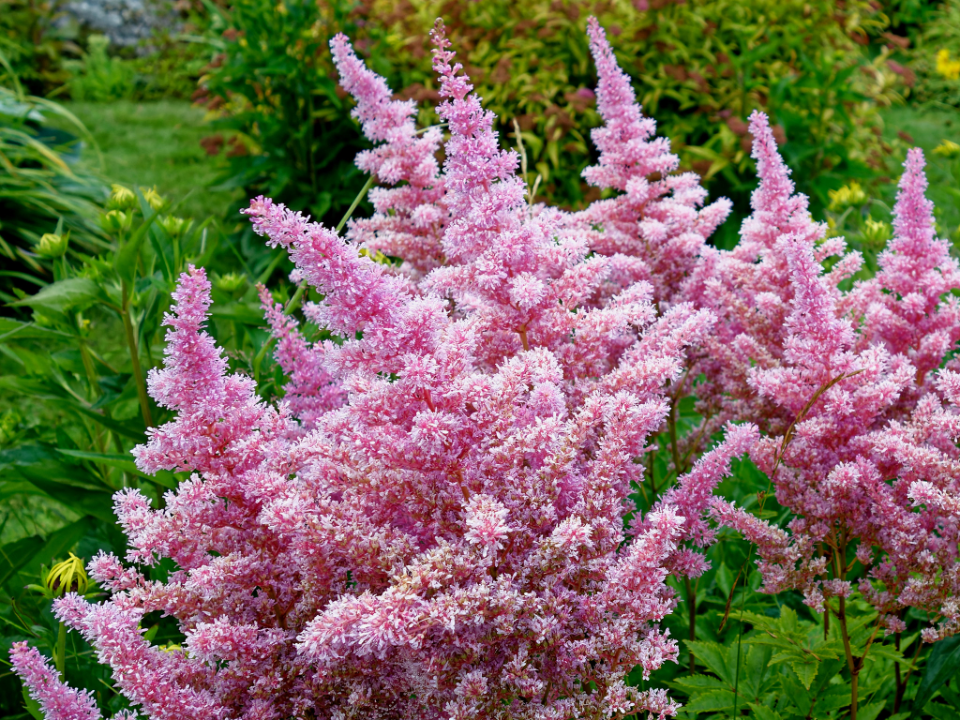
Astilbe plants are an excellent choice for gardens with partial to full shade, offering long-lasting blooms from late spring to early summer. Their feathery plumes come in various colors, including shades of pink, red, white, and purple. Astilbe thrives in moist, well-drained soil, making them perfect for woodland gardens or damp areas of the garden.
Their tall, airy flowers create a beautiful contrast against their dark green, fern-like foliage. These plants not only provide continuous color through the growing season, but they also attract butterflies. Once established, Astilbe requires minimal maintenance and offers a showy display for years to come.
Black-eyed Susan
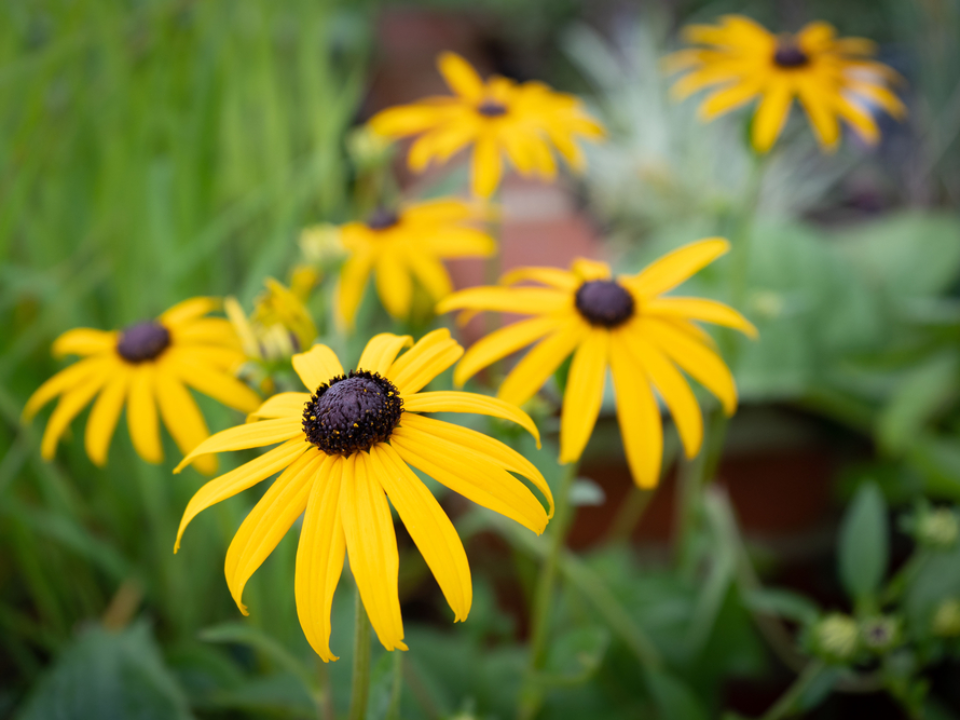
Black-eyed Susan is a classic spring plant known for its golden yellow petals and dark centers. These cheerful flowers bloom from late spring and continue to brighten gardens throughout the summer. Black-eyed Susan plants thrive in full sun and well-drained soil, making them highly versatile. Their upright stems and bright flowers make them perfect for garden beds, borders, and wildflower meadows.
Once established, they require very little maintenance and are drought-resistant, making them ideal for low-water gardens. These plants attract pollinators like bees and butterflies, adding even more life to the garden. They also make for excellent cut flowers due to their long-lasting blooms.
Verbena
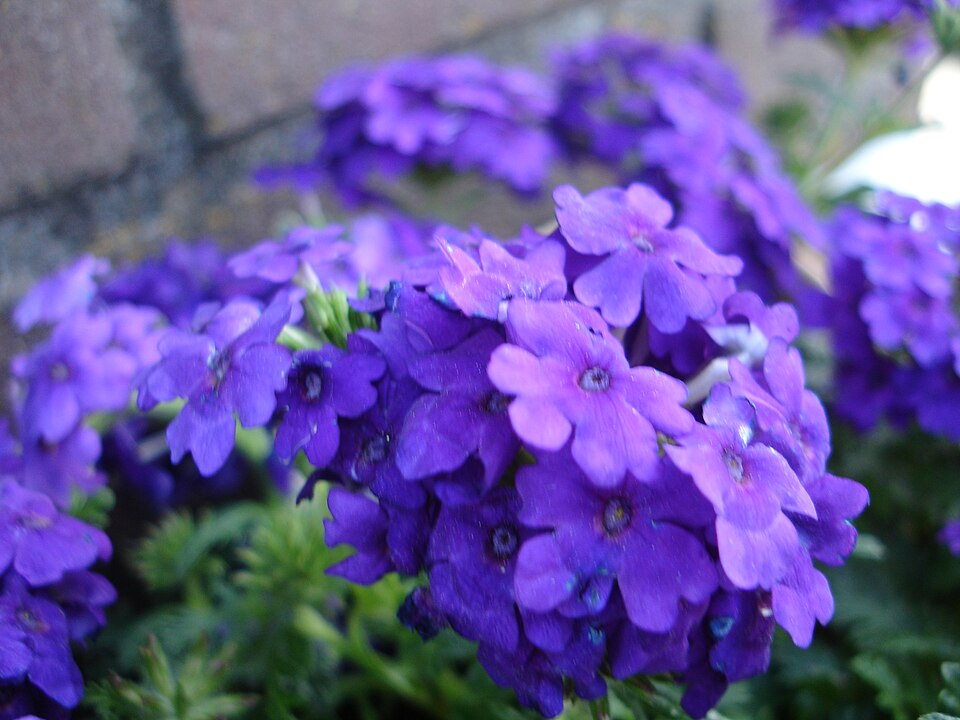
Verbena is a vibrant spring plant known for its long blooming period that extends well into fall. It produces small clusters of colorful flowers in shades of purple, pink, red, and white. Verbena thrives in full sun and well-drained soil, making it ideal for sunny garden spots. The plant’s spreading habit makes it a great choice for hanging baskets, containers, or ground covers.
Verbena’s long-lasting blooms attract bees, butterflies, and hummingbirds, bringing a lively energy to the garden. It is a low-maintenance plant once established, needing little more than regular watering and occasional deadheading to keep it looking its best.
Heliotrope
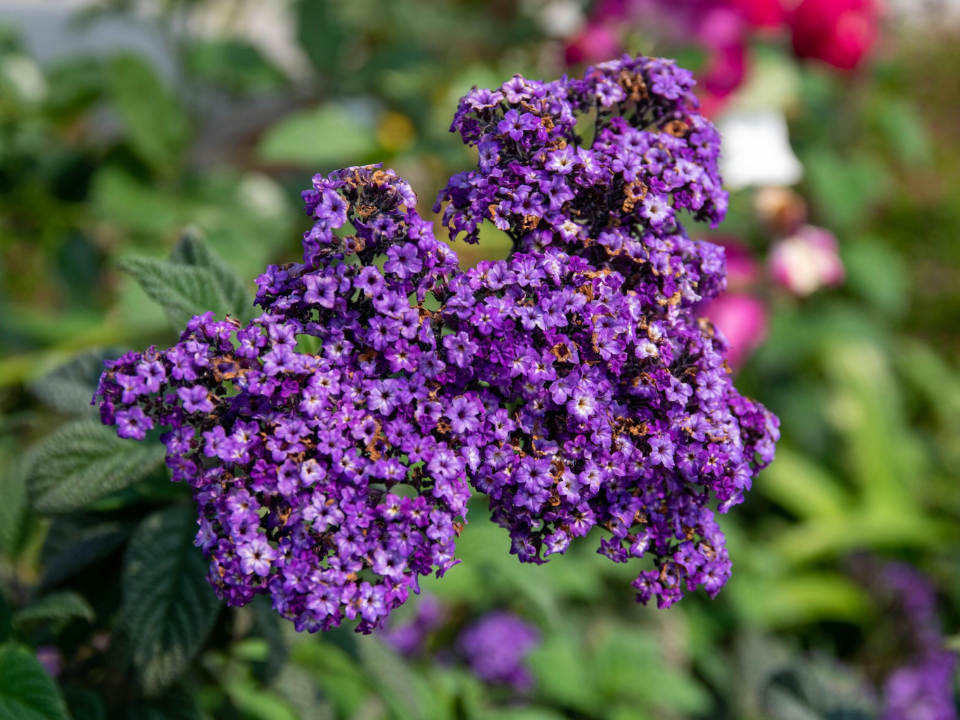
Heliotrope is a fragrant plant that produces clusters of small flowers in shades of purple, blue, pink, and white. This spring-blooming beauty lasts through the summer and into the fall, providing a long season of color. Heliotrope plants prefer full sun to partial shade and well-drained, rich soil.
Their sweet fragrance adds a delightful element to any garden, and the blooms are loved by pollinators. Heliotropes are particularly known for their ability to follow the sun, a fascinating characteristic that gives them their name. These plants grow well in containers, garden beds, or hanging baskets, making them a flexible choice for many gardeners.
Sweet Peas
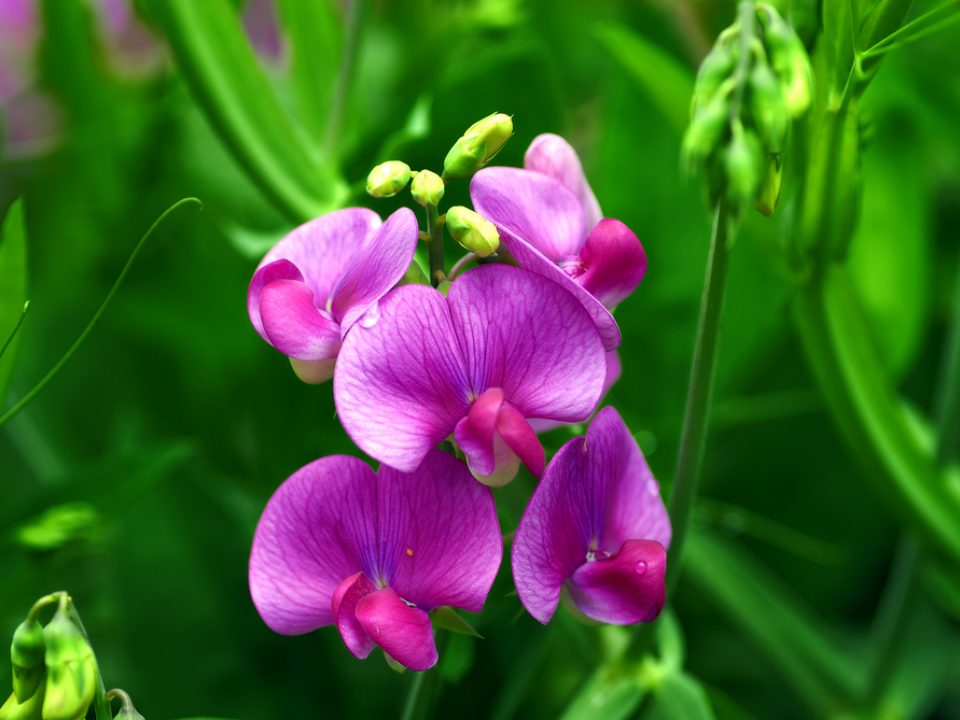
Sweet peas are charming spring flowers with a long bloom time, lasting from early spring into the summer. Their delicate, fragrant blossoms come in a range of colors, including soft pastels and vibrant hues. Sweet peas thrive in full sun and well-drained soil, growing best in cooler spring temperatures.
These climbing plants are perfect for trellises, fences, or garden arches, where they can spread and reach their full height. Their sweet fragrance and beautiful flowers attract pollinators like bees and butterflies. Sweet peas are also easy to grow from seed, making them a popular choice for gardeners looking for a long-lasting bloom with minimal effort.
Dianthus
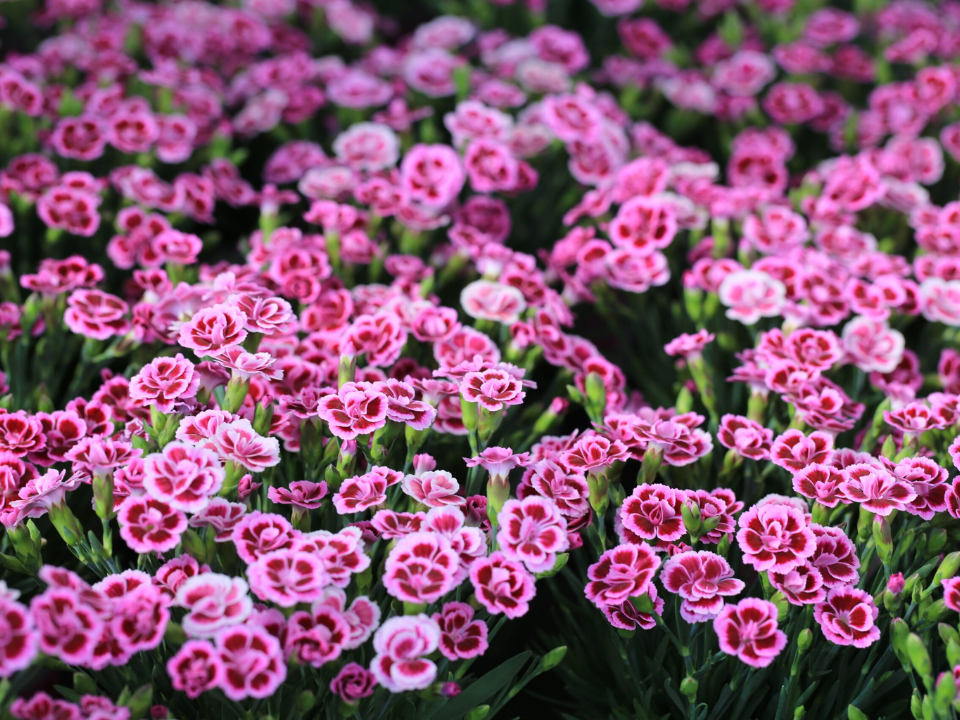
Dianthus, often known as carnations or pinks, offers long-lasting blooms that begin in early spring and continue into the summer months. Known for their ruffled petals and sweet fragrance, Dianthus flowers come in a variety of colors, including pink, red, and white. These plants thrive in full sun and well-drained soil, making them perfect for sunny spots in the garden.
They are also drought-tolerant once established, making them easy to maintain. Dianthus plants grow in clumps and can be used in garden beds, borders, or containers. Their long bloom time and lovely scent make them a favorite for adding color and fragrance to any space.
Salvia
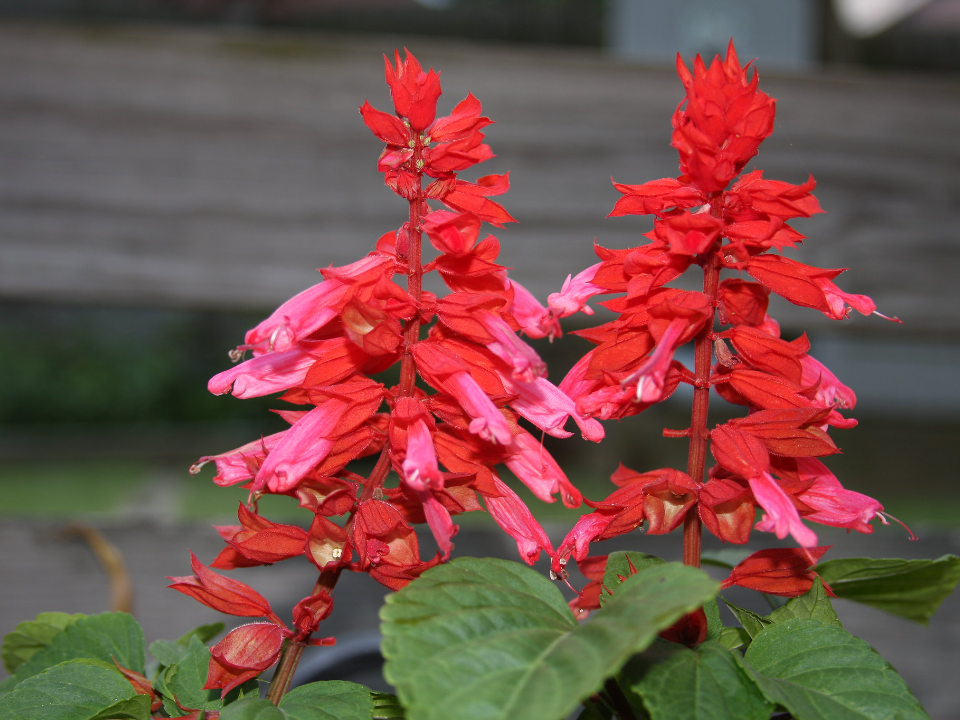
Salvia is a spring-to-summer plant that blooms with spikes of purple, blue, or red flowers, depending on the variety. Known for its vibrant color and heat tolerance, Salvia is perfect for sunny spots with well-drained soil. These plants grow easily in garden beds, containers, and even as a backdrop for flower borders.
Salvia’s long-lasting blooms provide continuous color throughout the growing season, and the plants attract pollinators like bees, butterflies, and hummingbirds. Their aromatic leaves add another layer of appeal, and many varieties are also deer-resistant. Salvia is a hardy plant that can withstand dry conditions once established.
Foxglove
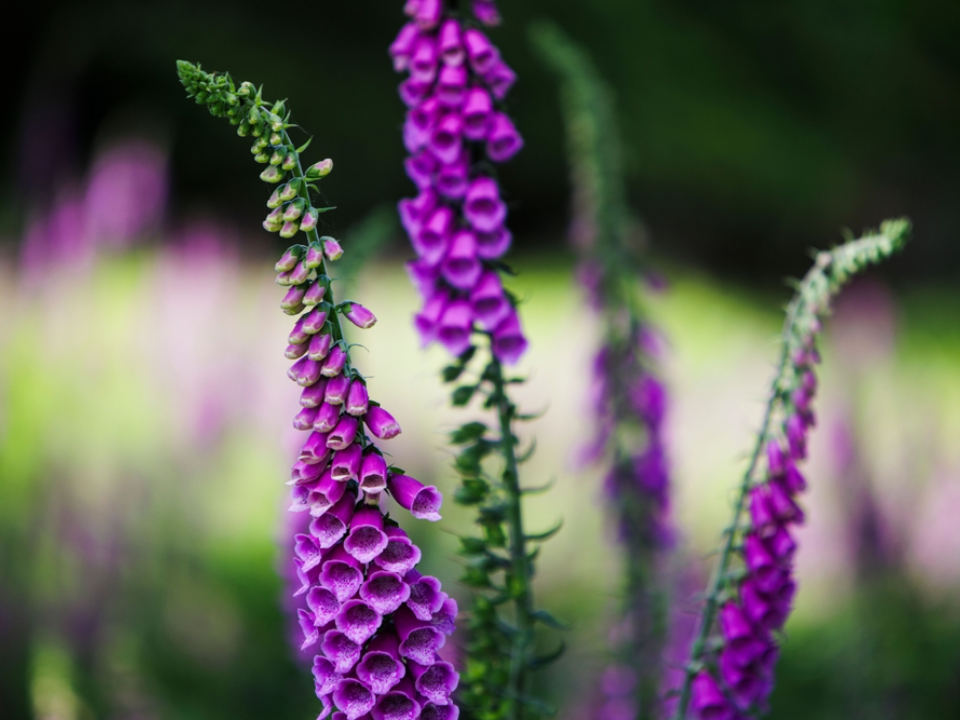
Foxglove is a spring perennial that produces tall spikes of tubular flowers, often in shades of purple, pink, and white. These elegant plants bloom from early spring through to the summer, making them an ideal choice for a long-lasting display. Foxglove plants prefer partial to full shade and well-drained, moist soil.
Their tall spires provide vertical interest to the garden, and they make beautiful additions to shaded woodland gardens. In addition to their beauty, foxglove flowers attract hummingbirds and bees, making them valuable to pollinators. While the plants are toxic if ingested, they remain a popular choice for ornamental gardens.
This article originally appeared on Avocadu.