
14 Spring Plants with Blue and Purple Blooms
There is something special about blue and purple flowers in spring. They bring a cool, gentle kind of color that feels calm after the dull shades of winter. Whether they grow close to the ground or rise above fresh green leaves, these blooms can make a yard feel softer and more alive. Some have a sweet cottage garden look, while others feel a little wild and woodsy. They pair beautifully with white flowers, pink blooms, and rich green foliage, which makes them easy to enjoy in almost any garden setting.
This post may contain affiliate links, which helps keep this content free. Please read our disclosure for more info.
Hyacinth (Hyacinthus orientalis)
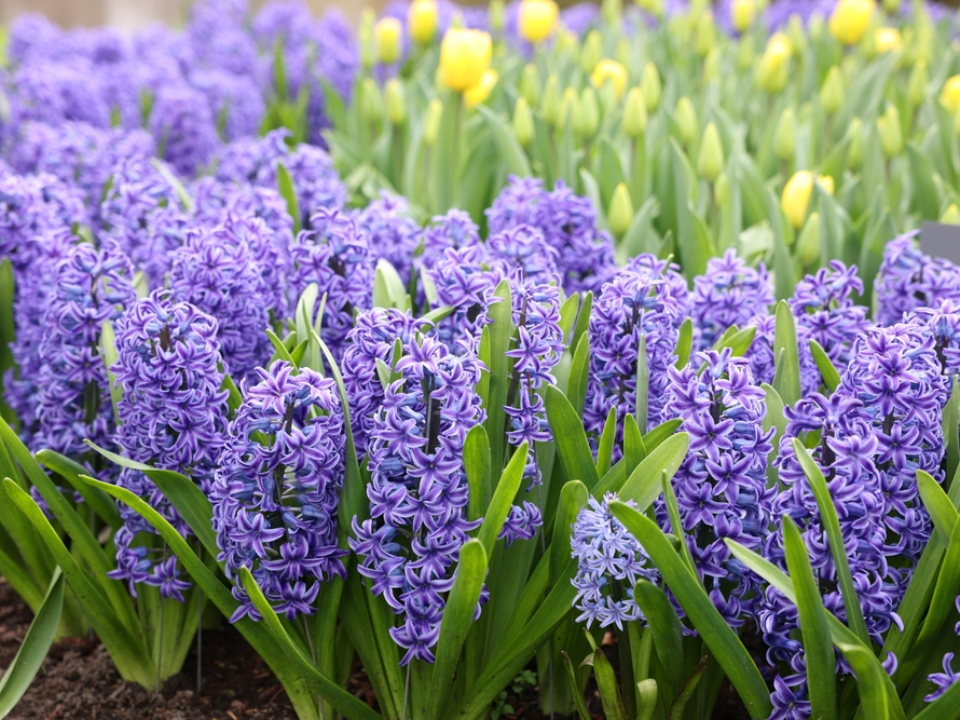
Hyacinths are a classic spring flower known for their vibrant blue and purple blooms. They are often seen in gardens, providing rich colors and a delightful fragrance. These flowers thrive in well-drained soil and full sun, which helps to produce their stunning blooms. Hyacinths are perennial bulbs that can be planted in the fall, and they will bloom in early spring.
The flower clusters range from deep purple to pale lavender shades, offering a striking contrast in any garden setting. Once established, they require minimal care and can return year after year. They are excellent choices for both container planting and garden beds, making them versatile additions to any landscape.
Bluebell (Hyacinthoides non-scripta)
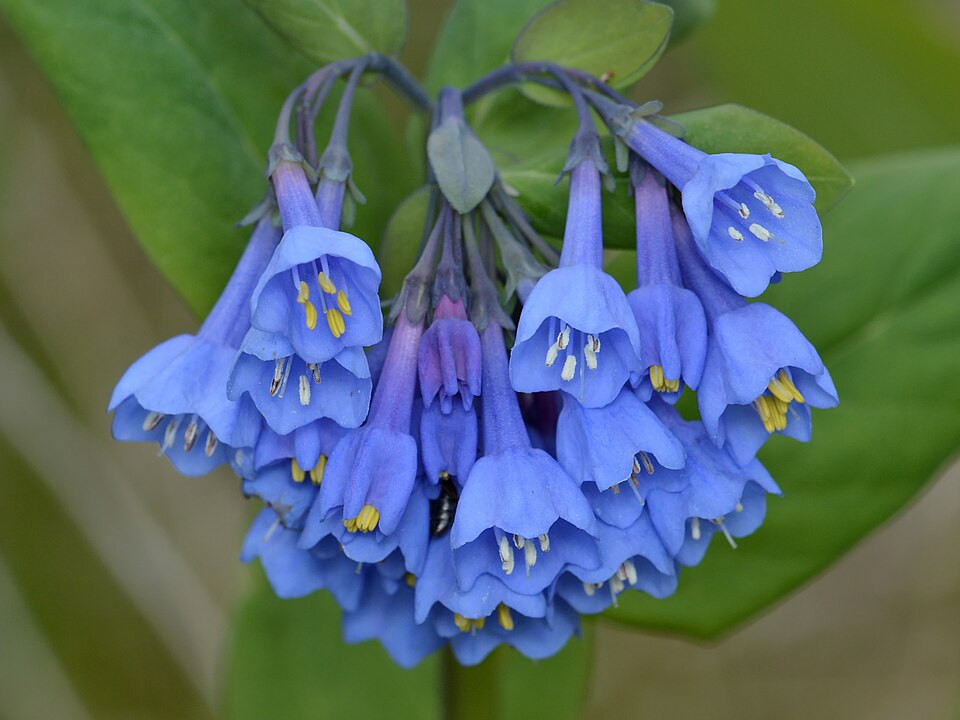
Bluebells are one of the most iconic spring flowers, especially known for their rich, bell-shaped flowers in varying shades of blue and purple. They tend to grow in clusters, creating a soft, enchanting carpet of color in woodlands or shaded garden areas. Their sweet scent makes them a favorite for gardens, drawing pollinators such as bees and butterflies.
Bluebells prefer well-drained soil and partial shade, thriving under trees or in areas where sunlight is filtered through the canopy. These perennial plants are perfect for creating a naturalized look in garden spaces and can spread quickly, forming dense patches over time. Their striking blue to purple hues and delicate petals make them a must-have in spring gardens.
Crocus (Crocus sativus)
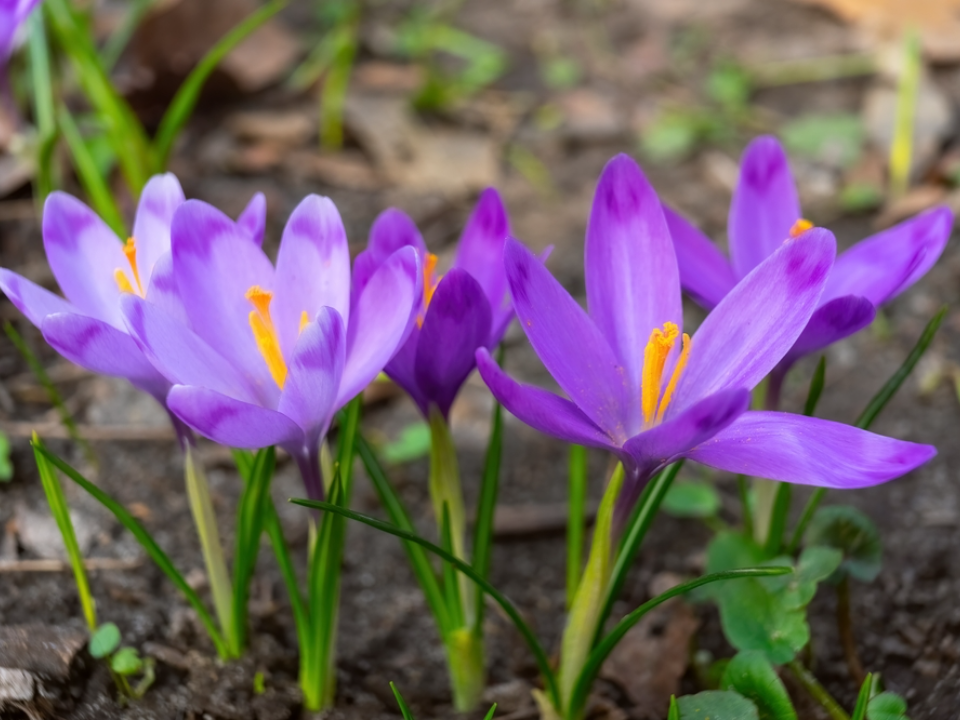
Crocus flowers are one of the first signs of spring, often poking through the soil in early March. These small yet colorful flowers come in various shades, including purple, lavender, and violet. They prefer full sun or partial shade and thrive in well-drained, slightly acidic soil.
Crocuses are known for their delicate, cup-shaped blooms, which are often accompanied by green foliage. They grow from corms and multiply easily, making them a favorite for adding quick, colorful patches to lawns or garden borders. With their early bloom time and vibrant blue and purple colors, they bring cheer to the garden after the long winter months.
Siberian Bugloss (Brunnera macrophylla)
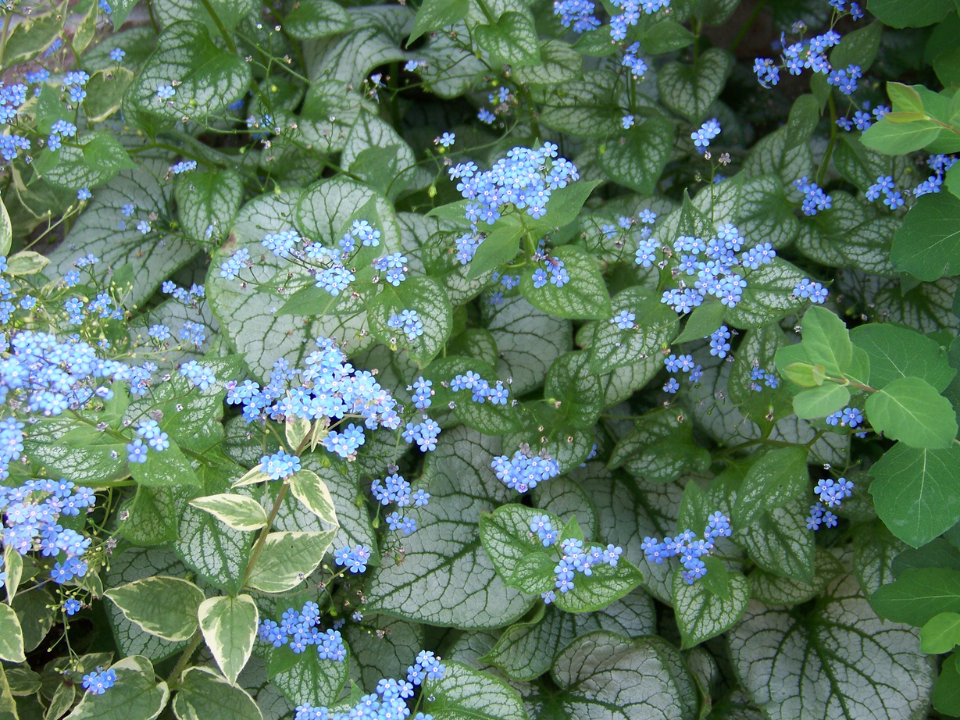
Siberian Bugloss is a perennial plant that is highly valued for its bright blue flowers and striking heart-shaped leaves. The flowers are typically a soft, sky blue, creating a contrast against the bold, deep green foliage. These plants are ideal for shaded areas, thriving in moist, well-drained soil.
They can be planted as a groundcover or in containers, where their heart-shaped leaves create a lovely backdrop to the blue blooms. This plant’s foliage remains attractive even after the flowers fade, offering year-round visual interest. Siberian Bugloss is an excellent choice for woodland gardens or shaded borders.
Dutch Iris (Iris x hollandica)
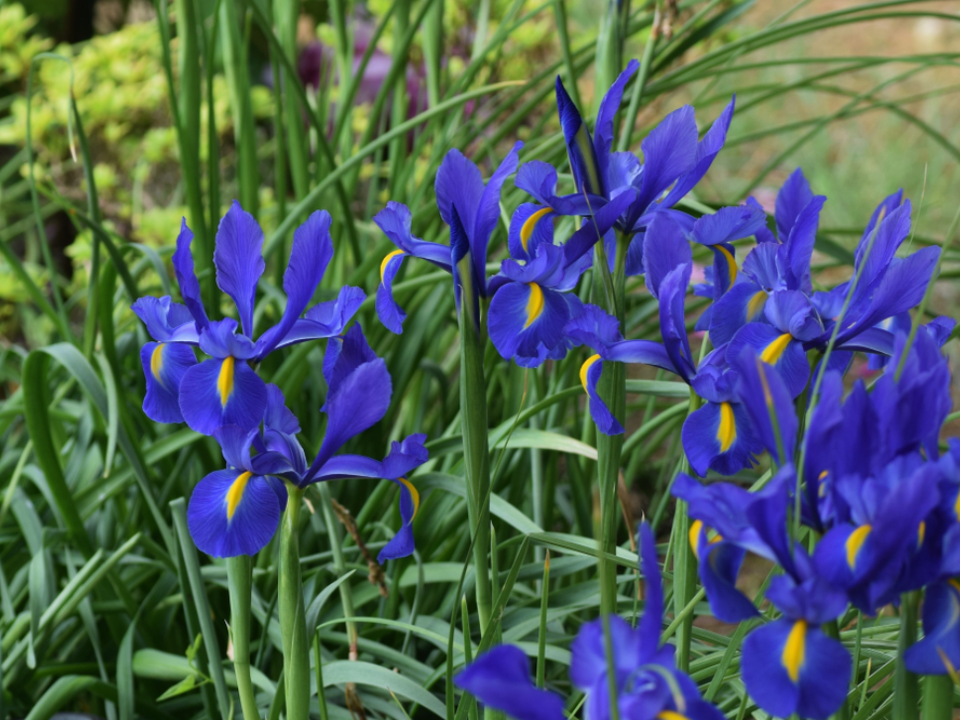
Dutch irises are known for their tall, elegant blooms that come in rich shades of purple, blue, and violet. These flowers are often used to add a touch of sophistication to spring gardens, standing tall and proud in flower beds. Dutch irises thrive in well-drained soil and full sunlight, making them ideal for sunny spots in gardens or landscapes.
The flowers have a distinct shape, with three upright petals and three drooping sepals, giving them a regal appearance. They bloom in mid-to-late spring, often reaching their peak in May. Their bold purple and blue hues are sure to add a burst of color to any garden.
Lavender (Lavandula angustifolia)
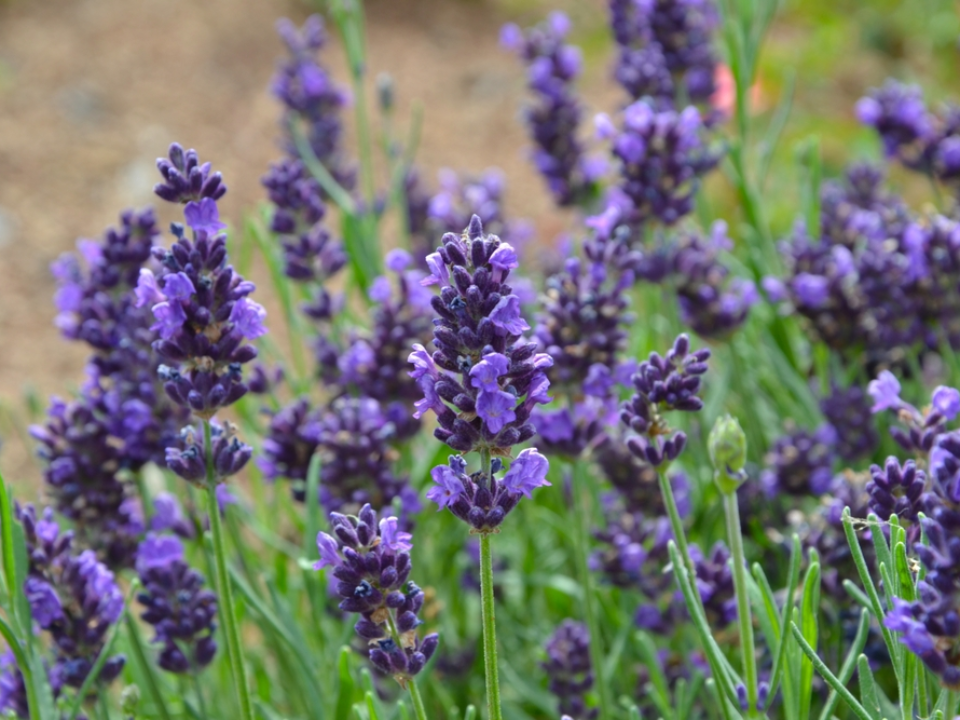
Lavender is a beloved perennial known for its calming scent and beautiful purple flowers. It thrives in full sun and well-drained, sandy soil. Lavender plants are drought-tolerant once established, making them an excellent choice for low-maintenance gardens. The flowers grow in tall, spiky clusters that are a soft purple or blue hue, offering both color and fragrance.
Lavender is often used in herb gardens, but it also works well in border planting or in containers. Its aromatic flowers are perfect for attracting pollinators such as bees and butterflies, while the dried flowers are commonly used for crafting or in sachets.
Wisteria (Wisteria sinensis)
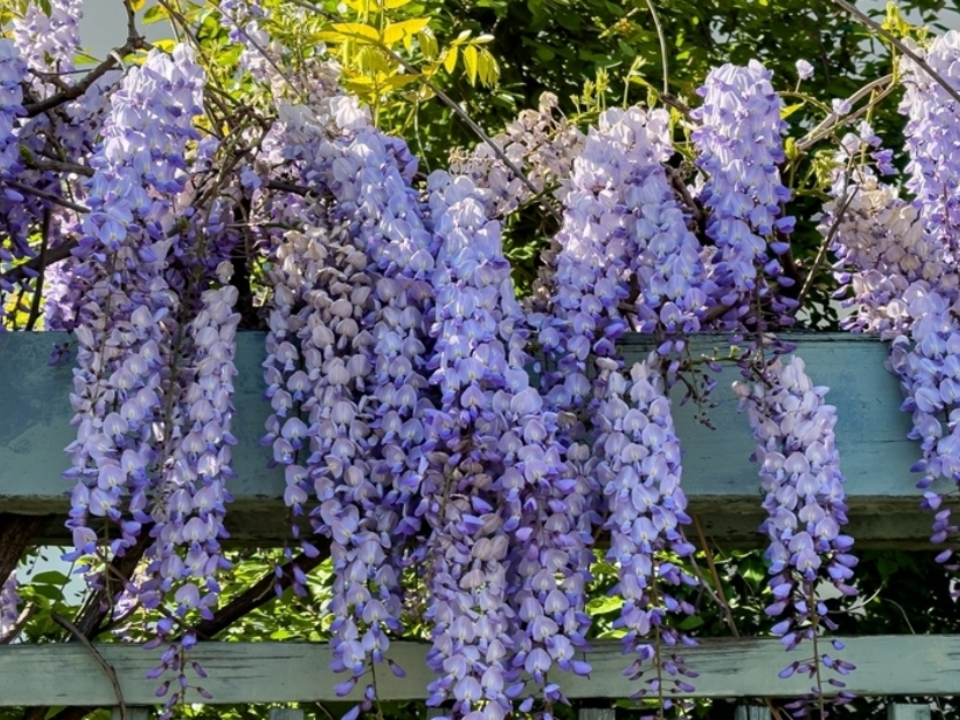
Wisteria vines are known for their cascading clusters of purple or blue flowers, making them one of the most stunning additions to any garden. These vines can grow quite large, often reaching heights of 25 feet or more, and they bloom in late spring to early summer.
Wisteria thrives in full sun and well-drained soil and prefers a sheltered spot where it can spread and climb. Their long, pendulous flower clusters hang like strings of beads, with a lovely fragrance that fills the air. Wisteria is a popular choice for arbors, trellises, and fences, providing both beauty and shade. Their bold blooms are a sight to behold when in full bloom.
Clematis (Clematis spp.)
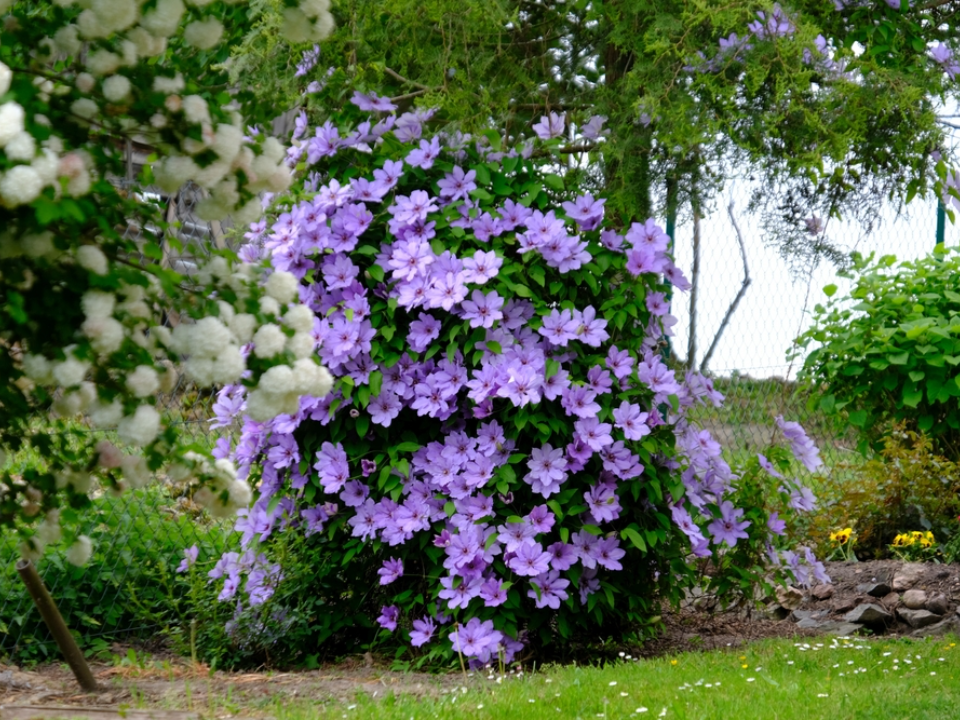
Clematis is a versatile climbing plant that comes in a wide variety of colors, with many varieties featuring stunning blue and purple blooms. These flowers are perfect for adding vertical interest to the garden, as they can be trained to climb trellises, fences, or arbors.
Clematis thrives in well-drained, moist soil and enjoys full sun to partial shade. The flowers are large, with petals that can range from soft lavender to deep violet, offering a stunning contrast against the plant’s dark green foliage. This plant blooms in mid-to-late spring, and with its climbing habit, it can quickly cover structures or walls, making it an ideal choice for vertical gardens.
Forget-Me-Not (Myosotis spp.)
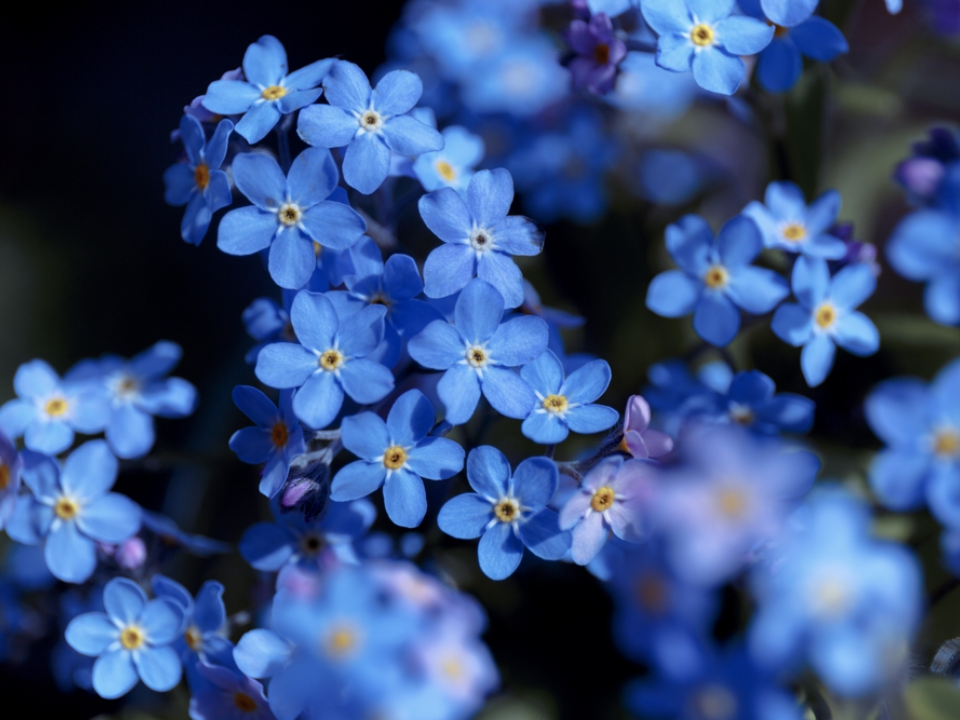
Forget-me-nots are delicate flowers that are known for their small blue and purple blooms. These flowers are often used as ground covers or to fill in gaps in shaded areas of the garden. Forget-me-nots prefer moist, well-drained soil and thrive in partial to full shade.
The flowers are typically five-petaled and have a bright blue or purple hue, with a yellow center that adds a pop of color. They bloom in early spring, providing one of the first color bursts in the garden after winter. These plants are perfect for creating a soft, natural look in garden beds, along walkways, or under trees.
Lungwort
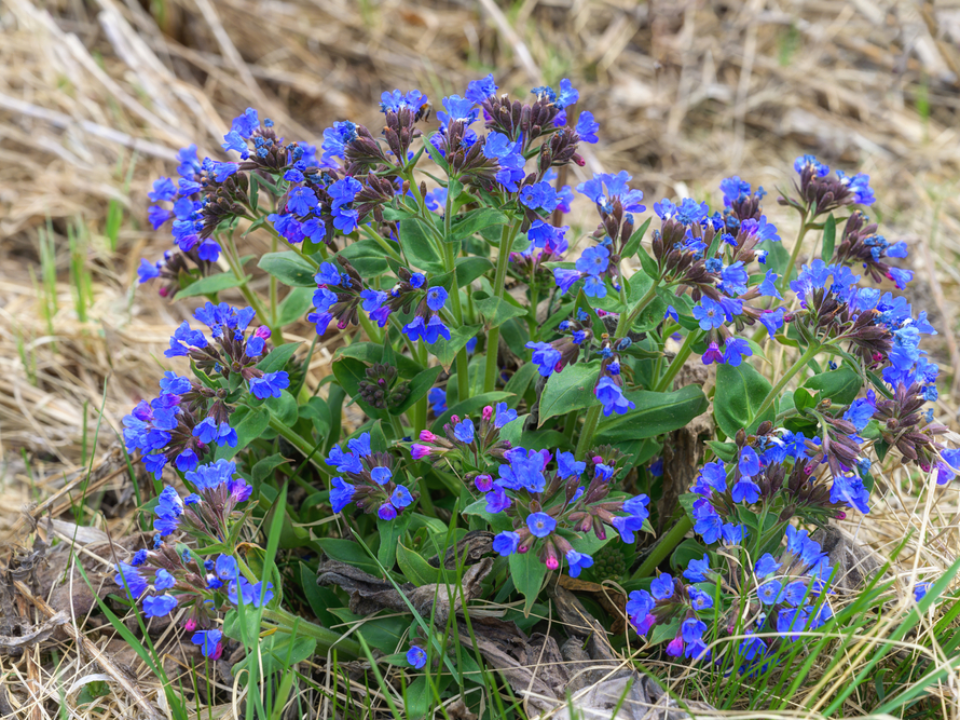
Lungwort is a spring favorite that brings blue, violet, and sometimes purple toned flowers to shady parts of the yard. One interesting thing about it is that the blooms can open pink and then shift into cooler shades as they age, which gives the plant extra visual interest. Its leaves are just as useful in the garden because they often have silver speckles or frosted patterns that stand out long after flowering ends.
Lungwort does best in moist soil with good drainage, and it is especially happy in woodland style planting areas. It blooms early in spring, often when the rest of the garden is still waking up from winter. The flowers are small, but they show up in clusters that make the plant easy to notice. Pollinators enjoy it, especially early bees looking for food at the start of the season. For shady beds that need both flowers and attractive leaves, lungwort is a strong pick.
Woodland Phlox
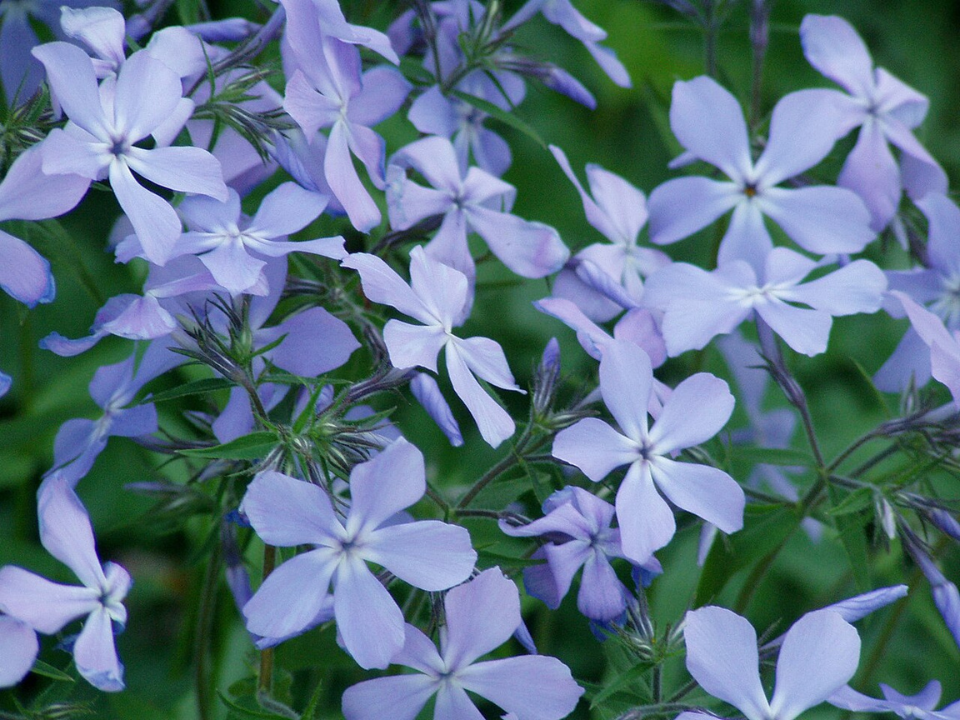
Woodland phlox is a gentle spring bloomer that brings clusters of blue, lavender, or purple flowers to partly shaded garden beds. The blooms have a simple star like shape and sit above the foliage in loose groups that look airy rather than stiff. This plant does well in rich soil that drains well and holds a little moisture, which makes it a nice fit for woodland style spaces. It usually flowers in mid spring and can brighten areas under trees or along shady paths.
Woodland phlox has a natural look that blends well with other spring bloomers without taking over the whole bed. Bees and butterflies often visit the flowers, especially on mild sunny days. The plant forms a tidy mound, so it works nicely in front of shrubs or mixed with other perennials. For anyone who likes soft spring color and a relaxed garden feel, woodland phlox is a lovely choice.
Grecian Windflower
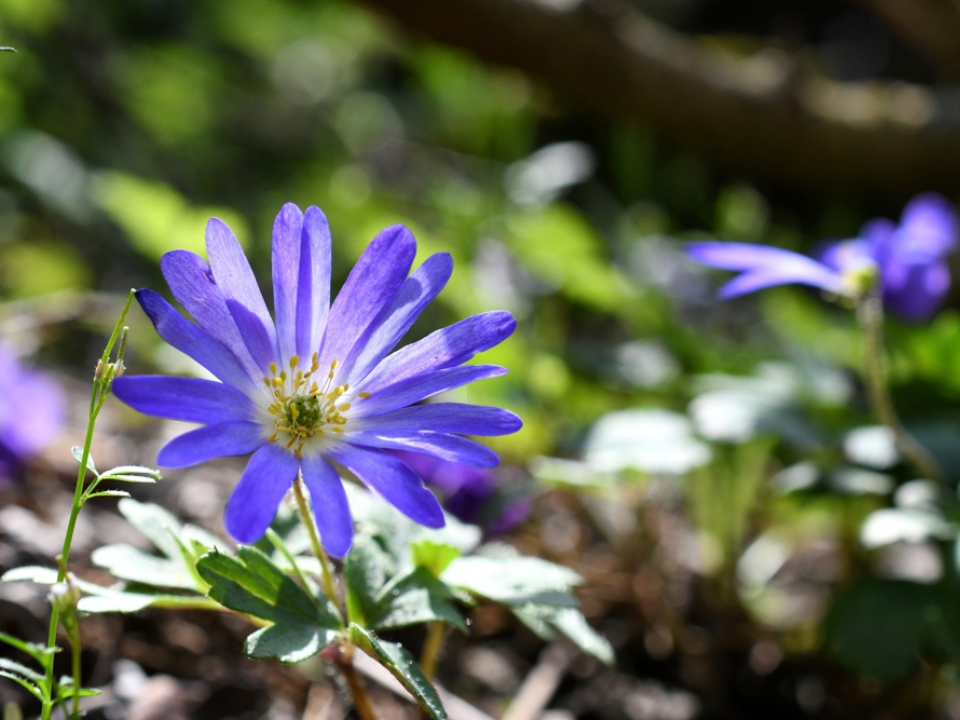
Grecian windflower is a small spring plant with daisy like blooms that come in shades of blue, violet, and purple. It grows from tubers and tends to bloom early, which makes it a cheerful sight after a long winter season. The flowers open wide on sunny days and can close a bit when the weather turns cool or cloudy. This plant enjoys full sun to part shade and does best in soil that does not stay wet for too long.
Grecian windflower works well in borders, under deciduous trees, and in natural style plantings where it can spread gently over time. The finely cut foliage gives it a light and delicate look even when it is not in bloom. Because the flowers sit above short stems, the plant does not feel heavy or crowded in small spaces. It is a good pick for gardeners who want early blue and purple color without needing a lot of room.
Pasqueflower
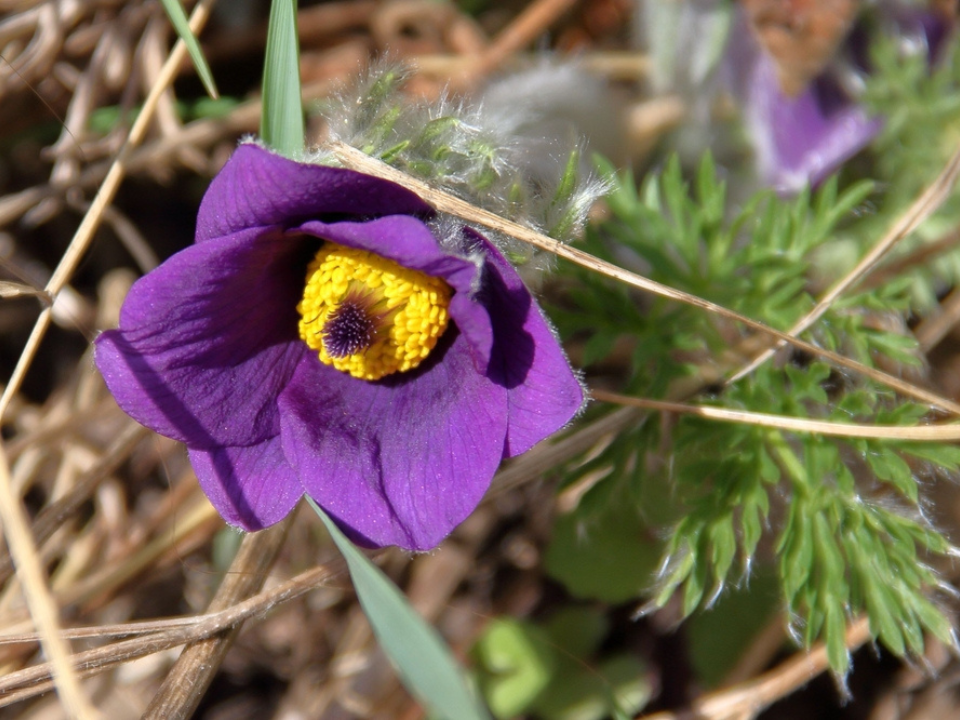
Pasqueflower is a charming spring perennial with silky buds and cup shaped blooms in shades of violet, purple, or blue purple. It blooms early in the season, often when the weather still has a cool edge, which makes it feel like one of the first signs of spring. The flowers sit above soft, fuzzy foliage that gives the whole plant a gentle texture. Pasqueflower likes full sun and soil with very good drainage, so it is a nice choice for rock gardens or dry spots that warm up quickly.
After the flowers fade, the seed heads remain attractive and add another layer of interest. The plant stays fairly compact, so it fits well in smaller garden spaces. Its blooms may not be huge, yet they draw attention because of their rich color and soft texture. If you want a spring plant that looks a little unusual and still feels classic, pasqueflower is worth planting.
Ajuga
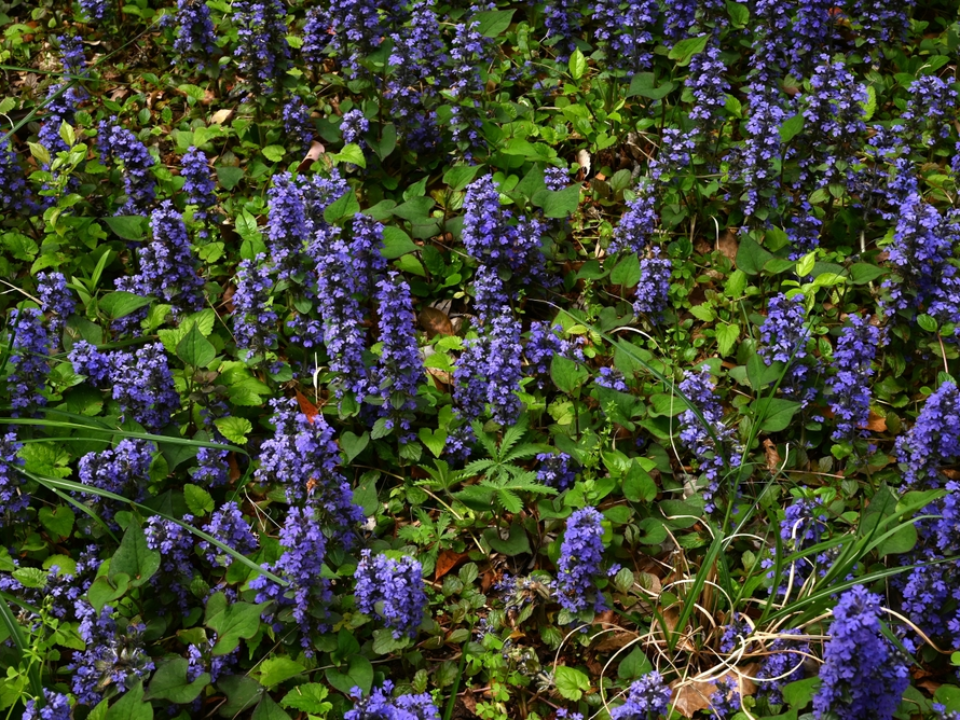
Ajuga, often called bugleweed, is a low growing perennial that brings spikes of blue or purple flowers above glossy leaves in spring. It is often used as a groundcover because it spreads into a dense mat that helps fill bare soil. The flower spikes rise above the foliage and can make a shaded or partly shaded area feel much livelier.
Ajuga grows best in soil with decent moisture, though it can handle a range of garden conditions once it gets settled. Some kinds have deep green leaves, while others have bronze or purple toned foliage that adds more color even before bloom time. Because it stays low, it works well along pathways, under shrubs, or around taller perennials. The flowers are useful for pollinators and show up during a season when the garden is starting to build momentum. If you need a plant with spring color and ground hugging growth, ajuga can do that job very well.
This article originally appeared on Avocadu.