
16 Spring Plants That Look Great With Tulips and Daffodils
Tulips and daffodils shine on their own, but they become even more impressive when paired with complementary plants. Companion plants can introduce variety to your garden, offering different textures, colors, and heights. By pairing these spring favorites with the right plants, you can create a harmonious design that lasts longer into the season. The right companions also help maintain a healthy garden by offering support and protection to each other.
This post may contain affiliate links, which helps keep this content free. Please read our disclosure for more info.
Crocuses
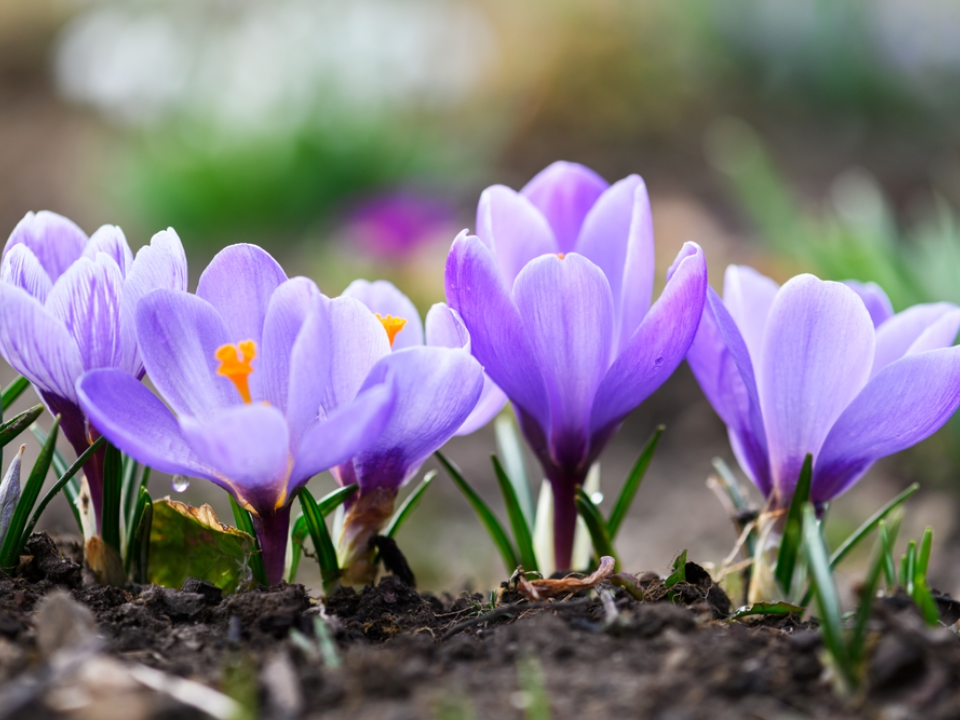
Crocuses are early bloomers that pair wonderfully with tulips and daffodils. Their vibrant purple, yellow, or white flowers add a burst of color that complements the bold hues of tulips and the sunny brightness of daffodils. These small yet stunning flowers thrive in well-drained soil and can tolerate both sun and partial shade. Plant them in clusters for a more dramatic effect, and ensure they are watered lightly to keep the soil moist but not soggy.
Crocuses are low-maintenance, making them perfect companions for tulips and daffodils. They do best when planted in the fall, giving them time to establish roots before spring. With their early bloom time, they create a lively and colorful garden backdrop that brings energy to your spring landscape. Once blooming, they require little care beyond occasional watering and a well-drained spot to prevent root rot.
Hyacinths
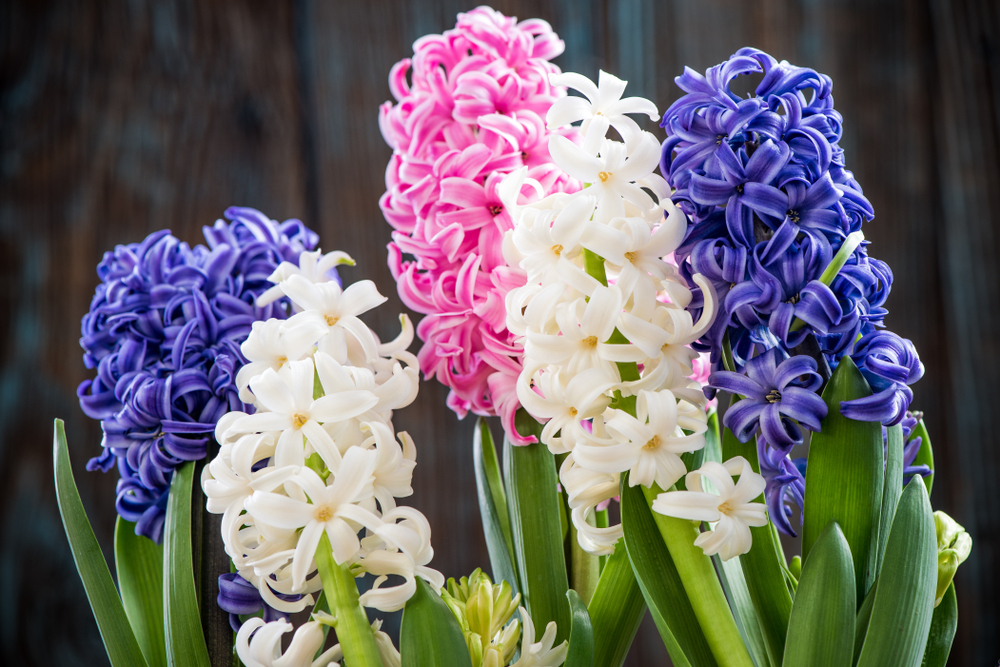
Hyacinths are a great choice to pair with tulips and daffodils due to their fragrant, dense flower clusters. Their colors, ranging from rich purples to soft pinks and whites, create a harmonious blend with the bright colors of tulips and daffodils. These flowers prefer a sunny spot with well-drained soil and should be watered regularly, though they do not like to sit in water. For optimal growth, ensure the bulbs are planted in the fall, about 4-6 inches deep.
Hyacinths add a touch of elegance and fragrance to any spring garden. With their stunning flower spikes, they complement the rounded shapes of tulips and daffodils perfectly. These plants need minimal care, aside from periodic watering and removing spent flowers. When planting, make sure to leave enough space between bulbs to allow for healthy growth.
Alliums
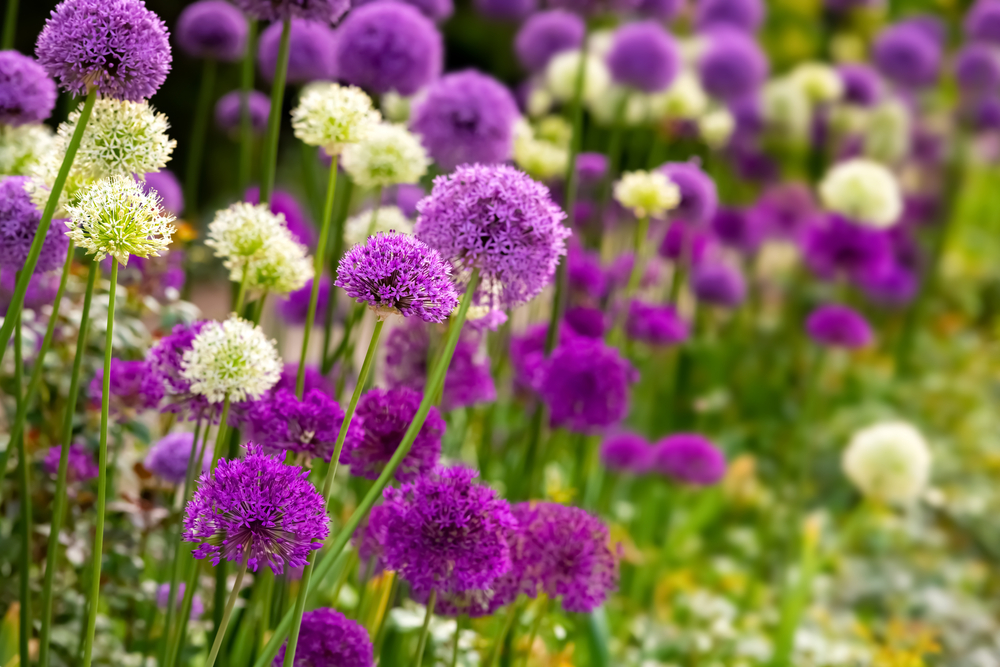
Alliums are striking spring bulbs with tall, globe-like clusters of flowers in shades of purple, white, and pink. They pair well with the bright colors of tulips and daffodils, offering a dramatic contrast with their unique shape and structure. Alliums thrive in full sun and prefer well-drained, slightly alkaline soil. Ensure they are planted in the fall, about 4-6 inches deep, for the best bloom in spring.
These plants are easy to care for and require very little attention once established. Their tall, graceful stems create height in the garden, making them an ideal backdrop for shorter tulips and daffodils. Alliums are drought-tolerant and can withstand dry conditions, making them a hardy and beautiful companion plant. Regular watering during the growing season will help keep them healthy.
Pansies
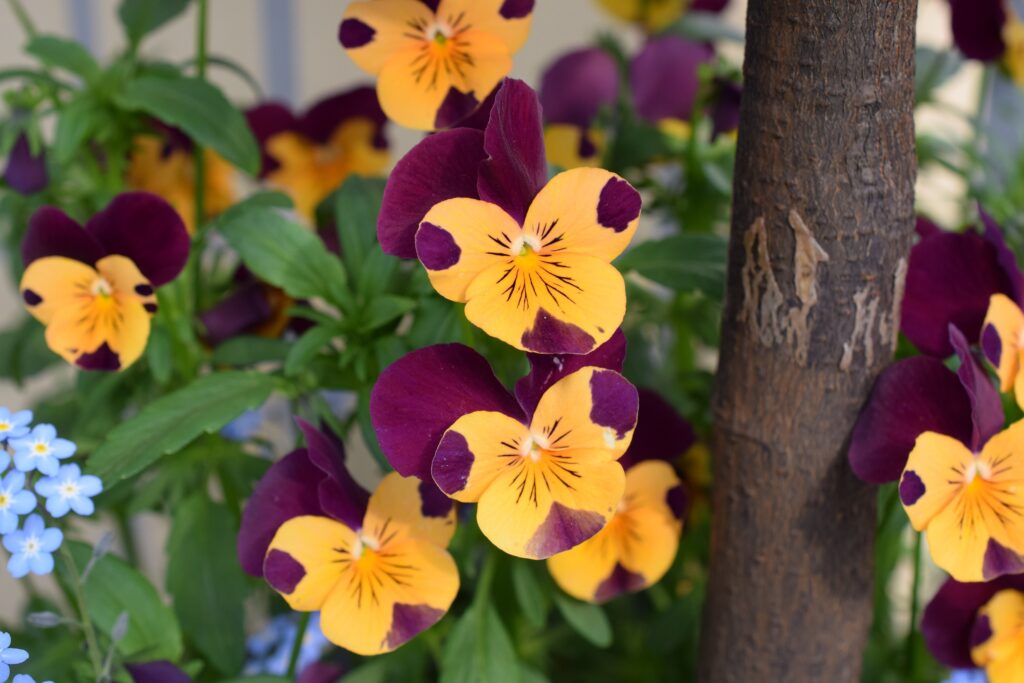
Pansies are cheerful, colorful flowers that bring a splash of color to your spring garden. Their wide variety of colors, including purple, yellow, and blue, pairs perfectly with the more classic tulips and daffodils. Pansies thrive in full sun to partial shade and should be planted in well-drained, moist soil. These flowers are easy to care for and should be watered regularly, especially in dry spells.
As a cool-weather plant, pansies are perfect for early spring planting, blooming as soon as the weather warms up. They complement tulips and daffodils with their soft, ruffled petals and bright colors. Make sure to deadhead spent blooms to encourage continued flowering and keep your garden looking fresh. Pansies also benefit from occasional fertilizing to maintain vibrant color.
Muscari (Grape Hyacinth)
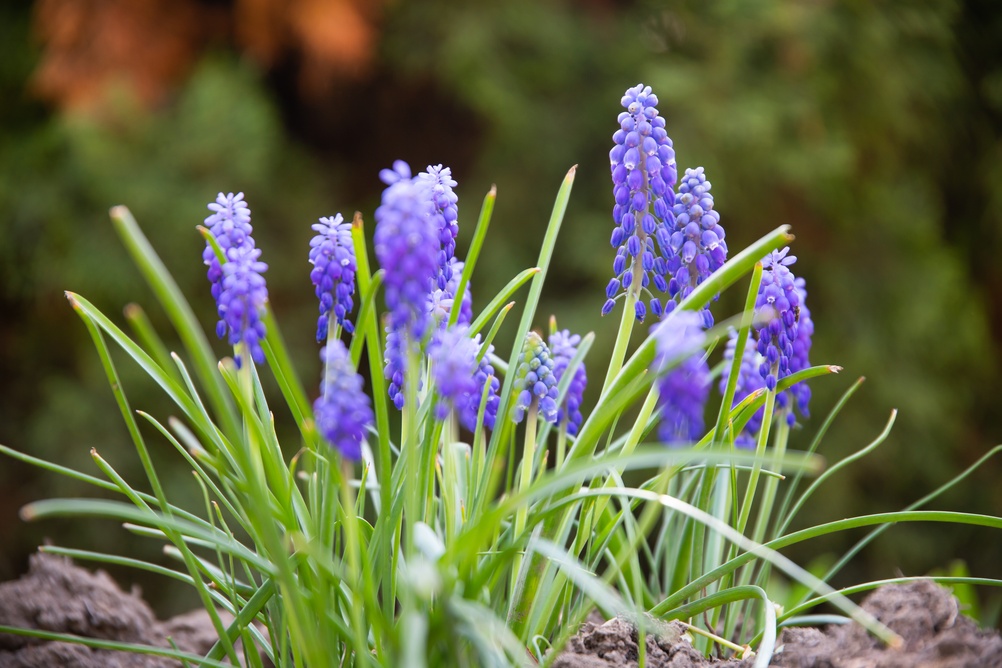
Muscari is another early bloomer with a unique appearance, thanks to its dense clusters of small, bell-shaped flowers. These flowers, often blue or purple, look great when planted alongside tulips and daffodils, offering a striking contrast with their compact form. Muscari prefers full sun to partial shade and well-drained soil, and it thrives with regular, light watering. Plant these bulbs in the fall for the best results come spring.
These plants are hardy and require very little maintenance. Muscari is perfect for filling in the gaps between larger flowers like tulips and daffodils. They are especially effective in rock gardens or borders, where their small size and delicate flowers can shine. Once blooming, they will continue to produce small, charming flowers without much care.
Primroses
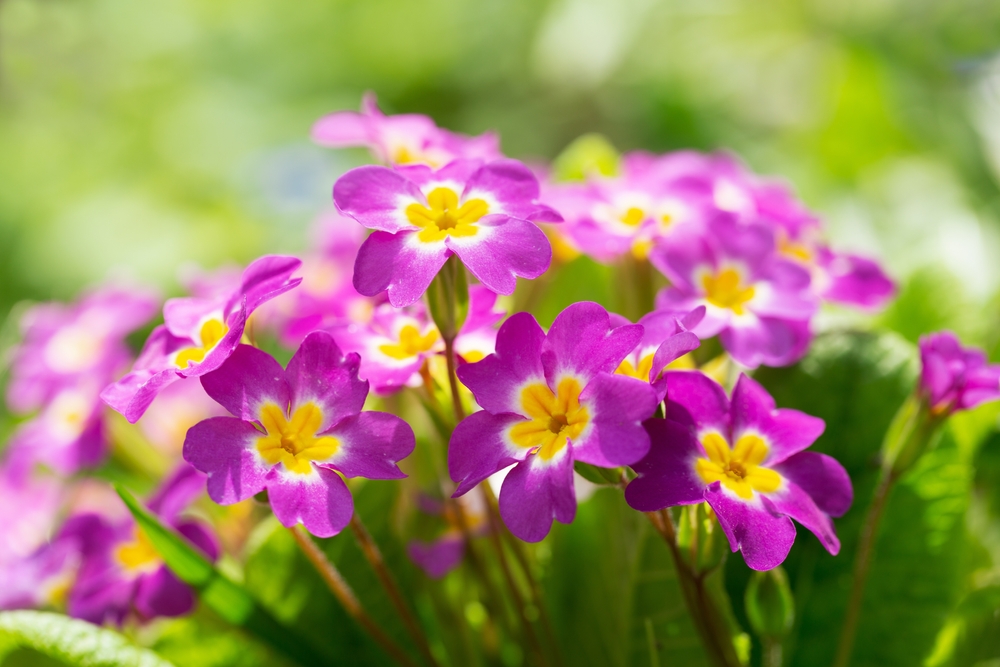
Primroses are vibrant, early-blooming flowers that bring a touch of softness to your garden. Their bright pink, yellow, or white blooms pair beautifully with the rich colors of tulips and daffodils. Primroses thrive in partial shade and moist, well-drained soil. They should be watered regularly but not overwatered to avoid root rot.
These perennial plants are easy to grow and will come back year after year with minimal maintenance. They add a burst of color in the spring and can be planted in borders or containers for added effect. Primroses benefit from light fertilization in the spring to encourage healthy growth and continuous blooms. Deadheading spent flowers will keep the plants looking tidy and promote more blooms.
Forget-Me-Nots
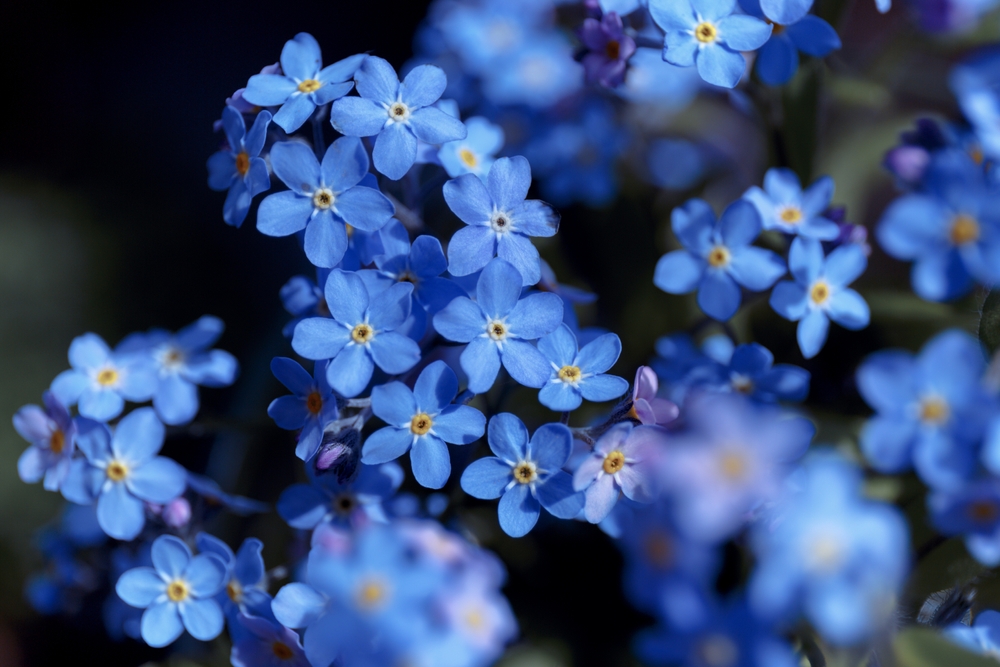
Forget-me-nots are charming, delicate flowers with clusters of small, blue blooms. They complement tulips and daffodils beautifully, adding a soft, pastel touch to the garden. These plants thrive in partial to full shade and prefer moist, well-drained soil. They should be watered regularly, especially during dry spells, to maintain their vibrant color.
Forget-me-nots are perfect for naturalizing, growing well in woodland gardens or alongside other spring bulbs. Once established, they require little care beyond occasional watering. These plants spread easily, forming a low-growing ground cover that adds a charming, cottage-garden feel to your landscape. They also benefit from periodic division to prevent overcrowding.
Bleeding Heart (Dicentra)
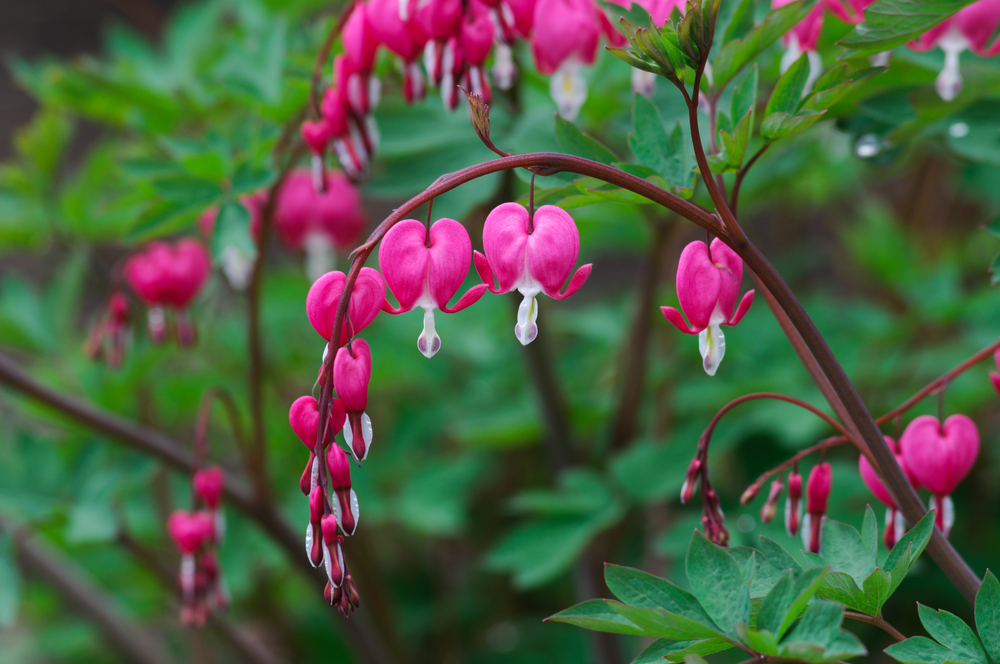
Bleeding hearts are known for their unique, heart-shaped flowers, which come in shades of pink and white. They create a soft contrast to the sharp, vibrant colors of tulips and daffodils, adding a romantic touch to your garden. Bleeding hearts prefer partial to full shade and thrive in rich, well-drained soil. They require regular watering, especially during dry periods, to keep their roots moist.
These plants are perfect for adding vertical interest to the garden with their graceful, arching stems. Once established, bleeding hearts require minimal care, making them a low-maintenance addition to your spring garden. In late spring, the flowers fade, leaving attractive foliage that persists throughout the season. Regular fertilization can help support healthy growth and abundant blooms.
Hellebores (Lenten Rose)
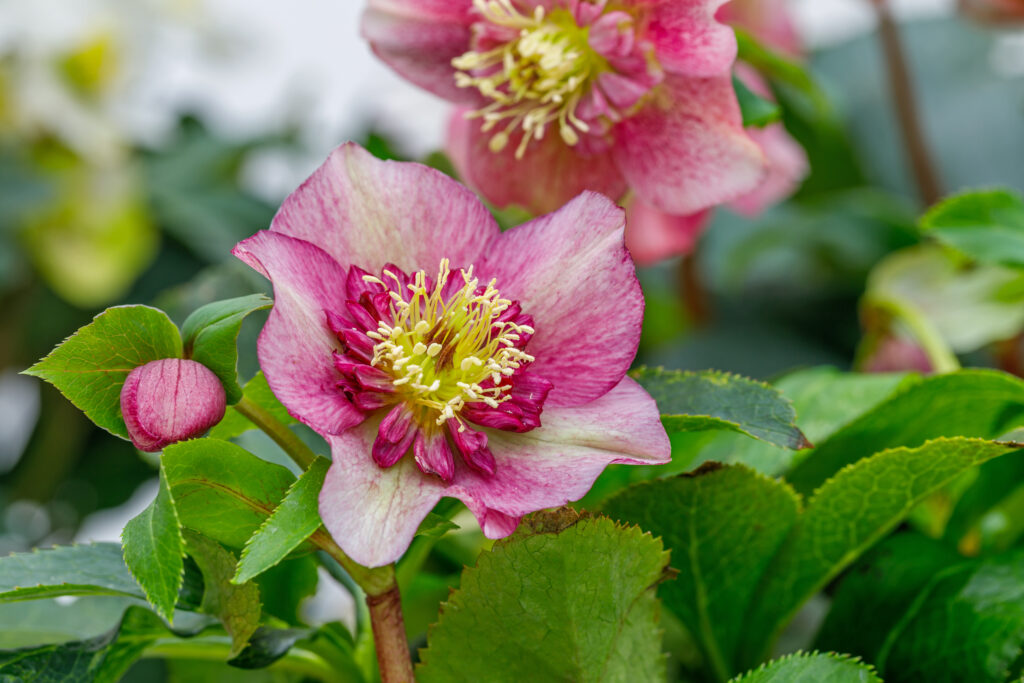
Hellebores are early bloomers with sturdy, waxy flowers that often come in shades of white, pink, and purple. Their unique flowers pair well with the delicate petals of tulips and daffodils, offering an unexpected contrast. Hellebores thrive in partial to full shade and prefer well-drained, fertile soil. They should be watered regularly but can tolerate dry conditions once established.
These plants are particularly valuable in shaded garden areas, where they bloom early and provide much-needed color before other plants take over. Hellebores are long-lasting, and their flowers often persist for several weeks. They require minimal care once planted, though adding organic mulch in the fall can help protect the roots through the winter. Regularly trimming spent flowers helps keep them looking neat.
Sweet Alyssum
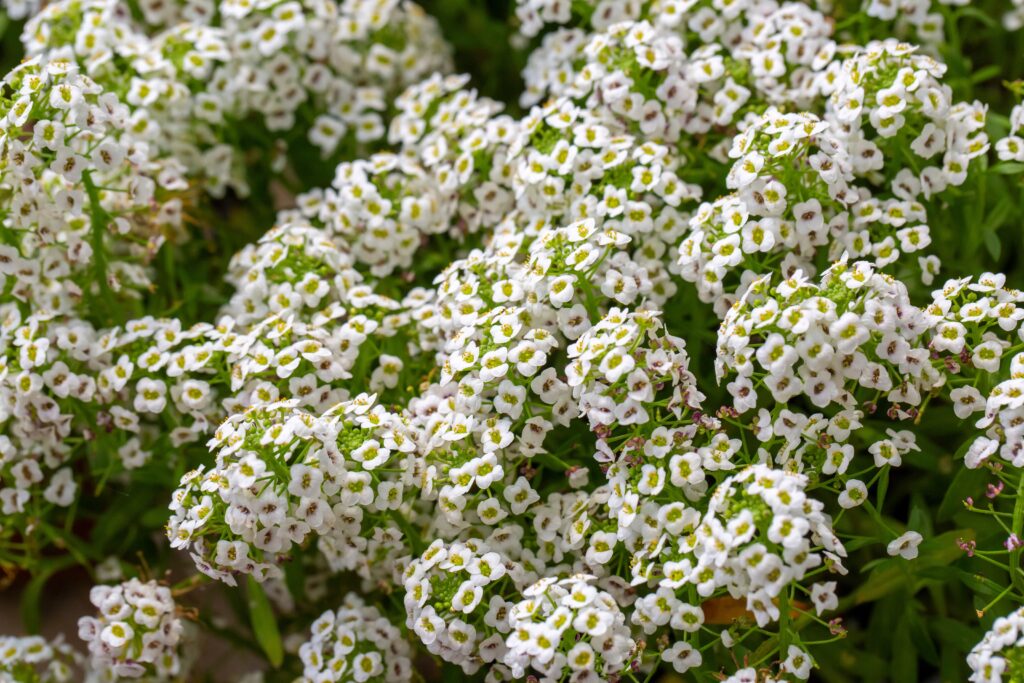
Sweet alyssum is a compact, fragrant plant that spreads easily, filling in spaces between tulips and daffodils. Its small white, pink, or lavender flowers create a soft contrast with the bold colors of tulips and daffodils. Alyssum prefers full sun and well-drained soil, and it benefits from regular watering during dry spells. It is ideal for containers or ground cover in sunny spots.
This low-growing plant works wonderfully as a border or between taller plants like tulips, adding both texture and fragrance. Sweet alyssum is fast-growing and hardy, requiring minimal maintenance once established. It thrives with light fertilizing and deadheading, helping it produce more blooms throughout the season. Plant it early in the spring for a fragrant, colorful garden.
Lungwort (Pulmonaria)
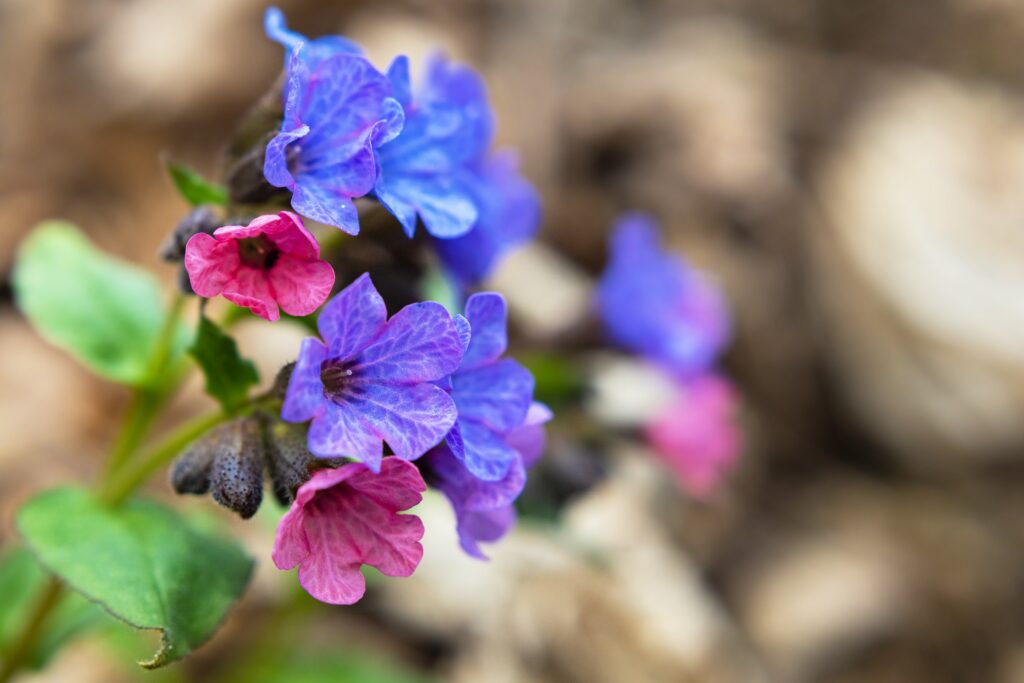
Lungwort is a shade-loving perennial that features lovely blue, pink, or purple flowers. It pairs wonderfully with tulips and daffodils, especially in shaded areas where the bold colors of tulips and daffodils can be softened. Lungwort prefers moist, well-drained soil and should be watered regularly to maintain its lush foliage. Its low-maintenance nature makes it a good companion plant for those with less time for garden upkeep.
Lungwort is also known for its attractive, spotted leaves, which add texture to the garden even when the flowers are not in bloom. It thrives in woodland settings or under taller plants, where it creates a peaceful, cottage-garden atmosphere. Once planted, lungwort requires little care beyond occasional watering. Regularly dividing the plants every few years helps keep them healthy and vibrant.
Anemones
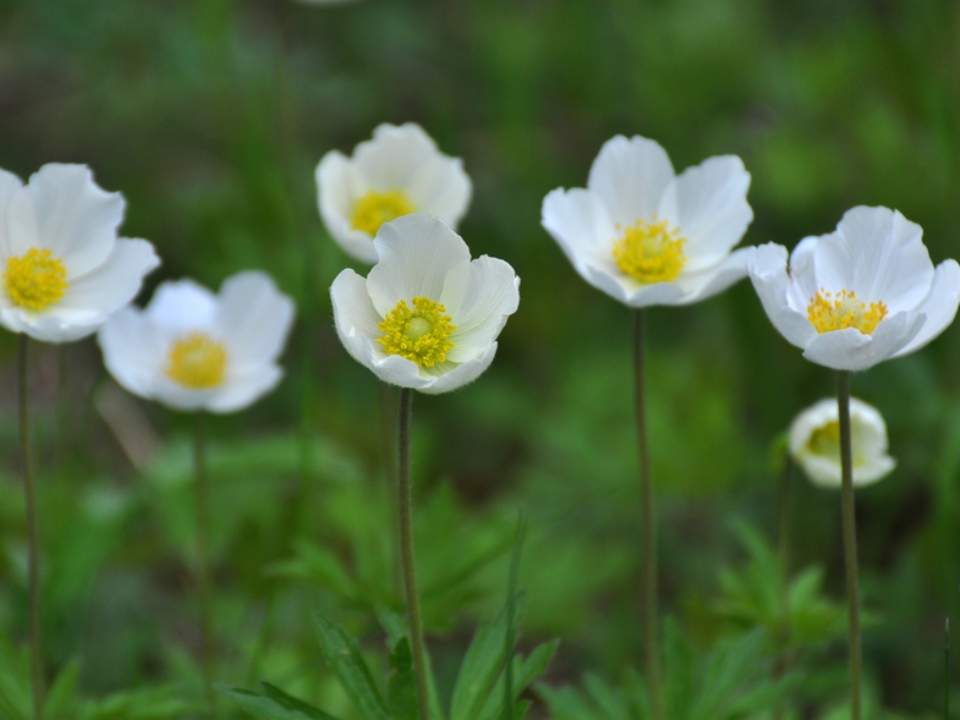
Anemones are beautiful, daisy-like flowers that come in a range of colors, including white, purple, and red. These flowers complement tulips and daffodils with their vibrant petals and delicate appearance. Anemones thrive in full sun to partial shade and prefer moist, well-drained soil. Water them regularly to maintain consistent moisture, especially during dry spells.
Anemones are perfect for creating a colorful border or filling gaps between larger bulbs. They grow well in containers and garden beds, providing long-lasting color throughout the spring. These plants are relatively easy to care for, requiring only periodic deadheading to encourage more blooms. They also benefit from occasional fertilizing to promote healthy growth and vibrant flowers.
Ranunculus
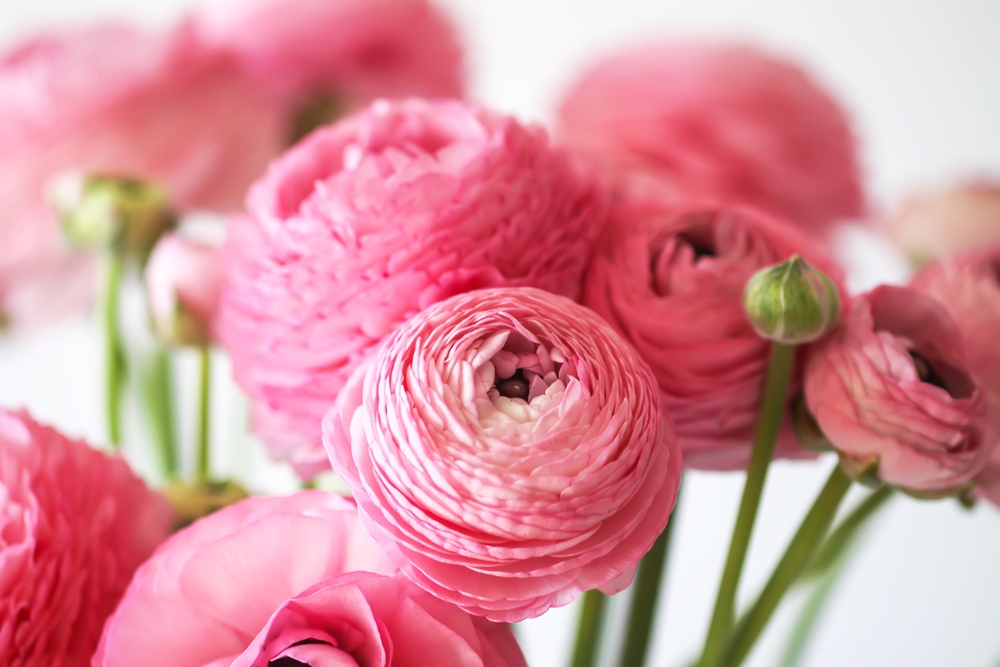
Ranunculus, with its vibrant, ruffled blooms, adds drama to any garden. Their striking flowers, available in shades of red, orange, yellow, and pink, pair beautifully with the simpler forms of tulips and daffodils. Ranunculus prefers well-drained soil in a sunny spot and requires regular watering to keep the soil moist. However, they do not like to be waterlogged, so ensure the area drains well.
These plants are excellent for creating a burst of color in spring gardens. They work well in borders or as focal points among other spring flowers. Ranunculus requires very little care once planted, making them a low-maintenance choice for gardeners. For best results, plant them in early spring and ensure they receive plenty of sunlight to promote strong growth.
Iris
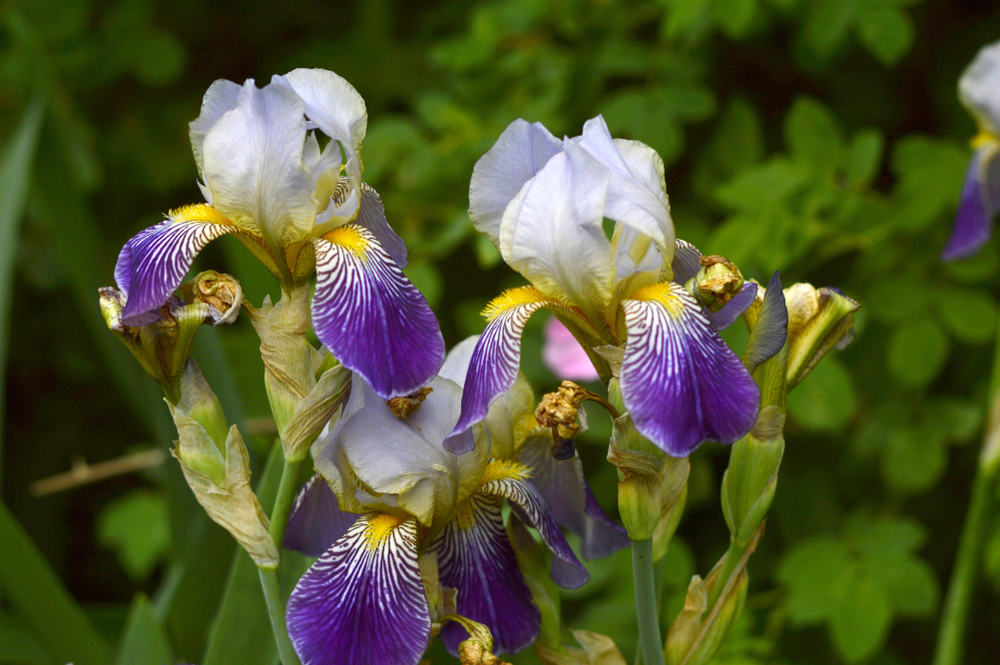
Iris flowers are another excellent companion for tulips and daffodils, with their striking, sword-like foliage and beautiful blooms. Available in shades of purple, yellow, and white, they provide a dramatic contrast to the softer petals of tulips and daffodils. Iris plants thrive in full sun and well-drained soil, making them perfect for bright, sunny spots. Water them regularly, but allow the soil to dry out slightly between waterings.
Iris flowers bloom in late spring, just as tulips and daffodils are fading, making them a great way to extend the color in your garden. These hardy plants are easy to care for and can thrive with minimal attention once established. Ensure they have plenty of space to grow, as they need room for their large flowers and foliage. Light fertilization in early spring will help boost their blooms.
Foxglove
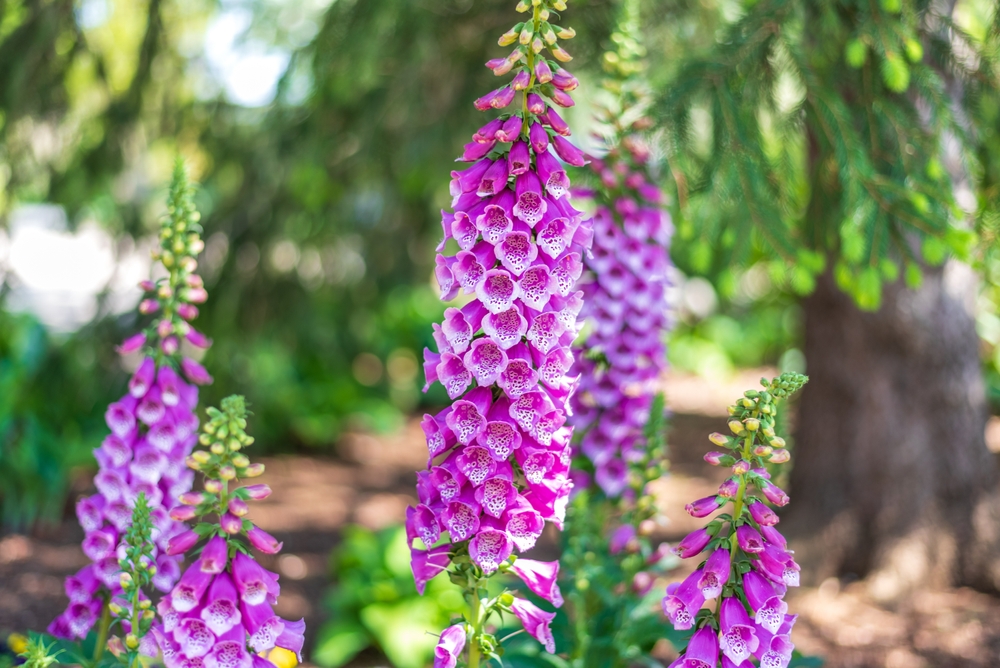
Foxglove is a tall, striking plant with bell-shaped flowers that range from white to purple. Its tall spikes of flowers create a dramatic backdrop for shorter flowers like tulips and daffodils. Foxgloves prefer well-drained, moist soil and thrive in partial to full sun. They should be watered regularly, but avoid overwatering to prevent root rot.
This plant adds height and structure to your garden, making it perfect for planting behind shorter spring flowers. Foxgloves are relatively low-maintenance once established, requiring only occasional watering and occasional pruning. Their flowers attract bees and other pollinators, making them a great addition to any wildlife-friendly garden. Plant them in the fall for a spectacular spring display.
Sweet William
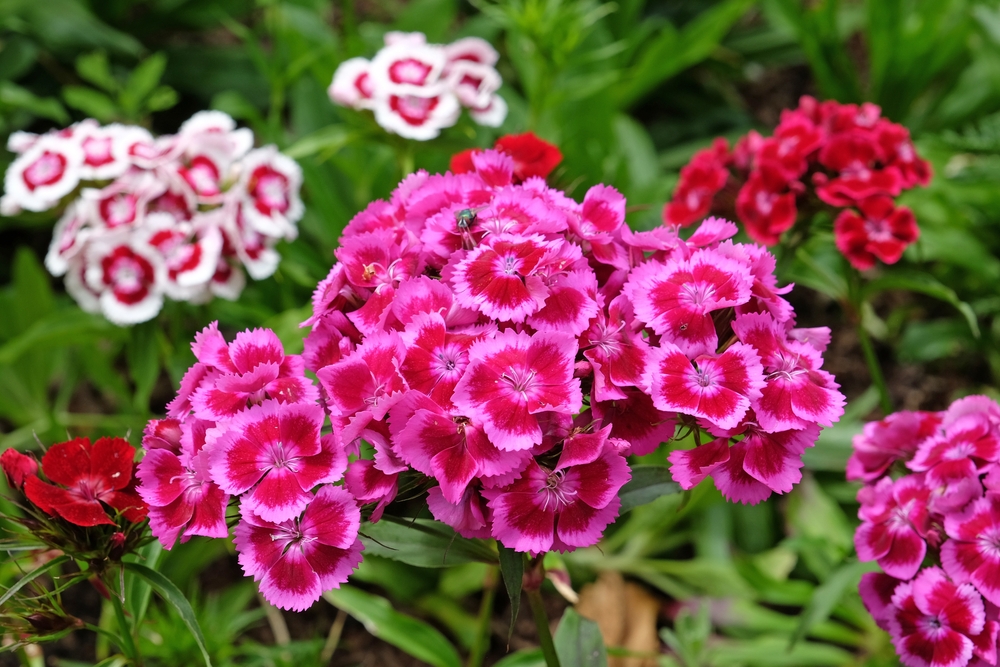
Sweet William is a charming flower that brings color and texture to your spring garden. With its clusters of small, fragrant flowers in shades of red, pink, and white, it complements the bright colors of tulips and daffodils. Sweet William prefers well-drained soil and full sun but can tolerate partial shade. Water regularly to keep the soil moist but not soggy.
This plant blooms in early to mid-spring, adding a layer of color as tulips and daffodils begin to fade. Sweet William is easy to care for and requires minimal maintenance, aside from occasional watering and deadheading. It works well as a border plant or in containers, and its sweet fragrance adds to its appeal. Regular fertilization encourages healthy growth and more abundant blooms.
This article originally appeared on Avocadu.