
18 Spring Plants That Can Handle Late Frost
Late frosts can be frustrating for gardeners, especially when it feels like spring is just around the corner. Not all plants are affected by these sudden drops in temperature. By selecting hardy spring plants, you can enjoy vibrant blooms and growth, even through unexpected frost. Read on to learn more about these frost-tolerant varieties.
This post may contain affiliate links, which helps keep this content free. Please read our disclosure for more info.
Daffodils
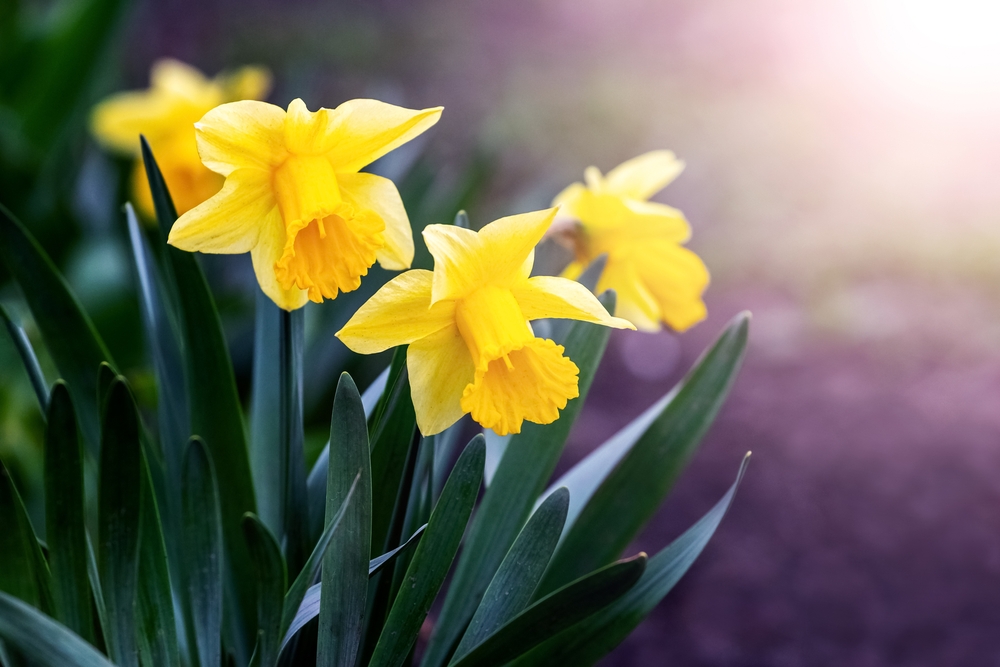
Daffodils stand out as one of the hardiest flowers in early spring. These vibrant yellow blooms are equipped with waxy petals that shield them from cold snaps and frosts. They thrive even when temperatures drop unexpectedly, making them a reliable choice for any garden. Daffodils grow best in well-drained soil and are excellent for adding a splash of color to your landscape.
These resilient flowers are known for blooming early, often breaking through the soil before most other plants. They require little maintenance, with their bulbs needing to be planted in the fall for springtime color. Once established, daffodils return year after year, continuing to brighten your garden with their cheerful blooms. They can also be planted in both sunny spots and areas with partial shade.
Pansies
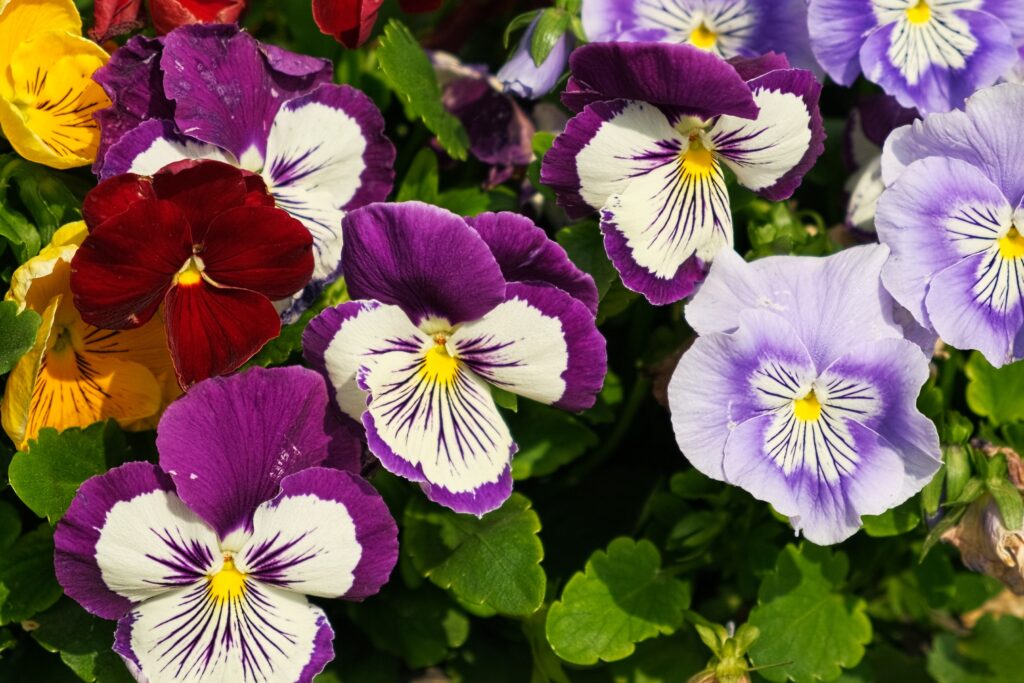
Pansies are incredibly versatile, able to withstand late frosts without losing their beauty. These cheerful flowers come in a range of colors, from deep purples to soft yellows, adding a pop of brightness to any garden. Their broad petals are well-suited for cool weather, making them a great choice for early spring planting. Pansies are best grown in containers, hanging baskets, or flower beds for a vibrant garden display.
These cool-weather annuals are known for their long-lasting blooms, often surviving frosty nights. They grow best in partial shade, though they can tolerate full sun in cooler climates. Pansies are simple to care for, needing only occasional watering and some deadheading to keep them looking their best. With their ability to withstand frost, they are an excellent option for adding early-season color to your outdoor space.
Primroses
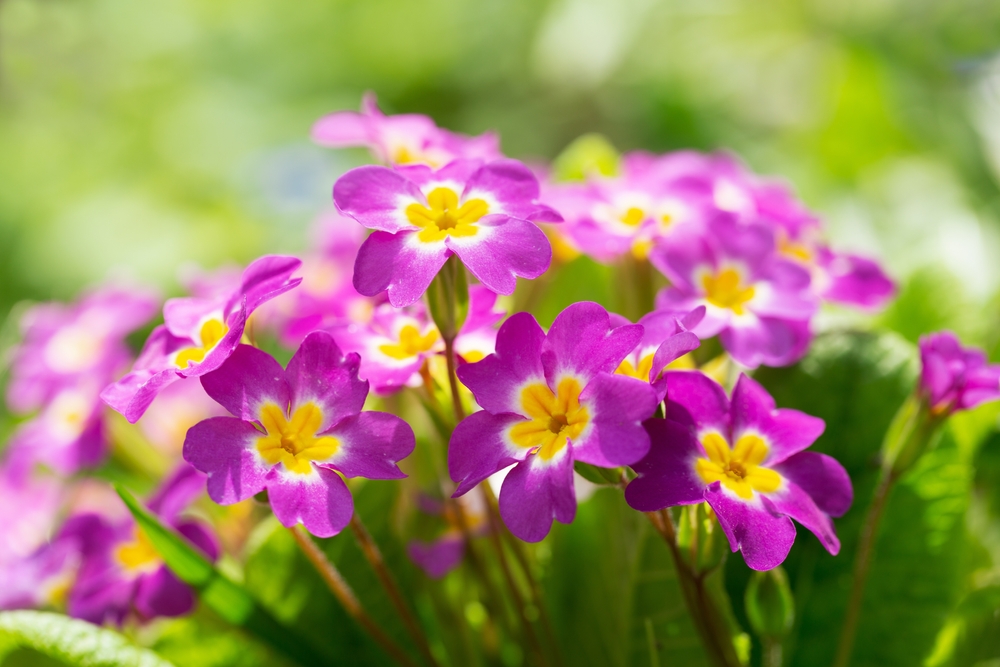
Primroses bring a touch of delicate beauty to gardens, and they’re built to handle late frosts with ease. These colorful blooms appear early in the spring, often when other flowers are still waiting for warmer weather. Their soft petals and bright colors make them a perfect choice for garden borders or containers. Primroses are especially effective in shaded areas where other plants may struggle.
Thriving in moist, well-drained soil, primroses are easy to maintain and return year after year. Their blooms range from pastel shades to vibrant tones, adding versatility to your spring garden. Primroses also attract pollinators, such as bees and butterflies, enhancing the overall health of your garden ecosystem. Their frost resistance ensures they continue to bloom even in colder temperatures.
Tulips
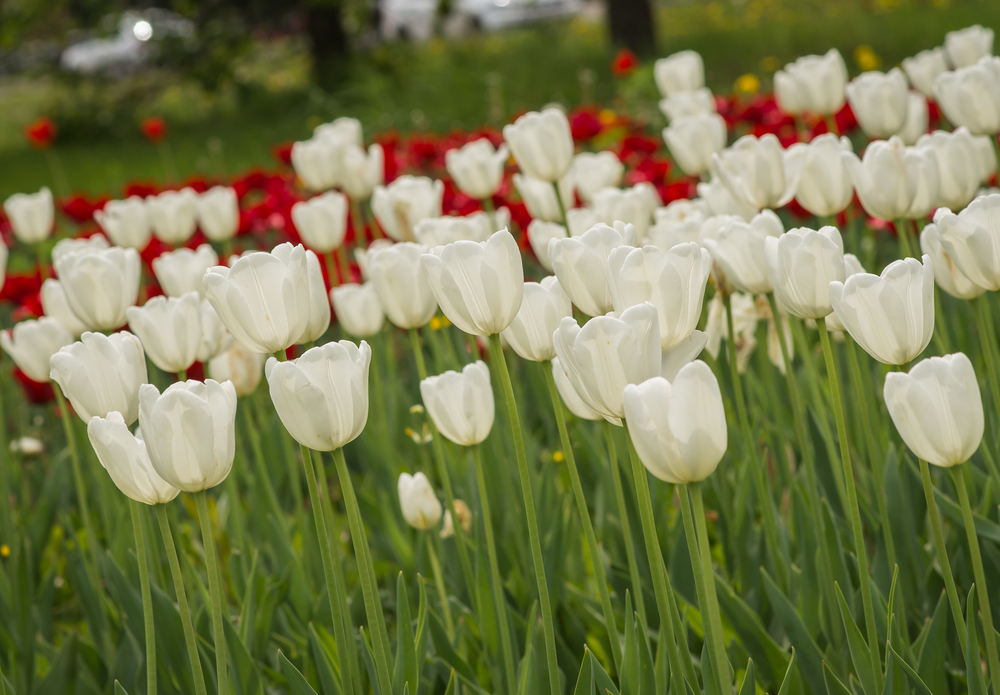
Tulips are a classic spring flower that easily withstands the chill of late frosts. With their vibrant petals and bold colors, they provide a stunning display in any garden. Tulips are well-equipped to handle the cold, with sturdy stems and petals that protect them from unexpected frosty nights. They thrive in well-drained soil and prefer full sun for optimal growth.
Planting tulip bulbs in the fall ensures they will bloom in early spring, often after a frost has passed. These flowers can tolerate light snow and still produce bright blooms that bring warmth to the garden. Tulips are available in a wide variety of colors and shapes, making them a versatile choice for any garden design. They are low-maintenance once planted, requiring only occasional watering and occasional feeding.
Crocuses
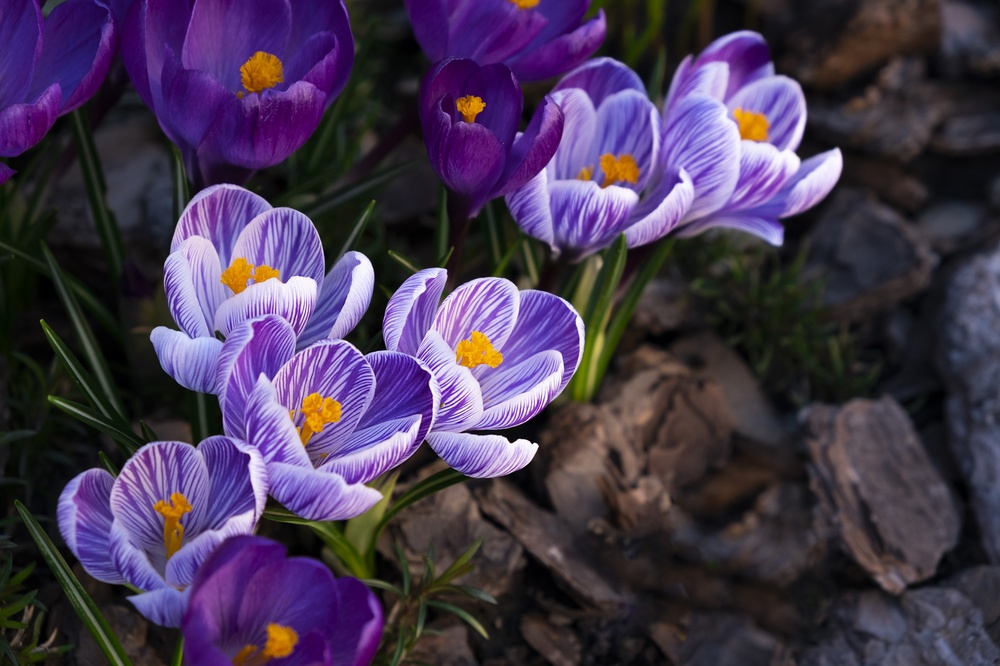
Crocuses are often the first flowers to bloom in spring, making them a welcome sight after a long winter. These tiny flowers can handle snow and frost without losing their vibrant colors. Whether in shades of purple, yellow, or white, crocuses brighten up the garden even when the weather is unpredictable. They are perfect for adding early-season color and are great for planting in rock gardens or along pathways.
These hardy flowers prefer well-drained soil and full sun but will tolerate partial shade. Crocuses bloom early in spring, often when there is still snow on the ground, and their ability to handle cold temperatures makes them a reliable choice for unpredictable spring weather. They require little care once established and can be planted in clumps to create beautiful patches of color. Their early bloom time and frost resistance make them a must-have for any garden.
Hyacinths
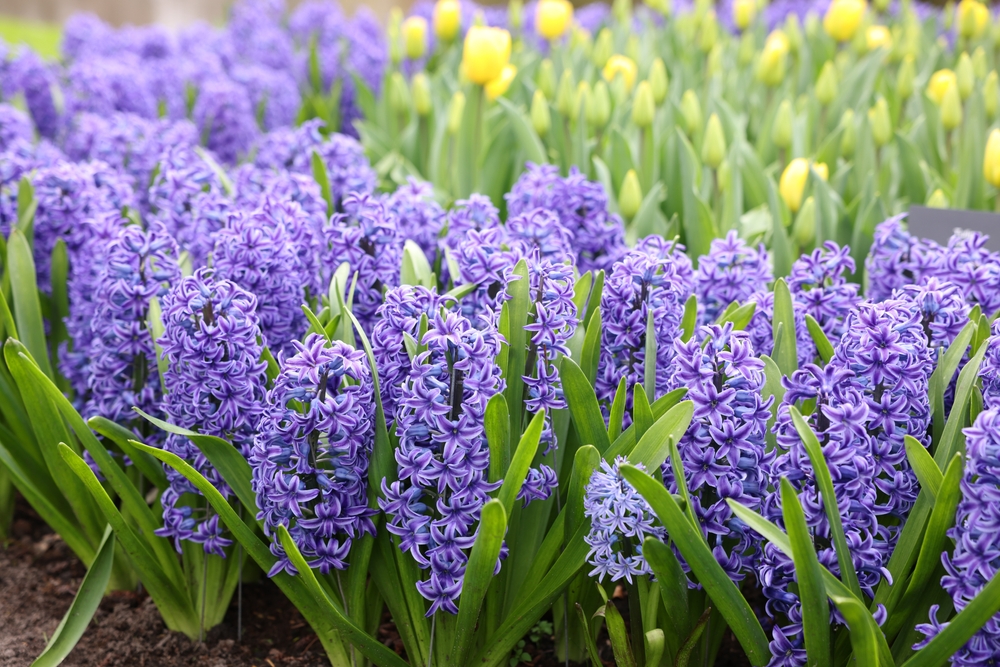
Hyacinths are another early spring favorite known for their ability to handle frost. Their dense, waxy petals protect them from the cold, allowing them to continue blooming even in chilly temperatures. These fragrant flowers come in a variety of colors, including blue, pink, and white, making them a versatile addition to any garden. Hyacinths thrive in sunny spots and are perfect for planting in beds, borders, or containers.
Hyacinths are easy to grow and require well-drained soil to thrive. They bloom in early to mid-spring, often enduring light frosts without damage. These flowers can last for weeks, adding a rich fragrance to the garden. Once planted, hyacinths are low-maintenance and continue to bloom year after year, making them a reliable spring choice.
Snowdrops
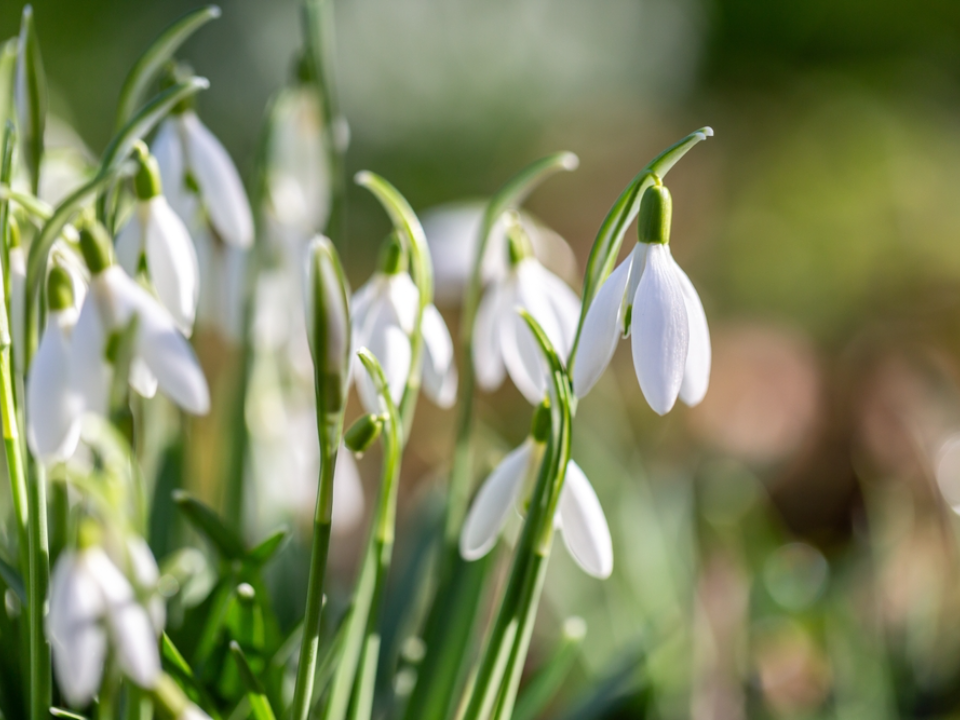
Snowdrops are often the first flowers to appear in the spring, often peeking through the snow. These delicate flowers are well-known for their ability to withstand late frosts, making them a perfect choice for early spring gardens. Their nodding white blooms are a symbol of hope and renewal, signaling the start of a new season. Snowdrops are best planted in clumps to create striking patches of white in the garden.
These hardy flowers grow best in moist, well-drained soil and prefer partial shade. Snowdrops bloom early in the season, often before other plants have fully emerged. Despite their delicate appearance, they are tough enough to handle frosty weather without losing their charm. Once established, snowdrops return year after year, providing a reliable burst of spring beauty.
Lavender
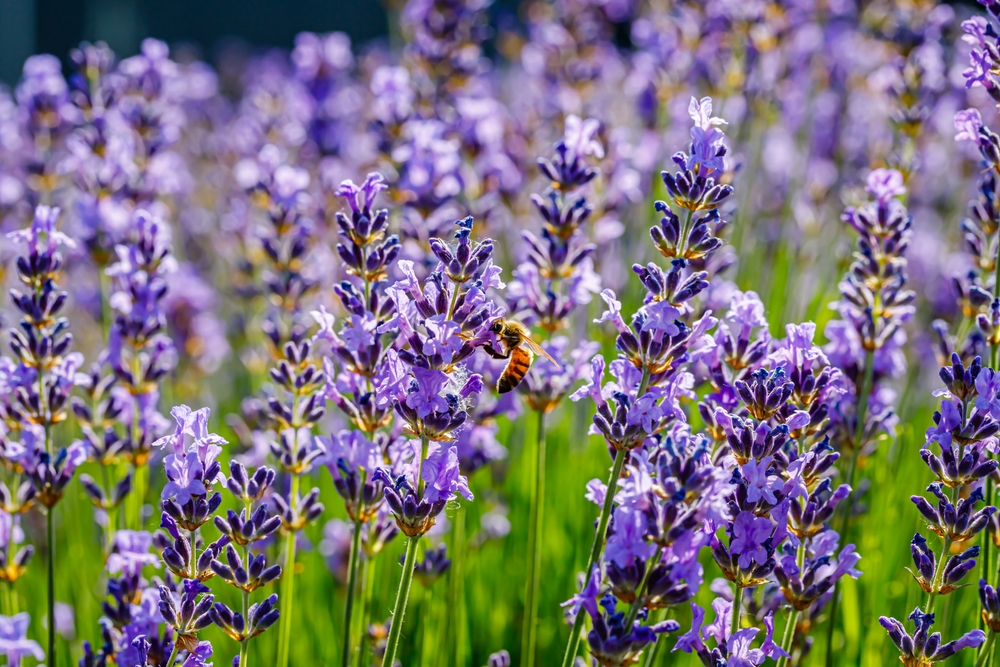
Lavender is a perennial herb that not only survives late frosts but thrives in cool temperatures. Its fragrant purple flowers add beauty and scent to any garden, while its hardy nature makes it a reliable choice for spring. Lavender is perfect for sunny spots, where it can grow quickly and bloom early in the season. It also attracts pollinators, making it a great addition to any eco-friendly garden.
Lavender prefers well-drained soil and minimal watering once established. It grows best in full sun but can tolerate light frost without damage. These plants are drought-tolerant, making them a low-maintenance option for gardeners. With their resilience to frost and ability to add fragrance and beauty to the garden, lavender is a must-have for spring gardens.
Bleeding Hearts
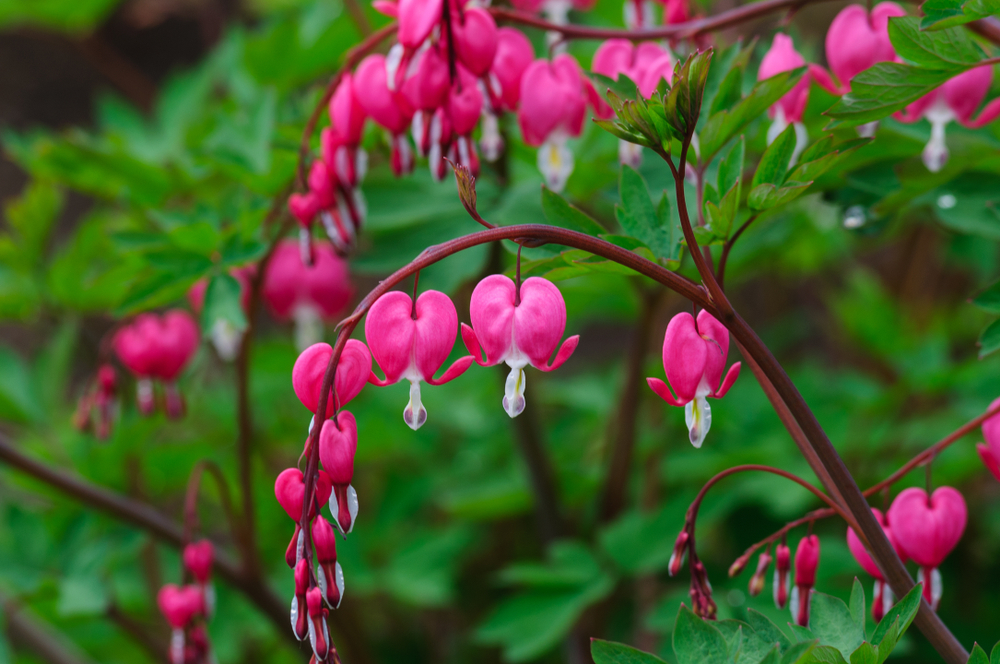
Bleeding Hearts are known for their delicate, heart-shaped flowers that bloom in early spring. These plants handle late frosts well, and their unique blooms make them a standout in any garden. Their soft pink or white flowers dangle gracefully from arching stems, creating a beautiful effect. Bleeding Hearts grow best in shaded or woodland areas, where they can thrive without direct sunlight.
These perennials grow best in rich, moist soil and prefer cooler temperatures. Bleeding Hearts are relatively easy to care for and need only occasional watering to thrive. After a late frost, they bounce back quickly, often producing even more blooms as the weather warms. These plants return every year, making them a reliable choice for gardens looking for early spring beauty.
Lupines
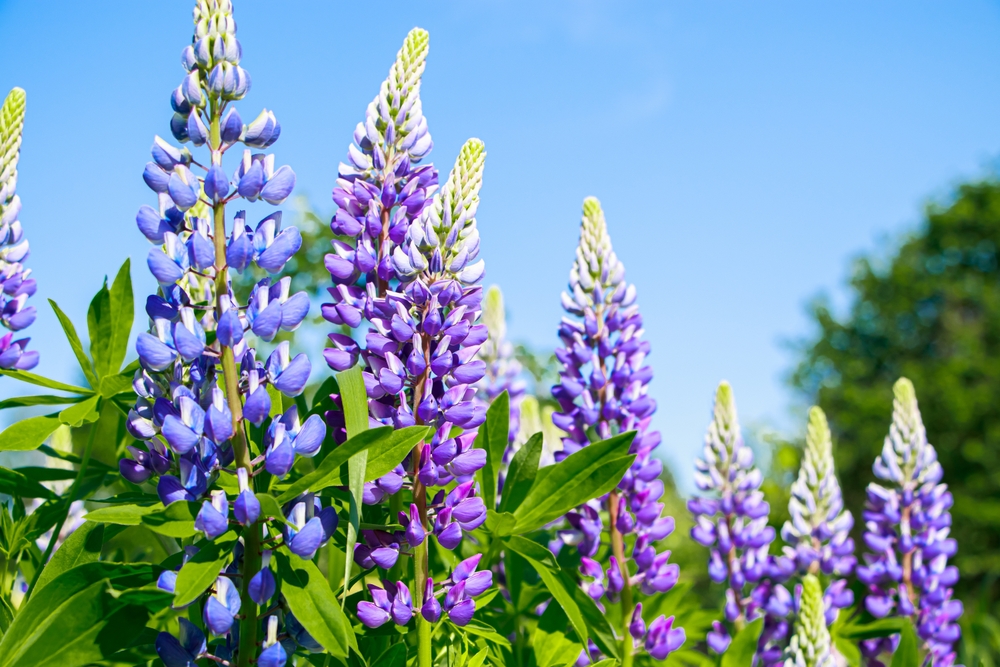
Lupines are tall, elegant plants known for their spires of colorful flowers. These resilient plants can handle late frosts without damage, making them ideal for early spring gardens. With their rich purples, pinks, and blues, lupines provide a bold statement in any garden. They grow best in sunny spots with well-drained soil, where they can reach their full potential.
Lupines are drought-tolerant once established and require little care to thrive. Their tall flowers can provide vertical interest in garden beds or borders. These flowers are also attractive to pollinators, such as bees and butterflies, adding to the overall health of the garden. Lupines’ ability to withstand cold temperatures makes them a reliable and beautiful spring flower.
Foxgloves
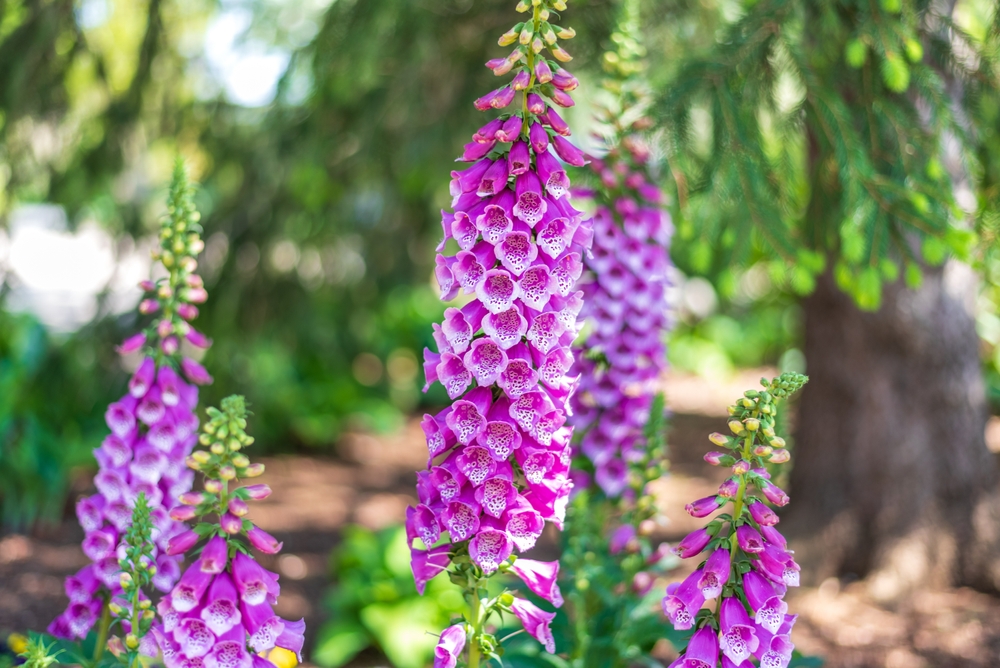
Foxgloves are tall plants with spires of tubular flowers that bloom in early spring. They can withstand late frosts and are perfect for adding height and color to garden beds. With their striking blooms in shades of purple, pink, and white, foxgloves create a dramatic display in any garden. They thrive in partially shaded areas and are perfect for woodland or cottage gardens.
These plants grow best in well-drained soil and prefer cooler temperatures. Foxgloves attract pollinators like bees and hummingbirds, making them an eco-friendly option for your garden. Their flowers last for weeks, providing a long-lasting visual effect. Foxgloves are easy to grow and require little maintenance once established.
Sweet Williams
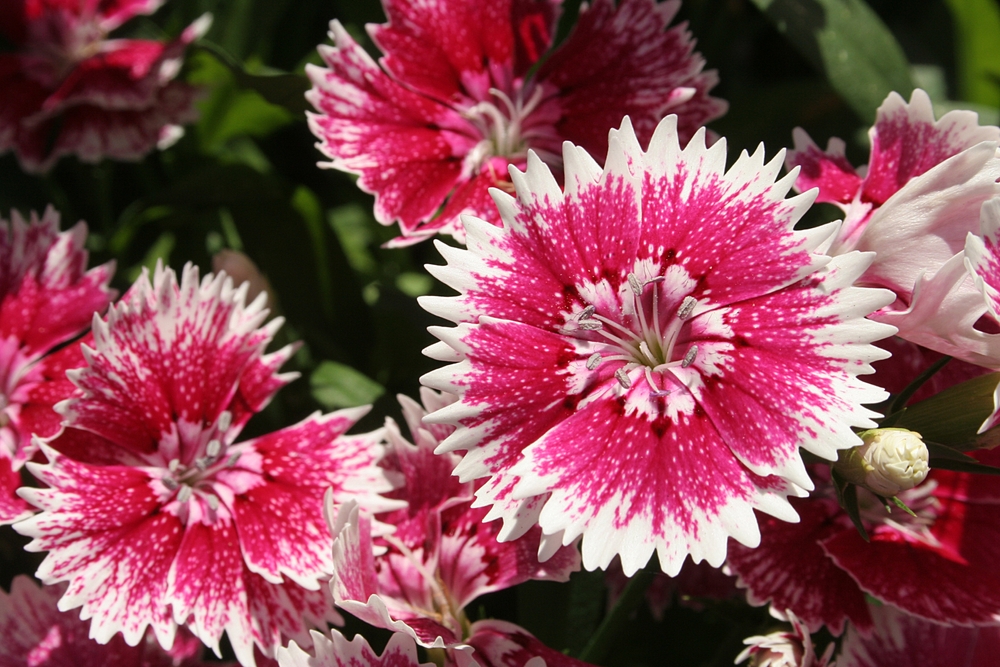
Sweet Williams are hardy biennials that handle late frosts with ease, offering a burst of color in early spring. These flowers come in shades of red, pink, and white, making them a vibrant addition to any garden. They thrive in cool temperatures and bloom for several weeks, providing consistent color. Sweet Williams are perfect for planting in beds or borders where their beauty can be admired.
These flowers prefer full sun to partial shade and grow best in well-drained soil. Sweet Williams are easy to grow from seeds and are perfect for attracting pollinators. They are also low-maintenance, requiring only occasional watering and deadheading to keep them looking their best. Their ability to withstand frost makes them a reliable spring flower.
Chives
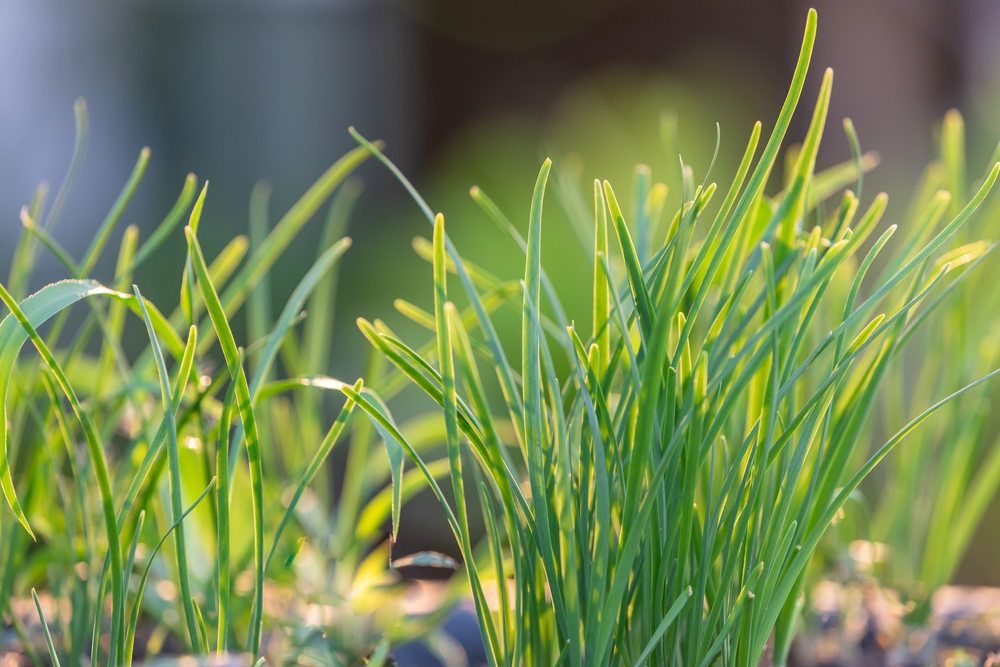
Chives are hardy herbs that can survive late frosts, making them an excellent choice for early spring planting. Their onion-like flavor adds a fresh, savory taste to many dishes, while their purple flowers are both beautiful and edible. Chives are perfect for growing in herb gardens, containers, or raised beds. They are simple to care for and provide year-round benefits in the kitchen.
These herbs prefer full sun and well-drained soil, though they can tolerate some shade. Chives are perennial plants, meaning they will return each spring, even after a frost. They grow quickly and can be harvested multiple times during the growing season. Chives are an excellent addition to any garden, providing both beauty and function.
Peonies
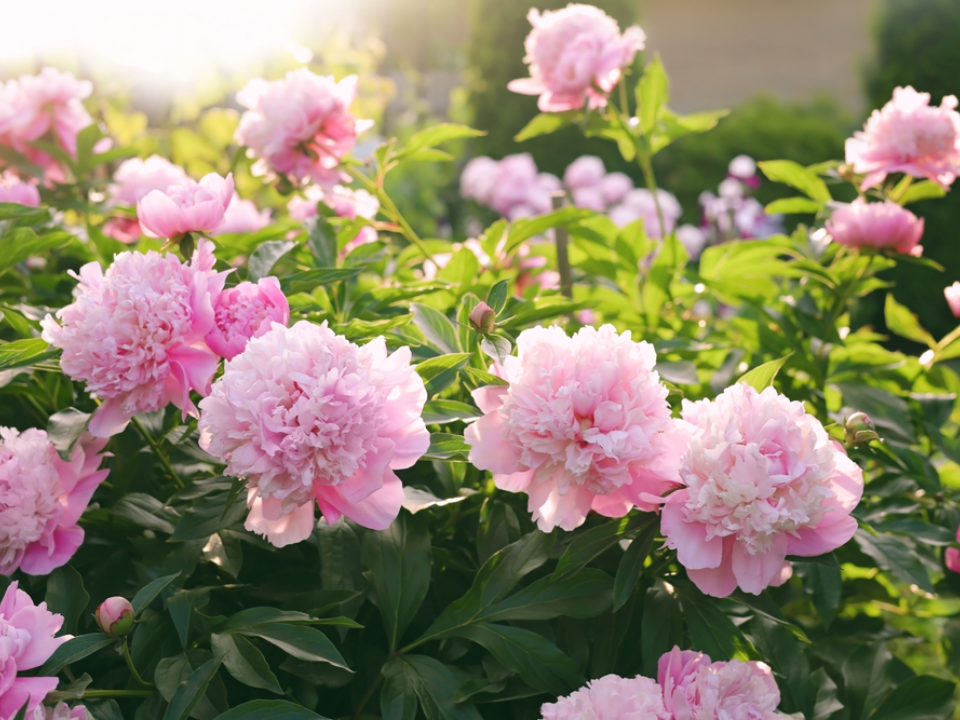
Peonies are known for their large, fragrant blooms that add beauty to any garden. These resilient flowers can survive late frosts, making them a perfect choice for early spring planting. Their rich colors, ranging from soft pinks to deep reds, provide a stunning contrast against green foliage. Peonies grow best in full sun and prefer well-drained soil for optimal growth.
These perennials are relatively low-maintenance once established and require minimal care to thrive. Peonies bloom for several weeks in early spring and continue to grow year after year. They are excellent for creating a long-lasting, fragrant garden display. Peonies are frost-resistant, ensuring they will return every spring, bringing beauty to your garden.
Aubrieta
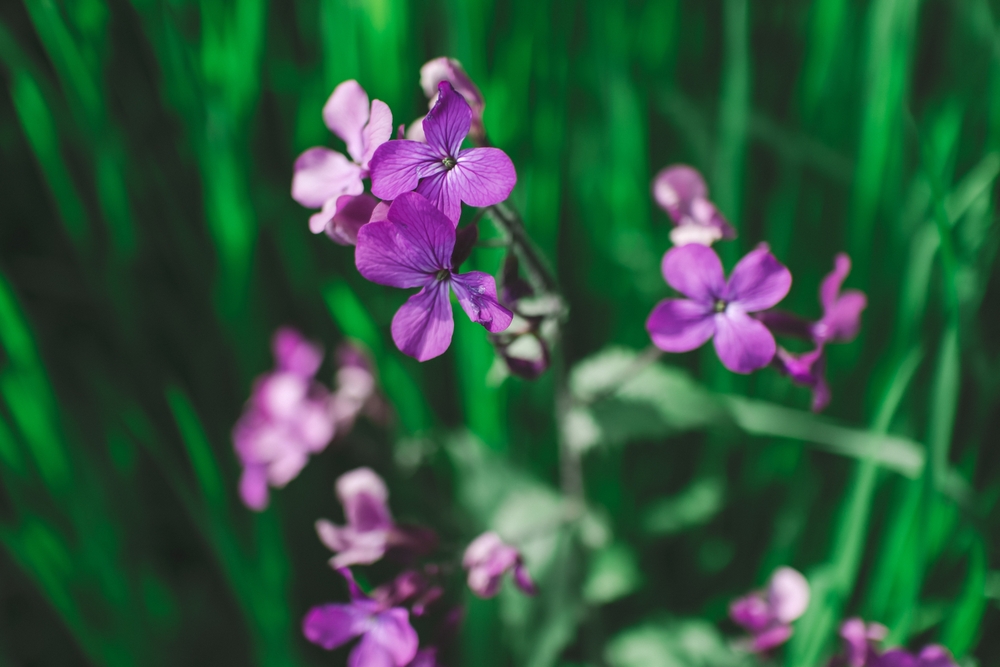
Aubrieta is a low-growing perennial that can survive late frosts, making it a great choice for early spring gardens. Its vibrant purple, pink, or blue flowers blanket the garden with color, creating a beautiful carpet of blooms. Aubrieta thrives in full sun and well-drained soil, making it perfect for rock gardens or containers. It is perfect for adding early season color to your garden with minimal care.
These plants are drought-tolerant once established and require very little maintenance. Aubrieta’s ability to thrive in cool temperatures makes it a reliable choice for areas with unpredictable spring weather. It grows best in well-drained, slightly alkaline soil and is excellent for planting in sunny spots. Aubrieta’s colorful blooms will brighten up any garden space, even when the weather is still cool.
Celandine Poppy
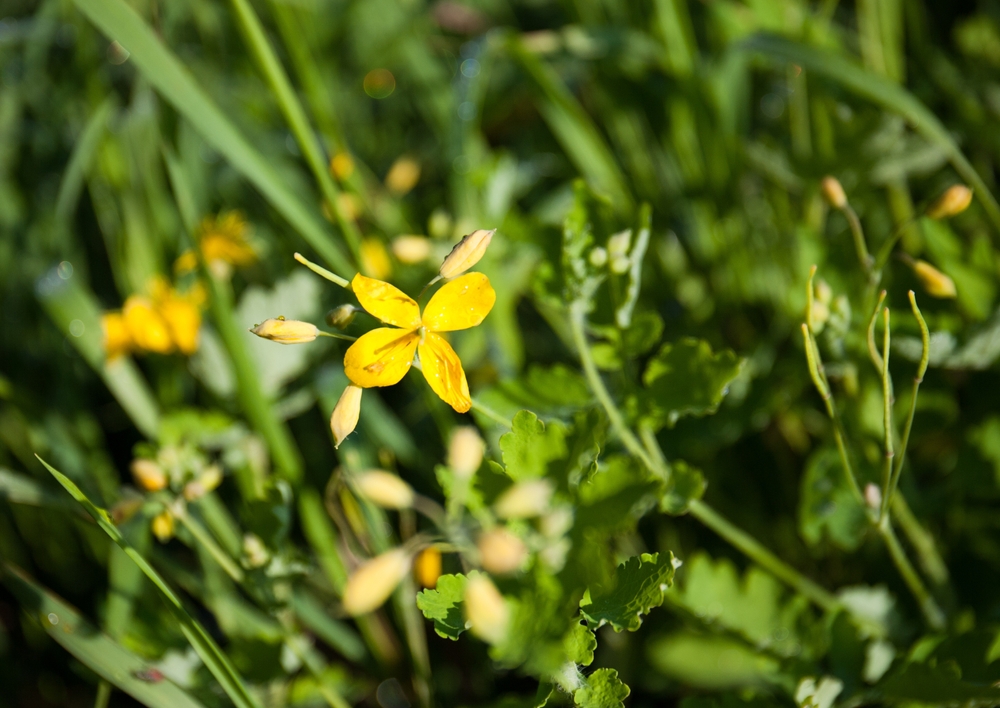
Celandine poppies bloom in early spring and are resilient enough to survive a late frost. Their bright yellow flowers stand out in shaded gardens, making them a beautiful addition to woodland or naturalized areas. These perennials thrive in cool, moist environments, making them a great choice for early spring planting. Celandine poppies are also low-maintenance, requiring little care once established.
These plants grow best in partial to full shade and prefer moist, well-drained soil. Celandine poppies add a natural touch to shaded areas, where they can thrive without direct sunlight. Their vibrant yellow blooms can last for weeks, providing a burst of color when most other plants are still dormant. Once established, they will return every year, offering reliable spring beauty.
Hellebores
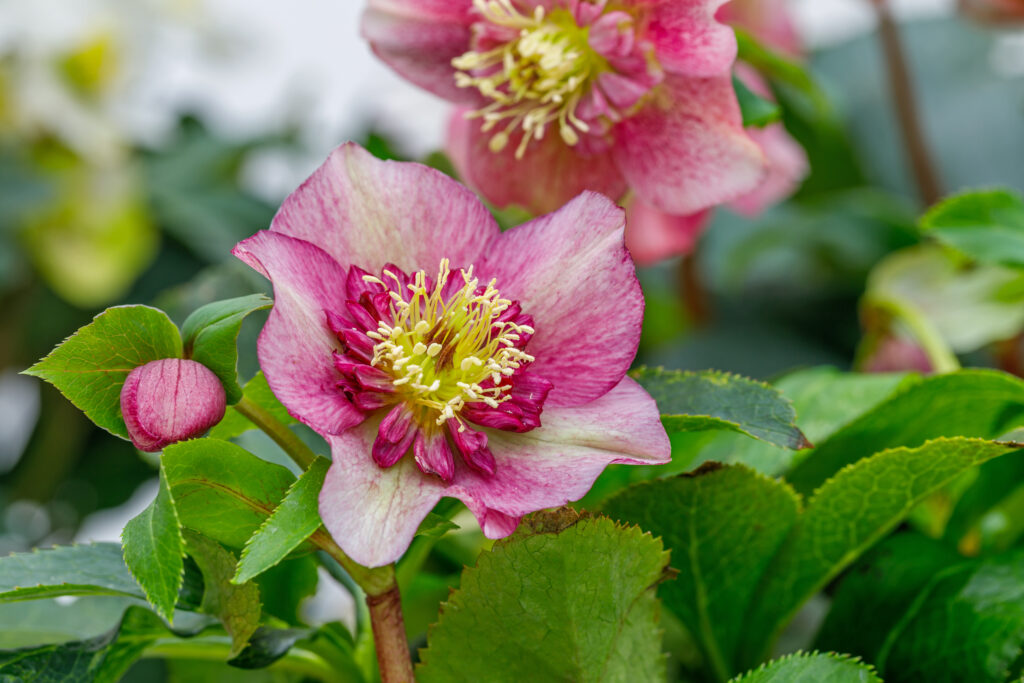
Hellebores, often called Lenten roses, are one of the most frost-resistant plants. Their unique flowers bloom in early spring, often under a blanket of snow, making them an excellent choice for cold climates. These plants thrive in shaded areas and are perfect for adding early-season color to woodland gardens. Hellebores come in a range of colors, from soft whites to vibrant purples, adding variety to any garden.
Hellebores prefer well-drained, rich soil and are relatively easy to care for once established. They can handle late frosts without losing their blooms, ensuring that they will provide reliable spring beauty. These perennials are low-maintenance, requiring only occasional watering and light feeding. Hellebores are a great choice for shaded gardens, where they can thrive even in cooler temperatures.
Cabbage
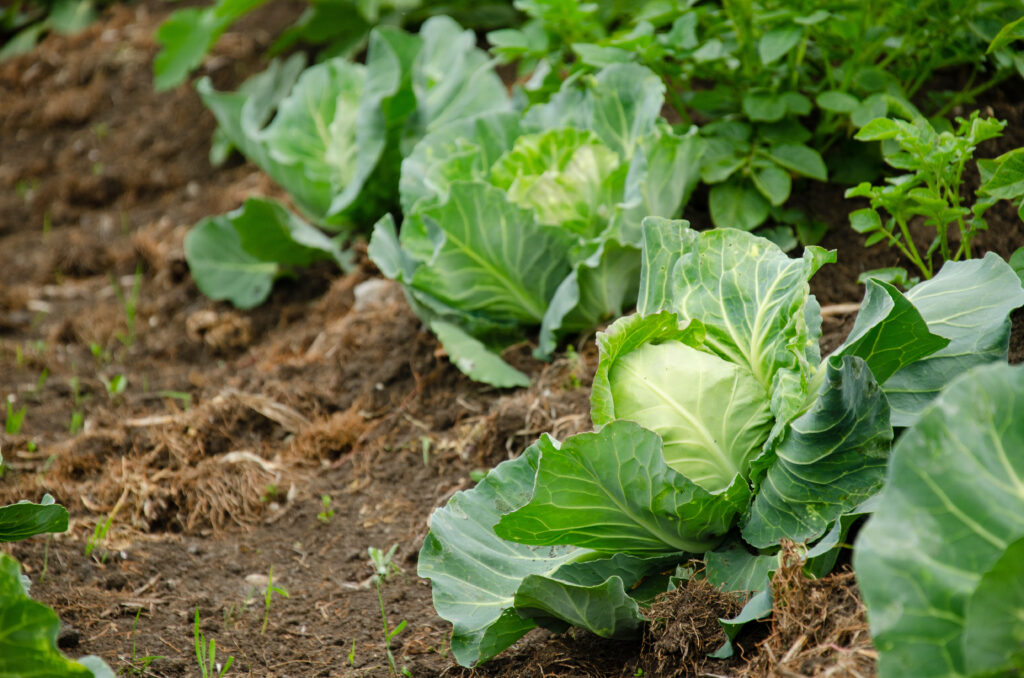
Cabbage is a hardy vegetable that thrives in cool temperatures and can handle late frosts with ease. It grows best in early spring, providing a steady supply of fresh produce for your garden. Cabbage plants have thick, waxy leaves that protect them from frost, allowing them to continue growing even when the weather is unpredictable. They are perfect for planting in garden beds or raised planters.
These plants prefer well-drained soil and full sun, though they can tolerate some shade. Cabbage requires regular watering and occasional feeding with a balanced fertilizer. Once established, cabbage plants can tolerate frost and will continue to grow throughout the spring. Harvest the heads when they are firm, and enjoy fresh, homegrown cabbage in your spring dishes.
This article originally appeared on Avocadu.