
18 Spring Perennials That Come Back Bigger Each Year
There is something satisfying about seeing familiar plants return when spring rolls around. The best perennials do more than pop up again because they settle in, spread out, and put on a better show as the seasons pass. That kind of steady garden progress can make a yard feel richer and more lived in without starting from scratch each year. Some plants fill out with thicker clumps, while others send up more blooms once their roots get settled. Choosing the right ones can save time, cut down on replanting, and make spring beds look fuller with less fuss.
This post may contain affiliate links, which helps keep this content free. Please read our disclosure for more info.
Daylilies

Daylilies are some of the most versatile and reliable perennials you can plant in your garden. They thrive in various conditions, from full sun to partial shade, making them ideal for a wide range of garden designs. The best part about daylilies is their ability to spread and grow each year, becoming more abundant and vibrant as they age. With the right care, these plants develop into beautiful clumps of colorful blooms, often in shades of yellow, orange, and red.
As daylilies mature, their root systems become stronger, enabling them to survive harsh weather conditions. These plants are known for their resilience and minimal care needs. They require little watering once established and are resistant to most pests and diseases. Because of their rapid growth, you can divide and replant them every few years to prevent overcrowding. Expect them to return year after year, growing larger and more striking as time goes on.
Peonies
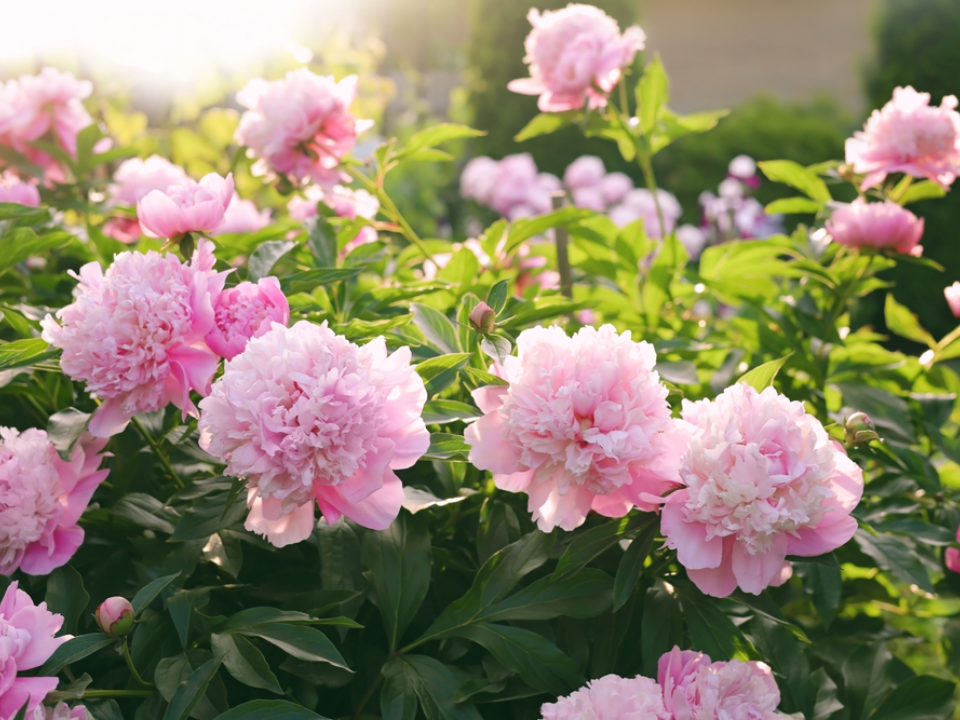
Peonies are loved for their large, showy blooms that brighten any spring garden. When planted, these plants take time to establish their roots, but once they do, they come back stronger every year. Their blooms, ranging from soft pastels to bold colors, grow larger with each passing season. The best part about peonies is that they can last for decades, often outliving their gardeners when given proper care.
The plant’s robust roots store energy to produce more stems and flowers, so expect a bigger display each year. Peonies thrive in well-drained, sunny spots and can withstand cold winters, only to bloom more beautifully in the spring. They are relatively low-maintenance once established, though it’s important to keep them free from competing weeds. Peonies are a great investment for any garden due to their long lifespan and ability to thrive and improve over time.
Black-eyed Susans
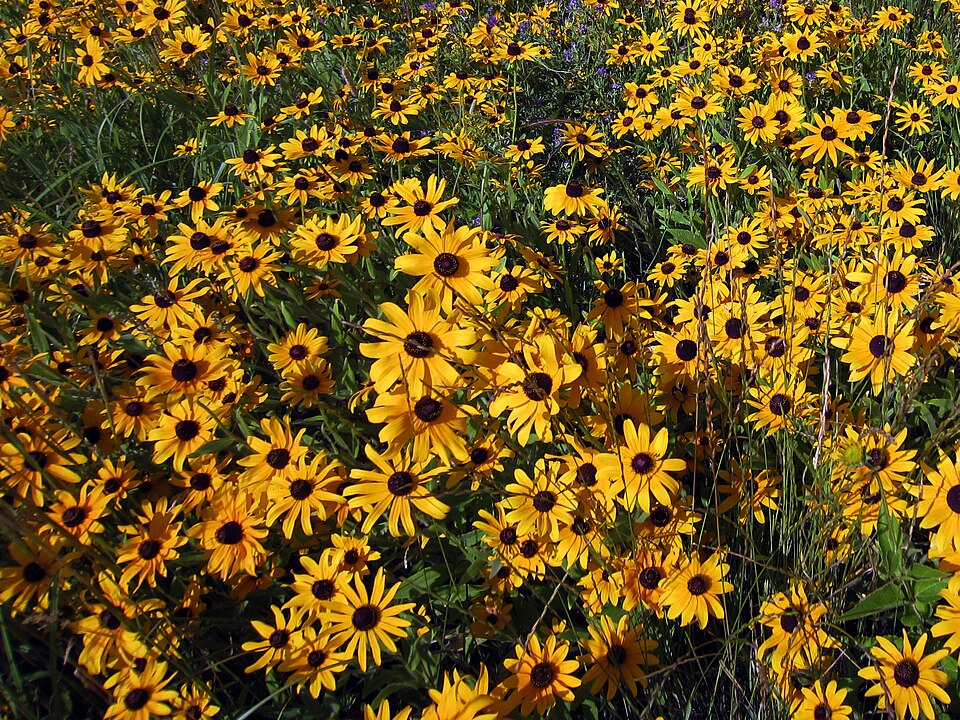
Black-eyed Susans are perennials that bring cheerful, golden-yellow blooms to any garden. These flowers are known for their ability to expand and form larger colonies year after year. They grow in almost any soil type and require little maintenance, making them a perfect choice for beginners and seasoned gardeners alike. Their vibrant petals and dark centers make them stand out in the landscape.
As they mature, Black-eyed Susans spread quickly by self-seeding, filling in gaps in the garden and growing denser each season. They thrive in full sun and can handle periods of drought once established. This plant’s ability to thrive in both dry and moist conditions makes it highly adaptable. Over time, the plant’s root system becomes more extensive, supporting an even more abundant growth of flowers each year. Black-eyed Susans are great for attracting pollinators like bees and butterflies, making them an excellent choice for eco-friendly gardens.
Coneflowers (Echinacea)
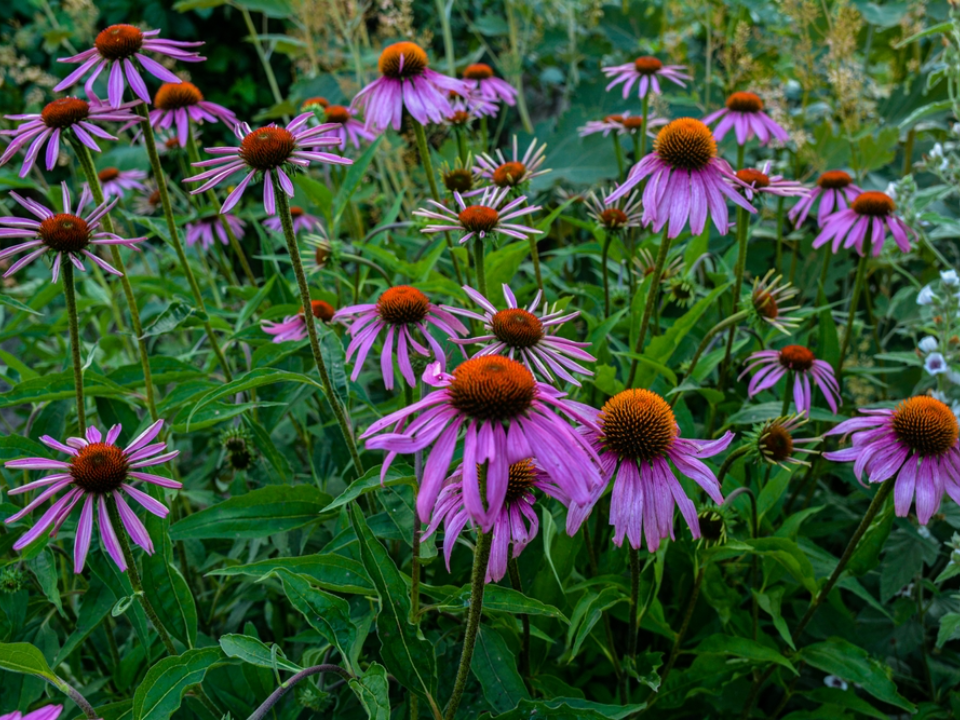
Coneflowers are hardy perennials that provide beautiful, daisy-like flowers in a range of colors, from purple to pink and white. These flowers grow larger and more abundant with each year as their root systems expand. Coneflowers are great for attracting pollinators, including bees and butterflies, and their seeds are a favorite food source for birds. The plants thrive in full sun and can tolerate drought once established.
As the plants grow, their stems get sturdier, supporting more flowers and making them stand out in any garden. Echinacea is a low-maintenance plant that requires little attention once it’s established. They work well in garden beds, borders, and even wildflower meadows. Over the years, coneflowers continue to improve, providing a beautiful pop of color each season. They are also prized for their medicinal properties, often used in herbal remedies to boost immunity.
Lavender
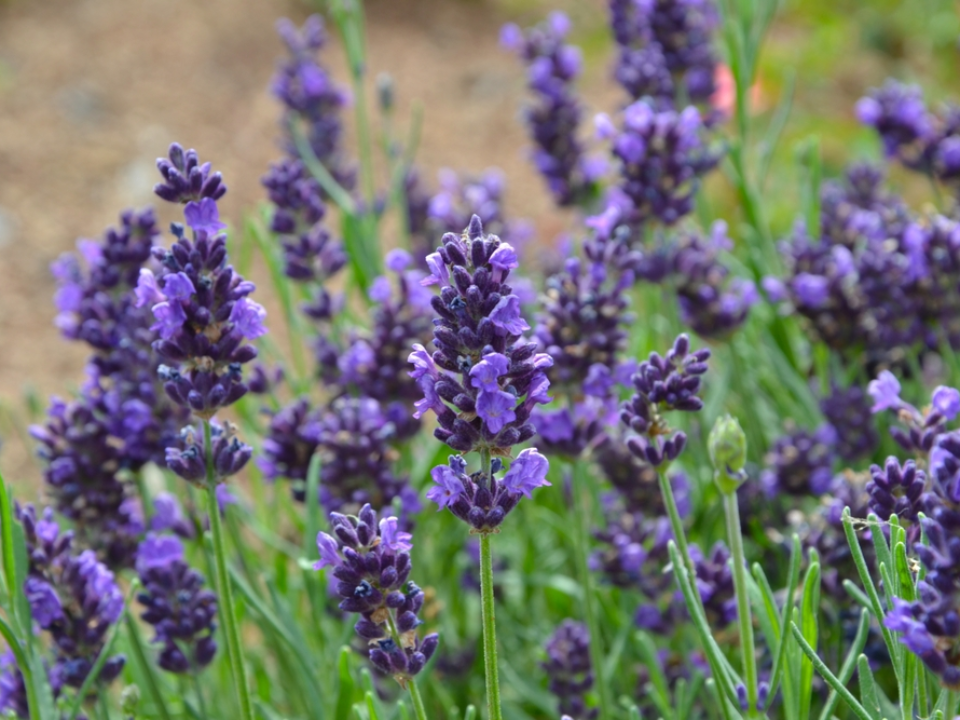
Lavender is a fragrant and elegant perennial that improves in both size and fragrance each year. Known for its soothing aroma and attractive purple spikes, this plant thrives in full sun and well-drained soil. Once established, lavender grows bigger and more robust, with longer-lasting blooms and a stronger fragrance each season. It’s perfect for a garden or patio, where its calming scent can be appreciated.
Lavender requires minimal care, making it an excellent choice for gardeners who want beautiful plants without a lot of maintenance. Its woody stems and deep root system help it withstand dry spells and cold winters. As the plant matures, it will develop into a larger bush, providing more flowers and increasing its pleasant fragrance. Lavender is also known to attract pollinators, adding to its value in the garden. It is often used in making sachets, oils, and other natural products, which further increases its appeal.
Hostas
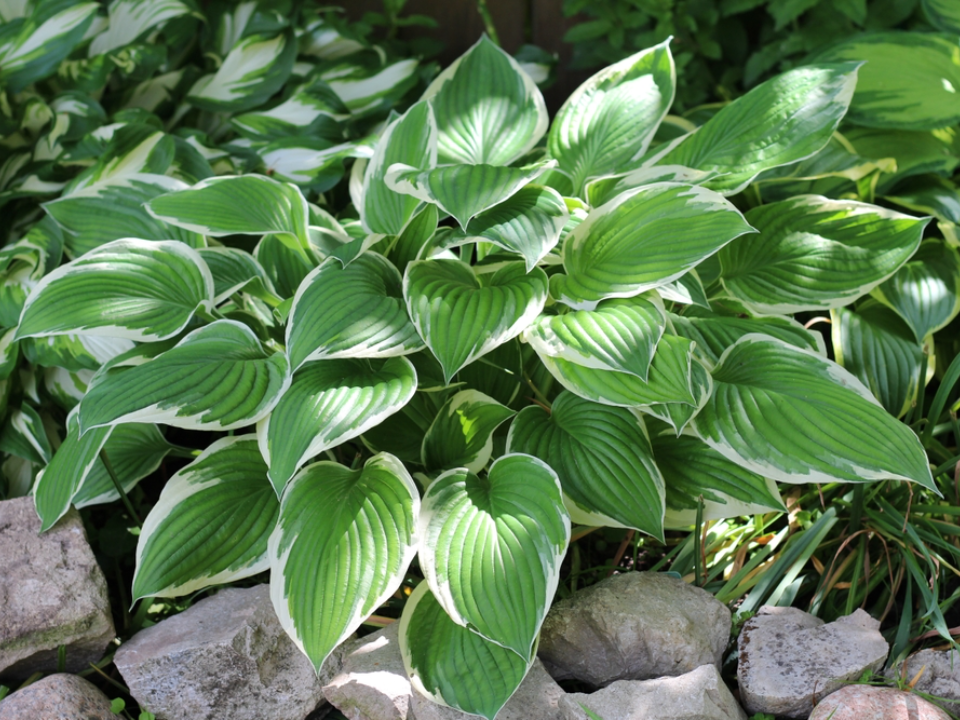
Hostas are a popular perennial for shady spots in the garden. They may take a bit of time to establish, but once they do, they grow bigger each year. Known for their attractive foliage in various shades of green, blue, and yellow, hostas can fill in garden beds and create a lush, vibrant look. As they mature, their leaves become larger and more dramatic, making them a striking addition to any shaded area.
The plant’s root system spreads as it grows, supporting larger plants with more leaves each season. Hostas are relatively easy to care for, needing only moderate watering and occasional fertilization. They do well in both partial and full shade, making them ideal for areas with limited sunlight. As the years go by, hostas develop into full, lush plants that can quickly cover large areas of the garden. Their ability to thrive in shaded areas where most other plants struggle makes them a must-have for many gardeners.
Chrysanthemums
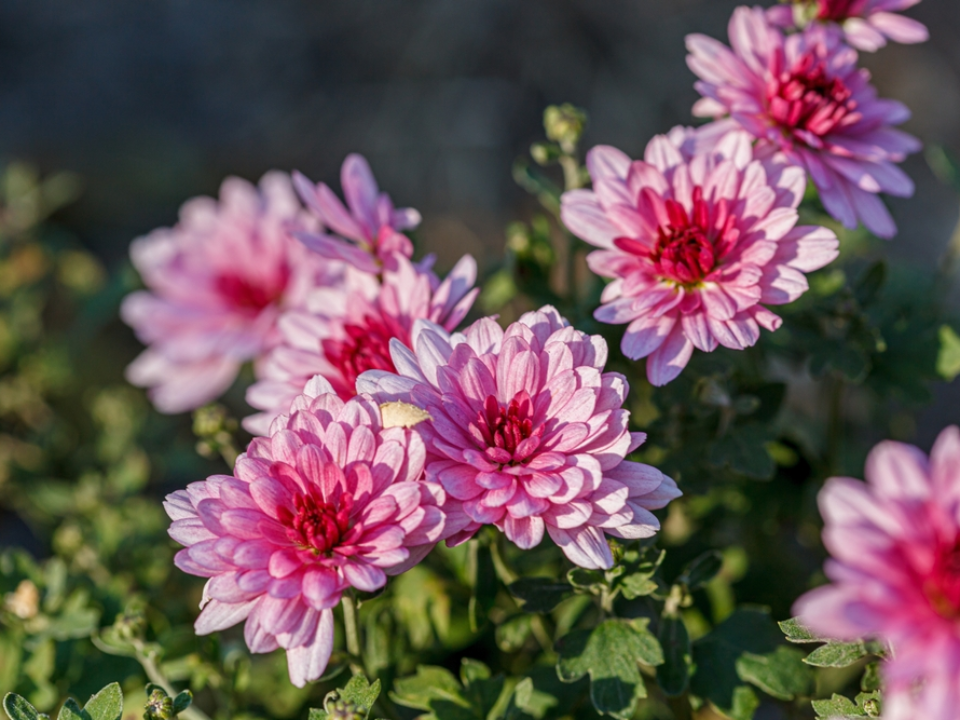
Chrysanthemums, commonly known as mums, are perennials that thrive in the fall but grow bigger and better each year. They provide vibrant bursts of color in shades of red, yellow, pink, and white. Mums are known for their ability to adapt to various soil types, making them an excellent choice for different garden settings. As they establish themselves, their blooms become fuller and more abundant, offering a more spectacular display every autumn.
Over time, chrysanthemums’ root systems strengthen, allowing them to produce more stems and flowers each season. They are relatively easy to grow and require minimal care, though they thrive best in full sun. These plants are also quite hardy, able to withstand colder temperatures, which is why they often bloom late in the season. With each passing year, chrysanthemums continue to provide an impressive array of colors in the fall, making them a valuable addition to any garden.
Bleeding Heart (Dicentra)

Bleeding heart is a beautiful perennial known for its heart-shaped flowers that dangle from arching stems. It is one of the earliest spring bloomers, and as it matures, it comes back bigger with more flowers each year. The plant thrives in partial to full shade and prefers moist, well-drained soil. With proper care, it will grow in clumps that become larger and more striking as time goes on.
Bleeding hearts are ideal for adding a touch of elegance to any garden, with their delicate flowers in shades of pink, red, or white. The plant’s root system expands as it grows, supporting more stems and flowers with each season. Over the years, it forms dense, bushy clumps that provide plenty of blooms each spring. Bleeding heart is perfect for shaded garden beds and borders, where it can create a soft, romantic feel. It is an easy-care perennial that offers beauty year after year.
Astilbe
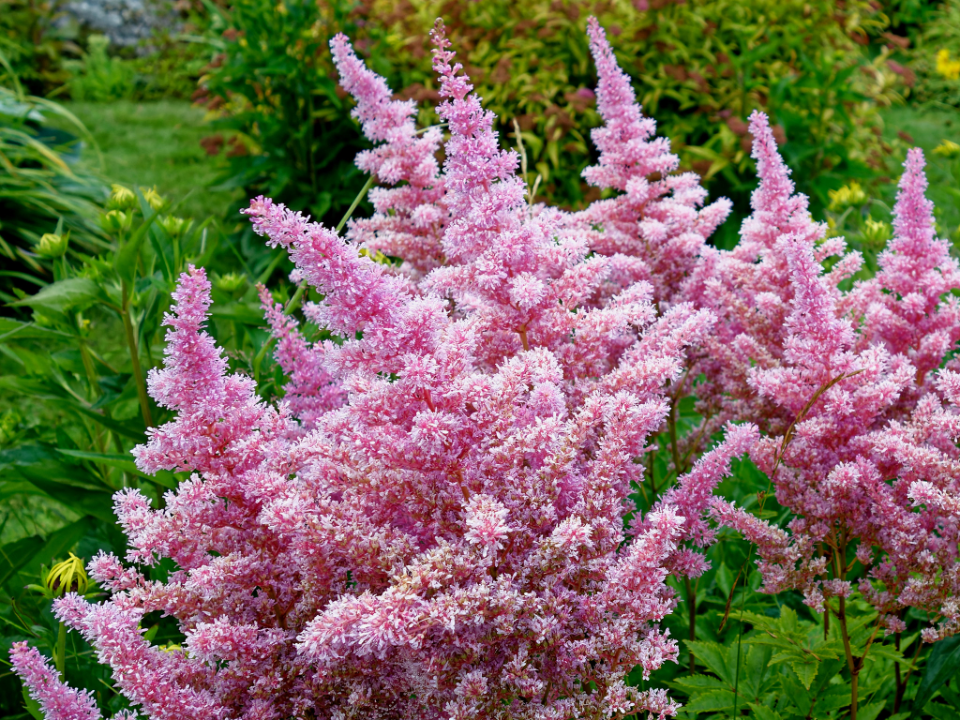
Astilbe is a fantastic perennial for shady garden areas, known for its feathery plumes of flowers in various shades of pink, white, red, and purple. This plant’s root system becomes more extensive with time, allowing it to return with even more flowers each year. Astilbe thrives in moist, well-drained soil and is perfect for adding color to shaded or woodland gardens. As it matures, the plant grows larger, filling in garden spaces with dense clusters of vibrant blooms.
Astilbe plants are low-maintenance and relatively easy to care for, needing only occasional watering and fertilization. Over time, they develop more stems, resulting in a fuller and more dramatic flower display each season. They also attract pollinators like bees and butterflies, which adds another layer of value to the garden. With their lush foliage and colorful flowers, astilbes are perfect for creating striking accents in shaded garden areas. Each year, they return even more impressive than the last.
Hellebores

Hellebores are among the first perennials to wake up when the weather starts to warm. Their flowers often appear while the ground still looks sleepy, which gives the garden an early lift. These plants form wider clumps over time, so each spring usually brings a fuller display than the year before. Their leaves stay attractive for a long stretch, which gives them value even after the blooms fade.
Hellebores like partial shade and soil that does not stay soggy for long periods. Once settled in, they handle cool weather well and do not ask for much attention. Older plants often carry more flower stems, which makes them look thicker and more impressive with age. They are a great pick for beds near walkways where their early blooms can be enjoyed up close.
Creeping Phlox
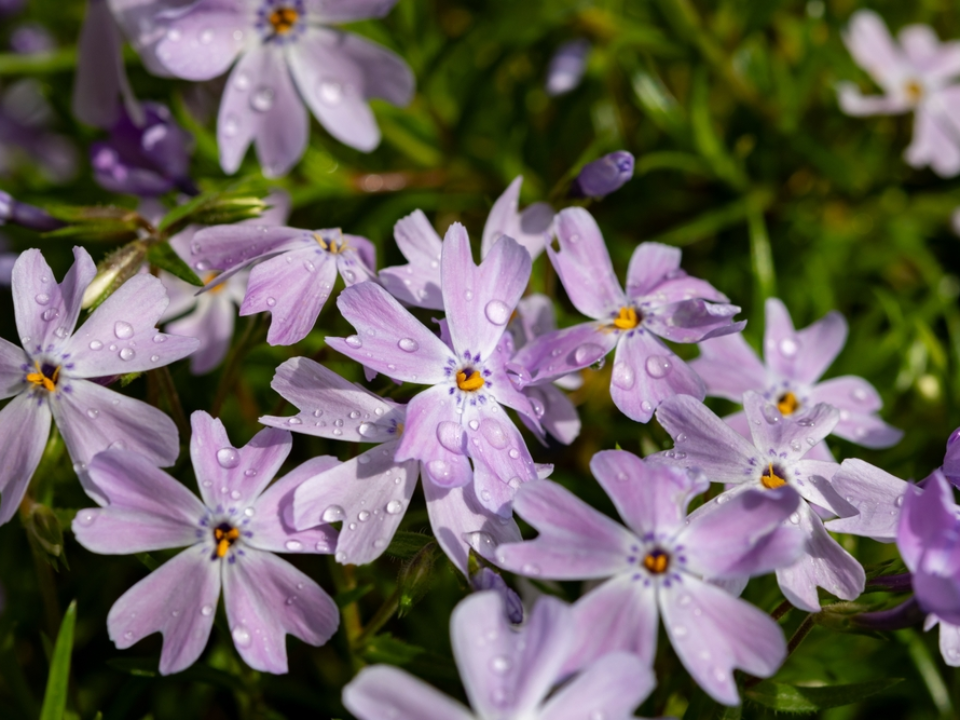
Creeping phlox is a low growing perennial that can spread into a thick carpet of spring color. It is often used along borders, rock gardens, and slopes where it can spill over edges in a soft blanket of blooms. As the plant settles in, it spreads outward and fills empty spots with more ease each year. The flowers come in shades of pink, purple, blue, and white, which makes it easy to fit into different garden styles.
Creeping phlox likes sunny spots and soil with decent drainage. It stays fairly tidy, though a light trim after flowering can help keep it neat. With time, a small patch can turn into a broad sweep of color that looks much richer than it did at planting. It is a strong choice for gardeners who want a spring plant that gets more impressive with age.
Siberian Iris
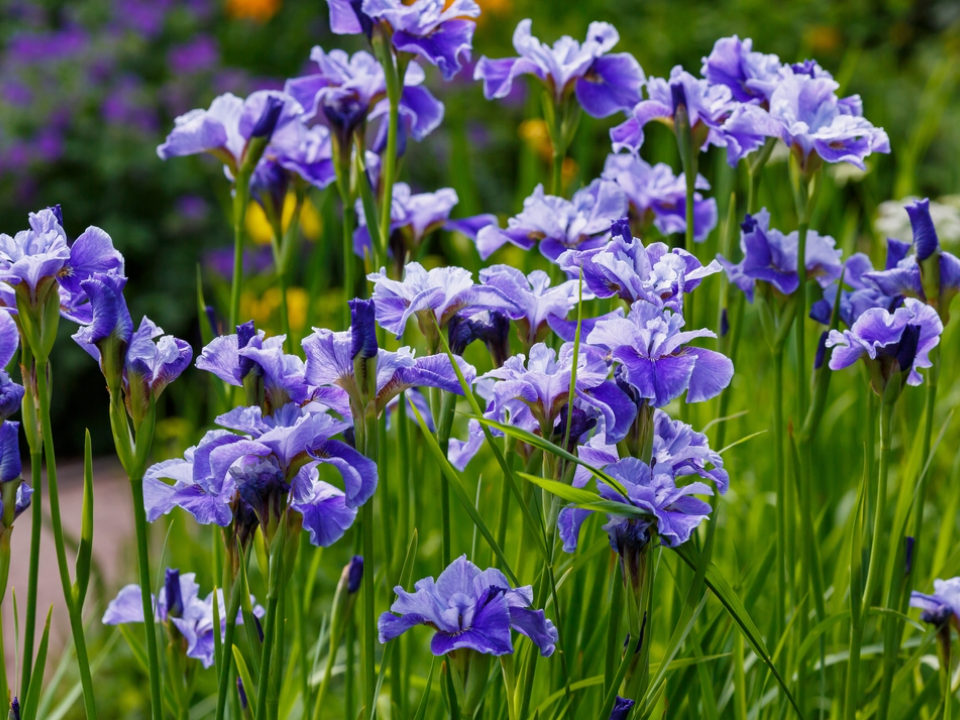
Siberian iris is a graceful perennial with upright leaves and elegant blooms that arrive in late spring. It forms clumps that slowly widen, and those clumps tend to carry more flower stalks as the years pass. The flowers have a lighter look than some other iris types, which gives them a soft presence in mixed beds.
This plant likes sun, though it can also do well with a bit of afternoon shade in warmer areas. It handles cold seasons well and comes back dependably once it is settled in. The narrow leaves stay attractive after blooming, so the plant still adds shape to the garden through the season. When the clumps get older, they can be divided and moved to start new groupings in other spots. That steady growth makes Siberian iris a satisfying perennial for long term planting.
Coral Bells
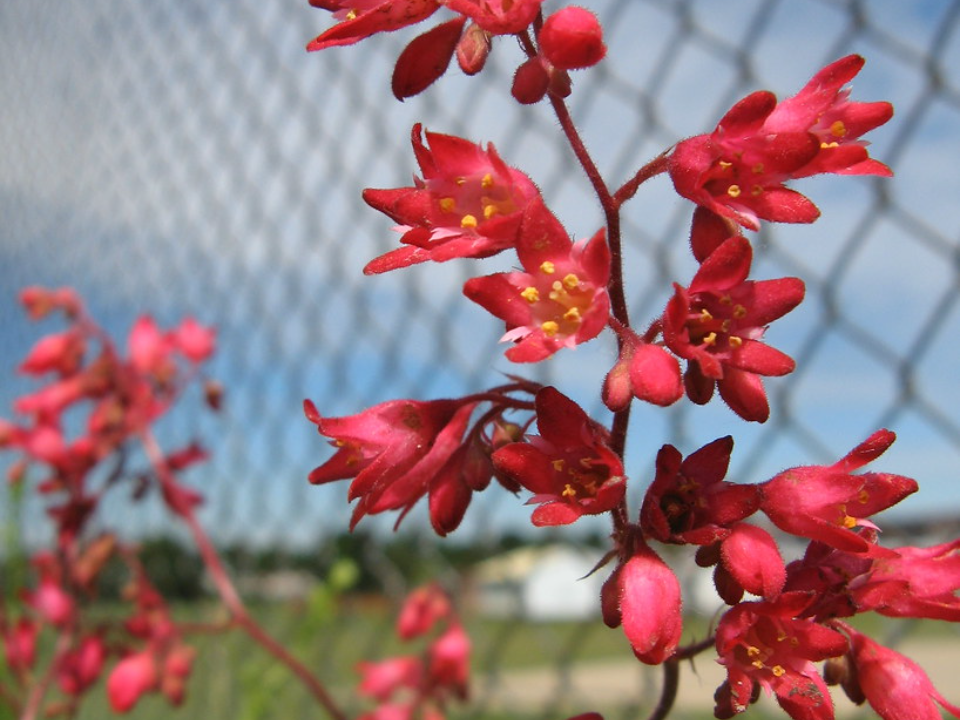
Coral bells are grown as much for their leaves as for their flowers, which makes them useful through a long stretch of the year. Their foliage comes in shades like green, burgundy, silver, caramel, and deep purple, so they bring color even before spring flowers open. Over time, each plant forms a wider mound that looks fuller and more settled in the garden. In spring and early summer, airy flower stalks rise above the leaves and add a soft layer of movement.
Coral bells do well in partial shade, though some kinds can handle more sun if the soil does not dry too fast. They like loose soil and benefit from having older leaves cleaned up before new growth starts. As they mature, the clumps become more noticeable and give the bed a stronger sense of structure. They work especially well along borders where their leaf color can stand out for months.
Brunnera
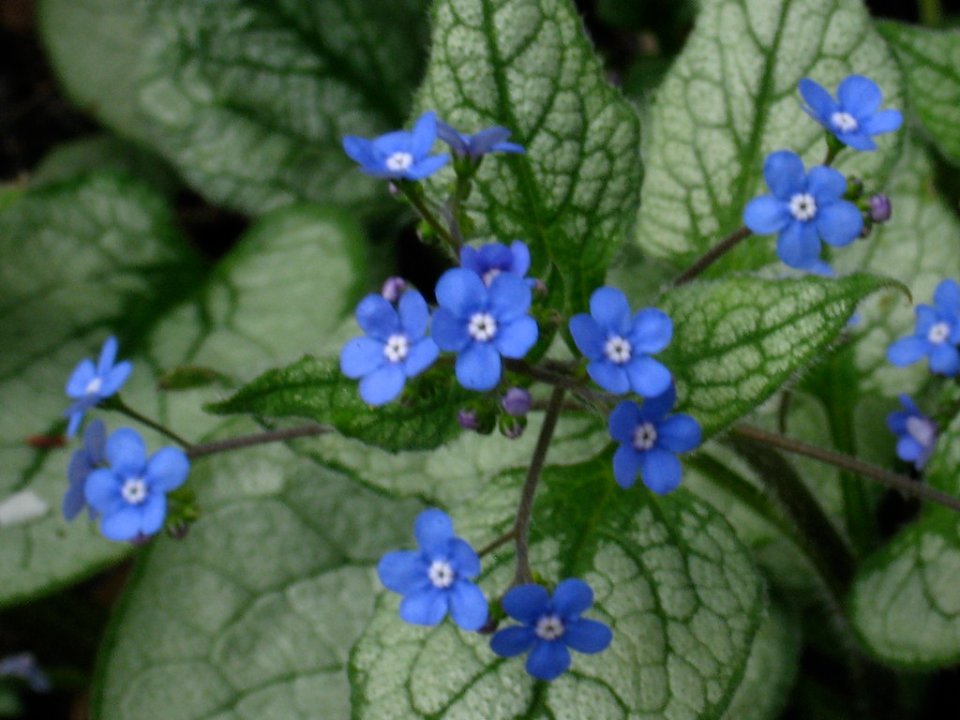
Brunnera is a shade loving perennial that is known for its heart shaped leaves and tiny blue flowers. The blooms often remind gardeners of forget me not flowers, and they appear in spring when fresh color feels especially welcome. As the plant ages, the clump grows wider and the leaves become a bigger part of its charm. Some kinds have silver markings that brighten dim corners of the garden in a very gentle way.
Brunnera likes moist soil that drains well and does best when hot afternoon sun is kept off it. It is a steady plant that does not make a lot of fuss once it gets settled. Each year can bring a broader mound of foliage and a better display of blooms. It is a lovely pick for woodland style beds and other spots where softer spring color is wanted.
Lungwort
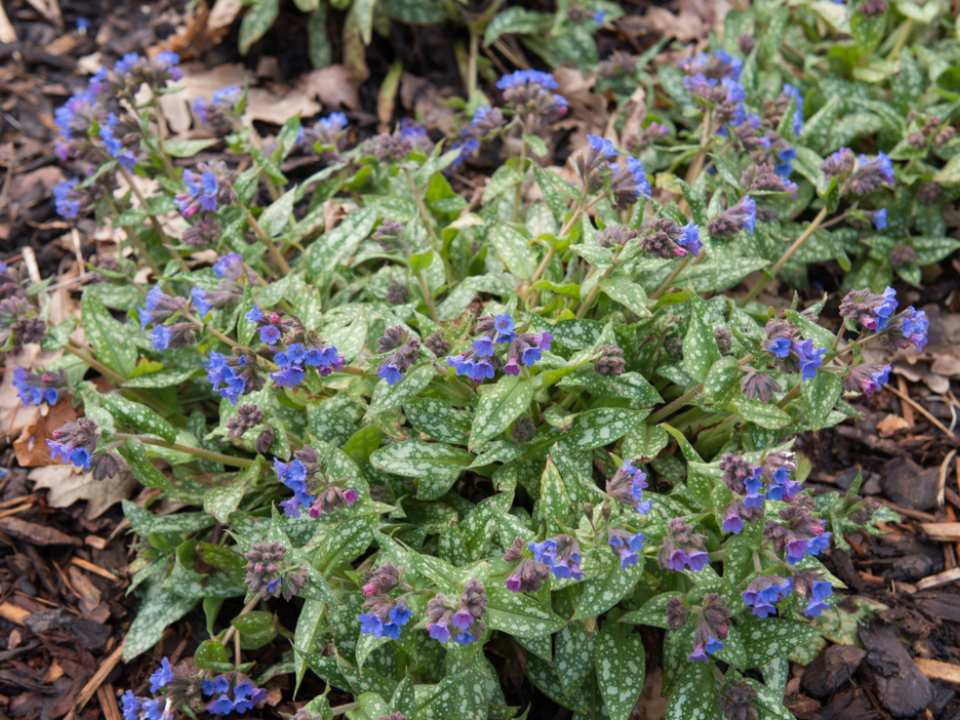
Lungwort is one of those spring perennials that quietly becomes a garden favorite after a few seasons. It has spotted or silver washed leaves that look attractive even when the plant is not in bloom. In spring, clusters of flowers appear in shades of pink, blue, and purple, sometimes changing color as they age. The plant slowly forms a thicker mound, which gives it a fuller look from year to year.
Lungwort does best in partial shade and likes soil that stays lightly moist without being soggy. It is especially useful under shrubs or near other shade plants where spring flowers can be easy to miss. As the clump expands, it covers more ground and helps the planting area look settled and lush. That slow, steady growth makes lungwort a rewarding part of a spring garden.
Columbine
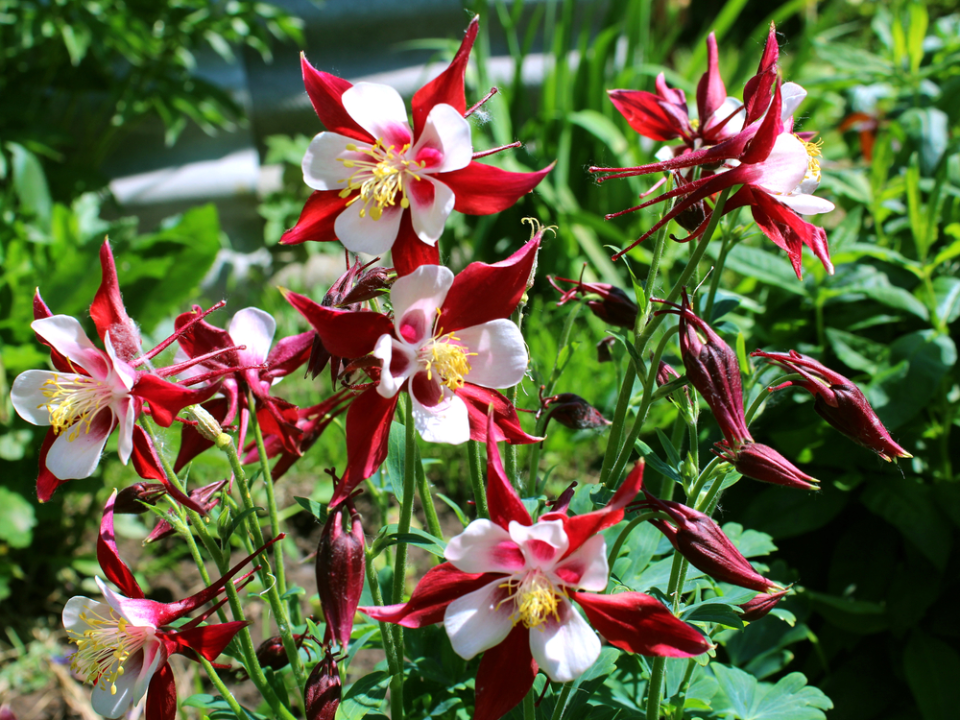
Columbine brings a light and airy feel to the garden with its nodding flowers and delicate foliage. The blooms come in a wide range of colors, and their unusual shape gives them a very distinct look in spring. While each plant may not get huge right away, established clumps often become stronger and flower more freely with time.
Columbine can also drop seed nearby, which helps the planting area fill in with a natural look. It grows well in sun or partial shade, which gives gardeners some flexibility when choosing a spot. The leaves have a soft texture that adds charm even before the flowers arrive. Older plants usually settle in better and return with a more confident display each spring. It is a great plant for cottage style gardens and mixed borders where a lighter touch is wanted.
Hardy Geranium
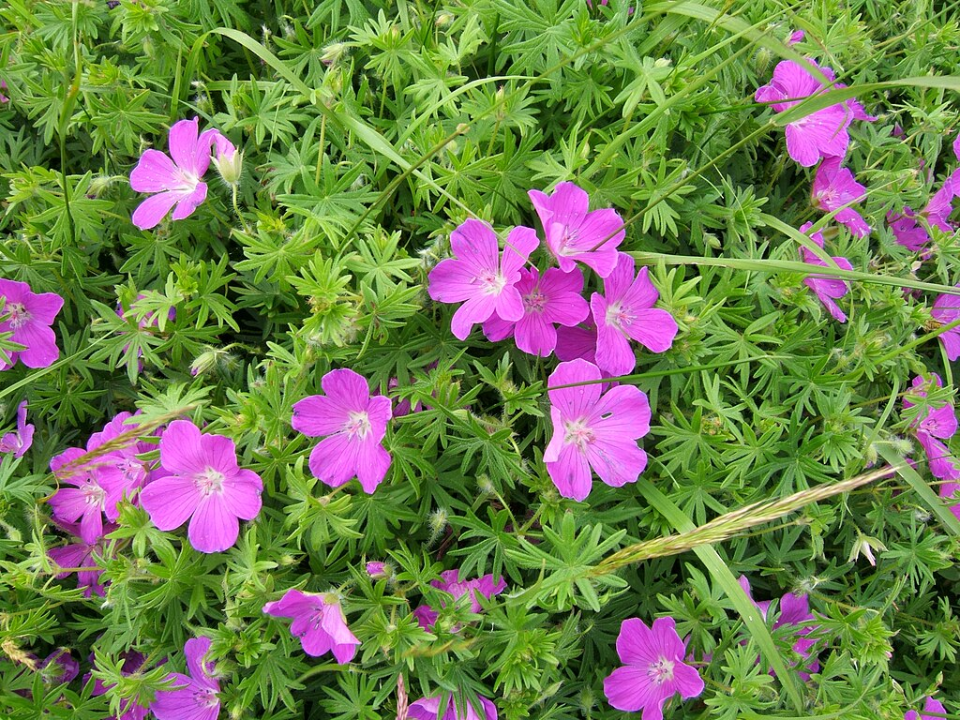
Hardy geranium is a dependable perennial that forms mounds of foliage and sends out cheerful flowers in spring and early summer. It is different from the bedding geraniums sold as annuals, and it tends to have a more relaxed garden look. As it matures, it spreads into a broader patch that can cover the soil and soften the edges of a bed. The flowers may be pink, purple, blue, or white, depending on the type, and they pair well with a wide range of other spring plants.
Hardy geranium likes sun to partial shade and usually does well in average garden soil. It can handle a bit of neglect once it is established, which makes it handy for less fussy planting areas. A trim after the first flush can help freshen the leaves and sometimes lead to more bloom later on. With each passing season, it tends to look fuller and better rooted in place.
Salvia
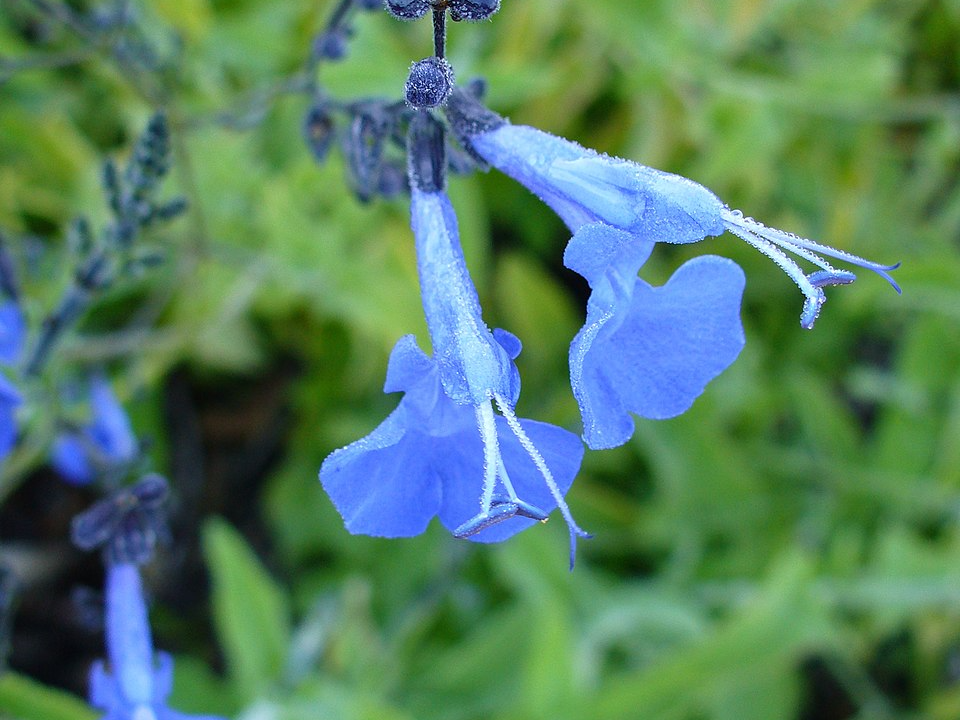
Perennial salvia is a great spring and early summer plant for gardeners who want upright spikes of color. Its flowers can be blue, violet, pink, or white, and they rise above tidy clumps of leaves that grow thicker with time. Once the plant has a year or two to settle in, it often comes back with more stems and a better overall shape. Salvia likes sunny spots and soil that does not stay wet for long.
Pollinators are often drawn to the blooms, which adds extra life to the garden when the flowers open. A light trim after the first round of flowering can help keep the plant looking fresh. Older clumps tend to have a stronger presence and can carry the bed better than newly planted ones. That steady return makes salvia an easy favorite for spring color.
This article originally appeared on Avocadu.