
14 Spring Herbs That Wake Up Early
Spring herbs are some of the first edible plants to show up after winter, and they make cooking feel fresh again. A small patch can give you handfuls of green flavor for eggs, soups, salads, and simple buttered toast. Here are spring herbs that come back fast, with easy ways to use them as soon as they start growing.
This post may contain affiliate links, which helps keep this content free. Please read our disclosure for more info.
Chives
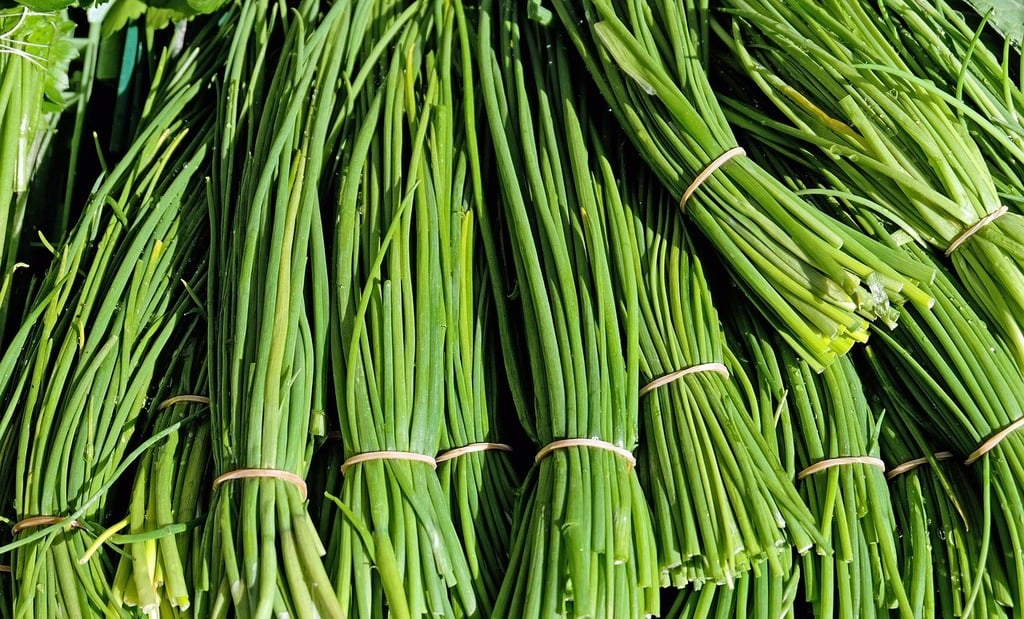
Chives are usually one of the first herbs to pop up, sending up skinny green shoots that you can snip almost right away. The flavor is mild and oniony, so it plays nicely with eggs, baked potatoes, cream cheese, and simple soups. If you cut a few leaves from the outside of the clump, the plant keeps growing without looking ragged. Let a few stems bloom and you will get purple flowers that are pretty in the garden and tasty sprinkled on salads.
For cooking, chop chives with a sharp knife or kitchen scissors and add them at the end so they stay bright. A quick chive butter is easy, just mix chopped chives with softened butter and a pinch of salt, then spread it on warm bread. If you end up with more than you can use, freeze chopped chives in a small container and grab pinches as needed. Divide the clump every few years if it starts getting crowded, and it will keep coming back strong.
Parsley
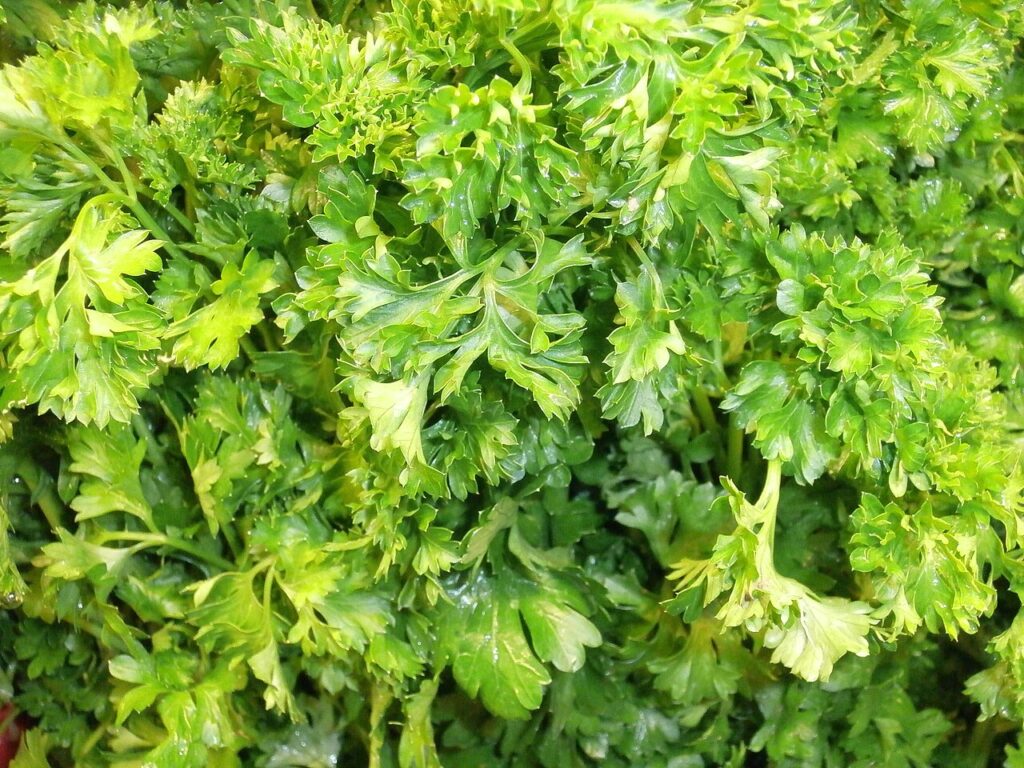
Parsley wakes up early in cool weather, and it keeps tasting clean and green while other herbs are still getting started. Flat leaf parsley has a stronger flavor for cooking, while curly parsley is a little milder and looks great as a garnish. The stems are full of flavor too, so you can chop them finely for soups and sauces instead of tossing them. If you plant it once, you may see new seedlings around the garden the next season because it likes to self sow.
In the kitchen, parsley does a lot more than sit on the side of a plate. Toss a big handful into pasta, rice, or roasted vegetables right before serving and the whole dish feels lighter. It also makes a fast green sauce with olive oil, lemon, garlic, and salt, which is nice on chicken or fish. Keep a jar of parsley stems in water in the fridge like flowers, and they will stay crisp longer.
Cilantro
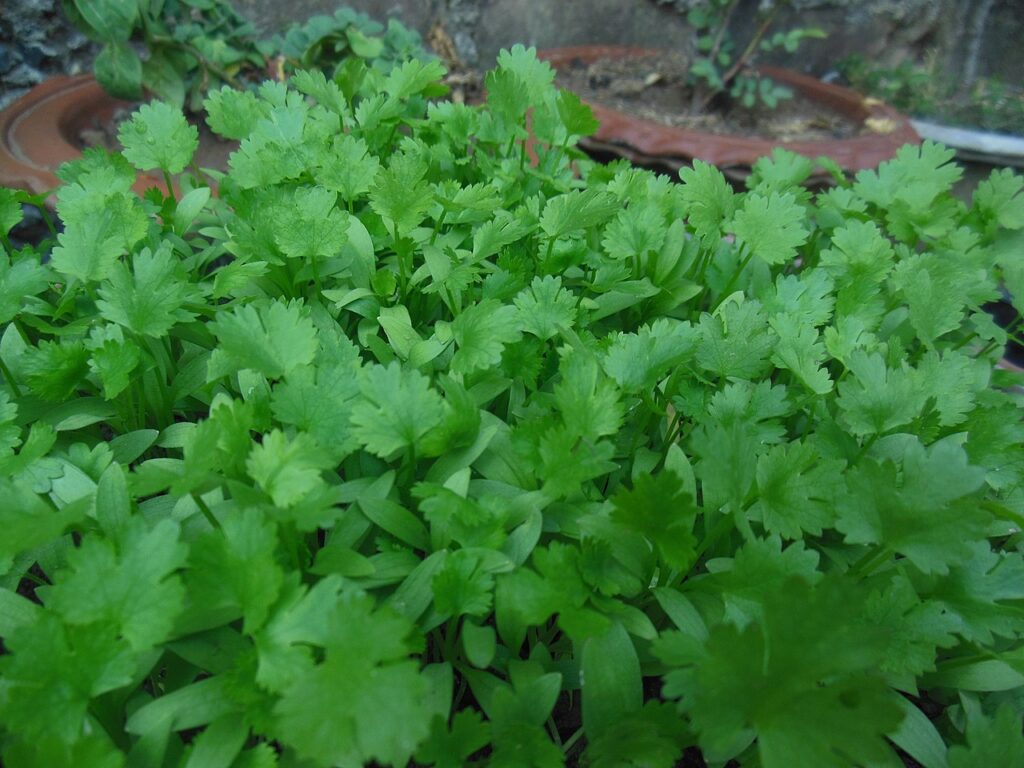
Cilantro loves cool spring days, which is why it often grows fast before the heat shows up. The leaves have that bright, citrusy bite that works well in tacos, noodle bowls, salsa, and simple cucumber salads. Because it can bolt quickly, you will usually get the best flavor when you pick often and keep the plant from flowering too soon. Even if it does flower, the plant is still useful because the seeds become coriander once they dry.
To keep cilantro going, plant small batches every couple of weeks so you always have fresh leaves. When you harvest, cut the outer stems close to the base and let the center keep filling in. Cilantro is also great blended into sauces with yogurt or mayo for a quick dip for veggies and grilled meats. If you like the taste, try using chopped stems too because they bring a strong punch in soups and marinades.
Dill
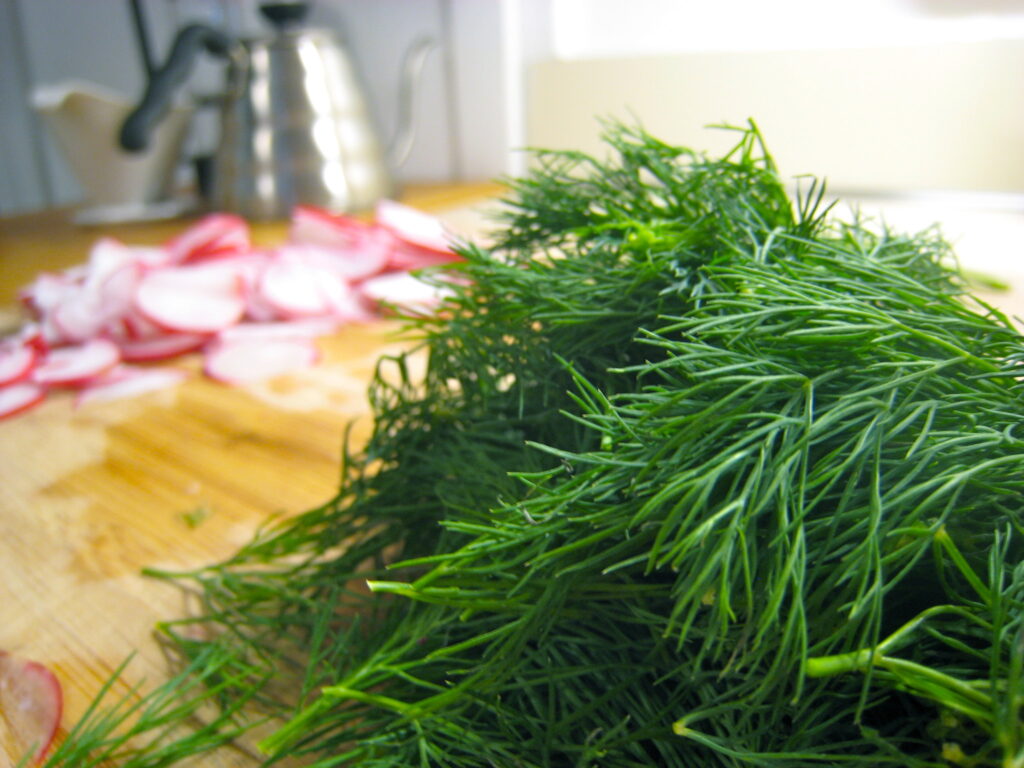
Dill is a spring favorite because it grows fast and has that feathery look that makes garden beds feel lively. The flavor is soft and grassy with a little tang, and it is perfect with potatoes, salmon, cucumbers, and yogurt sauces. Dill also draws helpful insects when it flowers, so it does double duty as a kitchen herb and a garden helper. Since it has a taproot, it usually does better planted where it will stay rather than transplanted.
In the kitchen, use dill fresh when you can because it loses a lot of flavor when dried. Stir it into sour cream for an easy dip, or sprinkle it over roasted carrots and buttered peas. If you are making pickles, add dill heads as well as leaves for that classic taste. You can freeze dill in small portions, and it still works well in cooked dishes like soups and stews.
Mint
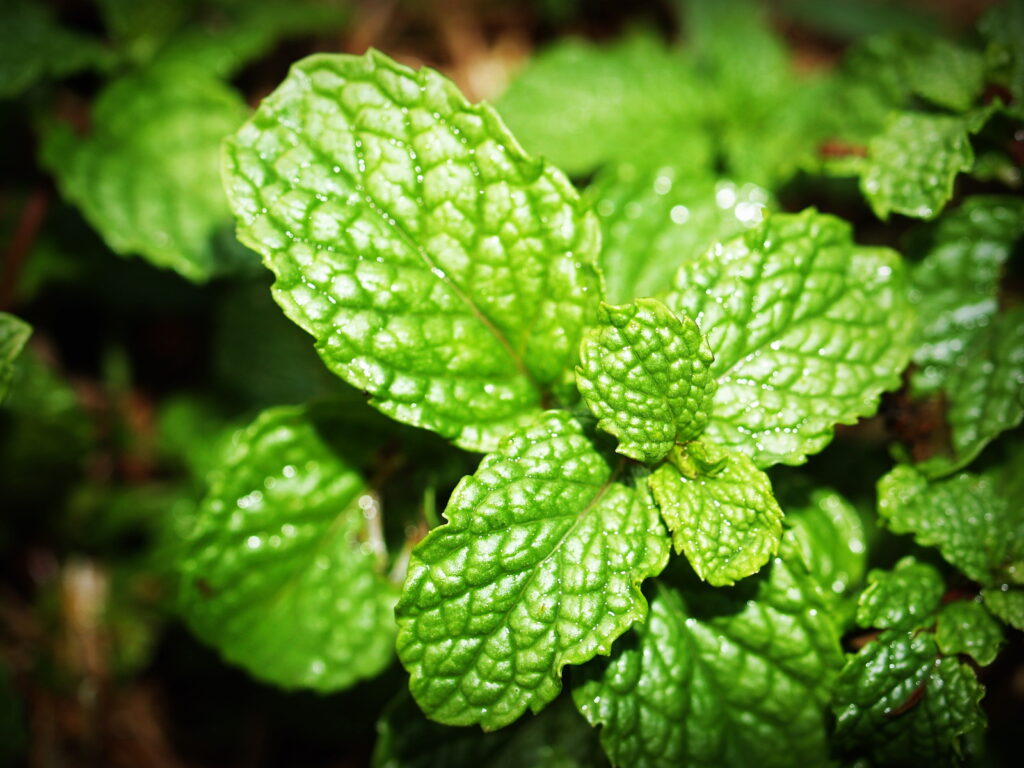
Mint is one of the earliest herbs to wake up, and it can spread quickly once it gets going. The leaves smell sweet and cool, and they work in drinks, fruit salads, yogurt, and even simple iced tea. Because mint can take over a garden bed, many people grow it in a pot or a contained area. Snipping often keeps it bushy and helps the leaves stay tender instead of getting tough.
In the kitchen, tear mint leaves instead of chopping them if you want the flavor to stay fresh and bright. Add a few leaves to lemonade, sparkling water, or sliced cucumbers for a quick spring drink. Mint also makes a nice sauce with olive oil, lemon, and a little honey to spoon over lamb or roasted vegetables. If you have extra, dry a bunch for tea or freeze leaves in ice cubes for summer.
Lemon Balm
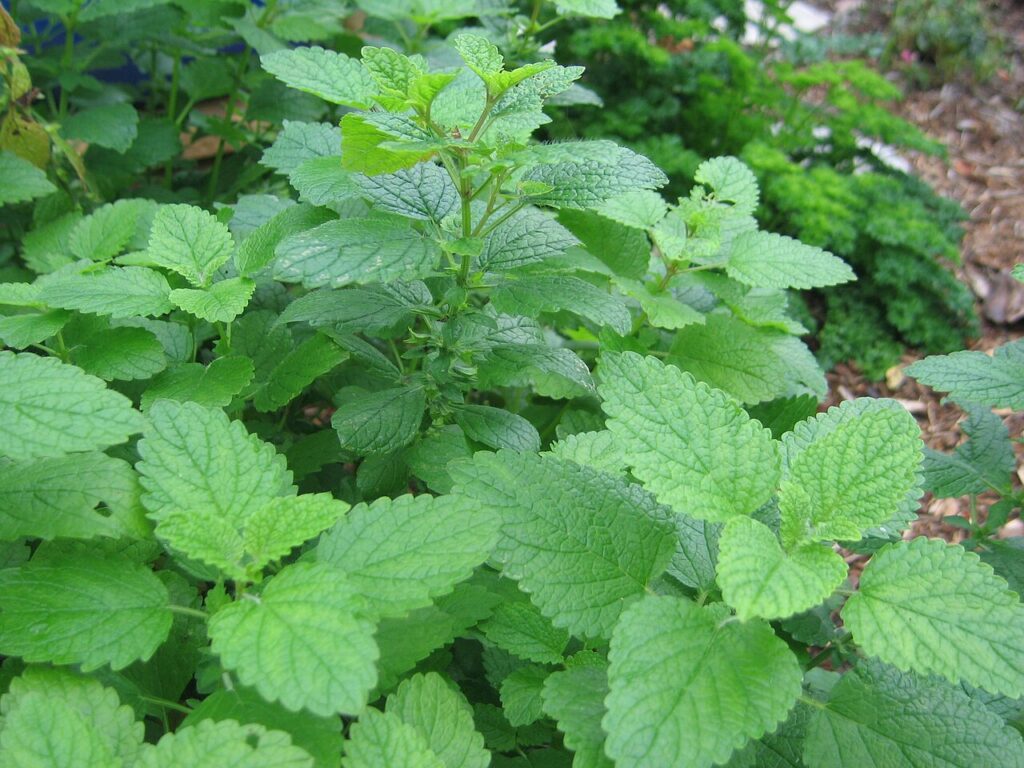
Lemon balm comes back early with soft green leaves that smell like lemon candy when you rub them. It is in the mint family, so it grows with the same steady energy and can spread if you let it. The flavor is gentle and a little sweet, which makes it easy to use without overpowering a dish. It is also a nice herb for kids to pick because the scent is so friendly and familiar.
Lemon balm is great in tea, especially with a little honey, and it also works in cold drinks with citrus. Chop a few leaves into fruit salad, or mix them into yogurt for a simple snack. If you want a quick dessert twist, steep lemon balm in warm milk, then use that milk for pudding or custard. Harvest it often and it will keep sending up fresh leaves through spring.
Oregano
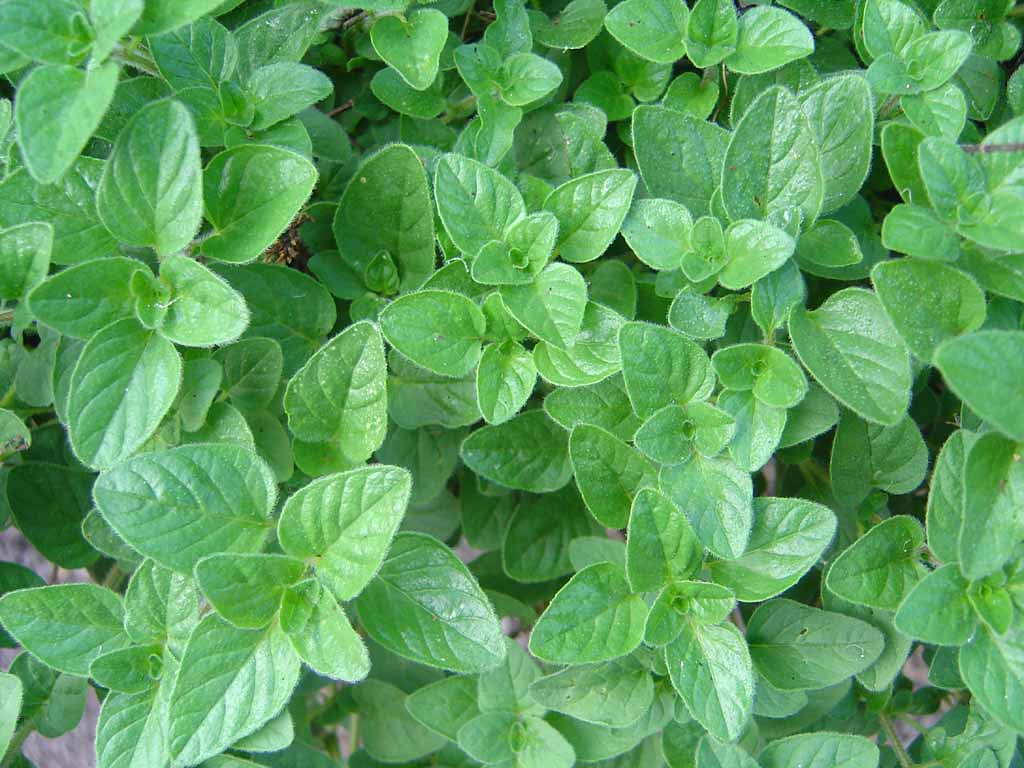
Oregano is a tough little perennial that often shows new growth early, especially in sunny spots with well drained soil. The flavor is strong and earthy, and even a small amount changes a pot of soup or a pan of roasted vegetables. Greek oregano has a classic pizza flavor, while some other types taste a bit milder or sweeter. Once it is established, it does not need much fuss beyond a haircut now and then.
For cooking, oregano is great fresh but it is also one of the herbs that dries well. Strip the leaves from the stems and add them early in cooking when you want the flavor to sink into sauces and beans. Fresh oregano is especially good scattered over tomatoes with olive oil and salt. If your plant gets woody, cut it back in spring and it will send out tender new stems.
Thyme
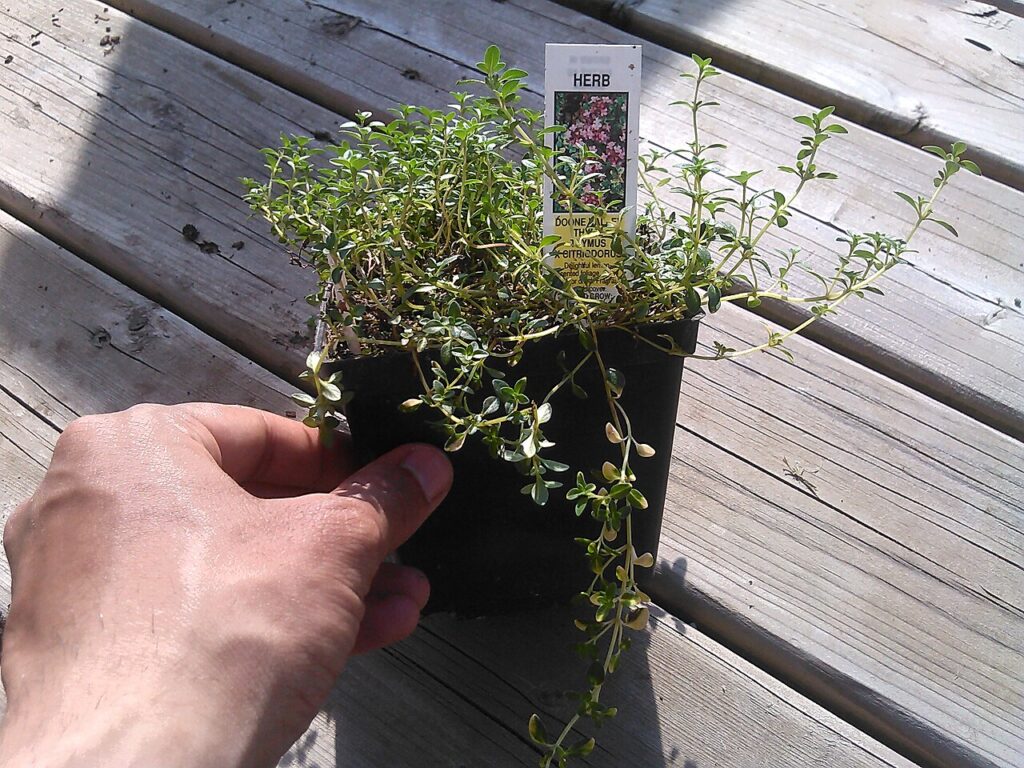
Thyme wakes up early with tiny leaves that hold a lot of flavor for their size. It stays low and tidy, so it is easy to tuck along a path or the edge of a bed where you can pinch sprigs as you cook. The taste is warm and slightly woodsy, which works beautifully in chicken, potatoes, lentils, and roasted mushrooms. Once thyme is happy, it can handle cool nights and dry spells without complaining much.
In the kitchen, toss whole sprigs into soups and stews, then pull them out before serving. If you want the leaves only, run your fingers down the stem and they will fall right off. Thyme also makes a simple spring roast taste deeper, even if you only add a few sprigs to the pan. Trim it lightly after flowering and it will stay thick instead of getting leggy.
Sage
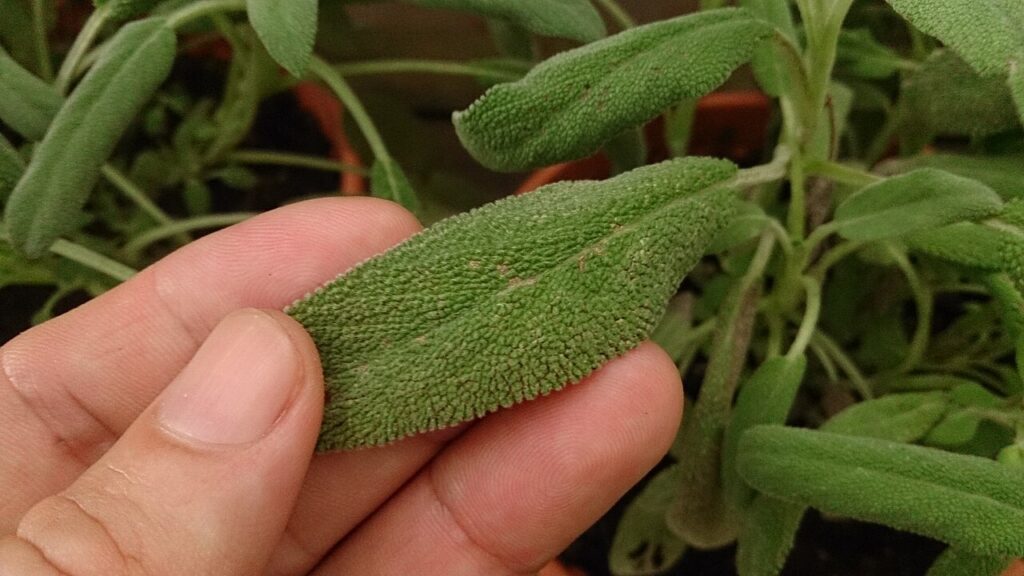
Sage comes back early with soft, fuzzy leaves that smell cozy and savory. The plant is hardy and can live for years, which makes it a great one to keep around if you like hearty cooking. Sage has a strong flavor, so a little goes a long way, especially when it is fresh in spring. The gray green leaves also look pretty in a garden, mixing well with flowers and other herbs.
In the kitchen, sage is famous with butter, and it is easy to make sage butter for pasta, gnocchi, or roasted squash. Fry a few leaves in butter until crisp, then use both the leaves and the butter as a sauce. Sage also tastes great with chicken, beans, and rich soups where it adds depth without needing much else. If the plant gets woody over time, prune it in spring so new tender growth keeps coming.
Tarragon
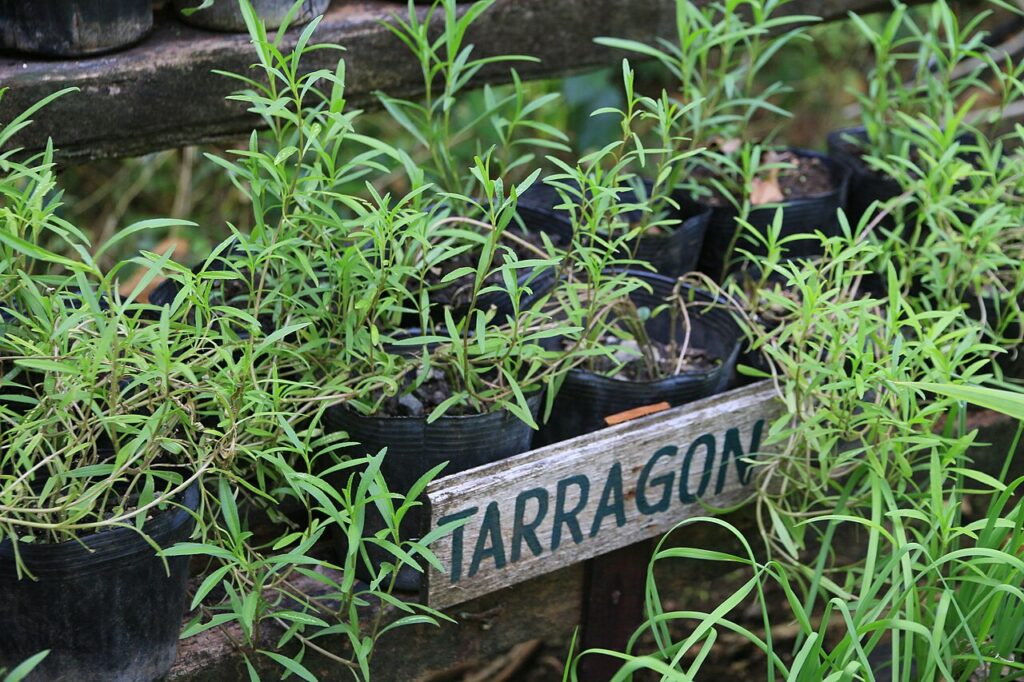
Tarragon wakes up with slender stems and narrow leaves, and its flavor is hard to mistake once you have tried it. It has a light licorice note that makes simple foods taste more interesting, especially eggs, chicken, and creamy sauces. French tarragon is the type most people want for cooking, and it is usually grown from a plant rather than from seed. In cool spring weather, it puts on fresh growth that is perfect for snipping often.
In the kitchen, tarragon shines in anything creamy, like a quick sauce with butter, cream, and a squeeze of lemon. It also makes a great vinegar, just add sprigs to a bottle and let it sit until the flavor comes through. Chop a little into chicken salad or tuna salad and it tastes bright without needing a lot of extra ingredients. Pick the tender tips first, and the plant will keep branching and filling in.
Sorrel
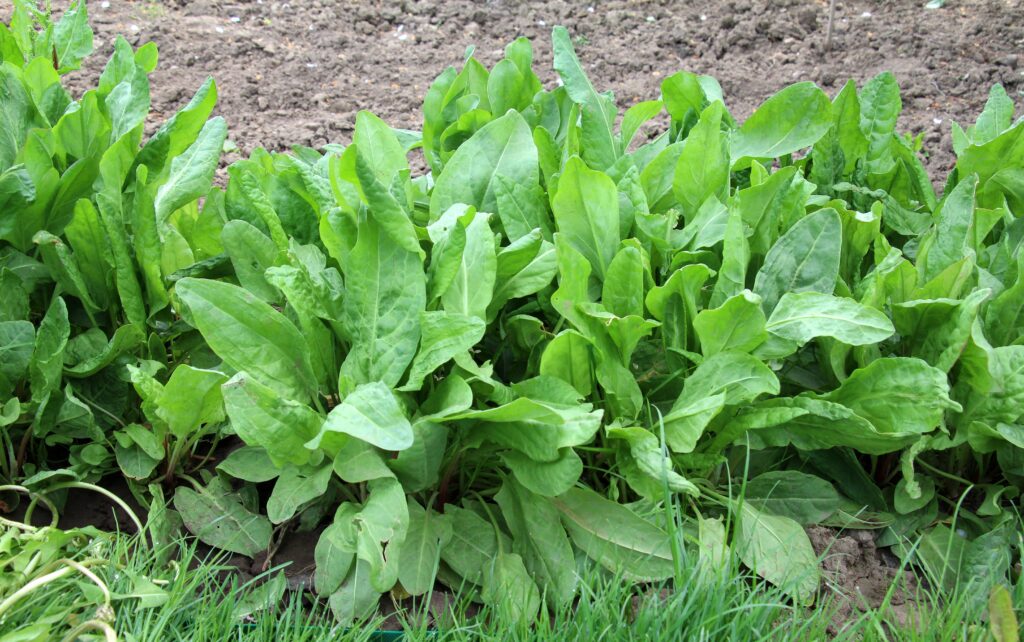
Sorrel is one of those early greens that feels like a secret because it shows up when most gardens are still waking up. The leaves taste lemony and tart, almost like a squeeze of citrus built into a leafy herb. It grows in clumps, and you can harvest a few leaves at a time without hurting the plant. Young leaves are the most tender, so spring is when sorrel really shines.
Sorrel is great chopped into salads if you like a little tang, and it can perk up mild greens fast. It is also famous in soups, where the tartness turns mellow and a little creamy if you add potatoes or a splash of cream. Try folding chopped sorrel into scrambled eggs right at the end so the flavor stays fresh. If the plant starts sending up flower stalks, cut them off to keep the leaves coming.
Lovage
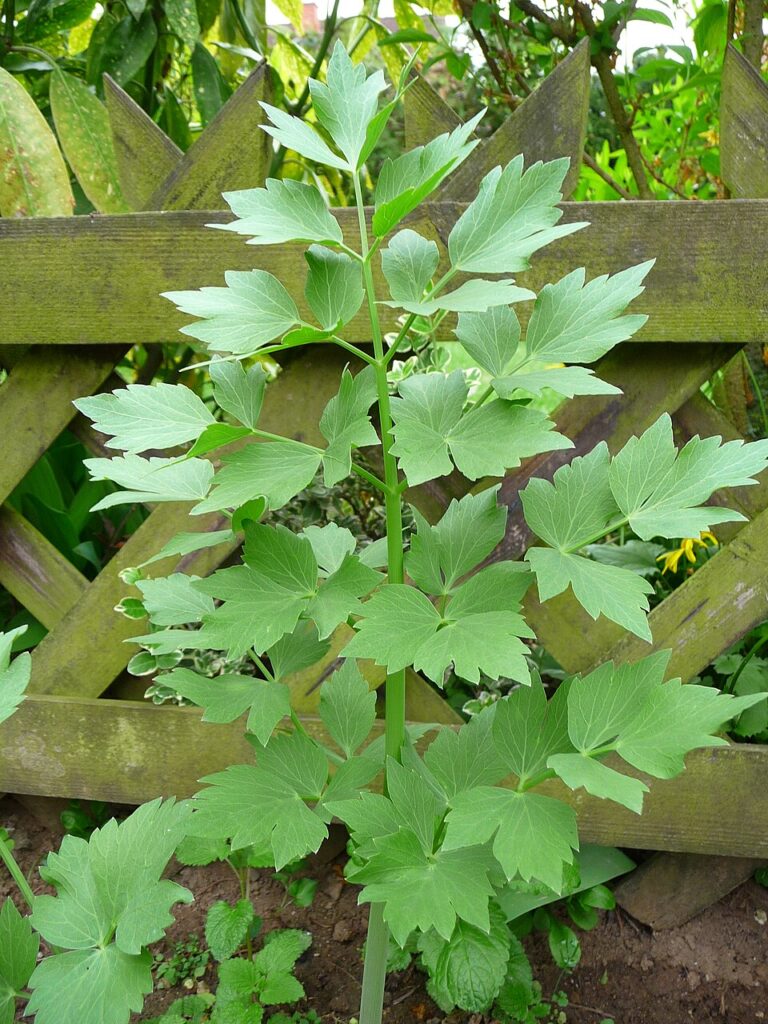
Lovage is a big perennial herb that comes up early and keeps growing taller as the season goes on. The leaves taste a lot like celery, but stronger, which is handy when you want that flavor without buying a whole bunch of celery. Because it gets large, it does best in a spot where it has room to spread out. Once it is established, it can be surprisingly low effort for how much it produces.
In the kitchen, lovage is great in soups, stews, and brothy dishes where celery would normally go. Chop the leaves into potato salad, egg salad, or tuna salad for a fresh, savory bite. The hollow stems can even be used like celery sticks for dipping if you catch them while they are still tender. If you want to keep the plant from flopping, cut it back a bit in spring and it will grow in fuller.
Chervil
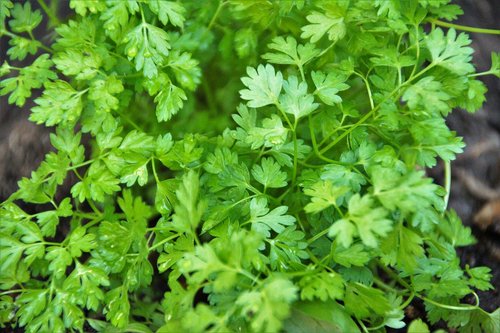
Chervil is a cool season herb that pops up early and stays delicate, with soft leaves that look a bit like fern fronds. The flavor is gentle and slightly sweet, with a light anise note that does not overpower other foods. It is often used in French cooking, and it fits nicely with eggs, chicken, fish, and spring vegetables. Since it does not love heat, spring is the best time to enjoy it before summer arrives.
Chervil is best used fresh because the flavor fades quickly once it is cooked. Sprinkle it over omelets, buttered peas, or steamed carrots right before serving. It also tastes great mixed into a simple herb salad with parsley and chives. If you grow it, keep the soil evenly moist and give it a little shade so the leaves stay tender longer.
Garlic Chives
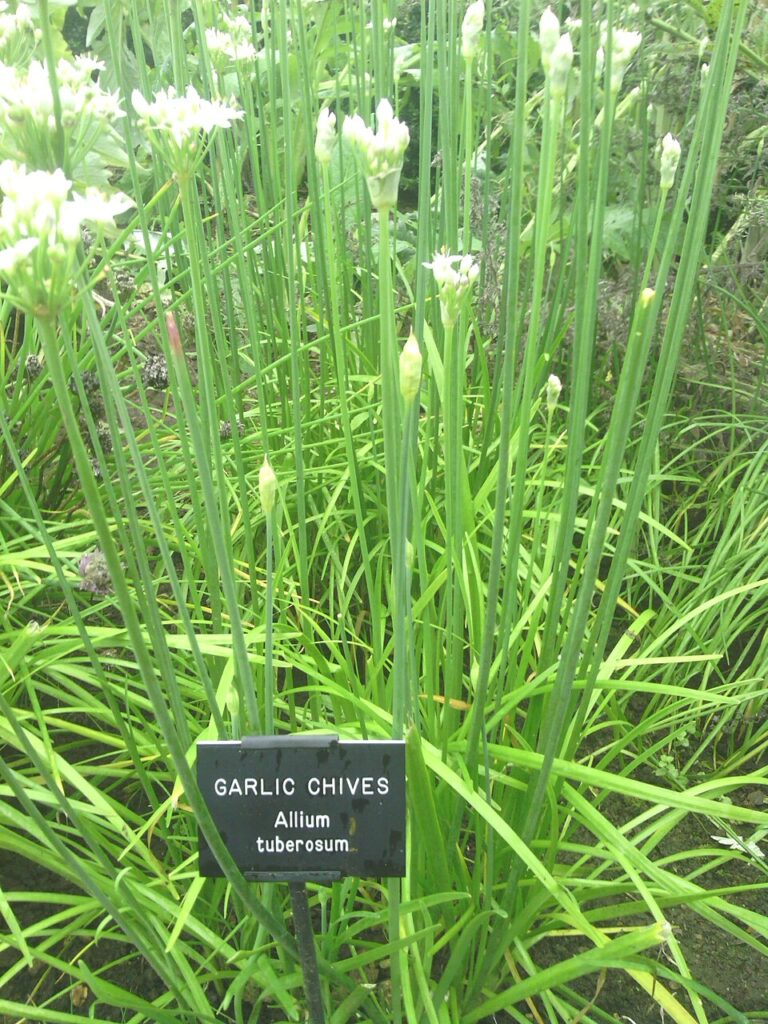
Garlic chives come up early in spring and look like flat, grassy leaves, similar to chives but a bit wider. The flavor leans garlicky instead of oniony, which makes them perfect when you want garlic taste without peeling cloves. They are hardy plants that come back year after year, and they are easy to cut and come again. Later in the season they bloom with white flowers, and those blooms are edible too.
In the kitchen, garlic chives are great chopped into dumplings, stir fries, eggs, and rice dishes. Add them at the end of cooking so the flavor stays fresh and the leaves stay green. They also make a quick topping for noodles with sesame oil and soy sauce, especially when you are short on time. If you want to save some, freeze chopped leaves in small bags and use them straight from the freezer.
This article originally appeared on Avocadu.