
15 Spring Greens You Can Grow Before It Gets Hot
Spring greens are some of the easiest crops to grow while days are still mild. They pop up fast, handle cool nights, and give you fresh leaves for salads, sautés, and sandwiches. Plant a few now, then keep picking until warmer weather moves in.
This post may contain affiliate links, which helps keep this content free. Please read our disclosure for more info.
Arugula
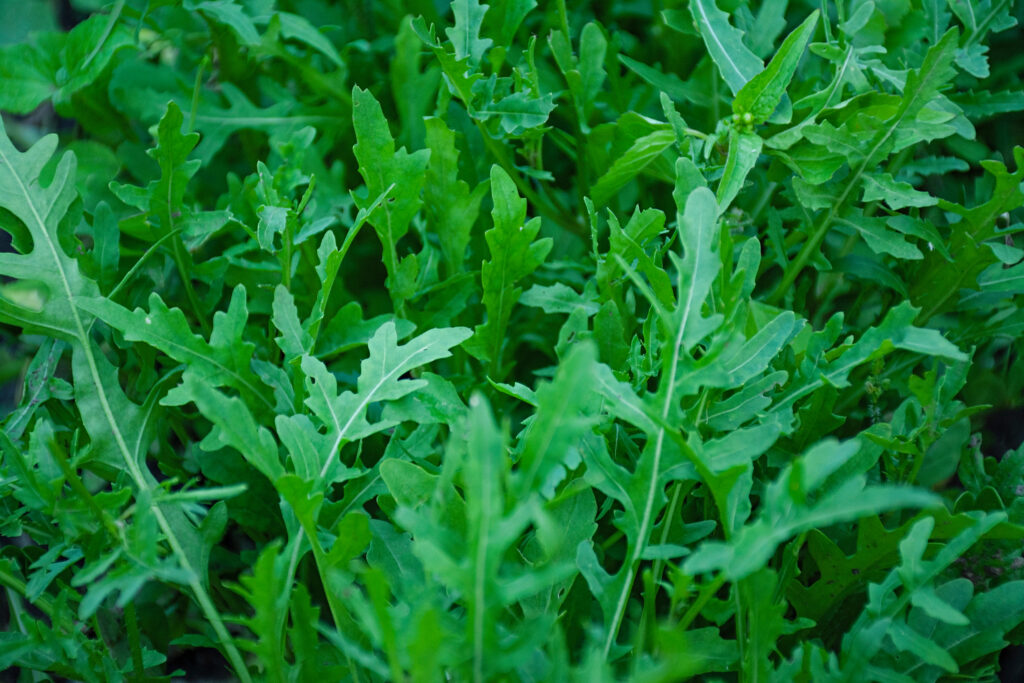
Arugula is one of the quickest greens to grow, and it comes up fast when the soil is still cool. The leaves have a peppery bite that makes even a simple salad taste more interesting. Sow seeds in a shallow line about 1 quarter inch deep, then keep the bed evenly moist until you see sprouts. You can start picking baby leaves in about three to four weeks, especially if the weather stays mild.
For the best flavor, harvest in the morning when the leaves feel crisp and full of water. If it warms up, give it some afternoon shade or tuck it beside taller plants, since heat can make the leaves taste stronger. Snip the outer leaves and let the center keep growing for repeated harvests. Toss arugula into pasta at the end so it wilts lightly, or pile it on sandwiches for a fresh peppery layer.
Spinach
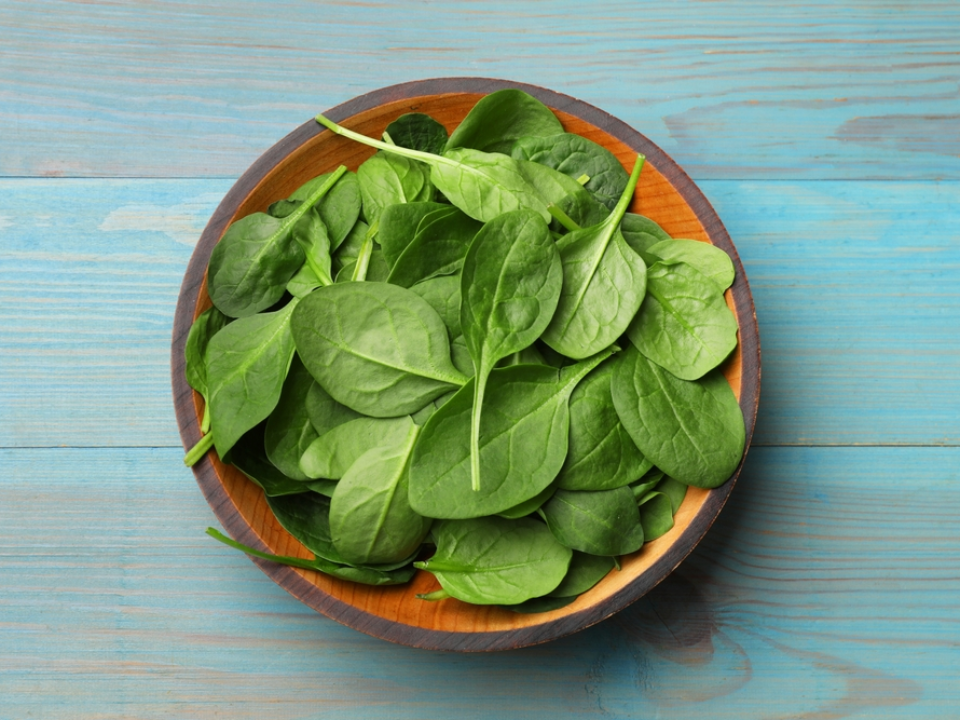
Spinach loves cool weather, so spring is the perfect time to grow it before the days turn hot. It grows best in soil that stays damp but not soggy, with a little compost mixed in for steady growth. Plant seeds about 1 half inch deep and space them out, then thin the seedlings once they are a couple inches tall. You can harvest baby spinach early, or wait for larger leaves if the temperatures stay comfortable.
Spinach can be cut as a loose leaf crop or picked one leaf at a time from the outside. If you see it trying to send up a flower stalk, harvest what you can quickly since the plant is nearing the end. A light row cover can help protect young plants from cold snaps and also keep leaf miners away. Use fresh leaves for salads, then cook the older ones into eggs, soups, or a quick garlic saute.
Lettuce
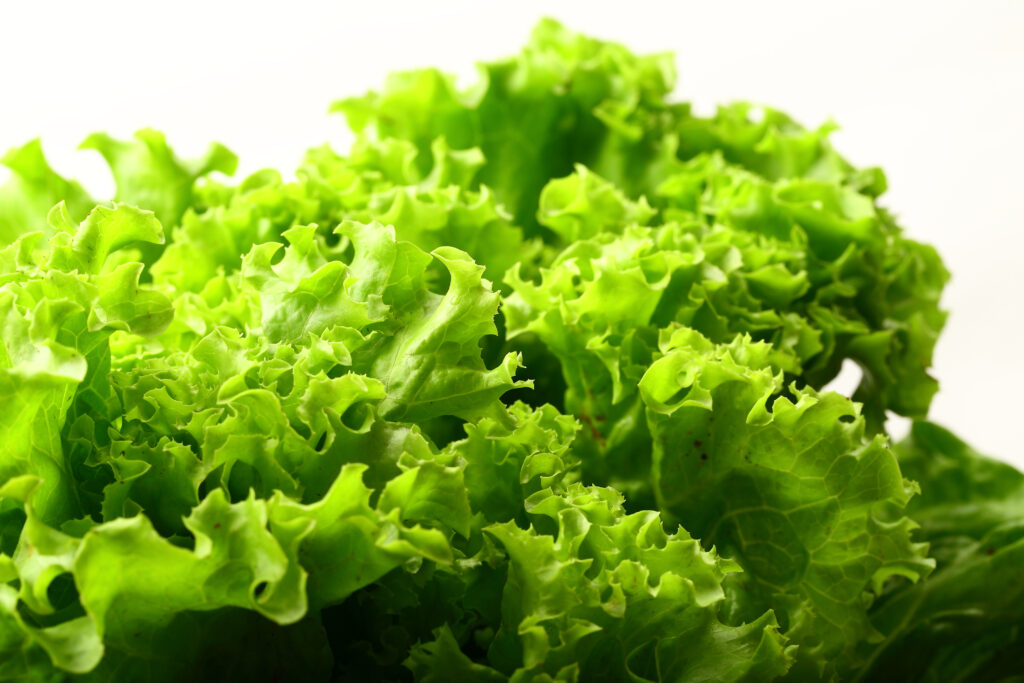
Lettuce is an easy spring green because it grows fast and does not mind cool nights. Loose leaf types are especially forgiving, and they give you a steady stream of leaves without waiting for a full head. Sow seeds very lightly since they need light to sprout, then water with a gentle spray so you do not wash them away. Thin the seedlings so each plant has space, since crowding can make the leaves small and tight.
For a longer harvest, plant a short row every one to two weeks while the weather stays mild. Keep the soil evenly moist and add a light mulch to help it stay cool as the sun gets stronger. Pick outer leaves first, and the plant will keep producing from the center. If you notice bitter flavor, it usually means heat is creeping in, so harvest more often and offer some shade.
Radishes
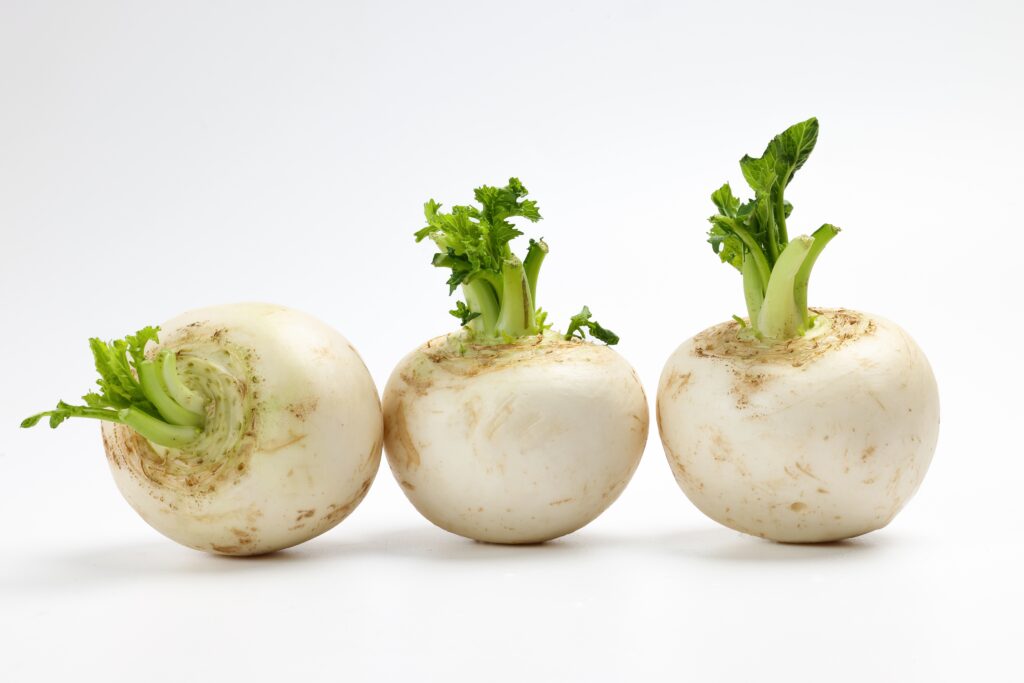
Radishes are grown for their roots, but the tops are tender greens you can cook or toss into salads. They sprout quickly and help you feel like the garden is working even when other plants are still tiny. Sow seeds about 1 half inch deep and keep them moist so the roots develop evenly instead of splitting. Thin them early because crowded radishes stay small, and crowded greens can get tough.
The greens taste a little spicy and earthy, almost like mild mustard. Pick young leaves for salads, or chop larger ones and cook them down like you would spinach. They are great stirred into soups, especially with potatoes or beans, because they add flavor without needing much seasoning. If you grow radishes for the roots, harvesting the greens as you thin seedlings is an easy bonus.
Baby Kale
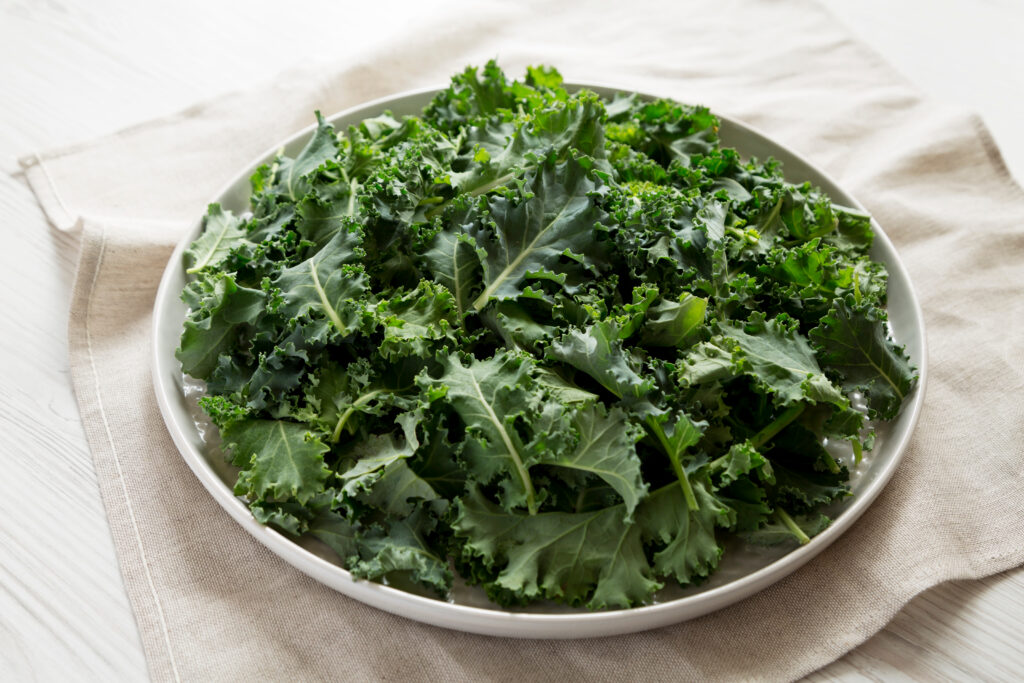
Baby kale gives you the flavor of kale with a softer texture that is easier to eat raw. It grows well in cool spring weather and can handle a light frost without trouble. Sow seeds about 1 quarter to 1 half inch deep, then thin the plants so they have room to form full leaves. You can start harvesting when leaves are about the size of your palm, which keeps them tender.
Cut the outer leaves first and let the center keep pushing new growth. If warm days arrive early, give the bed some shade in the afternoon and keep watering steady so the leaves stay sweet. Baby kale is great in salads with a creamy dressing because it holds up without wilting fast. It also cooks quickly, so it works well in stir fries or mixed into rice bowls at the end.
Swiss Chard
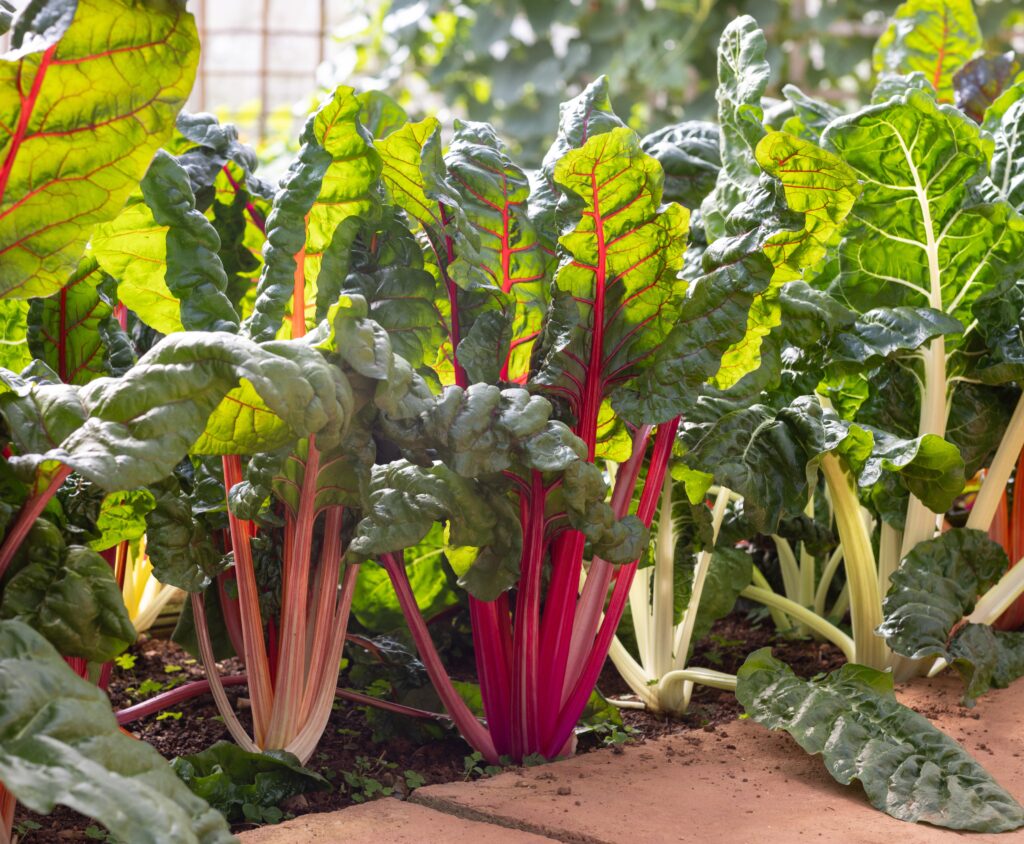
Swiss chard is a sturdy green that keeps growing when other spring greens slow down. The stems can be white, yellow, or red, and they stay pretty in the garden while giving you a lot to harvest. Plant seeds about 1 half inch deep, and remember that each seed cluster can sprout multiple seedlings. Thin them so each plant has space, because chard gets big and needs airflow.
Harvest by cutting the outer stalks near the base, then leave the center to keep producing. The leaves cook down like spinach, but the stems stay a little crunchy and sweet. If the leaves get large, chop the stems and leaves separately and start the stems in the pan first. Swiss chard can handle a bit more warmth than spinach, so it is a nice bridge crop as spring shifts toward summer.
Bok Choy
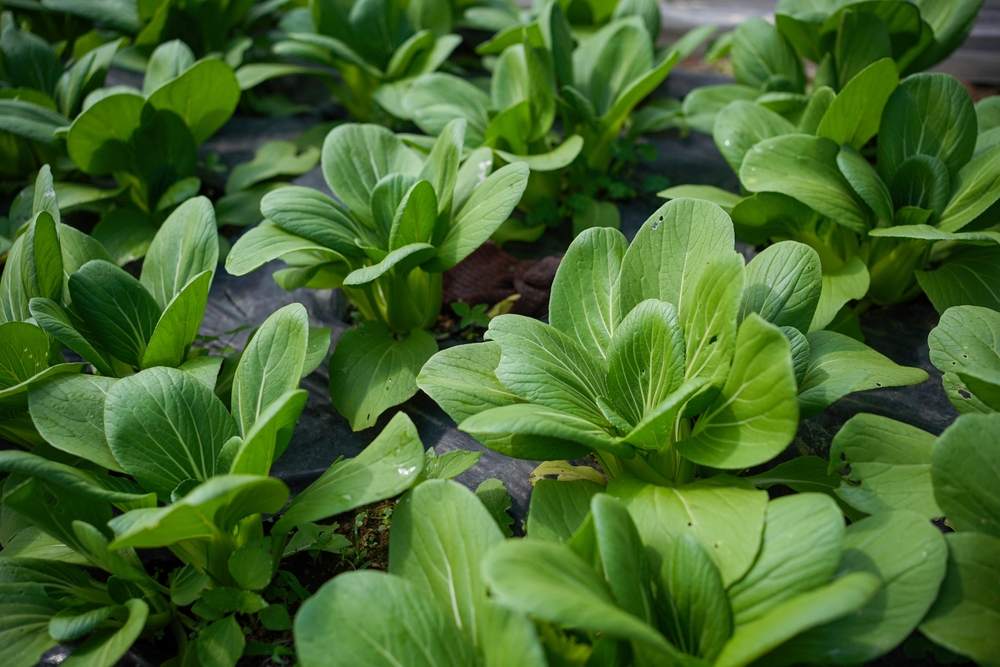
Bok choy grows quickly in cool weather, and the juicy stems make it feel like a vegetable and a green at the same time. You can grow full sized plants or pick it young as baby bok choy for quicker harvests. Sow seeds about 1 quarter inch deep and keep the soil consistently moist so the plants do not stall. Thin seedlings early, since tight spacing can lead to thin stems and stressed plants.
Bok choy tastes mild and slightly sweet, which is why it works in so many meals. Harvest the whole plant at the base, or cut outer leaves to stretch the season a little longer. When days warm up, it can bolt quickly, so pick it while it still looks compact and tight. Stir fry it with garlic and a splash of soy sauce, or add it to noodle soup right at the end.
Tatsoi
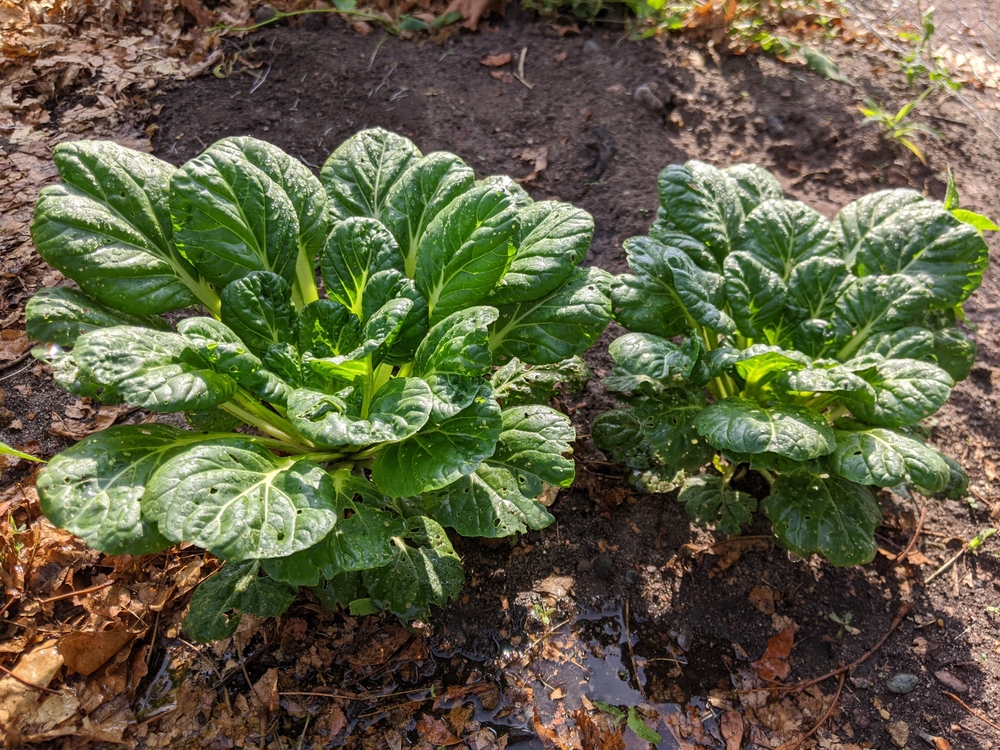
Tatsoi forms low rosettes of spoon shaped leaves that look almost too neat to be real. It is a cool season green that stays tender and mild when grown in spring. Scatter seeds lightly and cover them with a thin layer of soil, then water gently to keep the top layer from drying out. Once seedlings are up, thin them so each plant has space to form a full rosette.
The flavor is soft and slightly mustardy, but it is not harsh. You can harvest individual leaves from the outside or cut the whole rosette for a quick meal. Tatsoi is great in salads when it is young, and it wilts nicely into soups or ramen. If you want longer picking, keep it shaded during warm afternoons and water steadily.
Mizuna
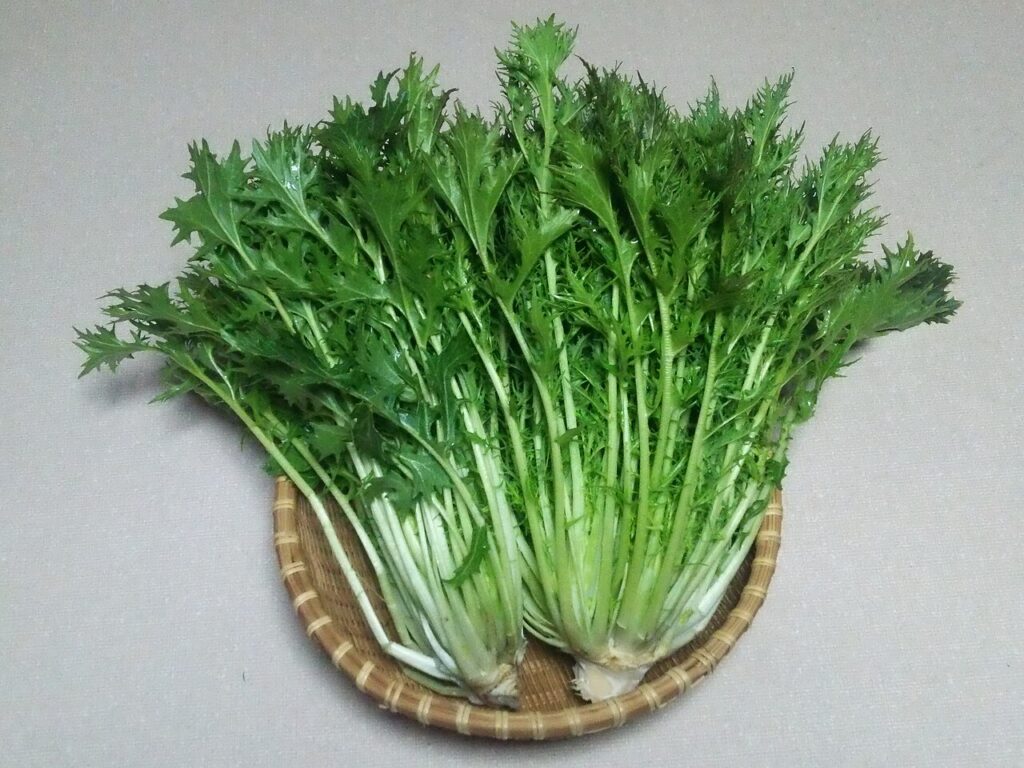
Mizuna is a frilly Japanese mustard green that grows fast and stays tender in cool weather. It is easy to direct sow, and it does not need much fuss to give you a lot of leaves. Plant seeds shallow, about 1 quarter inch deep, and keep the bed moist until they sprout. Thin seedlings to avoid crowding, or grow it closely and harvest as baby greens.
Mizuna has a mild bite that makes salads taste fresher without taking over. Snip leaves with scissors and the plant will keep pushing new growth for multiple harvests. It also cooks quickly, so you can toss a handful into fried rice or scrambled eggs right before serving. If it starts tasting stronger, harvest more often and give it some shade as the weather warms.
Mustard Greens
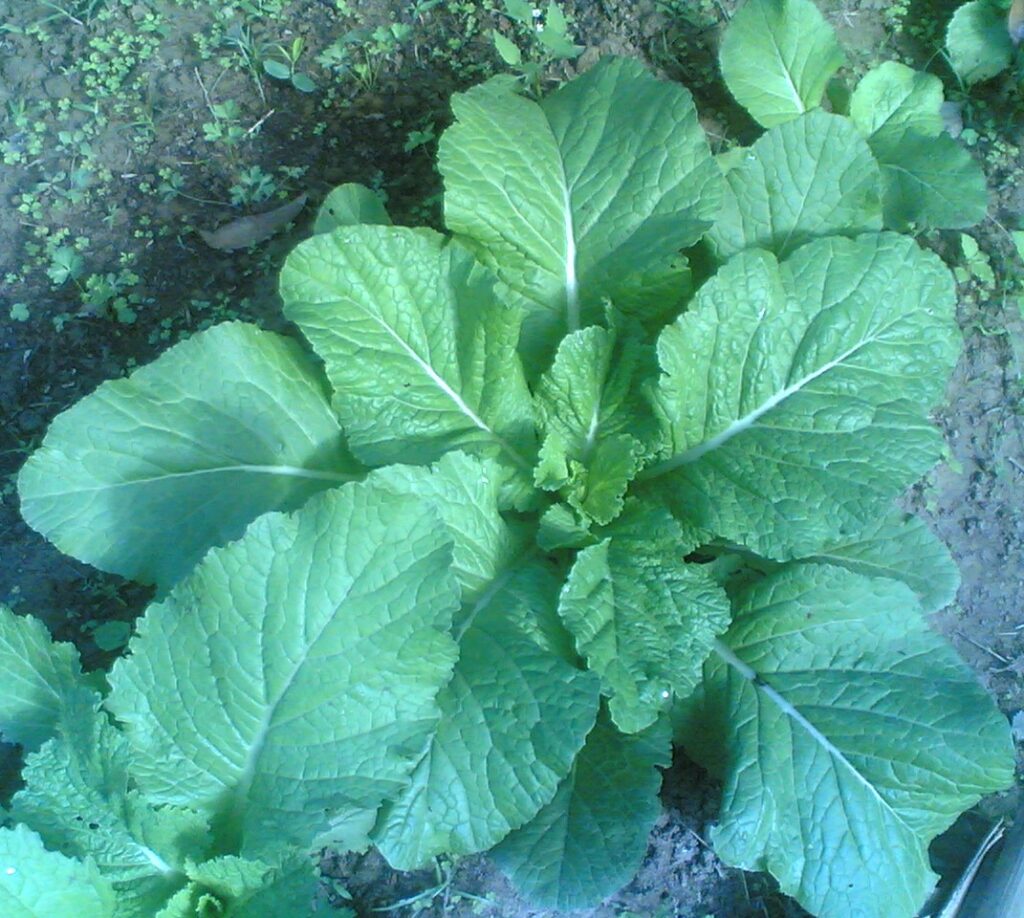
Mustard greens grow quickly and bring a spicy kick that wakes up spring cooking. They handle cool nights well, and the leaves get larger fast once the days lengthen. Sow seeds about 1 quarter to 1 half inch deep, then thin so each plant has enough room to make full leaves. Young leaves are milder, while older ones get more bite, so you can pick based on how you like the flavor.
For a steady harvest, pick outer leaves regularly and keep the plants watered. If you want to mellow the taste, cook them with onions and a splash of broth until they turn silky. They also pair well with beans, sausage, or rice because the peppery flavor balances richer foods. Once heat sets in, mustard greens can bolt, so harvest generously and replant again in fall.
Turnip Greens
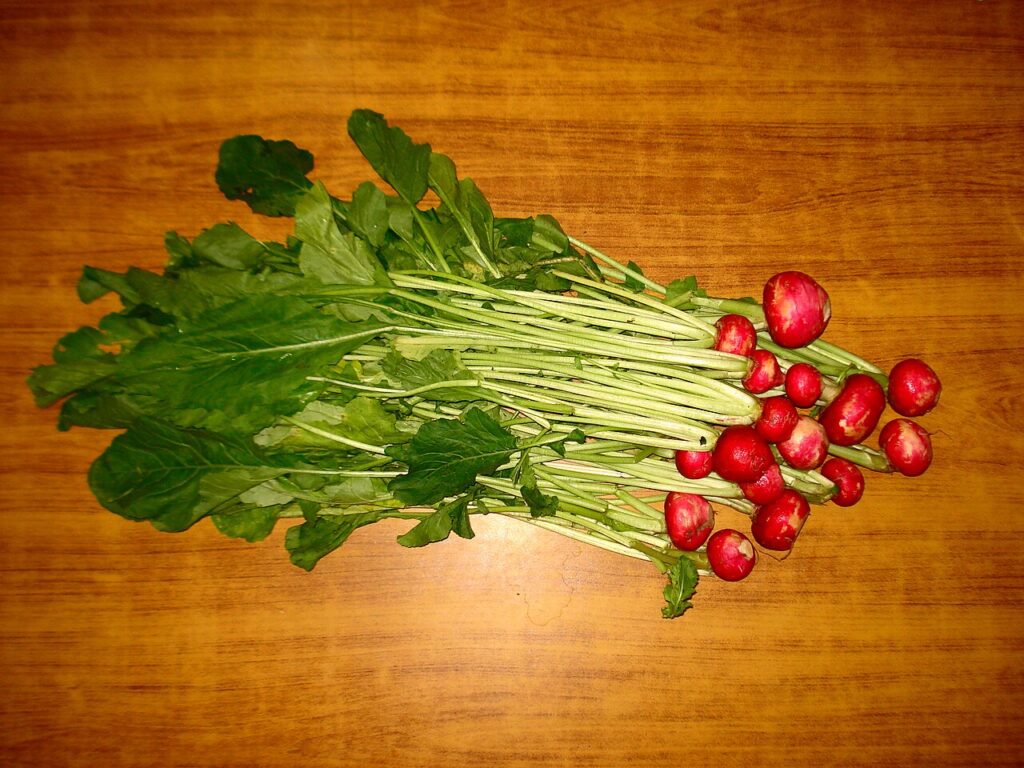
Turnips give you two crops in one, since you can eat the greens and the roots. The leaves are best when young, with a slightly peppery taste that is not too strong. Sow seeds about 1 half inch deep and thin seedlings early so the roots can size up. Even if you are growing them for greens, spacing still matters because crowded plants get tough leaves.
Harvest greens by picking a few outer leaves from each plant, or pull a whole small turnip and use both parts together. The greens are great cooked with garlic and a little oil, and they also work in soups. If the leaves feel rough, a quick blanch can soften them before you saute. Keep the bed moist during dry spells, since drought stress can make the greens taste sharper.
Beet Greens
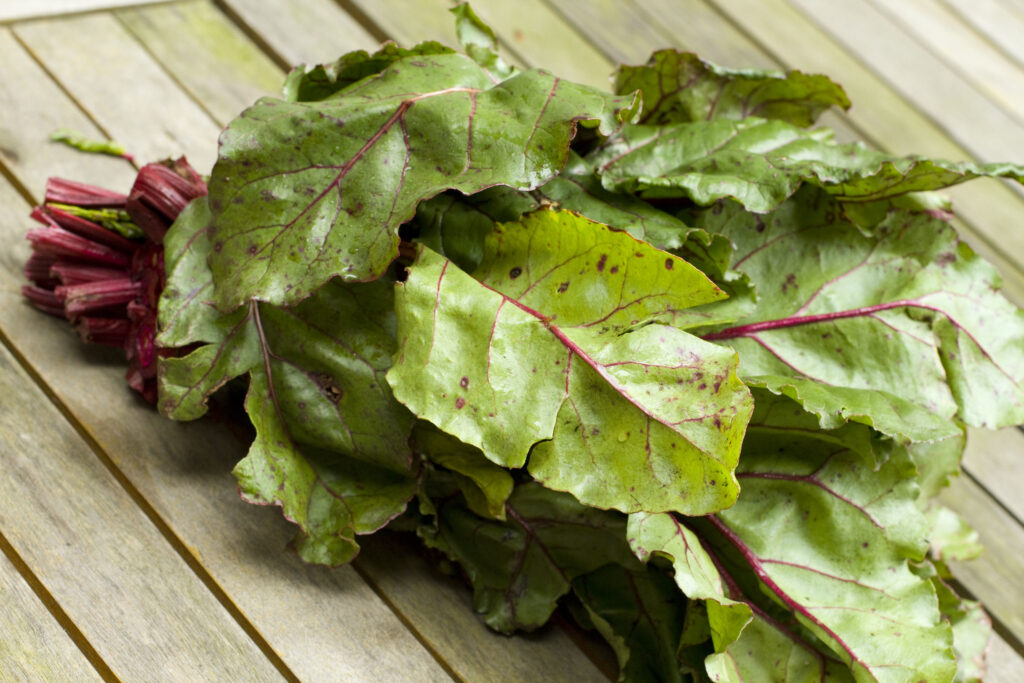
Beet greens are often overlooked, but they are one of the nicest spring greens you can grow. The leaves are tender when young, and the stems can be red or pink which looks great in a bowl. Plant seeds about 1 half inch deep, and remember that each seed cluster can sprout multiple plants. Thin seedlings early so the beets can form and the leaves stay soft instead of crowded.
You can harvest a few leaves from each plant without hurting the root, as long as you do not strip it bare. The greens cook like chard, with a mild earthy taste that pairs well with lemon. Saute the stems first for a minute or two, then add the leaves until they wilt. If you have extra, stir chopped beet greens into pasta or fold them into an omelet.
Pea Shoots
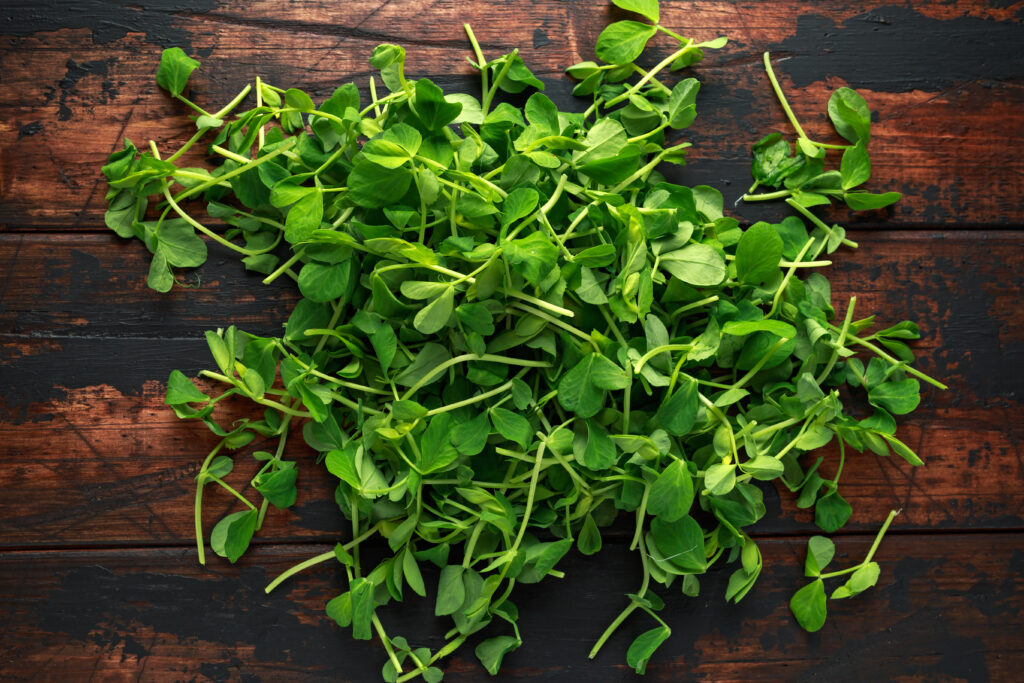
Pea shoots are the tender tops and curly tendrils of pea plants, and they taste fresh and slightly sweet. They grow fast and do well in cool spring weather, even in containers or small beds. Sow peas a bit thickly if you are growing mainly for shoots, and keep the soil moist so they sprout evenly. Once the plants are about 6 to 8 inches tall, you can start cutting the top few inches.
Snip just above a set of leaves so the plant can branch and give you another round of shoots. The texture stays crisp, which makes pea shoots great for salads and sandwiches. They also wilt beautifully into stir fries, and they cook in under a minute. If you want both shoots and peas later, harvest lightly early on and let the plants keep growing.
Watercress
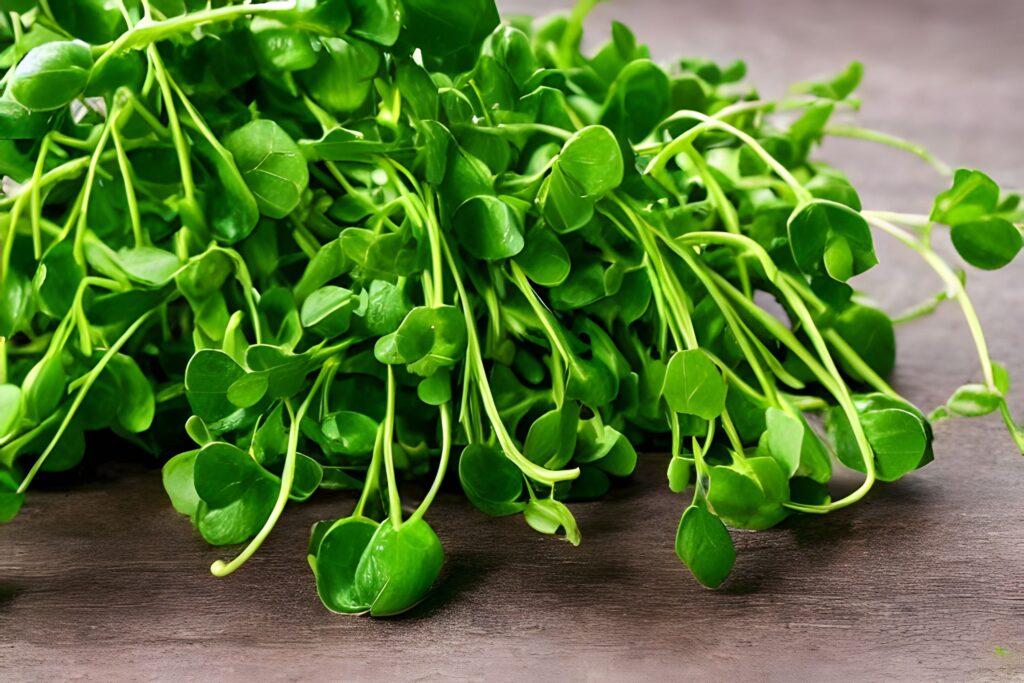
Watercress is a cool season green with a peppery flavor, and it feels fancy even though it is simple to grow. It likes constant moisture, so it does best in a very damp spot or in a container that never dries out. Sow seeds on the surface and press them in, since they need light to sprout, then mist gently every day. Once it takes off, it fills in quickly and gives you lots of small stems to snip.
Harvest by cutting stems a few inches long, then rinse well since the leaves can hold grit. The flavor is sharp in a good way, which is why it pairs so well with eggs, potatoes, and creamy soups. Add it at the end of cooking so it stays green and fresh tasting. If it starts to struggle in warm weather, keep it shaded and keep the soil wet.
Cilantro
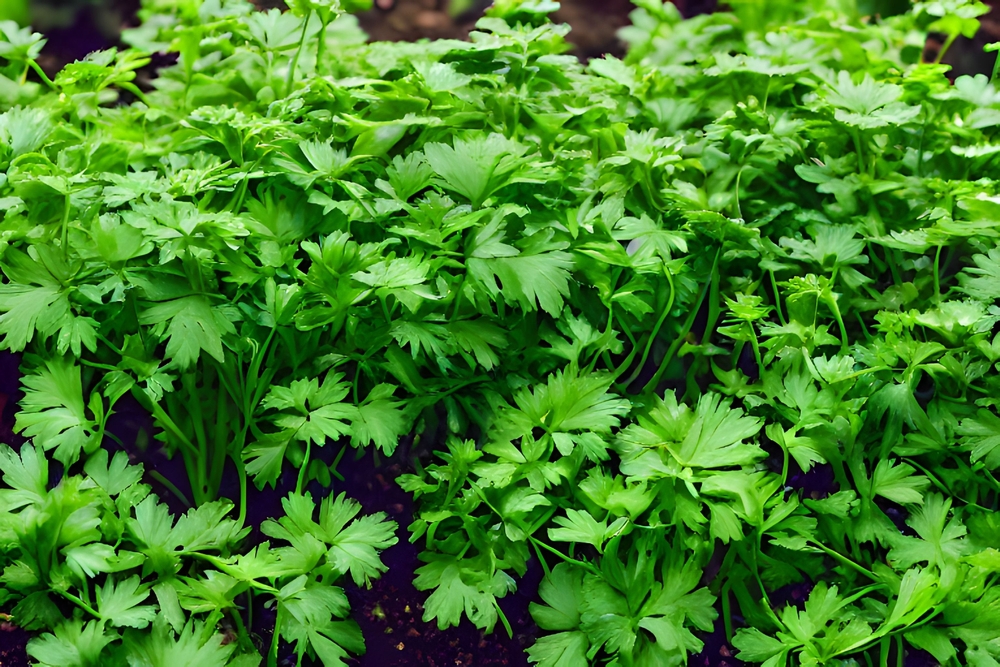
Cilantro grows best in cool weather, which is why spring is the time to plant it before it gets hot. It sprouts fairly quickly, and once it gets going you can start snipping stems as needed. Plant seeds about 1 quarter inch deep and keep the bed evenly moist until you see sprouts. Thin seedlings so air can move through, since crowded cilantro can flop and get stressed.
Cut a few stems from each plant rather than stripping one plant bare, and it will keep producing. Warm weather can make cilantro bolt fast, so harvest often and plant another small patch every couple of weeks. The leaves are great in salsa, tacos, and rice bowls, and the stems carry a lot of flavor too. When it finally flowers, let some go to seed if you want coriander for cooking later.
This article originally appeared on Avocadu.