
12 Spring Frogs With Limited Ranges That Only Live in One Region
A frog can become especially interesting when its whole world is limited to one corner of a country or one small stretch of habitat. That narrow range gives these species a unique place in spring wildlife watching. Many of them are linked to cool mountain slopes, damp woodlands, or quiet pools that stay active in the wetter months. So if you like animals with rare and local roots, this list is worth your time.
This post may contain affiliate links, which helps keep this content free. Please read our disclosure for more info.
Southern Mountain Yellow-Legged Frog
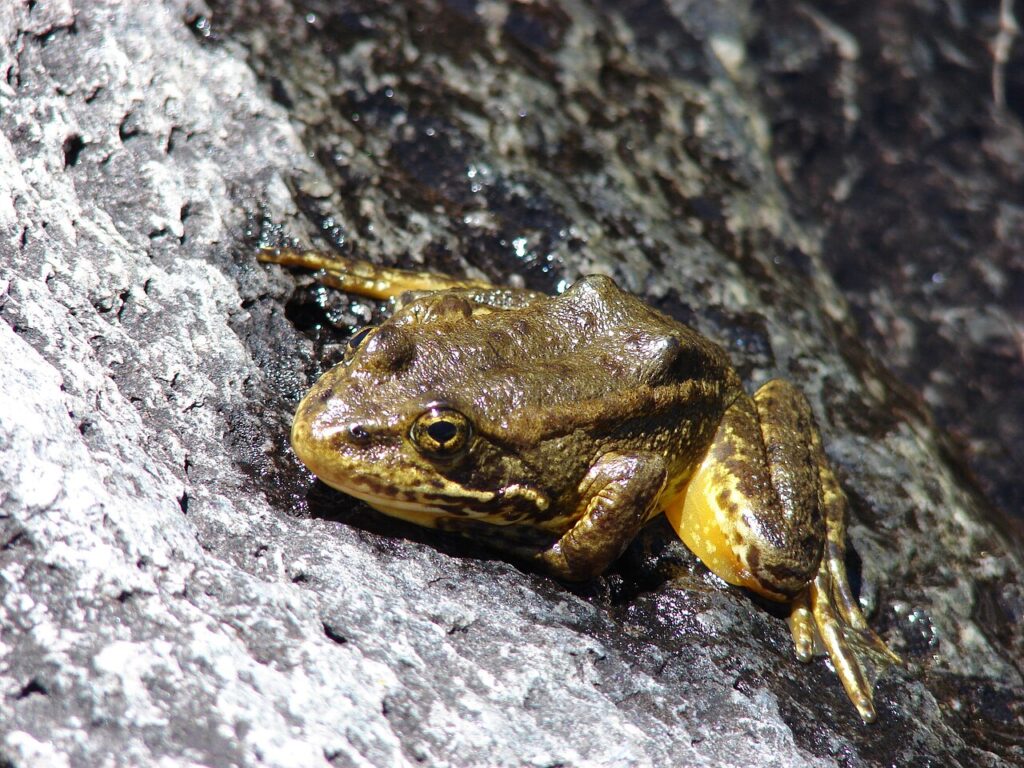
In southern California, the Southern Mountain Yellow-Legged Frog is linked to isolated mountain groups rather than to a broad area. Its range includes the San Jacinto, San Bernardino, San Gabriel, and Palomar mountain areas. That makes it a frog of one regional corner of the state, not a widespread species. During the warmer part of spring, streams and pools become especially important for their activity.
Unlike frogs that can shift across wide lowlands, this one depends on cool mountain waters. Its limited distribution leaves it more exposed when local streams change or decline. The yellow on the legs helps give the frog its common name, though it can be hard to spot from above. Keep reading these regional frogs, and you start to see how mountain species often live in small pockets.
Baw Baw Frog
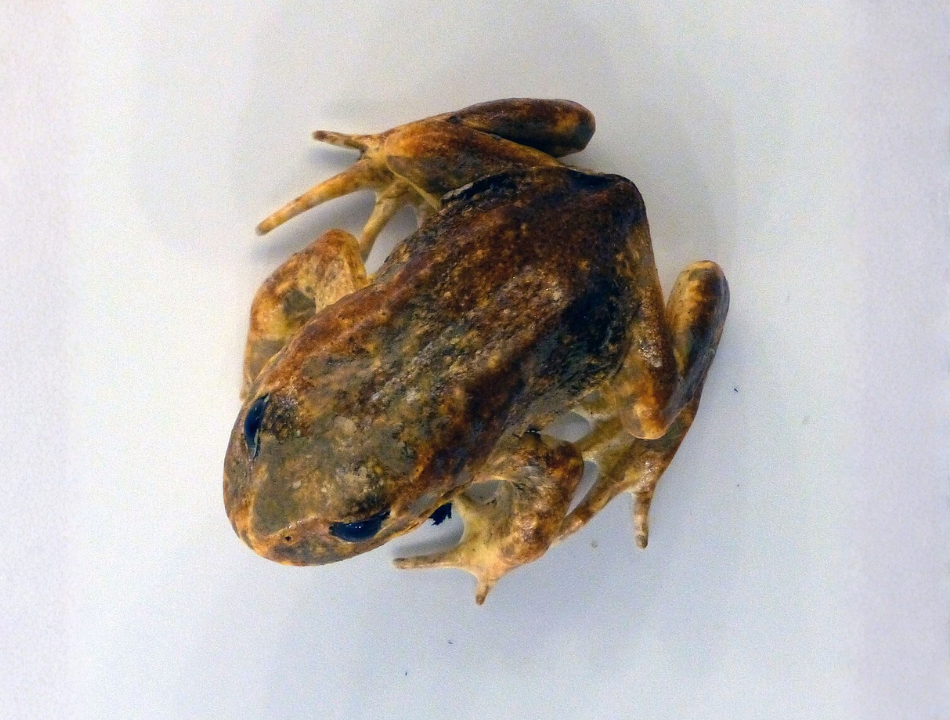
On Australia’s Mount Baw Baw plateau, the Baw Baw frog lives in a very restricted part of Victoria. It is endemic to that plateau, which is a strong example of a frog tied to one region. Cool, wet alpine and subalpine ground suits it best. Spring and early warmer weather can make that habitat feel more active after the cold season.
Rather than spending its life across a wide stretch of southeastern Australia, it stays linked to that single upland area. This makes the frog especially notable for people interested in frogs with narrow homes. It is a small species, and its dark coloring helps it disappear into damp vegetation and soil. The more you look at frogs like this, the clearer it becomes that some species really do belong to one place.
Yosemite Toad
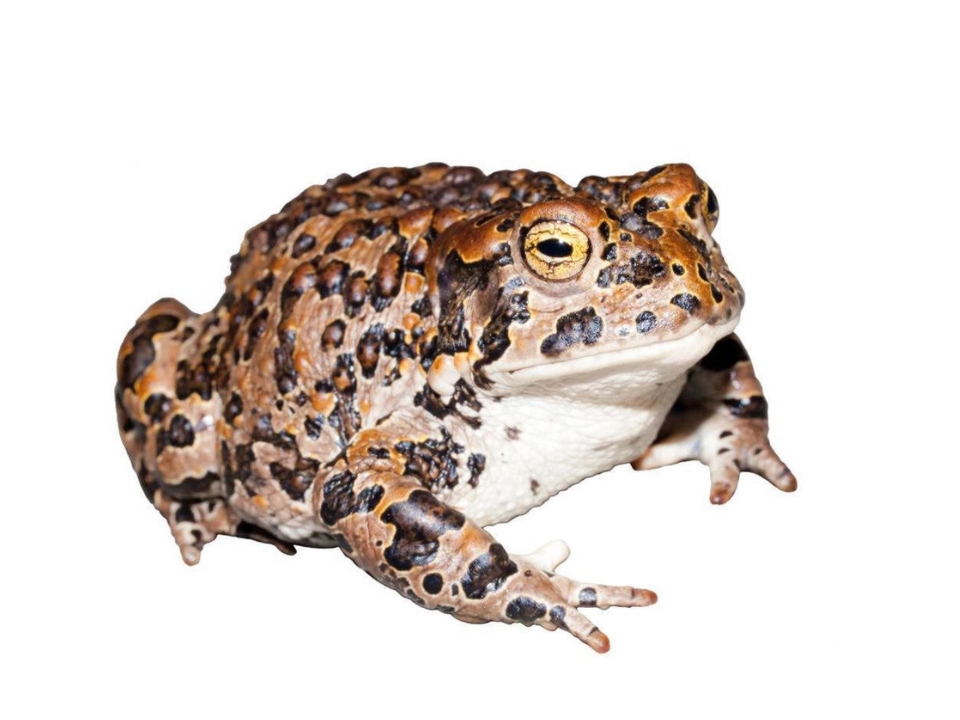
High in California’s central Sierra Nevada, the Yosemite toad lives in a fairly small mountain range instead of spreading across the West. Its home is made up of wet meadows, ponds, and snowy uplands where breeding can begin after the thaw. That narrow range is one reason it fits this list so well. When spring snow starts to melt, these toads move toward shallow water and become much easier to notice.
If meadow conditions shift too much, the species has very few other places to go. The adults are often olive, gray, or brown, which helps them blend into muddy ground and grass. It is a good example of how a frog can belong to one region and depend on it almost entirely.
Purple Frog
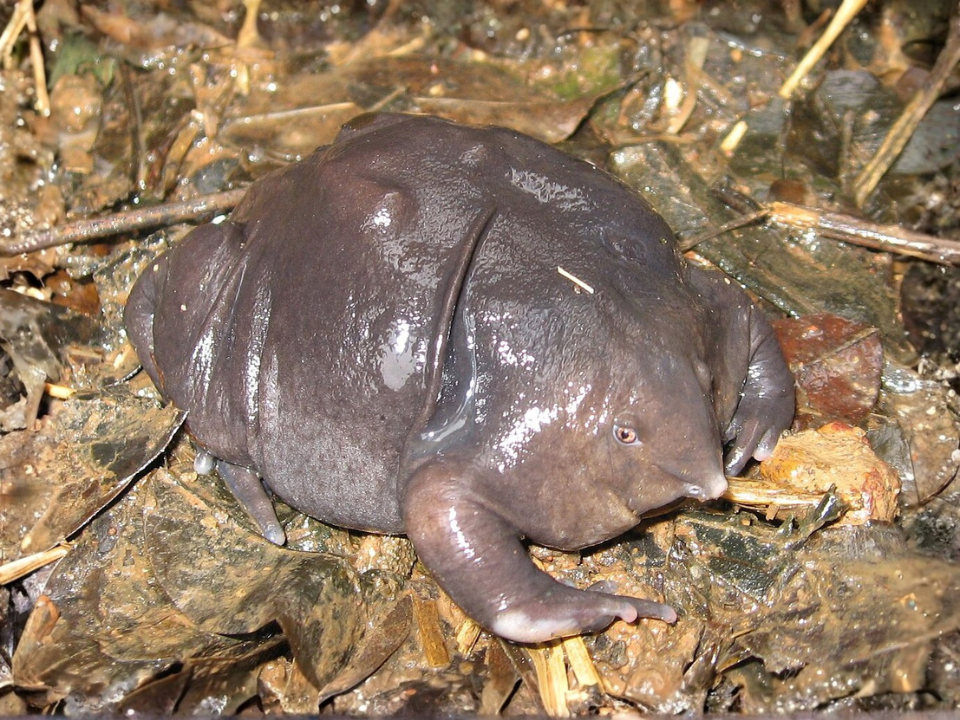
Deep in India’s Western Ghats, the Purple Frog has one of the most memorable looks on this list. It is associated with that mountain chain and is famous for spending much of its life underground. That limited range makes it one of the clearest examples of a region-bound frog. When the rainy season arrives, it surfaces to breed, which is why seasonal timing matters so much for seeing it.
Few frogs look quite like this one, with its rounded body and unusual snout. Its hidden lifestyle means people can live near it and still never notice it. The species is often mentioned when talking about ancient frog lineages in India. If you enjoy frogs that feel a little mysterious, this one is hard to forget.
Humayun’s Wrinkled Frog
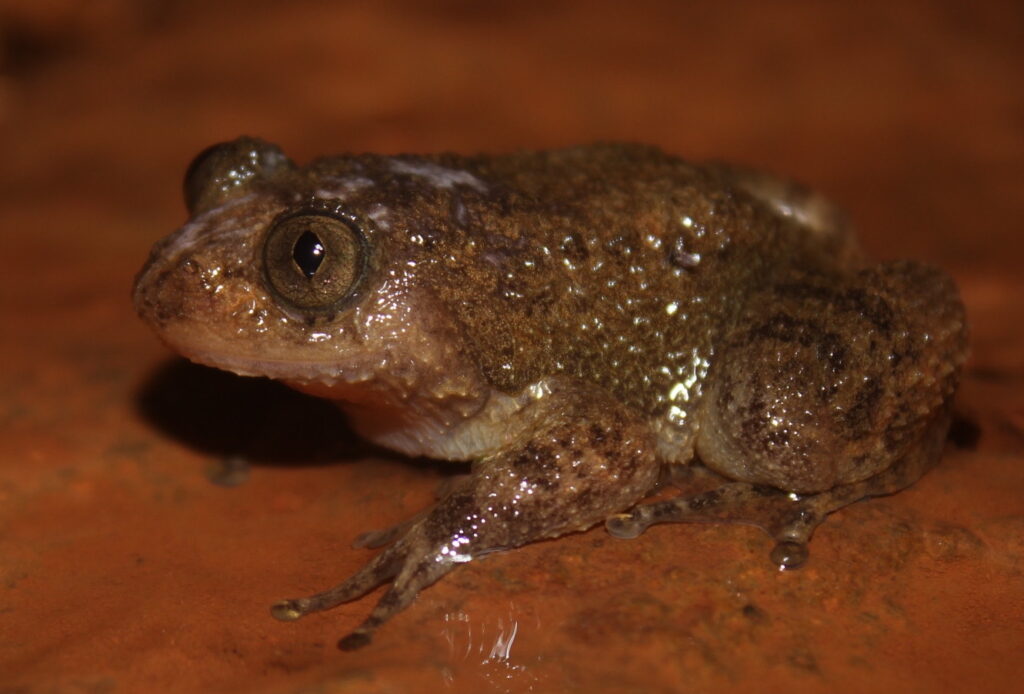
Western India is also home to Humayun’s Wrinkled Frog, another species with a small regional home. It lives in the Western Ghats of Maharashtra, with records mainly from a limited set of localities. Because of that, it is far from a widespread frog. During wetter parts of the year, night frogs are often easier to hear than to see.
One thing that makes night frogs interesting is how many of them stay tucked into very specific streamside habitats. This species follows that pattern and remains linked to one mountain region. It is small, secretive, and easy to miss among wet leaves and rocks. Even so, it adds to the rich frog life of the Ghats in a way that feels very local.
Gardiner’s Seychelles Frog
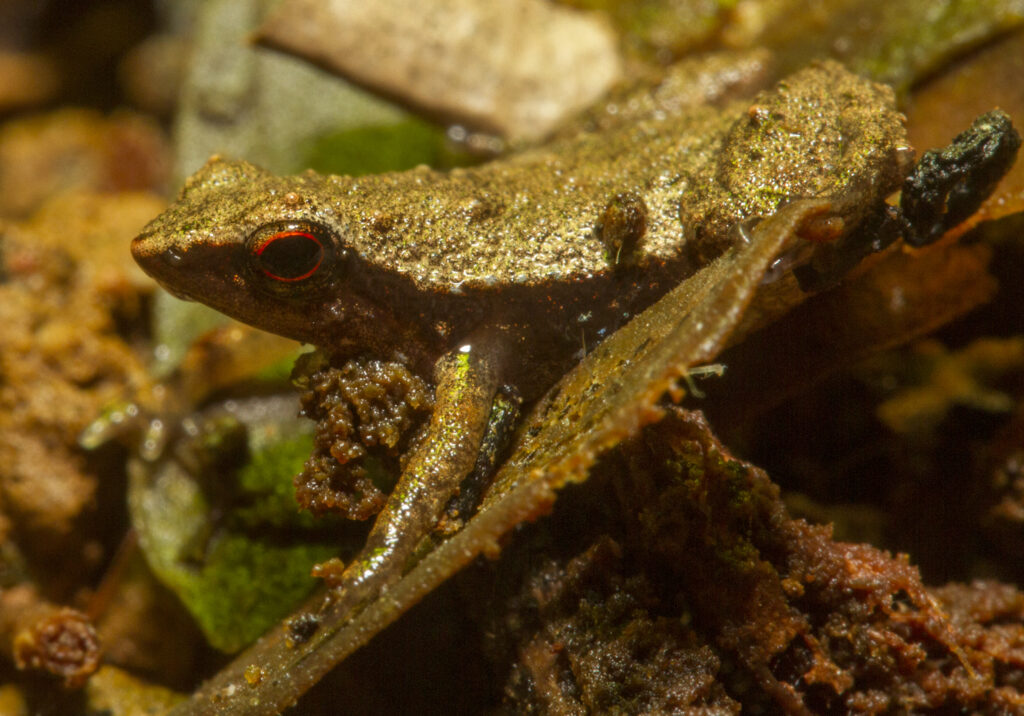
Across the Seychelles, Gardiner’s Seychelles frog belongs to a tiny island world rather than a mainland range. Its family is endemic to the Seychelles, which already tells you how region-bound these frogs are. Island species like this often have very little room to spread. Moist forest conditions matter a great deal, especially when the weather shifts and breeding activity rises.
What people often remember most is just how small this frog is. Its island setting gives it a very different story from frogs in large continents. Since it lives in a limited island region, habitat loss can matter quickly. That makes it a strong example of a frog whose whole identity is tied to one place.
Amami Ishikawa’s Frog
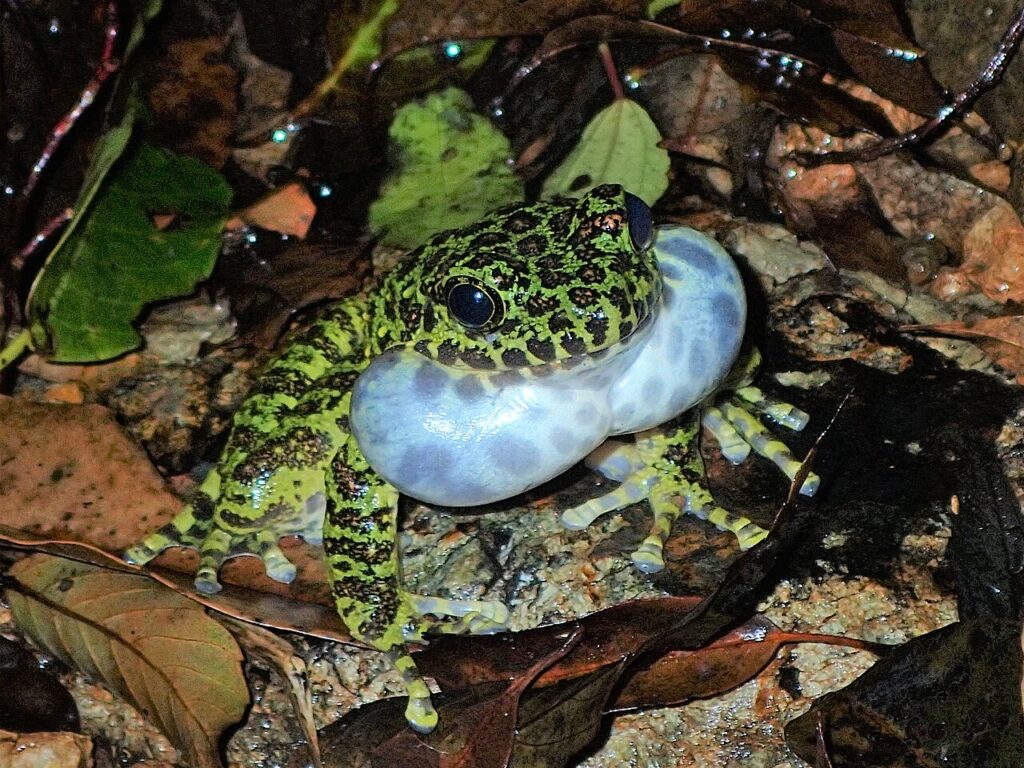
On Japan’s Amami Islands, Amami Ishikawa’s Frog lives in a narrow island region with humid forests and streams. It is endemic to the Amami Islands in the Ryukyu chain. That means its entire natural story is tied to a small part of southwest Japan. Seasonal rain and warmth make those island forests especially lively for frogs.
Because the frog is linked to a restricted archipelago, it does not have a wide safety net if local conditions change. Forest cover and clean water are especially important in places like this. The species is often admired for its striking appearance and rich coloring. It shows how island frogs can feel both beautiful and fragile at once.
Puerto Rican Crested Toad
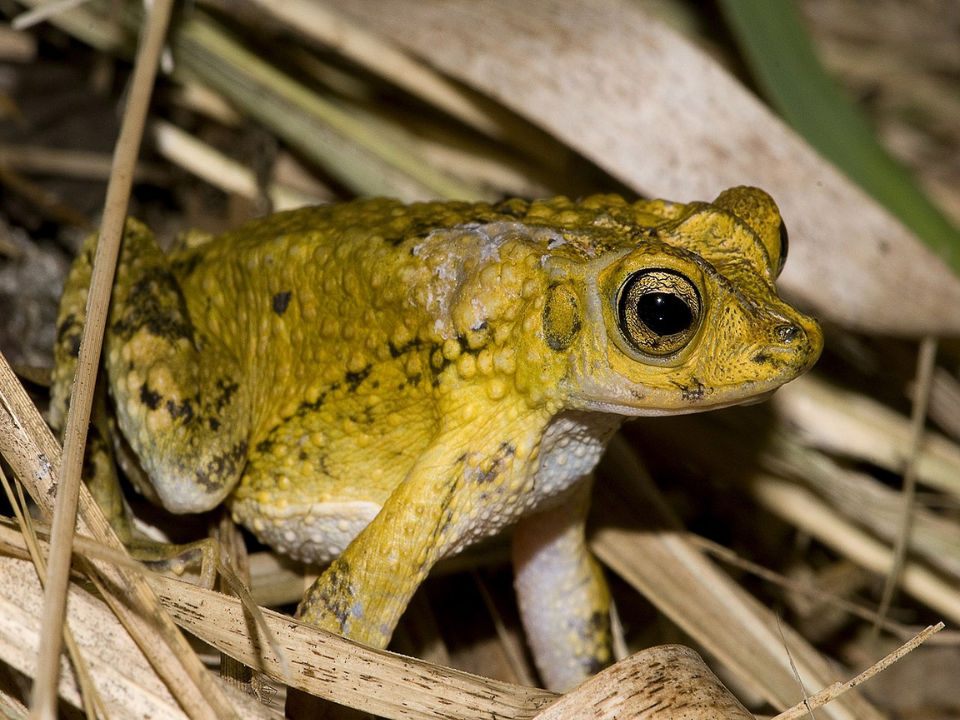
In Puerto Rico, the Puerto Rican Crested Toad has a naturally limited distribution tied to karst regions. Its historical range includes the island’s northern and southern karst zones. That gives it a much smaller home than many people expect from a Caribbean amphibian. After the rains, breeding ponds become the center of its yearly cycle.
Its name comes from the bony ridges on the head, which help give it a distinct look. Since it is tied to a specific part of Puerto Rico, changes in breeding sites matter a great deal. This species is often brought up in conservation work because its range is so narrow. It is one more reminder that island frogs and toads often live on a very small map.
Golden Coqui
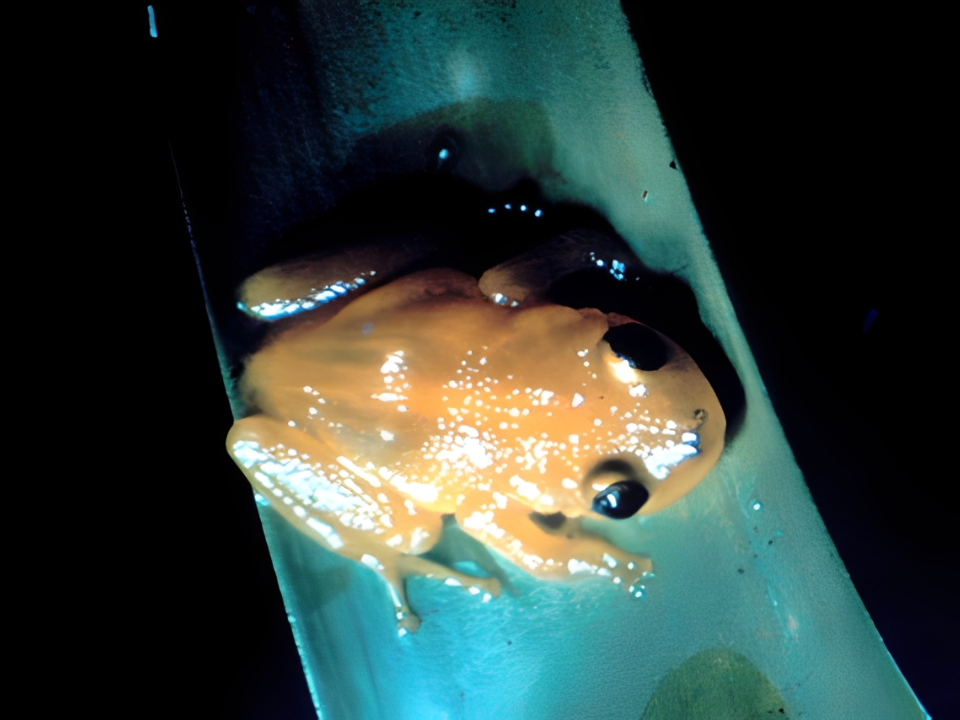
Southern Puerto Rico was once home to the Golden Coqui, a frog known for its very restricted range. It was endemic to southern Puerto Rico and has not been seen since 1981. That makes it an especially striking case of a frog tied to one region. Even in memory, it remains part of Puerto Rico’s natural history rather than a wider Caribbean story.
What sets this frog apart is that it gave birth to live froglets instead of laying free-living tadpoles in water. That unusual trait made it stand out even among Caribbean frogs. Its narrow range also meant that local trouble had a very large effect. Reading about species like this can make the idea of regional endemism feel very real.
Monte Iberia Dwarf Frog
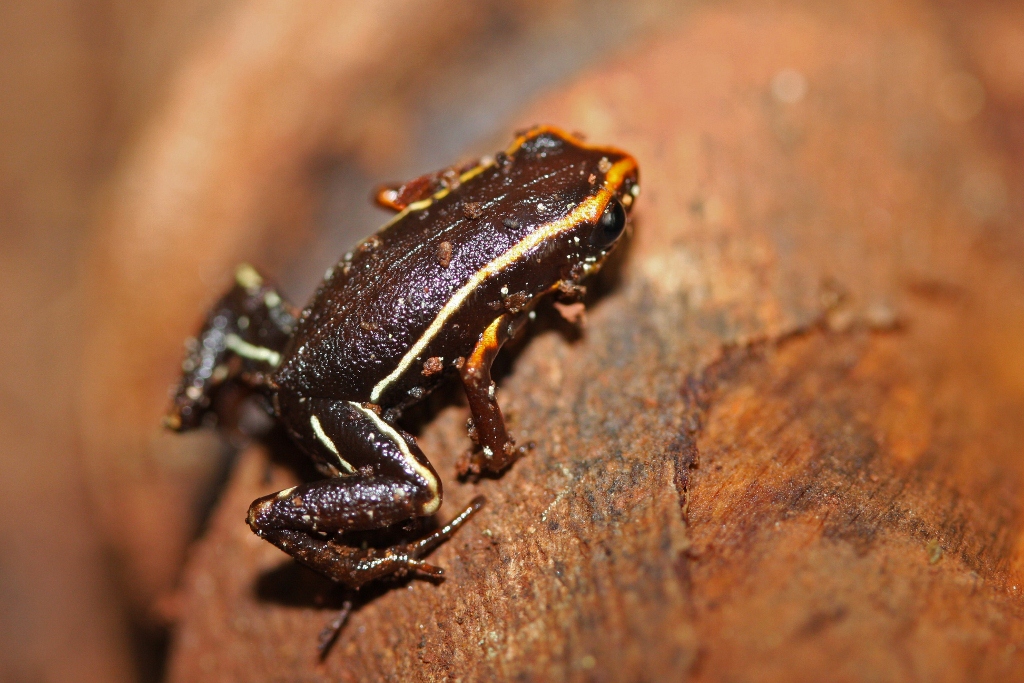
Eastern Cuba is home to the Monte Iberia Dwarf Frog, a famously tiny species. It is tied to the Monte Iberia area, which gives it a very limited Cuban range. That makes it a frog linked to a very small region. Damp leaf litter in forest habitat is a big part of its world.
Because it is so small, this frog can vanish visually into the forest floor. Its narrow range adds even more interest, since it is tied to a specific part of Cuba rather than the whole island. The species is also known for skin toxins, which is unusual among its close relatives. For readers who like tiny animals with a big story, this one is a standout.
Baracoa Dwarf Frog
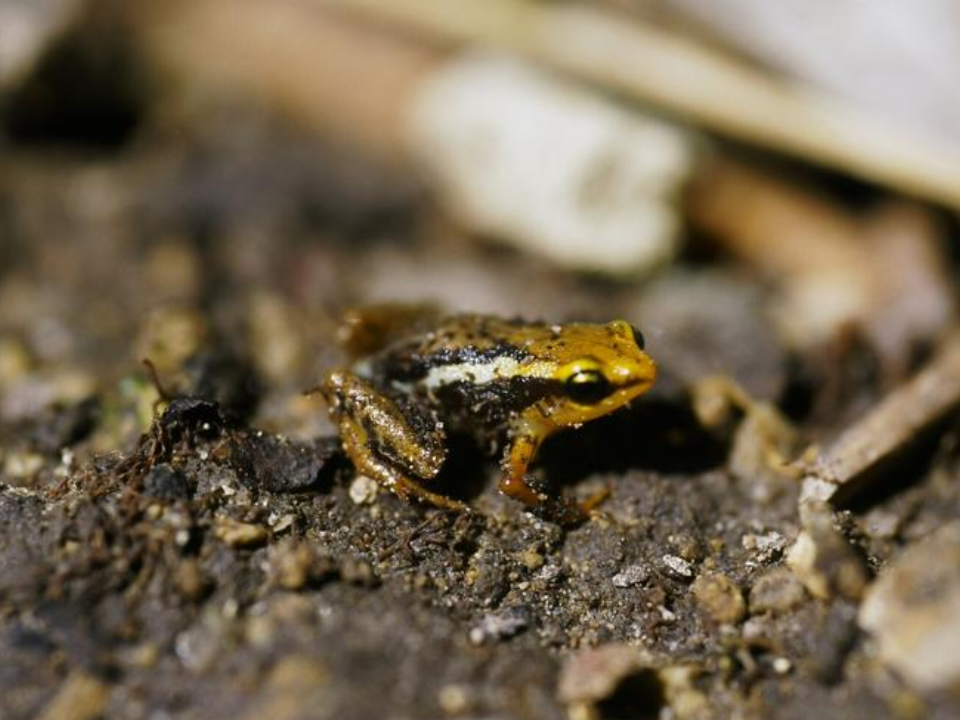
Farther east in Cuba, the Baracoa Dwarf Frog is endemic to the vicinity of El Yunque, Baracoa. It has been collected from just two localities in about sixty years. That is a very tight range, even for an island amphibian. Mountain humidity and forest shelter appear to be central to its way of life.
A frog with so few known localities easily fits a list like this. Instead of ranging across Cuba, it stays tied to one mountainous region in the east. Its story also shows how some frogs remain poorly known for decades. That sense of rarity makes it especially interesting to include here.
Duellman’s Ceuthomantis
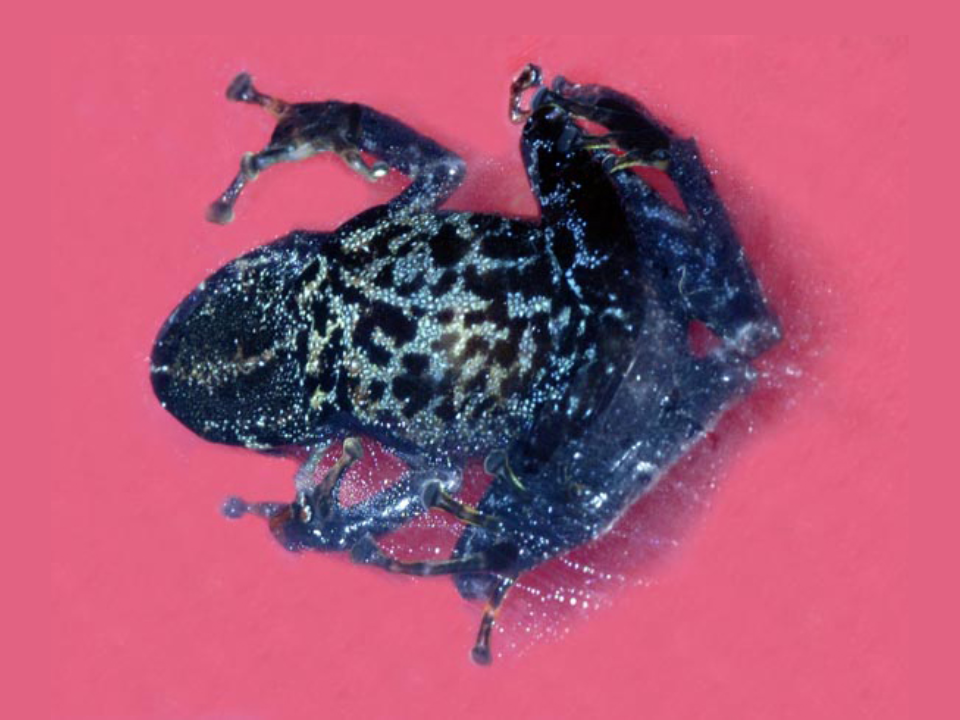
On Venezuela’s Sarisarinama tepui, Duellman’s Ceuthomantis lives in an isolated highland setting. It occurs on the Sarisarinama tepui in Bolívar. Tepuis are flat-topped mountains that often hold species found nowhere else. That makes this frog a textbook case of a one-region amphibian.
Life on a tepui can be very separated from the land below, which helps explain why so many animals there are local endemics. This frog lives among dense summit vegetation and mossy habitat. Its limited range gives it a very small natural stage. Frogs like this show just how closely geography can shape wildlife.
This article originally appeared on Avocadu.