
16 Spring Flowering Shrubs That Put on a Big Show
Spring is the perfect time to add some color and life to your garden with shrubs that truly shine. As the days grow longer and warmer, these vibrant shrubs put on a spectacular show, transforming any space with their beautiful blooms. From the bright yellow of forsythia to the sweet fragrance of lilacs, there’s a spring flowering shrub to suit every garden. Not only do they brighten up the landscape, but they also provide a habitat for pollinators, making them both beautiful and beneficial. Whether you have a small backyard or a larger garden, these shrubs are perfect for creating focal points that draw the eye.
This post may contain affiliate links, which helps keep this content free. Please read our disclosure for more info.
Forsythia
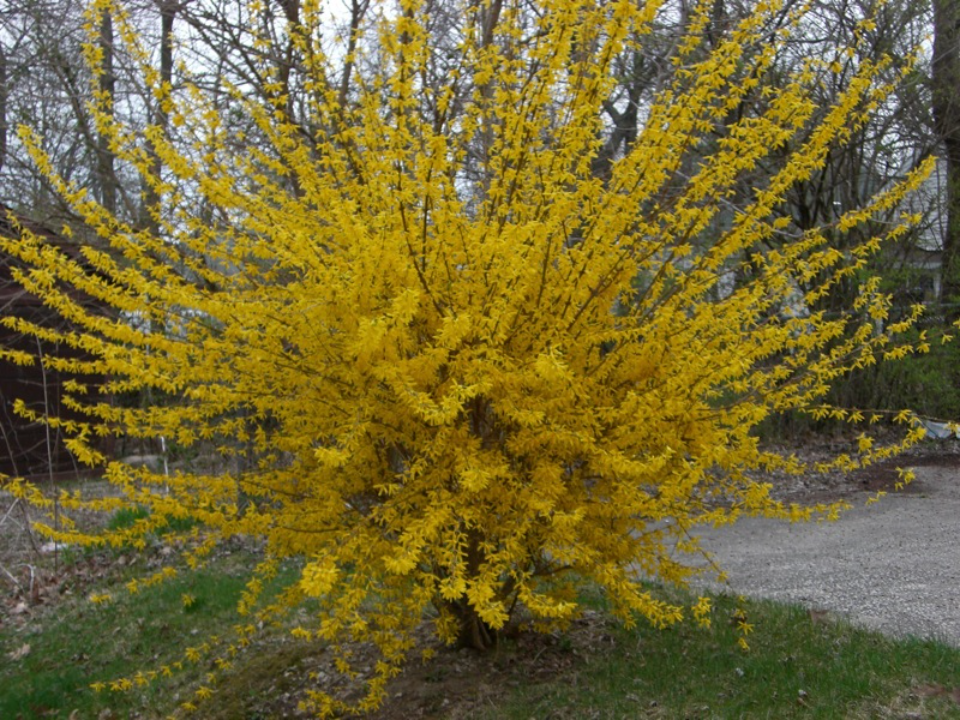
Forsythia is one of the earliest spring bloomers, often heralding the arrival of the season with its vibrant yellow flowers. This shrub can grow up to 10 feet tall, making it a great choice for creating a bold, colorful display in the garden. Forsythia flowers appear before the leaves, giving it a striking appearance in early spring. Its blossoms are typically a bright, golden yellow, and they are known for covering the branches entirely, giving the shrub a cheerful, sun-like glow.
Forsythia thrives in well-drained, slightly acidic soil and enjoys full sun, though it can tolerate partial shade as well. This shrub is easy to care for and can handle a variety of climates, making it a versatile choice for many gardens. After the flowers fade, it is followed by lush green foliage that remains throughout the summer. Forsythia is also great for hedges or as a border plant due to its dense growth habit.
Lilac
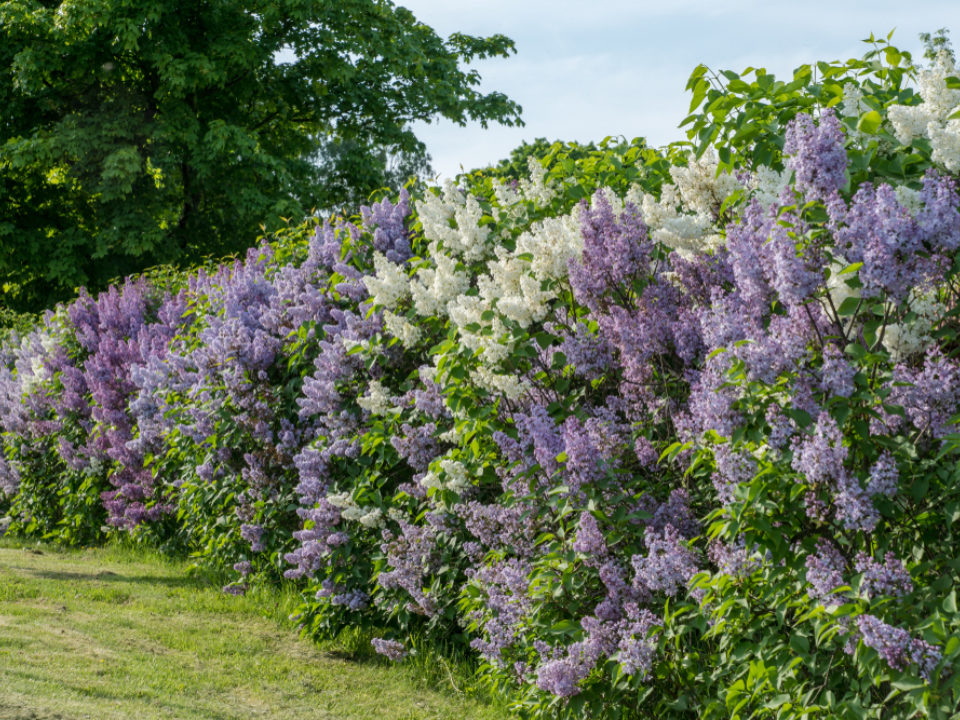
Lilac shrubs are a classic choice for spring gardens, known for their fragrant flowers that bloom in shades of purple, white, and pink. These hardy plants can reach heights of 8 to 15 feet, depending on the variety, and they offer a stunning display when in full bloom. The flowers grow in clusters, attracting bees and butterflies, making lilacs an excellent addition for those interested in supporting pollinators.
Lilacs prefer well-drained, slightly alkaline soil and thrive in full sun, where they can grow most vigorously. Pruning after blooming can help maintain the shape and promote more abundant flowers the following year. The scent of lilacs is renowned for filling the air with a sweet, floral fragrance that is beloved by gardeners and passersby alike. While the flowering period is typically short, their scent and beauty make them a standout in any garden. Their hardiness also makes them a long-lasting addition to any landscape.
Azalea
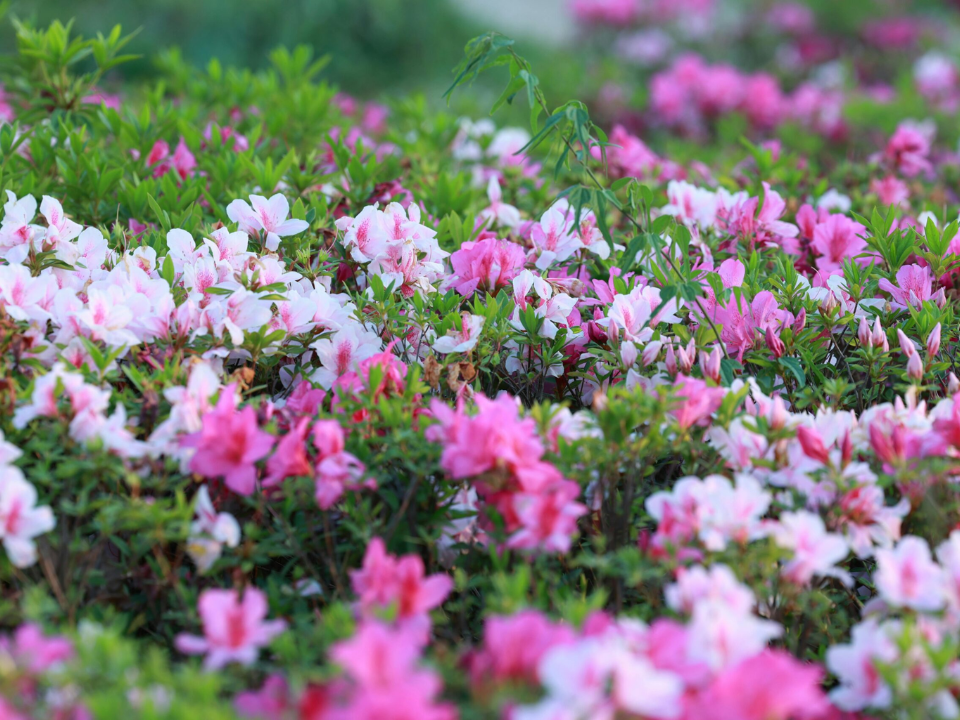
Azaleas are a popular spring shrub due to their stunning, showy flowers in shades of pink, red, white, and purple. These shrubs are part of the rhododendron family and are prized for their large, colorful blooms that blanket the plant in spring. Azaleas can range in size, with some varieties growing as small as 2 feet while others can reach 6 feet or more. They thrive in well-drained, acidic soil and prefer partial to full shade, making them ideal for areas under trees or in spots that do not receive constant direct sunlight.
Azaleas bloom for several weeks in the spring, and their bright flowers add a dramatic touch to the landscape. In addition to their beautiful flowers, azaleas have lush green foliage that lasts throughout the growing season. Regular pruning can help maintain the shape of the shrub and encourage more blooms. Azaleas also offer year-round interest, with their evergreen varieties providing winter greenery.
Viburnum
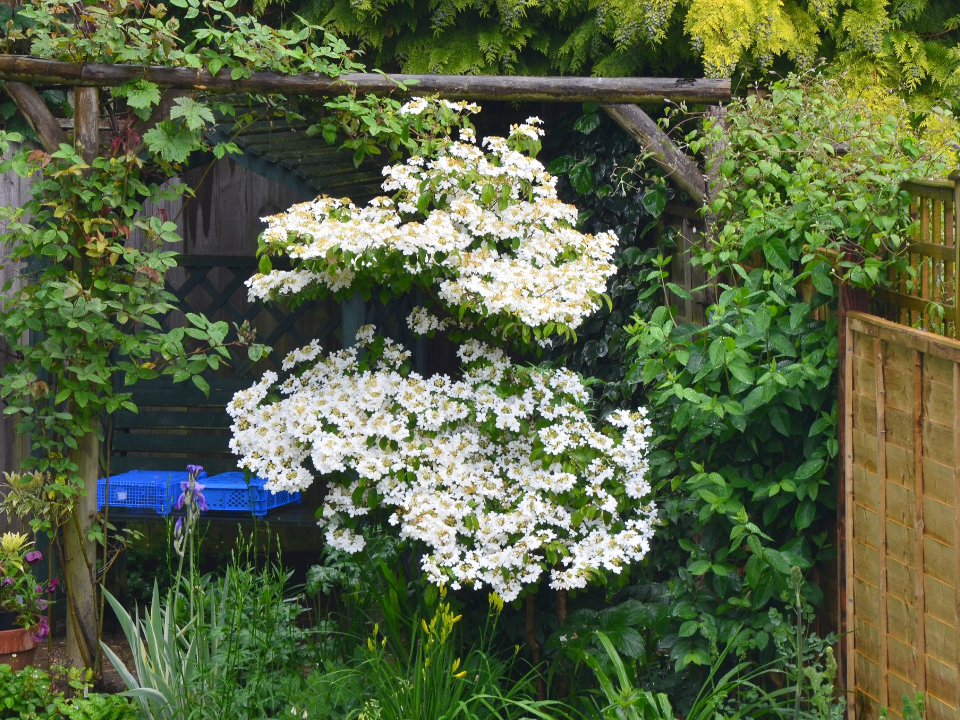
Viburnum shrubs are known for their versatile appeal, offering fragrant flowers in shades of white, pink, and yellow in early spring. These shrubs can range in size from compact varieties under 3 feet to larger varieties that reach up to 12 feet tall. Viburnums bloom in clusters, and their flowers are often followed by berries that attract birds and wildlife.
They grow well in a variety of soil types, but they prefer well-drained, slightly acidic soil and thrive in full sun to partial shade. In addition to their beautiful flowers, viburnums often have glossy green leaves that turn vibrant colors in the fall. Some varieties, such as the Korean spice viburnum, also offer a pleasant, spicy fragrance that adds an extra layer of enjoyment to the garden. Viburnum shrubs are hardy and require minimal care once established. Their blooms and foliage make them an attractive addition to any garden or landscape.
Rhododendron
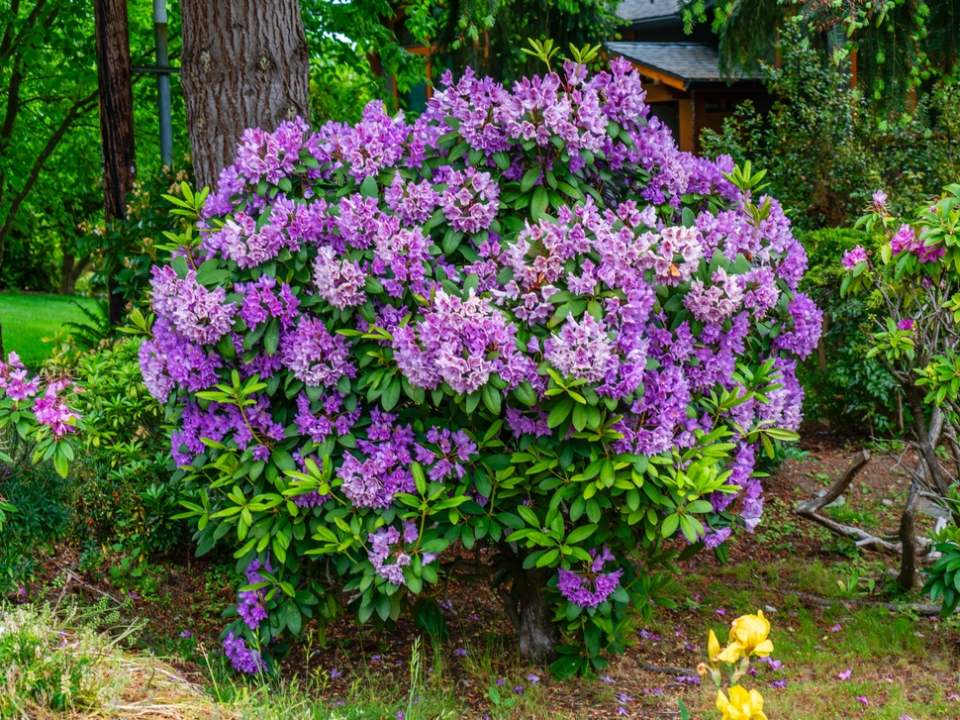
Rhododendrons are among the most striking spring flowering shrubs, known for their large clusters of bell-shaped flowers in hues of pink, purple, red, and white. These plants can range in size from small shrubs to large, tree-like forms that can grow up to 20 feet tall. Rhododendrons are evergreen, meaning they keep their glossy green leaves throughout the year, offering year-round visual interest. They thrive in acidic, well-drained soil and require a shady location to flourish, making them perfect for garden areas with some protection from the sun.
The spring blooms are profuse and create a stunning display, often lasting for weeks. Rhododendrons are also popular for their tolerance of cooler climates and can be grown in areas where other plants may struggle. With minimal pruning required, these shrubs are low-maintenance and long-lasting, adding beauty to the garden each year. Their bold flowers and foliage make them a standout in any landscape.
Spirea
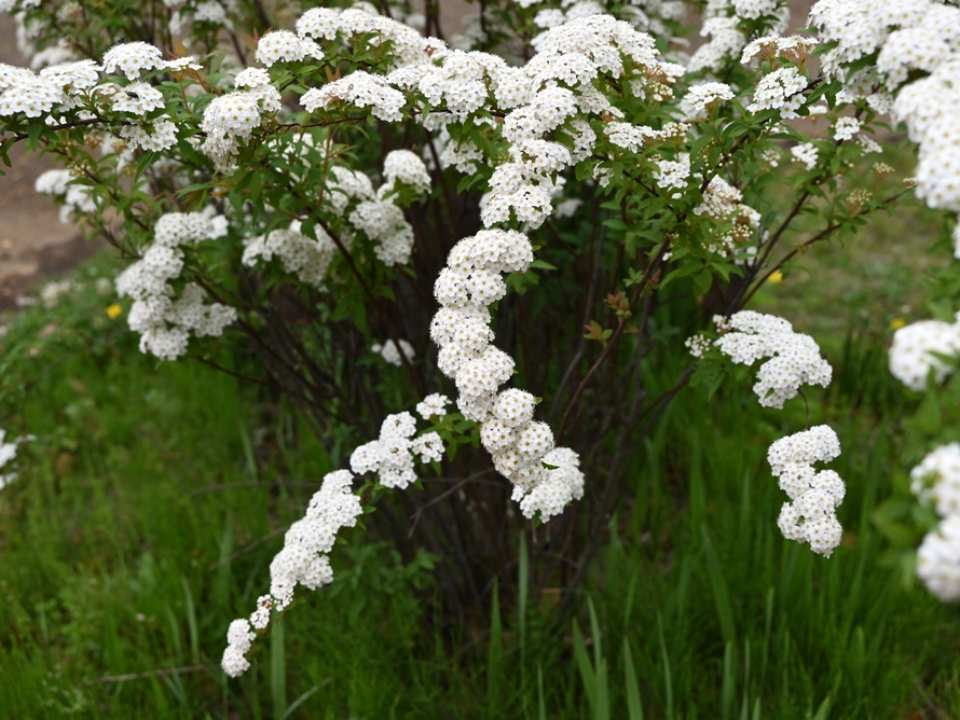
Spirea is a hardy and reliable spring shrub, known for its abundant clusters of white, pink, or red flowers that appear in late spring to early summer. These shrubs can range from compact varieties under 2 feet to larger varieties that grow 5 feet or taller. Spirea flowers create a soft, fluffy appearance, adding a delicate texture to the landscape. The foliage is often a bright green that transitions to yellow or red in the fall, offering additional seasonal interest.
Spirea is easy to grow in a variety of soils, though it thrives best in well-drained, slightly acidic soil and enjoys full sun. Once established, spirea requires minimal care and can tolerate drought conditions. This shrub is also known for its ability to attract pollinators, such as bees and butterflies, making it a great choice for environmentally conscious gardeners. With its profuse flowers and compact growth habit, spirea works well as a hedge, border plant, or standalone shrub in the garden.
Weigela
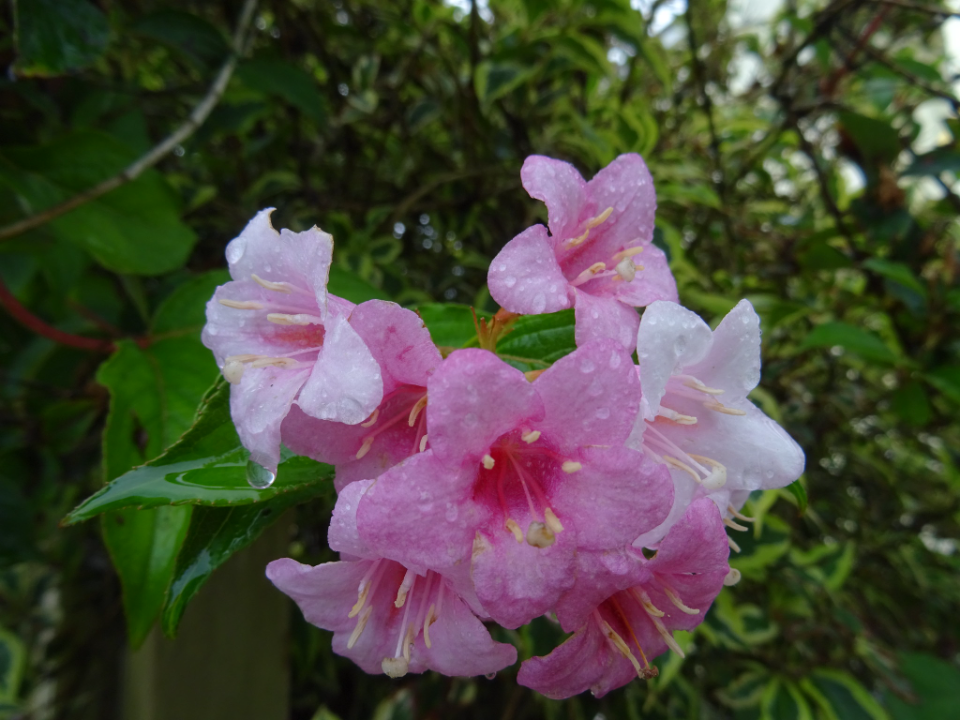
Weigela is a vibrant spring flowering shrub that is valued for its showy, trumpet-shaped flowers, which bloom in shades of pink, red, or white. These plants typically grow between 3 and 6 feet tall, making them a perfect choice for both small and large gardens. Weigela blooms in late spring to early summer, and its flowers are often followed by attractive green foliage that turns yellow or purple in the fall.
This shrub thrives in well-drained soil and performs best in full sun to partial shade, where it can produce the most abundant flowers. Weigela is also easy to maintain, requiring only occasional pruning to keep its shape and encourage more blooms. Some varieties, such as the “Wine and Roses” cultivar, have striking purple foliage that adds a dramatic contrast to the bright flowers. The shrub attracts pollinators, making it an excellent choice for wildlife-friendly gardens. Weigela offers a stunning burst of color in the spring, making it a must-have in many landscapes.
Chokecherry
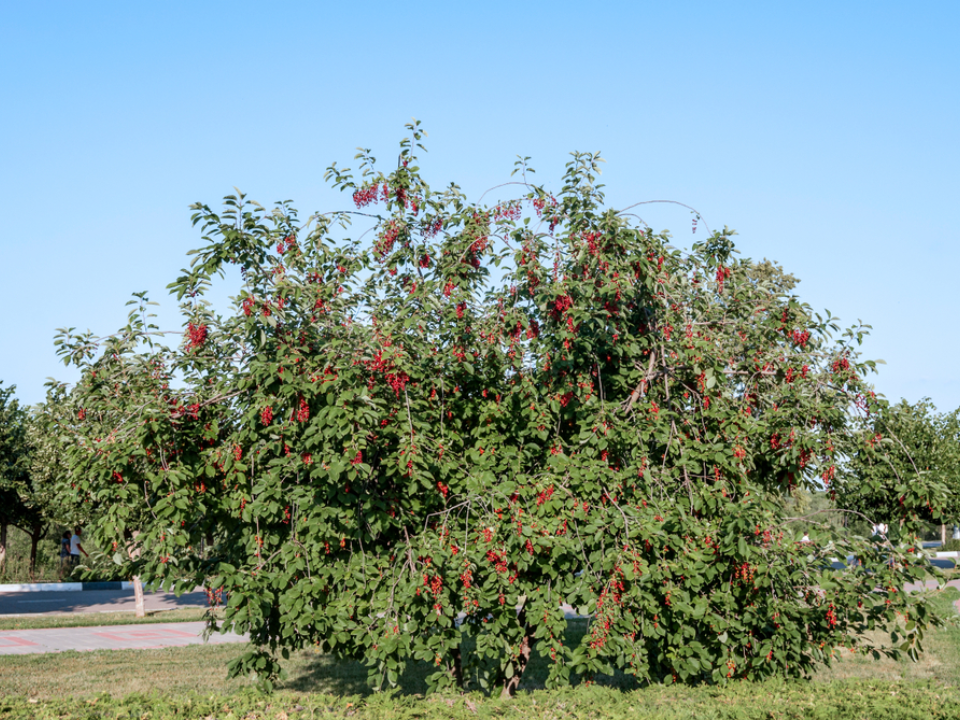
Chokecherry is a native shrub that puts on a big show in early spring with its fragrant white flowers, which appear in long, drooping clusters. These shrubs can grow up to 10 feet tall and wide, making them an excellent choice for hedges, borders, or as a standalone specimen. The flowers are followed by small, dark purple to black berries that are attractive to birds.
Chokecherries thrive in moist, well-drained soils and perform best in full sun. While the berries are a bit tart for human consumption, they are a favorite for wildlife, especially birds. The foliage is green throughout the growing season and transitions to a golden yellow in the fall, providing seasonal interest. Chokecherry is also known for its hardiness and ability to thrive in a variety of climates. It is relatively low-maintenance and resistant to many pests, making it a reliable addition to the garden.
Magnolia
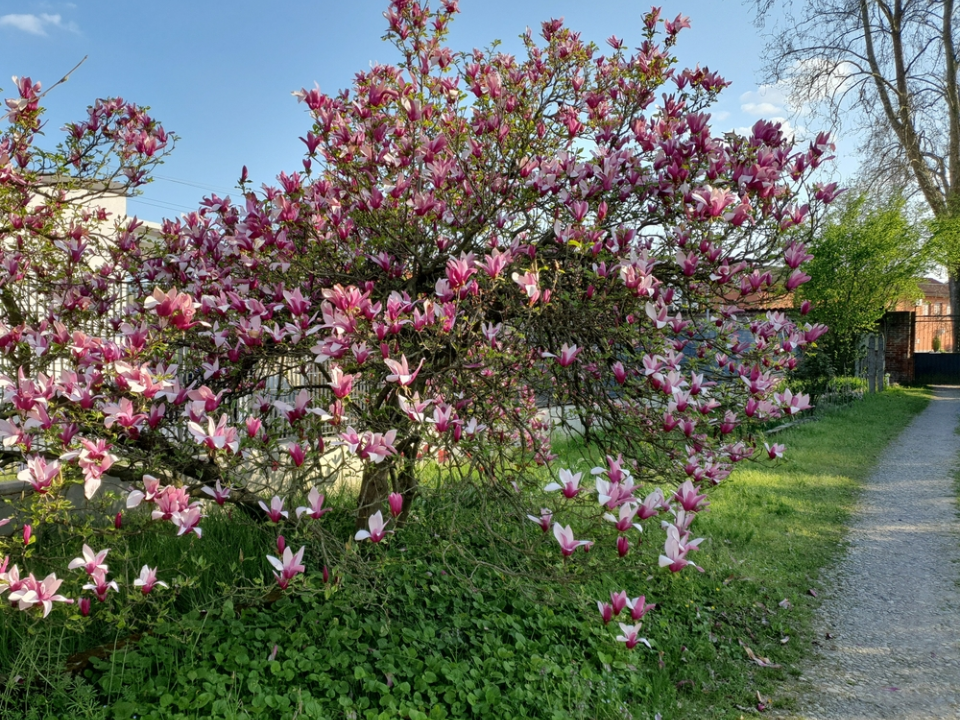
Magnolia shrubs and trees are known for their stunning, large flowers that bloom in shades of pink, purple, and white in early spring. These plants are prized for their ornamental beauty, with their showy blossoms creating a dramatic impact in the garden. Magnolias can grow quite tall, with some tree varieties reaching 20 feet or more, while shrub varieties are smaller, typically around 6 to 10 feet.
These plants prefer slightly acidic, well-drained soil and thrive in full sun or partial shade. The flowers appear before the leaves, making the blossoms stand out even more against the bare branches. The bloom period can be brief, but magnolias are an iconic spring flower that draws attention and admiration. After blooming, the plant is followed by glossy, green leaves that last throughout the summer. Magnolia shrubs are a great way to add elegance and sophistication to the landscape.
Pieris Japonica
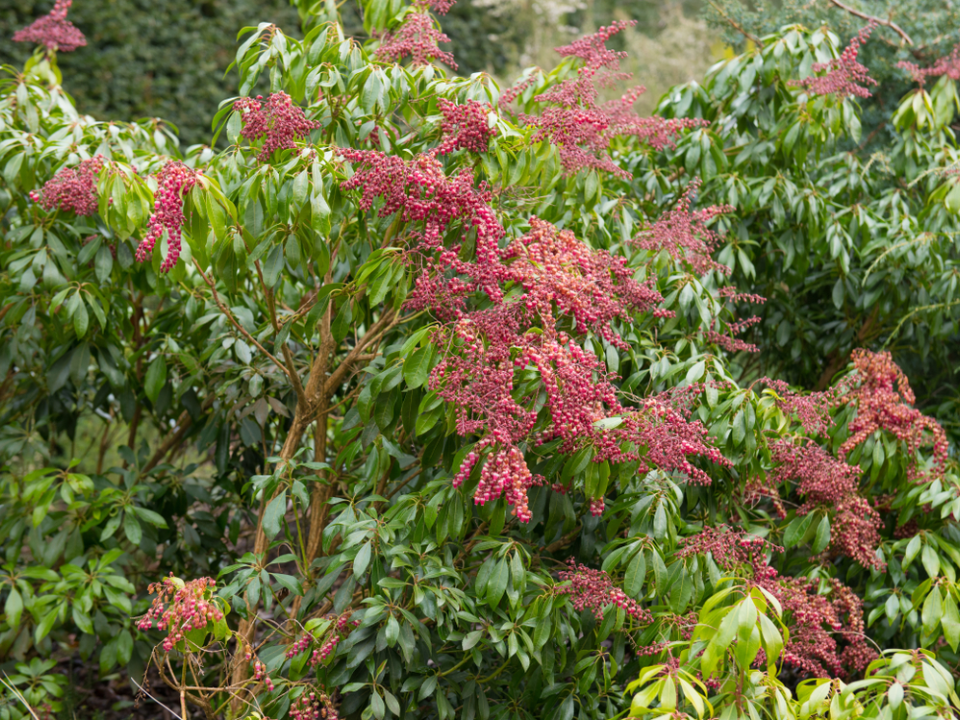
Pieris Japonica, also known as Japanese Andromeda, is a striking evergreen shrub that offers beautiful spring flowers. It blooms in early spring with clusters of bell-shaped flowers that range from white to pink or red, depending on the variety. These flowers are complemented by glossy, dark green leaves, which add a touch of elegance to the landscape throughout the year. Pieris Japonica can reach heights of 3 to 10 feet, making it suitable for a variety of garden sizes.
This shrub prefers acidic, well-drained soil and thrives in partial to full shade. It is especially attractive to bees, making it a great choice for pollinator-friendly gardens. After the flowers fade, the plant’s red or bronze-colored new growth provides an additional burst of color. Pieris Japonica is also relatively low-maintenance, requiring only occasional pruning to remove spent flowers and maintain its shape.
Buddleia
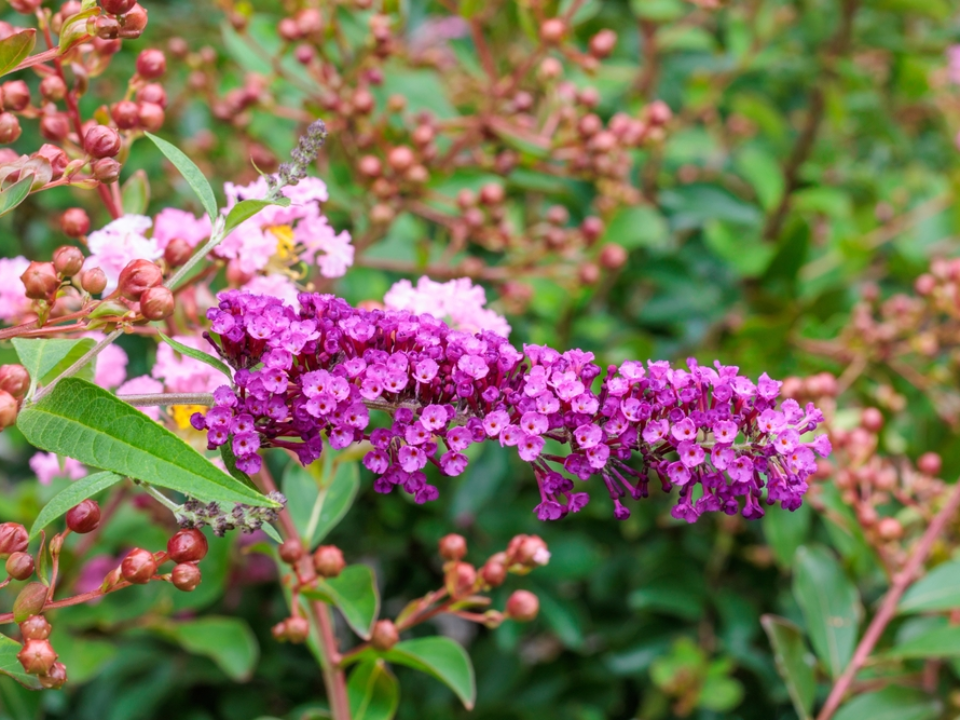
Buddleia, often known as butterfly bush, is a spring flowering shrub that draws pollinators like bees and butterflies with its vibrant blooms. The flowers come in a range of colors, including purple, pink, white, and orange, and are arranged in long, dense spikes that resemble a bottlebrush. Buddleia can grow from 3 to 10 feet tall, with some varieties spreading 5 feet wide. It is well-suited to sunny locations and prefers well-drained soil.
One of the most notable characteristics of Buddleia is its ability to attract a wide range of wildlife, making it a favorite among gardeners looking to support pollinators. The flowers bloom from late spring to summer, creating a colorful display. Buddleia shrubs can be pruned back in the winter to encourage new growth and more abundant flowering. Its fragrant flowers also add a sweet scent to the air, making it an enjoyable addition to any garden.
Beautyberry
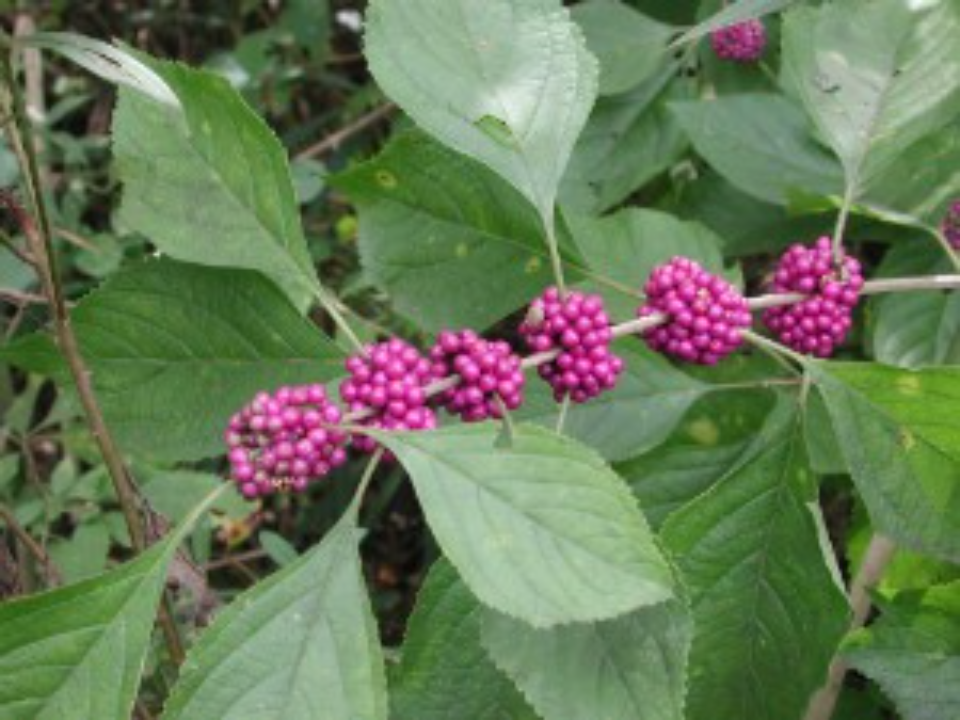
Beautyberry, or Callicarpa, is a spring blooming shrub that offers both ornamental flowers and colorful berries. In spring, it produces small, light purple or pink flowers in clusters, but the shrub truly shines in late summer and fall, when it produces vibrant purple or pink berries along the stems. These berries attract birds and wildlife, providing ecological value in addition to visual appeal. Beautyberry can reach 3 to 6 feet in height, making it an excellent option for smaller gardens or as a shrub border.
It prefers well-drained soil and partial shade but can tolerate full sun in cooler climates. The plant has simple, green foliage that provides a nice contrast to the bold colors of the berries. Beautyberry is easy to grow, requiring minimal maintenance and occasional pruning to keep its shape. Its bold berries make it a striking feature in any garden, especially in fall when the plant is at its most colorful.
Flowering Quince
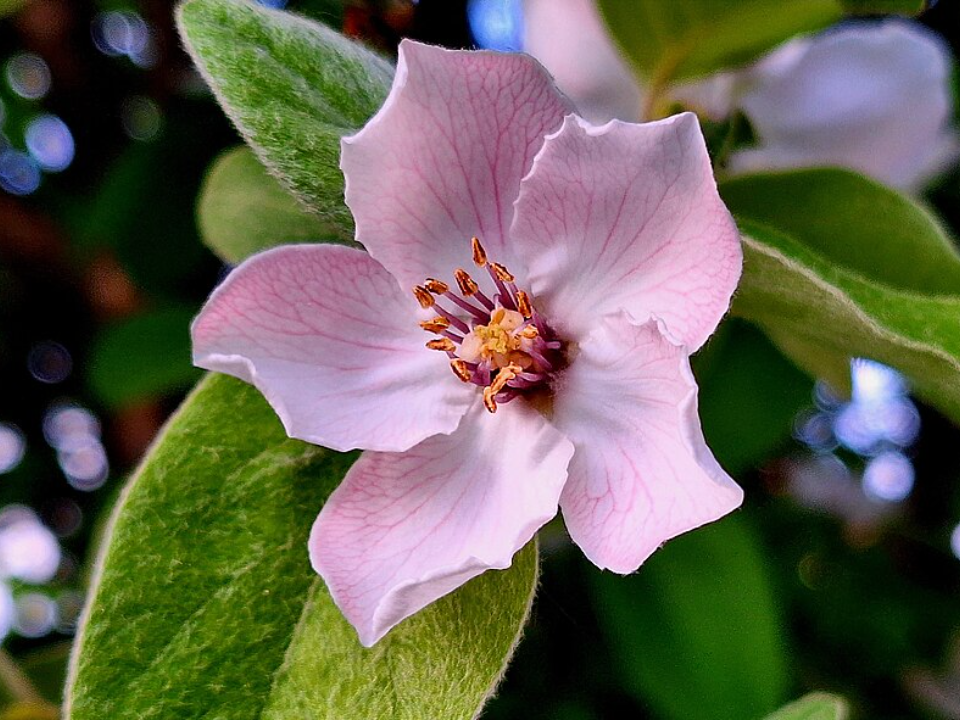
Flowering Quince is a hardy shrub known for its early spring blossoms, which are typically bright red, orange, or pink. These vibrant flowers bloom before the leaves appear, creating a striking contrast against the bare branches. Flowering Quince is a deciduous shrub that typically grows 3 to 6 feet tall and can spread up to 6 feet wide. It prefers well-drained, slightly acidic soil and can tolerate both full sun and partial shade.
The flowers are followed by small, yellow fruits, which are not only attractive to wildlife but are also used in cooking to make jams and jellies. Flowering Quince is a low-maintenance shrub, requiring only minimal pruning to maintain its shape. In addition to its beautiful blooms, this shrub provides year-round interest with its spiny branches and attractive foliage. It is ideal for gardeners looking to add color to their landscape in the early spring months.
Daphne
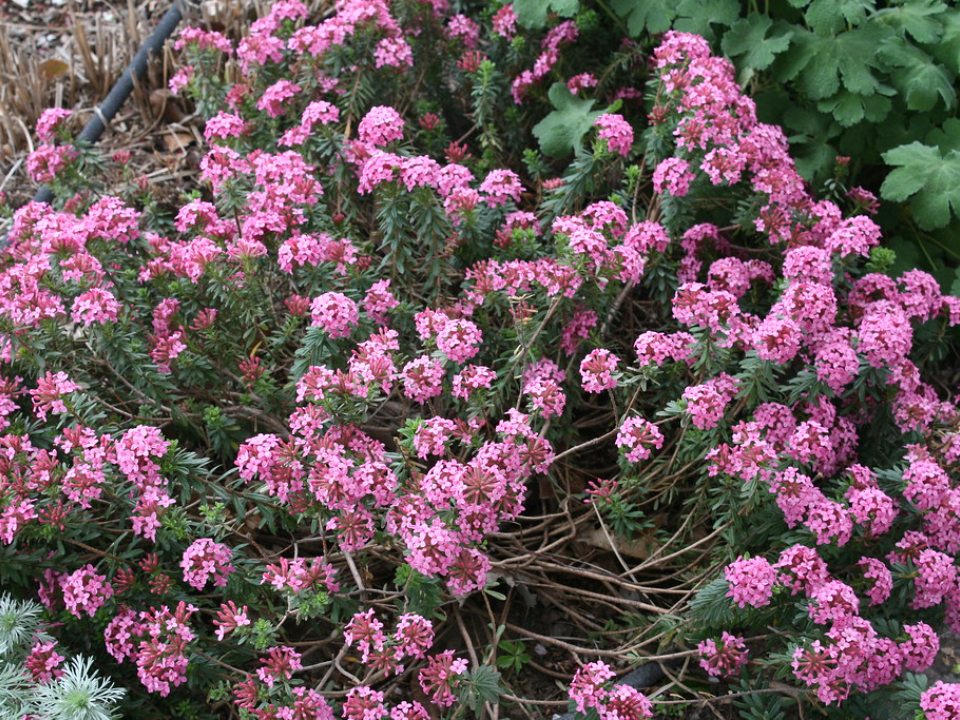
Daphne is a highly fragrant, spring-flowering shrub that is perfect for adding a sweet, floral scent to the garden. It produces clusters of pink, purple, or white flowers that last for several weeks in early spring. Daphne can be a bit slower to establish than other shrubs, but it makes up for this with its long-lasting beauty and fragrance.
These shrubs typically grow between 2 to 4 feet in height and prefer well-drained, acidic soil. They thrive in partial to full sun and are perfect for planting near walkways or garden entrances where their fragrance can be enjoyed. Daphne requires regular watering, especially in dry conditions, but it is otherwise low maintenance. After flowering, the plant produces small red or black berries that attract birds. The combination of fragrant flowers and attractive foliage makes Daphne a must-have for fragrant gardens.
Coralberry
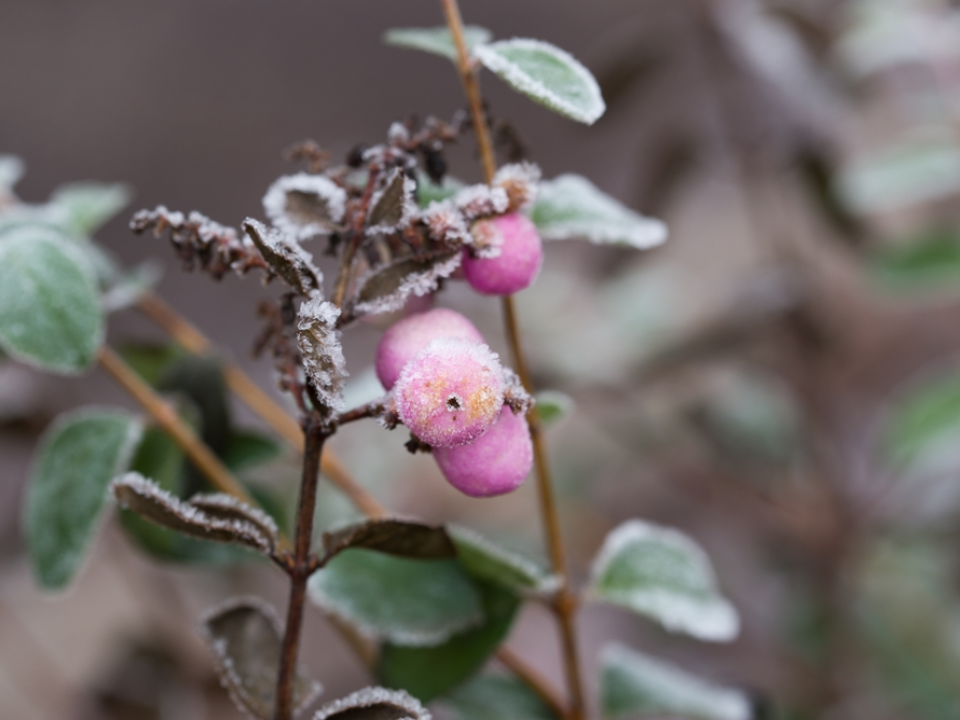
Coralberry, or Symphoricarpos, is a unique spring flowering shrub that adds interest with its clusters of small, white to pink flowers followed by vibrant pink or red berries. This shrub grows between 3 and 4 feet tall and is perfect for creating a soft, natural look in the garden. Coralberry thrives in well-drained, slightly acidic soil and enjoys full sun to partial shade. It is especially valuable for attracting birds, as the berries are a food source for many species.
In addition to its flowers and berries, Coralberry has attractive, dark green foliage that provides year-round interest. This shrub is easy to care for and is drought-tolerant once established. Coralberry can be used as a ground cover, hedge, or border plant, making it a versatile addition to any landscape. It’s a reliable choice for gardeners who want a shrub that provides seasonal interest and ecological value.
Kerria Japonica
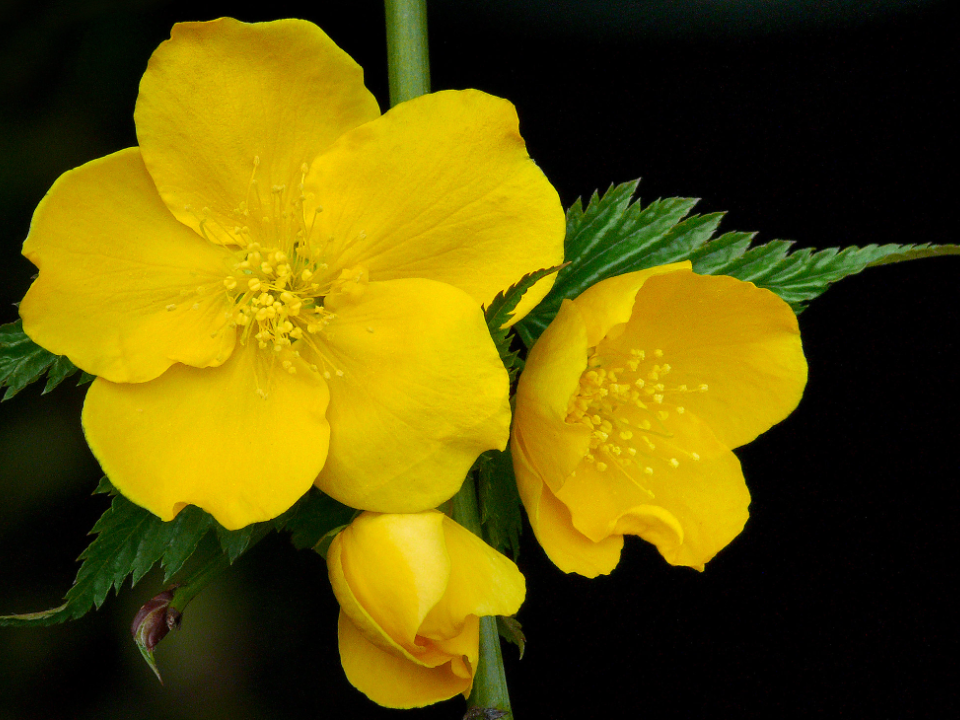
Kerria Japonica, also known as Japanese rose, is a spring blooming shrub that is prized for its bright yellow, rose-like flowers. These flowers appear in early spring, often before the leaves, creating a dramatic splash of color in the garden. Kerria Japonica is a relatively low-maintenance shrub that grows to about 3 to 6 feet tall and can spread up to 4 feet wide. It thrives in well-drained, slightly acidic soil and does best in partial shade, though it can tolerate full sun in cooler climates.
The shrub produces flowers in clusters along its arching branches, making it a striking addition to any landscape. After the flowers fade, Kerria Japonica is followed by green leaves that turn yellow in the fall. This shrub is ideal for areas where a splash of yellow is desired, and it also works well as a border or foundation plant. Its hardiness and ability to thrive in shade make it a versatile addition to a variety of garden settings.
This article originally appeared on Avocadu.