
12 Spring Ephemerals That Appear for a Few Weeks Then Vanish
Spring ephemerals are a true wonder in the garden. These short-lived plants make their appearance early in the season and disappear just as quickly. Their fleeting beauty adds a special touch to the landscape, reminding us of the beauty in transience. Whether you are a seasoned gardener or just starting to explore, these plants are worth discovering. Keep reading to learn more about the charming spring ephemerals that brighten up the season.
This post may contain affiliate links, which helps keep this content free. Please read our disclosure for more info.
Bloodroot (Sanguinaria canadensis)
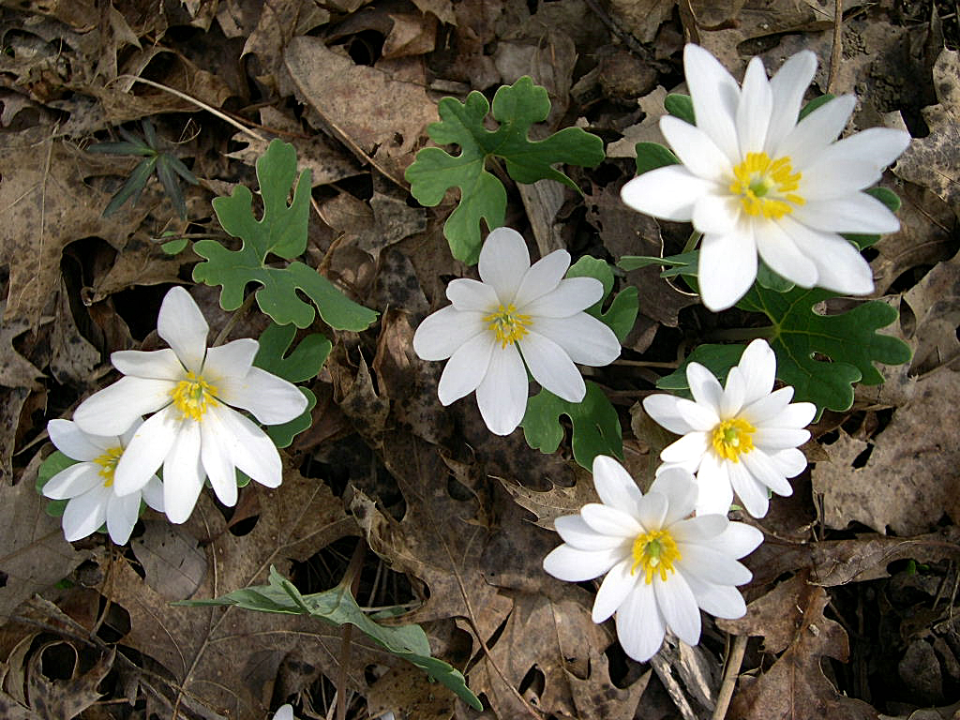
Bloodroot is a beautiful and early bloomer, typically appearing in early spring before most other plants in the garden. The plant gets its name from the red-orange sap found in its roots, which was once used by Indigenous peoples for dye. The white flowers are delicate, often appearing in clusters, and their petals open wide to reveal a striking yellow center. Despite their beauty, these flowers last only a few weeks before disappearing into the summer heat.
Bloodroot prefers well-drained, rich soils in woodland or shaded areas. The plant does well in moist conditions and spreads through rhizomes, though it remains relatively slow to establish. Its flowers may be short-lived, but their striking appearance and historical significance make it a sought-after addition for native plant gardens. Bloodroot is also a key early source of food for pollinators, especially bees, making it a beneficial plant for wildlife.
Virginia Bluebell (Mertensia virginica)
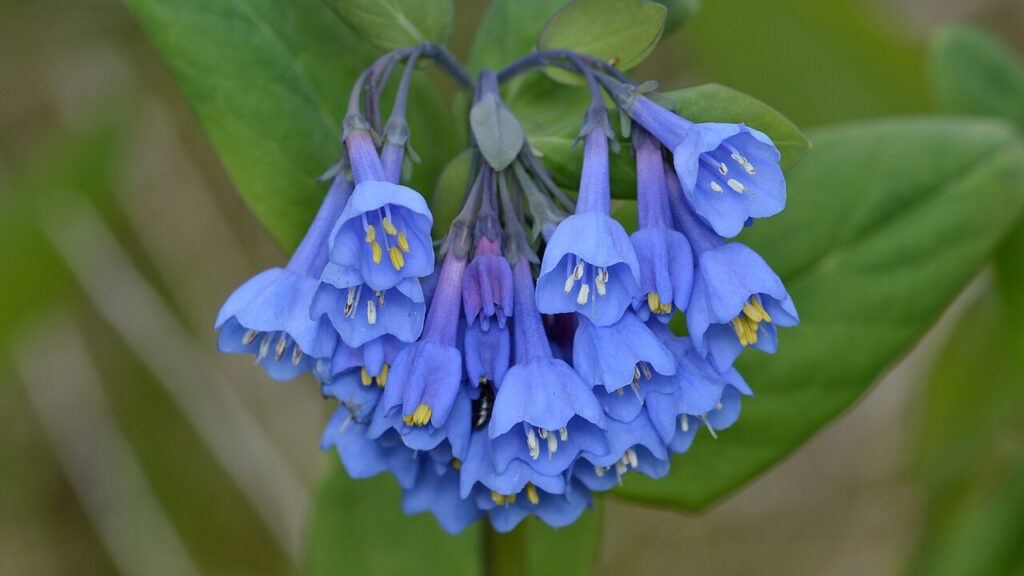
Virginia bluebells are a standout spring ephemeral known for their captivating blue blooms that can fill an entire garden in early spring. The flowers start as pink buds and gradually open into a vibrant blue, creating a stunning contrast against the emerging green foliage. These plants are typically found in woodlands and thrive in moist, rich soil. Their blooms appear in early spring and fade away by late May, leaving only the green foliage behind.
This plant is a favorite in shaded garden areas where it can get enough moisture but not too much direct sunlight. Virginia bluebells are known for their ability to naturalize, forming colonies that can last for years with minimal care. They are an excellent choice for creating a colorful spring display in a woodland or native plant garden. The flowers are especially attractive to early-season pollinators, including bees and butterflies, which rely on the blooms for early nectar.
Spring Beauty (Claytonia virginica)
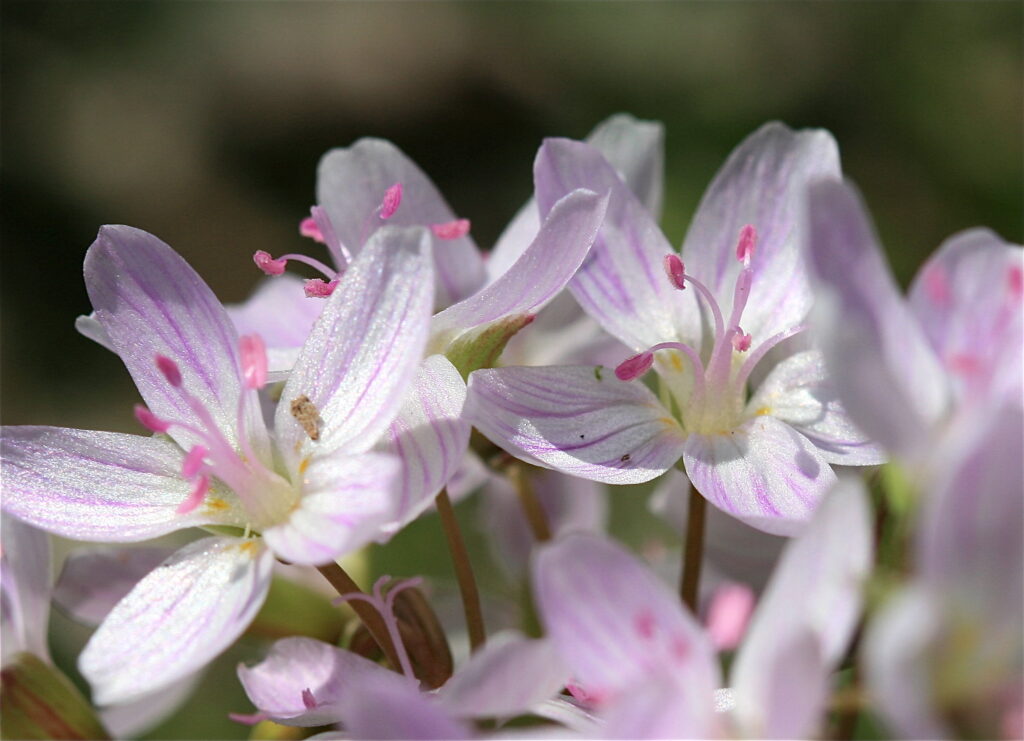
Spring beauty is a delicate and charming wildflower that appears in early spring, often before the last frost. Its small, pink or white flowers are marked with darker pink veins, making them stand out against the tender green foliage. These flowers bloom in clusters and are a favorite of early-season pollinators, such as bees. They last for a short period, usually only a few weeks, before fading into the background as summer approaches.
Spring beauty thrives in moist, well-drained soils and is typically found in shaded areas like woodlands or along stream banks. The plant grows in small clumps and spreads slowly over time, making it an excellent choice for naturalizing in garden beds. While it may not be as flashy as other spring flowers, its delicate beauty and early blooms make it a prized addition to any garden. After blooming, the foliage dies back, leaving no trace of its presence until the next spring.
Wild Ginger (Asarum canadense)
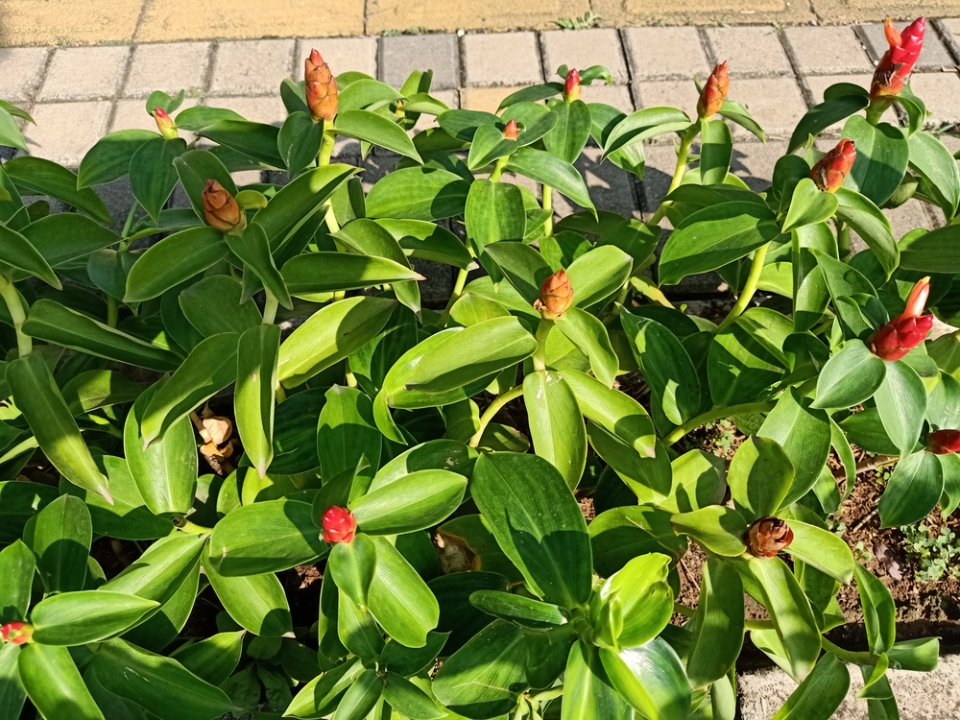
Wild ginger is a unique spring ephemeral that features heart-shaped leaves and small, maroon flowers hidden close to the ground. It thrives in shaded areas with rich, moist soil and is often found in woodland gardens or near forested edges. The flowers are easy to miss, as they are typically nestled beneath the plant’s leaves, giving them a mysterious charm. Wild ginger’s flowers bloom in early spring and quickly fade away, leaving behind only the foliage.
This perennial is known for its low-maintenance nature and ability to thrive in shaded, humid environments. Wild ginger is a great ground cover plant that can help stabilize soil in garden beds and around the base of trees. Though its flowers are short-lived, the plant’s attractive foliage makes it a worthwhile addition to any garden. As an added benefit, wild ginger’s leaves can be used to make a fragrant herbal tea, adding another layer of usefulness to this spring ephemeral.
Wake Robin (Trillium erectum)
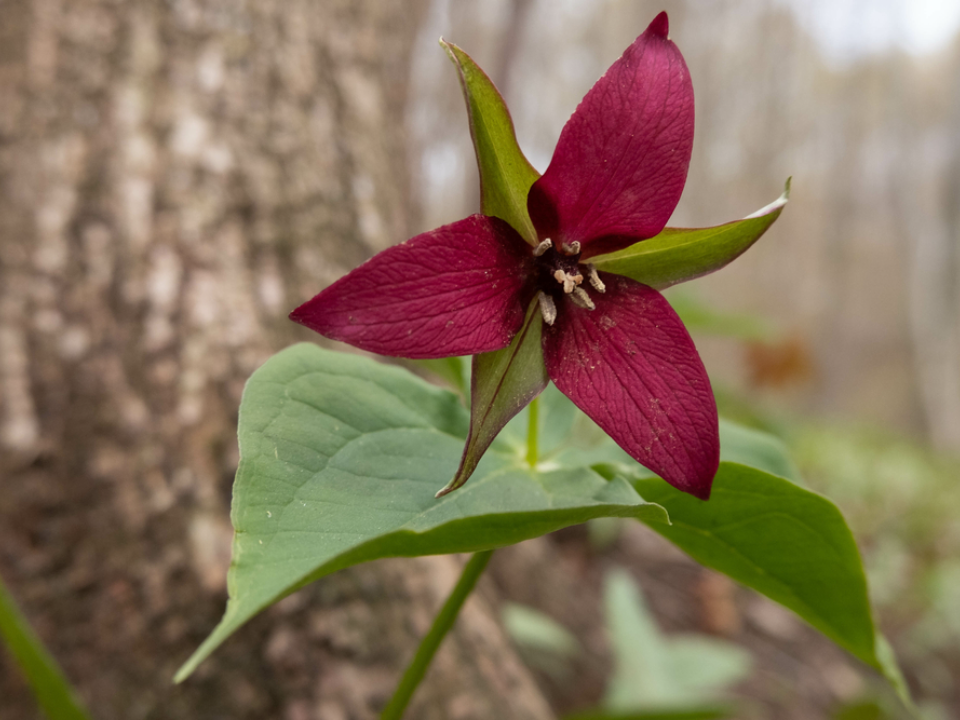
Wake robin, or red trillium, is a striking spring ephemeral that blooms in early to mid-spring. The plant produces dark red or purple flowers that appear in clusters on tall, slender stems. These flowers are often surrounded by large, broad leaves that add to the plant’s visual appeal. Wake robin’s blooms last for a few weeks, usually fading by late spring as the heat sets in.
This plant prefers moist, well-drained soils in the shade of larger trees, often thriving in rich woodland environments. Wake robin can be slow to establish, but once it is settled, it will return year after year. The plant’s unique appearance, along with its limited blooming window, makes it a prized find for gardeners looking to add something different to their shade gardens. After flowering, the plant’s leaves remain until early summer before they die back, marking the end of its ephemeral life cycle.
Mayapple (Podophyllum peltatum)
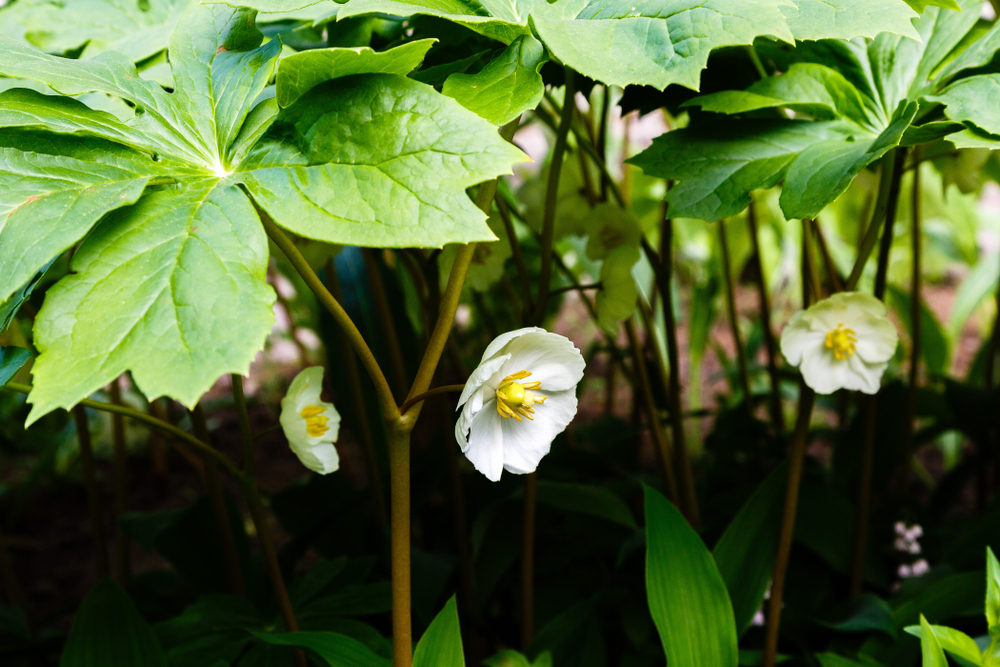
Mayapple is a unique spring ephemeral that is easily identified by its large, umbrella-like leaves and white, solitary flowers. These plants are often found in woodland environments and grow in dense patches during the early spring months. The flowers appear before the leaves fully unfurl, and their brief bloom period is followed by the appearance of green, apple-like fruits. Mayapple plants fade away by the end of spring, making their presence short but impactful.
Mayapple prefers rich, moist, well-drained soils and thrives in shaded areas with plenty of organic matter. While its blooms are short-lived, the plant’s distinct appearance makes it a favorite among gardeners who enjoy adding a bit of uniqueness to their woodland garden. The fruit produced by the plant is technically edible, though it is toxic when raw and requires preparation before consumption. Its brief flowering period, combined with its dramatic foliage, makes Mayapple a standout spring ephemeral.
Foamflower (Tiarella cordifolia)
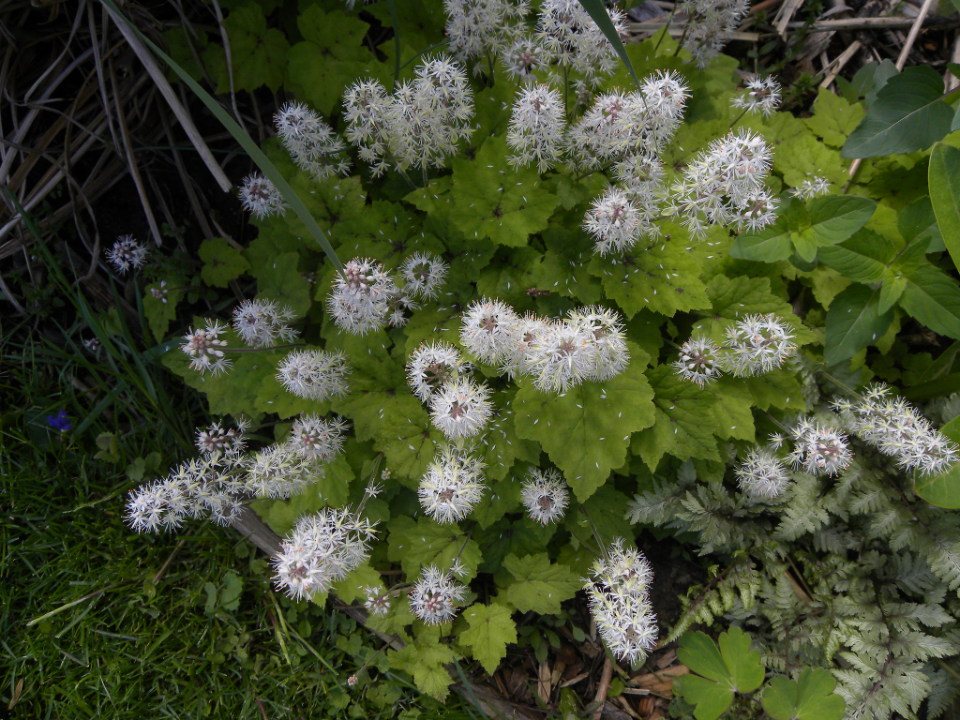
Foamflower is a low-growing perennial that adds a touch of elegance to early spring gardens. The plant produces delicate, frothy white or pink flowers that appear in spikes, creating a beautiful contrast against its heart-shaped leaves. Foamflower blooms in early spring, and the flowers typically last only a few weeks before fading away. Its ability to thrive in shady, moist environments makes it an excellent choice for woodland gardens.
This plant is ideal for groundcover, as it spreads easily to form dense mats of foliage. Foamflower prefers rich, well-drained soils and is often found in the wilds of woodlands and stream banks. Despite its short bloom period, foamflower’s charming flowers and attractive foliage make it a popular choice for gardeners looking to add beauty to shaded areas. The plant’s natural tendency to spread over time makes it a low-maintenance addition to the garden.
Sweet Cicely (Osmorhiza longistylis)
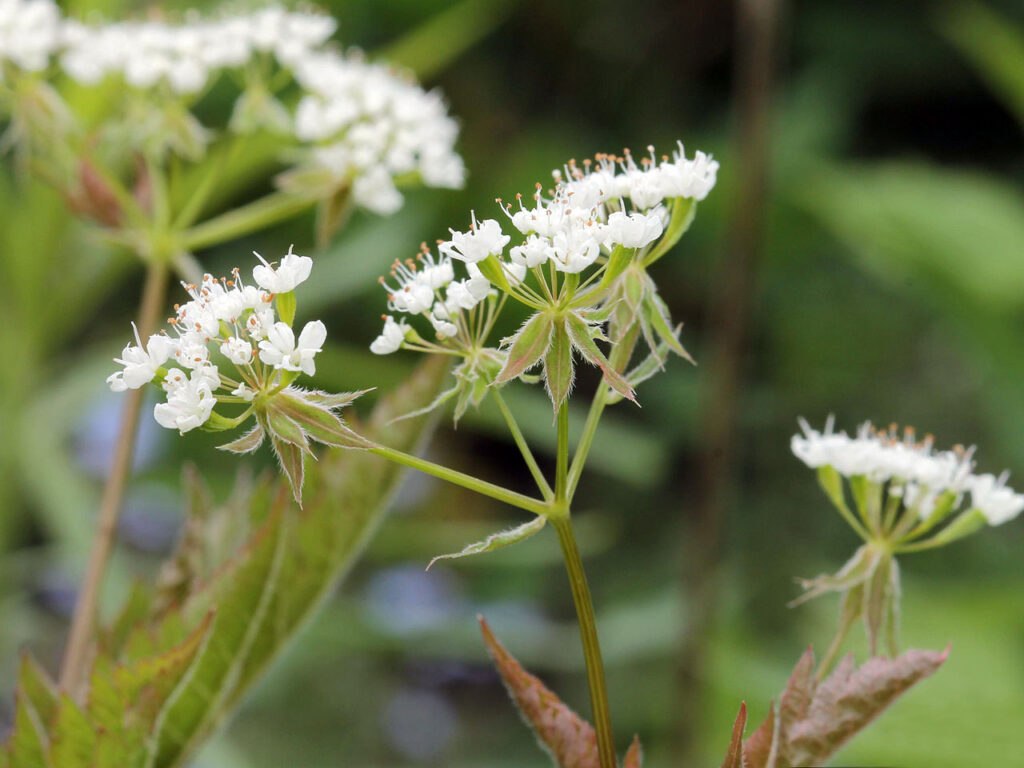
Sweet cicely is a perennial herb that blooms in early spring, offering both beauty and utility in the garden. The small, white flowers are grouped together in clusters and emit a subtle, sweet scent, which attracts pollinators like bees. The leaves of sweet cicely are often used in herbal medicine and cooking, particularly in desserts, where they add a mild, anise-like flavor. Its blooms typically last for a few weeks before the plant fades into the background.
Sweet cicely thrives in moist, well-drained soils and can be found in shaded woodland areas. The plant grows to a height of around 18 inches and can spread over time, though it does not tend to be invasive. After blooming, the plant’s leaves die back, and it remains dormant until the following spring. The delicate appearance of its flowers and the practical uses of its leaves make it a desirable spring ephemeral for gardeners seeking both beauty and function.
Solomon’s Seal (Polygonatum biflorum)
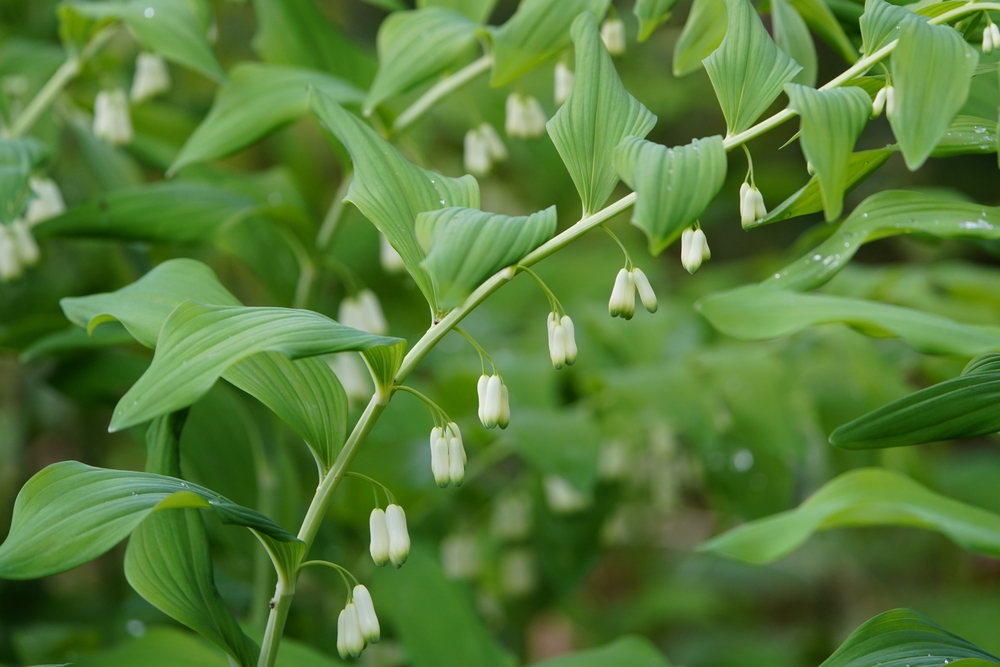
Solomon’s seal is a graceful, arching plant that blooms in early spring, producing clusters of small, bell-shaped flowers that are typically white or greenish. These flowers are nestled along the plant’s arching stems, making them an elegant addition to shaded garden areas. The blooms are short-lived but are followed by the appearance of blue berries that add a bit of color as the plant matures. By early summer, Solomon’s seal fades, leaving behind only the green foliage.
This plant thrives in well-drained, fertile soils and prefers moist conditions, making it ideal for woodland gardens or shaded areas. Solomon’s seal is relatively low-maintenance and will naturalize over time, forming clumps that can spread slowly throughout a garden. Its graceful appearance, combined with its ephemeral bloom period, makes it a sought-after addition for shade-loving gardeners. After flowering, the foliage remains for a time, only to die back when summer heat arrives.
Spring Cress (Cardamine concatenata)
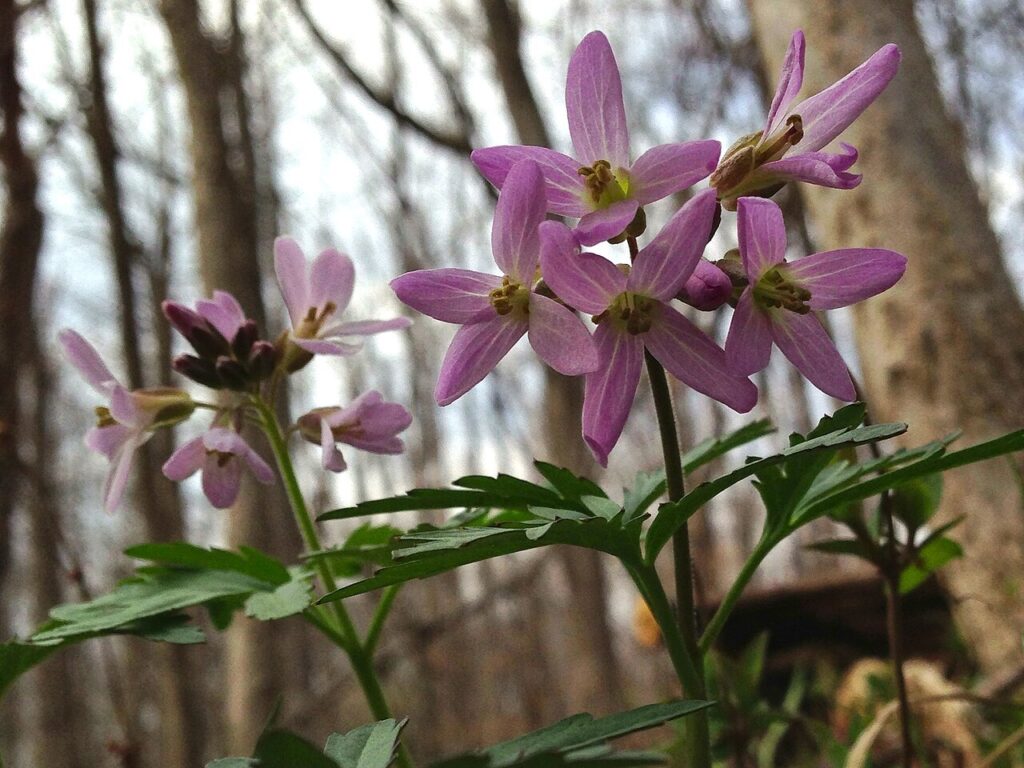
Spring cress is a small, herbaceous perennial that blooms in early spring, often in moist woodlands or along stream banks. Its delicate white or pink flowers are borne in clusters, and its leaves are deeply divided, giving it a lacy appearance. The blooms last for only a few weeks before disappearing into the summer. Spring cress is one of the first plants to emerge, offering early-season beauty for the garden.
This plant thrives in moist, well-drained soils and prefers shaded areas where it can receive some light without too much direct sun. Spring cress is an excellent addition to naturalized garden settings and woodland edges. It grows quickly and can spread over time, although it does not tend to overtake other plants. The ephemeral beauty of its flowers makes it a perfect plant for springtime displays, with the plant fading away as the season progresses.
Virginia Springbeauty (Claytonia virginica)
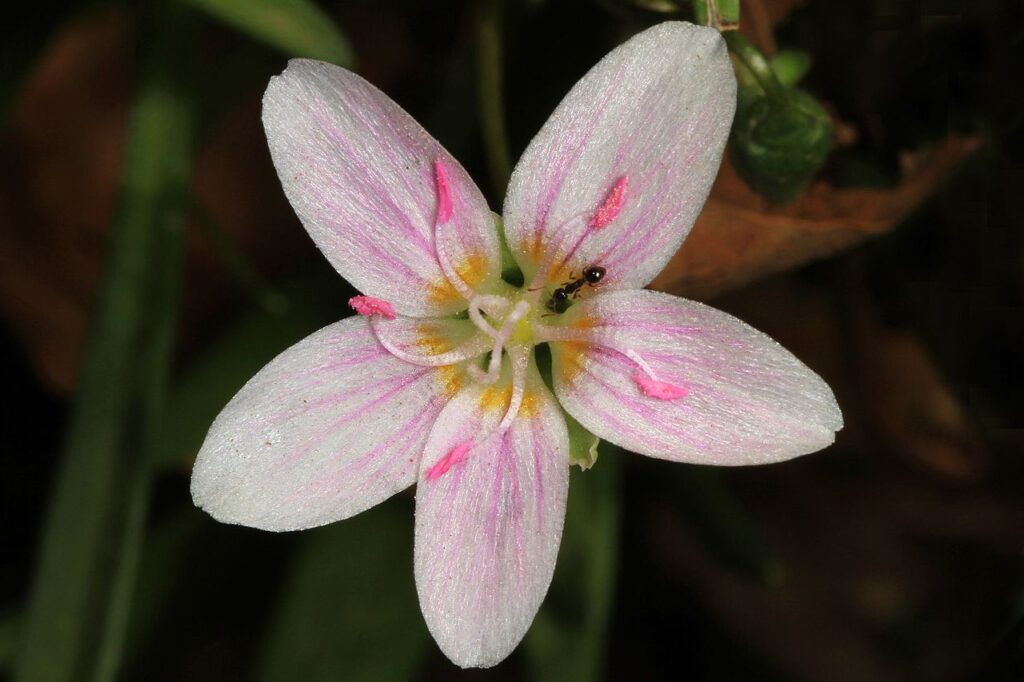
Virginia springbeauty is a delicate wildflower that blooms early in the spring, often found in woodland areas. Its small, five-petaled flowers are usually white or pink with darker pink veins, creating a beautiful contrast with its green foliage. The blooms typically last for a few weeks before disappearing as the weather warms up. Virginia springbeauty’s short bloom period makes it one of the first plants to bring color to the garden in spring.
This plant prefers moist, well-drained soils and thrives in shaded woodland environments. Virginia springbeauty spreads slowly over time, forming small colonies that gradually fill in shaded garden beds. The plant is highly valued for its subtle beauty and early-season blooms, which are attractive to pollinators like bees. Its brief flowering period makes it a prized addition to any garden looking to add color and life early in the season.
Dutchman’s Breeches (Dicentra cucullaria)
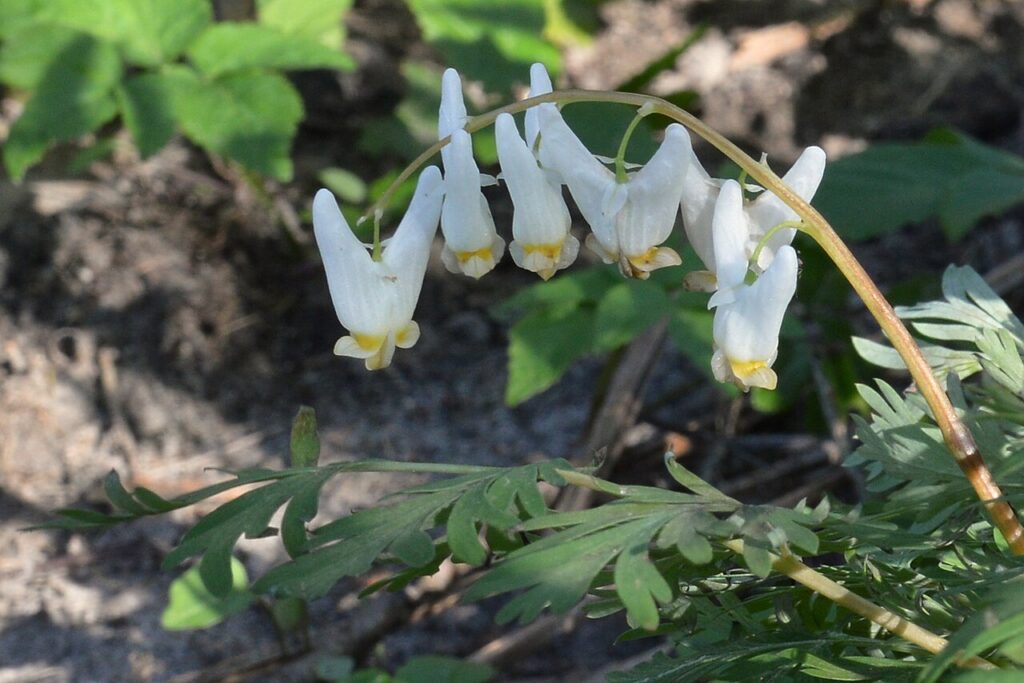
Dutchman’s breeches are a unique and striking spring ephemeral that blooms in early spring. The plant gets its name from the distinctive shape of its white flowers, which resemble tiny pairs of pants hanging upside down. These flowers appear in clusters along tall stems, creating a beautiful display against the emerging greenery. Dutchman’s breeches typically last only a few weeks before the plant fades away for the season.
The plant thrives in moist, well-drained soils in shaded areas, often found in woodland gardens. Dutchman’s breeches can spread slowly through rhizomes, forming small colonies over time. While the flowers are short-lived, the unique appearance of the blooms makes this plant a favorite among gardeners. After flowering, the foliage remains for a time before eventually dying back, completing its ephemeral cycle.
This article originally appeared on Avocadu.