
12 Spring Bird Nests You Might See and What Not to Do Near Them
A walk outside in spring can turn into something special when you notice a nest resting in just the right place. These tiny homes may look simple, yet they play a big part in the busy rhythm of the season. Before you step nearer, it helps to know which actions are safe and which ones can cause trouble.
This post may contain affiliate links, which helps keep this content free. Please read our disclosure for more info.
American Robin Nest
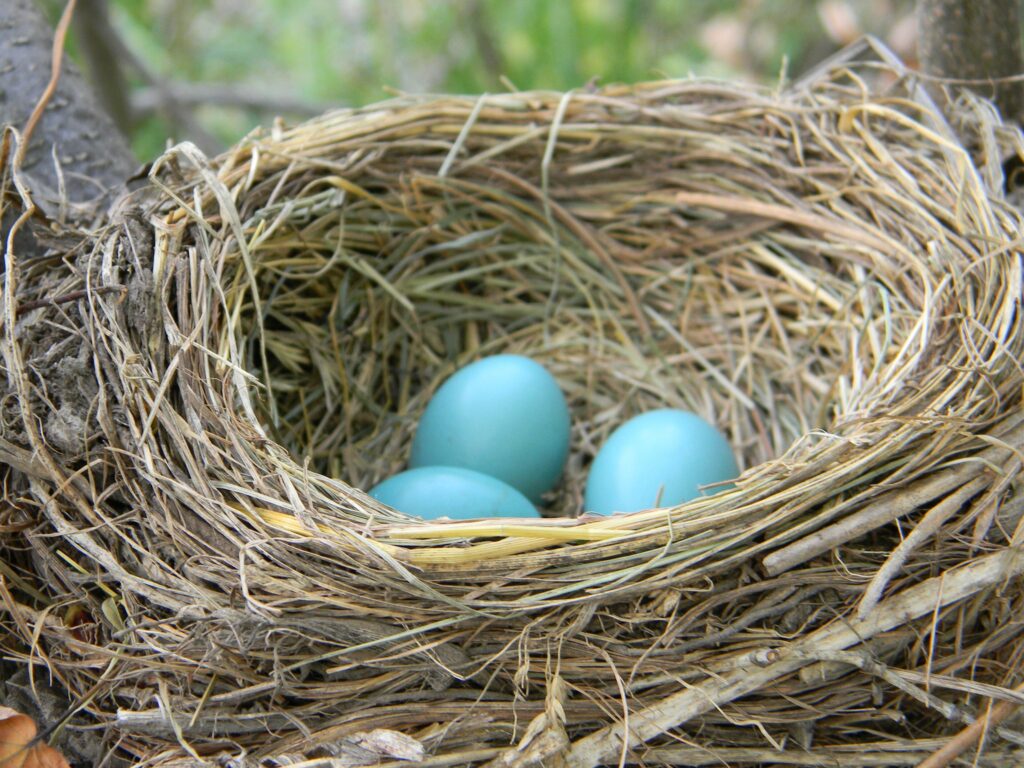
Few spring nests are as easy to recognize as the one made by an American robin. It usually has a sturdy cup shape formed with grass, twigs, and a layer of mud that helps hold everything together. These nests often turn up on porch ledges, tree branches, gutters, and window frames. The bright blue eggs are often the detail that makes people stop and look.
If you happen to spot one nearby, the best thing to do is keep moving after a quick glance. Staying close for too long can make the parent birds nervous and less willing to return right away. It is best to leave the branch, ledge, or nearby area alone until the young birds are gone. Cats, dogs, and curious hands should be kept far from the nest.
Northern Cardinal Nest
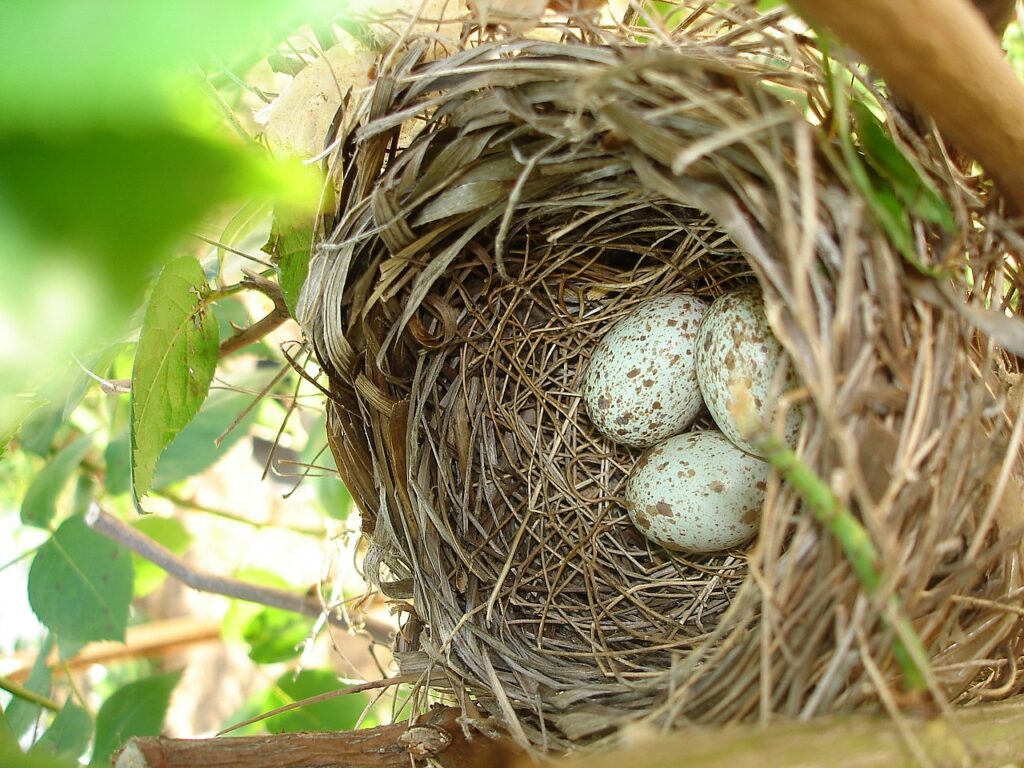
Hidden among leafy shrubs, a northern cardinal nest can be easy to miss at first. The birds build it with twigs, bark strips, leaves, and grass, shaping it into a small cup that blends into thick cover. Many cardinal nests sit low in bushes or hedges where they stay partly concealed. That tucked-away placement helps protect the eggs and chicks from trouble.
Once you know a nest is there, try not to revisit the same spot too often. Repeated trips near the bush can leave a trail that other animals may notice. Yard work, branch trimming, and loud activity should wait until the nesting period is over. Quiet distance gives the adult birds a better chance to care for their young without added stress.
Mourning Dove Nest
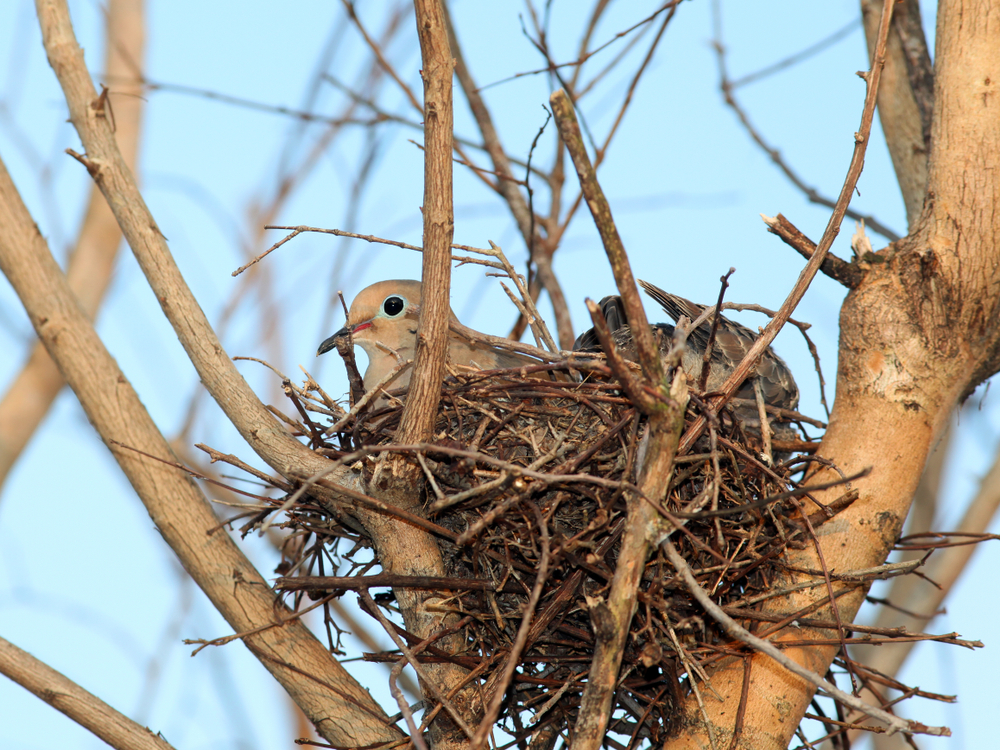
At first glance, a mourning dove nest can look almost too simple to hold together. It is usually made from a loose layer of thin twigs and may rest on a limb, beam, planter, or roof edge. The flat shape gives it a light and fragile appearance that stands out from deeper cup nests. That plain look is part of why it surprises so many people.
Because the nest is so lightly built, even small disturbances can cause problems. A ladder placed too close, a decoration moved nearby, or a person lingering under it can upset the birds. It is wise to leave the whole area alone while the nest is active. A little patience helps these quiet birds stay settled through the season.
Barn Swallow Nest
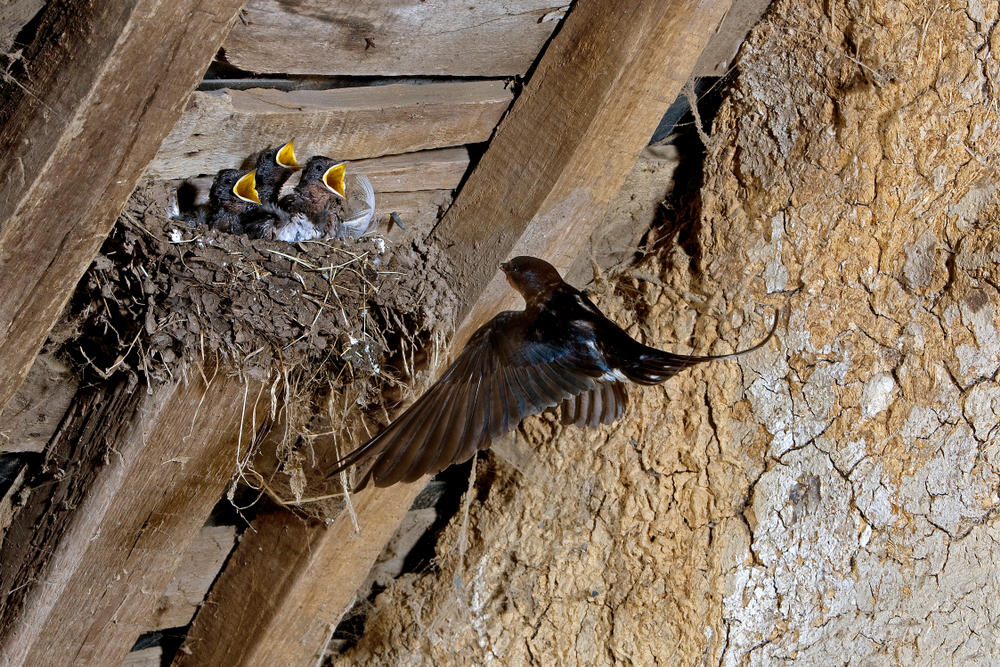
Clinging to beams and rafters, a barn swallow nest has a look that is easy to remember. It is built from mud and lined with grass and feathers, forming a half cup tucked beneath porches, barns, sheds, or bridges. These birds often return to places that worked well in earlier seasons. Seeing one in spring can be a familiar sign that warm weather has settled in.
Even when the nest is over a doorway or near a work area, it should not be disturbed. Sweeping around it, knocking at the wall, or standing under it for long stretches can make the birds uneasy. Cleaning and repairs can wait until the nest is no longer in use. From a little farther back, you can still enjoy watching the swallows come and go.
Eastern Bluebird Nest
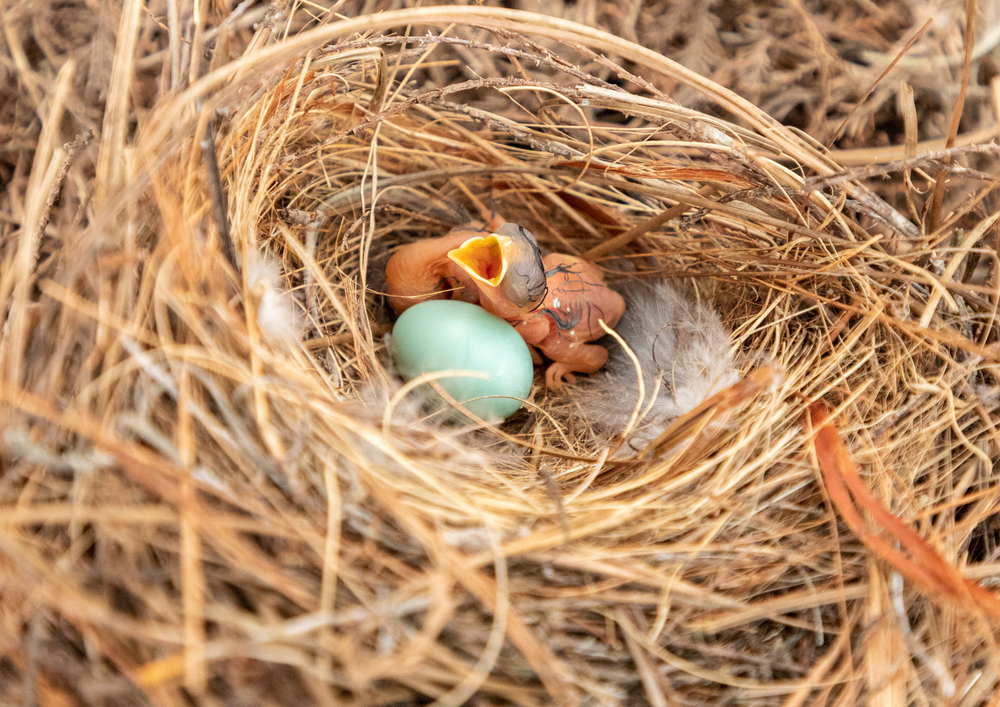
In open yards and fields, eastern bluebirds often raise their young inside nest boxes or tree cavities. Their nests are made from dry grasses and pine needles placed neatly in the protected space. You may first notice the adults carrying food rather than seeing the nest itself. That steady back-and-forth movement is usually the clue.
When a nest box is active, it is better not to keep opening it or standing nearby too often. Tapping the box, peering in again and again, or letting pets gather under it can upset the birds. The adults need room to feed their chicks without feeling watched. A peaceful nesting site gives them the best chance to finish the job.
Baltimore Oriole Nest
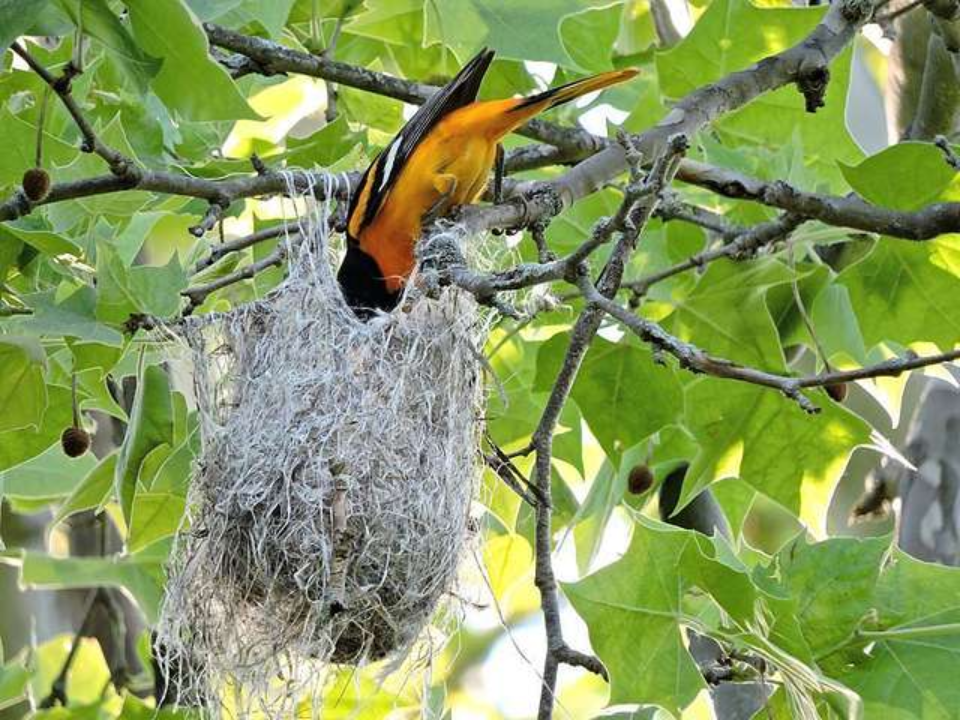
High on a thin outer branch, a Baltimore oriole nest can look like a hanging pouch swaying in the breeze. It is woven from plant fibers and other soft strands, which gives it a neat suspended shape, unlike most other nests. The design is striking even from a distance. Many people remember it as one of the most unusual nests of spring.
Since the nest hangs from slender branches, keeping your distance matters quite a bit. Pulling at the branch, shaking the tree, or trying to stand right under it for too long can create risk. Orioles prefer a quiet area while they care for their young. The safest choice is to admire the nest from a distance and let the tree stay still.
Red-Winged Blackbird Nest
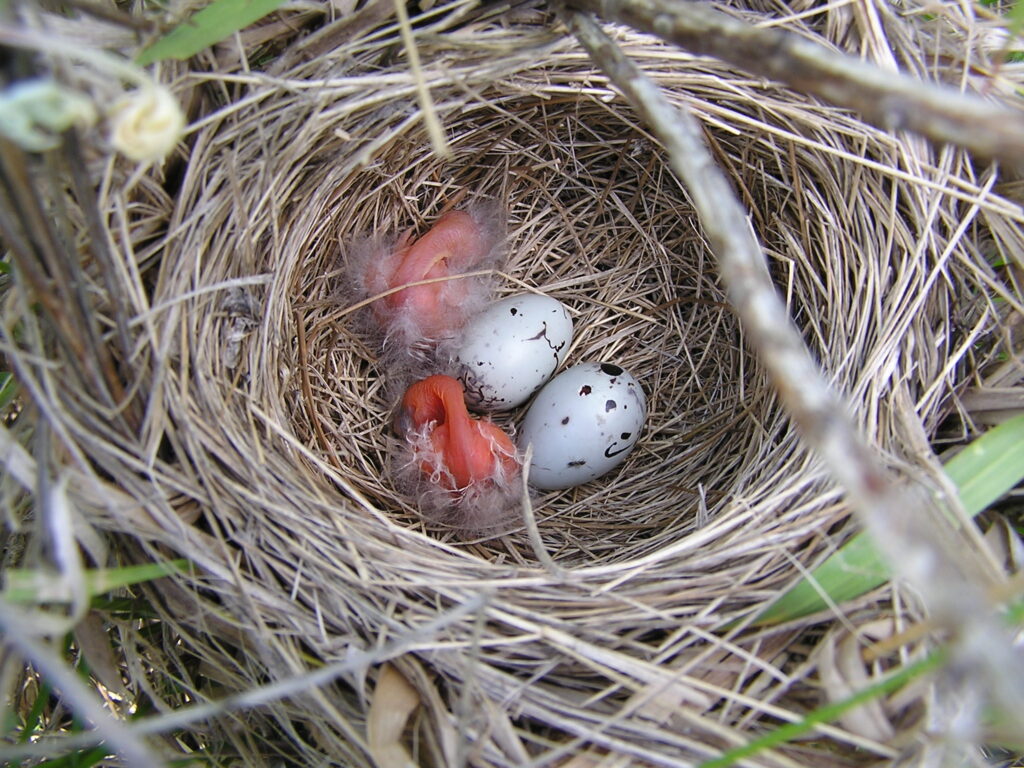
Near ponds and marshy ground, red-winged blackbirds often place their nests among reeds and cattails. The nest is woven low among upright plants and made from wet grasses and similar material that dries into a firm cup. That setting helps hide it among the stems. It can be hard to spot unless a bird suddenly flies out.
If you notice one, stay on the path and resist the urge to push through the tall growth. These birds are known for guarding their nests and may swoop at people who get too close. Trampling nearby plants can damage the cover the nest relies on. Giving wet areas a little extra room is the safest and kindest choice.
Killdeer Nest
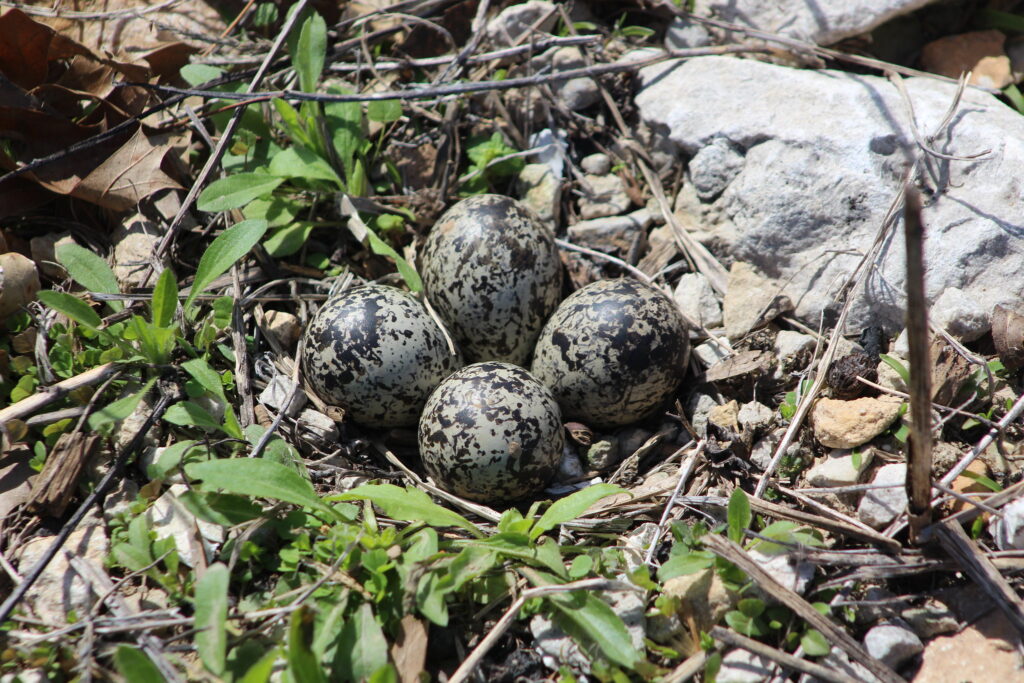
On open ground, a killdeer nest can be so plain that people walk past it without knowing. The bird lays its eggs in a shallow scrape lined with small stones or bits of grit, usually in gravel, dirt, or short grass. Because there is no raised nest shape, the eggs blend in very well. That makes this one of the easiest nests to disturb by accident.
Whenever killdeer are acting upset near the ground, it is wise to slow down and look carefully. Walking through the area, mowing nearby, or letting pets roam there can put the eggs in danger. Even setting down a bag or chair too close can be a problem. A little caution helps protect something very easy to miss.
Black-Capped Chickadee Nest
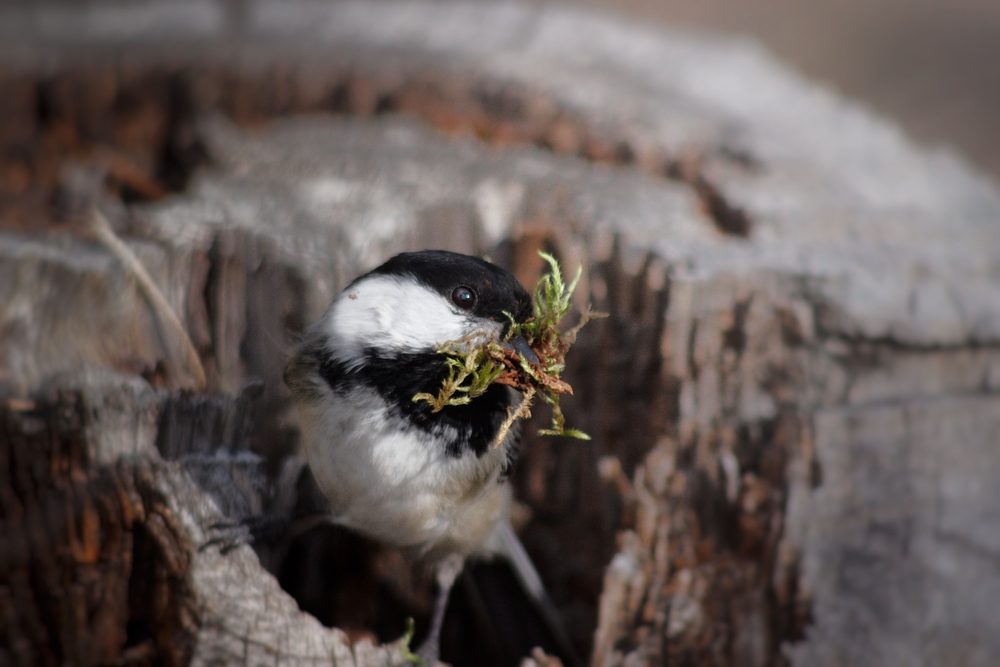
Inside a small cavity, a black-capped chickadee nest stays mostly hidden from view. The birds use tree holes or similar openings and line the nest with moss, fur, and other soft material. From the outside, you may see little more than a small dark opening in the bark. The parents flying back and forth often give it away.
Because the nest is deep inside, people sometimes feel tempted to peek into the hole. That should be avoided, since the narrow space is what helps the birds feel secure. Reaching in, knocking on the trunk, or standing close for long periods can interrupt feeding. Quiet observation from farther away is much better for the birds.
Song Sparrow Nest
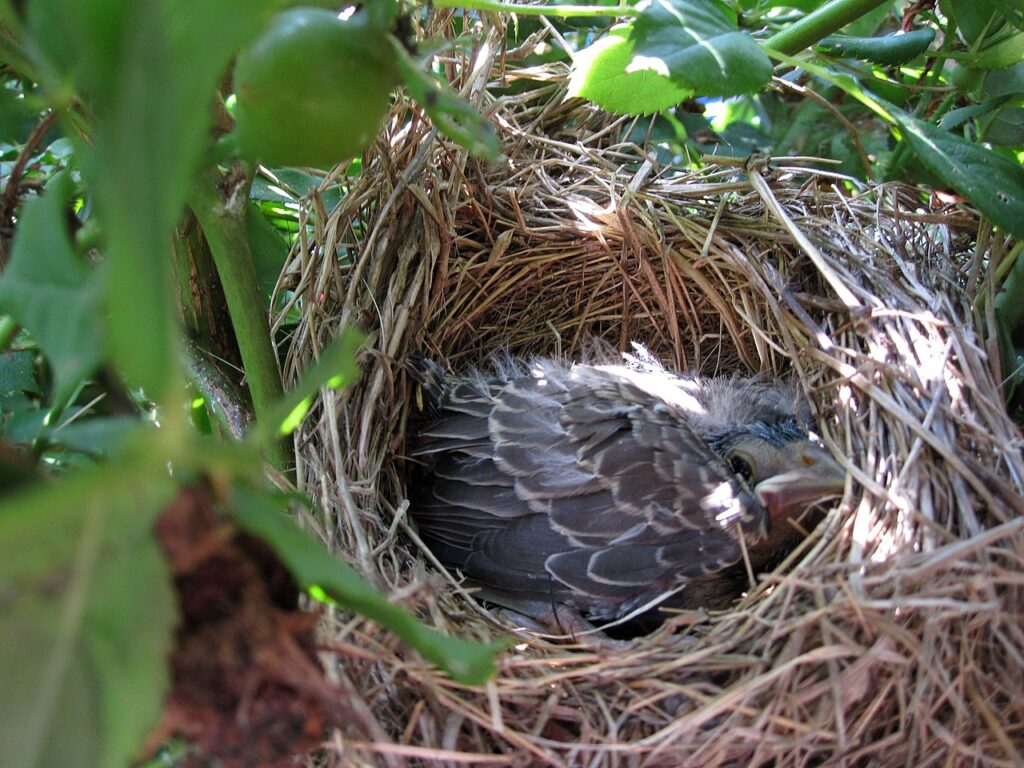
Low in tangled plants, a song sparrow nest often hides where people least expect it. The birds shape it into a deep cup using grasses, weeds, and bits of bark, usually near the ground in thick cover. Its low position helps it stay out of sight. In many cases, a person notices the nest only after a bird darts out nearby.
For that reason, spring yard work should be done carefully around dense patches of growth. Once a nest is found, it is best to leave that corner alone for a while. Raking, trimming, and heavy foot traffic can all create trouble for the birds. Dogs should be kept from nosing through the area as well.
Ruby-Throated Hummingbird Nest
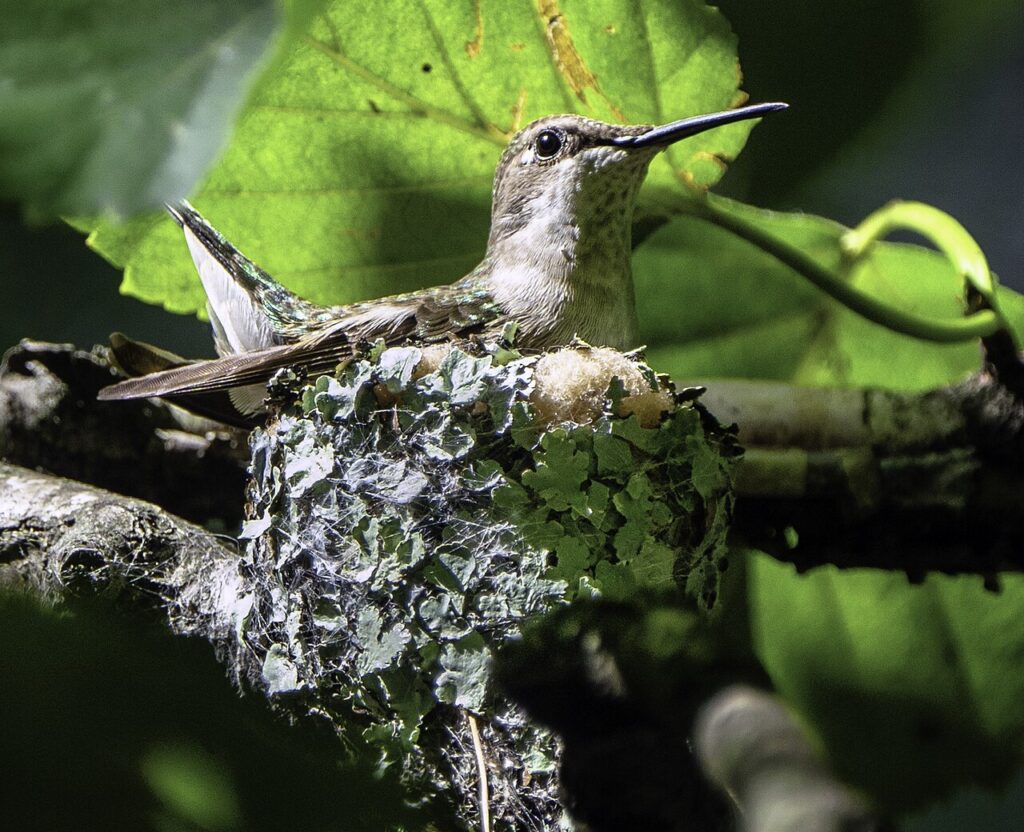
Small enough to be mistaken for a bump on a branch, a ruby-throated hummingbird nest is a remarkable sight. It is made from plant down, spider silk, and bits of lichen, which help it blend into the branch and flex as the chicks grow. The nest is often placed on a slender limb in a quiet spot. Its size is part of what makes it so easy to overlook.
With something this tiny, even a little movement nearby can matter. Touching the branch, shifting leaves, or trying to get very close for a photo can put stress on the nest. Lingering under it for too long is not a good idea either. A short and quiet look is enough when the nest is this delicate.
Gray Catbird Nest
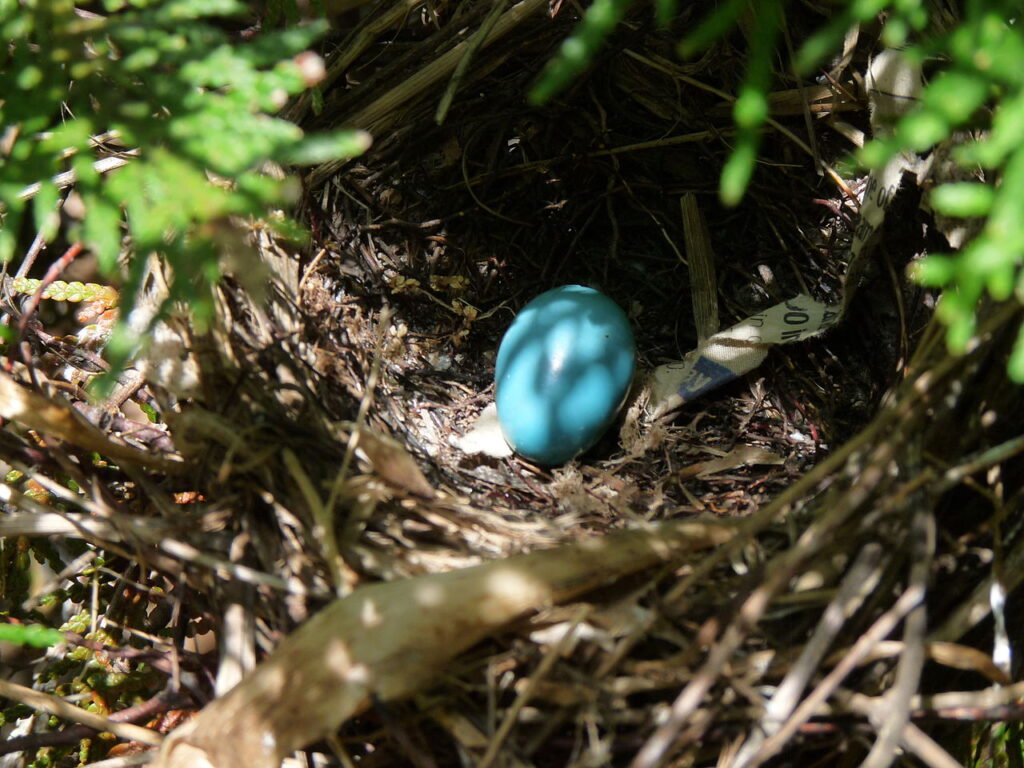
Deep in a shrub or thicket, a gray catbird nest stays hidden behind layers of leaves and stems. The birds build it from twigs, weeds, and rootlets, giving it a somewhat rough outer look. Thick cover is a big part of what keeps the nest safe. Often, the bird calls from nearby before the nest itself is seen.
When a nest turns up during garden work, the best response is to stop working in that patch. Reaching in, parting the branches, or trimming back the cover can leave the nest exposed. The birds depend on that leafy shelter for safety. Leaving the area alone for a while gives them a much better chance.
This article originally appeared on Avocadu.