
13 Sports Movies You Can Rewatch Even If You Know the Ending
Some sports movies never lose their impact, even when you already know how the game ends. The best rewatchable sports films focus on character growth, emotional moments, and iconic scenes that stay with you long after the final whistle. These stories are about resilience, teamwork, and personal change rather than just the scoreboard. Even when the outcome is familiar, the journey still feels compelling and worth experiencing again.
This post may contain affiliate links, which helps keep this content free. Please read our disclosure for more info.
Rocky
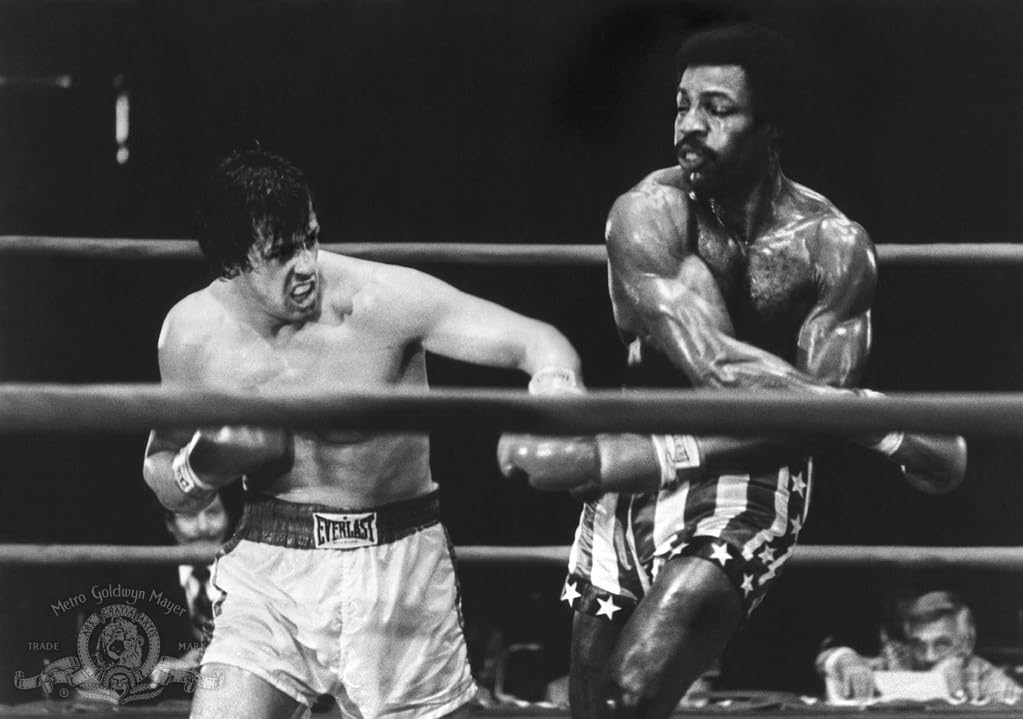
Even when you know that Rocky Balboa will go the distance against Apollo Creed, the emotional journey still feels powerful. The film spends generous time showing his lonely routine, his self-doubt, and the quiet way he talks himself through disappointment. His relationship with Adrian unfolds slowly, built on awkward conversations and gentle encouragement rather than dramatic speeches. By the time he steps into the ring, the fight represents dignity and self-respect more than a title belt.
Watching it again brings attention to the textures of his daily life, from the small apartment to the early morning runs through Philadelphia. The famous training montage works because it reflects internal change rather than physical strength alone. Each punch he throws in the final rounds feels personal, shaped by every moment that came before. The ending lands because the film makes you care deeply about who he becomes, not simply whether he wins.
Hoosiers
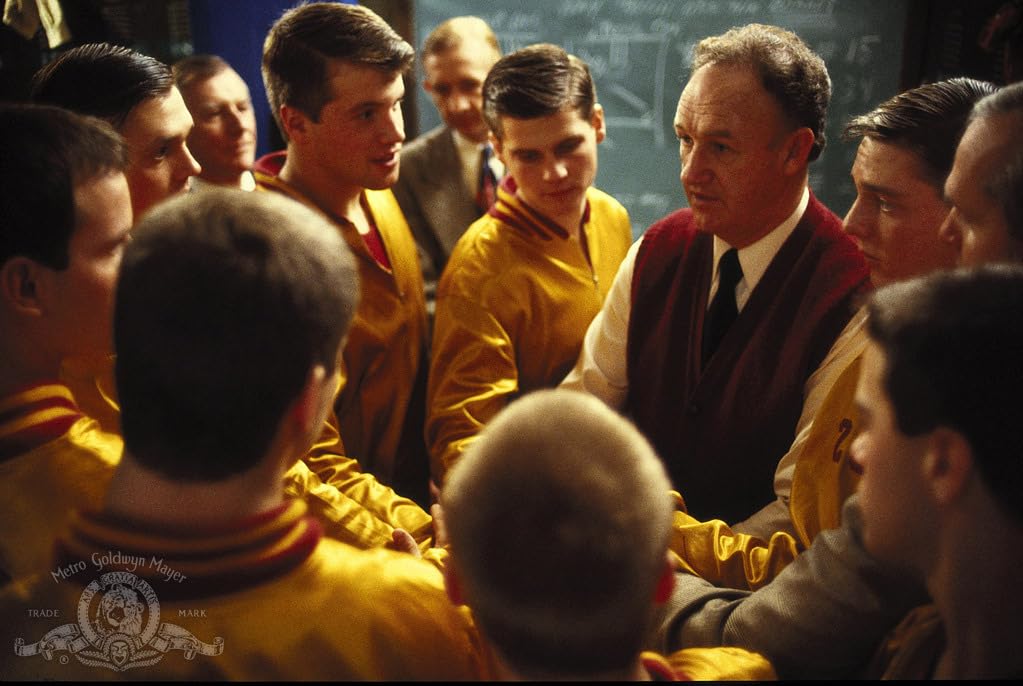
You may remember the final shot, yet the slow-building story of a small town team finding discipline keeps the film engaging. The coach arrives with a strict style that clashes with local expectations, creating tension that simmers through early practices. The players struggle with confidence and teamwork, and their mistakes feel honest rather than exaggerated. The quiet gym scenes allow viewers to feel the weight of every pass and missed opportunity.
On a second viewing, the emotional stakes feel even clearer. The coach’s past mistakes and the town’s doubts add layers to his leadership. Each player grows in subtle ways, from selfish habits to shared responsibility. By the time the championship game arrives, the real victory lies in trust and unity rather than the final score.
Remember the Titans
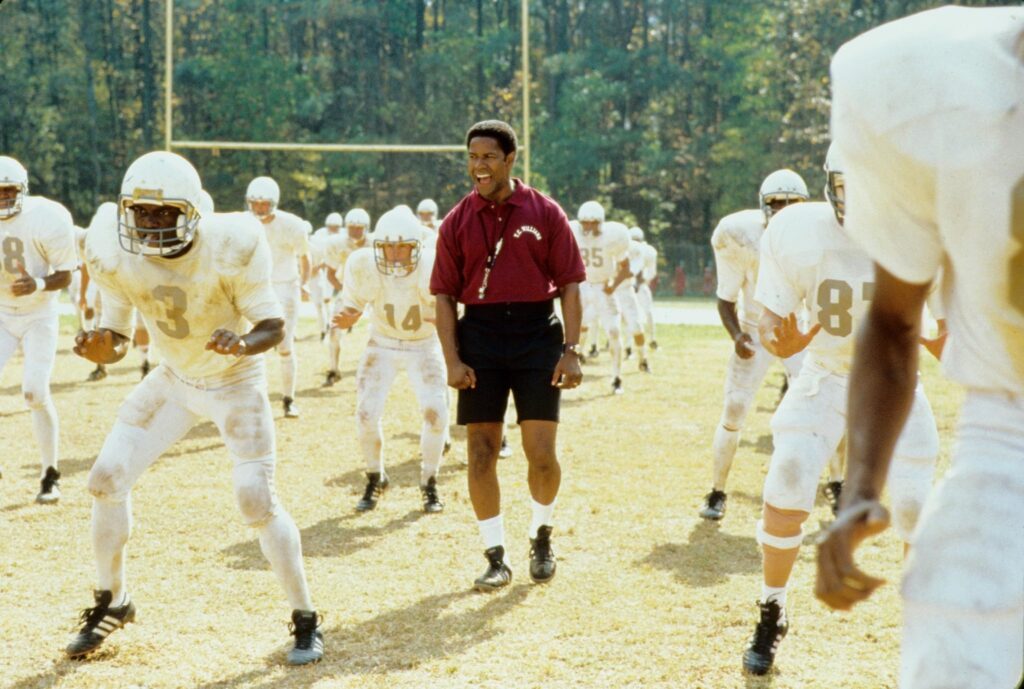
Even if you know the team will rise above division, the film remains moving because of its focus on personal change. The early scenes of hostility between players are uncomfortable and grounded in real tension. As the team trains together, shared hardship slowly breaks down walls that once seemed permanent. Conversations on the bus and in the locker room reveal vulnerability beneath pride.
Rewatching highlights how leadership shapes the team’s growth. Coach Boone’s strict approach forces accountability, while Coach Yoast provides balance and empathy. Individual players confront prejudice within themselves and their families, which gives the victories deeper meaning. The final game is exciting, yet it is the transformation of relationships that gives the story lasting emotional impact.
The Karate Kid

Knowing that Daniel will face Johnny in the tournament does not lessen the emotional build of the story. The film carefully develops Daniel’s sense of isolation after moving to a new town. Mr. Miyagi’s quiet mentorship, from painting fences to waxing cars, builds trust and patience in subtle ways. What seems like repetitive chores gradually becomes a lesson in discipline and focus.
Watching it again makes the bond between teacher and student feel even more meaningful. Mr. Miyagi’s personal history adds emotional depth that extends beyond the competition. The tournament becomes a test of character rather than skill alone. The final kick resonates because it reflects Daniel’s growth in confidence and restraint.
Rudy
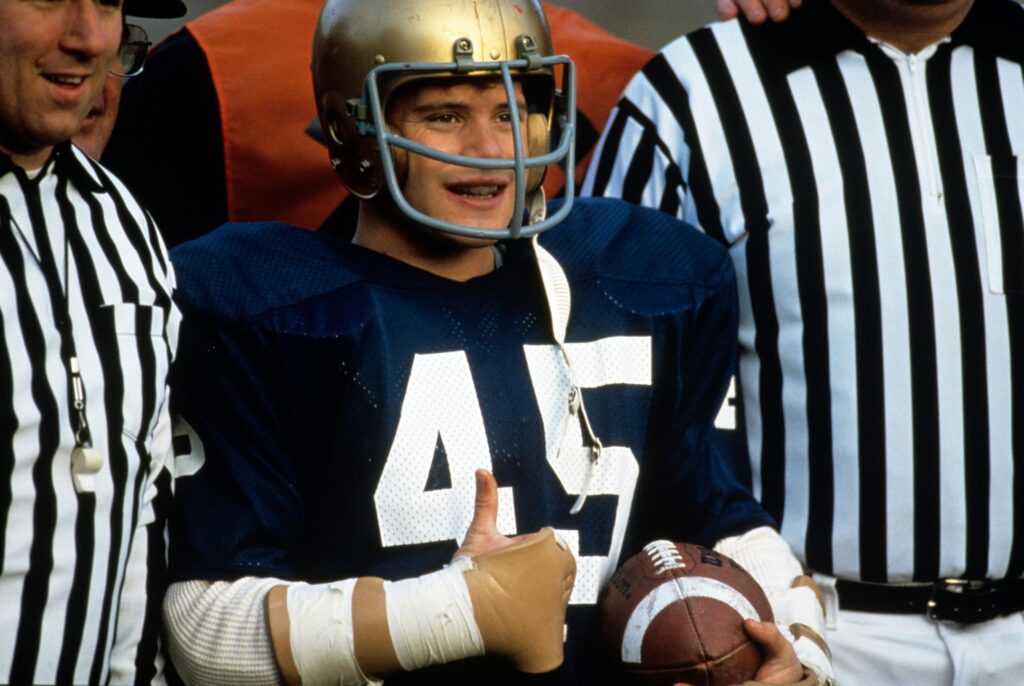
Everyone knows that Rudy will eventually step onto the field, yet the waiting is what makes the story compelling. The film emphasizes his repeated rejections and the physical toll of chasing a dream that seems out of reach. Each setback feels real because the narrative does not rush past failure. His determination builds slowly, grounded in study sessions, practice drills, and quiet resilience.
Rewatching reveals how many people influence his path, from supportive friends to skeptical authority figures. The locker room scene near the end carries emotional weight because it reflects earned respect. The crowd’s reaction is powerful, yet it is the recognition from teammates that feels most meaningful. The film works because it shows that belonging can matter more than glory.
Moneyball
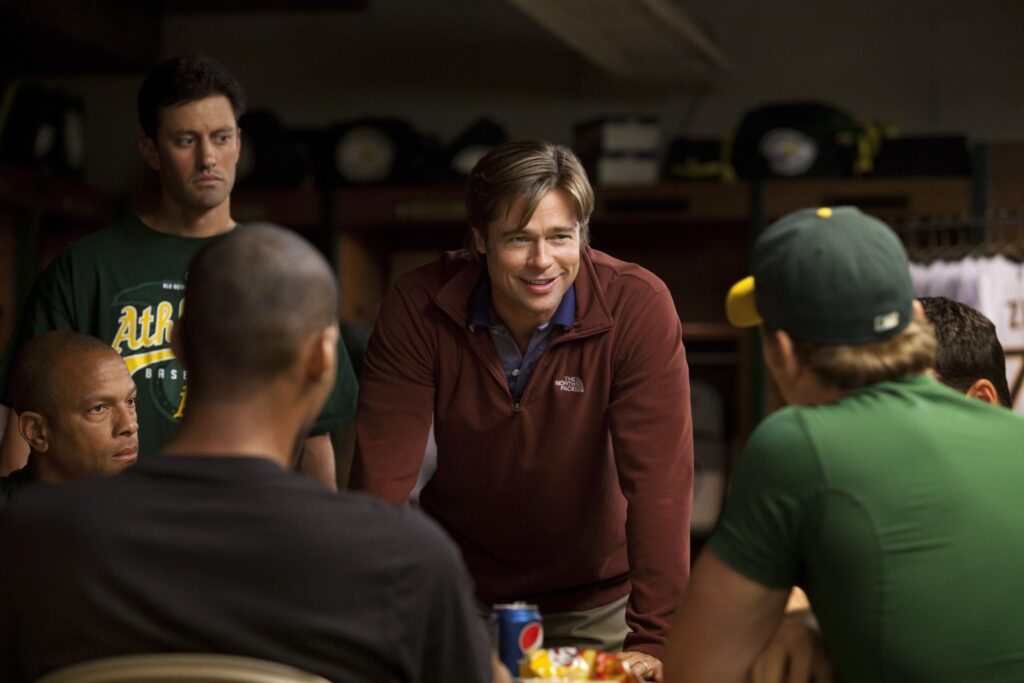
The outcome of the season may be known, yet the film remains engaging because it centers on an unconventional way of thinking. Billy Beane’s frustration with traditional scouting creates tension that runs through every meeting and phone call. The quiet scenes of data analysis contrast sharply with the energy of the ballpark. The story focuses on belief in an idea when few others share that belief.
Watching it again highlights the human side of management decisions. Trades feel personal rather than mechanical, and conversations in cramped offices carry emotional weight. The relationship between Beane and his assistant adds warmth to the strategic discussions. The ending resonates because it reflects courage in sticking to a philosophy despite resistance.
Miracle
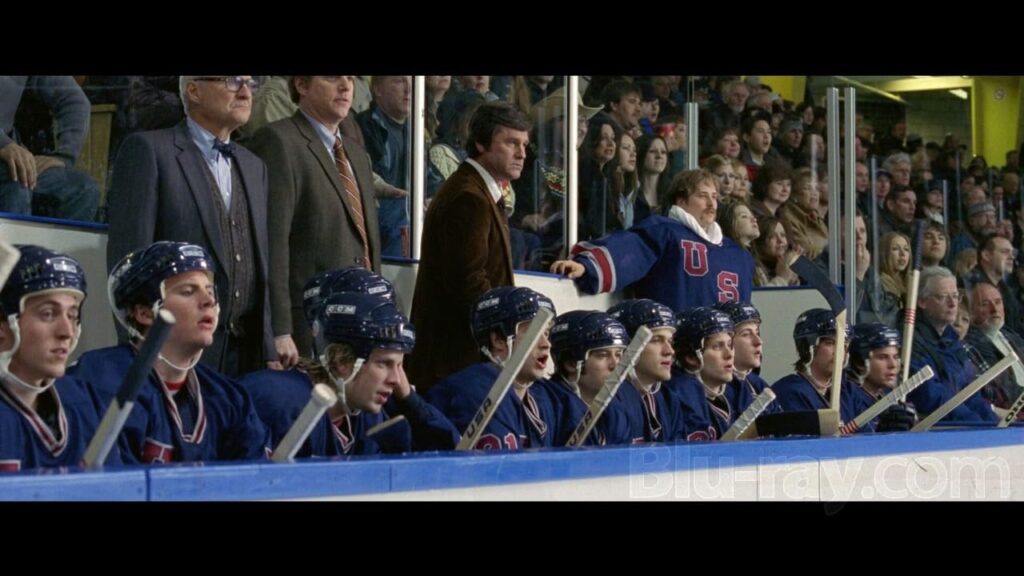
Knowing that the United States will defeat the Soviet team does not diminish the thrill. The film builds intensity through relentless practices that test physical and mental limits. Players who once competed against each other must learn to trust and represent something larger than themselves. The locker room speeches are stirring because they grow out of genuine frustration and discipline.
Rewatching allows viewers to focus on the individual personalities within the team. Conflicts are not glossed over, which makes the unity feel authentic. The final game still creates tension because the film captures the rhythm and uncertainty of each shift on the ice. The emotional release comes from shared sacrifice rather than the scoreboard alone.
A League of Their Own
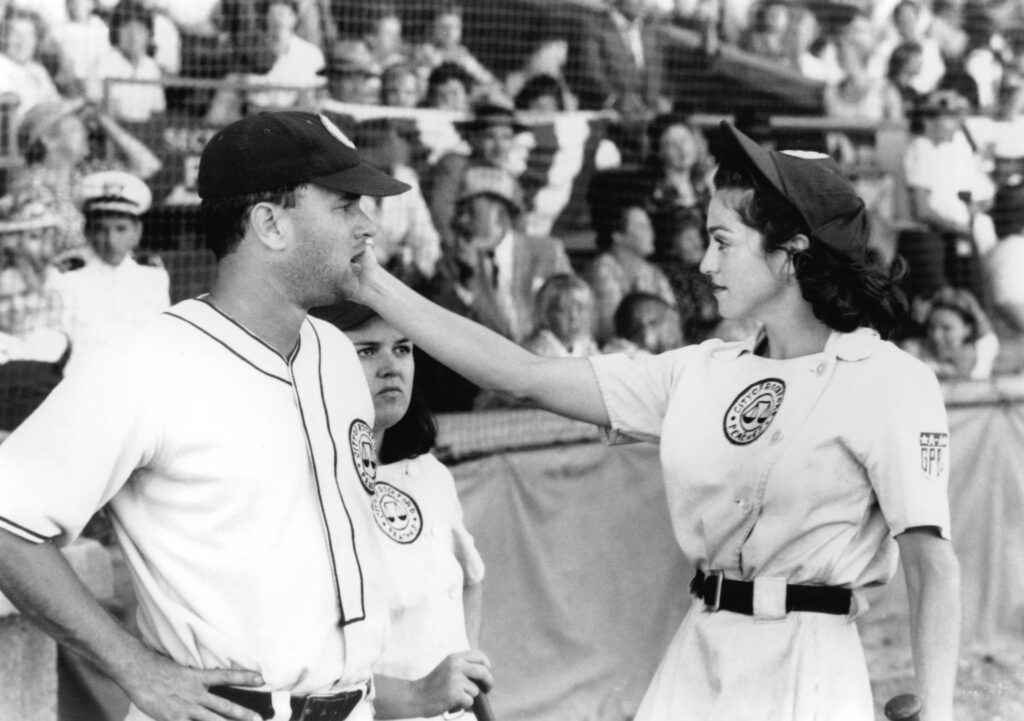
Even though the league’s fate is known, the film remains enjoyable because of its humor and heartfelt character arcs. The players are given distinct personalities that shine in both comedic and dramatic moments. Scenes in the locker room and on long bus rides create a sense of camaraderie that feels lived in. The famous line about crying in baseball remains memorable because it reflects deeper expectations placed on women.
On rewatch, the bond between sisters Dottie and Kit feels especially layered. Their rivalry adds emotional tension that extends beyond the games. The film balances lighthearted scenes with quiet reflections on opportunity and sacrifice. The ending feels satisfying because it honors both competition and connection.
Coach Carter
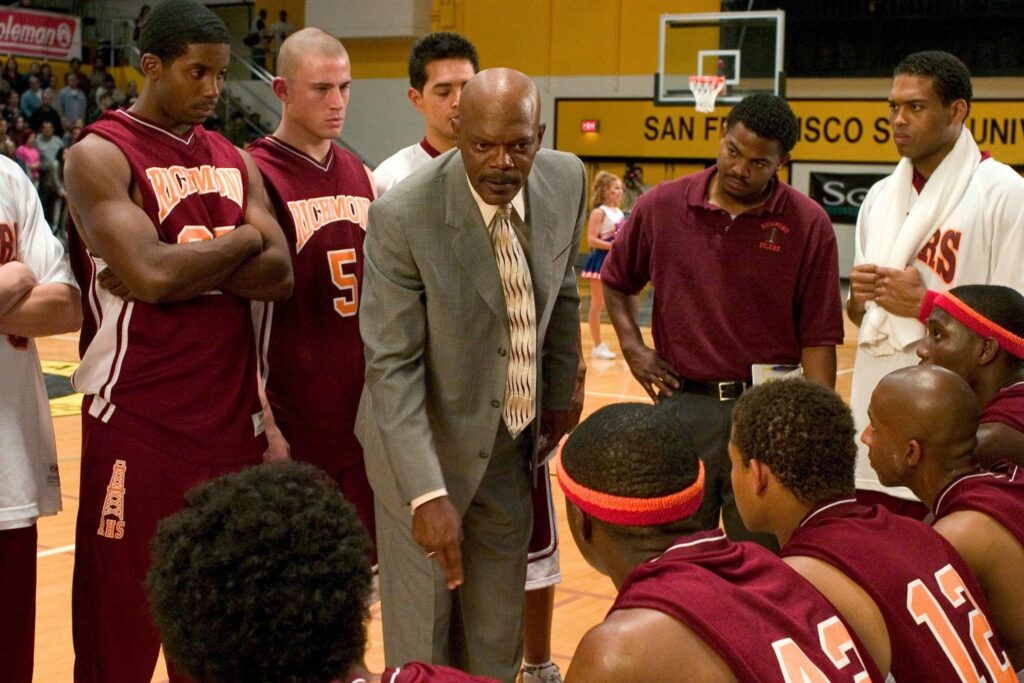
The suspension of the team is well known, yet the film’s strength lies in its exploration of accountability. Coach Carter sets academic standards that challenge the players’ assumptions about success. Early resistance gives way to gradual understanding as students confront their own habits. The gym becomes a classroom where discipline carries over into daily life.
Rewatching brings attention to the personal stories behind each player. Family pressures and limited expectations shape their attitudes toward school and sport. The locked gym scenes feel tense because they represent a stand for long-term growth. The final game matters, yet the emphasis on education gives the story enduring meaning.
The Sandlot
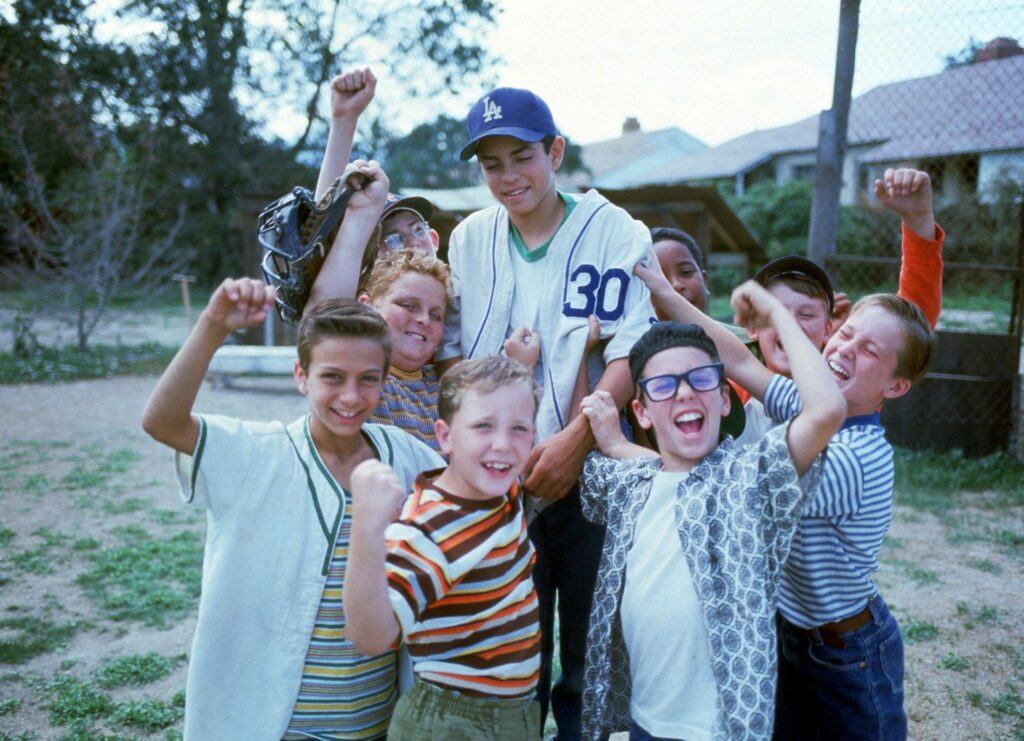
The lost baseball may be a central conflict, yet the charm of the film lies in childhood friendship. The story captures long summer days filled with small adventures and shared fears. Each member of the group has distinct quirks that make the team feel authentic. The looming legend of the backyard dog adds playful suspense.
Watching it again feels like revisiting a memory. The narration adds warmth and nostalgia, reflecting on innocence and growing up. The climax involving the fence is exciting, yet it is the laughter and loyalty that linger. The film works because it celebrates connection more than competition.
Field of Dreams
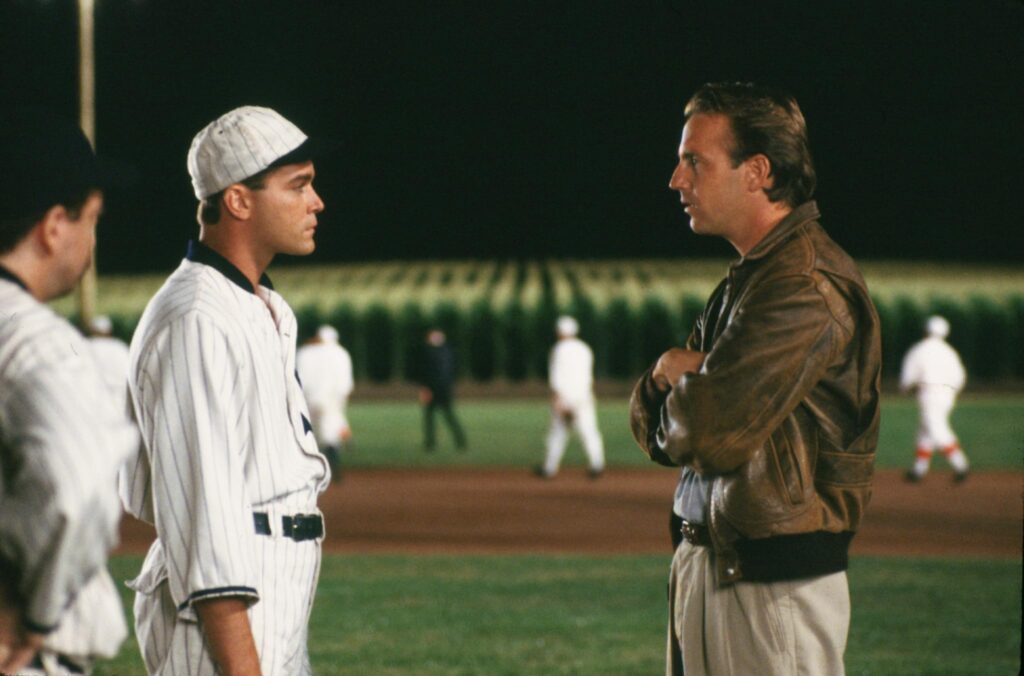
You already know that the mysterious field will bring unexpected visitors, yet the emotional core centers on reconciliation. The quiet rural setting gives the story a reflective tone. Ray’s belief in the voice he hears feels risky and personal. His commitment strains relationships, which raises the stakes beyond baseball.
Rewatching highlights the tenderness between fathers and sons. The games played in the cornfield feel symbolic rather than dramatic. The film builds toward a simple yet powerful moment of forgiveness. The ending resonates because it speaks to longing and second chances.
The Blind Side
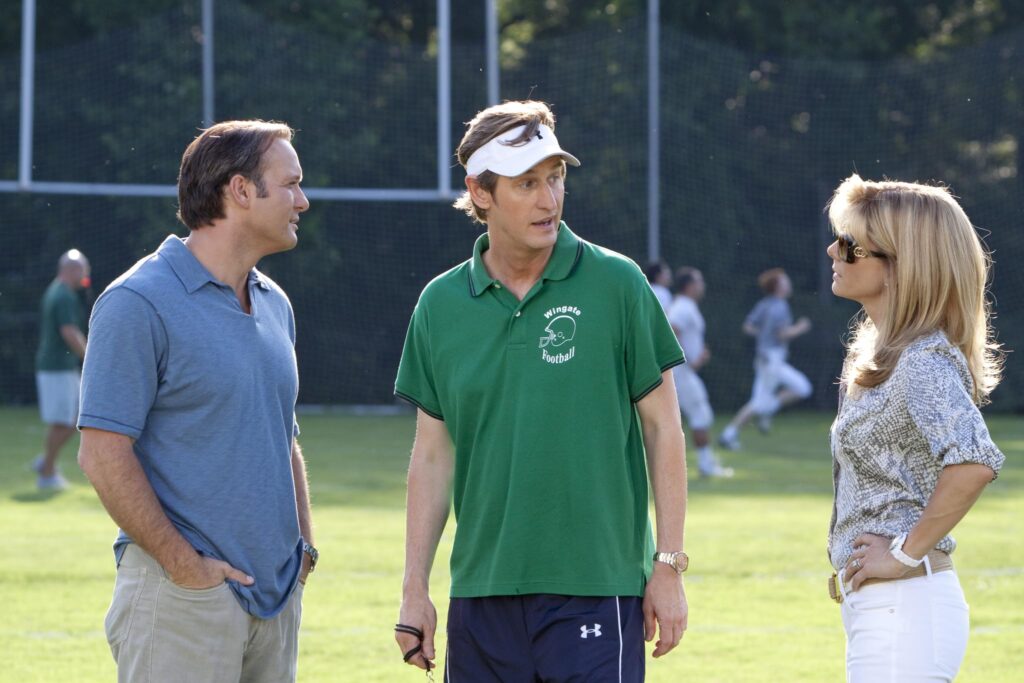
The football games are familiar, yet the heart of the film rests in belonging and stability. Michael’s early isolation contrasts sharply with the warmth he later experiences. Small gestures at the dinner table reveal growth in trust and comfort. The sport becomes a pathway toward confidence rather than an end goal.
On rewatch, the family’s gradual acceptance feels especially meaningful. Conversations about identity and expectation add depth to the narrative. Practice scenes show patience and guidance rather than flashy plays. The final success feels earned because it reflects emotional security as much as athletic ability.
Warrior
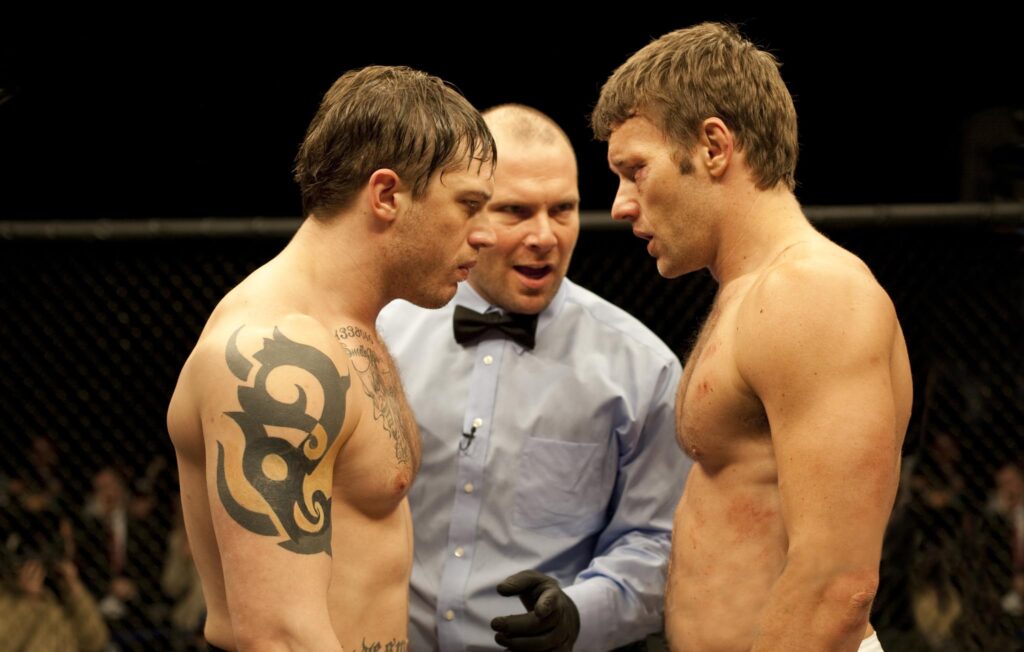
Even knowing who wins the final bout, the film remains gripping because of its intense family drama. The two brothers carry years of resentment into the cage. Training scenes are raw and personal, shaped by different motivations and wounds. Their father’s attempts at redemption add another layer of tension.
Rewatching draws attention to quiet exchanges that reveal vulnerability beneath anger. Each fight feels like an extension of unresolved conflict. The physical clashes are powerful, yet the emotional confrontation between siblings is what truly lands. The ending resonates because it centers on reconciliation rather than victory.
This article originally appeared on Avocadu.