
14 Species Saved by Wildlife Corridors and New Migration Paths
Highways and development once cut off many animals from the lands they depended on. Now, carefully planned wildlife corridors are helping reconnect those separated spaces. When animals can migrate freely, they have better access to mates, food, and seasonal shelter. These changes often happen quietly, yet the results can reshape entire populations.
This post may contain affiliate links, which helps keep this content free. Please read our disclosure for more info.
Florida Panther
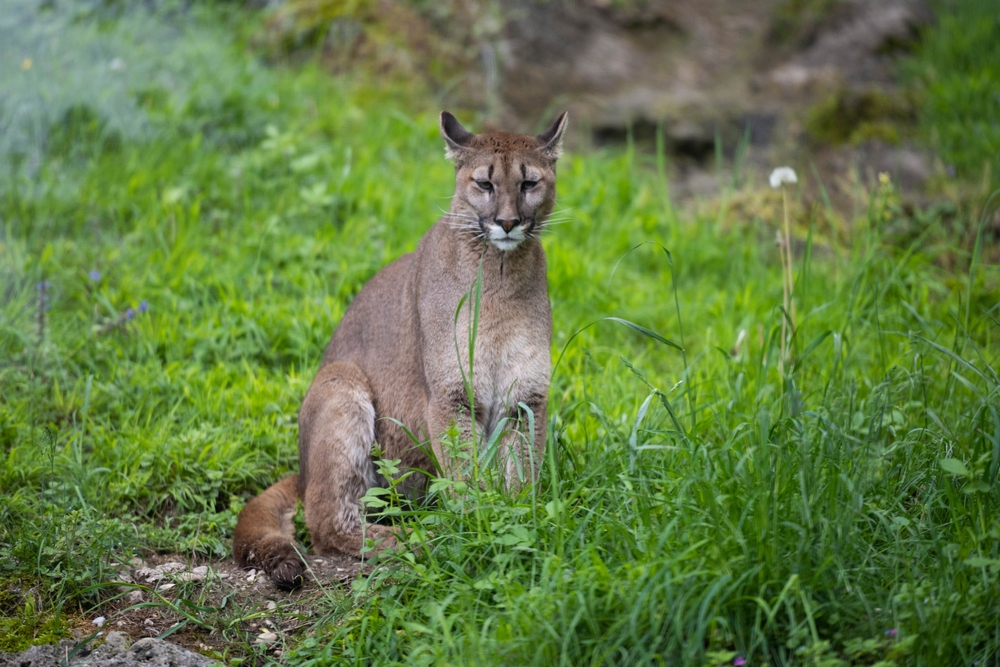
The Florida panther once roamed widely across the southeastern United States, yet by the late twentieth century, it was confined to a small corner of South Florida. Expanding highways, suburban growth, and agricultural land carved the landscape into isolated patches, leaving fewer than thirty individuals struggling to survive. In response, conservation planners built wildlife underpasses along Interstate 75 and protected large swaths of connected public land to form safe travel corridors. These crossings are paired with fencing that gently funnels panthers toward protected routes instead of busy roadways.
As a result, panthers began moving more freely between preserves, which improved breeding opportunities and reduced deadly vehicle collisions. Biologists tracking radio-collared cats confirmed repeated use of underpasses, proving the structures were not symbolic but practical. Genetic health improved as new individuals entered previously isolated territories. Over time, the population climbed into the hundreds, a measurable rebound linked closely to restored connectivity. While still listed as endangered, the species now has a stronger footing because its habitat is no longer cut into disconnected fragments.
Gray Wolf
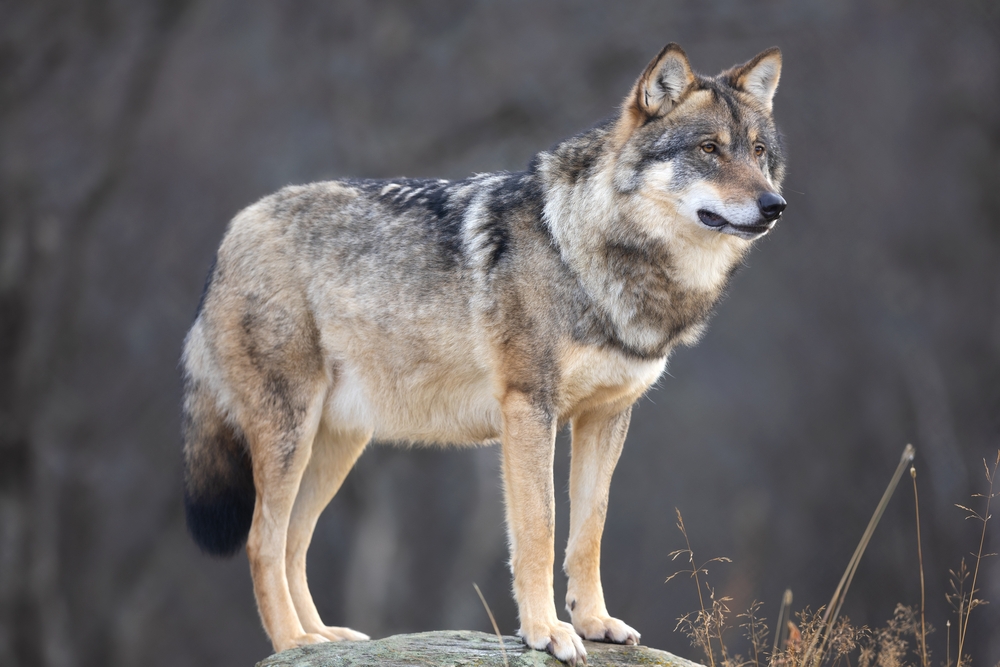
Gray wolves in the Northern Rockies depend on wide territories that allow packs to hunt elk and deer across large mountain ranges. When highways and development narrowed these ranges, some packs became separated from others, limiting genetic exchange. Conservation groups identified forested corridors that link national parks, wilderness areas, and public lands across Montana, Idaho, and Wyoming. These natural routes allow dispersing wolves to travel safely between established populations.
Young wolves often leave their birth packs in search of mates, and connected landscapes make that journey possible. Tracking data has shown wolves crossing mountain passes and river valleys once considered barriers. By reducing isolation, corridors support healthier breeding patterns across the region. Vehicle collisions have also declined in areas where wildlife crossings guide movement under major roads. The restored connectivity played a meaningful role in stabilizing wolf numbers across parts of the American West.
Asian Elephant
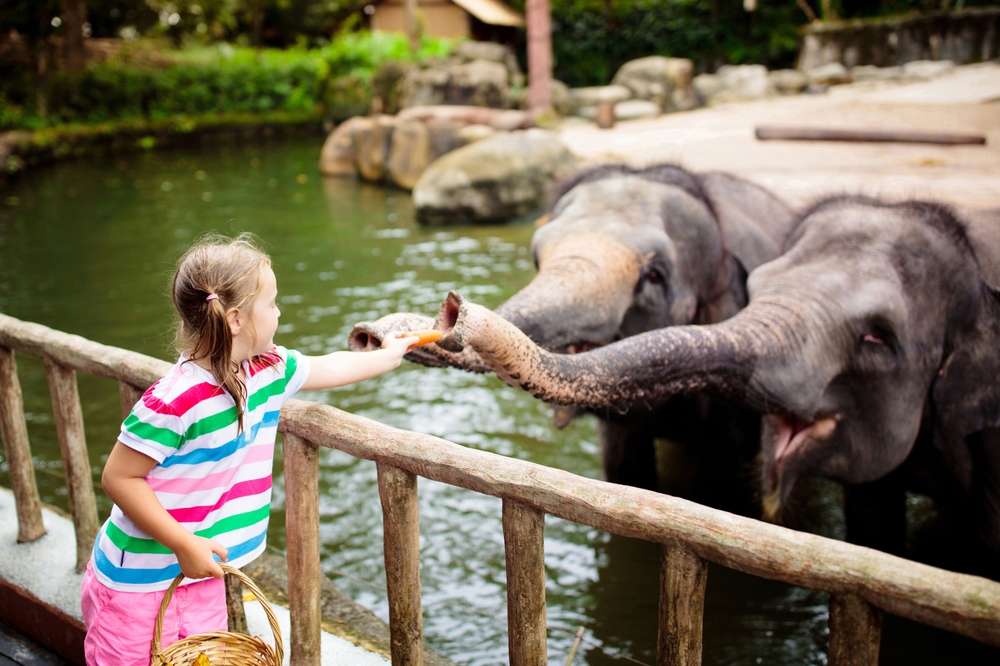
Asian elephants are known for long seasonal journeys between feeding grounds, water sources, and breeding areas. Rapid development in parts of India, Nepal, and Sri Lanka blocked many of these traditional routes, leading to increased conflict with nearby communities. Governments and conservation groups responded by designating protected elephant corridors that link forest reserves through carefully managed land. These pathways often include restored forest strips and negotiated land use agreements with local landowners.
With access to these travel routes restored, elephant herds are less likely to wander into villages or farmland. Studies have documented fewer crop raids in regions where corridors are clearly marked and protected. Calves born into herds that can move freely benefit from wider feeding options and more stable social groups. Rangers monitor corridor use through field surveys and camera traps, confirming regular movement along these paths. The renewed connectivity supports both elephant survival and reduced tension between wildlife and people.
Pronghorn
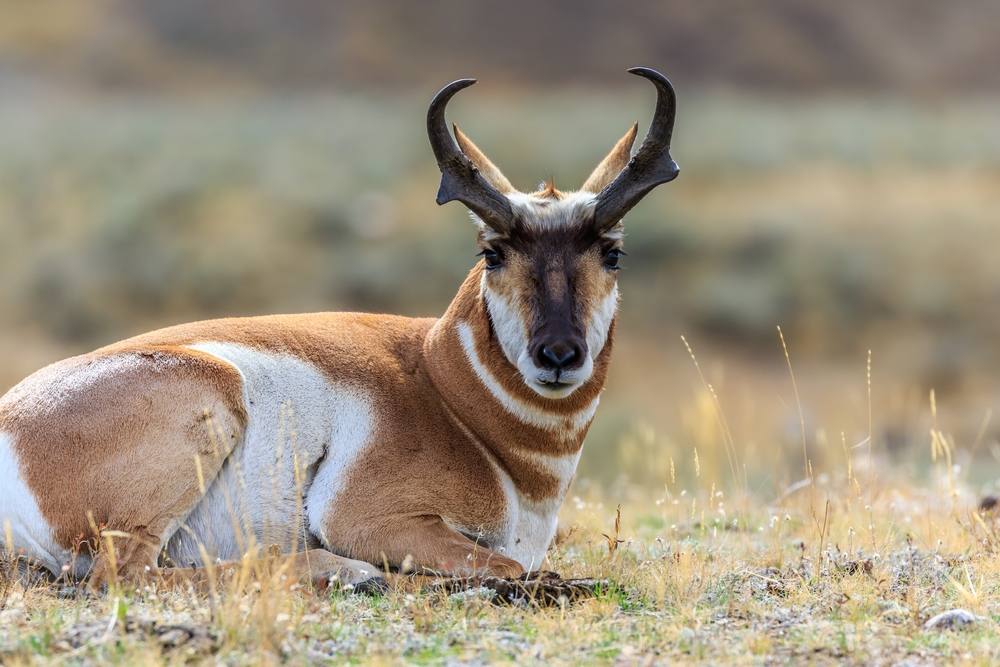
Pronghorn in Wyoming complete one of the longest land migrations in North America, traveling between Grand Teton National Park and winter ranges in the Green River Basin. Energy development and fencing once threatened to block narrow bottlenecks along this ancient route. The Path of the Pronghorn corridor was established to protect key segments of the migration. Land managers worked with ranchers to modify fences so pronghorn can crawl under them more easily.
Satellite collars revealed that pronghorn return to the same narrow passages each year, making those points critical for survival. Protecting these corridors allowed herds to reach winter feeding grounds that are essential during harsh conditions. Winter survival rates improved once barriers were reduced and the habitat was kept open. The migration, which has existed for thousands of years, remains intact because these pathways were preserved. It stands as one of the clearest examples of corridor protection, maintaining a natural movement pattern.
Jaguar
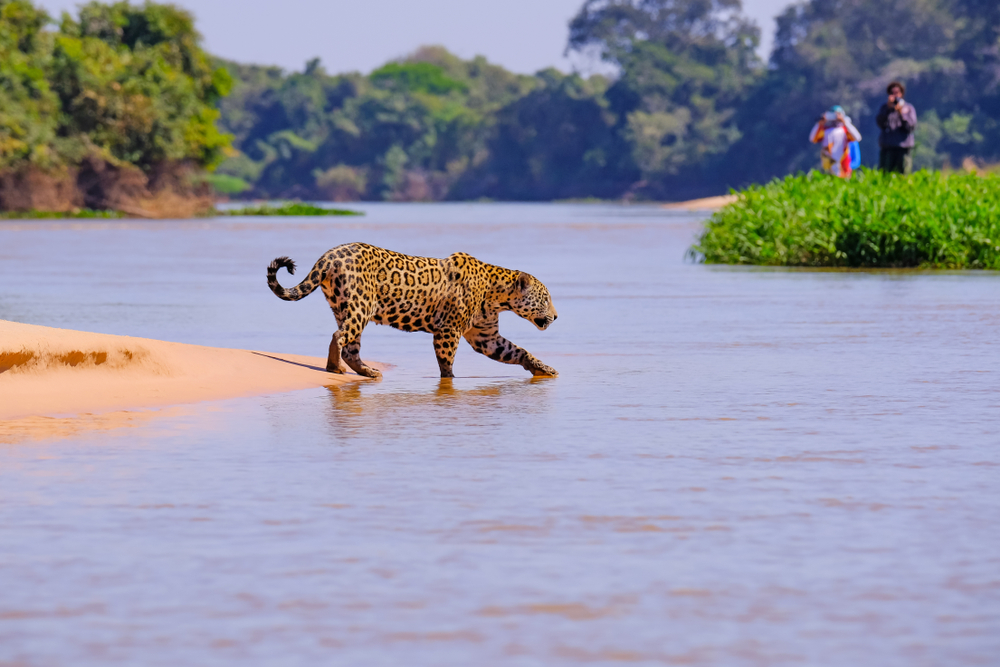
Jaguars require large, connected territories that stretch across forests, wetlands, and grasslands. Deforestation once fragmented these habitats, isolating populations in pockets across Central and South America. The Jaguar Corridor Initiative seeks to link protected areas from Mexico down to northern Argentina through a network of conserved land. This approach focuses on maintaining forest cover and safe passage between reserves.
Camera traps and tracking programs have recorded jaguars traveling through restored forest strips once thought too degraded for use. These movements allow breeding between distant groups, strengthening overall population health. Local communities play a role by maintaining wildlife-friendly land practices within corridor zones. The connected landscape supports long-term survival of one of the Americas’ most iconic predators. By thinking beyond individual parks, conservationists created a regional framework that keeps jaguars moving.
Black Bear
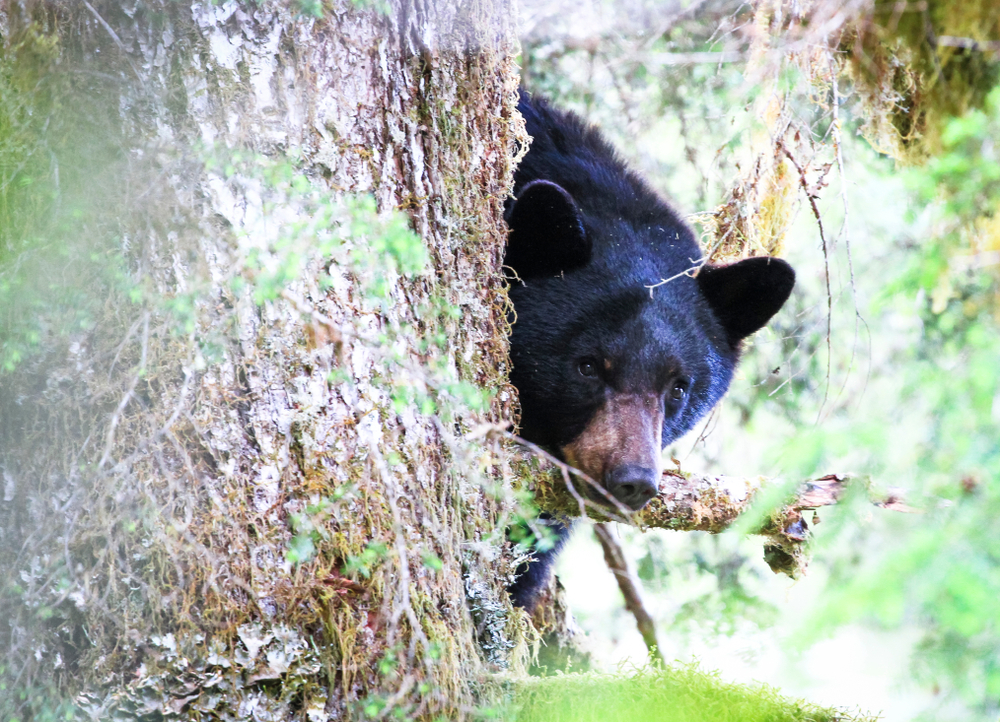
Black bears often travel across large home ranges in search of food and mates, which brings them into contact with busy highways. In several U.S. states, wildlife overpasses and underpasses were installed in areas with frequent bear crossings. These structures are designed to resemble natural terrain, complete with soil, shrubs, and quiet approaches. Fencing along roads directs bears toward these safer crossing points.
Monitoring has shown that bears readily use these passages once they become familiar with them. Regions with established crossings report fewer vehicle collisions involving wildlife. Young bears dispersing from their mothers can now reach new territory without facing constant road danger. This improved movement helps maintain balanced populations across connected forests. Corridors built for bears often benefit deer, coyotes, and other mammals as well.
Canada Lynx
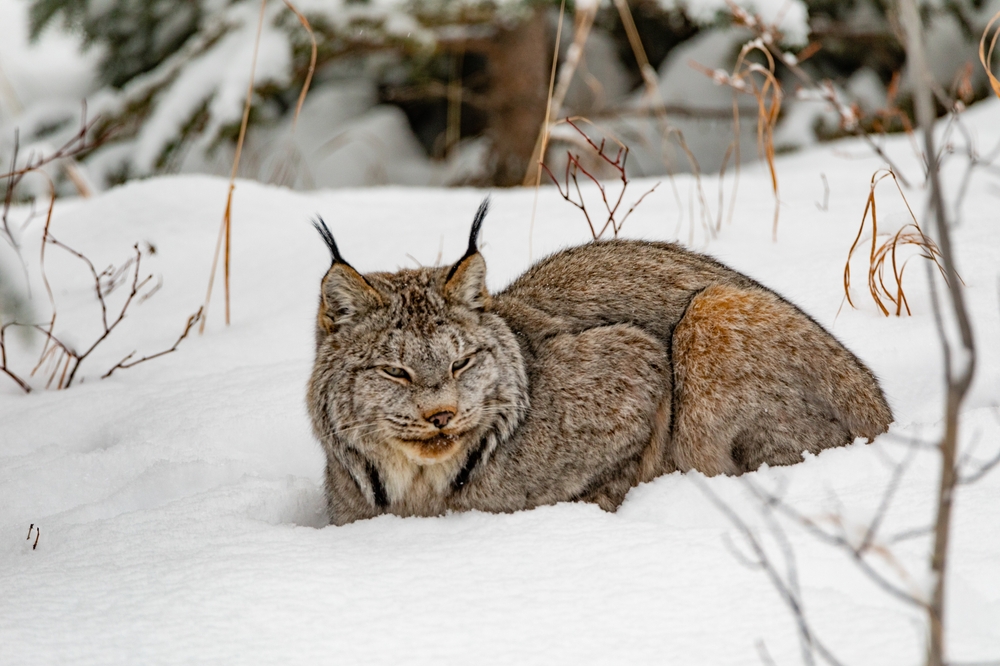
Canada lynx rely on cold northern forests and healthy populations of snowshoe hares for survival. When logging and development divided these forests into parts of the northern United States, some lynx populations became isolated. Conservation planners identified forested strips that connect larger tracts of public land. Protecting these areas created a continuous habitat rather than scattered fragments.
Field surveys and camera traps have documented lynx traveling through these connected corridors. Access to broader hunting grounds improves survival during winters when prey is scarce. The corridors also allow young lynx to disperse and establish their own territories. By maintaining forest continuity, managers support both predator and prey species. This connected approach strengthens the species’ long-term outlook in regions where it once faced severe decline.
Mountain Lion
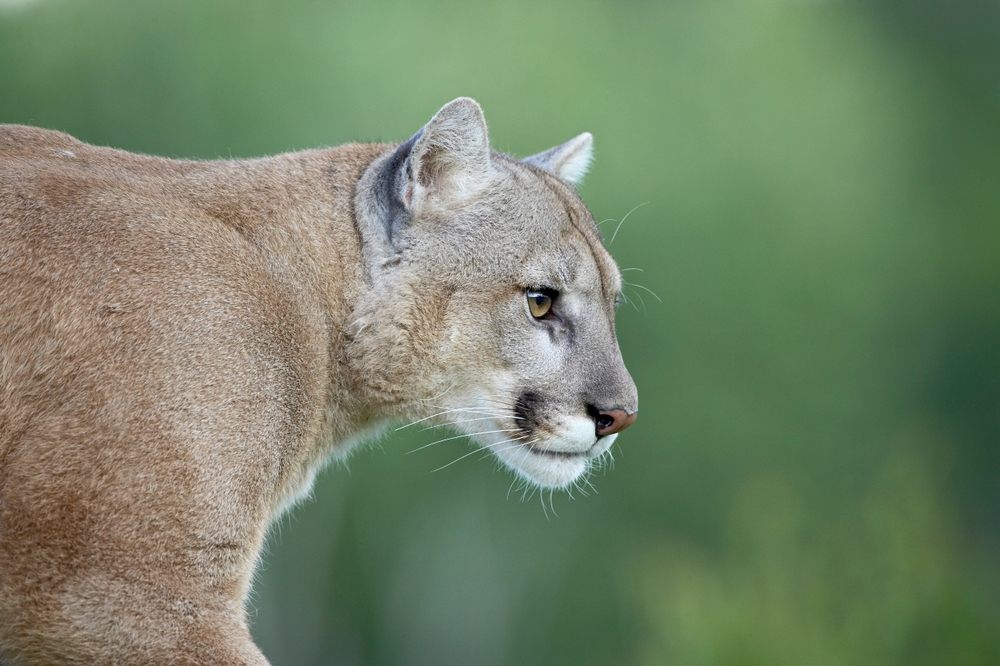
Mountain lions in Southern California became increasingly isolated as highways and urban development surrounded mountain ranges. Genetic studies revealed low diversity in some populations, raising concerns about long-term survival. Wildlife crossings, including a large bridge over U.S. 101, were designed to reconnect separated habitats. These structures provide safe passage across one of the busiest highways in the region.
Biologists hope that young males will use these crossings to find mates outside their immediate range. Early monitoring shows mountain lions approaching and using smaller crossings already in place. Reduced inbreeding is a central goal of these projects. By linking mountain ranges once cut off by roads, corridors restore natural movement patterns. The crossings offer a path forward for large predators living near dense human populations.
Saiga Antelope
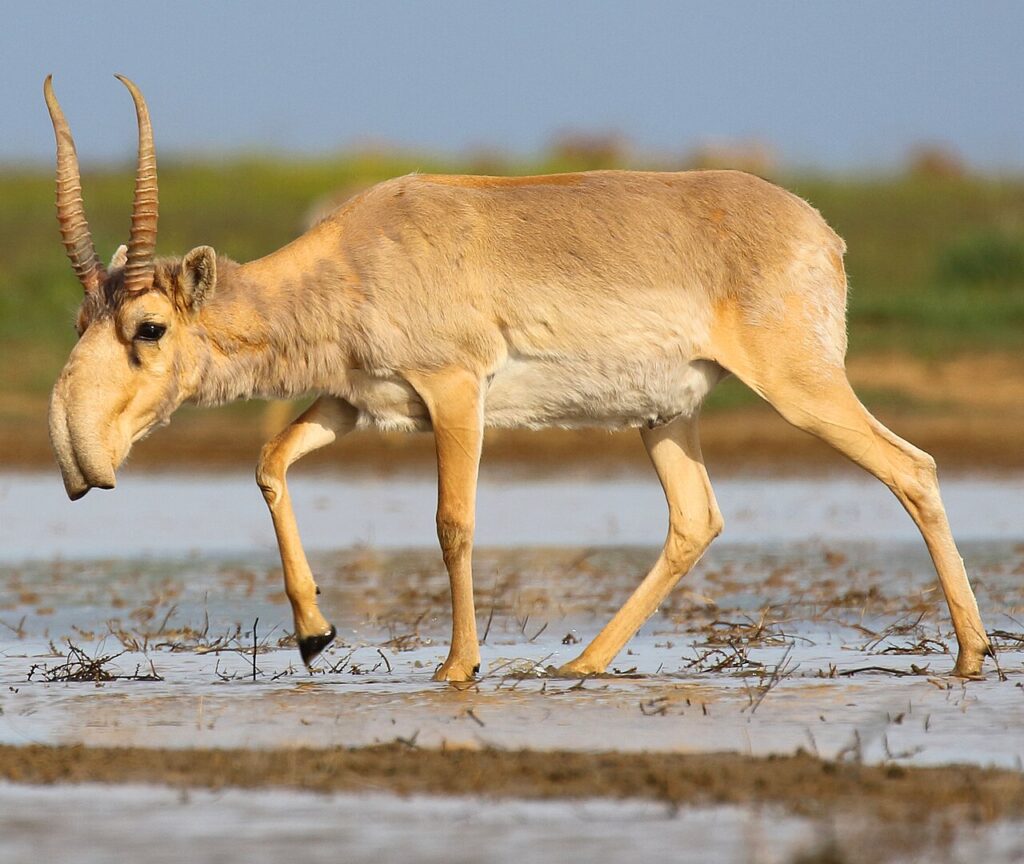
Saiga antelope migrate across the open steppes of Kazakhstan and surrounding regions in massive herds. Rail lines, fences, and other infrastructure once interrupted these long journeys. Conservation programs worked to remove unnecessary barriers and modify others to allow passage. Open migration corridors now reconnect calving grounds and seasonal grazing areas.
Satellite tracking shows herds returning to traditional routes that had been blocked for years. When migration flows without sudden obstacles, herd stability improves. Calving success depends on reaching specific open landscapes at the right time of year. Corridor protection reduces panic events that can occur when herds encounter fences. Maintaining wide open pathways remains essential for this uniquely adapted antelope.
Bighorn Sheep
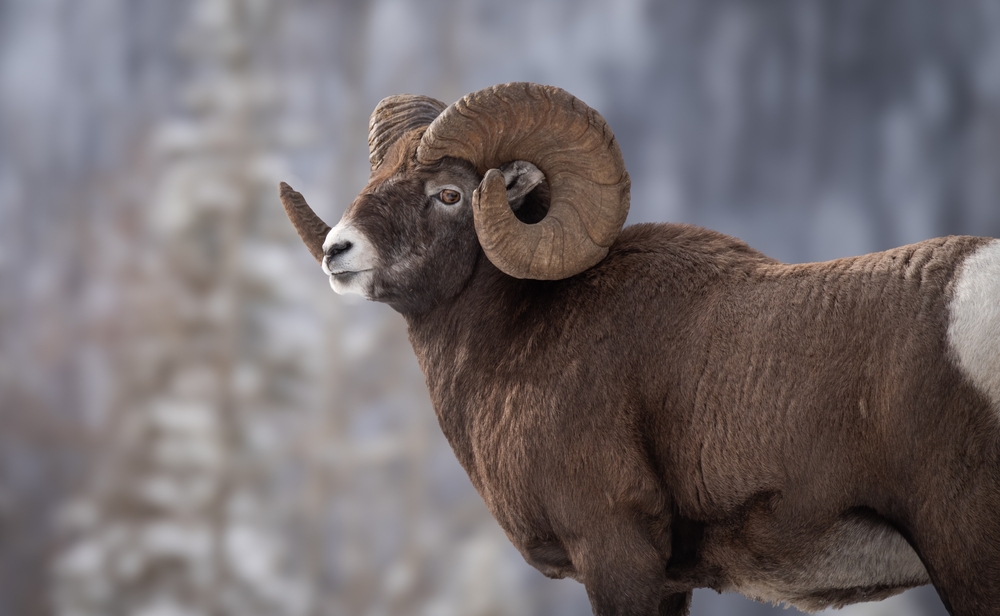
Bighorn sheep inhabit steep mountain ranges across western North America, where they rely on high ridgelines and open slopes to spot predators and move between seasonal ranges. Although they are well adapted to rugged terrain, highways that cut through mountain passes created serious barriers between herds. As roads expanded, sheep attempting to cross were often struck by vehicles, and isolated groups began to show reduced genetic diversity. Wildlife overpasses and underpasses were constructed in key movement corridors where sheep naturally travel along valleys and ridgelines.
Long term monitoring has shown a clear decline in vehicle-related deaths in regions with established wildlife crossings. Access to neighboring herds allows rams and ewes from different groups to interbreed, strengthening overall genetic health. In areas where isolation once limited breeding options, lamb survival rates have improved as herds reconnect. Corridors also allow sheep to adjust their range in response to drought, snowfall, and changes in forage availability. The combined approach of fencing, landscape planning, and strategically placed crossings has helped stabilize populations that once faced steady decline.
Red Deer
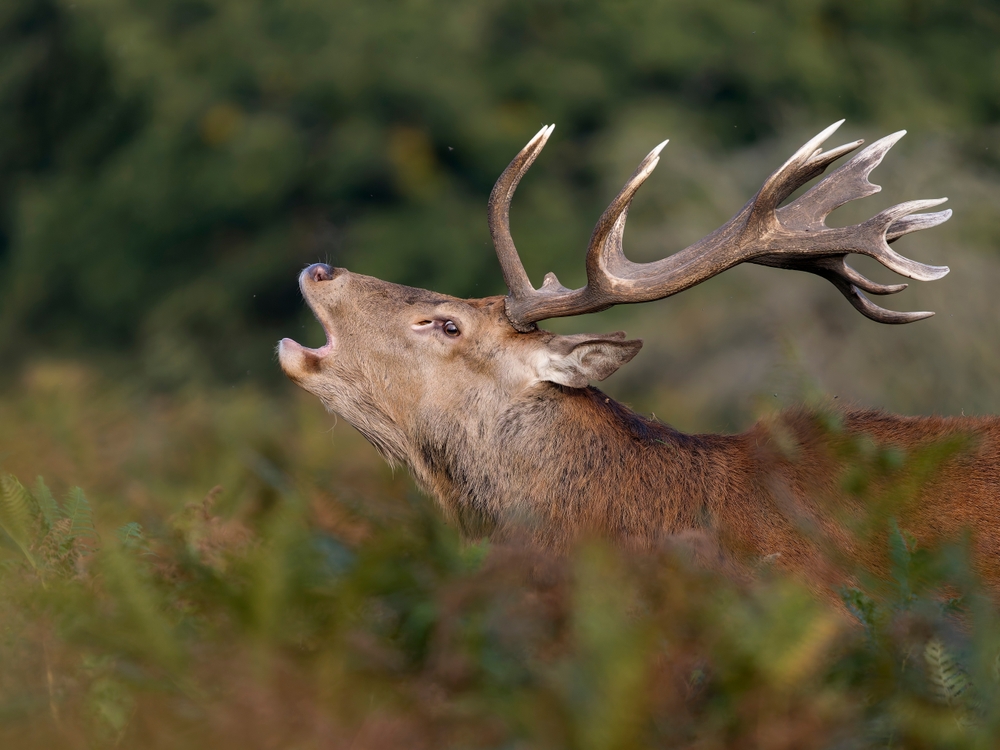
Red deer are one of Europe’s most recognizable large mammals, moving seasonally between forested feeding grounds and more open areas used for breeding. For decades, expanding highway systems cut directly across these migration routes, leading to frequent vehicle collisions and fragmented herds. In response, several European countries constructed wildlife bridges that span major roadways and reconnect natural habitats. These green overpasses are covered with soil, grasses, shrubs, and even small trees, so they resemble a continuous landscape rather than artificial structures.
Since the installation of these bridges, traffic accident rates involving deer have dropped noticeably in corridor zones. Entire herds can now cross safely without being separated by lanes of traffic and constant vehicle noise. Land managers report more stable herd distribution patterns across connected habitats, reducing pressure on any single forest patch. Hunters, transportation officials, and conservationists alike support these projects because they lower economic losses while protecting wildlife. The bridges show that thoughtful infrastructure planning can reduce conflict between development and animal movement.
Iberian Lynx
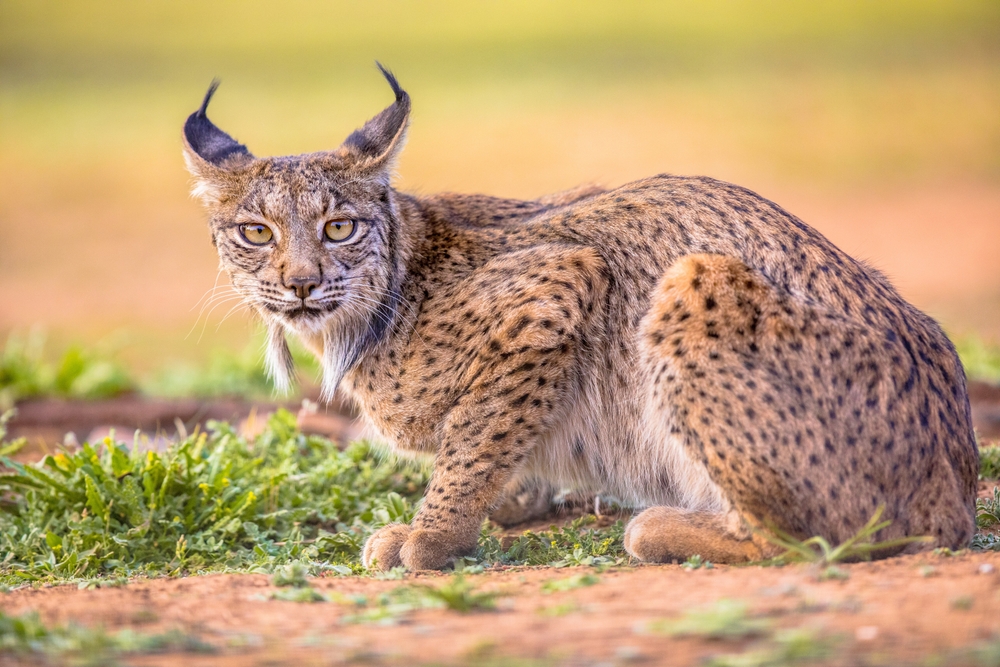
The Iberian lynx once teetered on the edge of extinction, with only a few hundred individuals remaining in scattered pockets of Spain and Portugal. Habitat fragmentation from agriculture, roads, and development limited access to mates and prey, especially wild rabbits, which form the bulk of the lynx diet. Without connected landscapes, small populations became isolated and vulnerable to local collapse. Conservation programs established protected corridors linking separate reserves, allowing lynx to move naturally between territories. These pathways often include restored scrubland and rabbit habitat to support both predator and prey.
As these corridors matured, movement between once-isolated populations became more common. Camera traps and tracking programs confirmed that lynx were dispersing through restored landscapes rather than remaining confined to shrinking pockets. Population numbers have risen steadily in recent years, reflecting improved breeding success and wider territory use. Young lynx can now establish their own ranges without crossing high-risk highways or heavily developed areas. The connected habitat network has become one of the key factors behind the species’ remarkable recovery story.
African Wild Dog
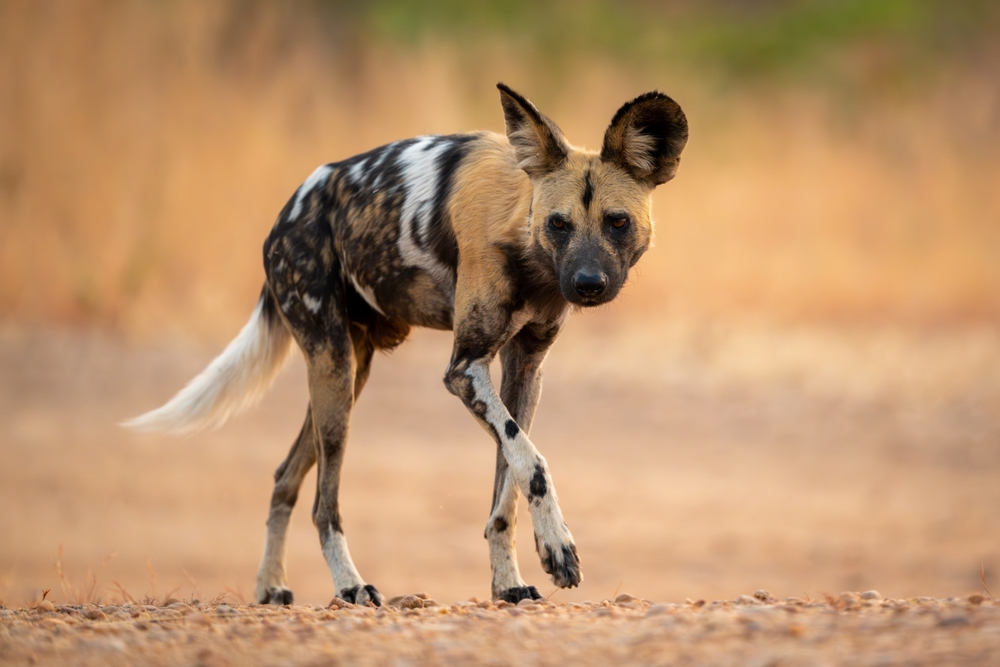
African wild dogs are highly social predators that depend on large territories to hunt cooperatively and raise pups successfully. In parts of southern Africa, fences around reserves and farmland once limited their movement, separating packs and reducing breeding opportunities. Small, isolated populations faced higher risks from disease outbreaks and human conflict. Conservation planners responded by linking national parks and private reserves through designated wildlife corridors.
Tracking collars have shown wild dogs moving through these corridors to join new packs or establish fresh territories. Genetic mixing between groups strengthens overall resilience and reduces the risks associated with inbreeding. Reduced isolation also lowers the chance that a single disease event could wipe out an entire local population. Corridors benefit antelope and other prey species as well, maintaining balanced predator-prey relationships. Keeping these landscapes connected remains central to preserving one of Africa’s most endangered large carnivores.
Monarch Butterfly
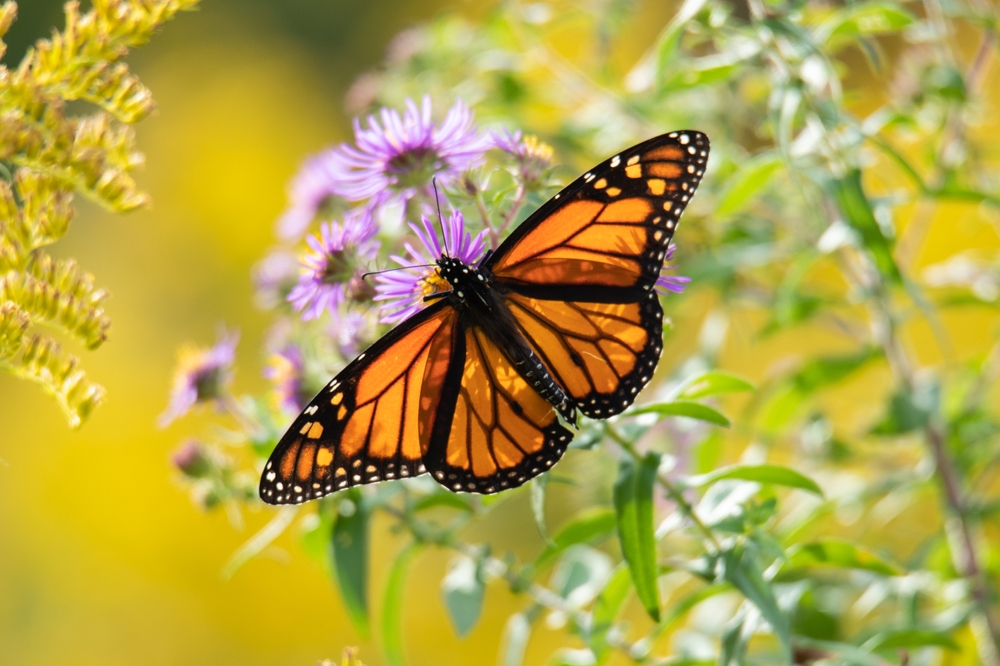
Monarch butterflies undertake one of the most remarkable migrations in the insect world, traveling thousands of miles between breeding grounds in North America and wintering forests in central Mexico. Along the way, they rely heavily on milkweed plants for laying eggs and nectar sources for energy. Urban expansion and intensive agriculture removed large areas of milkweed, breaking the continuity of suitable habitat across the migration route. Conservation efforts have focused on restoring milkweed and nectar-rich plants along highways, farms, and protected lands to create functional habitat corridors. These restored patches act as stepping stones that support butterflies during their long journey.
Tagging studies show that monarchs consistently return to areas where host plants have been replanted and protected. When reliable habitat appears along migration pathways, survival rates improve across generations. Community planting programs, roadside restoration projects, and protected meadow initiatives all contribute to rebuilding connected habitat. Even small patches of milkweed can play an important role when spaced strategically along travel routes. The growing network of restored habitat gives this fragile migratory species a stronger chance of completing its extraordinary journey each year.
This article originally appeared on Avocadu.