
13 Smart Ways to Prep Your Garden for Frost Season
As the chill of frost starts to settle in, preparing your garden for the cold season becomes essential to protect your plants and ensure they can withstand the harsh winter ahead. With a little effort, you can safeguard your garden from frost damage and even set the stage for a healthier, more vibrant garden come spring. From insulating the soil to providing shelter for delicate plants, there are plenty of simple steps you can take. By being proactive now, you can help your plants survive freezing temperatures and thrive when the warmer weather returns.
This post may contain affiliate links, which helps keep this content free. Please read our disclosure for more info.
Apply Mulch to Insulate the Soil

One of the most effective ways to protect your garden from frost is by applying a layer of mulch. Mulch helps to insulate the soil, keeping it warmer during cold nights and reducing temperature fluctuations. It also helps to retain moisture, preventing your plants from drying out in the winter months. A 2 to 4-inch layer of organic mulch, such as shredded leaves, straw, or wood chips, can create a barrier that shields plant roots from freezing.
Additionally, mulch prevents weeds from growing, allowing your plants to thrive undisturbed. Make sure to apply mulch after the first hard frost to ensure that your plants get the full benefit. You can also use mulch around tender plants or along plant rows for added protection.
Protect Sensitive Plants with Row Covers

Row covers, also known as frost blankets, are a practical way to protect your most vulnerable plants during the frost season. These covers act as a protective layer against frost and freezing temperatures while still allowing air and light to reach the plants. They are especially useful for vegetables and flowers that are sensitive to the cold.
Row covers come in different thicknesses, so you can select the appropriate one based on your climate. Simply drape the cover over the plants and secure it at the edges. It is important to remove the cover during the day to allow your plants to breathe, then cover them again in the evening to prevent frost damage. This method works well for plants like lettuce, spinach, and even young tomato plants.
Bring Potted Plants Indoors
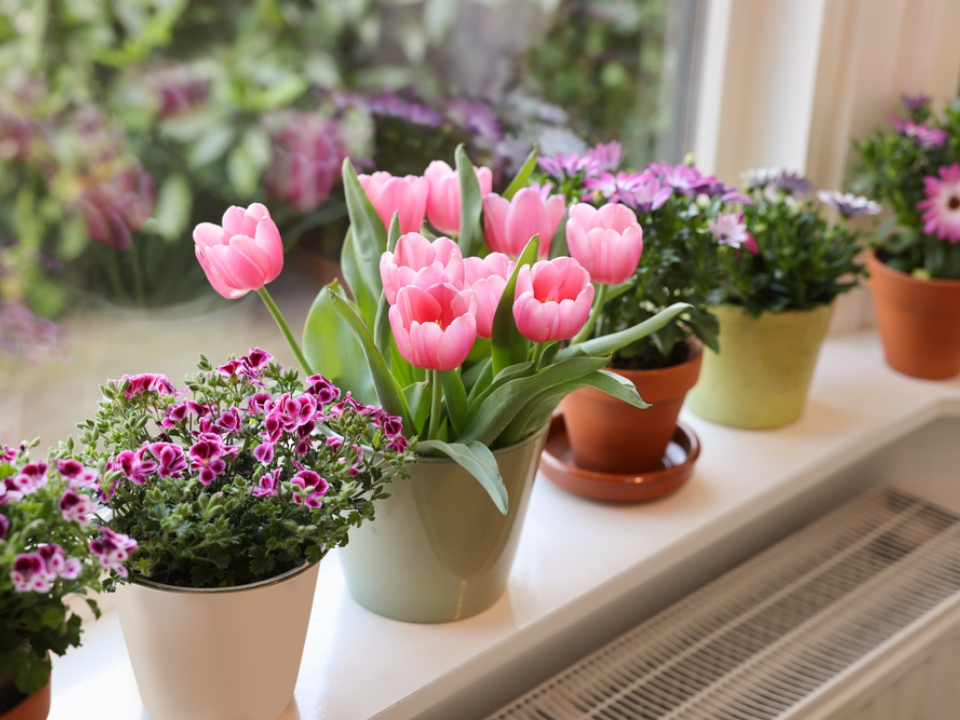
Potted plants are more susceptible to frost damage because their roots are exposed to the elements. As temperatures begin to drop, consider bringing your potted plants indoors or placing them in a sheltered area like a garage, basement, or porch. If this is not possible, you can use plant covers or place the pots against a building to provide extra warmth.
You can also move the pots to areas that receive more sunlight during the day to help protect them from the cold. For plants that are too large to move, wrap the pots with burlap or other insulating material to keep the soil warmer. This simple step can save your plants from frost damage and extend their growing season.
Harvest Late-Season Vegetables Early
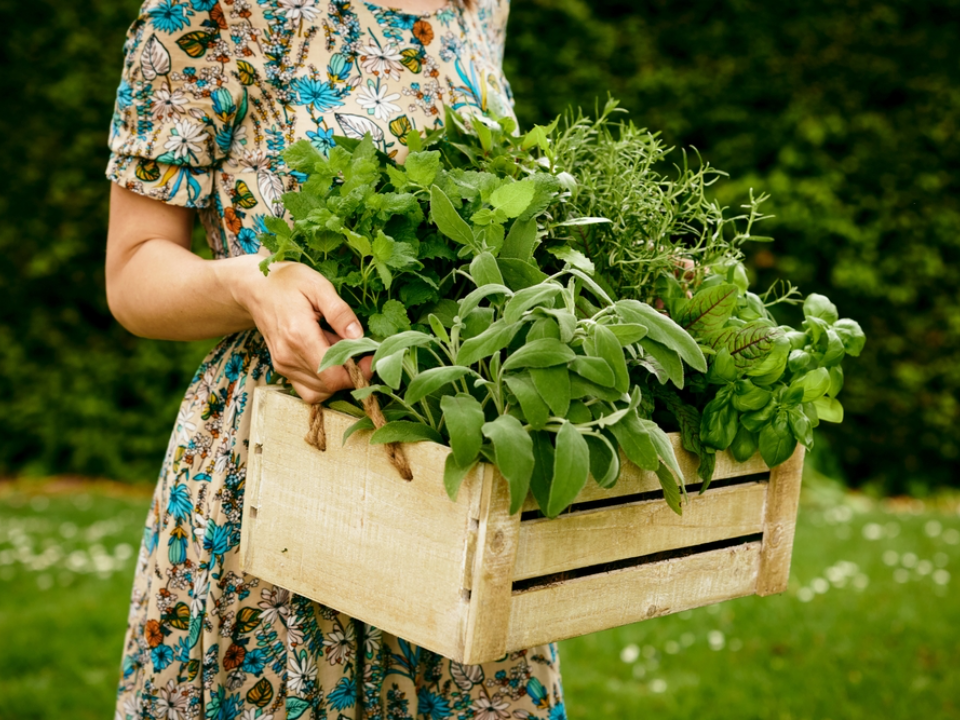
Before the frost hits, harvest any late-season vegetables that are at risk of being damaged by freezing temperatures. Root vegetables like carrots, beets, and parsnips can often tolerate light frosts, but they should still be harvested before a hard freeze. If you leave them in the ground too long, they may rot or become mushy after exposure to frost.
Similarly, tomatoes, peppers, and squash should be picked as soon as possible, as they will not ripen properly if frost hits. Even if they are not fully ripe, you can bring them inside and allow them to ripen in a warmer environment. This strategy helps you make the most of your crops and prevents them from being wasted.
Prune Back Perennials
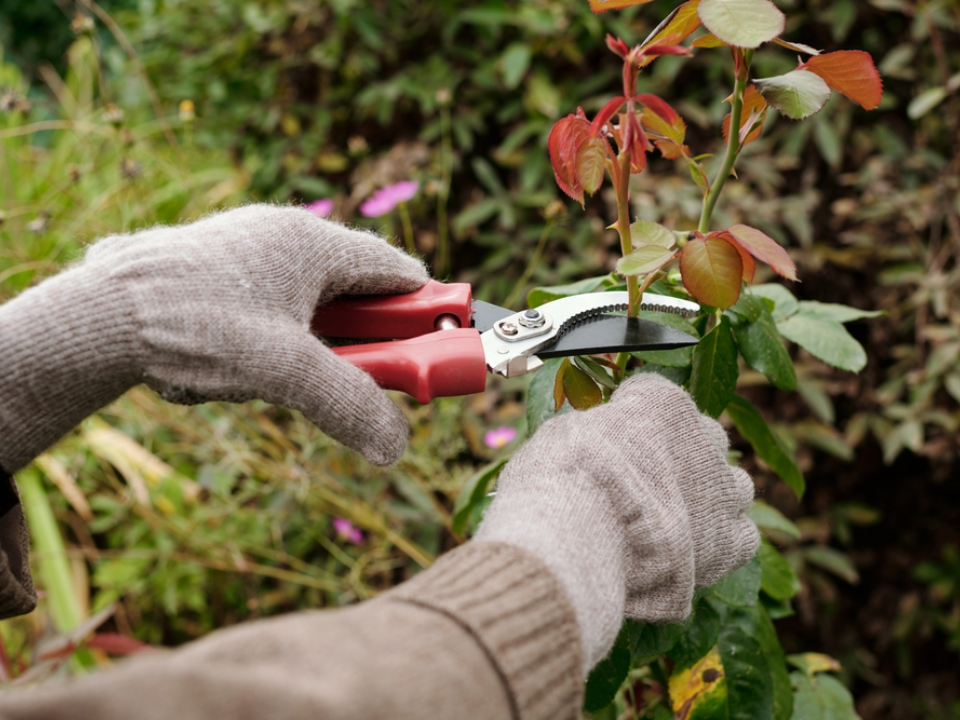
Pruning your perennials before the frost season is essential to promote healthy growth in the following year. While it may seem tempting to leave plants alone, trimming back dead or damaged growth helps to prevent disease and pests from overwintering. Pruning encourages the plant to focus its energy on strong new growth instead of supporting dead stems. For most perennials, you should trim back the stems to a few inches above the ground.
Be sure to remove any diseased or damaged leaves, as they can harbor bacteria or fungi that might damage the plant in the colder months. If you have perennial herbs like thyme or oregano, pruning helps them maintain their shape and keeps them from becoming too leggy.
Water Your Plants Deeply

Before the ground freezes, it is essential to give your plants a deep watering. Moisture helps the plants survive harsh conditions, as dry soil is more prone to temperature fluctuations and can lead to root damage. Watering deeply ensures that moisture penetrates deep into the root system, providing the plants with enough water to survive the winter.
Focus on watering trees, shrubs, and perennials that are most susceptible to frost. Make sure to water early in the day so that the soil has time to absorb the moisture before evening temperatures drop. This simple step can help your plants endure the frost season without stress.
Cover Tender Plants with Burlap

For tender plants that cannot be moved indoors, wrapping them in burlap can provide much-needed protection from frost. Burlap is an affordable and breathable material that allows moisture to escape while keeping your plants insulated from freezing temperatures. It is ideal for protecting shrubs, small trees, or delicate perennials.
To use burlap, wrap it loosely around the plant, ensuring that it is not too tight, as this can cause damage. Secure the burlap with twine or garden staples, but leave enough room for air circulation to prevent mold buildup. Burlap helps to protect against both frost and wind, which can cause dehydration and stress on your plants.
Install Frost-Proof Plant Supports
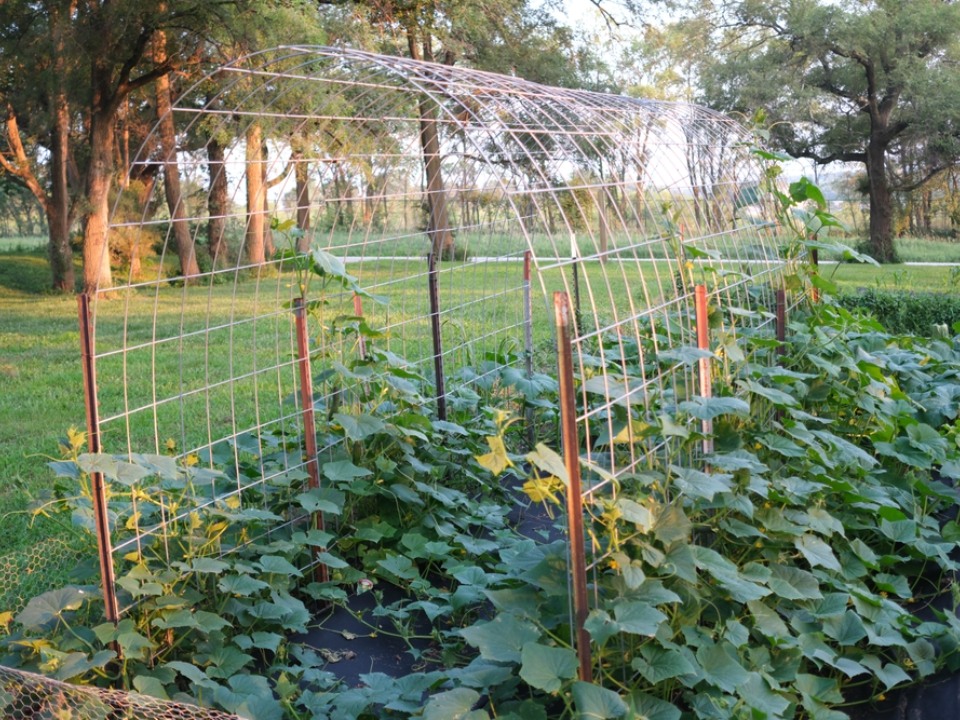
Supporting your plants during the frost season is crucial for their protection. Frost can cause weak plants to collapse under the weight of ice or snow, resulting in broken stems or roots. Installing plant supports such as stakes, cages, or trellises will help keep your plants upright and prevent frost damage.
The supports should be tall enough to hold the plant away from the ground, which is where cold temperatures tend to affect them the most. For vines or climbing plants, use sturdy trellises to keep the plants elevated. This not only protects them from frost but also ensures they have room to grow in the following season.
Use Cold Frames to Extend the Growing Season

Cold frames are a great way to extend the growing season and protect young plants or seedlings from frost. These mini greenhouses trap heat and sunlight, providing a warm environment for plants even during cold weather. Cold frames are easy to build and can be made from materials like wood, plastic, or glass. Simply place your plants inside the frame and close the lid at night to trap heat.
During the day, open the frame to allow for ventilation. Cold frames help protect plants from sudden frosts and allow you to grow vegetables or herbs even in winter months. They are especially beneficial for gardeners who want to grow leafy greens, radishes, or lettuce in the colder season.
Keep Your Garden Clean
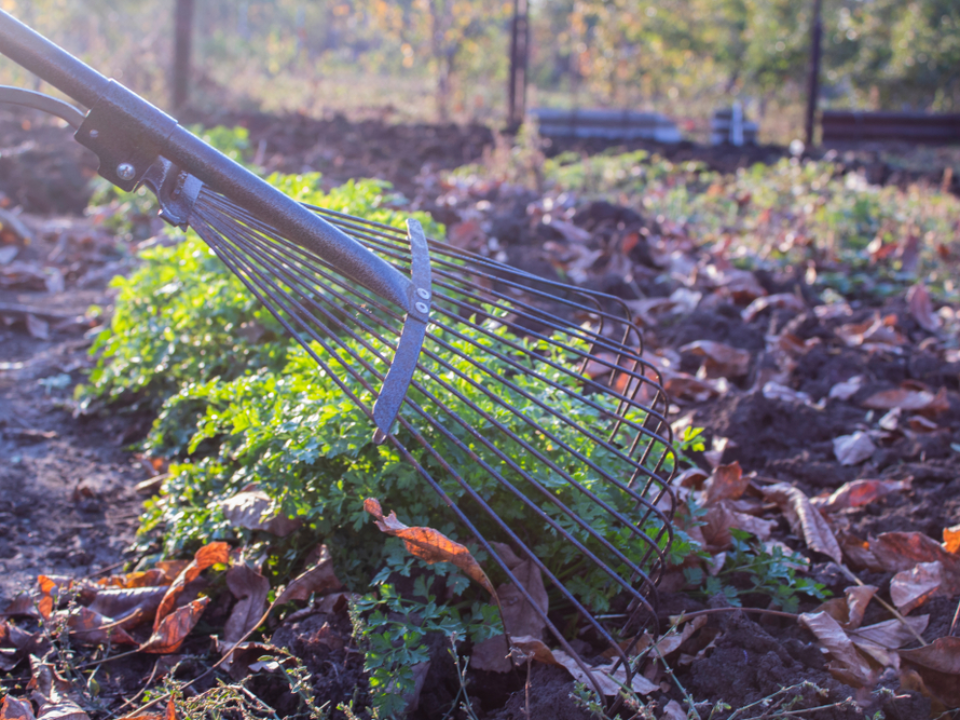
Maintaining a clean garden is essential for preventing frost damage and ensuring a healthy start for next season. Remove any fallen leaves, dead plants, or debris from your garden beds, as these can harbor pests or diseases that may affect your plants during the winter. If you have any old vegetable plants or annual flowers, pull them up and compost them to clear the space.
Cleaning up your garden reduces the chances of fungal diseases and helps to prevent mold growth. By keeping the garden tidy, you also make it easier to apply mulch, cover plants, and protect other garden structures from frost. It sets your garden up for a fresh start come spring.
Install Windbreaks Around Your Garden
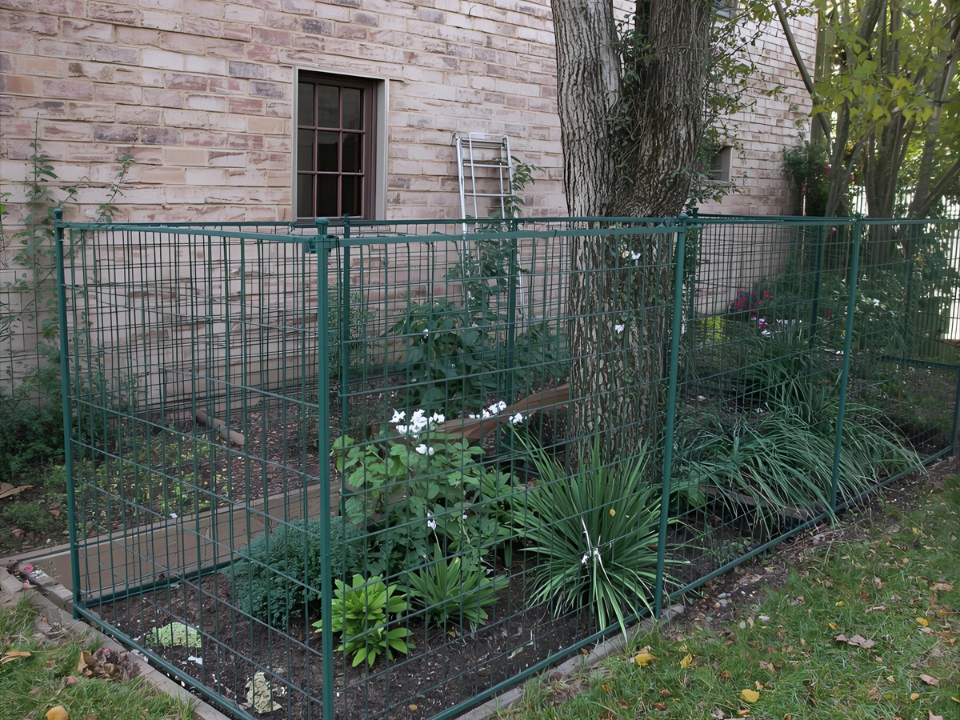
Wind can be just as harmful as frost during the colder months, drying out your plants and increasing the risk of frost damage. Installing windbreaks around your garden is a simple yet effective way to protect your plants. A windbreak can be made from fencing, hedges, or even tall shrubs that block strong winds.
These barriers create a microclimate, which helps reduce the wind chill effect and protect your garden from harsh winter conditions. Place windbreaks strategically around the garden, especially in areas where wind tends to be strongest. Not only do they protect your plants, but they can also help retain moisture in the soil. Be sure to trim any existing shrubs or trees that could become damaged by snow or ice.
Bring in Tender Herb Plants
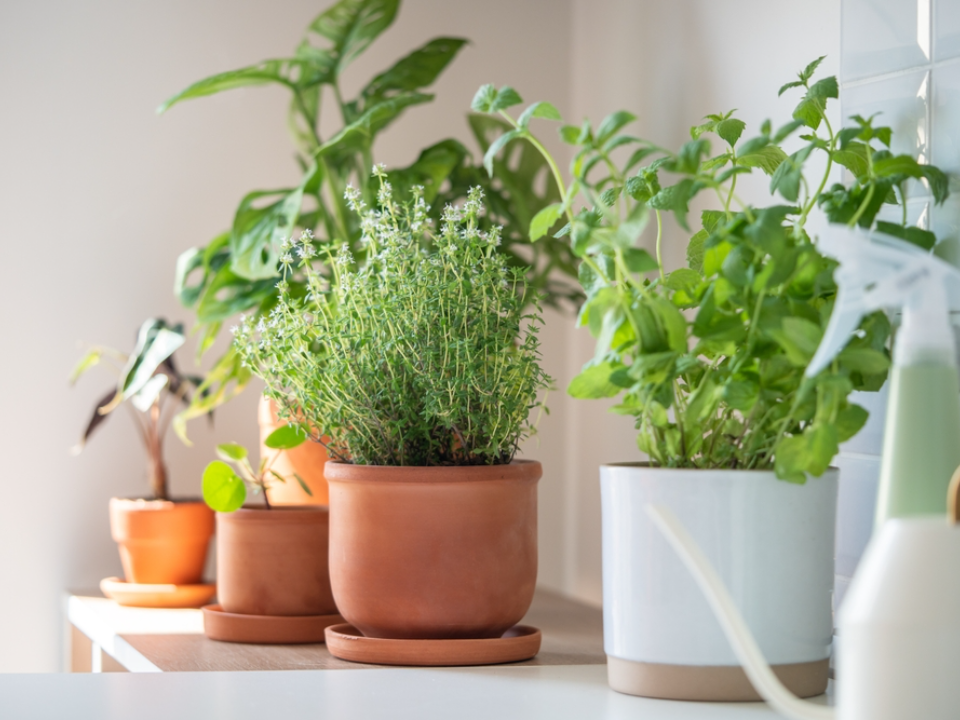
Some herbs are more sensitive to frost than others, and their leaves can be damaged or killed by freezing temperatures. If you have tender herbs like basil, cilantro, or parsley, it’s a good idea to bring them indoors for the winter. Place them in pots or containers that can easily be moved, and put them in a location that receives plenty of sunlight, such as a south-facing windowsill.
Indoor temperatures are typically warm enough to keep these herbs thriving, allowing you to continue enjoying fresh herbs throughout the winter. If you cannot move them indoors, consider cutting back the plants and bringing the cuttings inside to root in water. This way, you can replant them in the spring or use them fresh during the winter months.
Use Anti-Frost Sprays for Vulnerable Plants
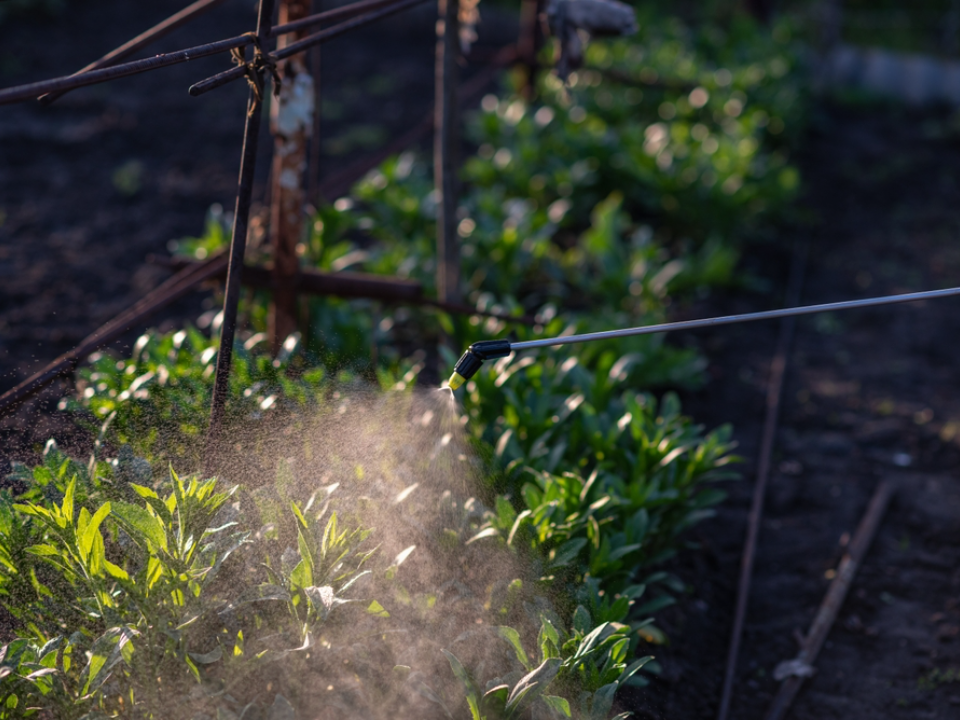
Anti-frost sprays can be a helpful addition to your garden frost protection strategy. These sprays create a thin coating on plant leaves that helps to prevent frost from forming. While they cannot completely protect plants from freezing temperatures, they can reduce the likelihood of frost damage.
Anti-frost sprays work by lowering the freezing point of the plant’s cells, which helps them to tolerate cold weather better. The spray should be applied on dry, frost-free days, and it is important to reapply after rain or snow. This solution is best suited for delicate or tropical plants that are not naturally suited to winter conditions.
This article originally appeared on Avocadu.