
14 Smart Tips for Mulching in February
Mulching in February might seem like an odd task with winter still hanging around, but it can actually be a great way to prepare your garden for the upcoming season. The right mulch can protect your plants from harsh weather, conserve moisture, and even help prevent weed growth as the weather warms. As the ground begins to thaw, mulching can create a stable environment for plant roots, ensuring they stay healthy throughout the year. It is also a perfect opportunity to give your plants a good start before spring fully arrives. With the right approach, February is the perfect time to get ahead on your gardening tasks and set your garden up for success.
This post may contain affiliate links, which helps keep this content free. Please read our disclosure for more info.
Choose the Right Mulch Material
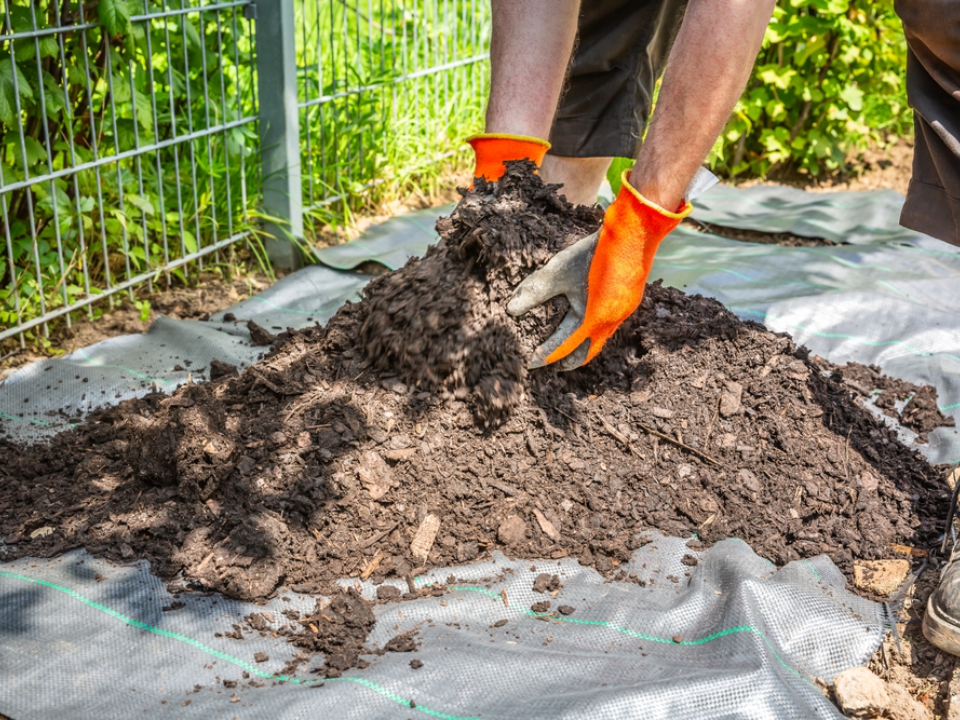
Choosing the right mulch material is crucial for effective mulching. Organic materials like shredded leaves, bark, or straw work well in most gardens, especially during the colder months. These materials provide insulation and protect plant roots from extreme temperatures. Make sure to avoid materials that may compact too much, like some types of clay-based mulch, as they can trap moisture and harm your plants.
If you live in an area with cold winters, consider using heavier mulches like wood chips, which provide more protection. Be mindful of the thickness of the mulch layer, as too much can smother your plants. Consider your garden’s specific needs when selecting the mulch type to ensure long-term benefits.
Mulch Around Trees and Shrubs
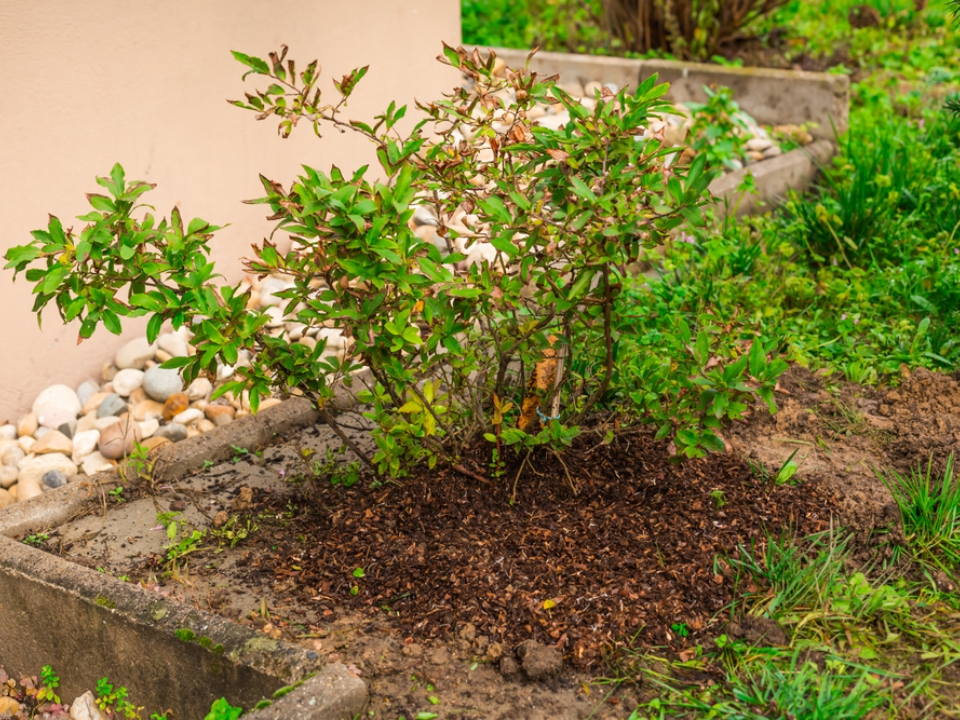
When mulching around trees and shrubs, be sure to avoid piling mulch directly against the trunks. A layer of mulch can protect the roots from frost damage while maintaining moisture in the soil. It is best to keep the mulch about two to three inches away from the base of the plant to prevent rot and disease. Adding mulch at this time of year can also help suppress early weed growth, which can be an issue as the season warms up.
Ensure that the mulch is spread evenly around the root zone to offer maximum protection. The thickness of the mulch layer should be just enough to cover the soil but not too deep. During February, the cold temperatures make this a good time to apply mulch as the soil is still dormant.
Protect Young Plants with Extra Layers
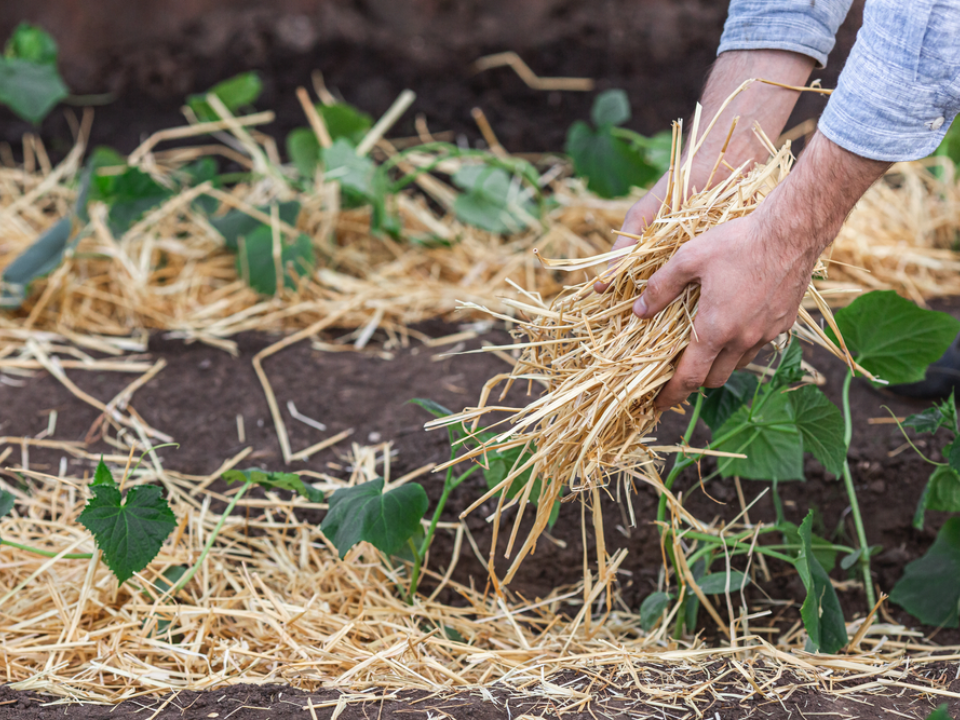
Young plants need extra care in February to protect them from harsh winter winds and frost. By adding an extra layer of mulch around these plants, you can help insulate their roots and provide some warmth. Straw or hay works well for this, as it holds heat better than other materials. When applying extra mulch, ensure that it is not too heavy on top of delicate seedlings or newly planted flowers.
This added layer can help them survive the last stretch of winter and give them a better start when the weather begins to warm up. Be sure to remove some mulch once the temperatures rise to prevent excessive moisture buildup. Regularly check the plants for signs of over-mulching, like yellowing leaves or rotting stems.
Mulch Garden Beds After Snowfall
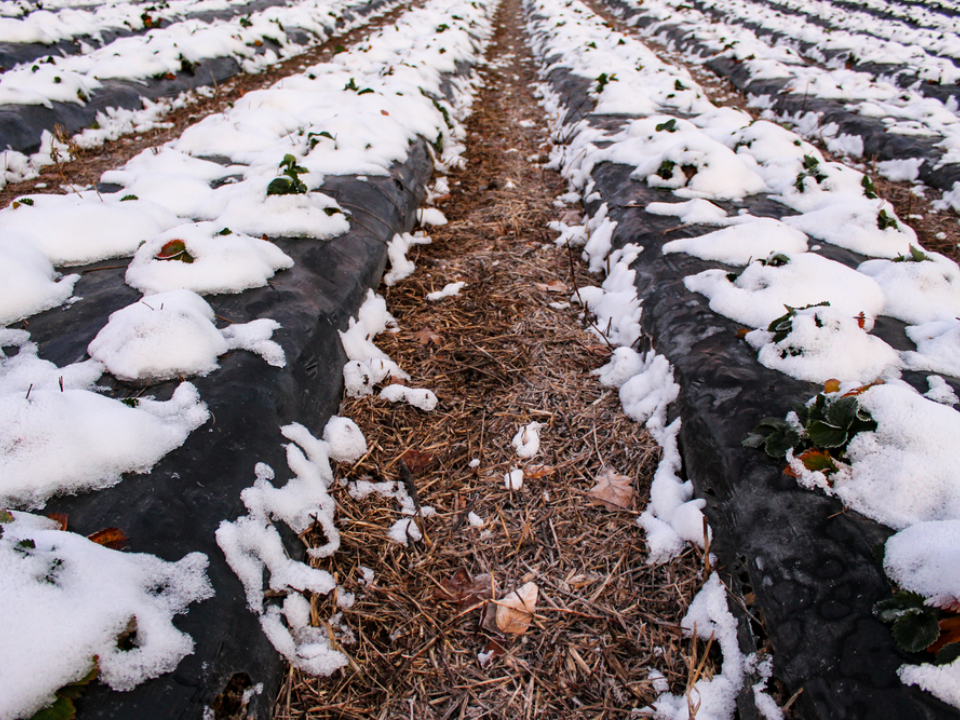
After a light snowfall, it is an ideal time to apply mulch to your garden beds. Snow can act as a natural insulator for your plants, but adding a layer of mulch over the snow will enhance its benefits. The mulch will prevent the snow from melting too quickly and keep the ground temperature more stable. This technique helps maintain moisture in the soil, which is especially important as the ground starts to thaw.
Mulching on top of the snow also helps retain the benefits of snow-melt water, which can be absorbed by the soil as it slowly thaws out. When using this method, aim for a thin, even layer of mulch to ensure it does not block the snow’s protective layer. In areas with little snow, mulch can provide similar insulation against the cold.
Focus on Moisture Retention
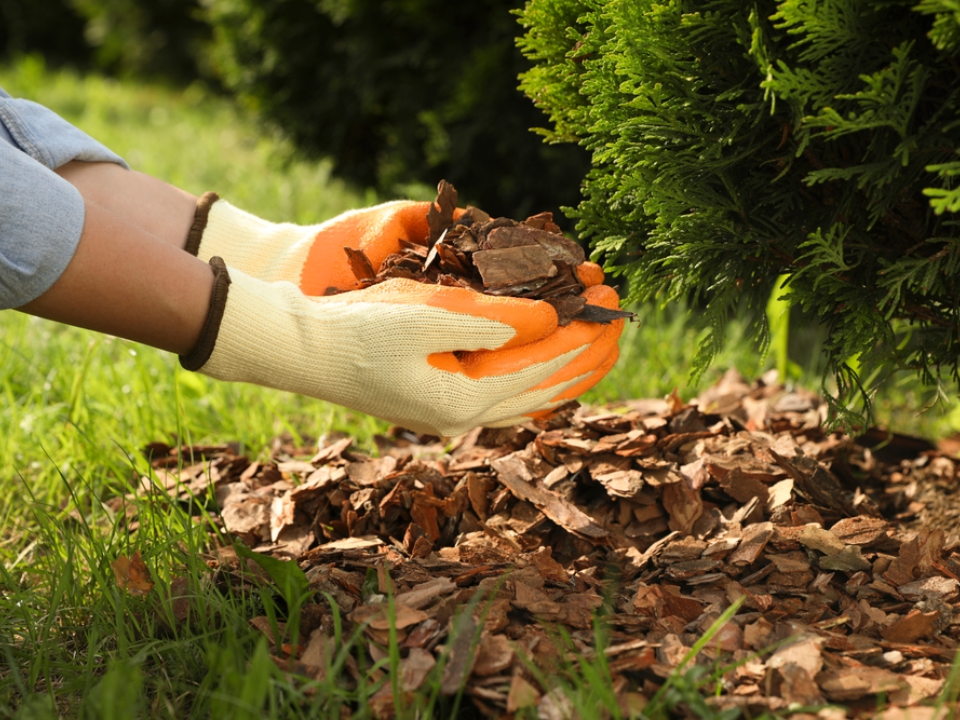
Moisture retention is a key factor to consider when mulching in February. As temperatures fluctuate, soil moisture can be lost quickly due to drying winds and sun exposure. A layer of mulch can help reduce evaporation, keeping the soil moist for longer periods. Organic mulches such as compost or bark chips are excellent at trapping moisture while adding nutrients to the soil as they break down.
Spread the mulch evenly over your garden beds to ensure even moisture retention. Keep the mulch layer at a consistent depth to ensure the soil underneath does not dry out. With February being a relatively dry month in many areas, this approach helps preserve soil health and encourages plant growth once the weather improves.
Add Fertilizer Before Mulching
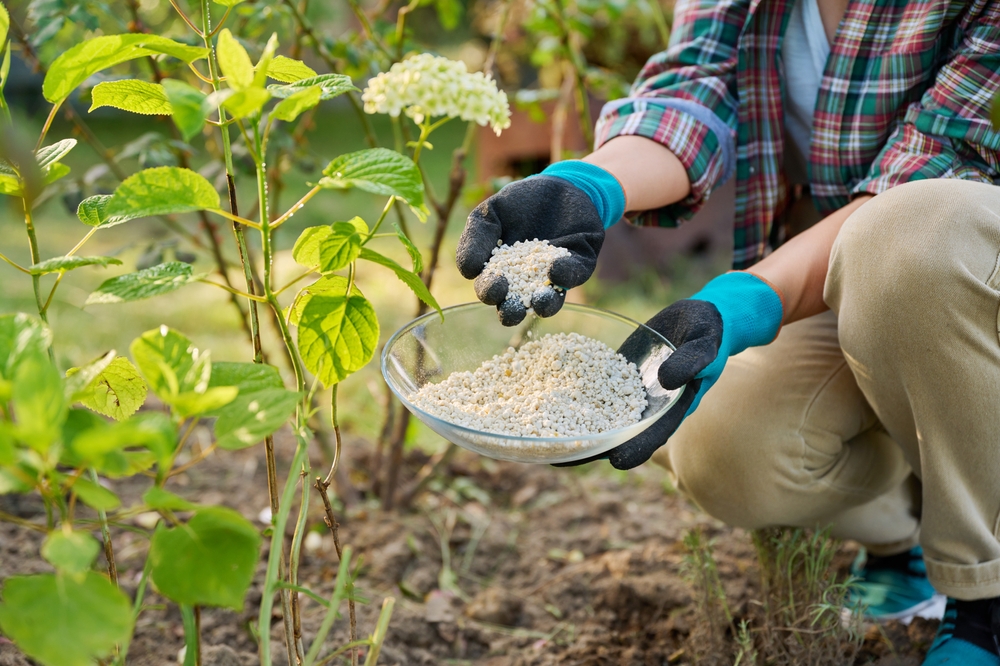
Before applying your mulch, it is a great idea to add a layer of fertilizer to give your garden a nutrient boost. Fertilizer can help plants grow healthier and stronger when they start to emerge in the spring. If you use organic mulch, it can break down over time, releasing nutrients into the soil.
However, fertilizing before mulching gives plants an immediate source of nutrients, which is important for early growth. Organic fertilizers like compost or well-rotted manure are ideal as they enrich the soil without the risk of burning the plants. Be sure to apply the fertilizer evenly across your garden beds and avoid piling it up too close to plant roots. Once the fertilizer is in place, you can then apply your mulch over it, allowing it to be absorbed gradually.
Use Mulch to Prevent Weed Growth
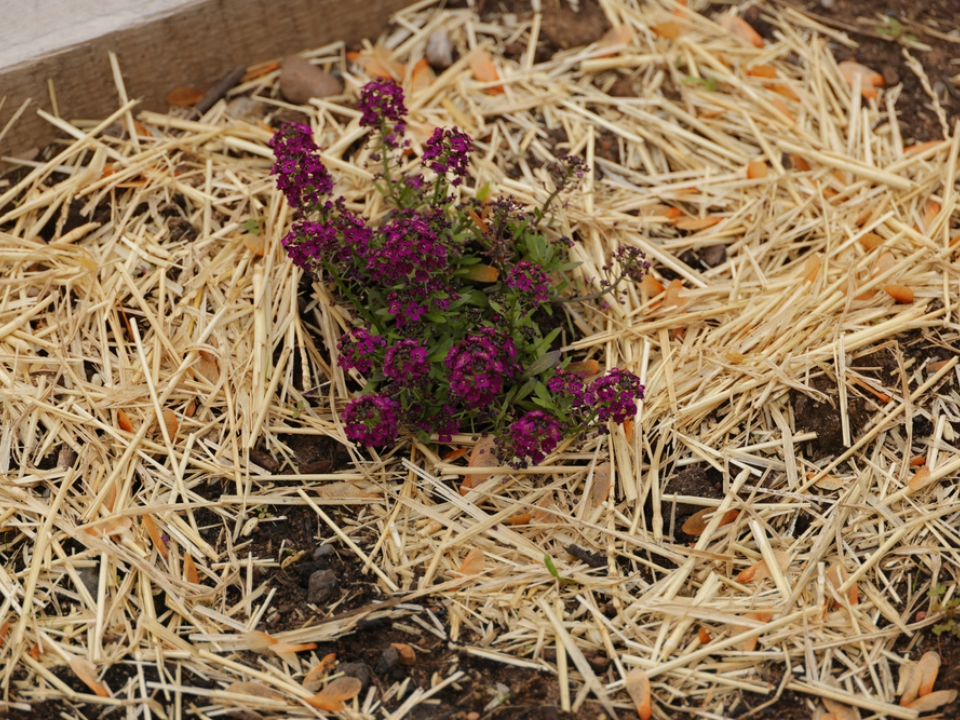
Weed growth can become a problem during the early spring months, especially after the winter thaw. Mulching in February helps prevent weeds from sprouting by blocking sunlight from reaching the soil surface. Organic mulches like straw or wood chips are perfect for this task, as they create a dense layer that suffocates weed seeds. It is important to ensure that the mulch layer is thick enough to cover the soil thoroughly but not so thick that it prevents water from soaking in.
This method also helps retain soil structure, making it harder for weeds to push through the soil. While mulching may not eliminate weeds entirely, it is a highly effective method to reduce their growth. Over time, as the mulch decomposes, it can also improve the quality of the soil beneath, further benefiting your garden.
Keep an Eye on Mulch Thickness
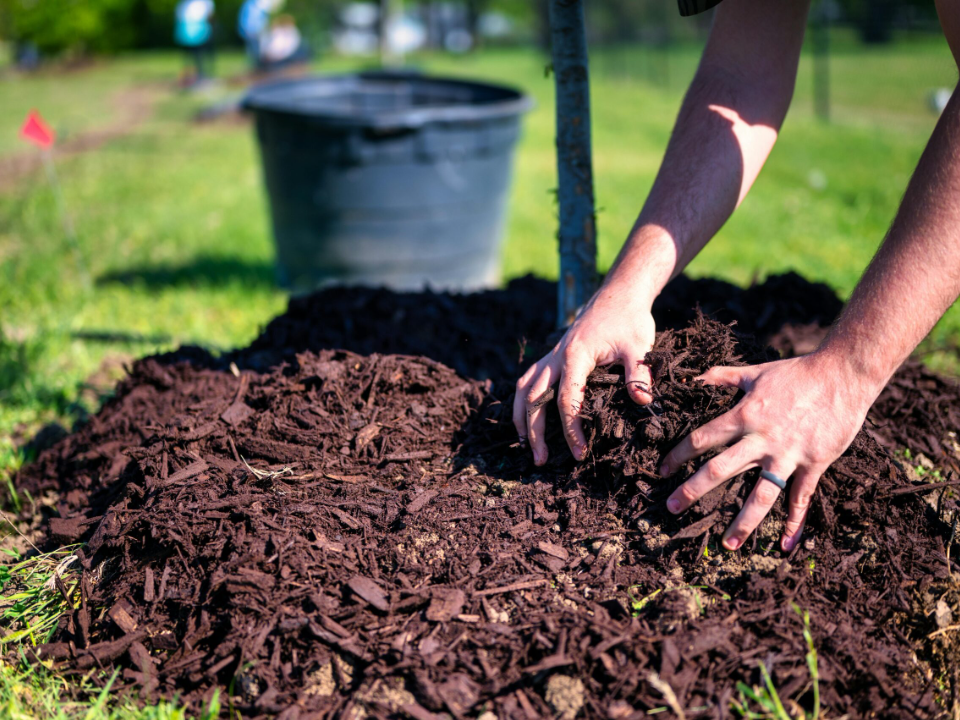
The thickness of the mulch layer plays an important role in its effectiveness. A mulch layer that is too thick can cause problems like root rot or waterlogging, while a layer that is too thin may not provide enough insulation or moisture retention. During February, aim for a mulch thickness of about three to four inches, depending on the material you are using.
For lighter mulches like straw, you can add a little more, but for heavier materials like wood chips, keep it on the thinner side. If you notice that the mulch has settled or decomposed over time, add more as needed to maintain an even layer. Regularly check the mulch to ensure it remains effective, particularly during wet or windy weather when it may shift or compact. A balanced mulch thickness will provide optimal results without causing damage to your plants.
Consider Mulching Around Vegetable Gardens
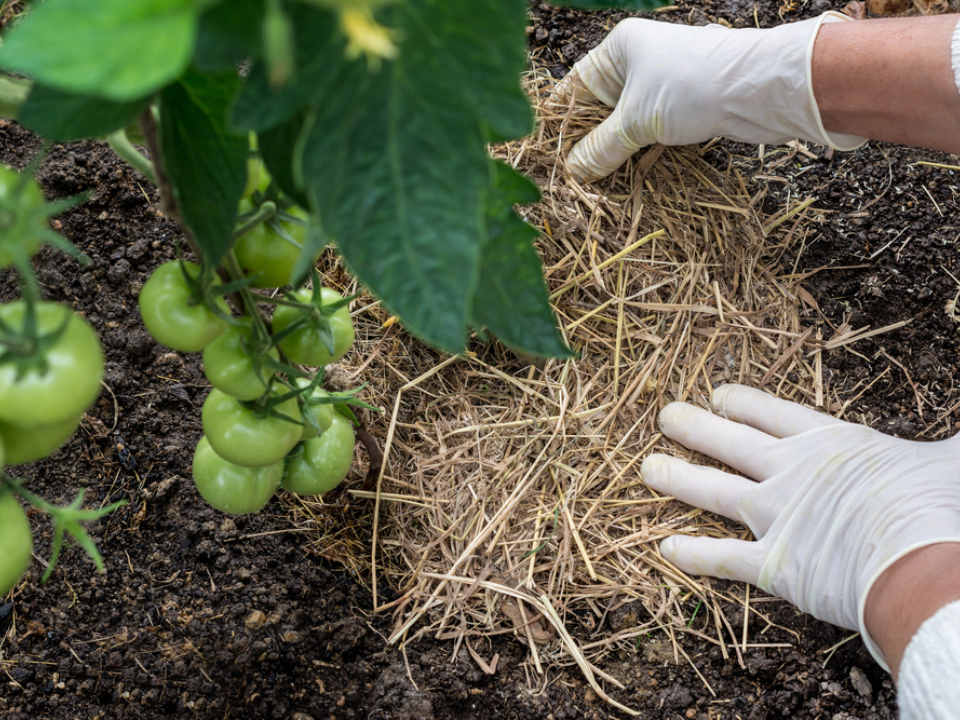
Mulching around vegetable gardens in February can give your plants an early start once the growing season begins. In cold climates, mulching can protect soil from freezing temperatures and help warm the soil more quickly in the spring. As the snow melts, the mulch will retain some of the moisture, ensuring your plants have the water they need when they start to grow. Organic materials like shredded leaves or grass clippings are excellent choices for vegetable gardens, as they add nutrients to the soil.
Applying mulch around vegetable beds in February can help suppress weeds, which can become a problem as the weather warms up. Mulch also helps to maintain soil structure by preventing erosion, which can occur after heavy rains or melting snow. Be sure to avoid piling the mulch too high around vegetable plants to prevent suffocation.
Reapply Mulch as Needed
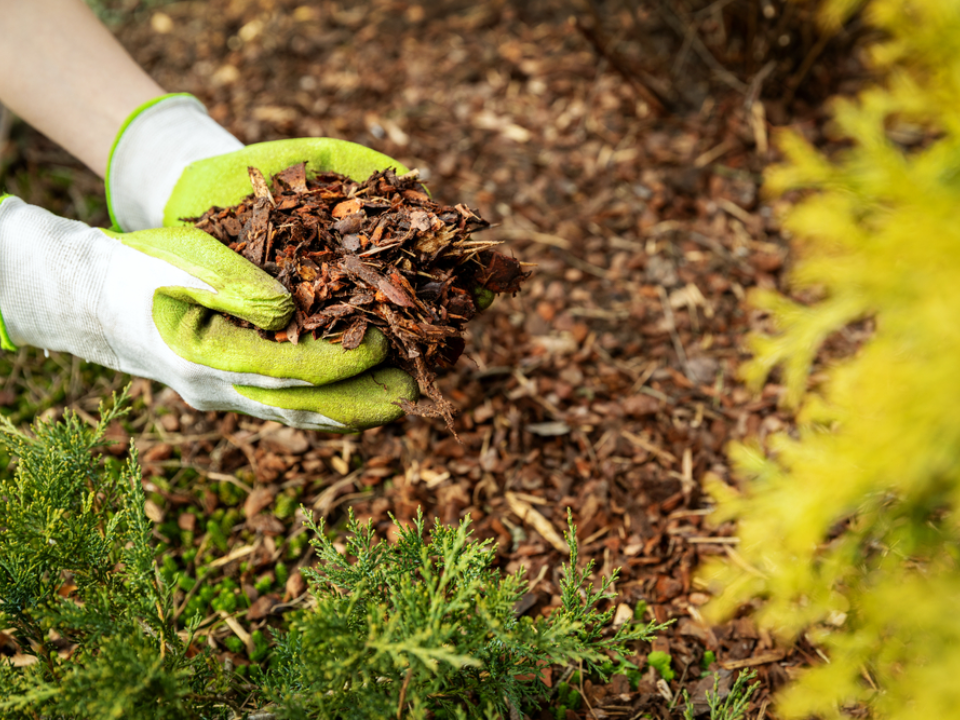
Mulch naturally decomposes over time, which is why it is essential to reapply it periodically. In February, you may need to refresh your mulch to maintain its effectiveness through the rest of the winter. The amount of mulch you need to add depends on how much has decomposed or been disturbed by wind or rain.
Mulch should always be replenished before it becomes too thin to protect plants effectively. Be sure to replace mulch in areas where it has broken down completely, especially around vulnerable plants like perennials and shrubs. Reapplying mulch also helps to maintain its appearance, keeping garden beds neat and tidy. Make sure to spread the mulch evenly across your garden to provide consistent coverage.
Mulch for Wind Protection
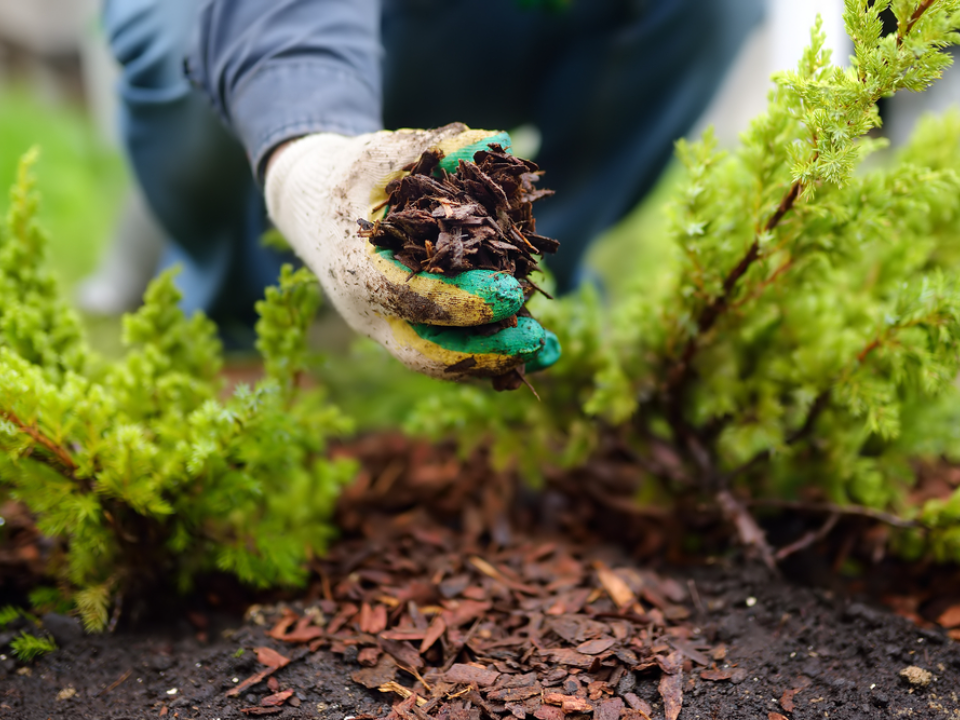
Mulch can provide valuable protection against strong winter winds. In February, many areas experience gusty winds that can dry out plants and cause soil erosion. By adding a layer of mulch, you can help shield your plants and garden beds from these harsh conditions. Mulch acts as a barrier, reducing the force of the wind and preventing moisture from evaporating too quickly.
It also helps maintain a more stable temperature around plant roots, which is especially important during fluctuating temperatures. Consider using heavier mulch materials like wood chips or pine bark for additional wind protection. Be sure to spread the mulch thickly in exposed areas to ensure maximum effectiveness.
Avoid Mulching Too Early
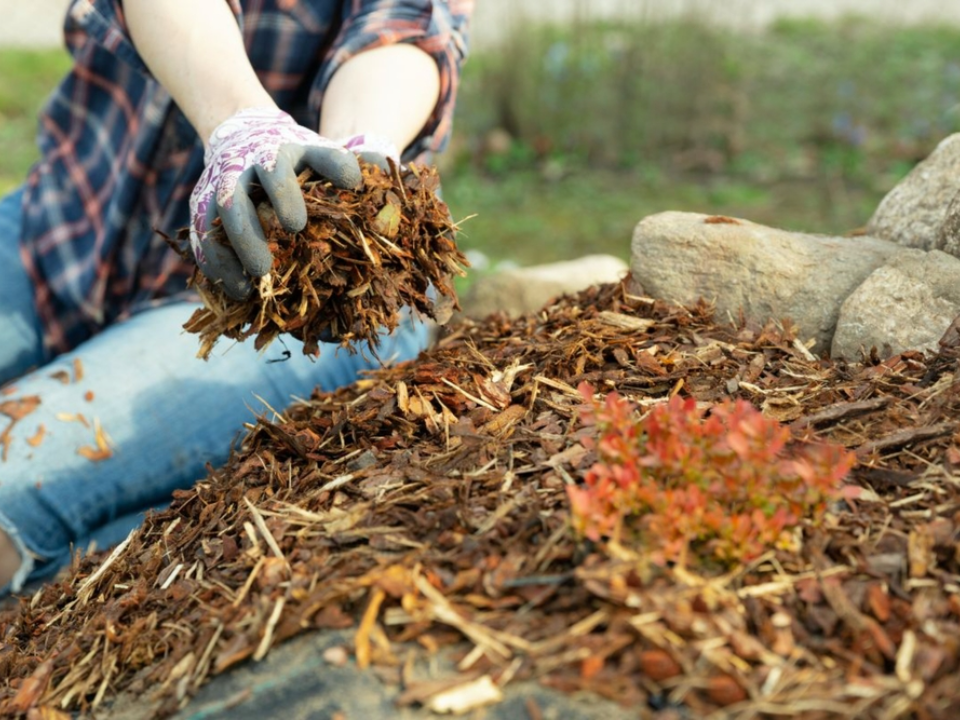
While mulching in February can be beneficial, timing is important. In some climates, it may be too early to apply mulch, especially if the soil has not yet thawed completely. If you apply mulch too soon, it can trap moisture in the soil and cause plants to rot or become susceptible to diseases. It is best to wait until the ground has warmed up slightly, and the danger of hard frost has passed.
In regions with milder winters, applying mulch in late February or early March can be effective, but be mindful of the conditions in your area. Keep an eye on the forecast and wait for the right moment to ensure your plants are not negatively impacted. By waiting until the conditions are right, you give your plants the best chance for a healthy growing season.
Use Mulch to Promote Healthy Soil
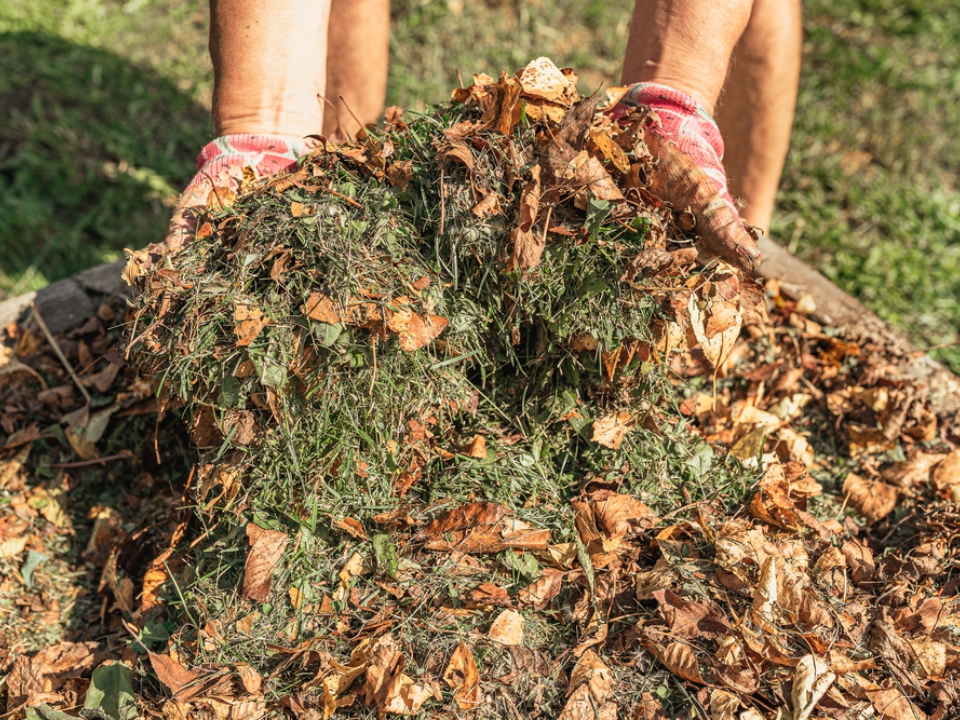
Mulching does more than just protect plants from the cold; it also contributes to healthier soil. Organic mulch decomposes over time, releasing valuable nutrients into the soil that support plant growth. These nutrients help improve soil fertility, promoting stronger root systems and healthier plants. In addition to adding nutrients, mulch helps to improve soil structure by increasing its ability to retain moisture and drain effectively.
This is particularly beneficial in sandy or clay-heavy soils, which can struggle to maintain moisture. As the mulch breaks down, it also encourages beneficial microorganisms to thrive, further improving soil health. Using mulch regularly helps create a thriving ecosystem for your plants and soil.
Mulch to Keep Soil Temperature Consistent
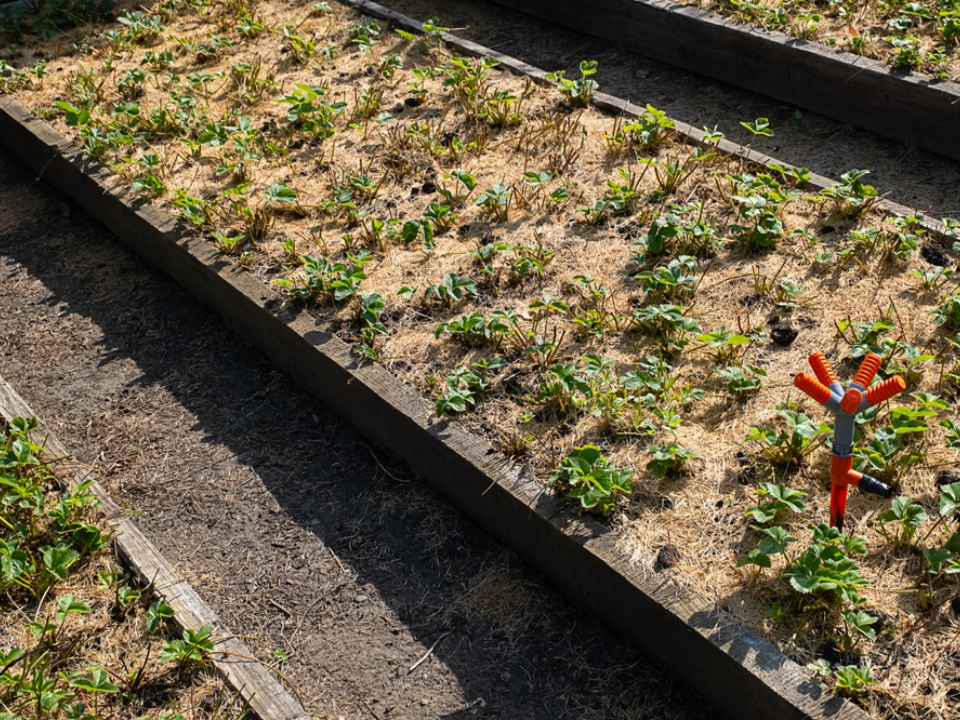
Maintaining a consistent soil temperature is vital for plant health, especially in February when temperature fluctuations are common. Mulch acts as an insulator, keeping the soil warm during the colder months and cool during the hotter ones. This is especially important for plants that are beginning to emerge from dormancy, as sudden temperature changes can cause stress or damage.
Mulching provides an extra layer of protection, allowing your plants to adjust gradually to the changing seasons. By using mulch, you help maintain a more consistent environment that promotes healthy root growth.
This article originally appeared on Avocadu.