
14 Small Space Plants That Still Make a Statement
Small spaces can still feel full of life when you choose plants with strong shape, color, or texture. The picks below stay compact, yet they draw the eye on a desk, shelf, or windowsill. If you want a room to feel calmer and more put together without giving up floor space, these plants are a good place to start.
This post may contain affiliate links, which helps keep this content free. Please read our disclosure for more info.
String of Pearls (Senecio rowleyanus)
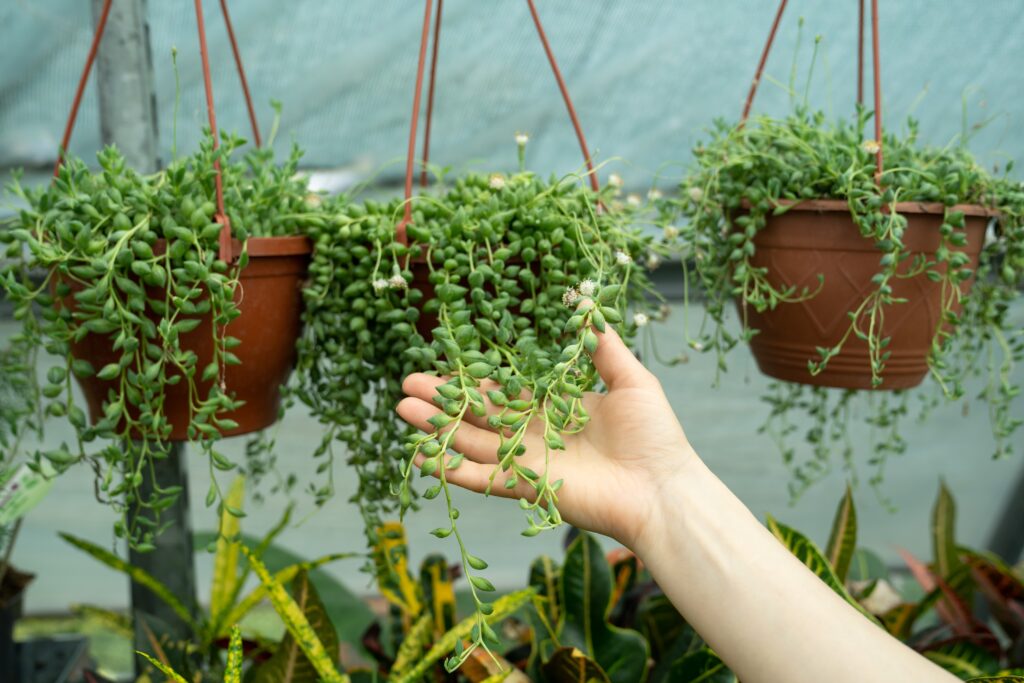
String of pearls drapes like a living necklace, which makes it perfect for a small shelf or a hanging planter near a bright window. Each bead holds water, so it can handle a little forgetfulness as long as the soil dries between waterings. Give it a pot with a drainage hole and a gritty mix, and it will stay neat instead of turning mushy. The look is soft and playful, yet it still grabs attention from across the room.
Place it where it gets plenty of bright light, and rotate the pot so one side does not thin out. Water deeply, then wait until the mix is fully dry, since constant dampness is the fastest way to lose stems. If the “pearls” start to look wrinkled, it is usually asking for a drink rather than more sun. Pinch off a few healthy strands and lay them on soil to root, which is an easy way to fill out the pot.
String of Hearts (Ceropegia woodii)
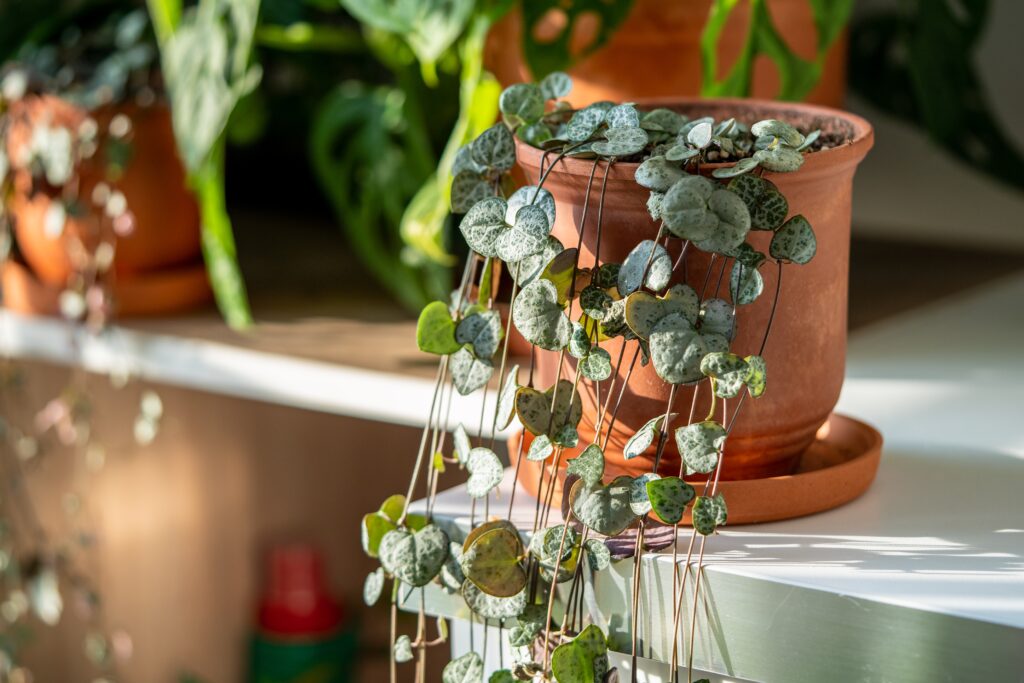
String of hearts has tiny heart shaped leaves that trail in thin strands, often with silver patterning that shines in window light. It stays light and airy, so it adds style without making a small corner feel crowded. The plant stores water in little tubers, which helps it handle short dry spells. A small hanging pot or a high shelf lets the vines fall freely and show off that delicate shape.
Bright light keeps the leaves closer together, so the plant looks fuller and more “finished” as it grows. Let the top of the soil dry before watering again, and do not leave water sitting in the saucer. If the vines get too long, trim them and tuck the cut ends back into the pot to make it look thicker. You can also root cuttings in water, then move them into soil once they have a few strong roots.
Pilea Peperomioides (Chinese Money Plant)
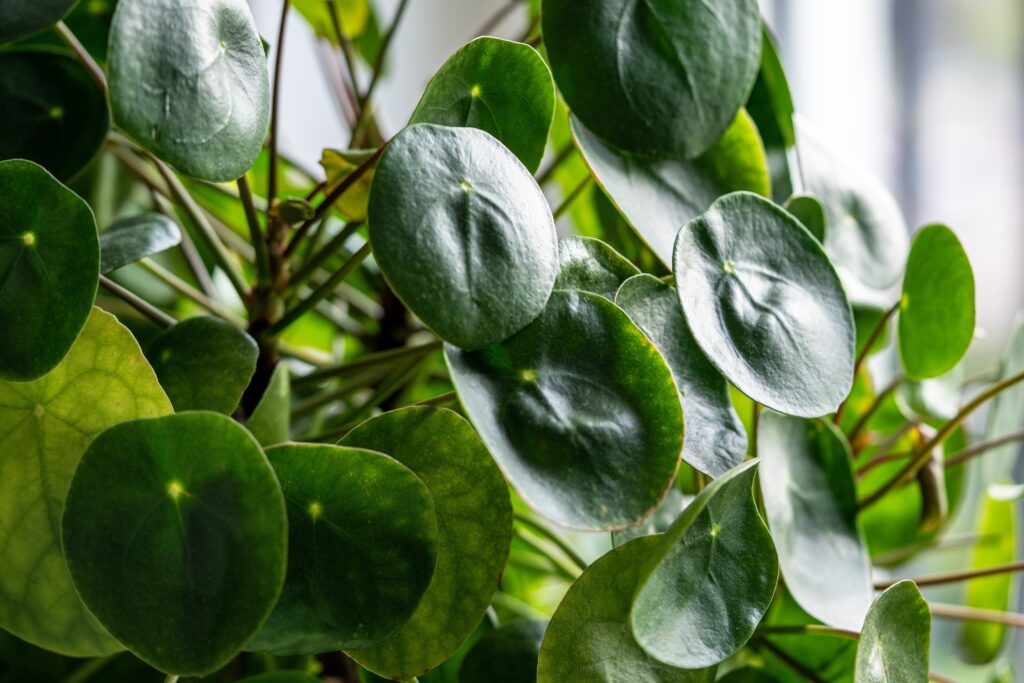
Pilea has round, coin like leaves on slender stems, and that simple shape makes it look modern on a desk or side table. It grows upright in a small pot, so it gives a strong silhouette without taking up much space. The leaves tend to face the light, which creates a pretty “fan” look when it sits near a window. With steady care, it stays tidy and can look like a little living sculpture.
Water when the top inch or two of soil feels dry, then drain any excess so the roots stay healthy. If the stems lean, turn the pot every week so it grows evenly instead of reaching hard in one direction. Pilea is famous for sending up baby plants, and you can separate them once they have a few leaves and their own roots. Wipe the leaves now and then, since dust can dull that glossy, clean look.
Peperomia Obtusifolia (Baby Rubber Plant)
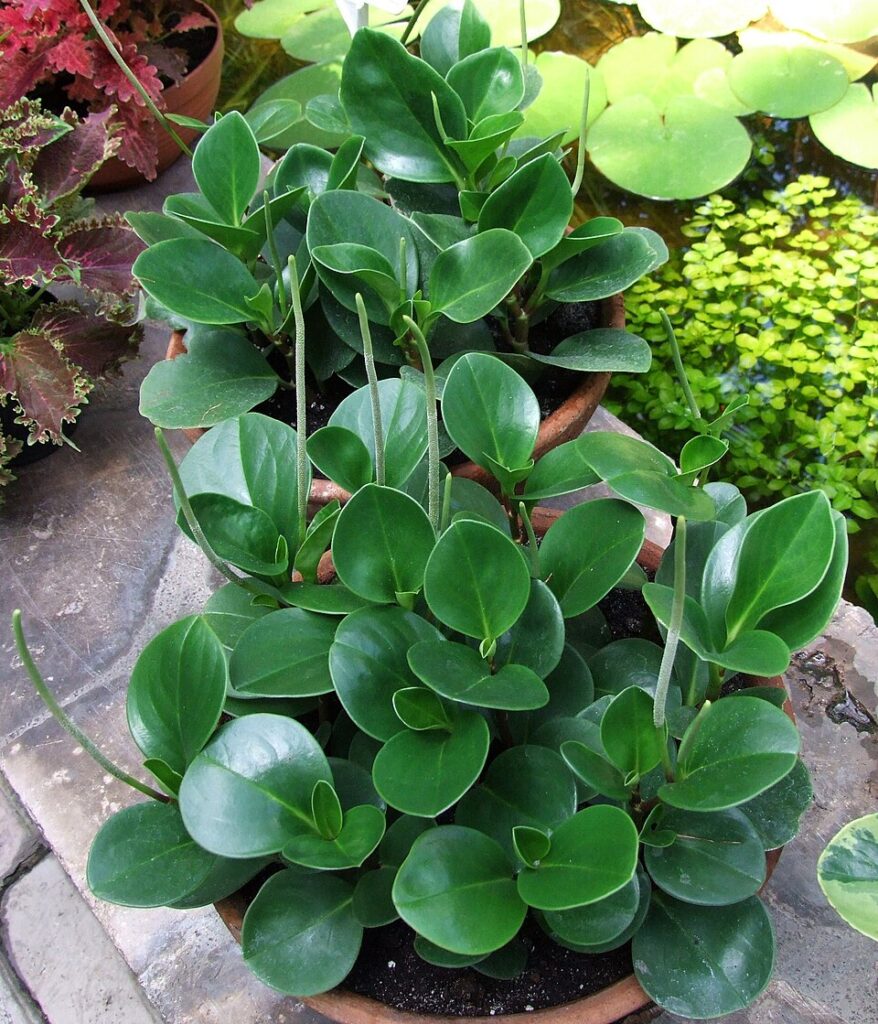
Baby rubber plant has thick, spoon shaped leaves that look polished, which makes it feel “finished” even when it is still small. It stays compact and bushy, so it fits well on shelves, kitchen counters, and narrow window ledges. The stems can grow upright and a bit branching, giving it a fuller look than many small plants. It also handles indoor life well, which is helpful if your light is not perfect.
Let the soil dry partway before watering again, since the leaves store moisture and do not like soggy roots. Medium to bright indirect light keeps the leaves dense, while low light can slow growth and stretch stems. If it starts getting leggy, pinch the tips to encourage branching and a thicker shape. A quick leaf wipe makes a big difference, because shine is part of what makes this plant stand out.
Peperomia Caperata (Ripple Peperomia)
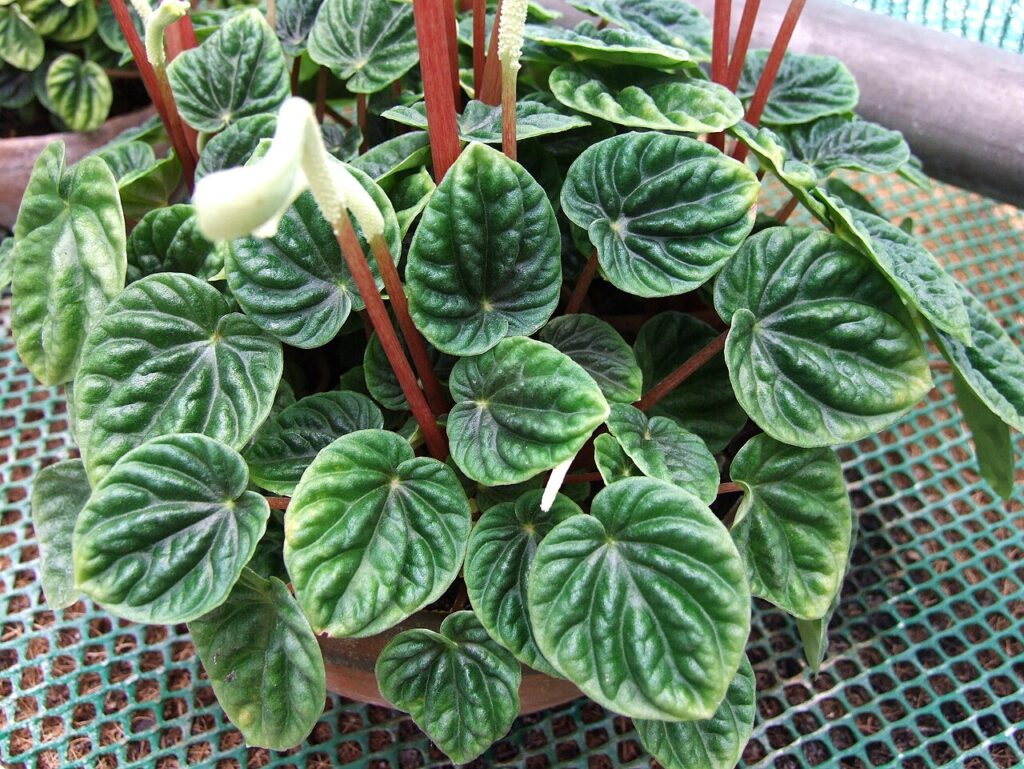
Ripple peperomia looks dramatic because the leaves are deeply textured, like they were pressed and folded. Many varieties come in dark green, burgundy, or nearly black tones, so it adds contrast in a small space. It stays low and mounded, which is great for tight shelves or a coffee table tray. The overall shape is compact, but the leaf texture reads as rich and eye catching.
Water when the top of the soil feels dry, and aim the water at the soil instead of the leaves to avoid spotting. Bright indirect light keeps color strong, while harsh sun can scorch the rippled surfaces. This plant enjoys a little extra humidity, so a pebble tray or grouping it with other plants can help. If older leaves fade or flop, remove them so the plant can focus on fresh growth.
Fittonia Albivenis (Nerve Plant)
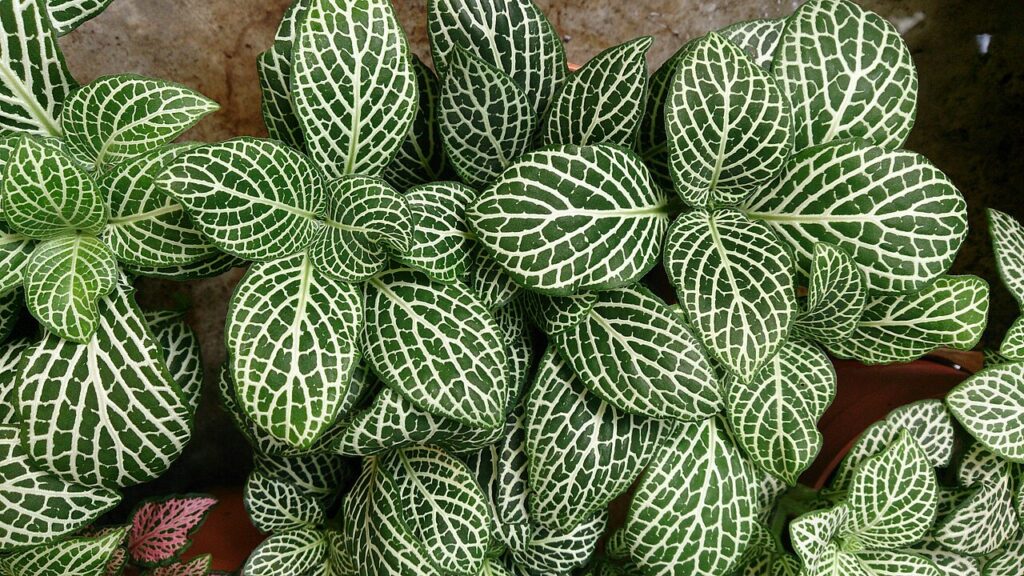
Nerve plant is small, but the leaf veins look like painted lines, which is why it draws attention fast. You can find it with white, pink, or red veining, and that pop of color reads well even from a distance. It stays low and spreading, so it is easy to tuck into small planters, terrariums, or shallow bowls with drainage. The leaves look delicate, yet the plant can bounce back quickly after a drink.
Fittonia likes consistently lightly moist soil, so do not let it dry out completely for long. If it suddenly droops, water it and it often perks up within hours, which can feel almost dramatic. It prefers bright indirect light, because deep shade can dull the vein color. Trim the tips to keep it compact and to encourage a thicker, fuller mat of leaves.
Hoya Carnosa Compacta (Hindu Rope Hoya)
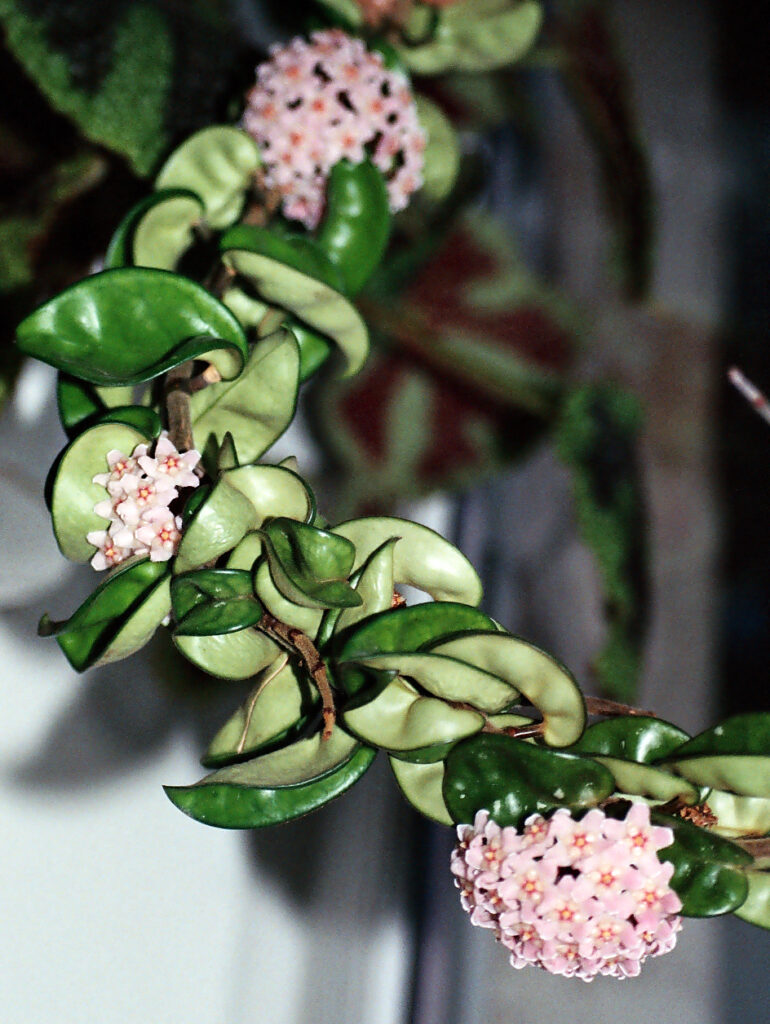
Hindu rope hoya has twisted, curled leaves that stack and spiral, which gives it a sculptural look in a small pot. The thick leaves hold water, so it is easier to keep happy than many trailing plants. As it grows, it can drape slowly over the edge of a shelf, creating a bold texture without needing much room. With time and good light, it can even produce clusters of star shaped, sweet smelling flowers.
Give it bright light and let the soil dry well between waterings, since it dislikes staying wet. Use a well draining mix, and pick a pot that is not oversized, because hoyas often prefer being a bit snug. Do not remove the little flower spurs after blooms fade, since new flowers can form there later. Growth can be slow, so patience pays off, and the unusual leaf shape keeps it interesting the whole time.
Haworthia Fasciata (Zebra Haworthia)
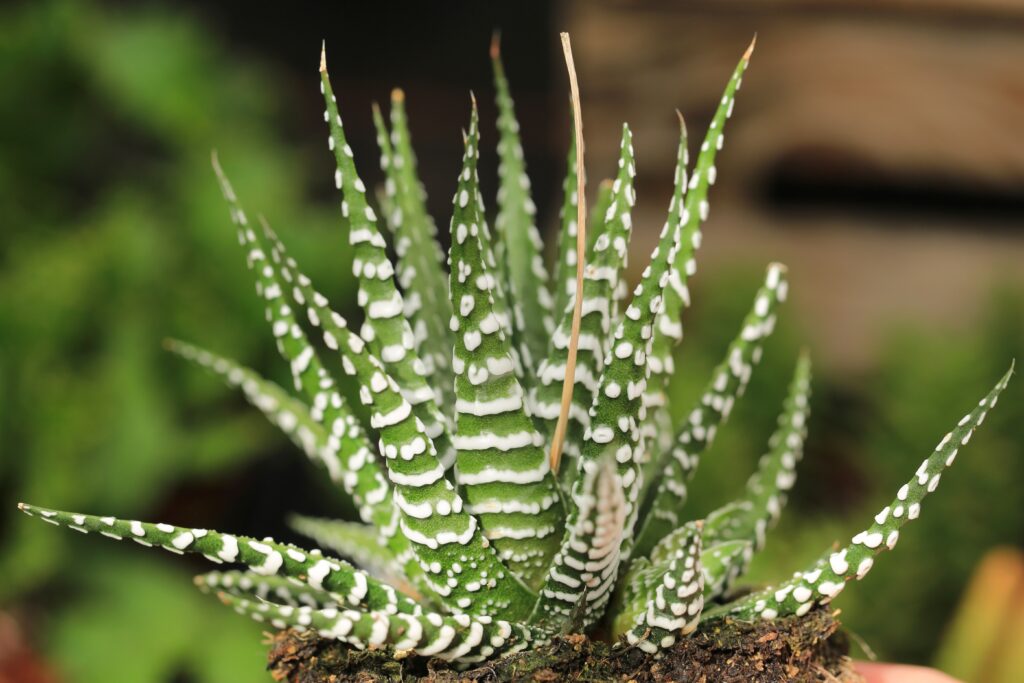
Zebra haworthia stays small and crisp looking, with pointed leaves marked by white stripes that look almost painted on. It forms a tight rosette, so it fits well in tiny pots and still looks intentional. Unlike many succulents, it can handle brighter shade and does not demand harsh, direct sun all day. On a windowsill, it reads as clean and graphic, which makes it feel like decor as much as a plant.
Water only when the soil is fully dry, then let excess drain away so the roots do not rot. Bright indirect light or gentle morning sun keeps the stripes sharp, while very low light can dull the look. If it starts to stretch taller, it is usually asking for more light rather than more water. It may produce offsets over time, and those can be separated to create a small cluster display.
Sansevieria Trifasciata ‘Hahnii’ (Bird’s Nest Snake Plant)
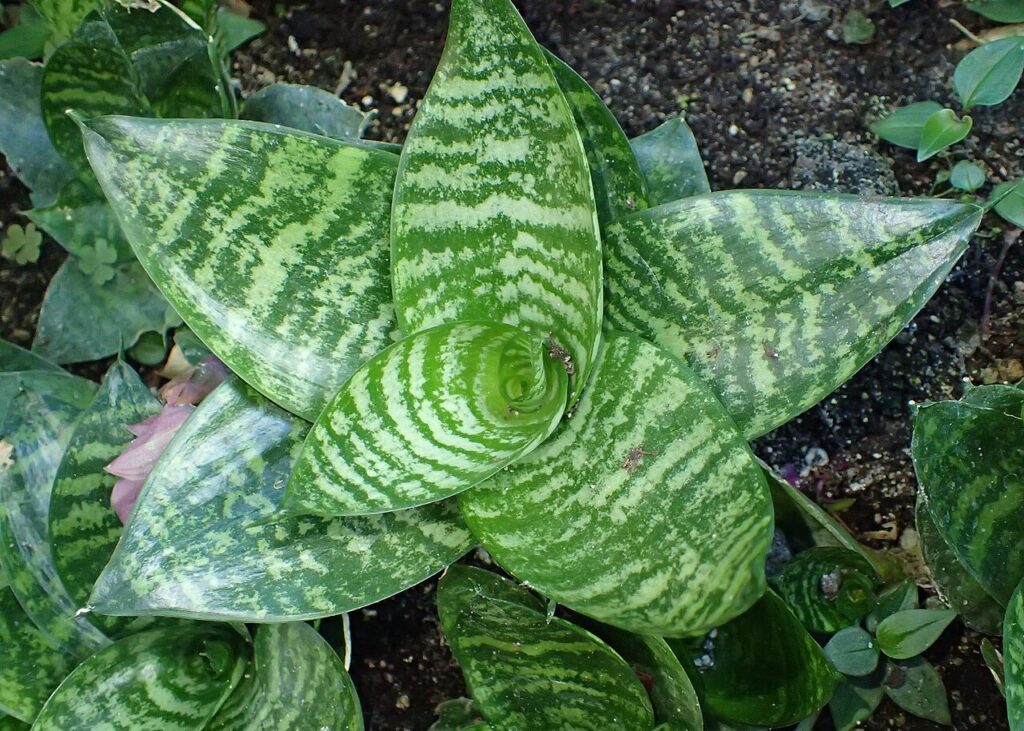
Bird’s nest snake plant stays short and rosette shaped, with sturdy leaves that look almost architectural. The patterning is bold enough to stand out, and the plant looks tidy even when it is not growing quickly. It works well on bookcases and side tables because it does not droop or sprawl. For a small space, it gives that strong “statement plant” feel without any fuss.
Let the soil dry completely before watering again, since overwatering is the main problem for snake plants. It tolerates low light, though brighter light helps it keep strong color and slightly faster growth. Use a fast draining mix and a pot with drainage holes, and it will stay stable for a long time. Wipe the leaves occasionally to keep the pattern clear and to remove dust.
ZZ Plant ‘Zenzi’ (Zamioculcas zamiifolia)
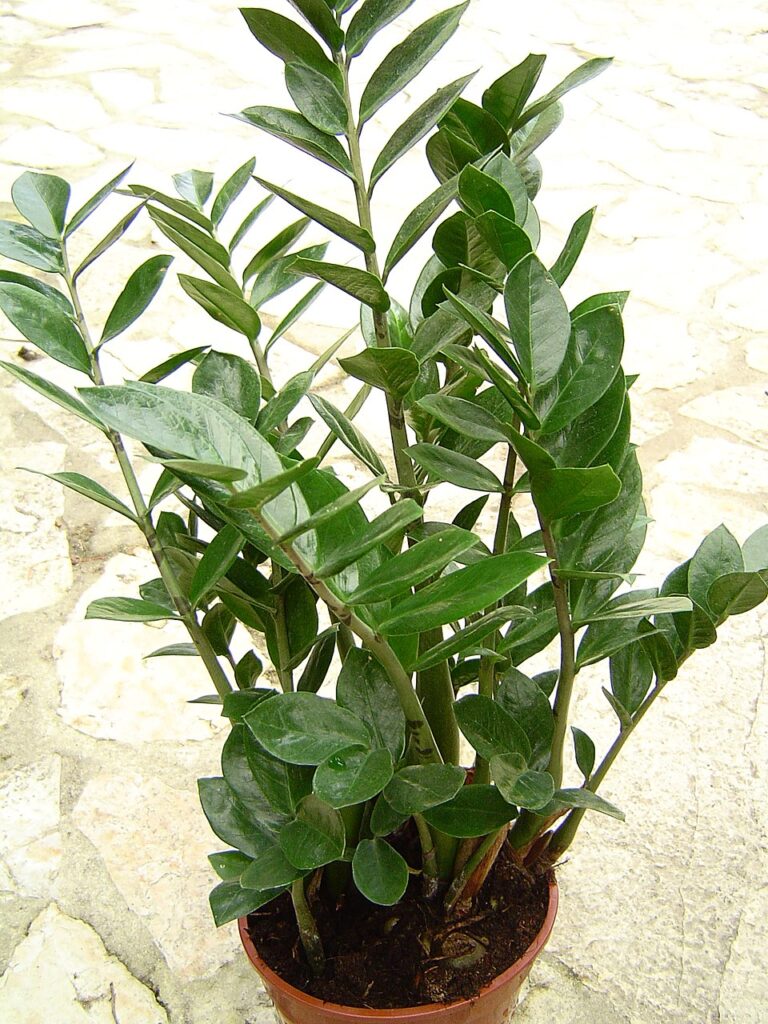
ZZ Zenzi is a compact version of the classic ZZ plant, with thicker, slightly curled leaves that feel dense and sculptural. It stays shorter than the standard type, so it fits nicely on a desk, a dresser, or a narrow plant stand. The glossy leaves reflect light, which helps it look sharp even in a dim corner. It is also slow growing, so it keeps its size for a long time.
Water only after the soil has dried out well, because the plant stores water in thick rhizomes under the soil. Too much watering can cause yellowing and soft stems, so err on the dry side. Low to medium light is fine, and bright indirect light will keep it looking its best. Dust can show on the glossy leaves, so a quick wipe keeps the plant looking clean and polished.
Alocasia ‘Polly’ (African Mask Plant)
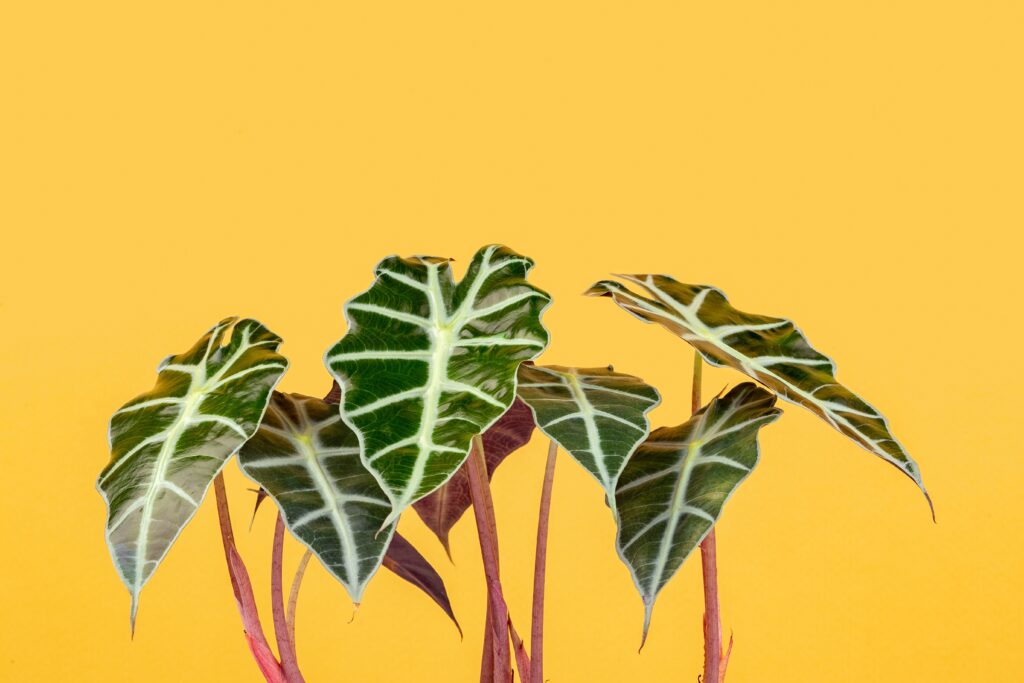
Alocasia Polly has dramatic arrow shaped leaves with bright veins and slightly wavy edges, so it looks like a showpiece even in a small pot. The contrast between deep green and pale veins reads as high impact in a tight room. It stays relatively compact compared to larger alocasias, especially when kept in a pot that matches its size. One plant can make a corner feel styled, even if everything else is simple.
It likes bright indirect light, warm temperatures, and evenly moist soil that never stays soggy. If the air is dry, the leaf edges can crisp, so a humidifier or grouping it with other plants can help. Alocasia can be moody when seasons change, and it may drop a leaf while pushing a new one, which is normal. Check often for spider mites, since they can show up indoors and dull those striking leaves.
Begonia Rex (Rex Begonia)
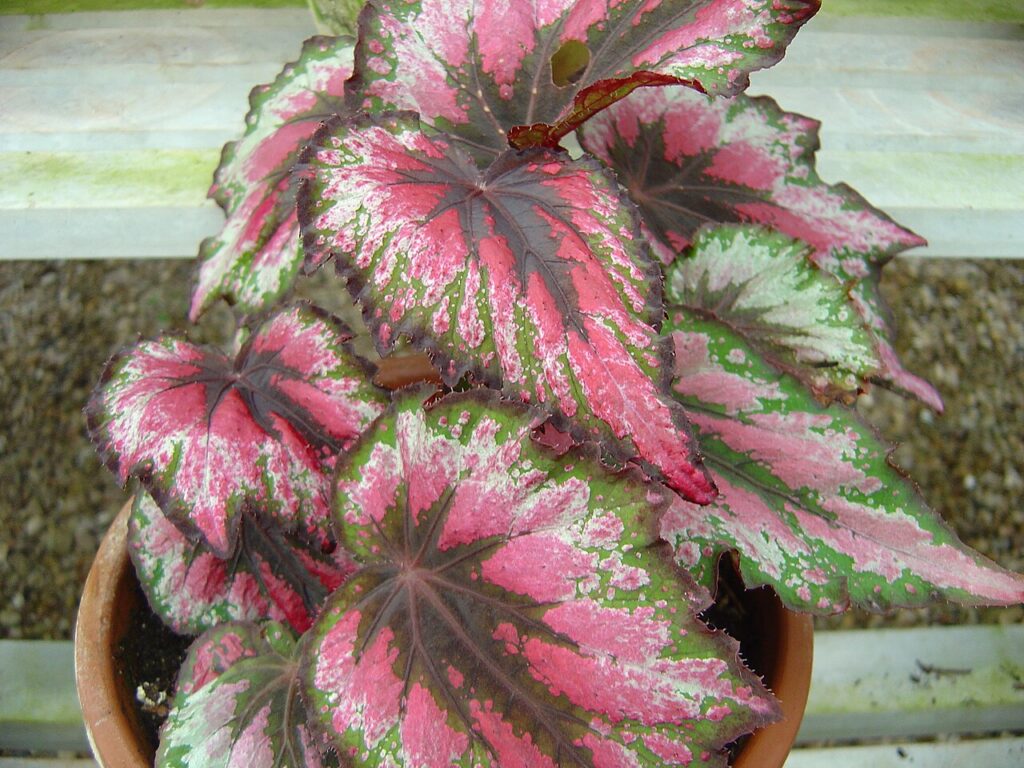
Rex begonia is all about color and pattern, with swirls of silver, pink, purple, red, or deep green on velvety leaves. The leaves can look painted, which makes it feel like living artwork on a small table. It stays compact, yet the leaf size and wild markings make it look much bigger than it really is. If you want a plant that steals attention fast, this one does it with pure leaf drama.
Keep it in bright indirect light so the colors stay strong, and avoid harsh sun that can scorch the leaf surface. Water when the top layer of soil dries slightly, and try not to splash the leaves, since water spots can show. Rex begonias like higher humidity, but they also need air flow to avoid mildew, so do not crowd them tightly. Pinch back leggy stems and remove older leaves so the plant stays full and fresh looking.
Anthurium Andraeanum (Flamingo Flower)
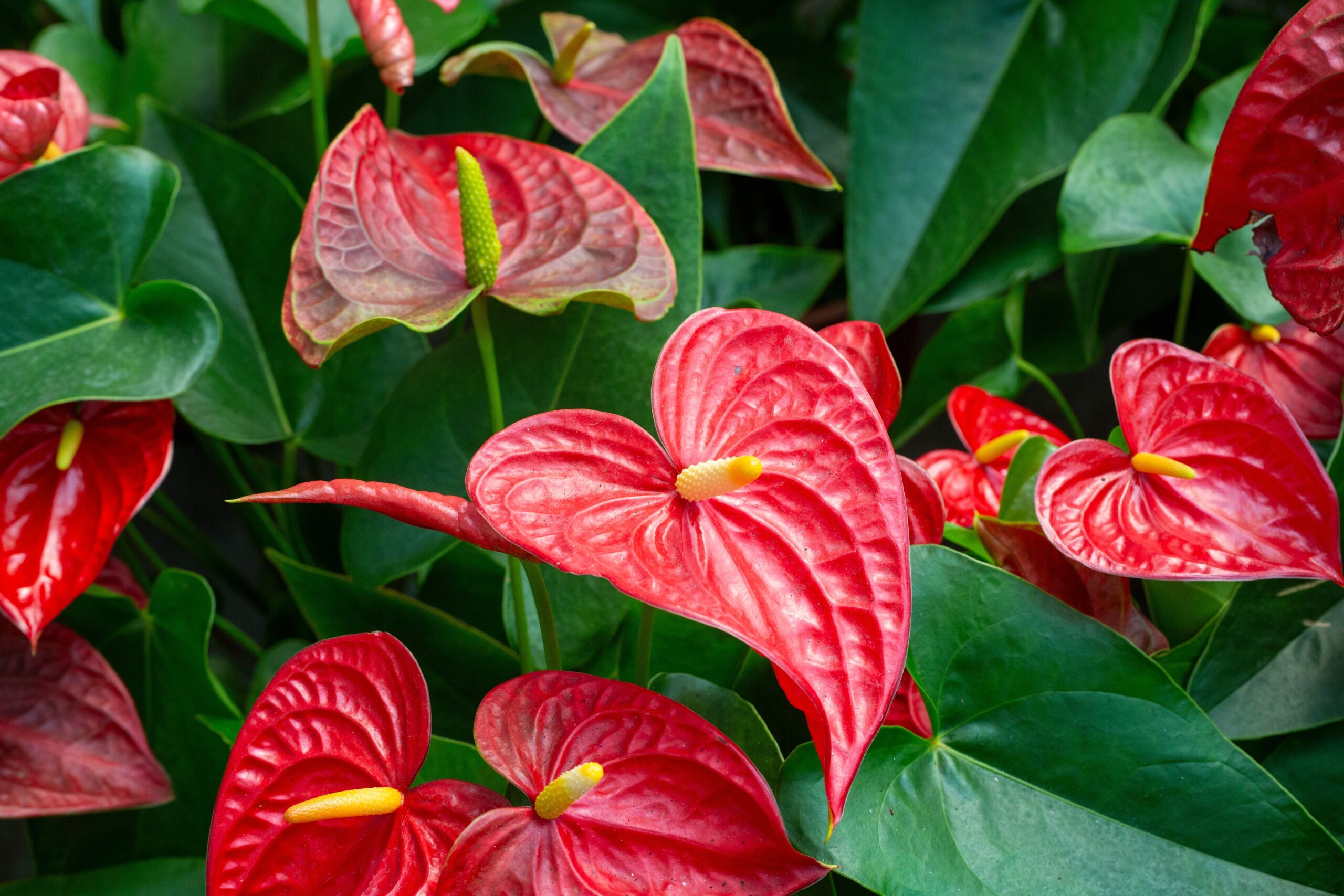
Anthurium makes a statement with waxy, heart shaped “flowers” that can be red, pink, white, or even deep purple, plus glossy green leaves. It stays fairly compact, yet the blooms stand tall and look crisp for weeks. On a small shelf or entry table, it adds a clean pop of color that feels intentional and bright. The plant looks especially striking in a simple pot that lets the blooms do the talking.
Give it bright indirect light, and water when the top inch of soil feels dry, since soggy mix can cause root trouble. Anthurium prefers a chunky, airy potting mix so water drains well and roots can breathe. If blooms fade, trim the stem near the base to keep the plant looking neat. A little humidity helps it keep smooth leaves and steady bloom cycles, especially in dry indoor air.
Calathea Orbifolia
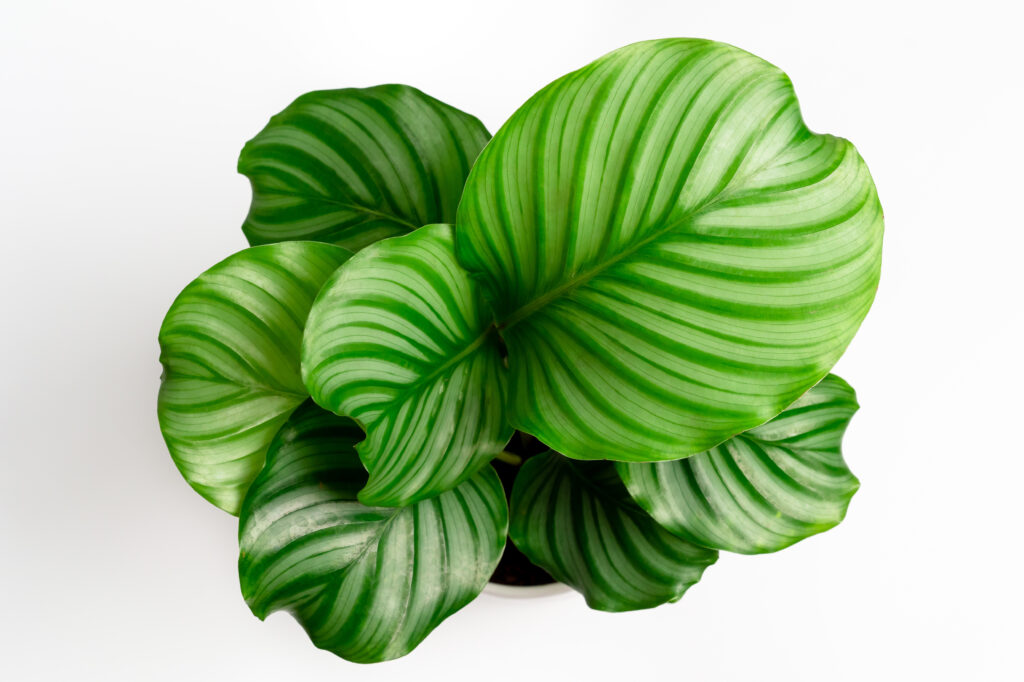
Calathea orbifolia has large, round leaves with soft silver green stripes, and the pattern looks calm yet dramatic. Even one plant can fill visual space because the leaves are wide and layered, but the pot itself stays small. The leaves move slightly with light changes, which gives the plant a lively feel without needing much room. It works beautifully in bedrooms and living rooms where you want a softer, leafy look.
Use filtered or distilled water if you can, because calatheas can show brown edges from minerals in tap water. Keep the soil lightly moist, not wet, and aim for steady humidity so the leaves stay smooth. Bright indirect light is best, because direct sun can fade the striping and stress the plant. If a leaf gets ragged, remove it at the base and let new growth take its place.
This article originally appeared on Avocadu.