
13 Small-Space Indoor Garden Ideas That Work in Winter
Winter can make indoor spaces feel a little still, so finding ways to bring greenery inside can lift the room. Many people look for ideas that help plants thrive even when sunlight is limited. Small corners, shelves, and windowsills offer more potential than they seem. With a few thoughtful choices, it becomes easier to create a cozy indoor garden.
This post may contain affiliate links, which helps keep this content free. Please read our disclosure for more info.
Window Herb Garden
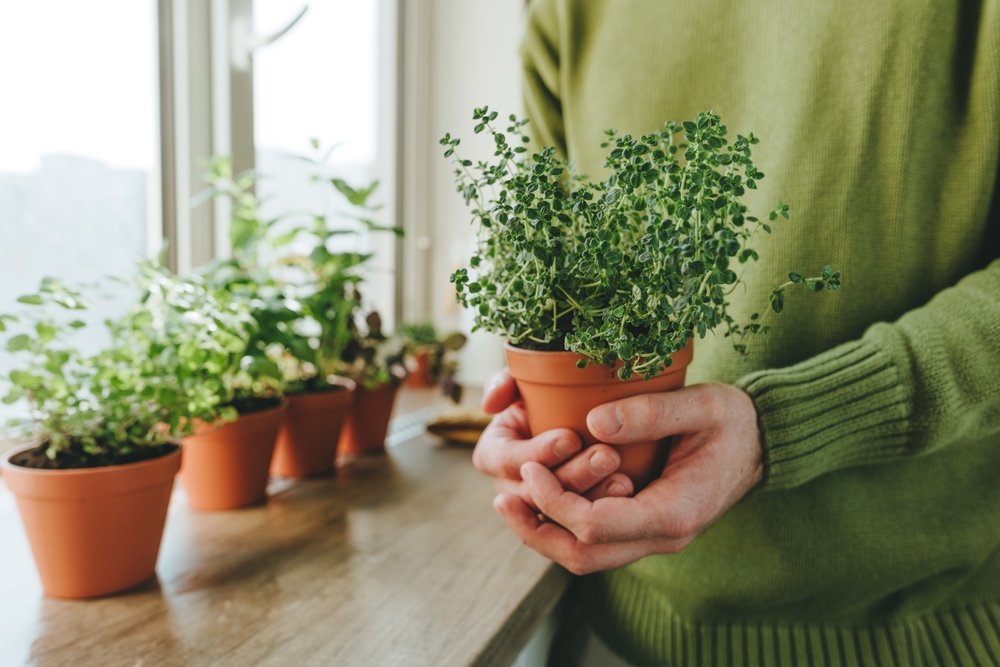
A window herb garden is an excellent way to maximize natural light in your home while growing fresh herbs for cooking. All you need is a small tray, some pots, and a sunny windowsill. Popular herbs like basil, mint, and thyme are ideal for winter since they thrive with minimal space. These plants can be placed in small containers to keep them organized and accessible.
Not only do herbs add freshness to dishes, but they also provide a calming green touch in your indoor environment. Herbs do not require too much water, and you can harvest them throughout the winter season. Keep the containers near a window where they can get at least six hours of light each day. This simple idea adds both practicality and beauty to small spaces.
Vertical Plant Wall
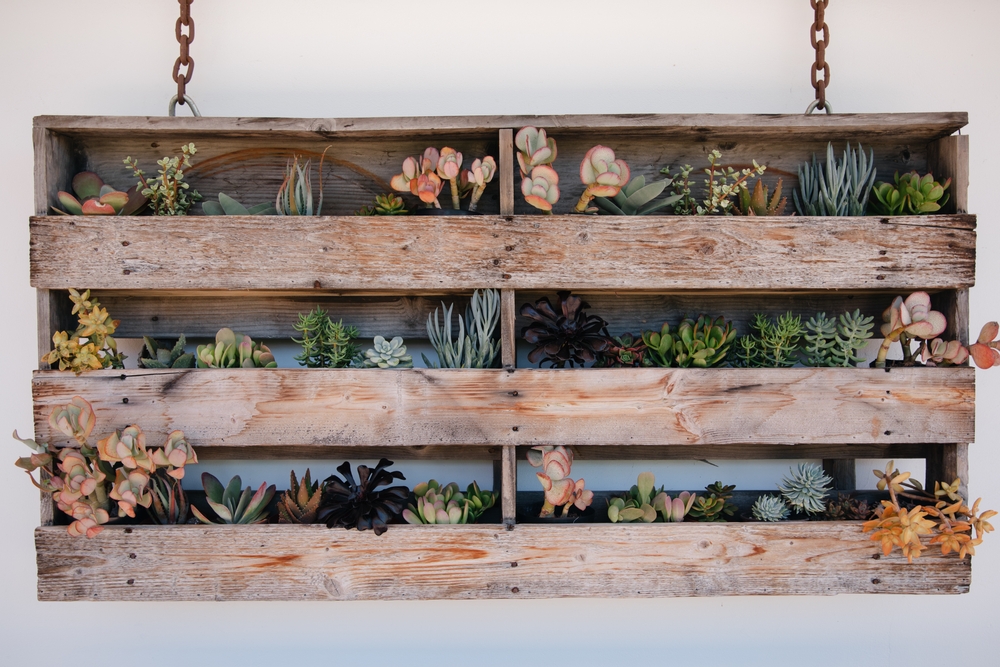
A vertical plant wall is perfect for small spaces because it utilizes unused wall space. You can create a vertical garden using a wooden frame, hanging planters, or even a wire mesh system. This setup allows you to grow a variety of plants, from trailing ivy to small flowers, in a compact arrangement. It is ideal for apartments or rooms with limited floor space.
Vertical gardens not only save space but also provide a stunning visual effect. You can experiment with different plant types to create an eye-catching display that complements your home decor. Just make sure to water your plants regularly, as vertical gardens tend to dry out quicker. Position the garden near a light source for optimal plant growth.
Hanging Planters
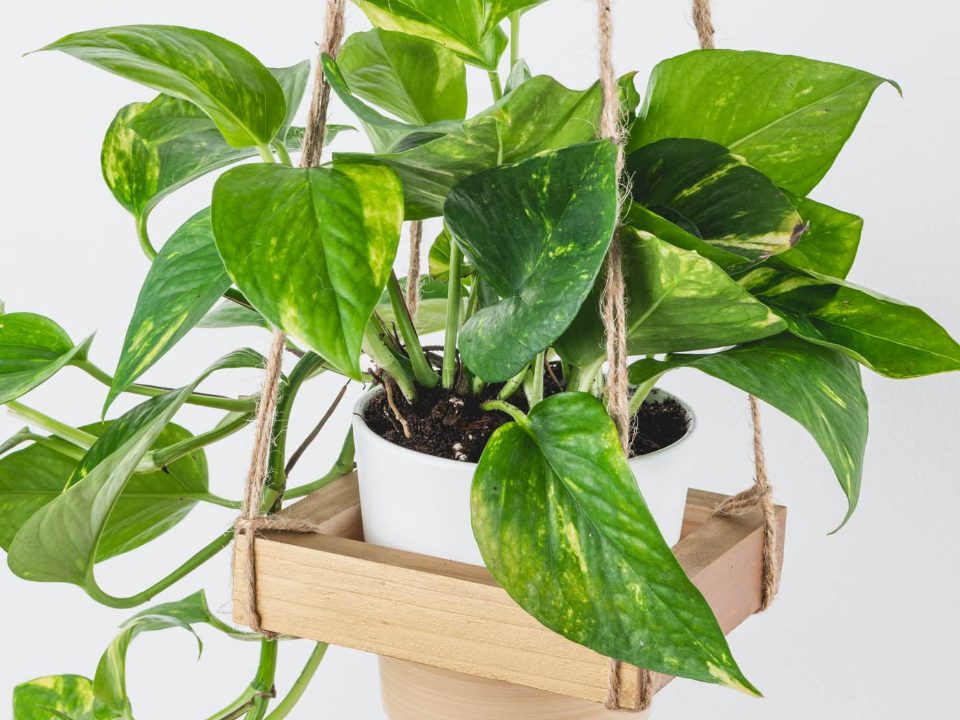
Hanging planters are an easy and attractive way to add greenery to any room, especially in winter. They can be placed from the ceiling to create a floating garden effect that does not take up any floor space. Use pots that are small but deep enough for plants like ferns, pothos, or succulents. These plants do not need direct sunlight but will thrive in indirect light.
By using hanging planters, you can add layers of greenery to your home without crowding your space. It also offers flexibility in how you arrange them, whether in clusters or individually. Make sure your ceiling can support the weight of the planters. This idea adds depth to your space while keeping your plants healthy through the season.
Compact Indoor Garden Boxes
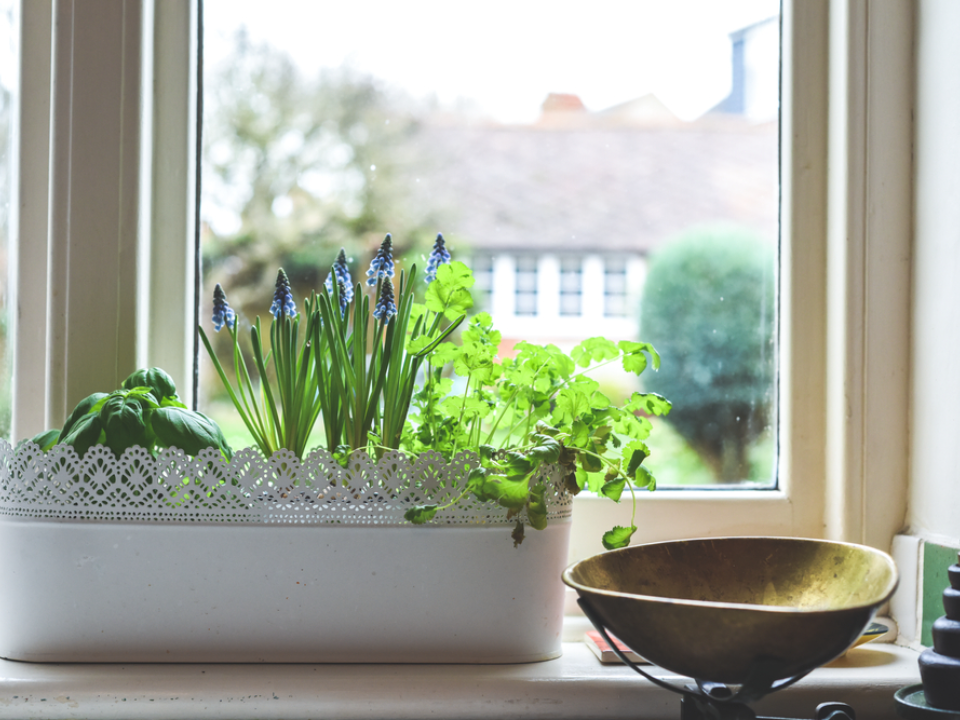
Indoor garden boxes can turn even the smallest spaces into vibrant indoor gardens. Choose a shallow box with compartments to plant different varieties of winter vegetables or flowers. These boxes can be placed on tables or windowsills, taking up minimal space while providing a decorative element. Consider plants like spinach, kale, or herbs, which are perfect for small containers.
These garden boxes are easy to manage and can be a rewarding project during the winter months. The compact size means you can keep them close to a light source or near a heating vent to maintain warmth. The boxes help keep the plants organized and offer a neat and tidy way to grow your indoor garden. You can harvest fresh greens even in the colder months.
Indoor Succulent Garden
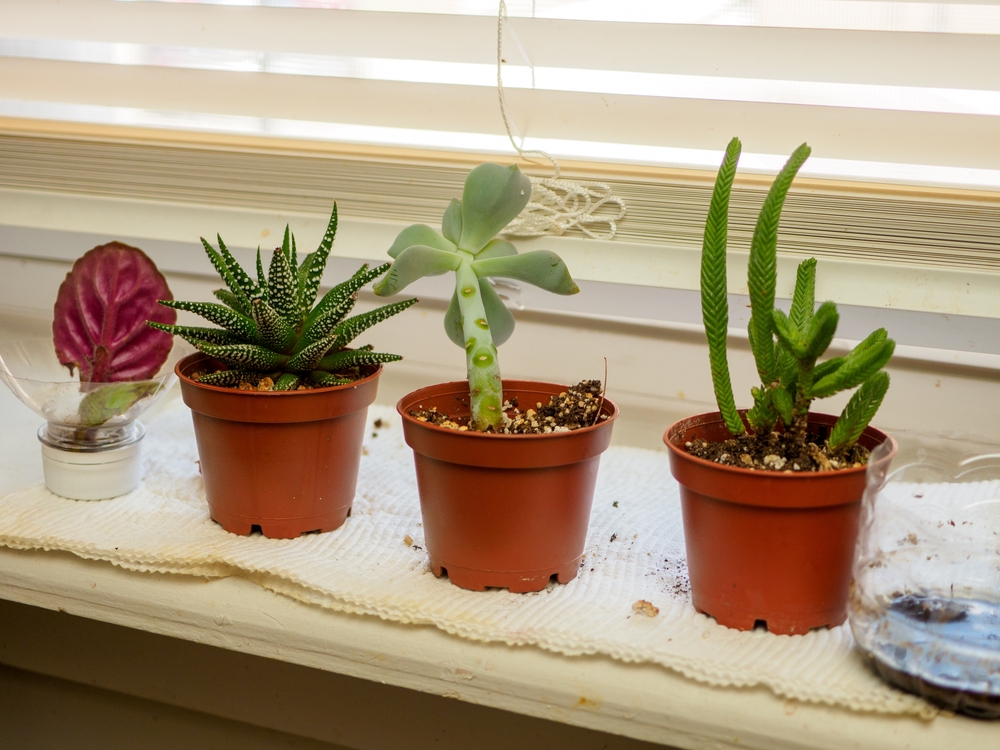
Succulent plants are an ideal choice for small-space indoor gardens because they require minimal attention and thrive in dry conditions. They need little water and can tolerate low light, making them perfect for winter. Place them in decorative pots or small trays to create a unique arrangement. Their various shapes and colors make for a visually interesting setup.
Succulents are incredibly versatile and can be grouped together in a single container or placed on a shelf for display. You can choose from a variety of species such as aloe vera, jade plant, and echeveria. These plants do not need much maintenance, which makes them an easy option for a busy lifestyle. They also help improve the air quality in your home during winter.
Indoor Terrarium
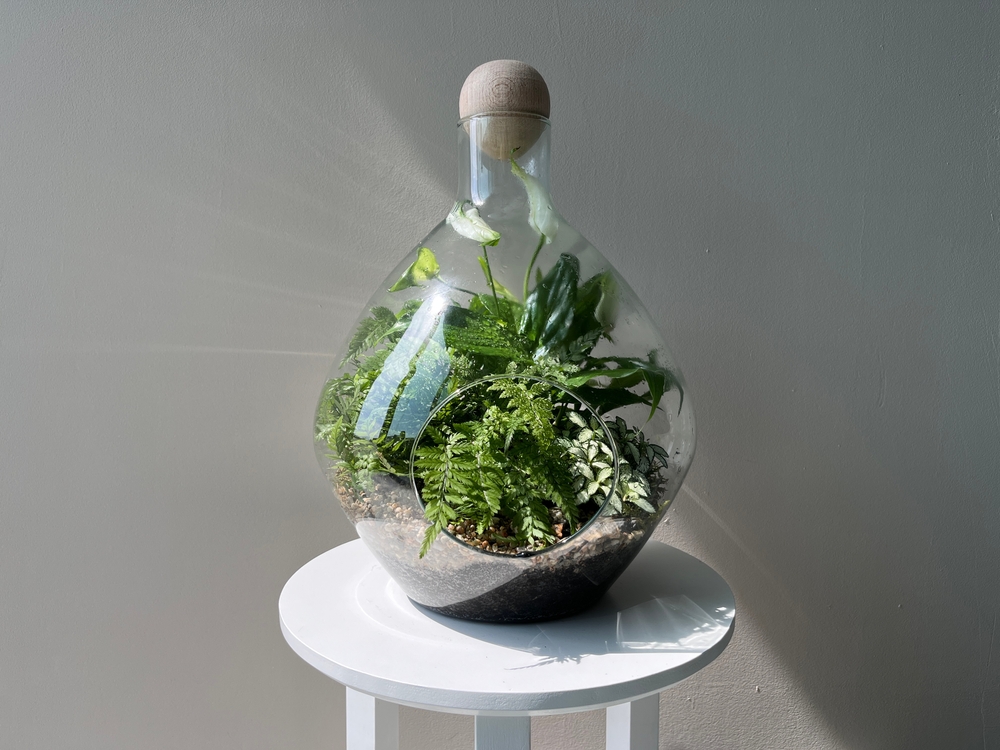
A terrarium is a small, enclosed garden that brings a bit of nature indoors, even in winter. You can create one using a glass container, such as a jar or a vase, and fill it with small plants like moss, ferns, or tiny succulents. This small indoor garden can fit in tight spaces, like shelves or countertops, and adds a touch of green without needing much care.
Terrariums are ideal for those who want a low-maintenance option. The closed environment creates its own humidity, making it perfect for plants that require moisture. You can personalize your terrarium with decorative stones or figurines to match your home decor. The visual appeal and compact size make it a wonderful addition to any small room.
Countertop Indoor Garden
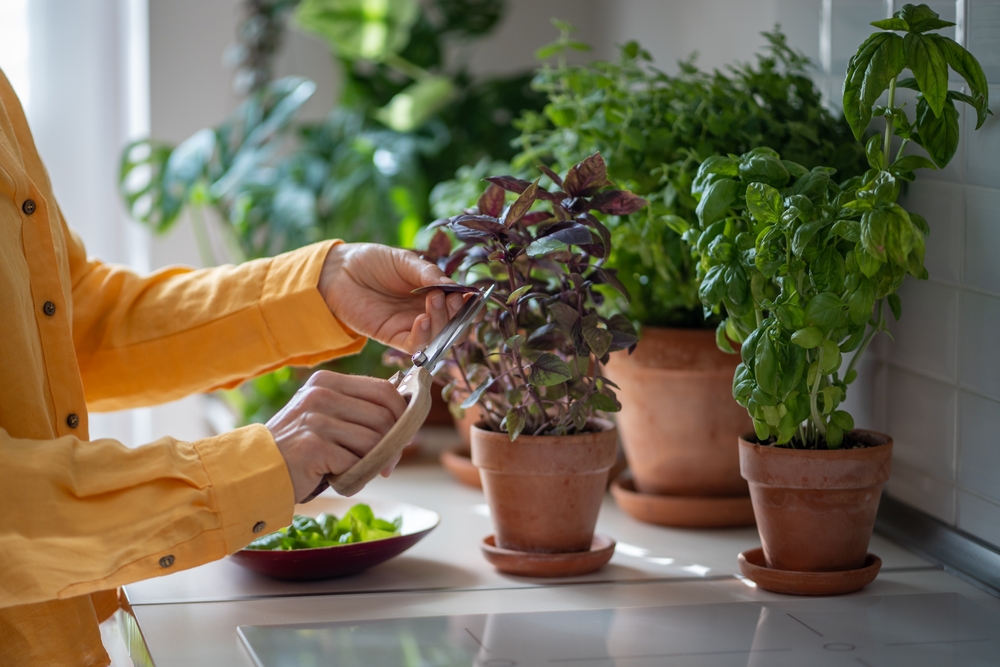
A countertop indoor garden is a great option for creating a small but effective plant display in your kitchen or living area. A few small plants, like herbs, lettuces, or succulents, can be placed in containers on the countertop, easily accessible for cooking or decoration. These types of gardens are compact and can be rotated out depending on what you want to grow for the season.
Countertop gardens bring a touch of nature to even the busiest parts of your home. They provide fresh, home-grown produce right at your fingertips, and taking care of them can be a relaxing experience. Keep the plants near a window to ensure they get enough light, and water them when necessary. The simplicity and functionality of this setup make it a popular choice.
Grow Lights for Indoor Plants
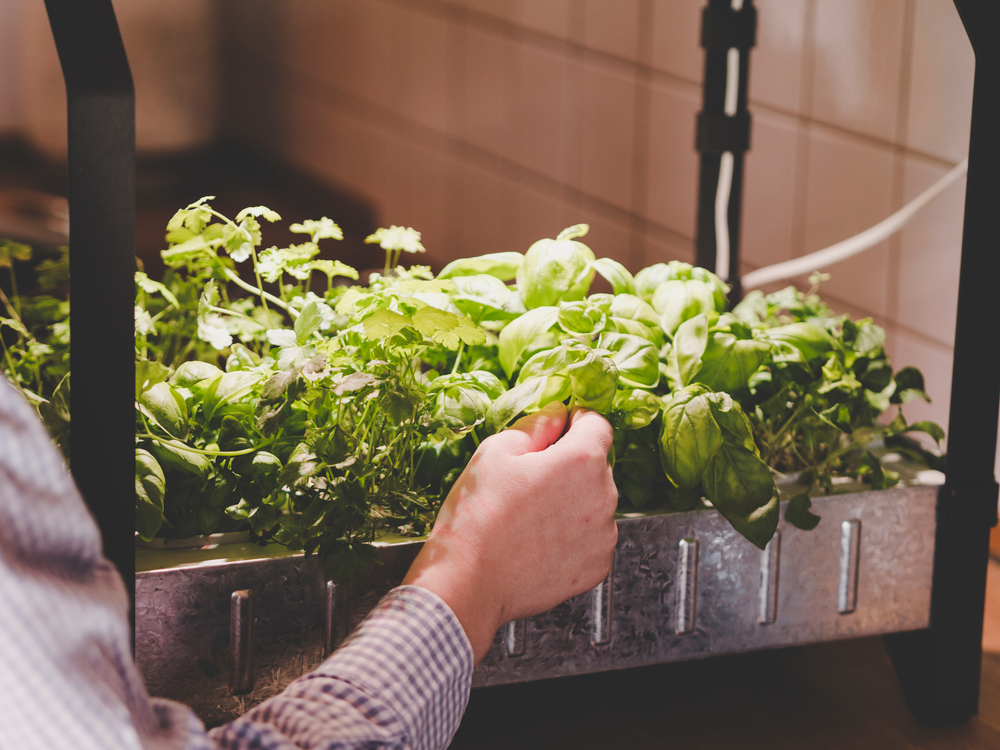
Using grow lights is a practical solution for small indoor gardens that lack natural sunlight. These lights can be placed above your plants to provide the necessary light for photosynthesis, helping plants grow healthy even during the winter months. Grow lights come in various forms, such as bulbs, strips, or panels, and can be mounted easily above shelves or windowsills.
Grow lights are essential for maintaining plant health when natural sunlight is limited. Many plants, especially herbs and vegetables, thrive under the artificial light provided by these devices. By investing in grow lights, you can expand your indoor garden options and ensure your plants receive the light they need throughout the winter. Consider using full-spectrum lights for the best results.
Miniature Greenhouse
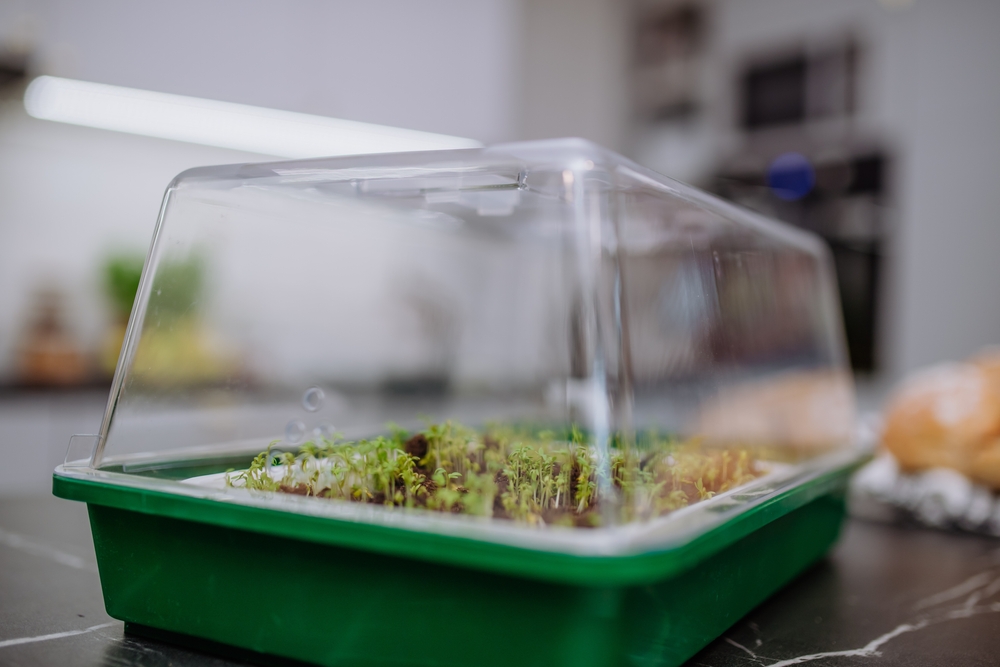
A miniature greenhouse is a great way to create a controlled environment for your plants, even in the smallest of spaces. These small greenhouses can fit on windowsills or balconies, offering protection from the cold while allowing plants to receive natural sunlight. You can use it to grow small plants, such as herbs or flowers, that need a little extra care.
Miniature greenhouses are perfect for the winter months, providing a warm, humid environment that supports plant growth. The small size allows it to be easily placed inside your home without taking up too much room. These greenhouses are also easy to maintain, requiring little effort to keep your plants thriving. It can become an essential part of your indoor gardening setup.
Floating Plant Shelves
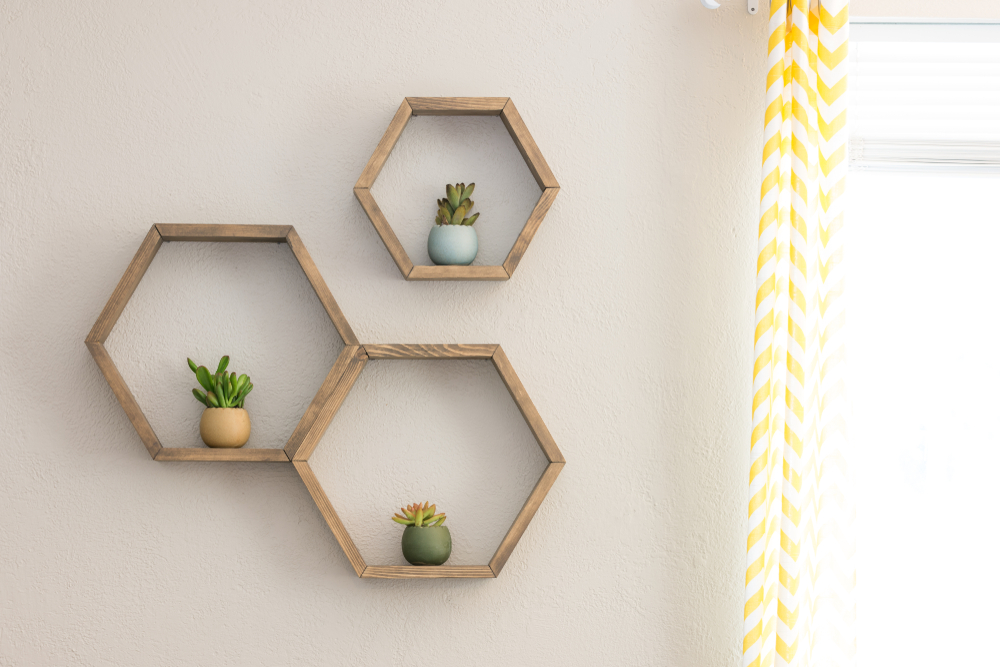
Floating plant shelves are a clever way to utilize wall space while showcasing your plants. These shelves do not take up any floor space, leaving the room feeling open and airy. You can mount them in a variety of places, such as above a desk or near a window, to give your plants the light they need.
With floating shelves, you can organize your plants by size or type, making them easy to maintain. Small pots of herbs, succulents, or vines work perfectly on these shelves. The minimalist design allows the plants to become the focal point of the room. This method is both efficient and visually appealing for small indoor spaces.
Compact Hydroponic Garden
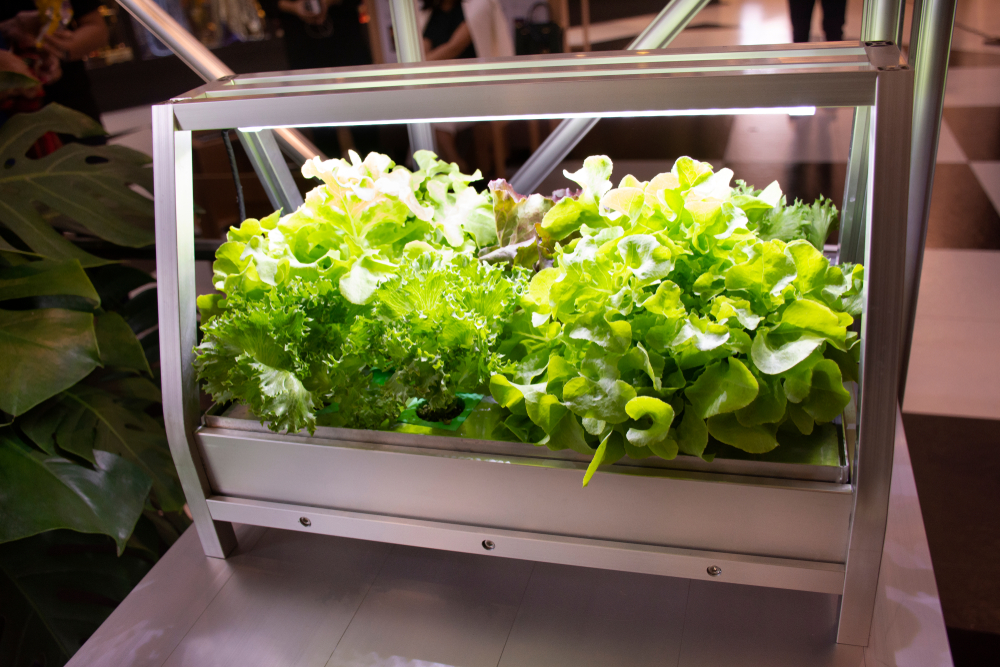
A hydroponic garden is a soil-free option that works perfectly in small spaces. By using water and a nutrient solution, plants can grow efficiently in a small container. Hydroponic systems can be set up on countertops, windowsills, or small tables, allowing you to grow a variety of plants indoors.
Hydroponic gardens are ideal for winter, as they do not require soil or much sunlight. The plants grow faster and healthier due to the nutrient-rich water. You can grow herbs, leafy greens, or even flowers using this method. It is an innovative and space-saving way to keep your indoor garden thriving throughout the cold months.
Indoor Bonsai Garden
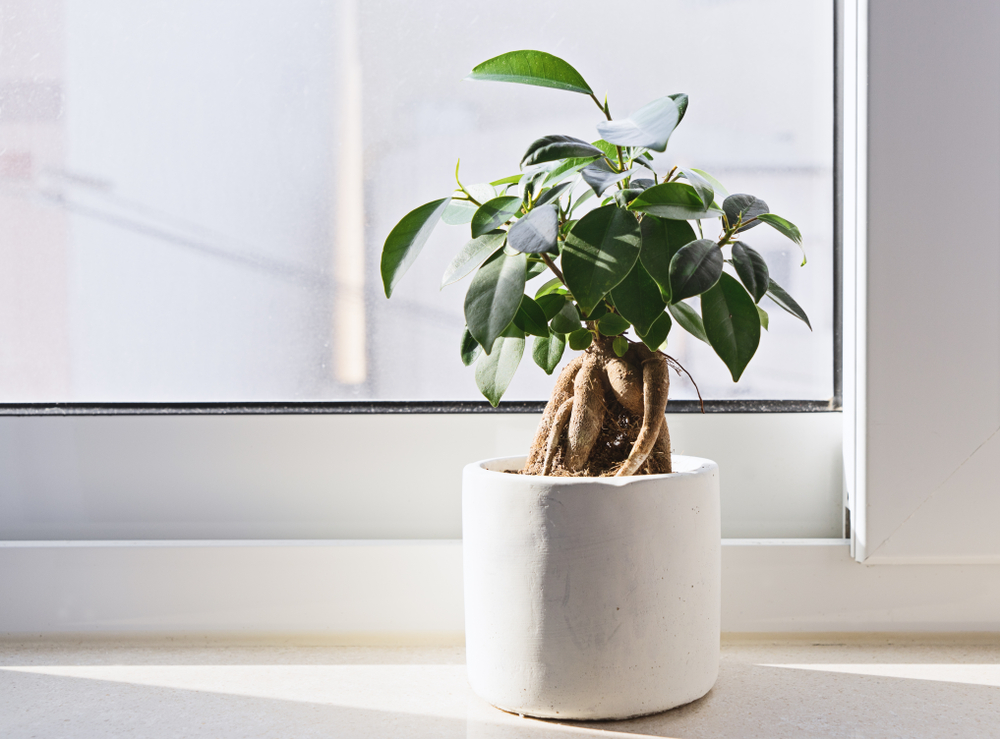
Bonsai trees are ideal for small-space indoor gardening because of their compact size and elegant appearance. These miniature trees can be placed on tables or shelves, making them a perfect fit for small rooms. Bonsai requires a bit of patience, but the reward is a beautiful tree that thrives indoors throughout the winter.
Caring for a bonsai tree is a mindful and rewarding practice. You will need to prune and shape the tree to maintain its size and appearance. Bonsai trees, like juniper or ficus, can adapt well to indoor conditions with the right care. They bring tranquility and natural beauty to small spaces.
Mini Indoor Citrus Tree
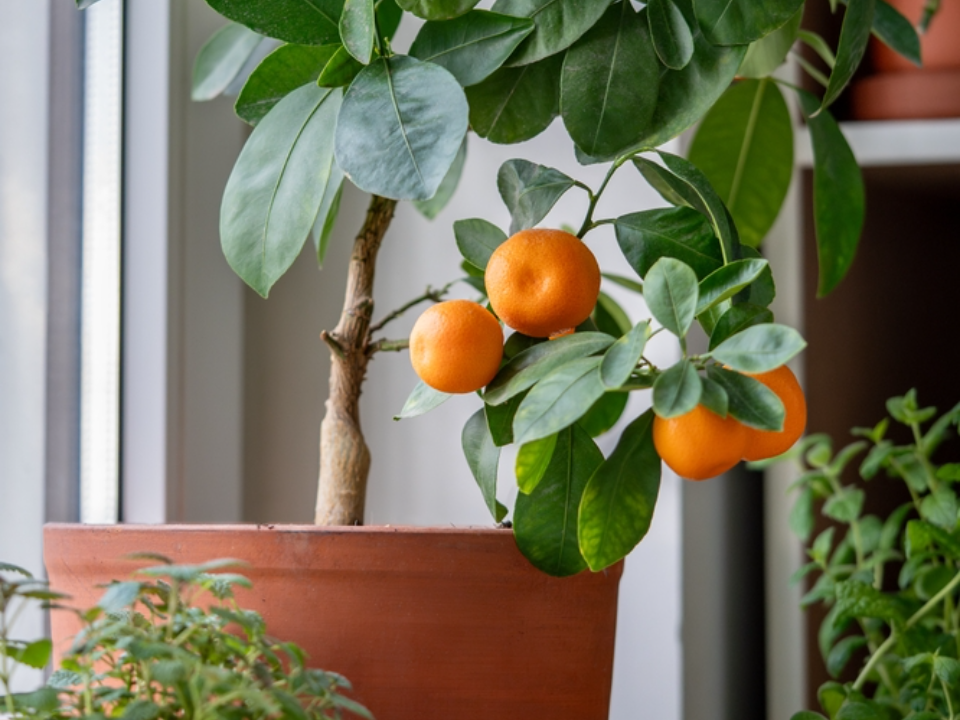
A mini indoor citrus tree is a fun and practical way to grow fresh fruit indoors. Compact varieties of citrus trees, like dwarf lemon or lime trees, can thrive in small containers. These trees can be placed near windows where they get bright, indirect light. The small size makes them perfect for apartment living or rooms with limited space.
Caring for a mini citrus tree is easy, requiring regular watering and occasional feeding. The bright green leaves and small, fragrant fruits make it a charming addition to any space. Plus, the tree adds a refreshing scent to your home, especially during the winter months. Growing your own citrus indoors can bring a unique touch to your indoor garden setup.
This article originally appeared on Avocadu.