
10 Small-Kitchen Tricks That Make Holiday Cooking Easier
Holiday cooking can feel overwhelming when space is limited, especially when multiple dishes need attention at the same time. A small kitchen requires thoughtful planning, smart use of available space, and a clear approach to timing. Simple adjustments can make prep work smoother and reduce unnecessary stress during busy cooking hours. With the right setup, even a compact kitchen can handle festive meals without feeling crowded.
This post may contain affiliate links, which helps keep this content free. Please read our disclosure for more info.
Clear the Counters Before You Start
In a small kitchen, counter space becomes limited very quickly during holiday cooking. Removing items that are not needed for the meal opens up room for chopping, mixing, and assembling dishes. Decorative pieces, paper stacks, and unused appliances can be moved out for the day. This gives you one clear zone where food prep stays organized. A clean surface also makes it easier to clean spills as you work.
Starting with open counters helps the kitchen feel less crowded right away. It reduces the need to constantly shift bowls or cutting boards from one spot to another. With fewer items in the way, movements feel smoother and less rushed. This also lowers the risk of knocking things over. A clear setup sets a steady pace for the entire cooking process.
Use the Oven in Stages Instead of All at Once
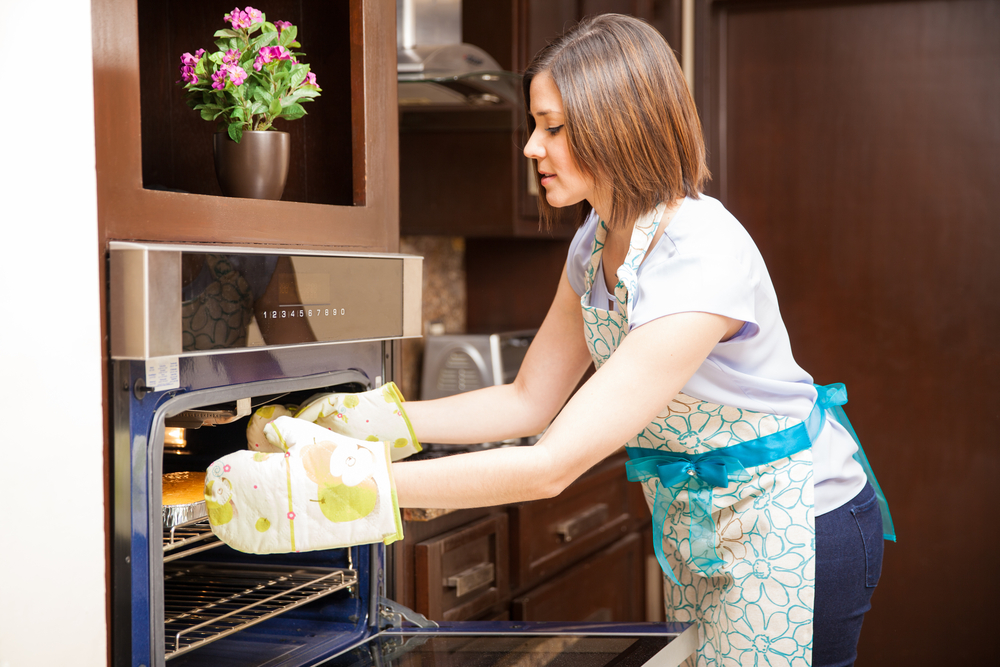
Trying to cook everything at the same time can overwhelm a small kitchen quickly. Planning oven use in stages helps prevent backups and frustration. Dishes like casseroles, roasted vegetables, and desserts can be cooked earlier and warmed later. This approach keeps the oven available for foods that must be served hot. It also spreads out work more evenly throughout the day.
Cooking in stages reduces crowding around the oven area. It gives you more control over timing and temperature changes. This helps avoid rushed decisions when several dishes compete for space. A simple written plan keeps everything on schedule. This method keeps the kitchen calmer during peak cooking hours.
Prep Ingredients the Day Before
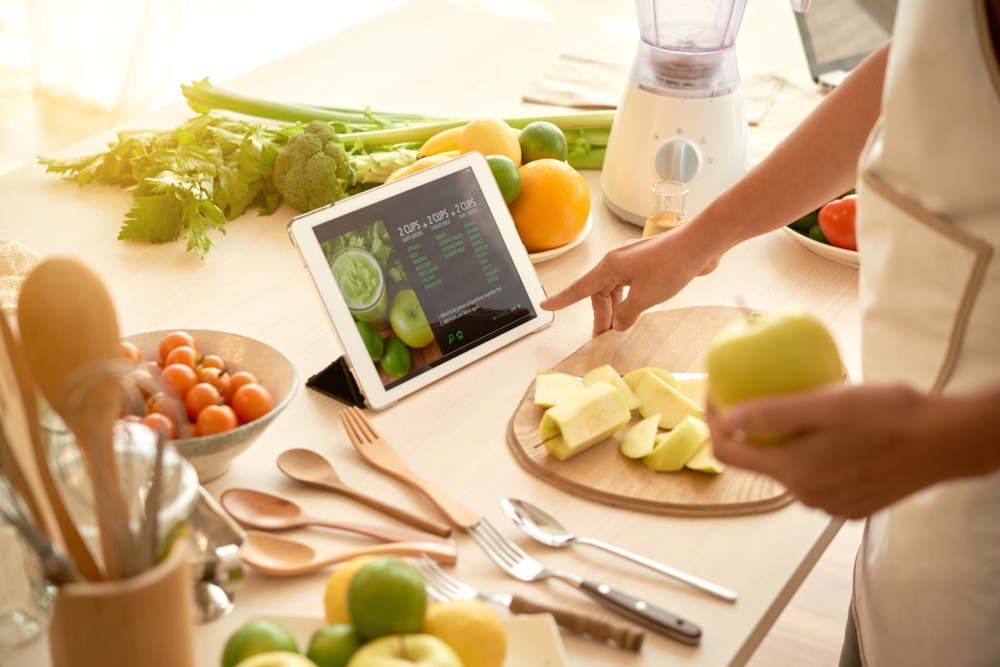
Holiday meals involve many steps that take up valuable space. Chopping vegetables and measuring ingredients ahead of time reduces pressure on cooking day. Prepped items can be stored in containers that stack neatly in the fridge. This keeps counters clearer when cooking begins. It also shortens the time spent standing in a tight space.
Early prep also limits how many tools are needed at once. Knives and cutting boards can be cleaned and put away before the rush starts. This leaves more room for mixing bowls and hot dishes later. It also helps keep the sink from filling too quickly. Having ingredients ready makes cooking feel more controlled.
Use Multi-Use Cookware
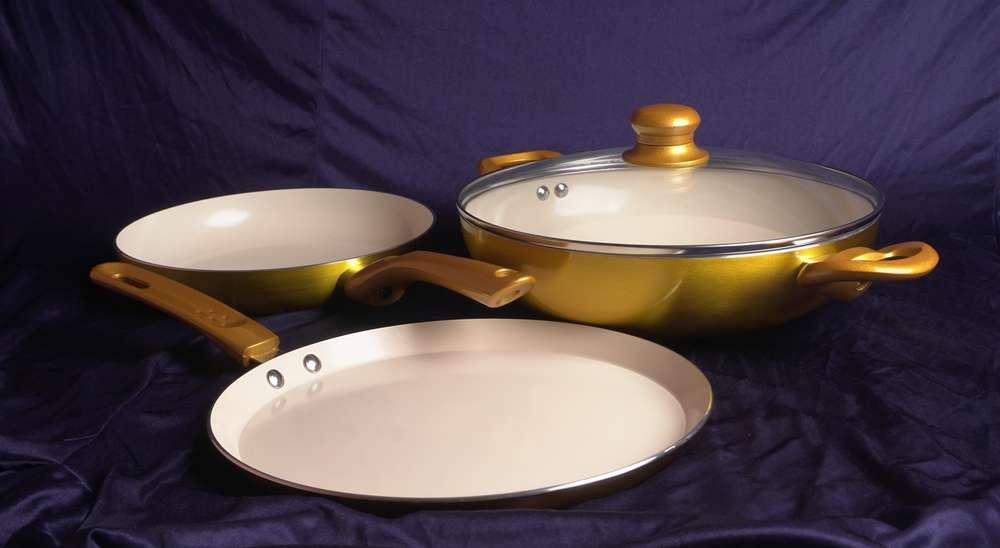
In a small kitchen, cookware that handles more than one task saves space. A large skillet can be used for browning, sautéing, and even baking certain dishes. A sturdy baking dish can move from oven to table without extra transfers. This reduces the number of items sitting on counters. It also cuts down on storage needs.
Fewer cookware pieces also mean fewer items to clean. This helps keep the sink from becoming crowded during cooking. With less clutter, it is easier to stay organized. Tools are quicker to grab when needed. This makes cooking flow more smoothly in a limited space.
Turn the Table Into a Prep Station
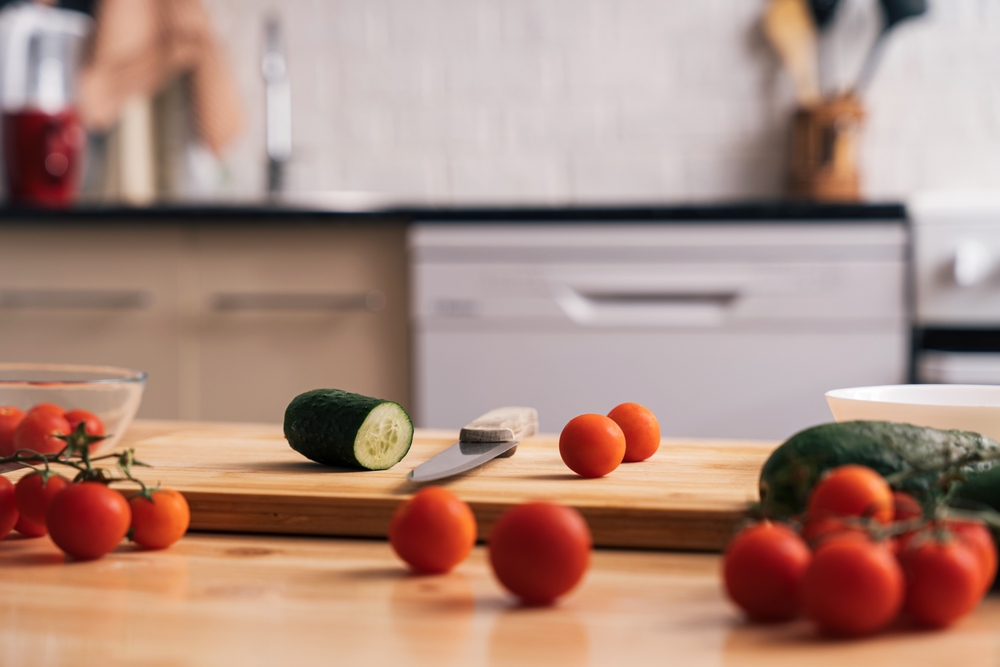
When counters fill up, the kitchen table can become a valuable workspace. A clean cutting mat or towel protects the surface during prep. This allows chopping or assembling dishes away from the stove area. It gives more than one person room to work comfortably. This keeps traffic from piling up in one spot.
Using the table spreads tasks across the room. One person can prep while another cooks without bumping into each other. This makes teamwork easier in tight quarters. Once prep is finished, the table can be cleared again. The space adjusts as cooking needs change.
Keep Frequently Used Tools Within Reach
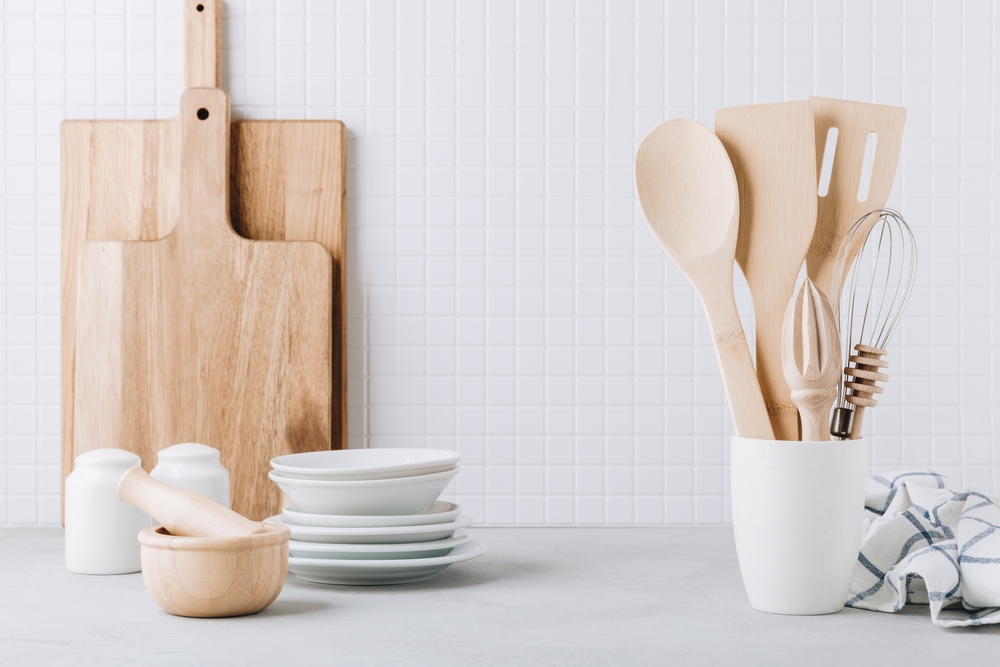
Searching through drawers wastes time and adds frustration. Placing commonly used tools nearby saves space and effort. Items like spatulas, knives, and measuring cups can sit in a small container. This keeps them accessible without cluttering counters. It also limits unnecessary movement.
Having tools within reach keeps tasks moving steadily. It reduces interruptions during cooking steps. The kitchen feels calmer when everything has a place. This also prevents tools from piling up randomly. A simple setup makes a big difference in small kitchens.
Choose Recipes With Similar Ingredients
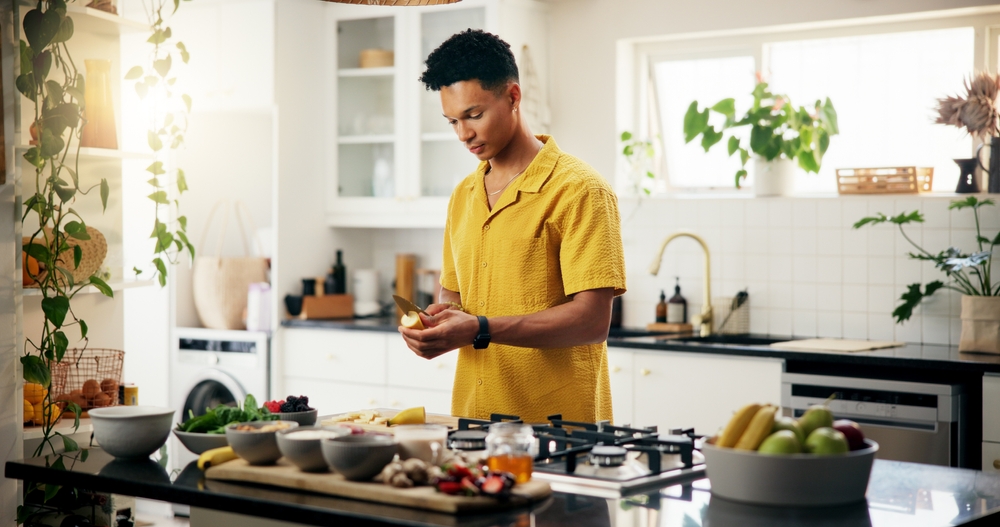
Using recipes that share ingredients reduces clutter quickly. Fewer items need prep space on the counter. Shopping becomes simpler with a shorter ingredient list. Storage in the fridge is easier to manage. This keeps everything more organized.
Similar ingredients also reduce prep tools. One cutting board can handle several dishes. This saves washing time during busy hours. It also limits how many containers are open at once. The kitchen stays neater throughout the day.
Stack and Nest Whenever Possible
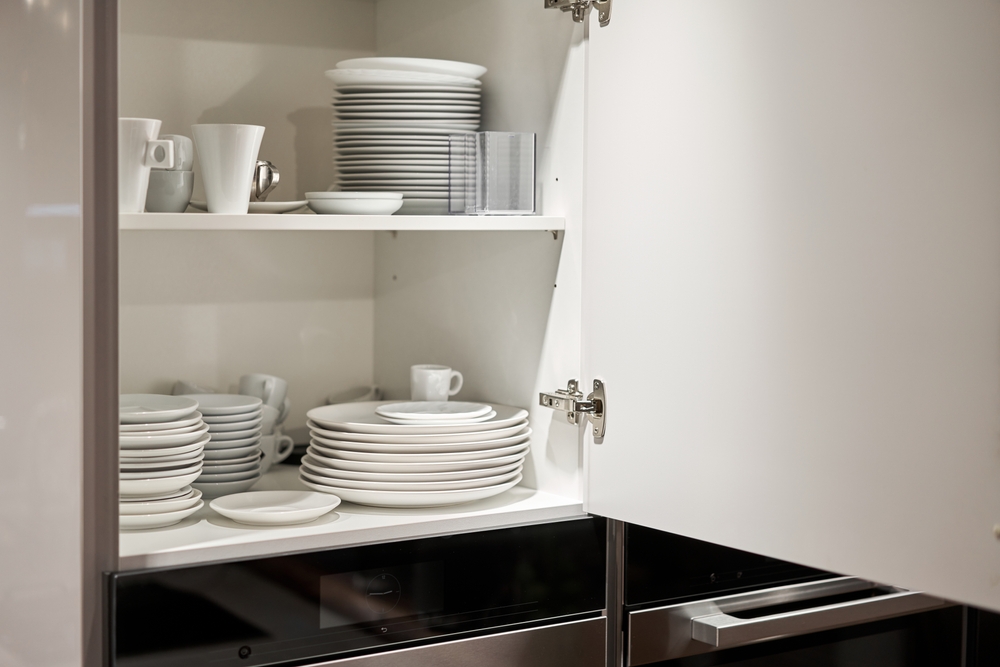
In a small kitchen, unused vertical space often goes unnoticed during holiday cooking. Stacking bowls, plates, and prep containers keeps counters from filling up too quickly. Nesting measuring cups and mixing bowls allows more items to stay within reach without spreading out. Cabinets feel more functional when items fit together neatly. This approach leaves more open space for active cooking tasks.
Stacking also helps control mess during busy moments. Dirty dishes can be placed in neat piles instead of scattered across the counter. This keeps work areas usable throughout the day. It also prevents the kitchen from feeling chaotic as cooking continues. A more organized setup makes cleanup easier once the meal is done.
Limit the Number of Dishes on the Menu
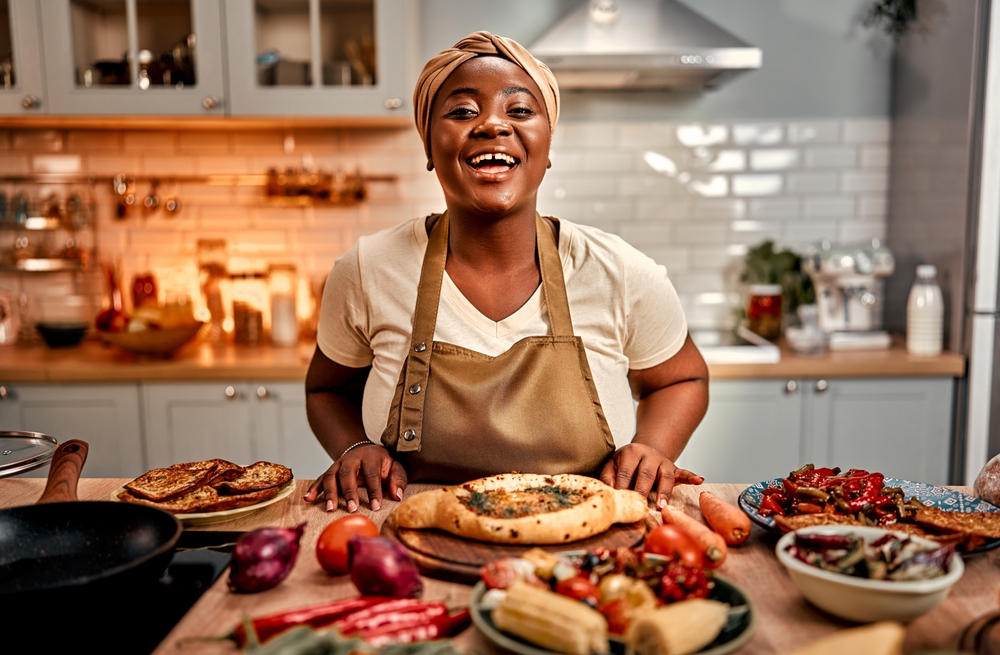
Preparing too many dishes can overwhelm a small kitchen very quickly. Each additional dish requires counter space, cookware, and time. Focusing on fewer items allows you to manage space more carefully. It also makes timing easier when oven and stove access is limited. A simpler menu often leads to a smoother cooking experience.
Limiting dishes helps reduce clutter as cooking progresses. Fewer pots and pans compete for space on the stove. Prep work stays more controlled and easier to track. This approach allows you to give attention to each dish without rushing. Guests often enjoy a thoughtful selection more than an overcrowded spread.
Use Sheet Pans for Multiple Tasks
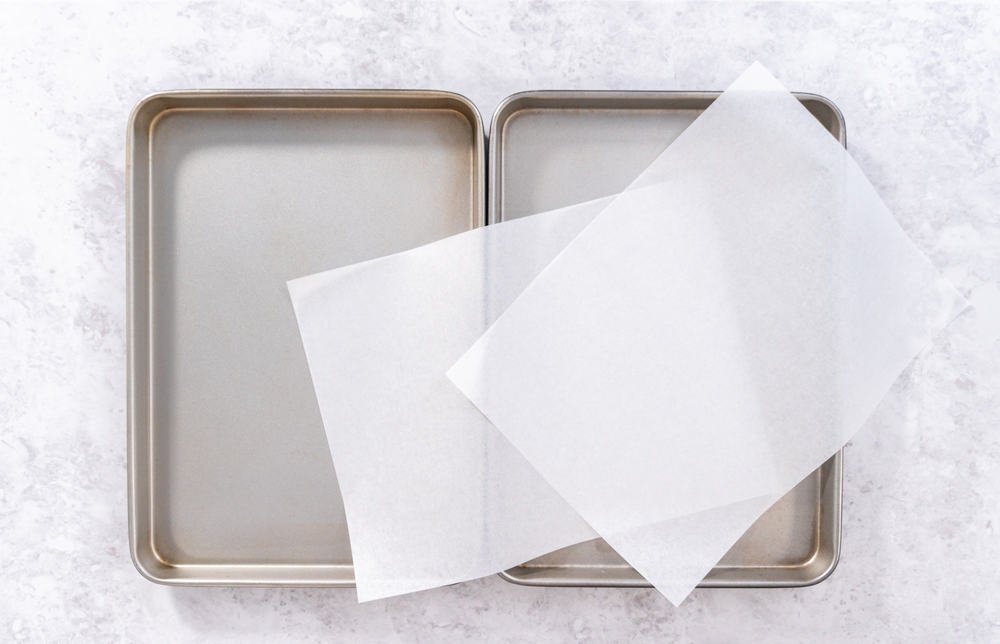
Sheet pans offer a wide surface that works well in small kitchens. They can hold chopped vegetables, seasoned proteins, or finished items waiting for the oven. Using one pan for multiple steps keeps counters from filling with bowls. Lining pans with foil or parchment helps speed cleanup later. This makes them useful throughout the cooking process.
Sheet pans are easy to move when space is needed elsewhere. They can slide onto shelves, tables, or even the stovetop when cool. This flexibility helps manage tight work areas. Using fewer large pans instead of many small ones keeps things simpler. This method supports steady progress without overcrowding the kitchen.
This article originally appeared on Avocadu.