
13 Small Greenhouse Tweaks That Keep Seedlings Happier
Seedlings are particularly vulnerable to mold and fungus when the weather gets colder. But with a little care and attention, you can keep them safe. Tackling these issues early on is crucial to their success. In this article, you’ll find practical solutions to prevent mold and fungus from spreading. Protect your plants and help them thrive throughout the winter.
This post may contain affiliate links, which helps keep this content free. Please read our disclosure for more info.
Optimize Temperature Control
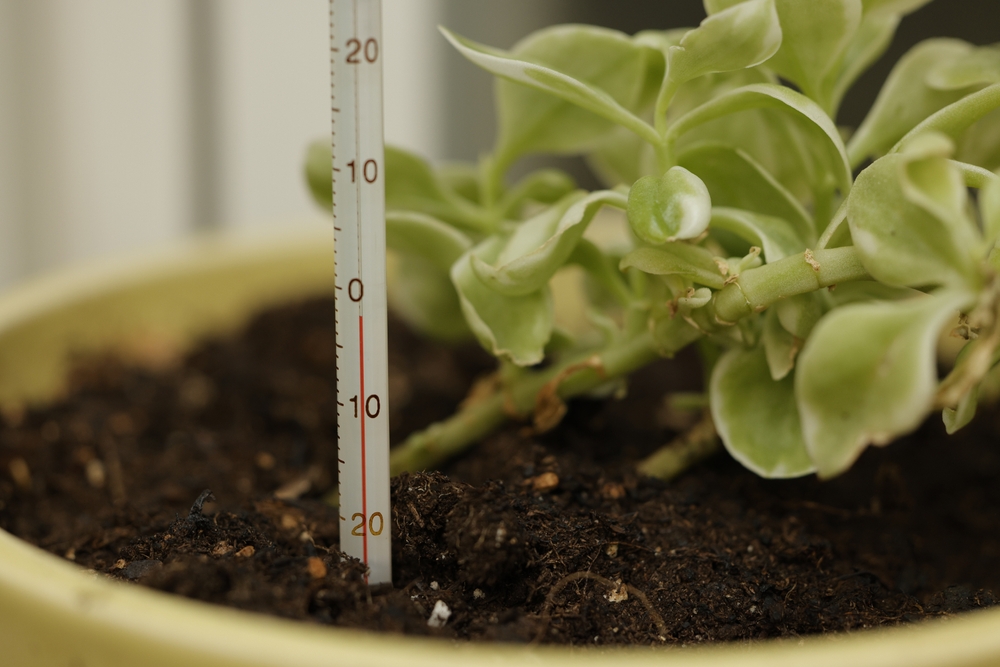
Temperature regulation is one of the most important factors in maintaining a healthy greenhouse. Seedlings can become stressed if temperatures swing too high or low, leading to stunted growth. A reliable thermometer is crucial to monitor the temperature at all times. You can adjust temperatures by using heating mats during colder months or by providing shade when the weather gets too warm.
Adding a thermostat that controls your greenhouse’s heating system can help you maintain a consistent temperature. Avoiding large fluctuations in temperature ensures that your seedlings grow strong and evenly. Consistency is the key to promoting steady, healthy growth in your plants.
Use Grow Lights
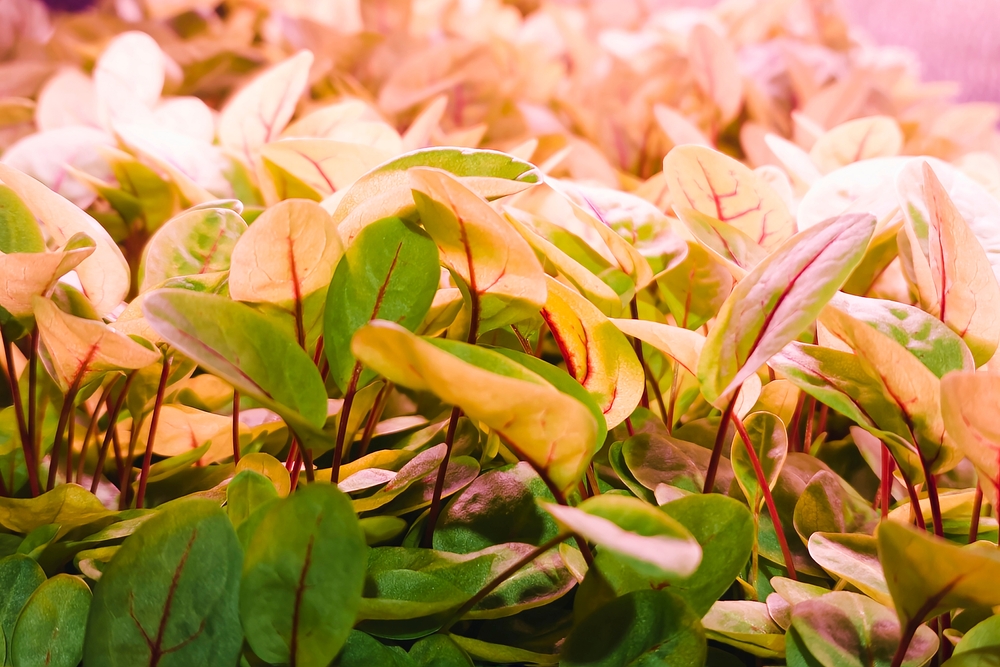
If your greenhouse is located in an area with limited sunlight, using grow lights can significantly improve seedling growth. LED or fluorescent lights are energy-efficient and can be placed strategically to supplement natural light during the shorter winter days. Position lights above the seedlings at a distance of about 12 to 18 inches to avoid burning the plants.
Grow lights provide seedlings with the extra light they need to thrive when natural sunlight is insufficient. They also help ensure that seedlings do not become leggy or weak. By ensuring your seedlings receive enough light, you help them develop strong roots and healthy foliage, essential for successful transplanting.
Improve Drainage
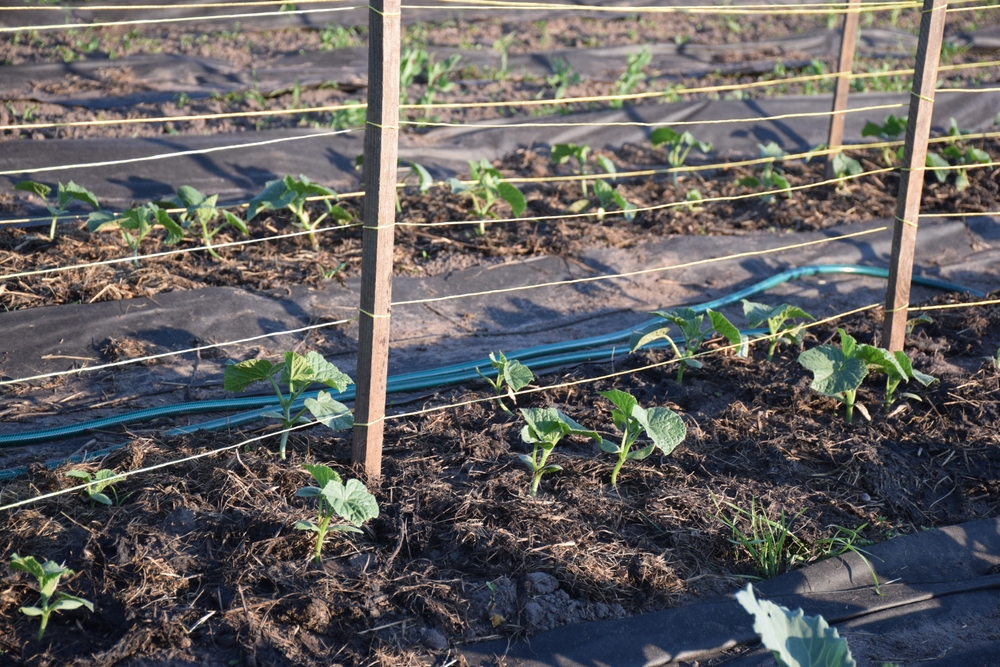
Good drainage is critical to prevent waterlogging, which can lead to root rot and mold in your greenhouse. Ensure that your containers or trays have proper drainage holes, and avoid overwatering seedlings. You can also use potting mixes with excellent drainage properties, such as those containing perlite or vermiculite, to help prevent the soil from becoming too saturated.
Adding a layer of gravel or small stones to the bottom of your containers will further improve drainage. In addition, elevate your seedling trays or containers slightly above the ground to allow water to drain freely. This small tweak can go a long way in maintaining the health of your seedlings, ensuring that they have the proper balance of moisture and airflow.
Install Shade Cloth
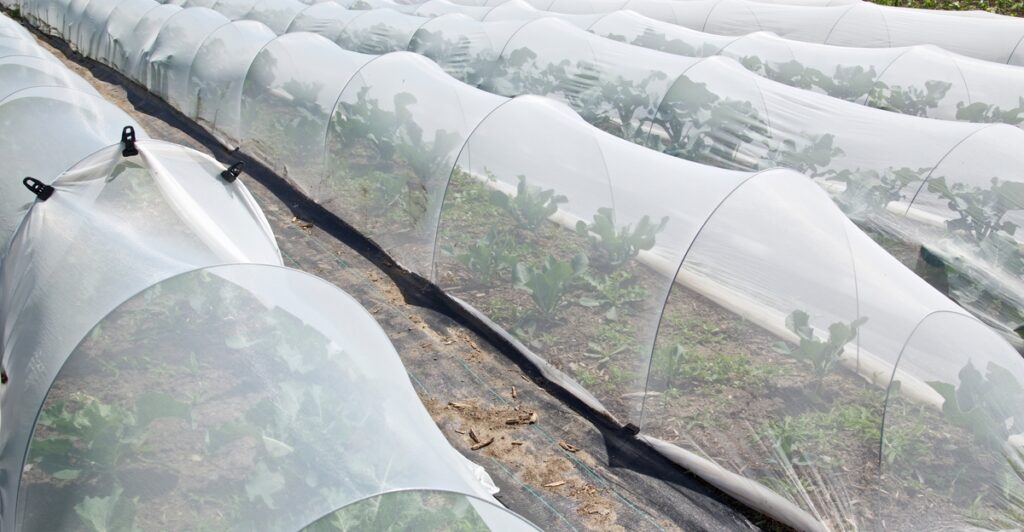
During hot months, too much direct sunlight can cause seedlings to overheat and dry out quickly. Installing shade cloth can protect your plants from intense sunlight while still allowing them to receive adequate light for growth. Shade cloth is available in different percentages of light filtration, so choose one that matches the needs of your specific plants.
Use the cloth to cover parts of the greenhouse, or even drape it over individual trays that are more sensitive to sunlight. It’s especially useful for seedlings that prefer cooler, indirect light. With the right amount of shade, your seedlings will be protected from sunburn while still growing strong and healthy.
Use Raised Seed Trays
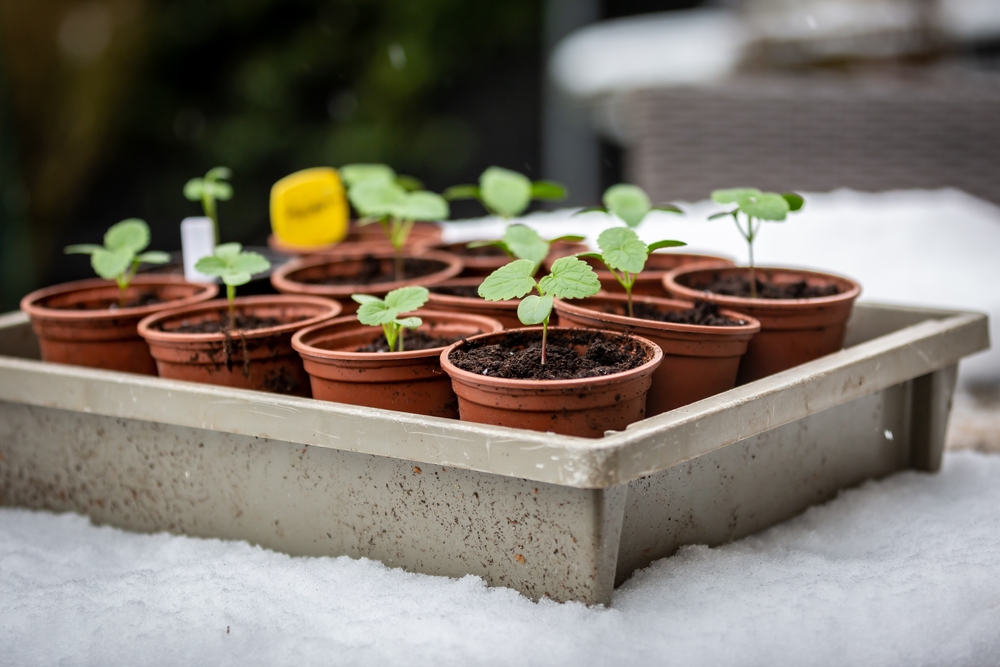
Raised seed trays can be a game-changer for your greenhouse setup. These trays provide better airflow and help prevent the seeds from sitting in water, which can lead to mold and mildew. By elevating the trays, you also make it easier to monitor your seedlings and manage watering schedules more effectively.
The raised trays also help with drainage and improve access to light, ensuring that your seedlings grow evenly. You can position the trays in areas that receive the most sunlight, optimizing their exposure. This tweak provides better control over your plants’ environment, making it a valuable investment in their growth.
Keep Seedlings in the Right Location
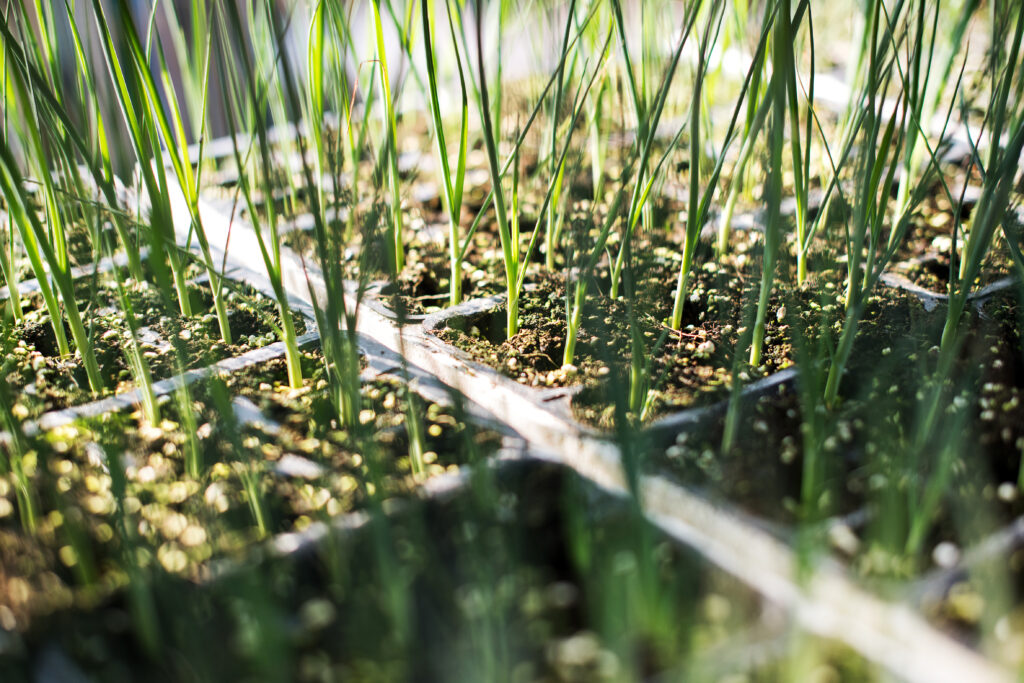
Choosing the ideal location in your greenhouse can make all the difference for your seedlings. Place delicate seedlings away from direct airflow from fans or open vents to avoid stressing them. Similarly, avoid putting plants in areas that are too close to heaters, which can dry them out quickly.
By strategically placing seedlings in areas with appropriate light levels and temperature, you give them the best possible environment to grow strong. Moving plants around as needed based on their growth stages ensures that each seedling receives the care it needs. Small changes in location can lead to big improvements in your plants’ development.
Maintain Cleanliness
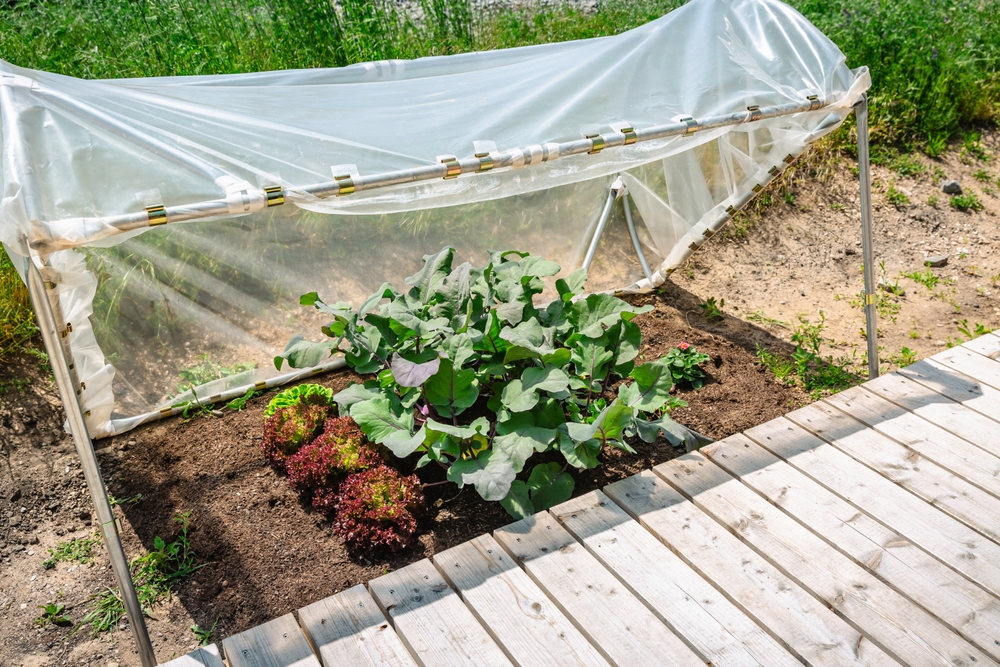
A clean greenhouse is essential to prevent the spread of disease and pests. Regularly wipe down surfaces, including shelves, trays, and containers, to remove any dirt, mold, or spores. You can also disinfect tools and equipment that come into contact with your seedlings to prevent contamination.
Cleaning the floors of the greenhouse and removing any dead leaves or plant debris is another important step in maintaining a healthy environment. Keeping the greenhouse tidy will not only help prevent the spread of disease but also encourage better airflow and light distribution. This small but effective tweak is a key part of a healthy growing space.
Use Companion Planting
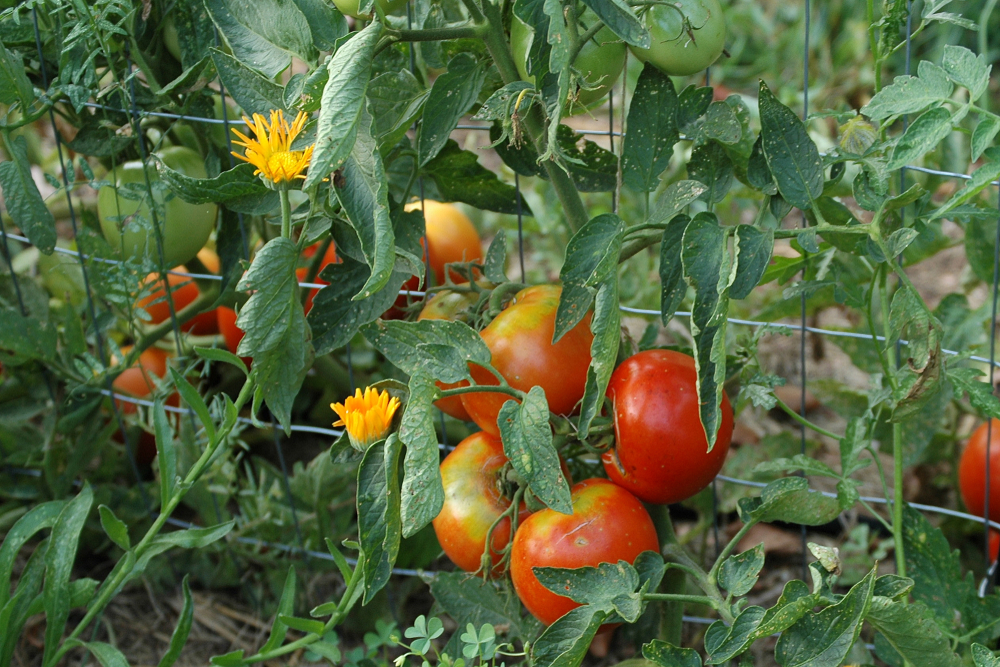
Companion planting can be a natural way to protect your seedlings from pests and improve their overall health. Some plants work well together, offering protection from harmful insects or promoting stronger growth through natural chemical interactions. For example, basil can help deter pests around tomatoes, and marigolds can ward off aphids and nematodes.
Incorporating companion plants into your greenhouse can help reduce the need for chemicals, allowing your seedlings to grow in a more organic and balanced environment. Be sure to research compatible plant pairings to make the most of this technique. This simple adjustment can encourage healthier, more resilient seedlings in your greenhouse.
Use Self-Watering Containers
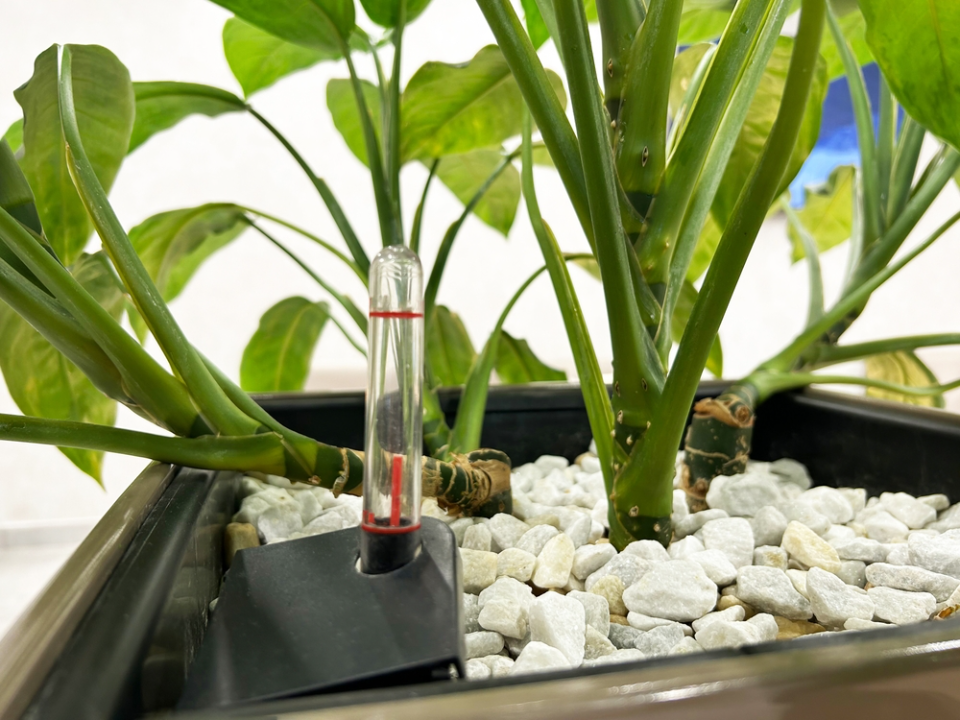
Self-watering containers are an efficient way to keep seedlings hydrated without overwatering. These containers are designed with a water reservoir at the bottom, allowing the soil to absorb moisture gradually. This ensures that seedlings receive consistent moisture without the risk of waterlogging or dry spells.
By using these containers, you reduce the need for constant monitoring and adjustment. Self-watering containers also help conserve water by only releasing it when necessary. They can make your greenhouse setup more efficient, especially when you have a large number of seedlings to care for.
Maintain Air Circulation
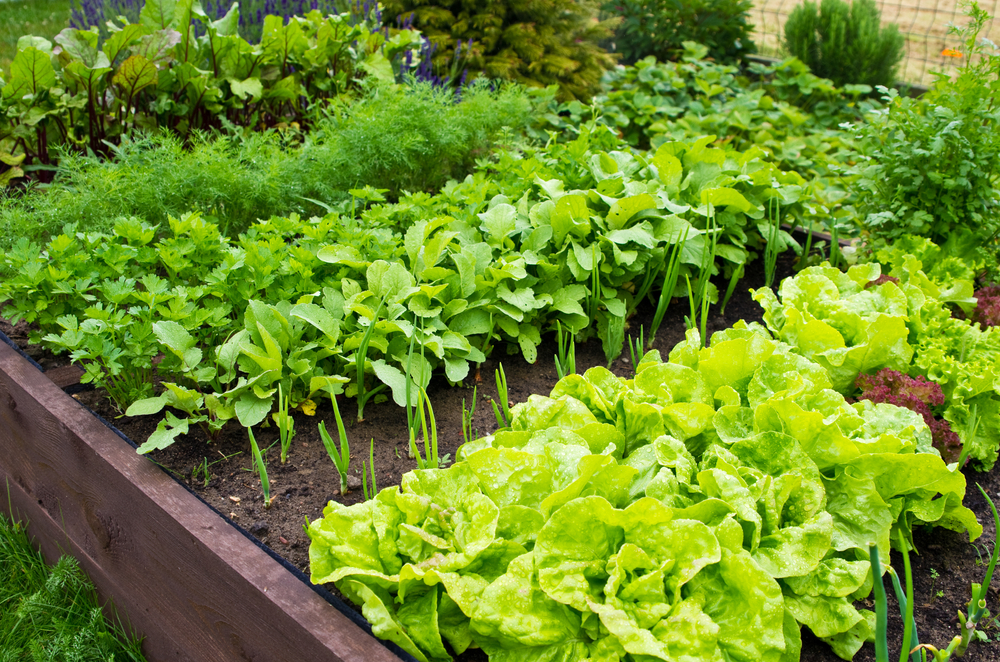
Good air circulation is crucial to avoid stagnation and moisture buildup in your greenhouse. Use small fans to ensure that air is constantly moving around the seedlings. This not only helps control humidity but also prevents fungal growth and promotes stronger plant development.
Proper airflow also helps maintain consistent temperature levels throughout the greenhouse. Without adequate air circulation, your seedlings are at risk of becoming weak or developing diseases. Keeping the air moving is a simple yet effective way to improve your greenhouse’s environment and protect your plants.
Set Up a Drip Irrigation System
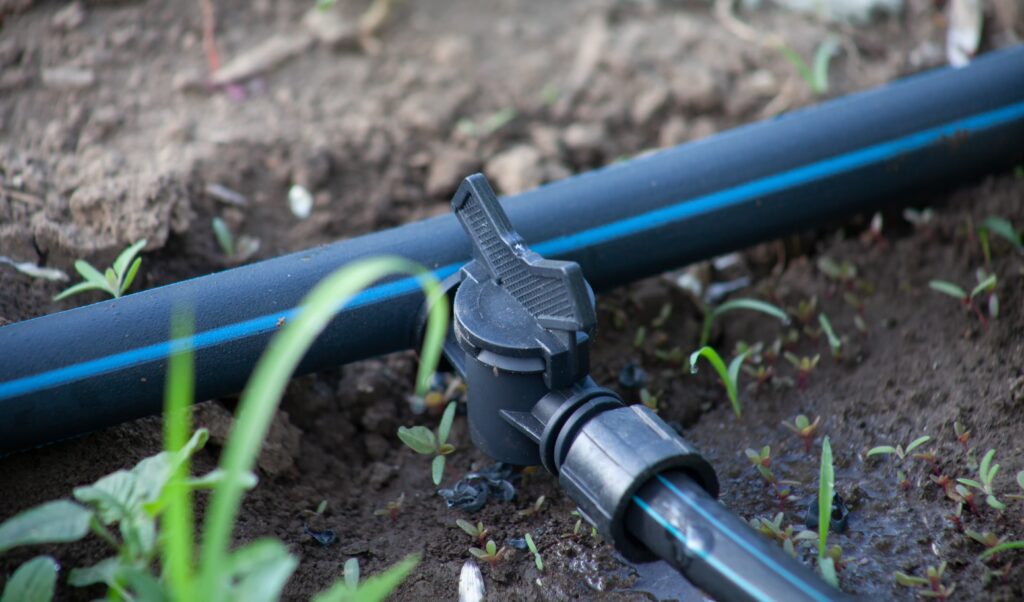
A drip irrigation system can help ensure that your seedlings receive consistent moisture without being overwatered. By using a system of pipes and emitters, water is delivered directly to the base of each plant, minimizing water waste and preventing soggy soil. This system is particularly useful for keeping moisture levels stable in larger greenhouses.
Installing a drip system is a simple way to manage your greenhouse watering needs. It also helps save time and energy by automating the process. The controlled delivery of water keeps seedlings happy without the risk of standing water that can lead to mold or root rot.
Install Roll-Up Sides
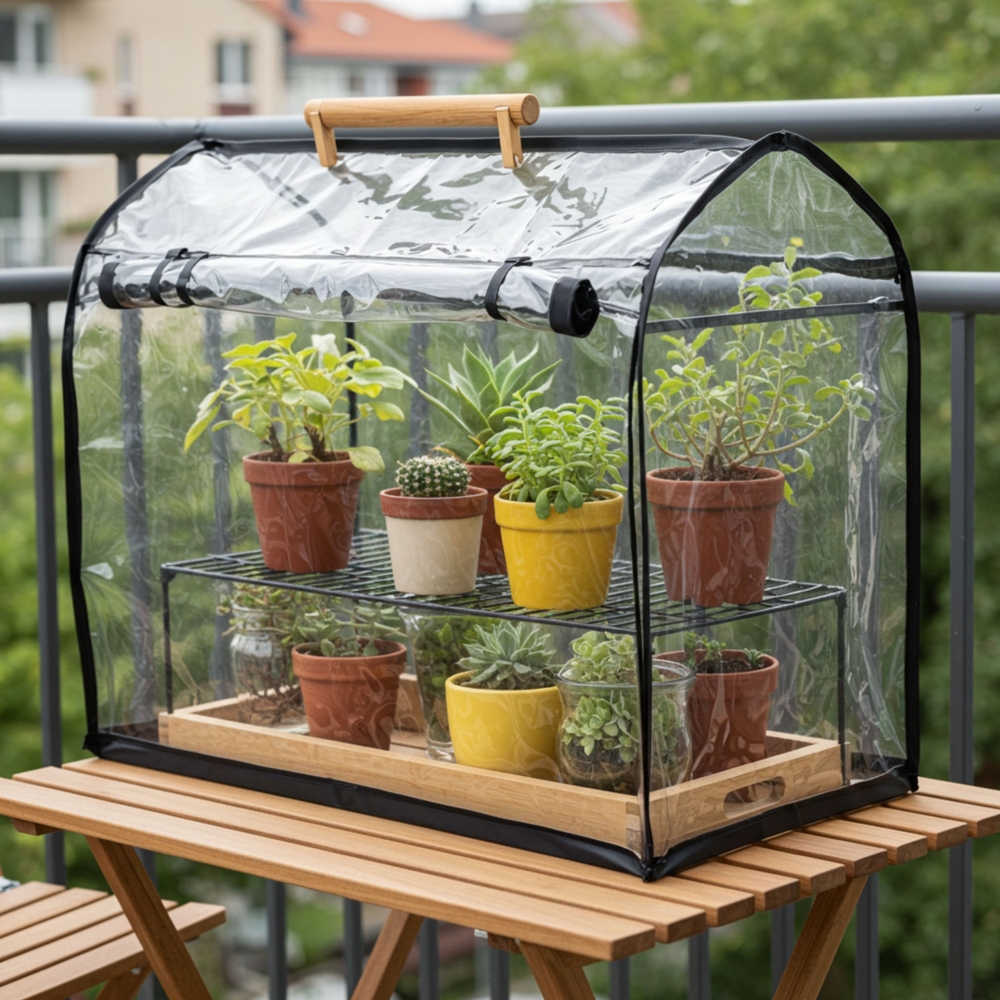
Roll-up sides on your greenhouse allow for better airflow during warmer months, improving ventilation without compromising protection from the elements. These sides can be rolled up manually or automatically, depending on your setup, providing flexibility in how much ventilation you want at any given time.
By installing roll-up sides, you give your seedlings the fresh air they need while still protecting them from wind or rain. They also help reduce the buildup of heat inside, keeping the temperature regulated. This tweak is an easy and cost-effective way to improve your greenhouse’s overall environment.
Use Mulch to Protect Seedlings
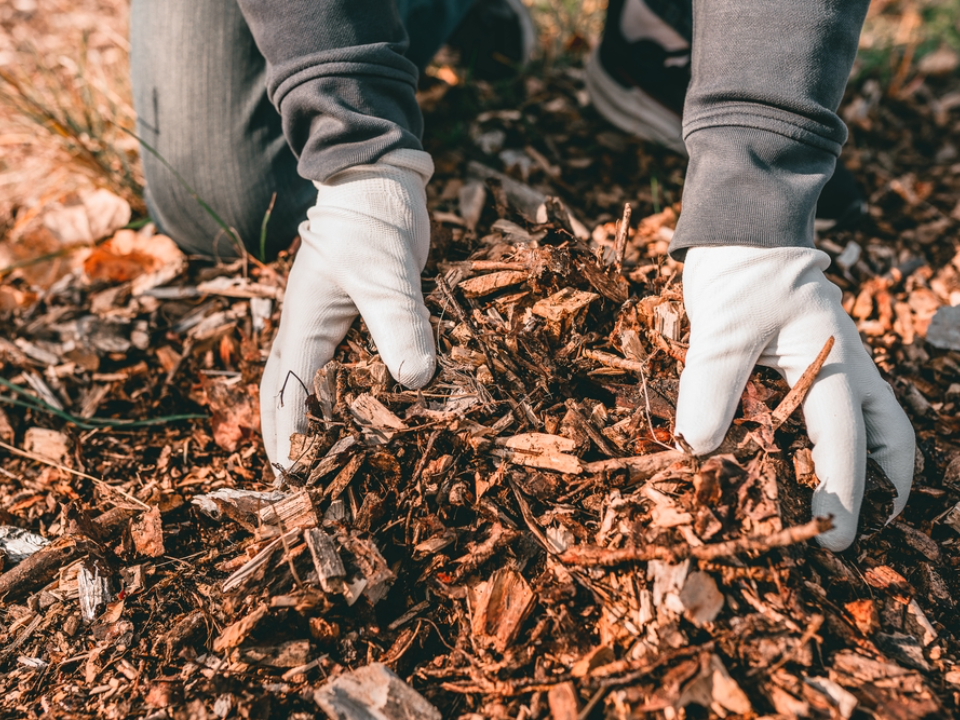
Mulching around your seedlings can provide a range of benefits, from moisture retention to pest control. A thin layer of organic mulch, such as straw or wood chips, helps keep the soil temperature steady, reducing the risk of frost damage during the winter months. It also prevents soil from drying out too quickly, ensuring your seedlings remain hydrated.
In addition, mulch can help suppress weed growth, allowing your seedlings to access nutrients without competition. It also adds an extra layer of protection against pests that may try to reach the plants’ roots. This small adjustment can make a big difference in the overall health and development of your seedlings.
This article originally appeared on Avocadu.