
15 Slow Growing Plants That Stay Neat and Easy
If you’re looking for plants that add beauty to your garden without demanding constant attention, slow-growing plants are a great option. These plants offer a neat and tidy appearance while growing at a pace that allows you to enjoy their beauty without feeling overwhelmed by maintenance. Many of them thrive in a variety of conditions, from shaded corners to sunny spots, making them versatile additions to any garden. With their ability to stay compact and manageable, they provide lasting appeal year after year. Whether you have a small space or just prefer low-maintenance greenery, these plants offer an easy and attractive solution.
Japanese Maple (Acer palmatum)
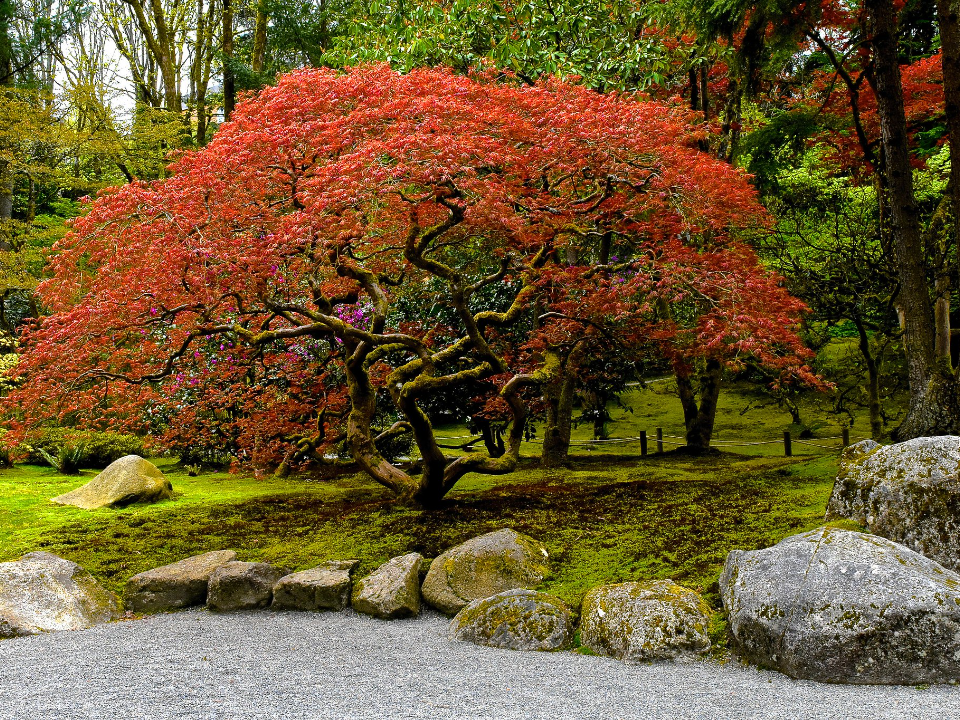
The Japanese Maple is a slow-growing tree known for its stunning, finely cut leaves and elegant form. Over time, it grows into a compact tree that maintains a neat shape without requiring constant pruning. This tree thrives in partial shade, making it ideal for smaller gardens or shaded spots. Its vibrant red, orange, or green foliage creates a beautiful display throughout the year, especially in the fall.
Japanese Maples are relatively low maintenance, only requiring moderate watering and protection from strong winds. The tree is also known for its slow growth, reaching full size in about 10 to 20 years, which makes it a great choice for those looking for a long-term addition to their garden. Given its size and shape, it is perfect for smaller spaces or as a focal point in a landscaping design.
This post may contain affiliate links, which helps keep this content free. Please read our disclosure for more info.
Boxwood (Buxus spp.)
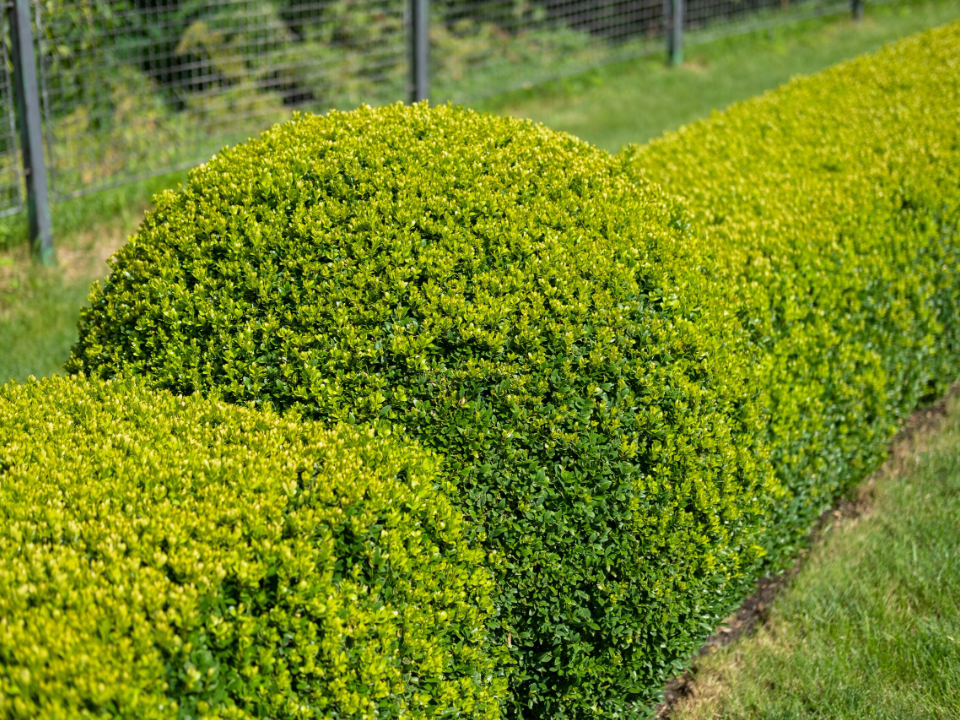
Boxwood is a classic evergreen shrub known for its neat, dense foliage. It is one of the most popular choices for creating low-maintenance hedges or topiary. Boxwoods are slow-growing, typically expanding by only a few inches each year, making them an excellent option for gardeners seeking plants that require little upkeep.
This shrub tolerates pruning well and can be shaped into a variety of forms, from formal hedges to decorative sculptures. Boxwood prefers well-drained soil and partial shade, though it can tolerate full sun with some additional watering. It thrives in zones 5 through 9, making it adaptable to a wide range of climates. Over time, boxwoods become more resilient and continue to maintain their neat appearance with minimal intervention.
Yew (Taxus spp.)
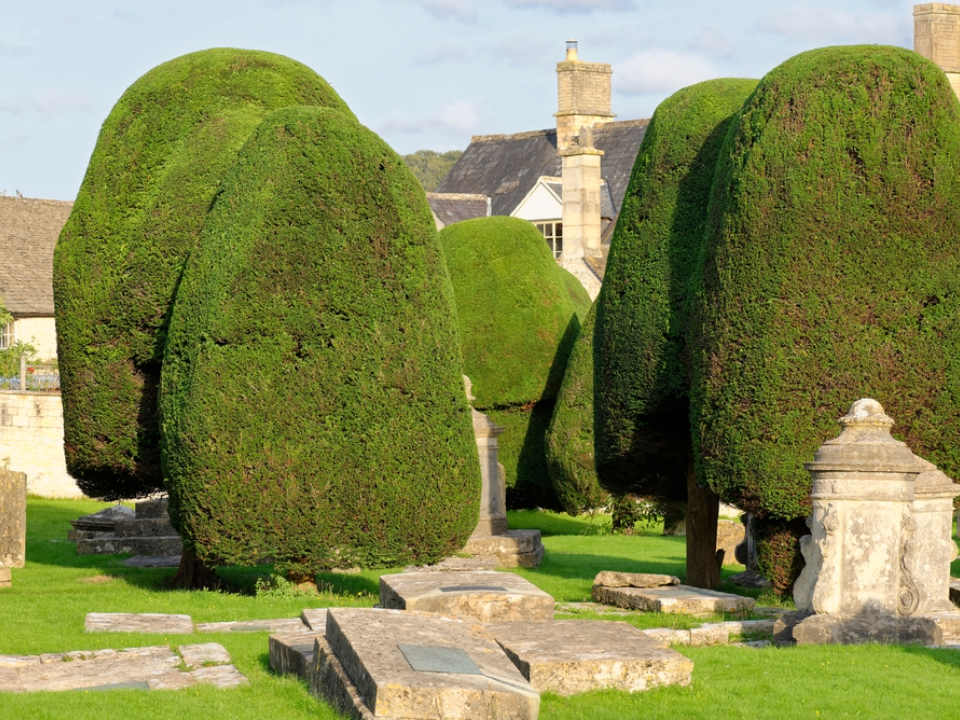
Yews are slow-growing evergreen shrubs or trees that stay neat and tidy throughout their lifespan. They are incredibly versatile, thriving in both sun and partial shade and adapting well to a variety of soil types. Yews do not require much pruning, as they naturally grow in a dense, compact form.
Their dark green needles provide a lush, full appearance that remains attractive year-round. While they can grow relatively tall, their slow growth means they will not outgrow their space quickly. Yews are also tolerant of various environmental conditions, including urban settings and drought once established. Whether used as a hedge, specimen plant, or in containers, yews offer a low-maintenance yet visually appealing option.
Dwarf Alberta Spruce (Picea glauca ‘Conica’)
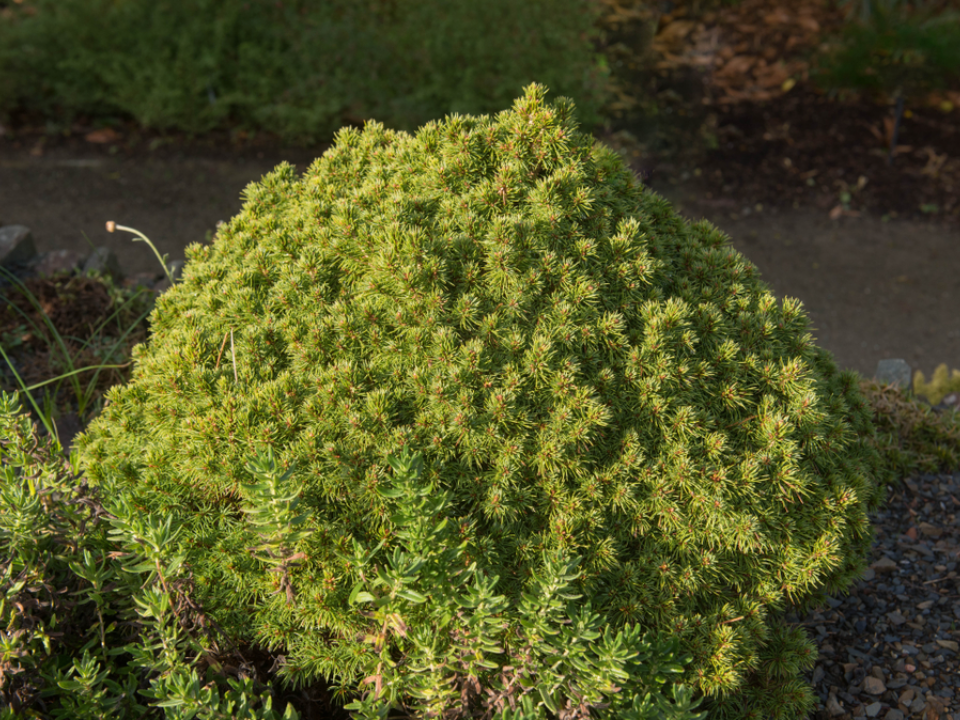
The Dwarf Alberta Spruce is a small evergreen that grows in a perfectly pyramidal shape. Its slow growth rate makes it ideal for gardens where space is limited. Over the course of several years, it grows very slowly, typically only adding a few inches each year, which means it remains compact and easy to manage. This spruce thrives in full sun to partial shade and is hardy in a variety of climates, particularly in USDA zones 3 through 8.
Its dense, dark green needles remain vibrant throughout the year, providing color and texture to the garden even during the winter months. Because of its slow growth and compact size, the Dwarf Alberta Spruce is often used in rock gardens, as a specimen tree, or in formal landscapes. It requires minimal maintenance, needing only occasional pruning to remove dead or damaged branches.
Lavender (Lavandula spp.)
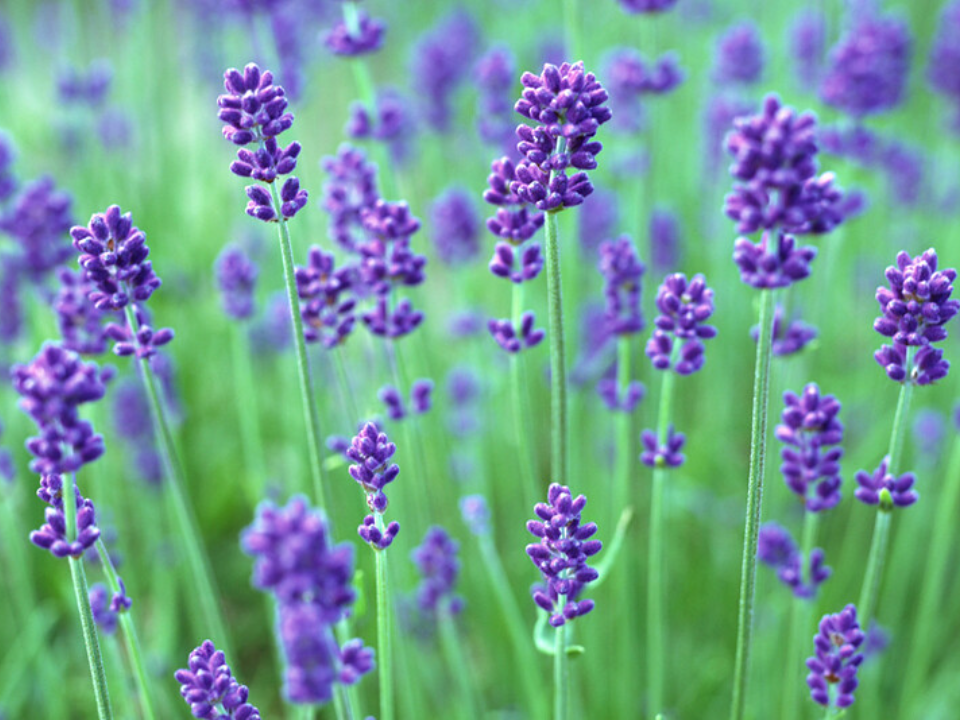
Lavender is a fragrant, slow-growing perennial herb known for its lovely purple flowers and compact form. It grows in neat, mounded clumps and can be easily maintained by simply trimming the stems after flowering. Lavender thrives in full sun and well-drained soil, making it an ideal addition to dry or Mediterranean-style gardens. It is also highly tolerant of drought once established, adding to its low-maintenance appeal.
Over time, lavender grows slowly, with minimal spreading, so it does not take over the garden. In addition to its aesthetic value, lavender has practical uses in cooking, aromatherapy, and as a natural insect repellent. Its long blooming period, from late spring to summer, ensures a consistent presence of color and fragrance in the garden.
Hosta (Hosta spp.)
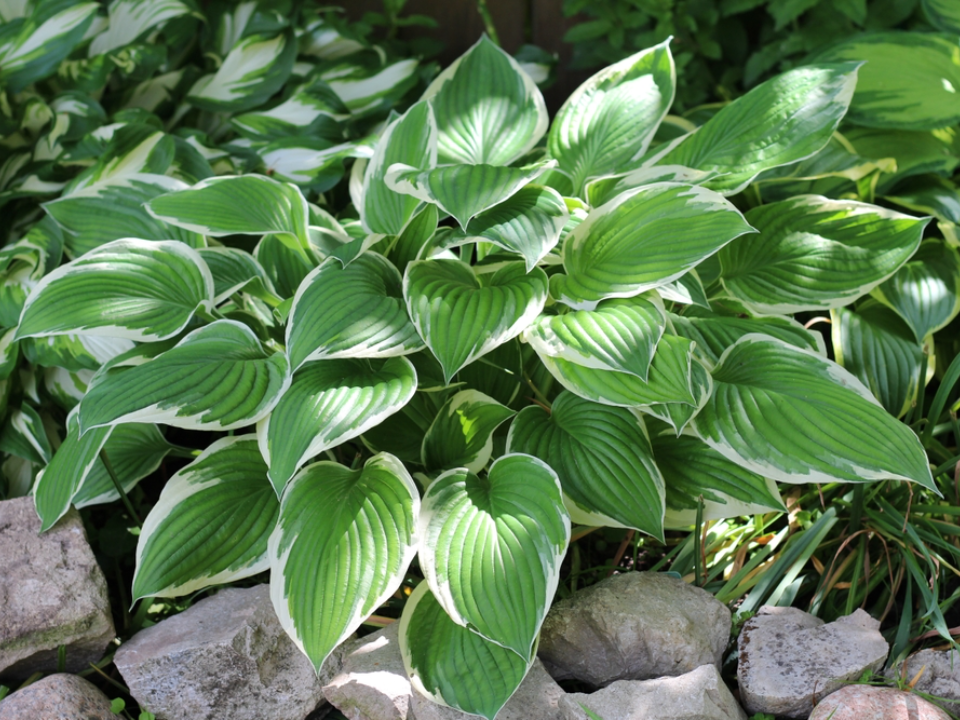
Hostas are shade-loving perennials that are known for their slow growth and elegant, lush foliage. They come in a variety of shapes, sizes, and colors, but all hostas grow in a neat, compact manner without becoming invasive. Hostas are perfect for shaded areas or gardens with limited sunlight, making them an excellent ground cover option.
They grow slowly, often adding only a few inches of growth each year, allowing for easy management. Hostas require regular watering but are relatively low-maintenance otherwise, only needing occasional division every few years to keep them healthy. Their large, textured leaves add visual interest, and their subtle blooms provide an extra layer of beauty during the summer months. With their ability to thrive in low-light conditions, hostas are a reliable choice for shaded garden beds.
Sedum (Sedum spp.)
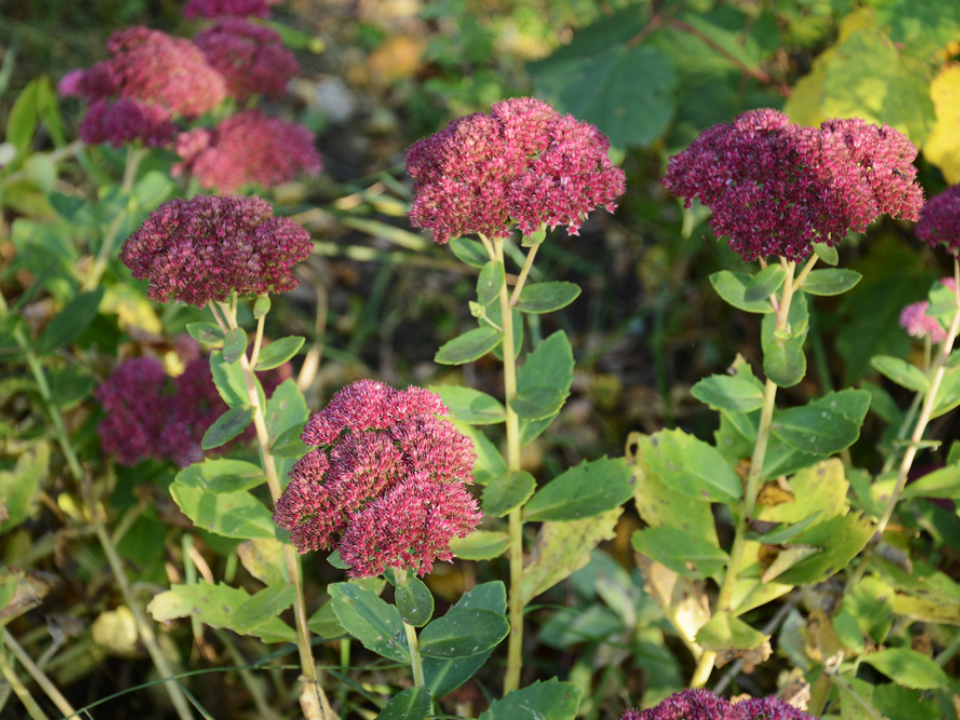
Sedum, commonly known as “stonecrop,” is a slow-growing succulent that remains neat and easy to manage in the garden. Known for its fleshy, drought-tolerant leaves and clusters of small, star-shaped flowers, sedum is perfect for low-maintenance landscapes. It thrives in full sun and well-drained soil, and because it is drought-tolerant, it requires minimal watering once established.
Sedum grows slowly and stays compact, making it a great choice for rock gardens or container gardening. Its fleshy leaves provide an attractive texture, while its late-season blooms offer color when other plants are starting to fade. In addition to its ornamental value, sedum is also known to attract pollinators like bees and butterflies. This plant’s hardiness and ease of care make it an excellent addition to any garden.
Euonymus (Euonymus spp.)
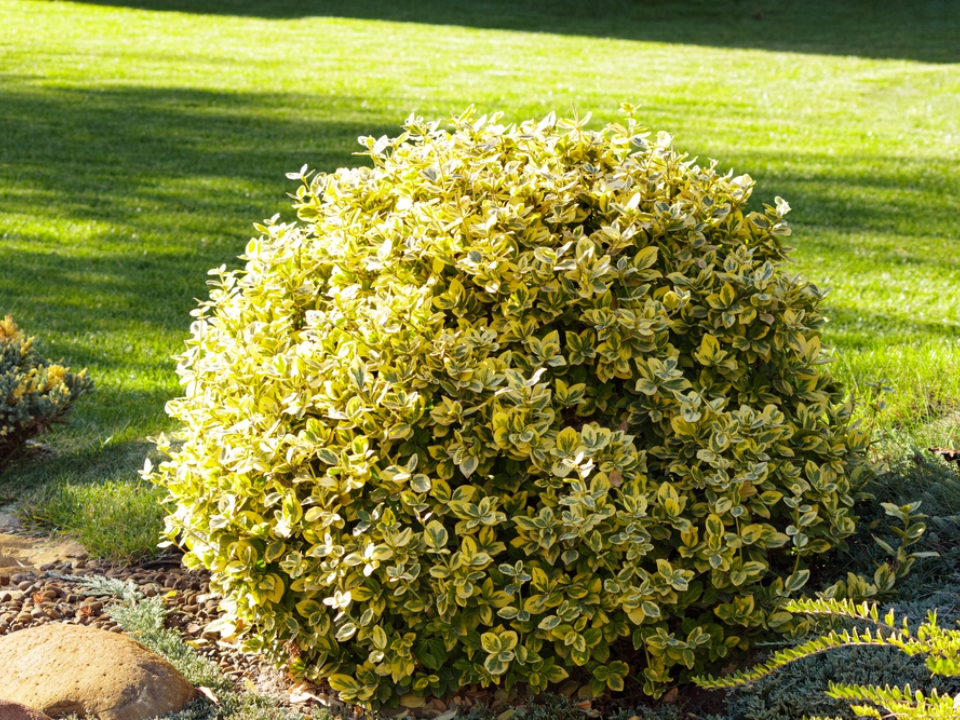
Euonymus is a slow-growing shrub that offers year-round beauty with minimal maintenance. It has dense, glossy leaves that range in color from deep green to variegated shades of yellow and white. Euonymus can be grown as a ground cover or trained into a small tree or shrub, depending on the desired effect. This plant is adaptable to a variety of growing conditions, including both sun and partial shade, and can tolerate a wide range of soils.
Because of its slow growth, it will not require constant pruning, and it can maintain a neat appearance with only occasional care. In addition to its ornamental value, euonymus has an attractive winter presence, often providing interest during the colder months with its colorful leaves and berries. It is a versatile and low-maintenance option for gardeners looking for a neat, long-lasting plant.
Creeping Thyme (Thymus serpyllum)
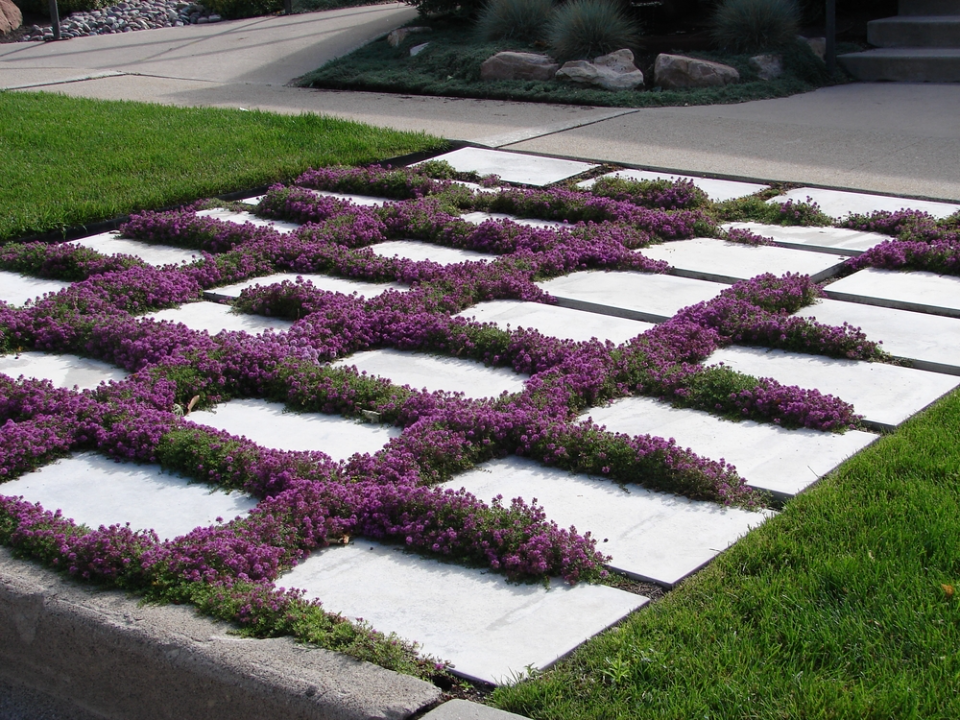
Creeping thyme is a slow-growing, low-maintenance ground cover that adds a touch of fragrance and color to the garden. It is known for its tiny, aromatic leaves and small purple or pink flowers that bloom in late spring to early summer. This plant thrives in full sun and well-drained soil, making it ideal for dry, rocky areas or between stepping stones.
Creeping thyme grows slowly, spreading just a few inches each year, so it remains neat and compact. Its small size and low growth habit make it perfect for filling in gaps in rock gardens or as a border plant. Once established, creeping thyme requires very little water, and its ability to tolerate drought makes it a great choice for low-maintenance gardens. The pleasant fragrance of the leaves adds an extra sensory element to any outdoor space.
Ferns (Various species)
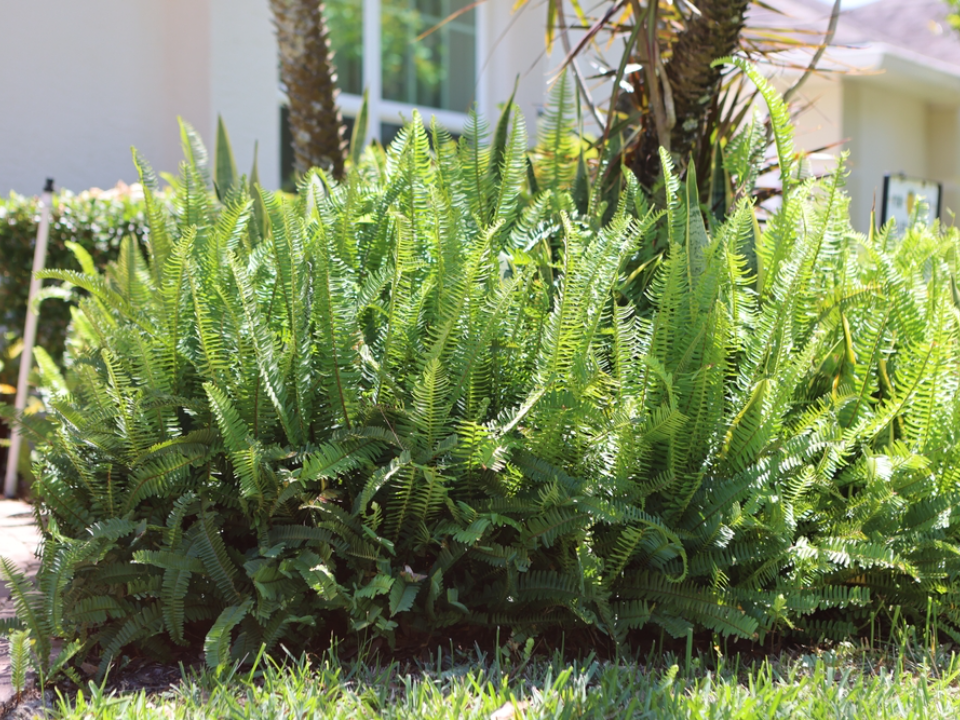
Ferns are slow-growing plants that add a lush, graceful touch to shaded gardens. Their feathery, finely cut leaves create a soft, elegant look, making them ideal for under trees or in shaded garden beds. Ferns thrive in moist, well-drained soil and prefer partial to full shade, though some species can tolerate more sunlight. Because they grow slowly, ferns will not quickly outgrow their space, allowing for easy maintenance.
They require minimal pruning, usually only to remove dead or damaged fronds. Ferns are also known for their resilience and ability to grow in environments with high humidity or even on the edges of streams. Their low-maintenance nature and ability to create a calming, woodland-like atmosphere make them a favorite in many gardens.
Evergreen Hellebore (Helleborus spp.)
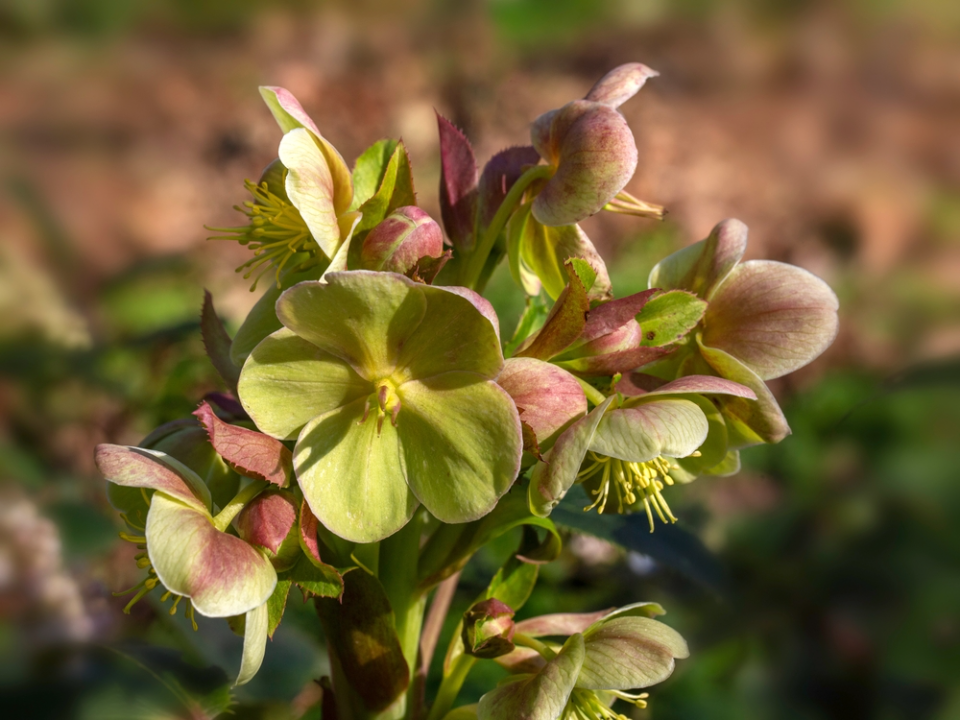
The Evergreen Hellebore is a slow-growing perennial known for its stunning flowers and evergreen foliage. It thrives in shady or woodland environments, where it can remain neat and tidy throughout the year. The plant produces cup-shaped blooms in various colors, including white, pink, and purple, often appearing in early spring when few other plants are in bloom.
Hellebores grow slowly and remain compact, usually reaching around 18 to 24 inches in height. They are perfect for shady borders or as a ground cover in woodland gardens. These plants are highly tolerant of cold weather and can withstand winter frosts, making them an ideal choice for colder climates. Their low-maintenance nature, along with their long-lasting blooms, makes them a reliable and beautiful garden addition.
Sweet Box (Sarcococca spp.)
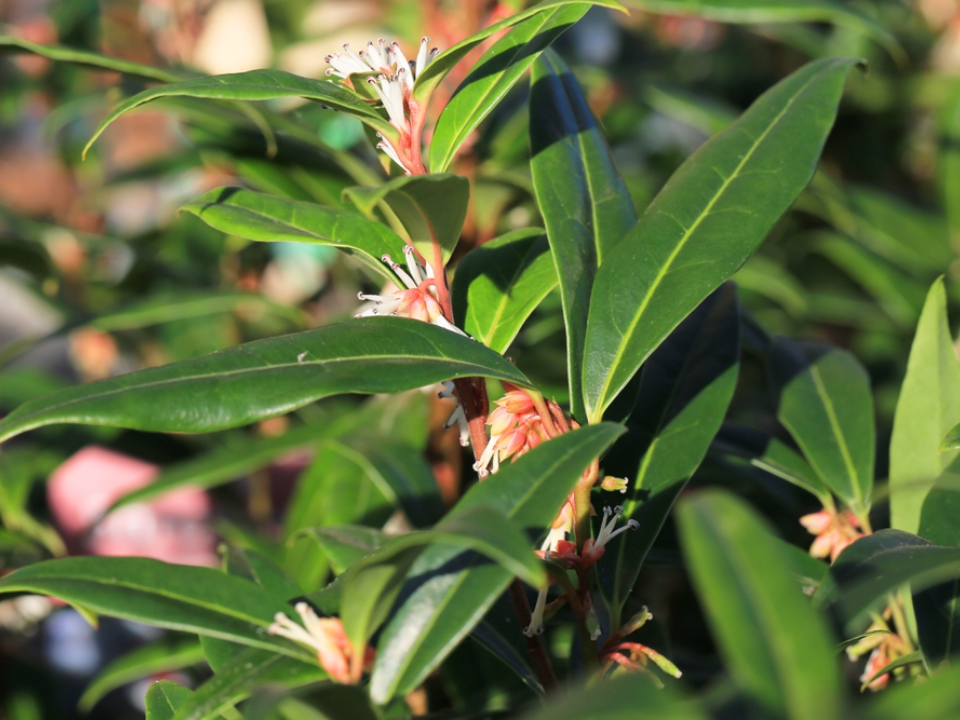
Sweet Box is a slow-growing evergreen shrub that is perfect for shaded or woodland gardens. It has glossy, dark green leaves and produces small, fragrant white flowers in the winter months, which are followed by black berries. Sweet Box thrives in moist, well-drained soil and can tolerate deep shade, making it ideal for planting beneath trees or in the northern side of a garden. This plant grows very slowly, with its compact size ensuring it does not take up too much space.
It is especially appreciated for its ability to maintain its attractive foliage and fragrant flowers even in the cold months. Sweet Box is low-maintenance, requiring only occasional pruning to maintain its shape. Its neat, dense growth and ability to thrive in shaded conditions make it an excellent choice for adding year-round interest to the garden.
Wintergreen (Gaultheria procumbens)

Wintergreen is a slow-growing, evergreen ground cover that produces shiny, dark green leaves and bright red berries. It thrives in shady areas and is known for its tolerance of cold temperatures, often growing well even under snow. Wintergreen grows slowly, expanding by just a few inches each year, and can eventually form a dense carpet of foliage.
Its fragrant leaves are aromatic when crushed, adding an extra sensory element to the garden. The berries, which persist into winter, provide color and interest during the colder months when other plants are dormant. Wintergreen prefers acidic, well-drained soil and is often found in woodland or forested areas. Its slow growth and ability to stay neat make it an excellent choice for low-maintenance ground cover.
Creeping Jenny (Lysimachia nummularia)
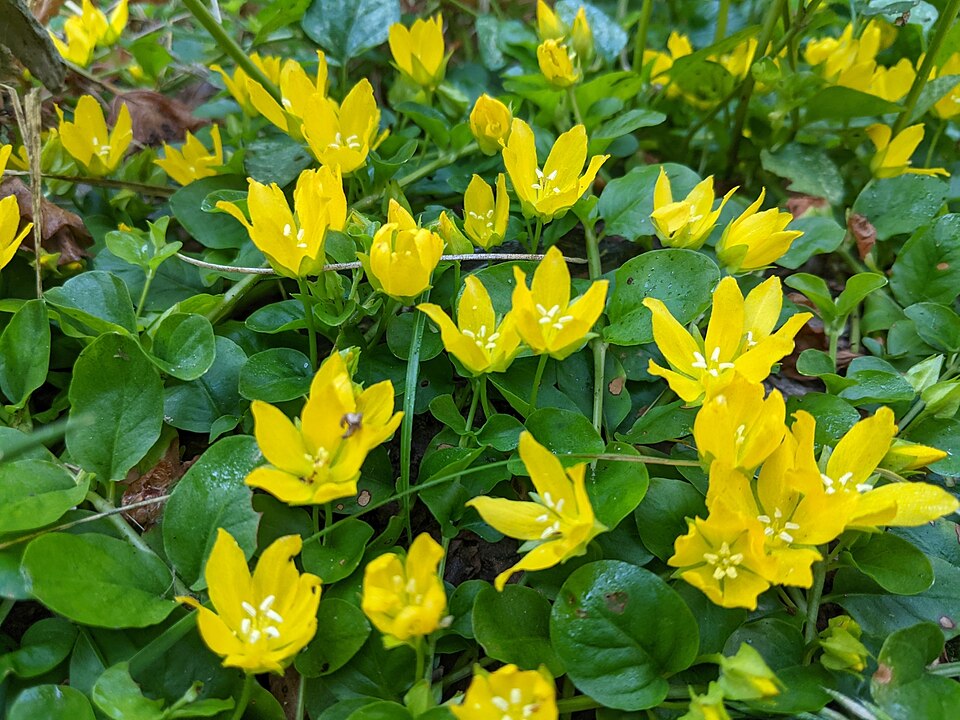
Creeping Jenny is a slow-growing ground cover that forms a dense, low carpet of small, round leaves. It is known for its vibrant green or golden foliage that remains neat and tidy throughout the growing season. Creeping Jenny thrives in moist, well-drained soil and can tolerate both full sun and partial shade. While it spreads gradually, it does not become invasive, making it ideal for filling in garden spaces without the worry of it taking over.
This plant is also appreciated for its small yellow flowers that appear in late spring or early summer. Once established, Creeping Jenny requires minimal care and is very tolerant of drought conditions. Its slow growth, neat appearance, and attractive color make it a favorite for shaded areas, ground covers, or as an edging plant.
Toad Lily (Tricyrtis spp.)
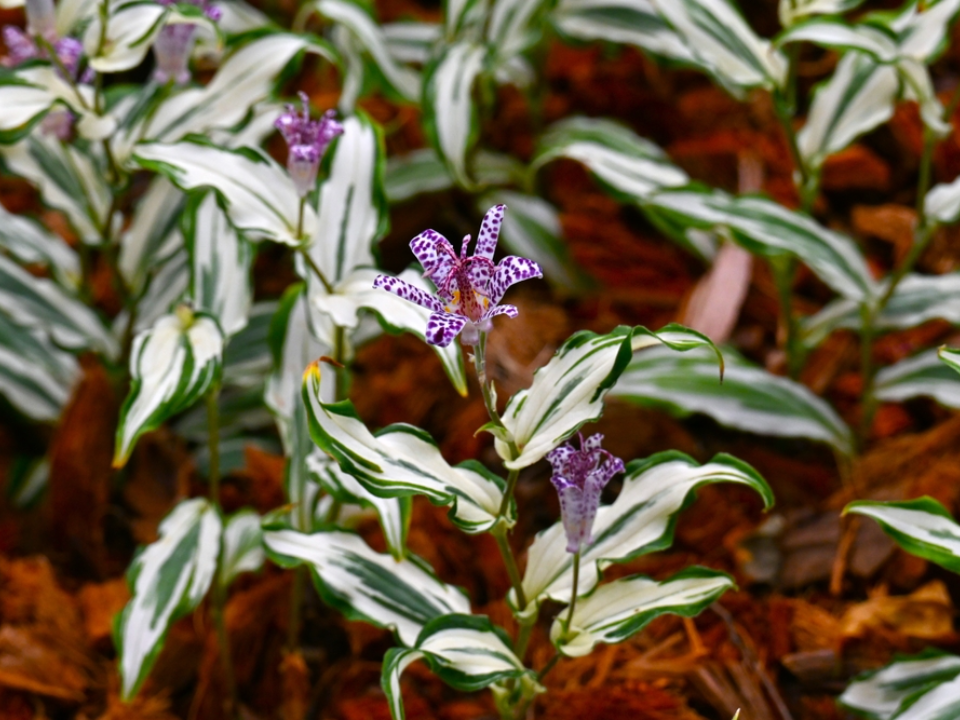
Toad Lily is a slow-growing perennial that thrives in shaded garden beds, providing a unique touch with its exotic-looking flowers. It produces clusters of small, intricate flowers with speckled patterns that bloom in late summer to fall, adding color when many other plants have finished flowering. The plant grows slowly, typically reaching a height of 12 to 36 inches, and has arching stems with lance-shaped leaves that remain attractive throughout the growing season.
Toad Lilies are ideal for woodland gardens or shaded areas, where they thrive in moist, well-drained soil. The plant is relatively low-maintenance, needing only periodic pruning to remove spent flowers and foliage. Toad Lily’s slow growth and attractive blooms make it a great choice for adding a touch of beauty to shaded corners of the garden.
This article originally appeared on Avocadu.