
16 Skincare Ingredients That Help With Winter Dullness in February
Winter can leave your skin looking dull and tired, but the right ingredients can help revive your complexion. You can bring back a healthy glow, by choosing products with specific skincare elements. Some ingredients help hydrate, while others gently exfoliate or brighten your skin. Adding these key elements to your routine can make a noticeable difference. If you’re ready to refresh your skin this February, keep reading to find out which ingredients work best.
This post may contain affiliate links, which helps keep this content free. Please read our disclosure for more info.
Hyaluronic Acid For Winter Hydration
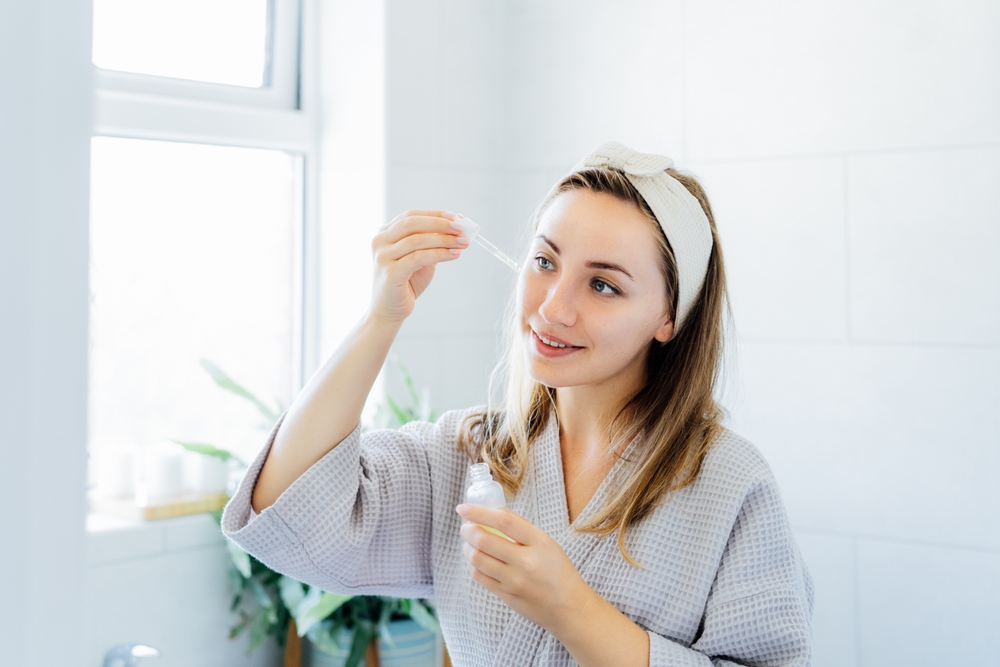
Hyaluronic acid is a hydrating ingredient that can hold a large amount of water compared to its weight. It draws moisture into the skin and keeps it feeling plump when cold air has dried it out. You will often find it in serums, gel creams, and hydrating toners. A light layer under your moisturizer in the morning and evening works well in February when indoor heating is strong. People with oily or dry skin types can use it because the texture is usually light and comfortable.
In many routines, hyaluronic acid works best on slightly damp skin so it can pull in water. You can mist your face or apply it right after cleansing to get this effect. Pairing it with a thicker cream on top helps keep that water from escaping during the day. This pairing can make dull skin look smoother and more refreshed. It is an easy first step if you want more glow without changing your whole routine.
Glycerin To Plump Dry Winter Skin
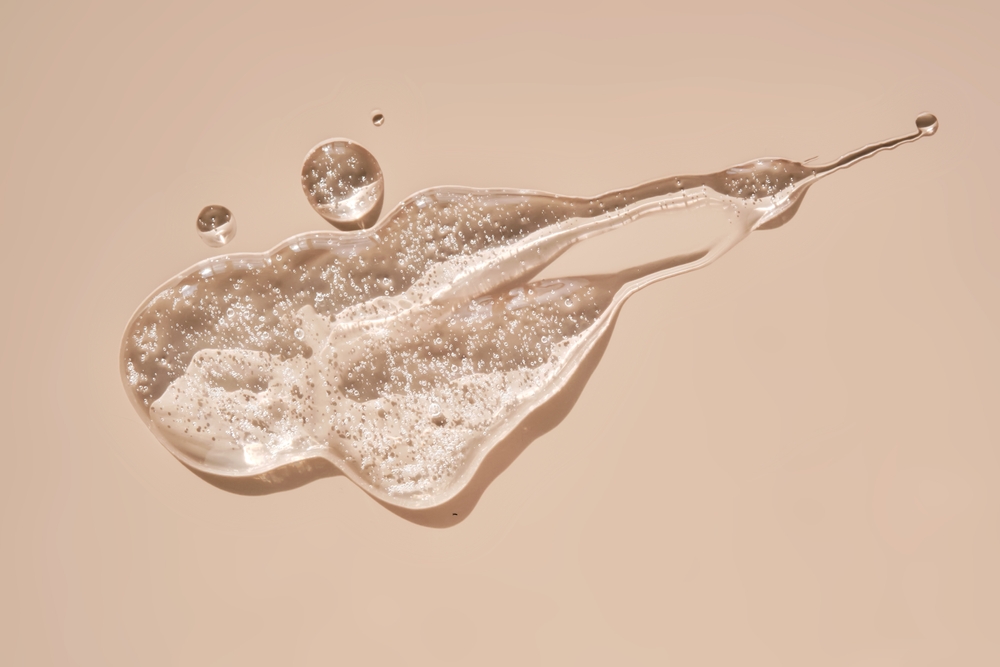
In many winter products, glycerin acts as a classic humectant that draws water toward the surface of the skin. It has a simple structure and appears in cleansers, moisturizers, serums, and even hand creams. Glycerin works well for dull winter skin because it softens rough texture and helps skin feel more bouncy. You will usually see it on ingredient lists near the top in hydrating formulas. It fits nicely into a budget friendly routine since it appears in many drugstore products.
Your routine can include glycerin morning and night without much effort. A cleanser with glycerin feels less stripping in cold weather than one that foams harshly. Following with a glycerin rich lotion gives your face and hands a smoother look. You can even use body lotions with glycerin on elbows and shins that look dull and flaky. This simple ingredient often becomes a quiet workhorse in winter.
Ceramides To Support The Skin Barrier
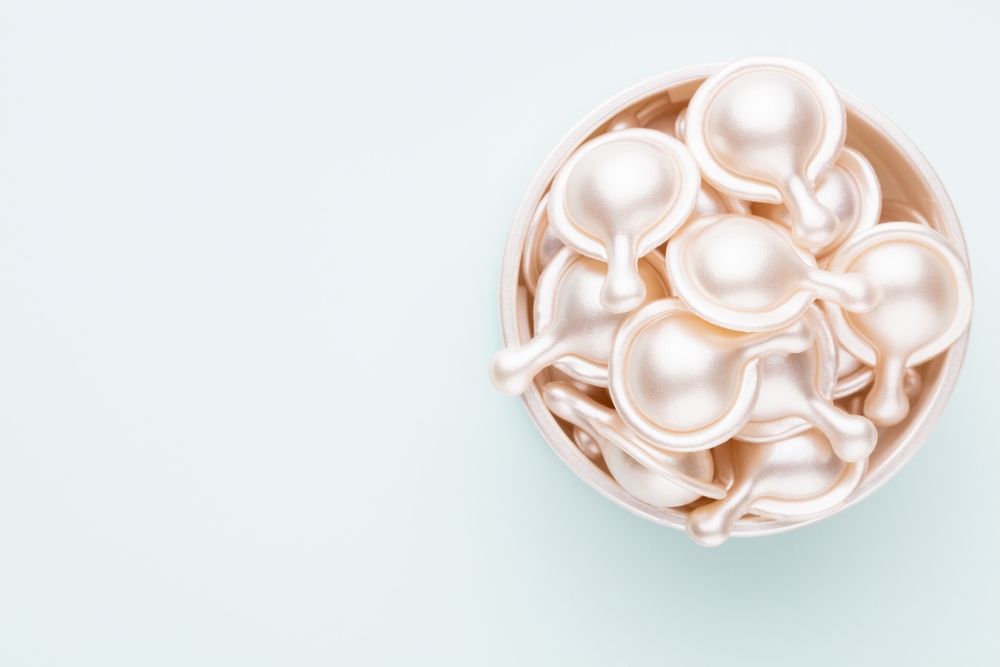
When winter air makes your face feel tight and rough, ceramides step in as important lipids that live naturally in the skin barrier. These fats sit between skin cells like mortar between bricks and keep moisture inside. You can find ceramides in many moisturizers, night creams, and some gentle cleansers. They are especially helpful for people with dry or sensitive skin in February. Using a ceramide cream after serum keeps your skin feeling calmer in harsh weather.
In most routines, ceramide products work best at night when your skin is not facing wind and cold. You can apply a ceramide rich moisturizer as your last step and let it sit while you sleep. Some people enjoy a lighter ceramide lotion in the morning under sunscreen too. Over several days, fine flakiness may ease and the face looks more even. This kind of support is valuable when central heating is running all day.
Squalane Oil For Soft Winter Skin
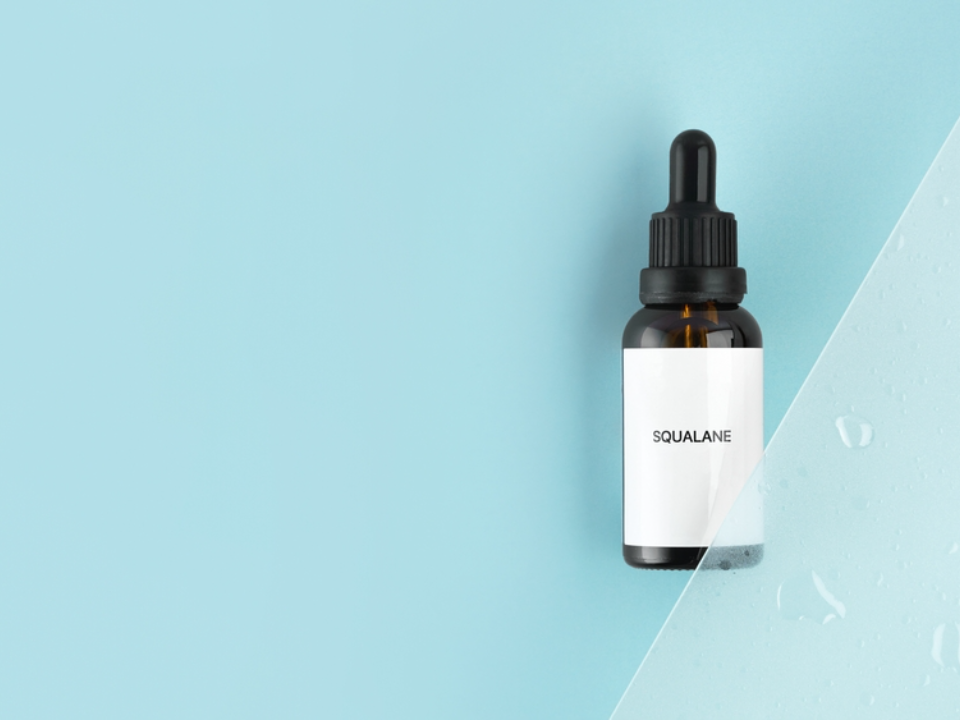
Squalane is a lightweight oil that feels silky instead of greasy on the skin. It is often derived from plants and mimics natural oils that the skin makes on its own. You will see squalane in facial oils, moisturizers, and even some eye creams. It works well when your skin looks dull because it adds shine and softness without a heavy layer. Many people with combination skin enjoy squalane since it feels light compared to thicker oils.
For best use, squalane can be pressed over damp skin after serum and before or instead of a cream. You might use a few drops at night to seal in hydration and wake up with a smoother look. In very cold weather, a drop mixed into your moisturizer in the morning can help with wind exposure. It also works on cuticles and dry patches around the nose. One small bottle often covers many different winter concerns.
Niacinamide For Uneven Winter Tone
Niacinamide, also called vitamin B3, is a water soluble ingredient that supports a more even looking complexion. It can brighten the look of dull skin, refine the look of pores, and calm redness. You can find it in serums, toners, moisturizers, and some spot treatments. Concentrations often range from low to moderate, making it easy to add without much irritation. This makes it appealing for winter when skin may already feel sensitive.
In many routines, niacinamide fits well in the morning after cleansing and before moisturizer. It layers easily with hydrating serums and sunscreen. Some people also use a niacinamide serum at night to keep tone looking steady through the season. Because it targets several visible issues at once, it can make dull, tired skin look more balanced. Start with a gentle formula if your skin reacts easily.
Vitamin C For Tired February Skin
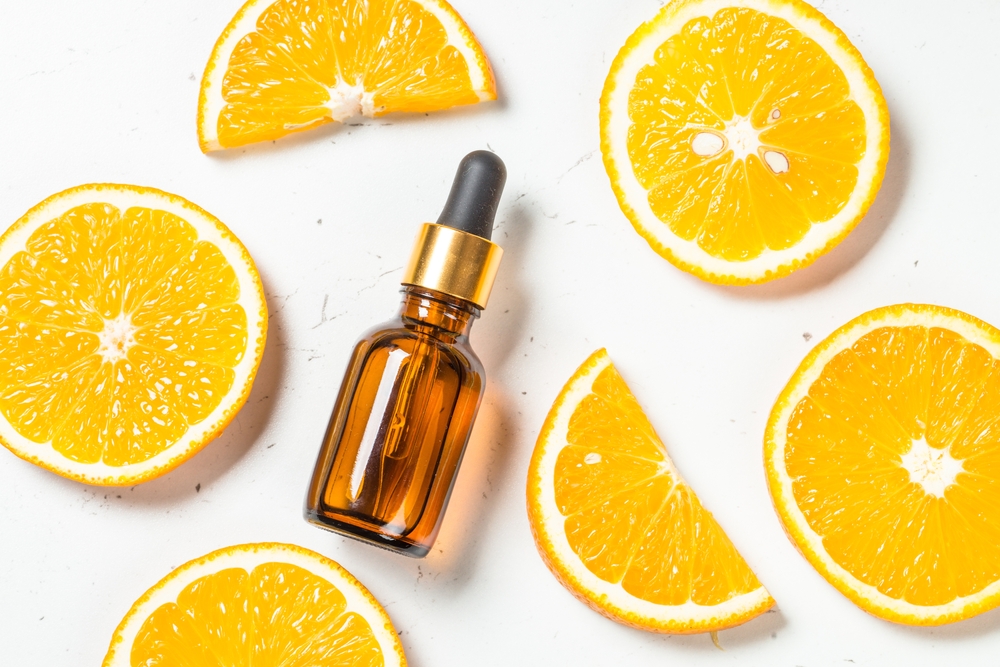
Vitamin C is a brightening antioxidant that can bring back glow to skin that looks flat in winter. It helps improve the look of dark spots and uneven tone that may show more when skin is pale from cold weather. You will usually see it in serums, sometimes in moisturizers and eye creams. Concentrations and forms vary, with some formulas designed for sensitive skin. Glass bottles and opaque packaging help keep this ingredient stable.
For many people, vitamin C works best in the morning under sunscreen. The combination gives support against daily environmental stress while helping dullness over time. If your skin feels sensitive, you can start with a low strength formula a few times a week. Applying it on clean, dry skin lets it absorb before layering other products. Regular use through February can make the face look more awake.
Lactic Acid For Gentle Winter Exfoliation
Lactic acid is an alpha hydroxy acid that loosens dead skin cells while also drawing in some moisture. It tends to be softer on the skin compared to some stronger acids, which makes it a good choice for winter. You can find lactic acid in liquid exfoliating toners, serums, and creamy masks. These products help smooth rough patches and improve dull surface texture. Many people notice a more even glow when flakes are removed carefully.
Your routine can include lactic acid one to three nights per week, depending on how your skin responds. It is wise to skip it on nights when your skin feels extra irritated or windburned. After applying, you can follow with a rich moisturizer to keep the skin comfortable. Sunscreen during the day is important since exfoliation can make skin more sensitive to light. With steady use, lactic acid keeps winter dullness from building up too much.
Glycolic Acid For Smoother Winter Texture
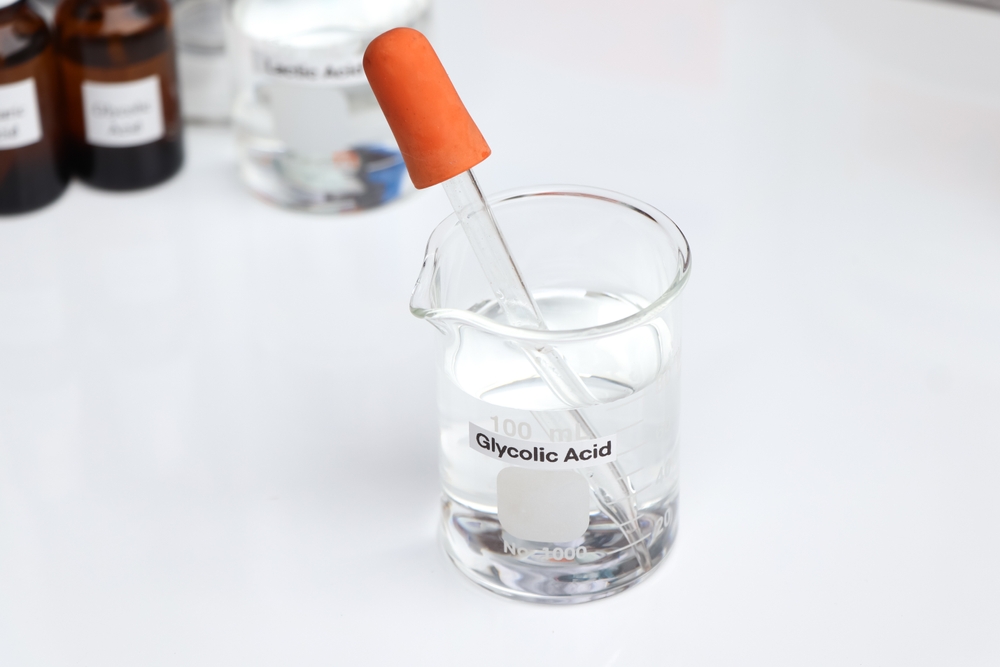
Glycolic acid is a smaller alpha hydroxy acid that exfoliates by loosening the bonds between dead surface cells. It can give a fresh, smoother look to dull skin that feels rough in February. You will see glycolic acid in toners, peels, and night serums at various strengths. Higher strengths can feel intense, so winter routines often use milder formulas. When used sensibly, it can brighten and refine without stripping.
In many cases, glycolic acid works best at night and only a few times a week. You might apply it after cleansing and then wait a few minutes before following with a soothing cream. It is wise to avoid mixing it with other strong actives on the same night. During the day, regular sunscreen use protects your new surface cells. If your skin is very sensitive, you may prefer lactic acid instead and use glycolic less often.
Panthenol Provitamin B5 For Comfort

Panthenol, also called provitamin B5, is a humectant that attracts water and helps the skin feel calm and cushioned. It often appears in moisturizers, barrier creams, eye gels, and calming serums. In winter, this ingredient can take the edge off tightness and irritation from wind or heating. It supports a soft feel and pairs well with ceramides and glycerin. People with reactive skin usually tolerate it well.
You can use panthenol containing products morning and night wherever skin feels stressed. A serum or lotion with this ingredient works well right after cleansing. On very cold days, a panthenol cream layered under sunscreen and makeup keeps things more comfortable. It also works nicely on dry hands, lips, and neck. Keeping one panthenol rich product on hand gives you a quick fix when redness shows up.
Aloe Vera For Soothing Winter Redness
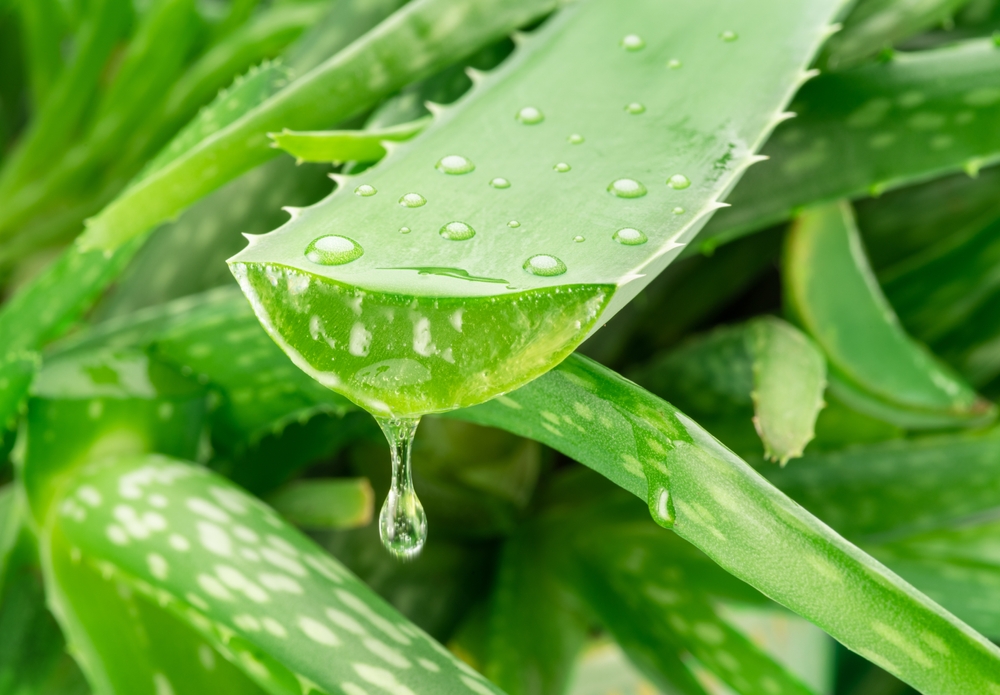
Aloe vera gel comes from the leaves of the aloe plant and is known for its cooling, soothing feel. In skincare, it calms visible redness and gives a light layer of hydration. You will find aloe vera in gels, toners, sheet masks, and after sun creams. For winter dullness, it helps when skin feels inflamed or tight from cold air. It can be a gentle base under thicker creams for those who dislike heavy layers.
During your routine, aloe vera works well right after cleansing as a light hydrating step. You can pat on a thin layer before serums and moisturizers or use an aloe sheet mask once or twice a week. The fresh, cooling feel can be especially nice after coming indoors from windy weather. People with oily skin often like aloe because it hydrates without greasiness. Just watch for added fragrance if your skin is sensitive.
Shea Butter For Deep Winter Nourishment
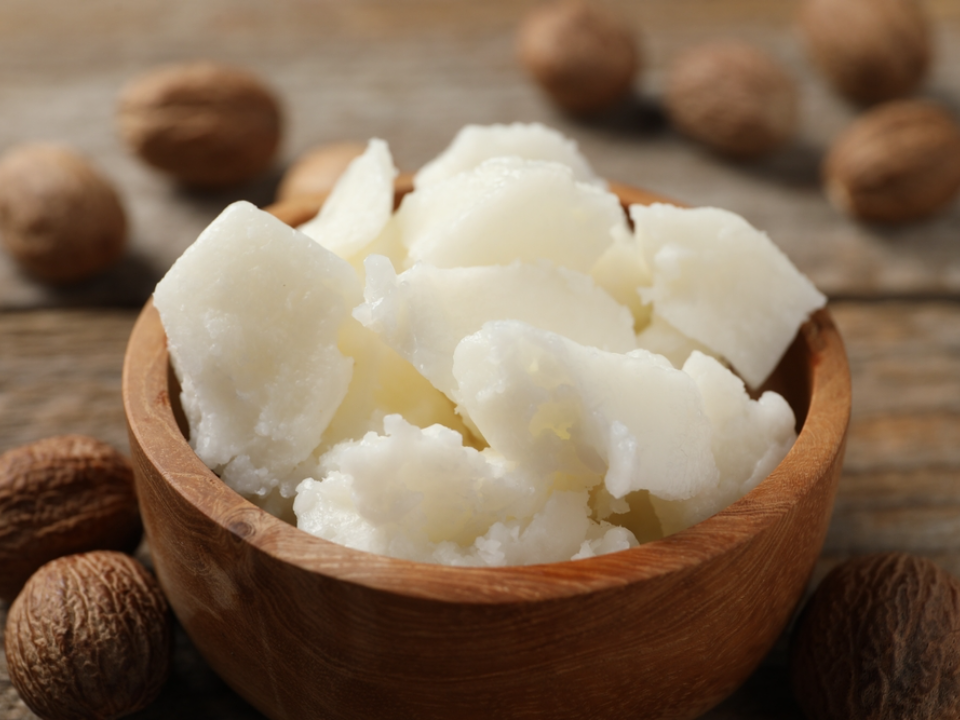
Shea butter is a rich plant butter that forms a protective layer on the skin. It helps trap water inside and soften rough, dull patches that show up in winter. You can find shea butter in body creams, hand balms, lip products, and heavy face moisturizers. While it feels rich, many people use it on very dry cheeks or around the mouth in February. It shines on elbows, knees, and heels that show cracking from cold air.
For face care, shea butter works best at night in small amounts. A pea sized dab pressed over your usual cream can lock in hydration on very cold evenings. On the body, a shea butter cream right after a warm shower holds moisture well. If your skin is acne prone, you might keep it for body and dry spots instead of the T zone. It becomes a comforting staple during the coldest weeks.
Jojoba Oil For Balanced Winter Moisture
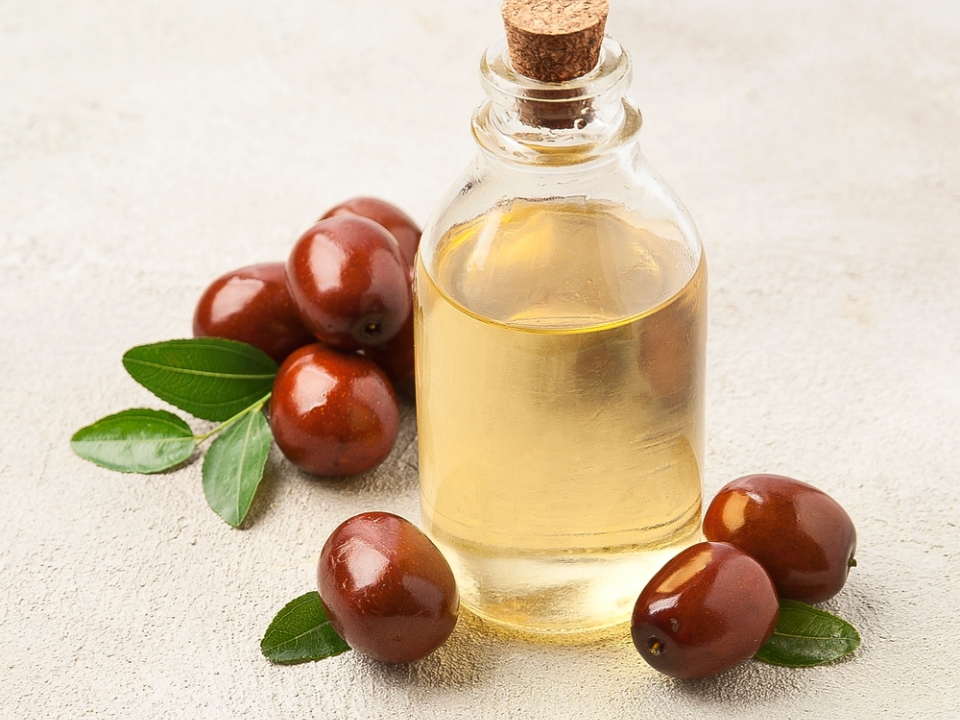
Jojoba oil is a liquid wax that resembles the skin’s own sebum more closely than many other oils. This makes it a good choice when you want moisture without a heavy, sticky feel. It appears on its own as a facial oil and in many moisturizers, lip balms, and hair serums. For dull winter skin, it gives a soft sheen and helps smooth flaky areas. People with combination skin often find it less heavy than some richer oils.
You can press a few drops of jojoba oil onto damp skin after your moisturizer at night. Another option is to mix one drop into your cream for extra slip on dry days. It works nicely to soften brows, beards, and split ends too, which adds to its value in your cabinet. In the morning, a tiny amount can be used under makeup on dry patches so foundation sits better. The flexible use makes one small bottle last through many winters.
Urea In Low Strength For Flaky Patches
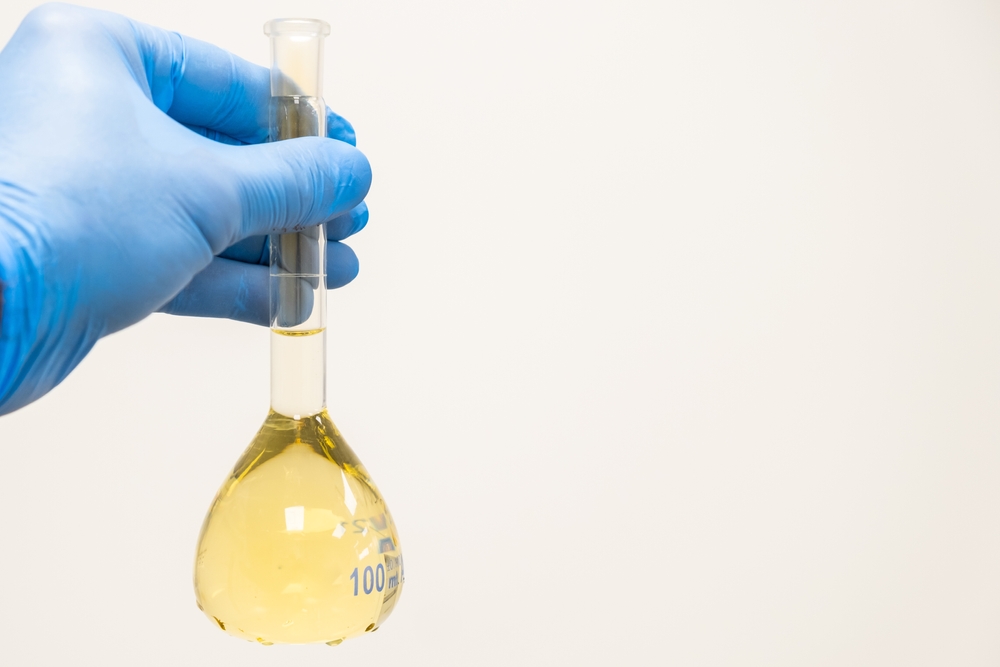
Urea is a humectant and gentle keratolytic, which means it draws moisture in and softens hard, flaky skin. In low strengths, it helps smooth dry areas without causing strong peeling. You will see urea in foot creams, hand creams, and some facial moisturizers meant for rough texture. For winter dullness, it works well on stubborn patches around the nose, chin, or forehead. It can also make body skin feel less scratchy under sweaters.
Your best use of urea cream is usually at night so it can work undisturbed. Apply a thin layer onto problem spots after your usual moisturizer. For very rough body areas, a urea cream followed by cotton socks or gloves can give a smoother feel by morning. People with very sensitive skin may want to patch test first on a small area. With steady use, those flaky patches can soften and blend in more with the rest of the skin.
Peptides For Tired Looking Winter Skin
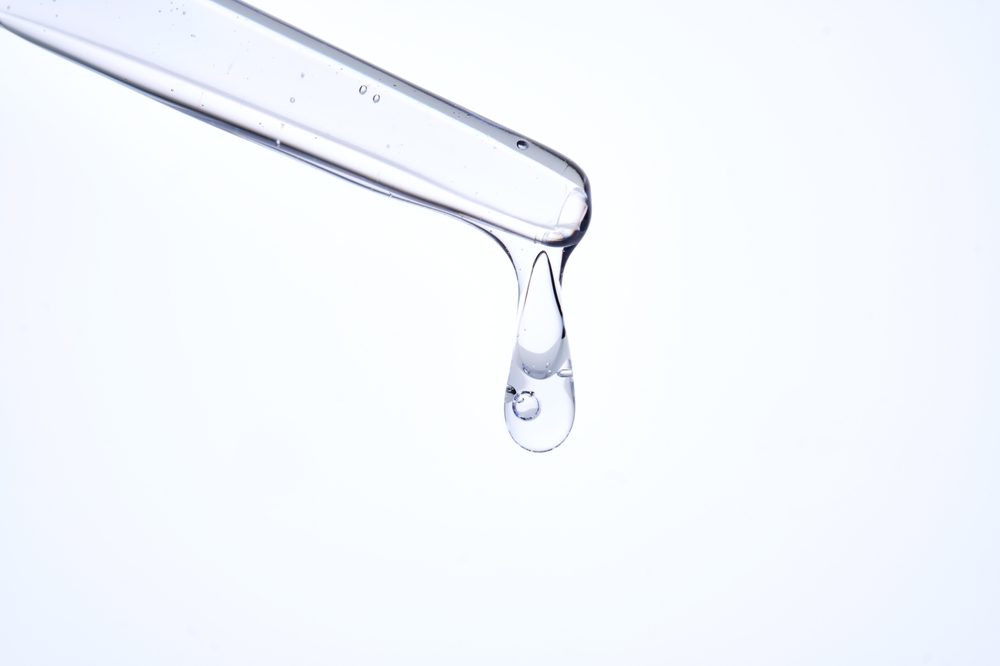
Peptides are short chains of amino acids that signal and support the skin in various ways. In many formulas, they target firmness and overall smoothness, which can help tired winter skin look more refined. You will find peptides in serums, eye creams, and moisturizers aimed at fine lines and dull texture. These formulas often include hydrating ingredients as well, which makes them nice for February. They appeal to those who want care that feels gentle yet effective over time.
Morning or evening, peptide serums fit easily between toner and moisturizer. They tend to layer well with hyaluronic acid, niacinamide, and ceramides. Around the eyes, a peptide cream can give a softer look when the area feels dry from heaters. These products usually work best with regular use rather than quick results overnight. Making them a steady part of your routine gives your skin extra support through winter.
Green Tea Extract For Stressed Winter Skin
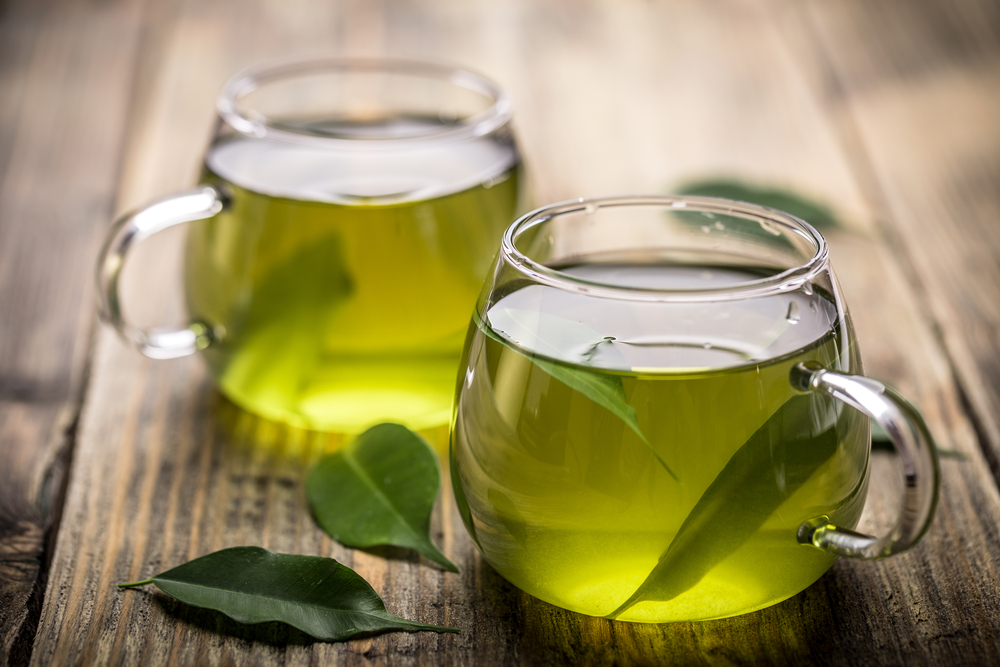
Green tea extract is rich in plant antioxidants that help the skin handle daily stress from the environment. In winter, heaters, chilly wind, and temperature shifts can leave the face looking red and dull. You can find green tea extract in toners, serums, gel creams, and sheet masks. The ingredient often comes with a light, soothing texture that suits many skin types. People who flush easily tend to enjoy the calming feel.
You may use green tea products morning and night, especially when your skin looks irritated. A green tea toner after cleansing sets a gentle base before richer steps. Sheet masks with this extract feel especially nice on evenings after a long day outside. Pairing green tea with hyaluronic acid and ceramides gives hydration plus a calmer look. This combination can keep February skin from looking as worn out.
Zinc Oxide For Winter Sun Protection
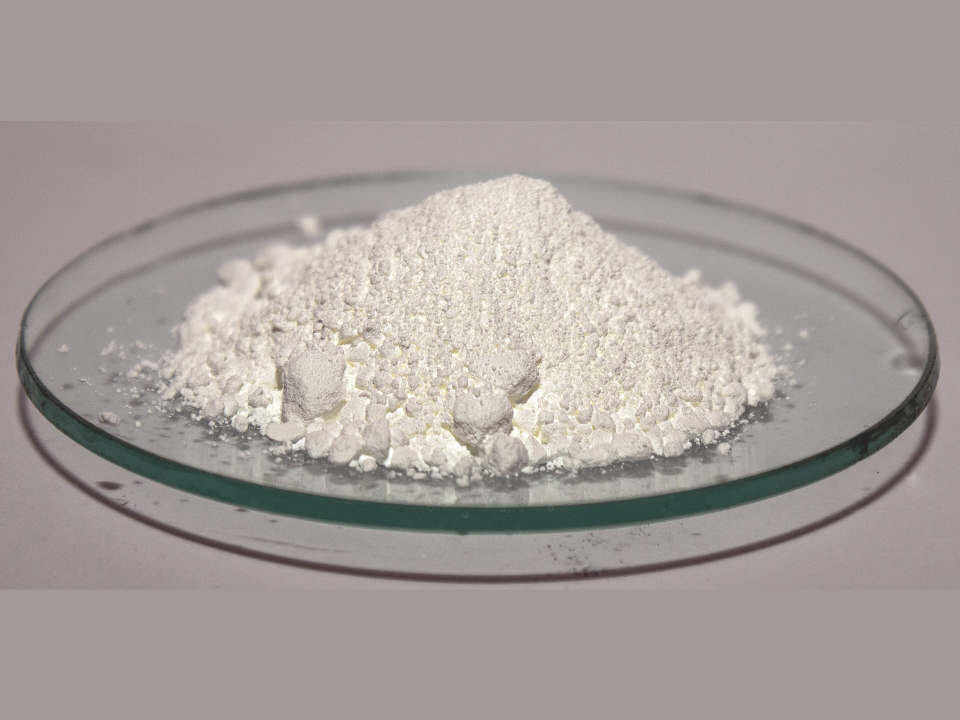
Zinc oxide is a mineral filter that sits on top of the skin and reflects or scatters UV rays. Even in February, sun exposure still contributes to dullness, dark spots, and fine lines. You will find zinc oxide in many mineral sunscreens, tinted moisturizers, and some lip balms. It suits people with sensitive skin because it tends to cause fewer reactions than some chemical filters. Tinted versions can help reduce the white cast that plain zinc sometimes leaves.
Daily use of zinc oxide sunscreen in the morning is a key move for keeping winter skin bright. You can apply a generous layer after moisturizer and before makeup, even on cloudy days. Reapplication is important if you spend long hours outdoors, especially around snow that reflects light. Choosing a formula you enjoy makes it easier to keep this habit through the whole month. With steady use, your other glow-giving ingredients can do their work without constant sun damage.
This article originally appeared on Avocadu.