
10 Simple Ways To Improve Drainage Before Spring Rains Hit
As spring approaches, it’s essential to prepare your property for the upcoming rains. Poor drainage can lead to costly water damage, flooding, and erosion, especially around your home’s foundation. Taking a few simple steps now to manage water flow can protect your yard, landscaping, and home from unwanted water buildup. Whether through minor landscaping adjustments or basic maintenance tasks, these easy improvements can make a big difference in preventing drainage issues when the heavy rains begin.
This post may contain affiliate links, which helps keep this content free. Please read our disclosure for more info.
Clean Gutters and Downspouts Regularly
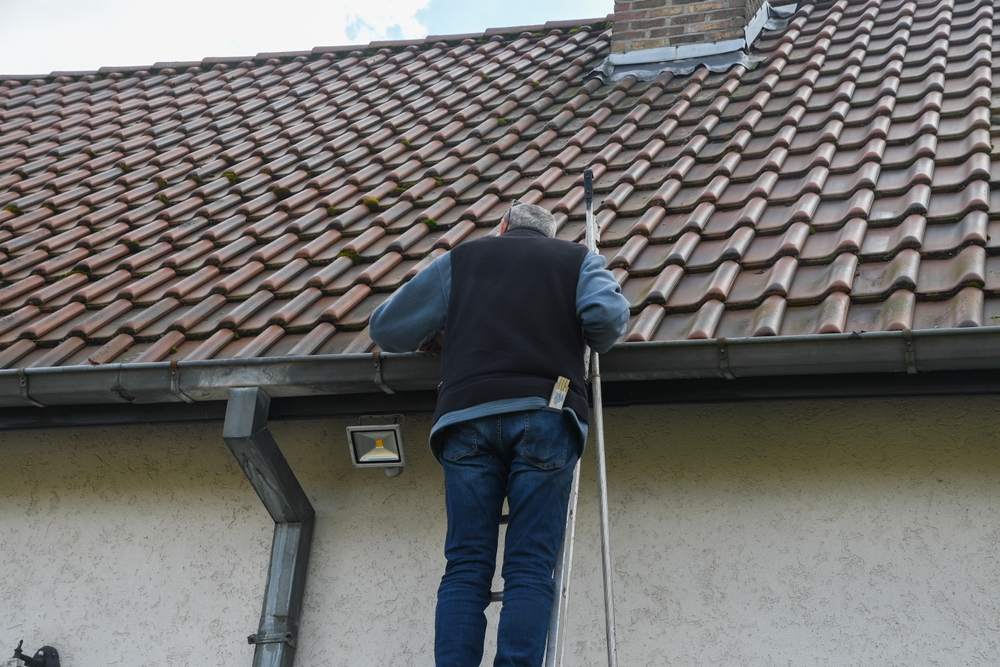
One of the most straightforward ways to protect your home from water damage is by regularly cleaning your gutters and downspouts. Over time, debris such as leaves, twigs, and dirt can accumulate in the gutters, causing blockages. When gutters become clogged, water cannot flow freely, causing it to overflow and collect near the foundation of your house. This stagnant water can seep into the basement or crawl space, leading to mold growth, foundation damage, and other costly problems.
By cleaning your gutters at least twice a year, ideally in the fall and again before the spring rains, you ensure that rainwater flows properly through the downspouts. Ensure the downspouts are directed away from your home, ideally at least three to four feet, to prevent water from accumulating near the foundation. This simple maintenance step is an affordable and effective way to avoid expensive repairs and keep your home dry during the rainy season.
Install a French Drain
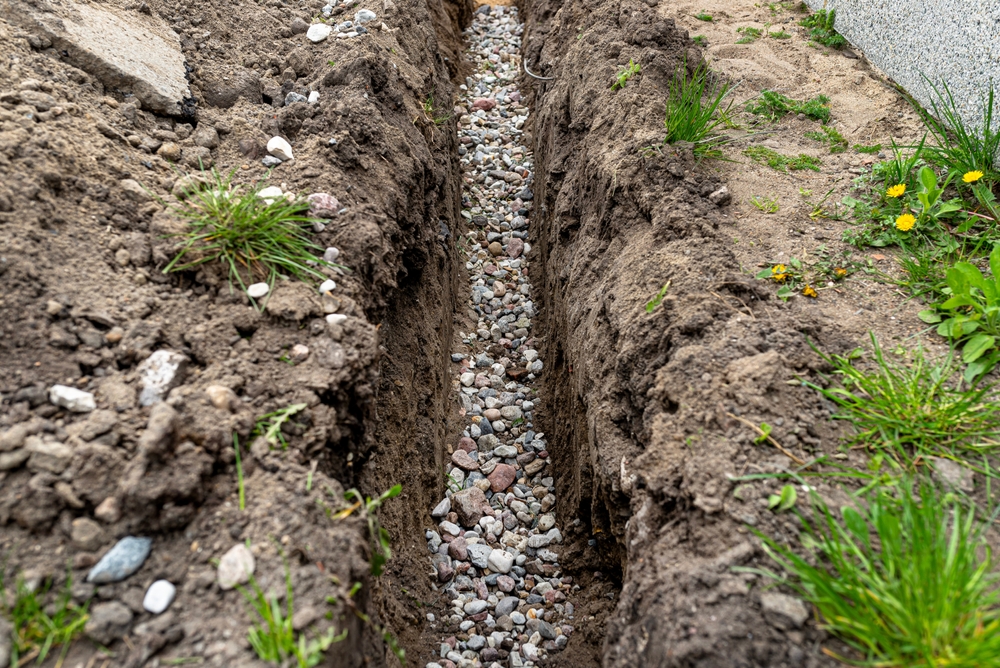
A French drain is a gravel-filled trench with a perforated pipe that helps direct water away from areas where it tends to pool, such as low-lying areas in your yard. These drains are particularly useful when surface water doesn’t have a clear path to flow away from your property, and instead, it collects and causes flooding or waterlogging. Installing a French drain can prevent water from saturating your lawn and help it flow safely toward a designated drainage area, such as a storm drain, dry well, or even a downhill slope.
The trench is filled with gravel to help the water filter through, and the perforated pipe ensures that the water is captured and moved away from problem areas. In addition to preventing soil erosion and pooling, a French drain can also reduce water damage to landscaping, plant roots, and your home’s foundation. It is a relatively low-cost yet highly effective solution to handle excess water, especially in areas prone to flooding or with poor soil drainage.
Grade Your Lawn Away from the House
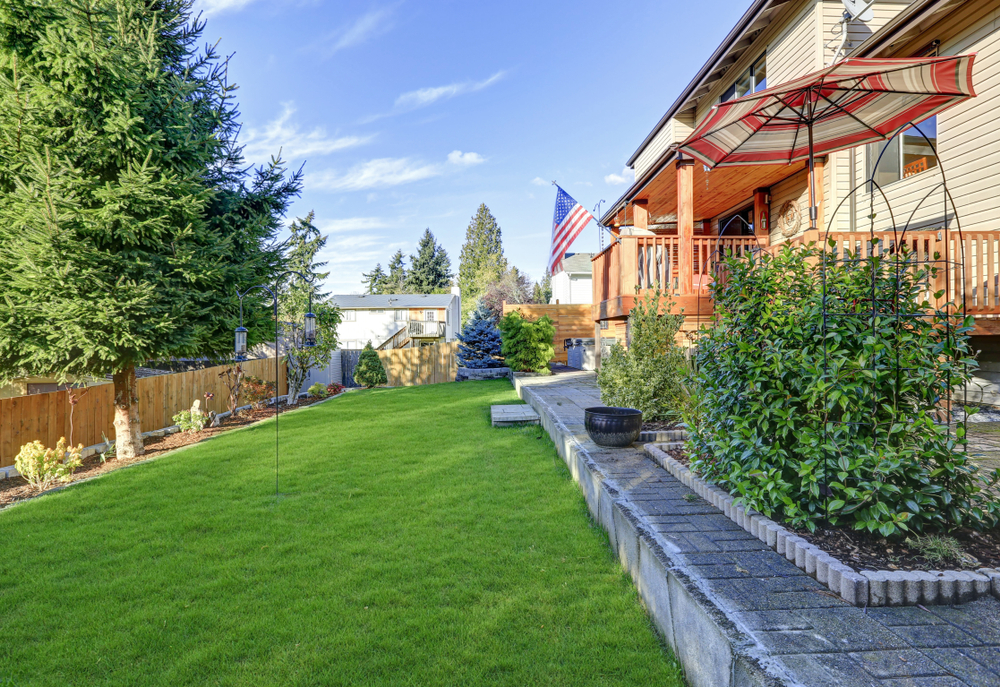
Grading your lawn to slope away from your home is an essential step in preventing water from collecting around your foundation. If your yard is sloped toward your home, rainfall will naturally flow toward the base of your house, causing water to pool around your foundation. Over time, this standing water can seep into your basement or crawl space, potentially causing structural damage, mold growth, and costly repairs. Poor grading can also lead to erosion of the soil, further compounding drainage problems.
To correct poor grading, you can add soil to low spots near the foundation and gradually slope the ground away from the house. A slope of about 2%, or about 1 inch of drop per 10 feet of distance, is usually sufficient to direct water away. In addition to protecting your home’s foundation, regrading your lawn can also improve the overall look of your yard and prevent standing water from damaging plants and grass.
Install a Dry Well
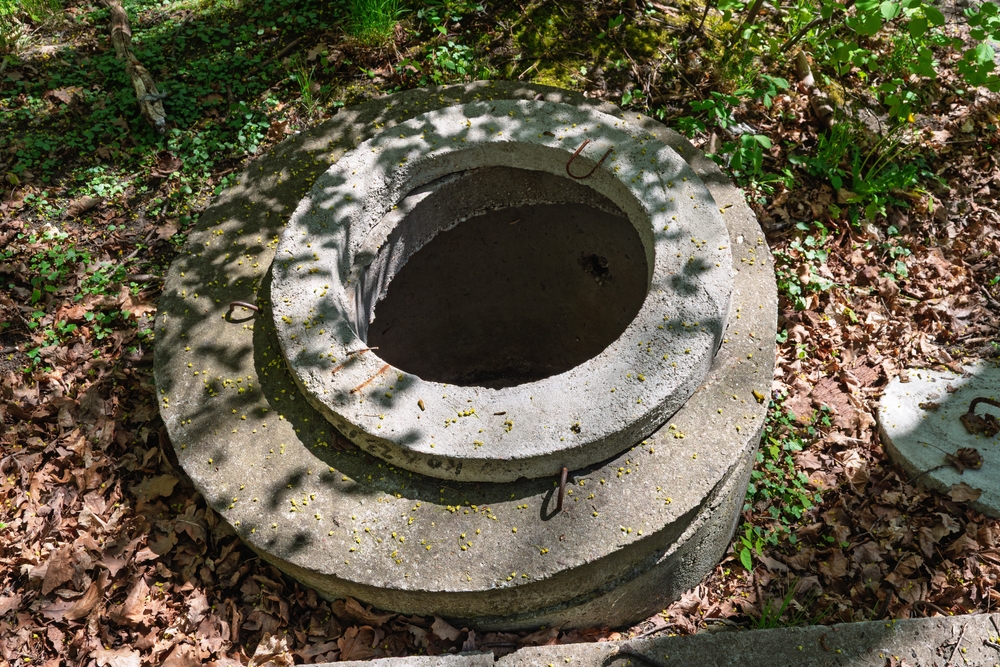
A dry well is an underground structure designed to capture and hold excess water until it can be absorbed into the soil. Installing a dry well is an effective solution for areas where water tends to collect, such as near downspouts, driveways, or low-lying portions of your yard. These wells allow water to slowly percolate into the ground rather than sitting on the surface, reducing the risk of water damage and flooding.
Dry wells are typically filled with gravel, which helps the water flow into the ground while preventing it from overwhelming the surrounding soil. They are often connected to downspouts or French drains to direct excess water to the well. Installing a dry well is a great option for properties that experience frequent or prolonged rain, especially in areas where surface water cannot easily escape.
Use a Rain Barrel
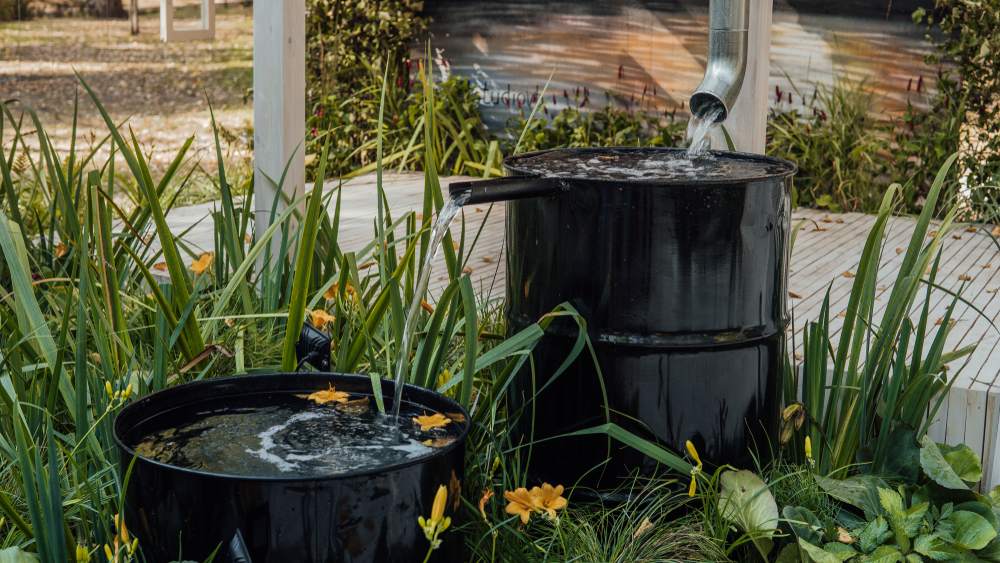
Rain barrels are a simple and eco-friendly way to collect rainwater from your roof. By attaching a barrel to a downspout, you can capture the water that would otherwise flow into the gutters and downspouts. This water can then be used for gardening, lawn irrigation, or cleaning, reducing your water bills and helping to manage the flow of water around your property. While rain barrels are primarily for water conservation, they also help reduce the amount of water flowing into storm drains, which can lessen the risk of flooding and erosion around your home.
Properly installing and maintaining a rain barrel can also prevent water from overflowing near your foundation. To prevent mosquitoes from breeding, ensure that the barrel is sealed properly and has a screen to filter debris. With the ability to store up to 50 gallons of water or more, a rain barrel can make a significant difference in managing water runoff and improving your yard’s overall drainage system.
Redirect Downspouts
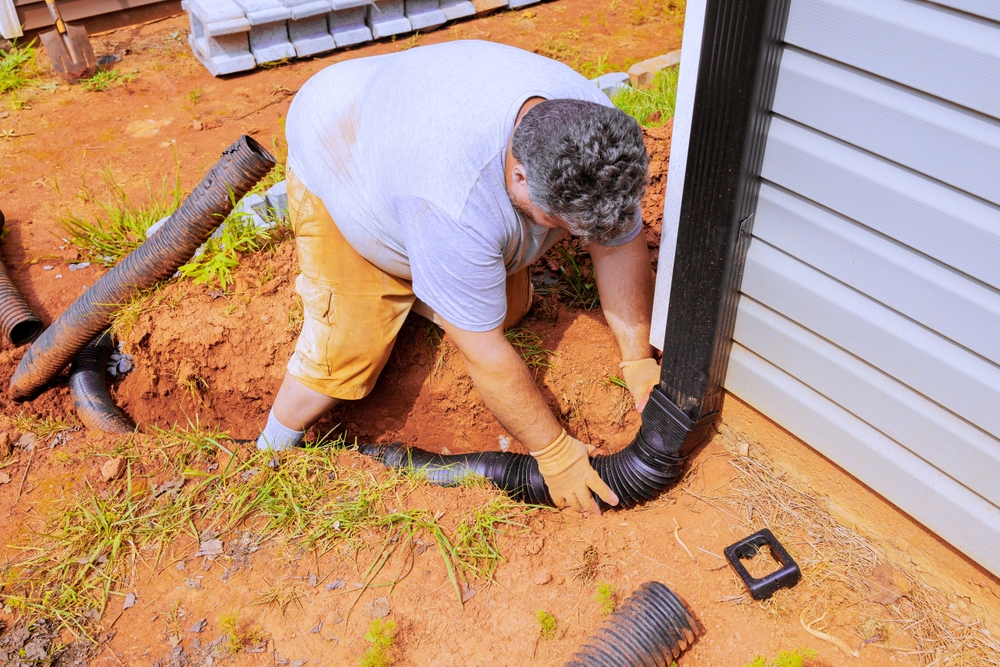
While cleaning gutters and downspouts is essential, it is equally important to ensure that the downspouts direct water away from your foundation. If your downspouts simply empty near the foundation or in areas where water tends to collect, the result is water pooling around your home. By adding extensions to your downspouts, you can redirect the flow of water to a safer area, such as the yard or street.
Downspout extensions are affordable and easy to install. They come in flexible and rigid forms, and many can be cut to the required length. Redirection ensures that water does not settle near your foundation, where it could cause leaks, mold, or erosion over time.
Improve Soil Drainage with Organic Matter
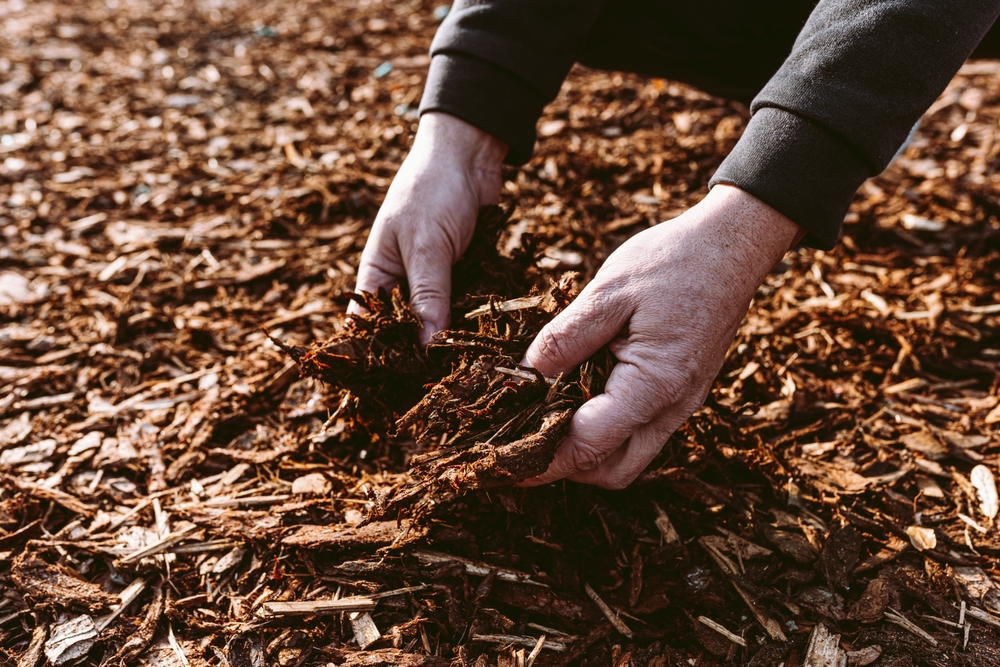
Soil that is heavy with clay tends to retain water, leading to poor drainage and waterlogged areas in your yard. To improve soil drainage, you can amend the soil by adding organic matter, such as compost or mulch. These materials improve the soil structure by creating spaces that allow water to flow more easily, reducing surface water runoff, and promoting better absorption.
Organic matter not only improves drainage but also provides nutrients that help plants grow and thrive. This simple adjustment can make a big difference in managing water on your property, especially in areas with heavy, compacted soil. With improved soil structure, your lawn and garden will be better able to absorb rainwater, preventing water from pooling or running off into unwanted areas.
Plant Ground Cover to Prevent Erosion
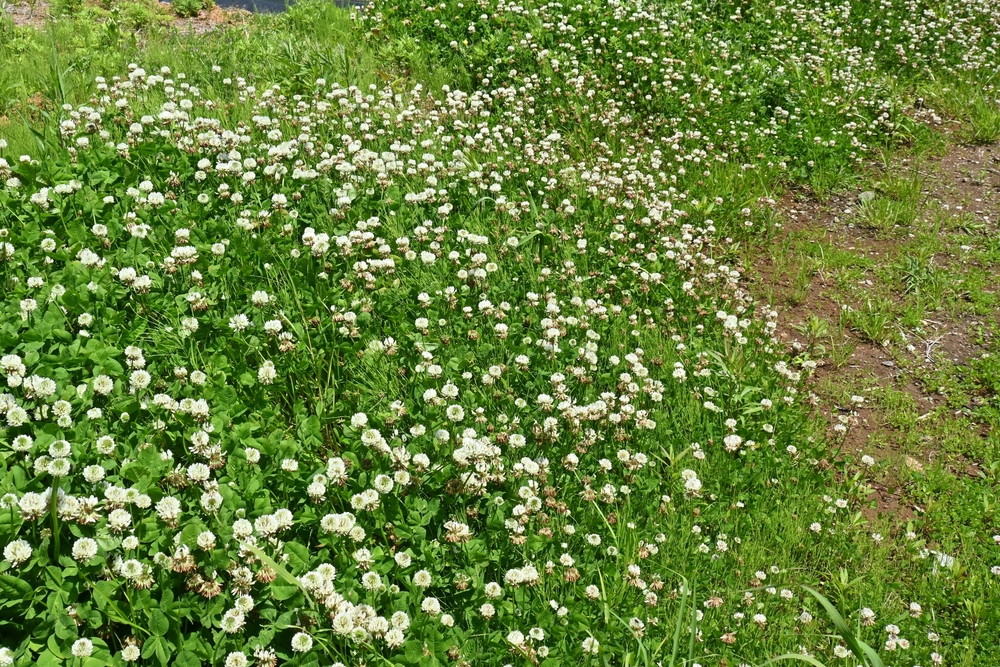
Planting ground cover is a simple way to help manage water runoff and prevent soil erosion. Ground cover plants, such as clover, creeping thyme, or grass, form a dense mat that absorbs water and reduces the speed at which it flows over the surface. This slows down the water, allowing it to soak into the soil rather than running off into your yard or foundation.
In addition to reducing erosion, ground cover plants provide a natural, aesthetically pleasing way to manage water in your landscape. They can be used in areas where grass struggles to grow or in spaces where you need to cover bare soil. The plants also promote healthy soil, which aids in better water retention and drainage.
Install a Sump Pump
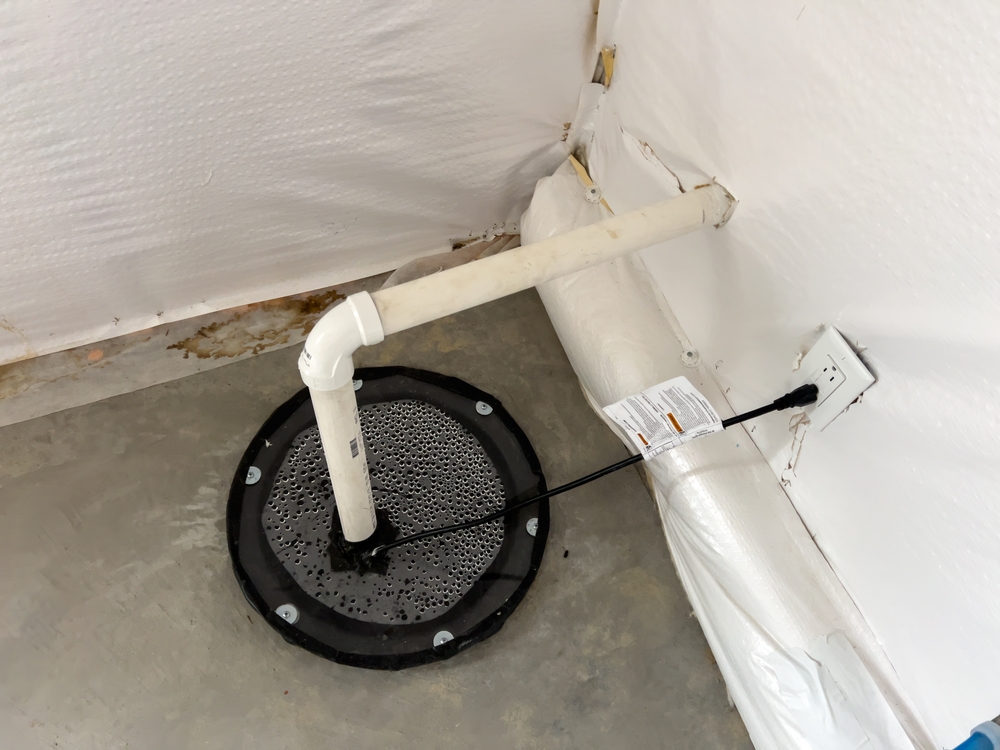
A sump pump is an essential tool for homes located in areas prone to flooding or excessive groundwater buildup. It is installed in a sump pit in the basement or crawl space and works by pumping water away from the foundation and out of the house. Sump pumps are particularly helpful in homes with a history of water intrusion during heavy rains or melting snow.
To ensure that the sump pump operates effectively, test it regularly and keep the discharge pipe clear. This tool can prevent costly basement flooding, foundation damage, and mold growth by keeping water levels in check. If your home is at risk of groundwater seepage, installing a sump pump is one of the most reliable ways to keep your property safe.
Use Permeable Pavers for Driveways and Walkways

Traditional concrete and asphalt driveways can cause water to pool and run off, increasing the risk of flooding. Permeable pavers, on the other hand, allow rainwater to filter through the surface and be absorbed into the ground below. These pavers are designed with gaps or porous materials that promote water drainage, reducing the amount of water that flows over your driveway and into surrounding areas.
In addition to improving drainage, permeable pavers are a sustainable solution that helps prevent erosion and groundwater contamination. Installing them in areas where rainwater tends to collect can help divert excess water away from your home, garden, and landscaping. This is a long-term investment that can improve your yard’s overall water management and reduce the need for costly drainage systems.
This article originally appeared on Avocadu.