
10 Simple Ways to Bring Your Garden Indoors for Winter
As the cold weather sets in, it’s time to think about how to keep your garden thriving indoors. Bringing plants inside for the winter can be a simple process with the right steps. From adjusting watering habits to ensuring proper lighting and humidity, these tips will help your plants stay healthy and vibrant during the colder months. With a little care, your indoor garden can flourish, even when it’s snowing outside.
This post may contain affiliate links, which helps keep this content free. Please read our disclosure for more info.
Gradually Acclimate Your Plants
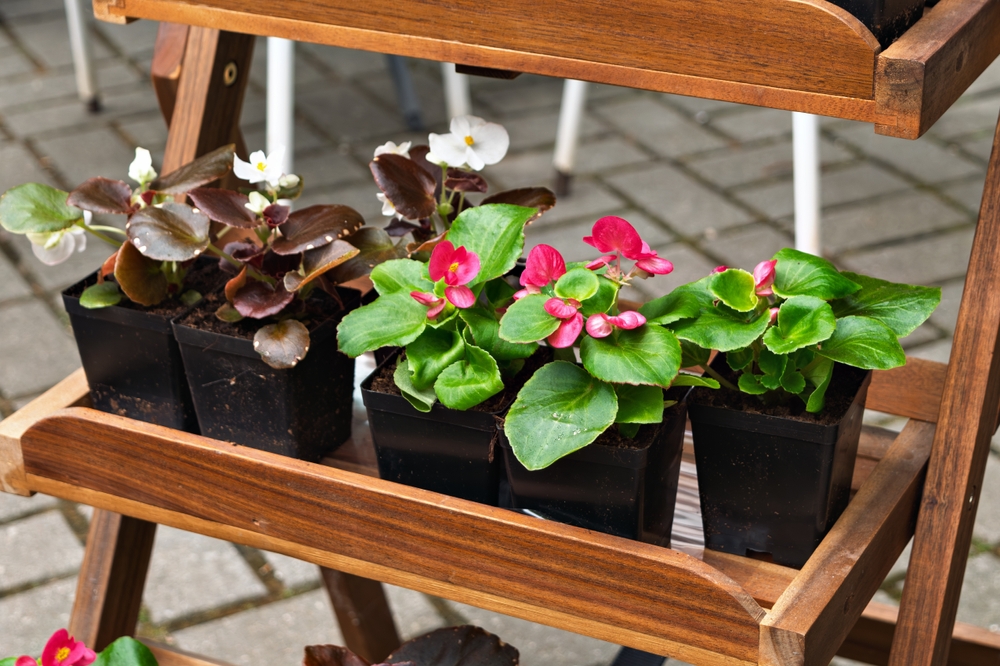
When transitioning plants indoors for the winter, it’s important to gradually acclimate them to the change. Start by moving them outside during the day and bringing them back inside at night for a week or two. This helps them adjust to indoor conditions without shocking them. Gradual acclimation allows your plants to adapt to the difference in temperature and light intensity. Once they are used to the indoor environment, you can move them to their permanent spots.
This step is essential to reduce stress on the plants. Rapid temperature changes can cause damage, especially to more delicate species. By gradually introducing them to indoor conditions, you give your plants a better chance at thriving through the colder months. Be patient and take your time with the process to ensure healthy, happy plants.
Clean Your Plants Thoroughly
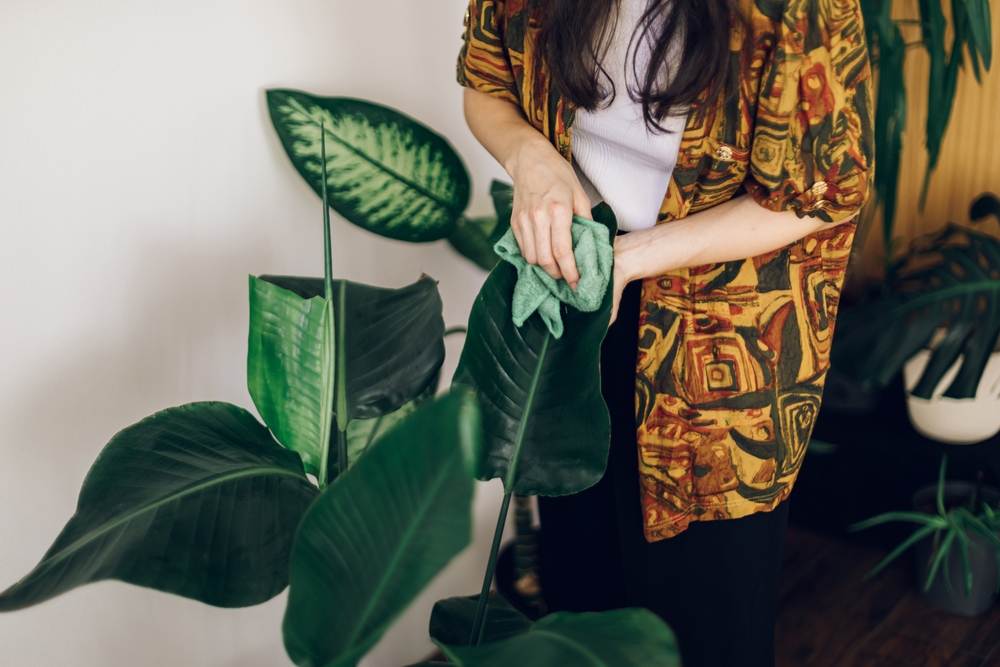
Before bringing your plants indoors, it’s essential to clean them to remove pests and prevent any unwanted bugs from hitching a ride into your home. Start by gently wiping the leaves with a damp cloth or a gentle plant-safe insecticidal soap. Don’t forget to inspect the undersides of the leaves and any nooks where pests may hide. Removing dead or yellowing leaves is also a good idea, as it helps prevent mold growth and keeps your plant looking tidy.
Thorough cleaning ensures that your indoor environment stays pest-free. Additionally, a clean plant is a healthy plant, as it can breathe better and absorb more light. Regular cleaning throughout the winter can help maintain plant health and prevent infestations that could spread to other plants in your collection.
Ensure Proper Drainage
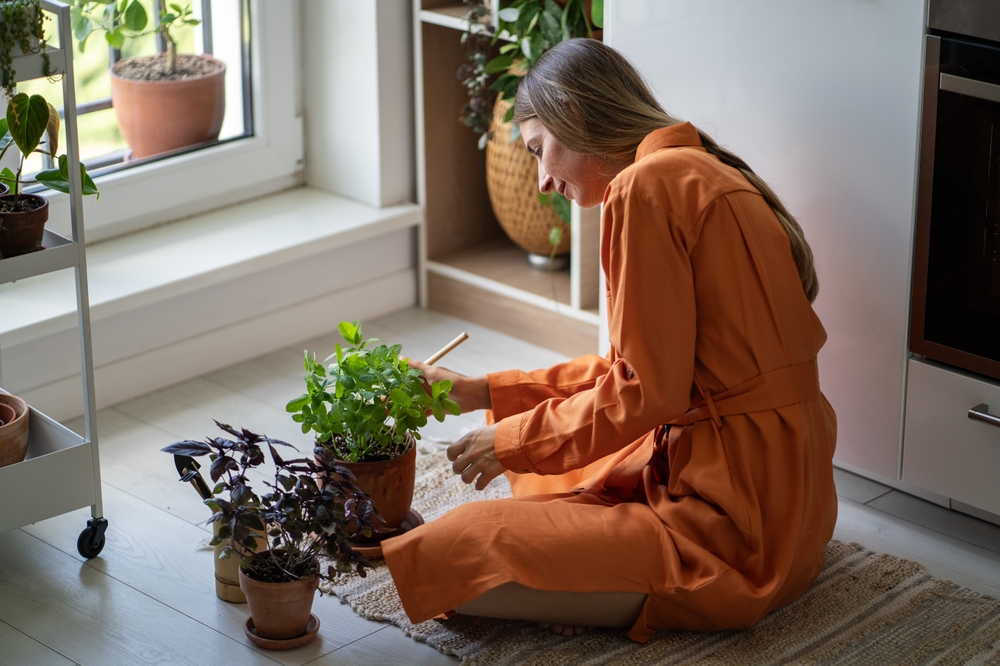
Proper drainage is crucial when moving plants indoors for the winter. Without good drainage, the roots can become waterlogged, which can lead to root rot and other issues. Make sure that each pot has drainage holes at the bottom. If the pot doesn’t have them, consider repotting the plant into a new one with proper drainage.
In addition to proper drainage holes, ensure the saucers underneath the pots are large enough to catch excess water. Watering indoors can be tricky, as humidity levels are different than outside. Keeping the soil properly drained is key to keeping plants healthy and avoiding overwatering, especially during slower winter growth.
Provide Adequate Light
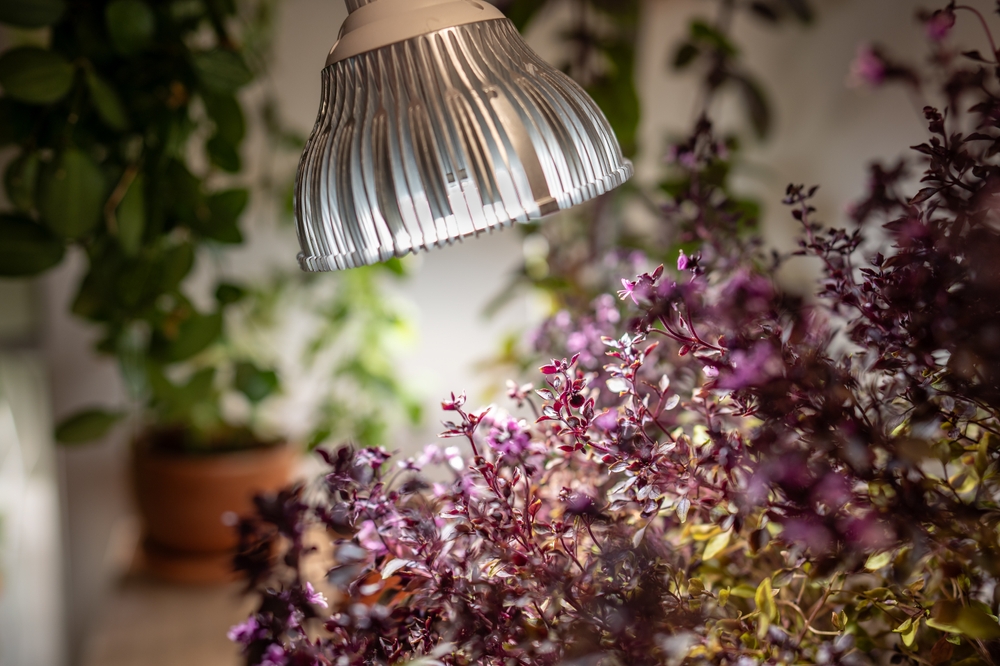
One of the biggest challenges of growing plants indoors during the winter is the reduced light. Many plants need bright, indirect light to thrive, and with shorter days and lower sunlight intensity, this can be difficult to achieve. Place your plants near windows that get the most sunlight, but be mindful of drafts or temperature changes from the glass.
If natural light isn’t enough, supplement with grow lights. These lights are designed to provide the right spectrum of light for plant growth. Invest in a good-quality grow light that mimics the sun’s rays to ensure your plants stay healthy through the winter months. Don’t forget to adjust the height of the lights as the plants grow to maintain an optimal distance for light absorption.
Increase Humidity
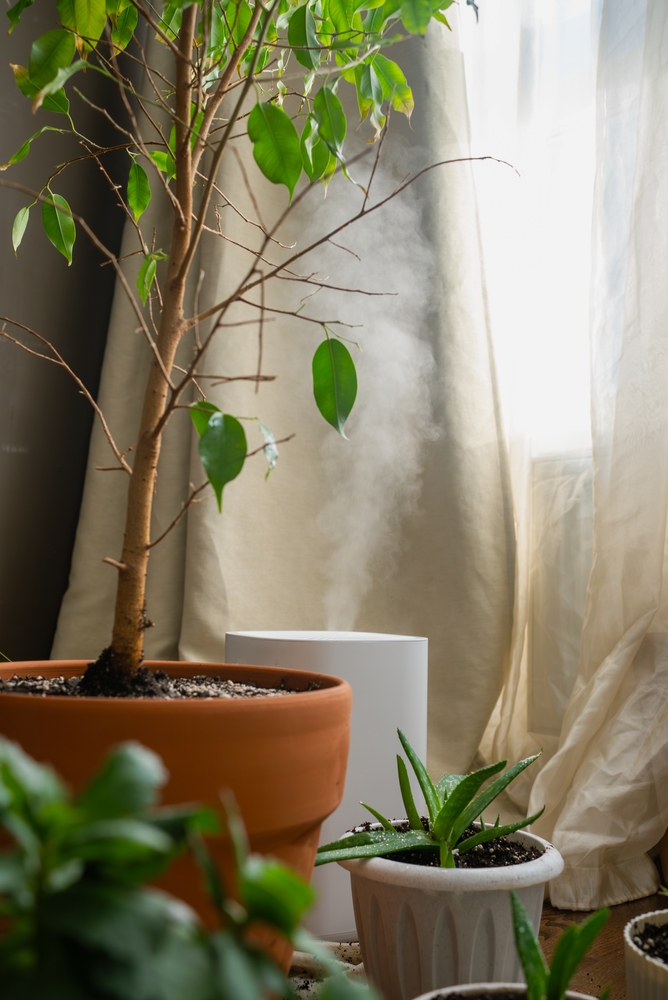
Indoor air can become quite dry during the winter months due to heating systems, which is not ideal for many plants. To help your plants thrive, increase the humidity around them. One easy way to do this is by placing a shallow tray of pebbles and water under your plants. As the water evaporates, it raises the humidity level around the plant.
Alternatively, you can use a humidifier in the room. Humidifiers help maintain consistent moisture in the air, which is especially beneficial for tropical plants that require higher humidity. Just make sure to monitor the humidity levels to prevent excess moisture, which could lead to mold or mildew growth.
Adjust Watering Habits
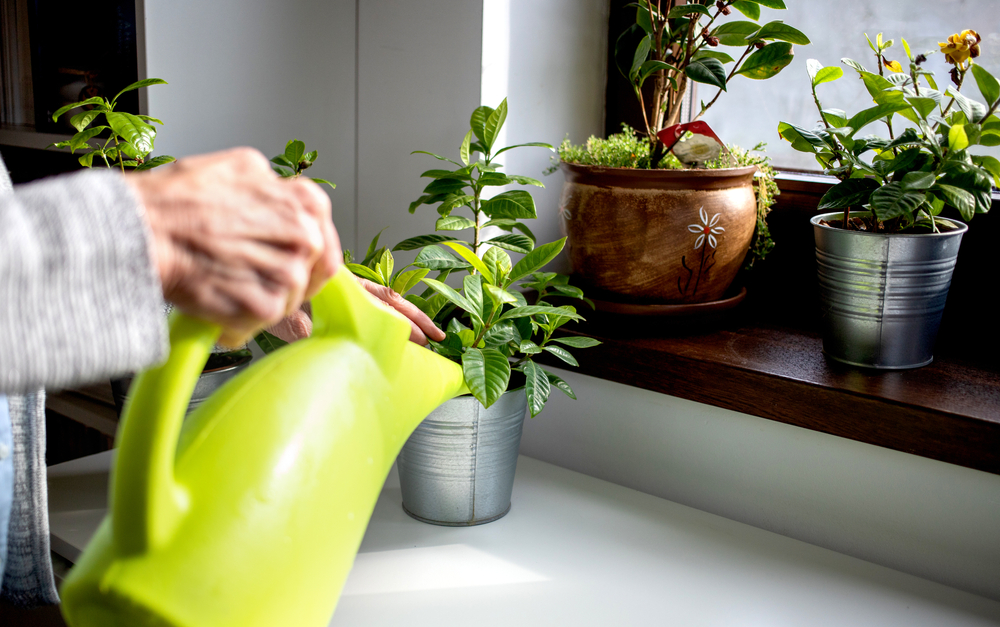
Indoor plants tend to grow more slowly during the winter, and as a result, they require less water. Overwatering is one of the most common mistakes made during the winter months. Be sure to check the moisture level of the soil before watering. Allow the top few inches of soil to dry out before watering again.
During winter, plants use less water due to reduced light and slower growth. Overwatering during this time can suffocate the roots and cause other problems, such as mold or root rot. Adjust your watering schedule accordingly and be mindful not to let the soil stay too damp for too long.
Create a Winter Planting Zone
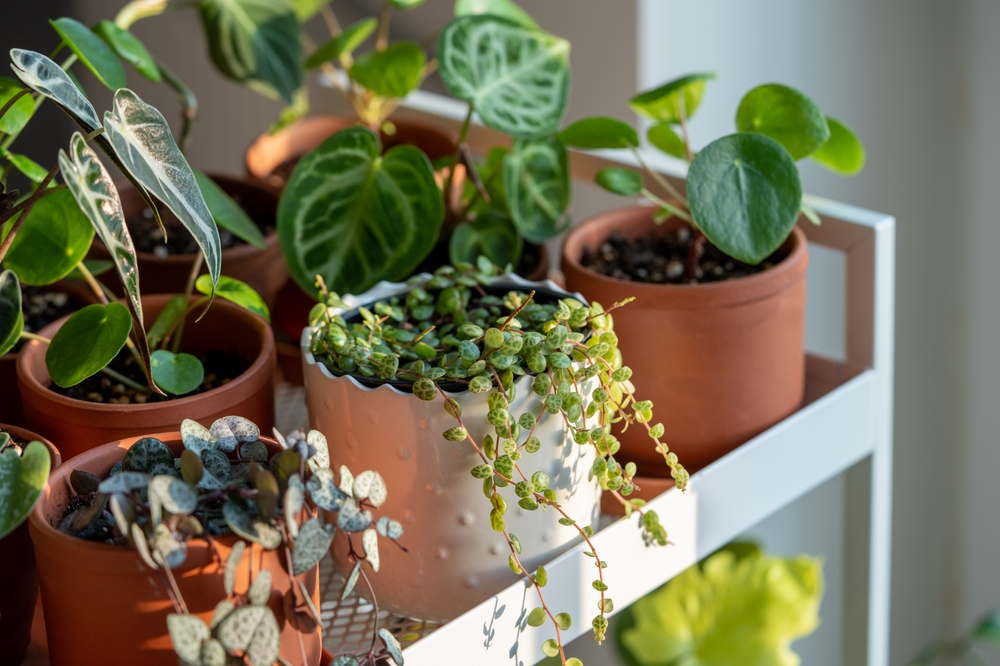
Set up a specific area in your home where your indoor plants can thrive during the winter months. This zone should be close to a window with plenty of indirect light and away from drafts or heat sources. A plant corner with shelves or plant stands allows you to organize and display your plants neatly.
Creating a dedicated indoor plant area helps keep your plants in one place where you can easily care for them. This setup also helps with temperature control, making sure plants are not exposed to cold drafts or hot, dry air. By designating a special area, you provide a stable environment for your plants.
Use Pots with Reflective Surfaces
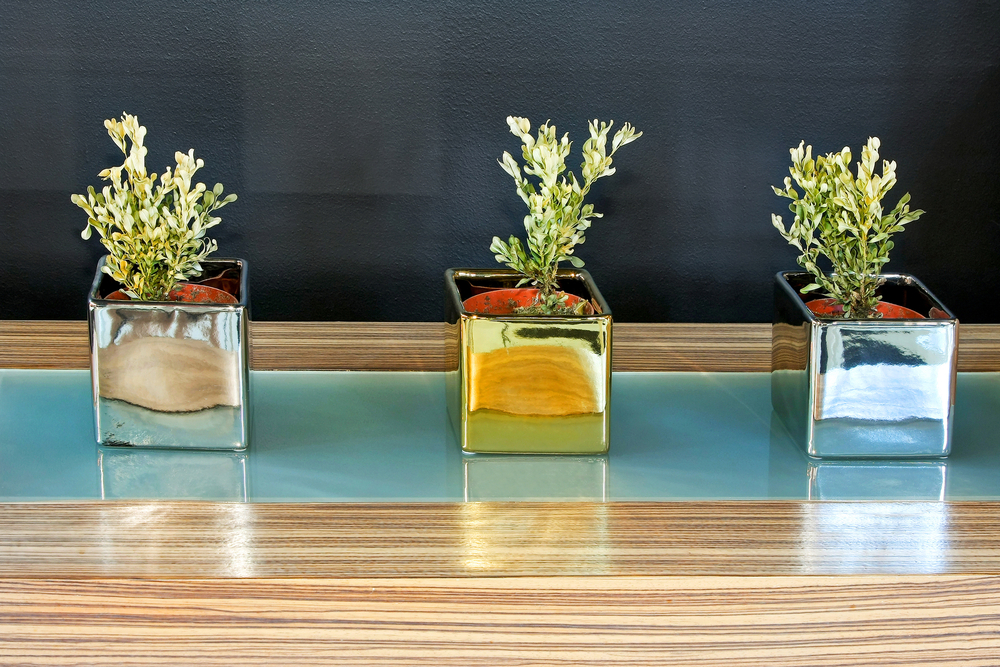
Reflective pots can help to increase the light that your plants receive, which is especially helpful during the winter months when natural light is limited. Light-colored pots or those with a reflective finish can bounce light back toward the plant, helping it absorb more light and stay healthier.
While this may seem like a small change, it can have a noticeable impact on your plant’s ability to photosynthesize indoors. Reflective surfaces can help distribute light more evenly, preventing your plant from becoming “leggy” as it stretches toward the nearest light source. This is a simple trick to give your plants an added boost during the darker months.
Avoid Excessive Fertilization
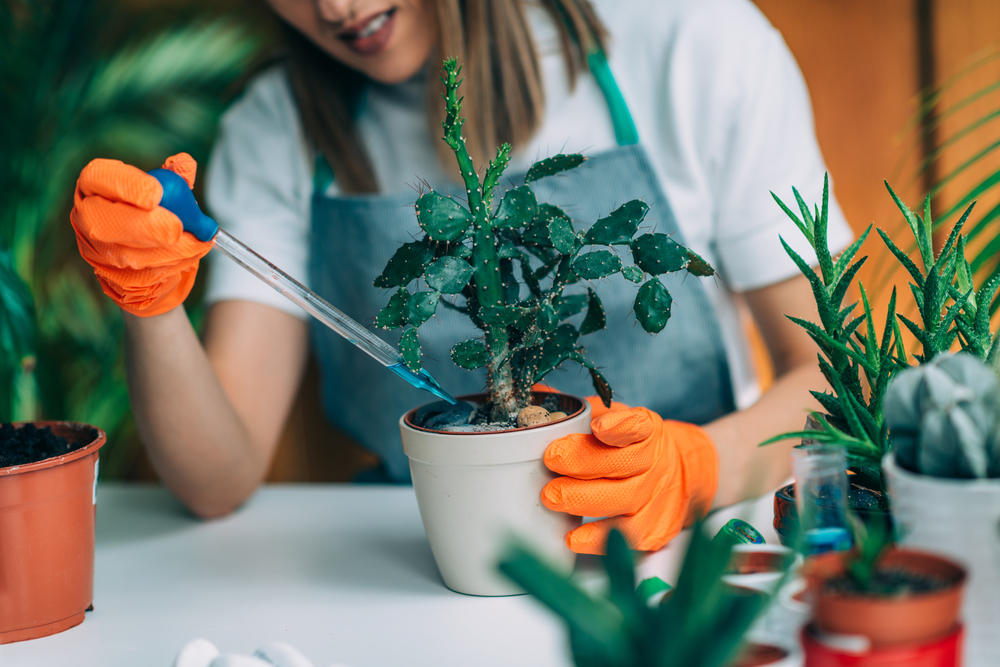
During the winter, plants go into a period of dormancy or slower growth. As a result, they don’t need the same level of nutrients as they do during the warmer months. Avoid fertilizing your indoor plants too much during winter, as this can lead to nutrient buildup in the soil, which can harm the plant.
Instead of fertilizing regularly, only fertilize your plants once every 4-6 weeks with a diluted, balanced fertilizer. This helps to provide the necessary nutrients without overwhelming the plant. Always make sure the soil is properly watered before applying fertilizer, as dry soil can cause fertilizer burn.
Keep Your Plants Away from Drafts
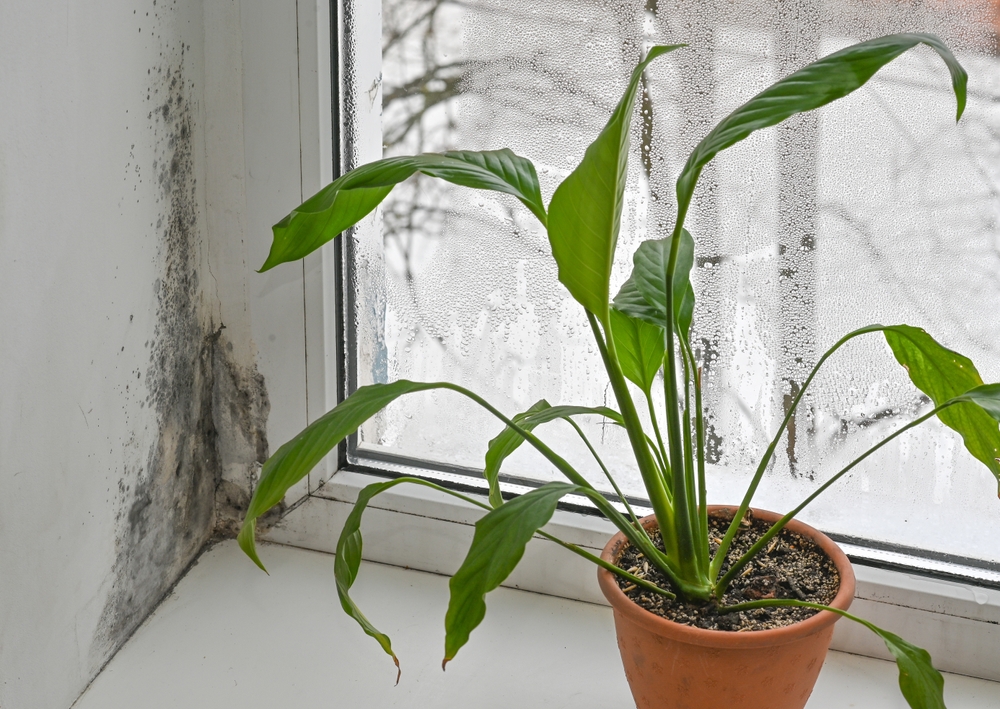
Cold drafts from windows, doors, or vents can be harmful to your plants. These drafts can cause temperature fluctuations that are stressful to plants and can lead to problems like leaf drop or wilting. Make sure your plants are not sitting in areas where they are exposed to cold drafts, especially during the night.
If you cannot avoid drafts, consider moving the plants to a more stable spot or using heavy curtains or draft blockers to protect them. Keeping your plants in a stable, moderate environment will help them adjust to the indoor winter conditions without added stress.
This article originally appeared on Avocadu.