
11 Simple Trellis and Fence Fixes That Stop Spring Flops
With spring on the way, it’s time to prepare your garden for a fresh start. Trellises and fences play a crucial role in supporting your plants, but they sometimes need a bit of repair after the colder months. Whether it’s fixing a sagging trellis or adding extra support to your fence, small changes can make all the difference. Avoiding common pitfalls will ensure your plants grow strong and healthy this season. Let’s dive into some simple fixes that will keep your garden structures working their best.
This post may contain affiliate links, which helps keep this content free. Please read our disclosure for more info.
Reinforce Leaning Trellises
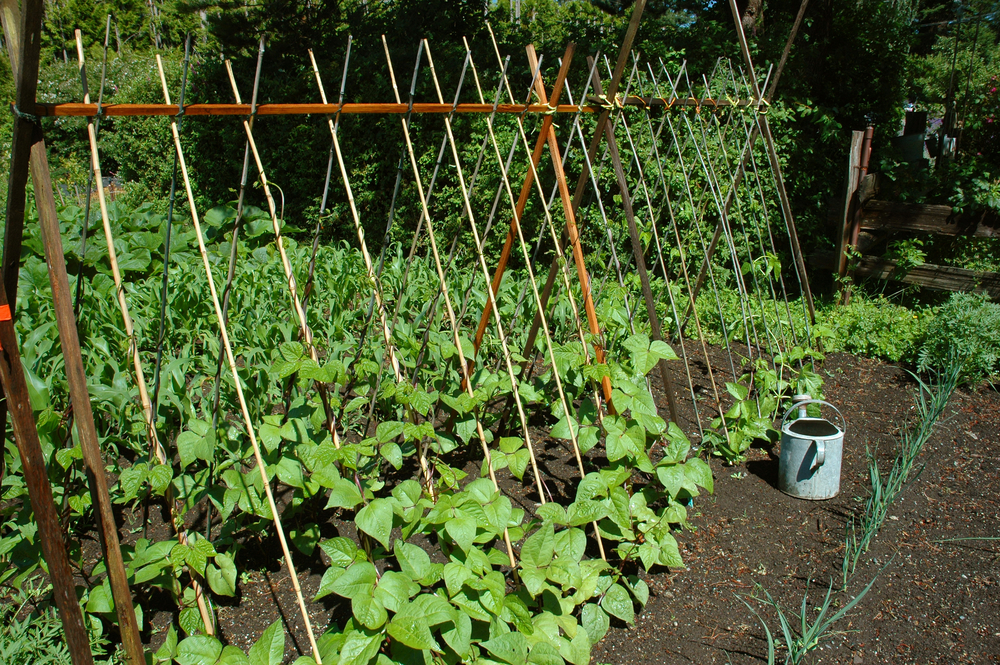
Trellises that lean or sag can be an eyesore and cause your climbing plants to grow unevenly. To prevent this, start by driving wooden stakes or metal rods into the ground, near the base of the trellis. Secure the trellis to the posts using heavy-duty wire or twine to keep it upright. This simple but effective fix will not only help prevent the trellis from toppling but will also provide your plants with the proper support they need to grow tall and healthy.
If the trellis is particularly large or holds heavy plants, consider using multiple stakes along the sides for extra reinforcement. Check periodically to ensure the trellis is still properly anchored, especially after strong winds or rain. The weight of climbing plants can sometimes shift the structure, so keeping the trellis sturdy ensures your plants get the support they deserve throughout the growing season. By making this small investment of time, you can extend the life of your trellis and ensure your plants remain strong.
Strengthen Fence Posts
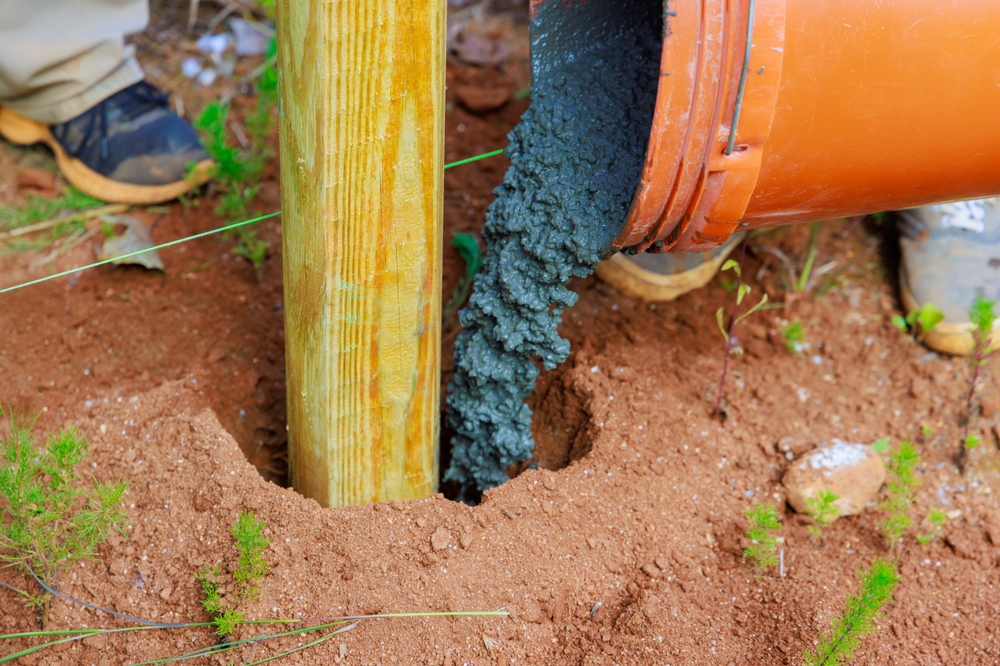
Fence posts are the backbone of your entire fence system, and when they start to lean or wobble, the entire structure can become unstable. To prevent this, carefully inspect each fence post for signs of looseness or damage, and if necessary, dig around the base to reinforce it. Pour fresh concrete around the post to secure it back into place, ensuring it is firmly anchored. This will prevent your fence from swaying or collapsing, especially when it supports climbing plants that put additional weight on the structure.
If your fence posts are particularly tall or the area is prone to high winds, consider adding extra bracing for added stability. Diagonal braces or angled support posts can be installed at key points along the fence to prevent any future leaning. The key to a sturdy fence is a solid foundation, and by reinforcing your posts, you will be able to withstand the forces of nature while keeping your garden safe and secure. Regularly check your fence posts to make sure they remain intact as the season progresses, and replace any posts showing signs of wear.
Replace Broken Fence Panels
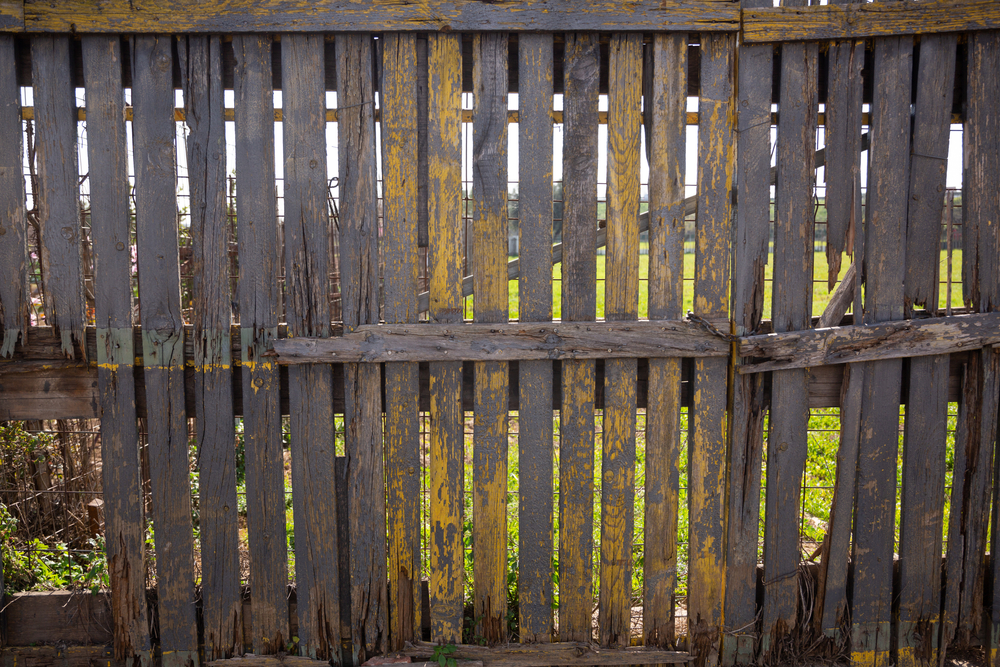
Over time, weather and wear can cause fence panels to break or warp. If you notice any panels that are cracked or splintered, it’s important to replace them as soon as possible to prevent further damage. Carefully remove the damaged panel and take measurements to ensure the replacement panel fits properly in the existing frame. When installing the new panel, use nails or screws to secure it in place, making sure the edges line up with the adjacent panels for a smooth finish.
For added protection against the elements, consider applying a weather-resistant sealant or paint to the new panel to keep it from rotting or fading. If your entire fence is showing signs of wear, this might be the perfect opportunity to upgrade to a more durable material, like vinyl or composite, which requires less maintenance and is more resistant to moisture. Replacing broken panels promptly will keep your fence standing tall and prevent further damage from affecting the structure of your garden or yard.
Install Plant Supports on Fences
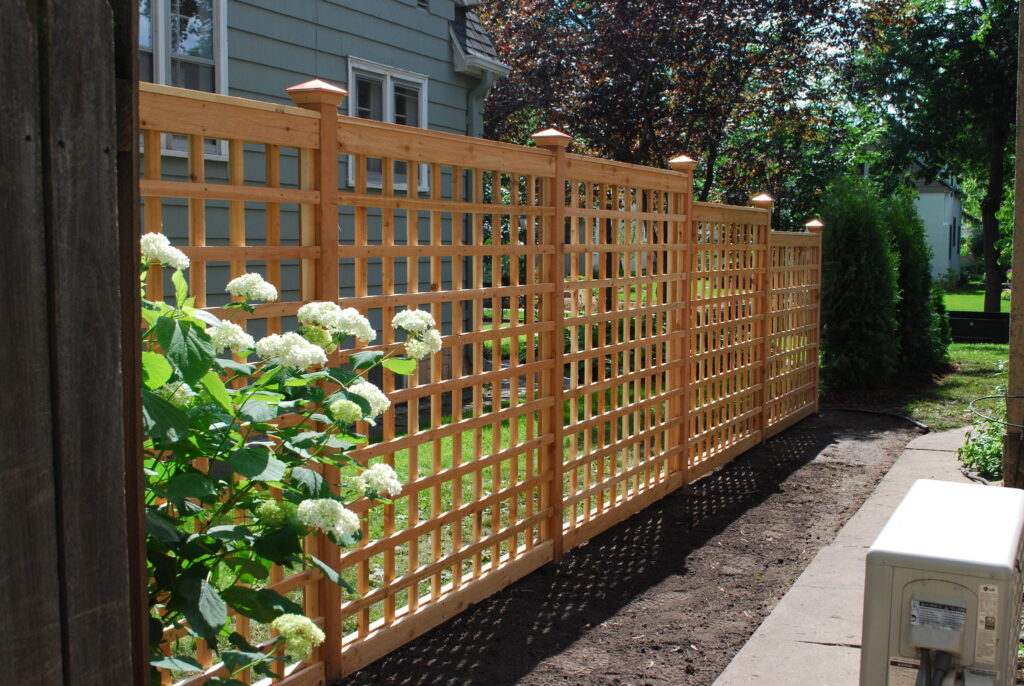
A common challenge with growing climbing plants is ensuring they have the support they need to grow properly. Installing plant supports on your fences can be a great way to help plants like ivy, beans, or roses grow upward and stay off the ground. Start by securing wire mesh, trellis netting, or wooden slats to your fence in a grid-like pattern that allows plants to easily climb. This not only helps plants grow vertically, providing better sunlight access, but it also keeps them tidy and reduces the risk of pests hiding in the undergrowth.
Make sure that the supports are securely attached to the fence, as the added weight of the plants can pull on them over time. For particularly heavy vines or fast-growing plants, consider adding horizontal crossbars to help distribute the weight more evenly across the structure. Regularly check your plant supports to ensure they are intact and can handle the plant growth. These small fixes provide long-term benefits, allowing you to grow a beautiful, well-supported garden with ease.
Treat Wooden Fences for Rot
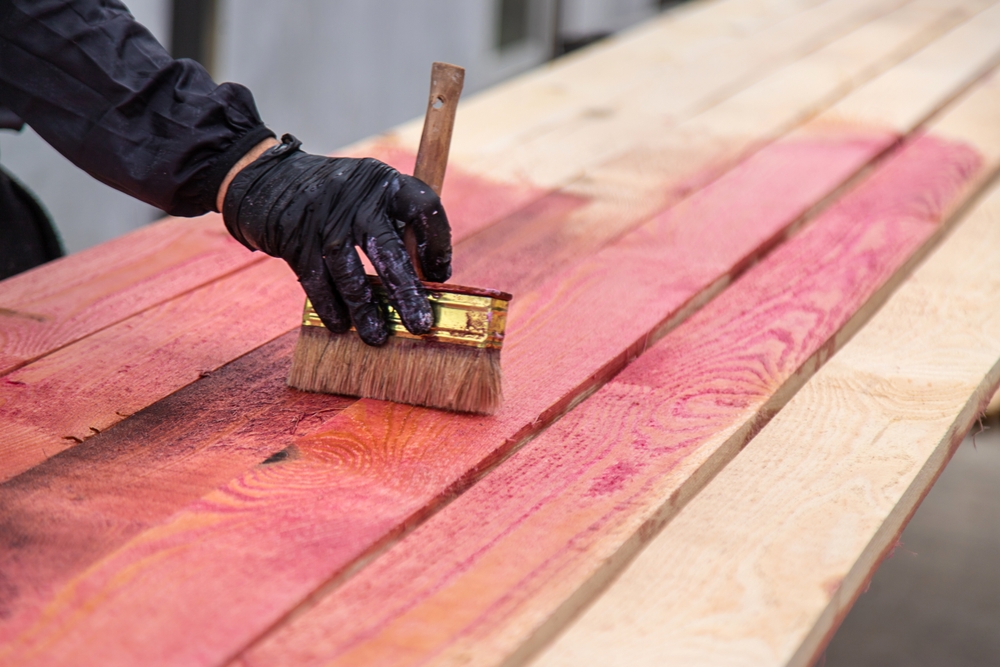
Wooden fences are susceptible to rot, especially when exposed to moisture during rainy seasons or over time. To protect your wooden fence from rotting, it is essential to treat it with a water-resistant sealant or wood preservative. Apply the treatment generously to all wooden surfaces, paying special attention to the bottom of the fence posts and panels, where water is most likely to accumulate. This helps prevent moisture from penetrating the wood and weakening its structure, which can lead to cracks, warping, or even complete collapse.
Additionally, inspect your fence regularly for early signs of rot, such as soft spots or discoloration, and replace any affected sections before they cause further damage. Applying a protective coating at the start of each season will not only prolong the life of your fence but will also keep it looking fresh and strong. If your fence is in an area that is constantly wet or in a damp environment, consider upgrading to a pressure-treated wood that resists moisture better than untreated wood. This simple step can save you from having to replace your entire fence later on.
Trim Overhanging Branches
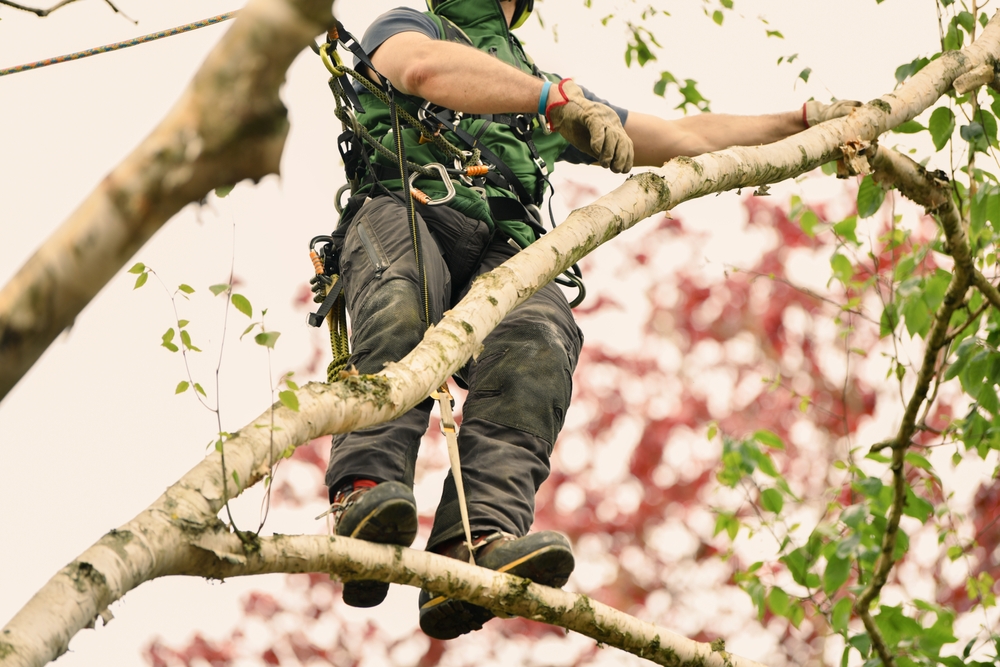
Overhanging tree branches can place unnecessary pressure on your fence or trellis, potentially causing them to sag or break. Regularly trim back any branches that are too close to your fence to prevent them from coming into contact with the structure. This will help prevent damage caused by branches rubbing against the posts or pulling on the trellis, which can cause it to lean. Additionally, removing overhanging branches allows more sunlight to reach your plants, promoting healthier growth.
Be sure to cut the branches cleanly and at a safe angle, making sure not to damage the main trunk of the tree. If the branches are large or too high to reach with a regular pruning tool, consider hiring a professional tree trimmer to handle the job. Keeping your fence and trellis free from obstruction ensures they remain functional and sturdy throughout the growing season, allowing your garden to thrive without interference from overhead growth.
Secure Loose Wire Fencing
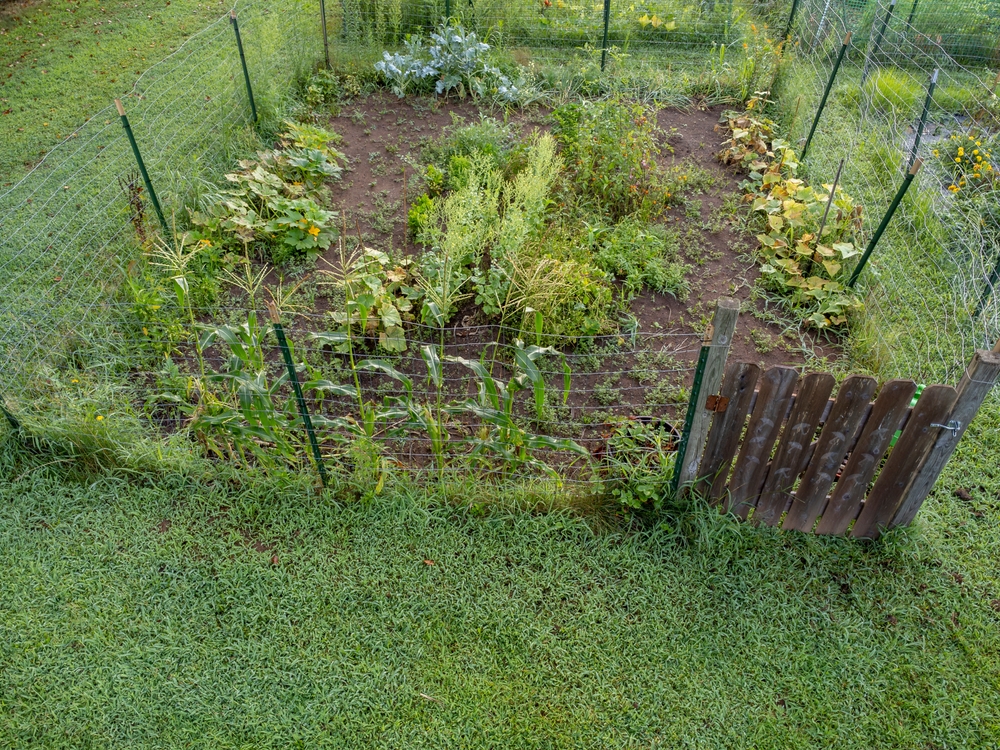
Loose wire fencing can be both unsightly and ineffective in keeping animals out or plants contained. If your wire fence has started to loosen, tighten it by pulling the wire tightly across the posts and securing it with strong wire ties or fencing staples. This will ensure that the fence stays taut and sturdy, preventing it from sagging or becoming tangled with plants. Additionally, check for any areas where the wire might have been damaged, such as rust spots or holes, and patch them up with fresh wire.
If your wire fence has been up for several seasons and is showing signs of wear, consider replacing it with a more durable material, such as galvanized wire or plastic-coated fencing. These materials are more resistant to rust and damage, ensuring the fence stays intact for years to come. Securing loose wire is a simple fix that improves the functionality and appearance of your fence while keeping your garden safe and secure.
Secure Loose Trellis Vines
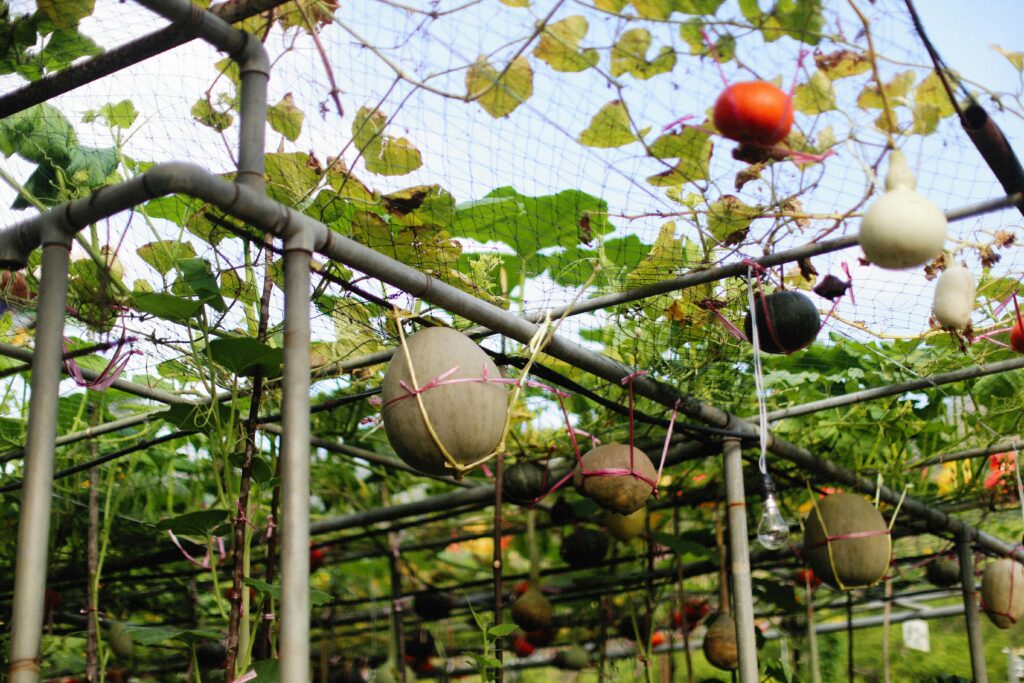
As your climbing plants grow, their vines can become tangled or loose, which can cause them to pull the trellis out of alignment. To prevent this, secure any loose vines with plant ties or wire. Gently tie the vines to the trellis in a way that allows them to grow upward while keeping the plant healthy. This will prevent the trellis from becoming overwhelmed by the weight of the plants, especially during their growth spurts.
Be sure to check the ties periodically and adjust them as needed to accommodate the growing plants. Over time, you may need to replace the ties if they become too tight or damaged. Proper vine support ensures that your plants grow in a controlled, healthy way, without compromising the strength of your trellis. A little maintenance now can prevent significant problems as the season progresses.
Strengthen Trellis Anchors
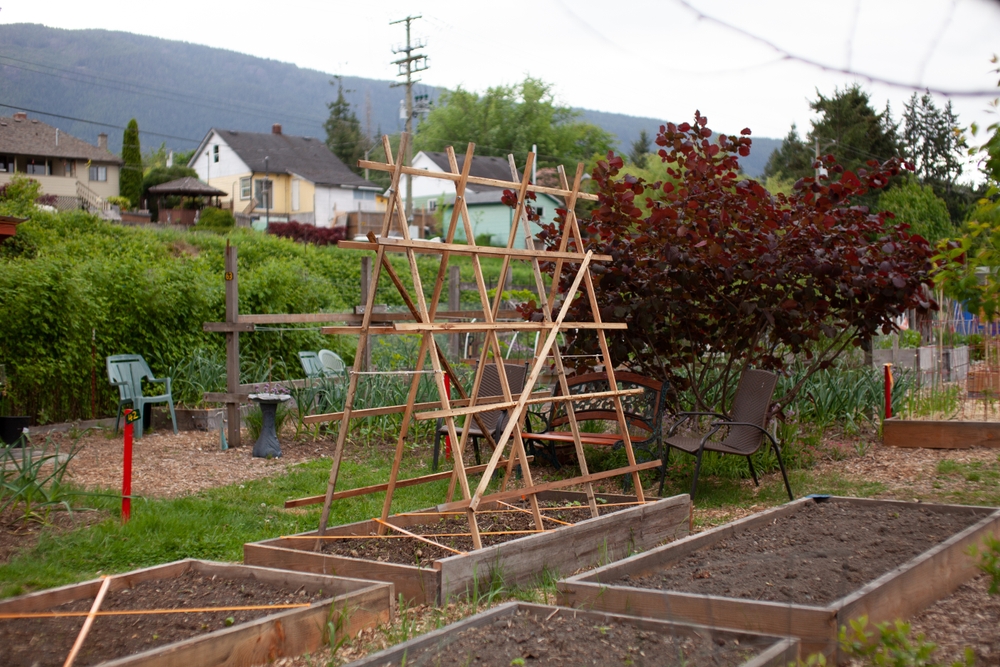
Trellis anchors are essential for keeping your climbing plants supported, but over time, they can become weak or loose. To strengthen your trellis, check the anchors at the base and add extra posts or stakes for reinforcement. These additional supports help keep the trellis in place, even when plants become heavy with blooms or fruit.
If your trellis is particularly large or holds substantial vines, consider adding anchor points along the sides for better support. Reinforcing these points will prevent the trellis from leaning or toppling under the weight of your plants. Regularly inspect the anchors and tighten any loose connections to ensure your trellis remains stable and functional throughout the growing season.
Install Drip Irrigation for Fence Gardens
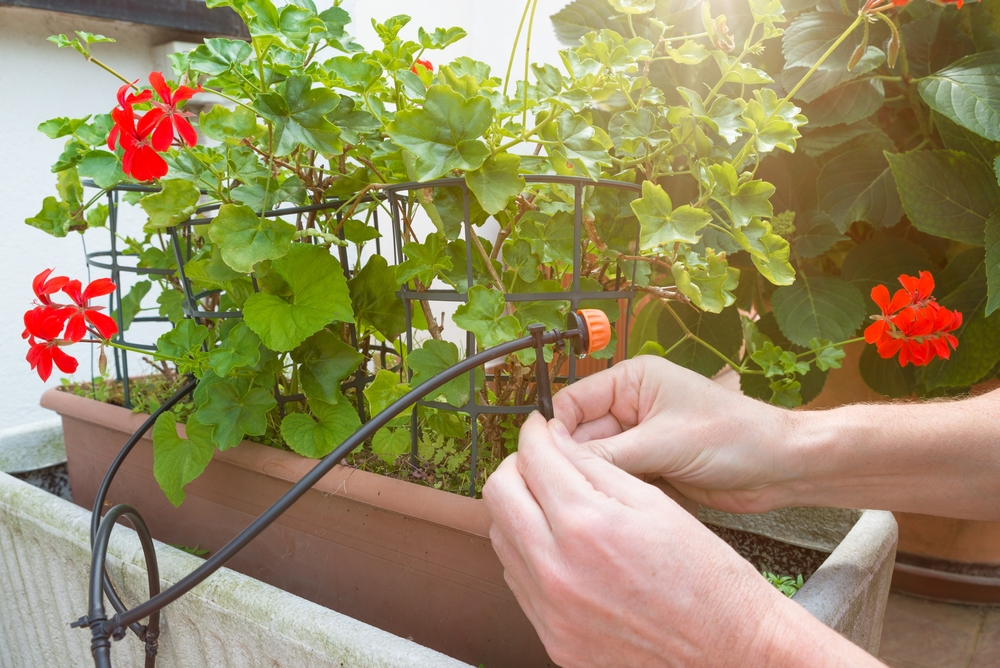
If your fence garden is showing signs of drying out, consider installing a drip irrigation system. This will allow water to reach the roots of your plants more efficiently, without wasting water on unnecessary areas. Drip irrigation systems can be easily attached to your fence, running along the bottom of your trellis or fence panels, with hoses leading directly to each plant.
In addition to improving water distribution, drip irrigation helps prevent overwatering, which can damage both your plants and your fence structure. By directing water precisely where it is needed, you ensure that your garden thrives while keeping your fence and trellis in good condition. It’s an effective and eco-friendly solution for any garden.
Install Protective Netting for Delicate Plants
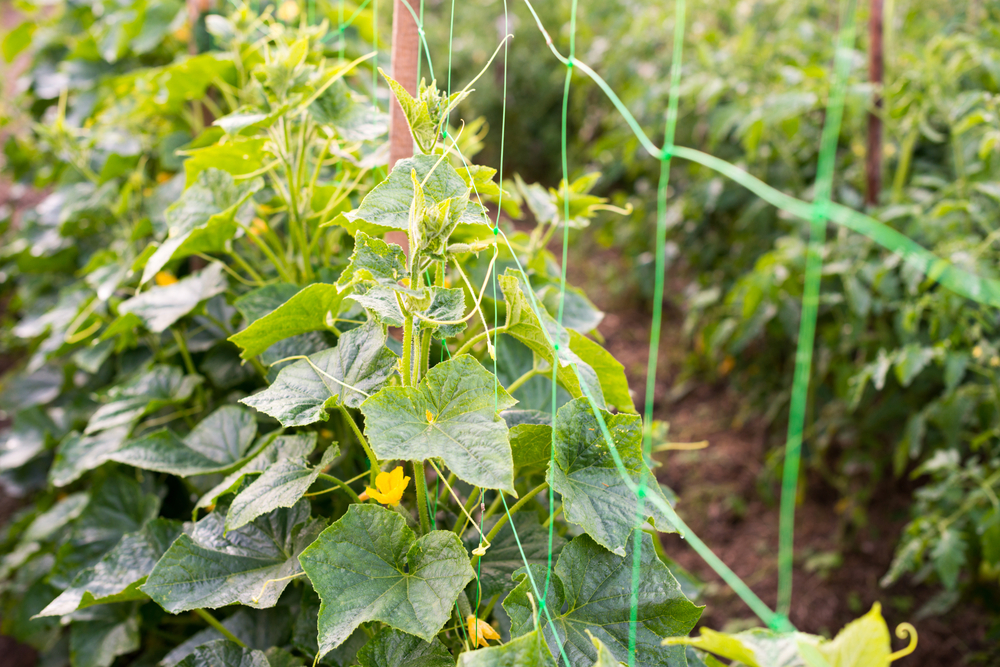
If your plants are particularly delicate, adding a layer of protective netting around your fence or trellis can shield them from harsh weather or animal interference. The netting will help prevent damage from strong winds, heavy rains, or even grazing animals. Use lightweight, breathable netting to ensure that your plants still receive adequate sunlight and airflow while remaining protected.
Secure the netting along the base and top of your trellis or fence, ensuring it is taut but not too tight, as it could restrict plant growth. This inexpensive solution can make a significant difference in protecting fragile plants, especially during the unpredictable spring weather. Regularly check the netting for any tears or damage, and replace it when necessary to keep your plants safe.
This article originally appeared on Avocadu.