
12 Simple Stretching Routines For February Stiffness And Desk Days
Stiffness creeping in after a day at the computer? Stretching is a simple and effective way to counter those desk-day aches. It only takes a few minutes to stretch out tight muscles and improve your posture. These routines are easy to follow and can be done even during a short break.
This post may contain affiliate links, which helps keep this content free. Please read our disclosure for more info.
Neck and Shoulder Stretch

Start by sitting tall with your feet flat on the ground and your back straight. Slowly tilt your head toward one shoulder, gently stretching the side of your neck. You should feel the muscles stretching along the side of your neck and shoulder. Hold this position for about 20-30 seconds, making sure to breathe deeply and relax into the stretch. Repeat this on the other side to stretch the opposite side of your neck and shoulders.
This stretch is perfect for relieving the tension that often builds up after hours spent sitting at a desk. Sitting with poor posture and staring at a screen can cause the muscles in your neck and shoulders to tighten, leading to discomfort and stiffness. Performing this stretch regularly can help release that built-up tension, promoting better posture and improving flexibility. It also encourages the release of muscle knots that may have developed, making it an essential stretch for anyone who experiences neck and shoulder discomfort from desk work.
Chest Opener
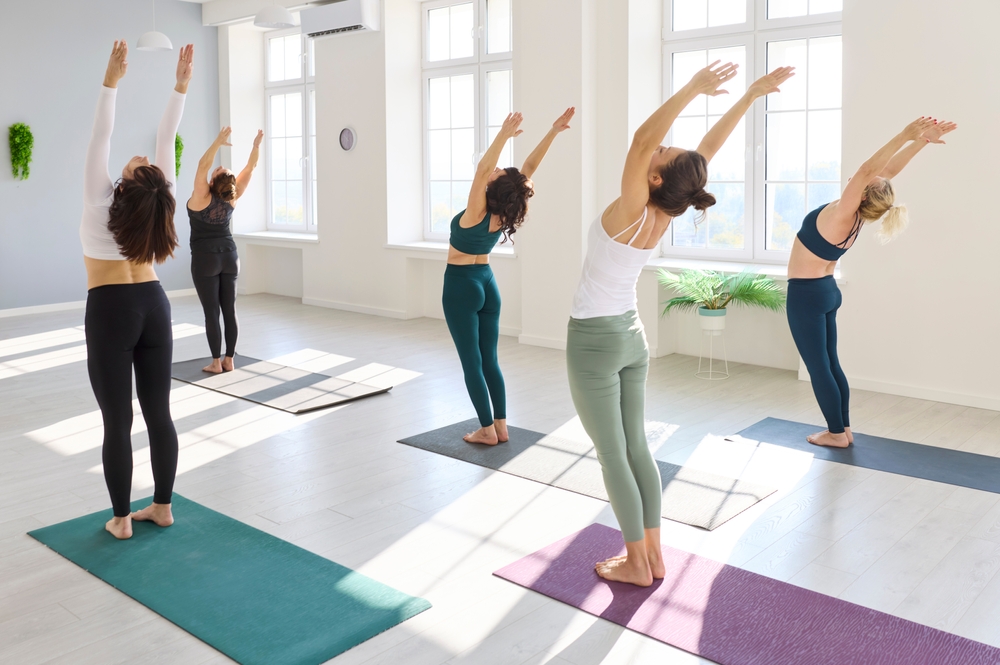
Stand tall with your feet hip-width apart, and clasp your hands behind your back. As you inhale, straighten your arms and slowly lift your chest toward the ceiling, feeling the stretch across your chest and shoulders. Hold this position for about 20-30 seconds while taking deep breaths. Try not to arch your lower back too much, and focus on lifting your chest rather than pushing your shoulders forward. Repeat this stretch a few times to get a deeper stretch in the chest and shoulders.
A lot of desk work leads to hunched shoulders and a tight chest due to the constant forward motion of our arms and shoulders. This chest opener stretch is excellent for counteracting that, helping you stand tall and open your chest. Not only does it provide relief from tight chest muscles, but it also helps improve your posture by encouraging you to stand with your chest lifted and shoulders back. By doing this stretch regularly, you can prevent the slouched posture that often comes from spending long hours sitting at a desk.
Upper Back Stretch

Start by sitting comfortably in a chair with your feet flat on the floor. Reach both arms straight in front of you and clasp your hands together, turning your palms away from your body. Push your arms forward and round your upper back, bringing your shoulder blades apart. As you hold this position, try to relax your neck and breathe deeply to maximize the stretch. Hold for 20-30 seconds, feeling the stretch in your upper back and shoulders.
The upper back can become very stiff and tense from sitting hunched over a desk for hours. This stretch helps release tightness in the upper back and between the shoulder blades. It’s especially useful for those who experience upper back pain or discomfort after long hours of typing or using a computer. Regularly practicing this stretch can improve your posture, reduce muscle stiffness, and help prevent discomfort in the back and shoulders, which are common issues for desk workers.
Seated Spinal Twist
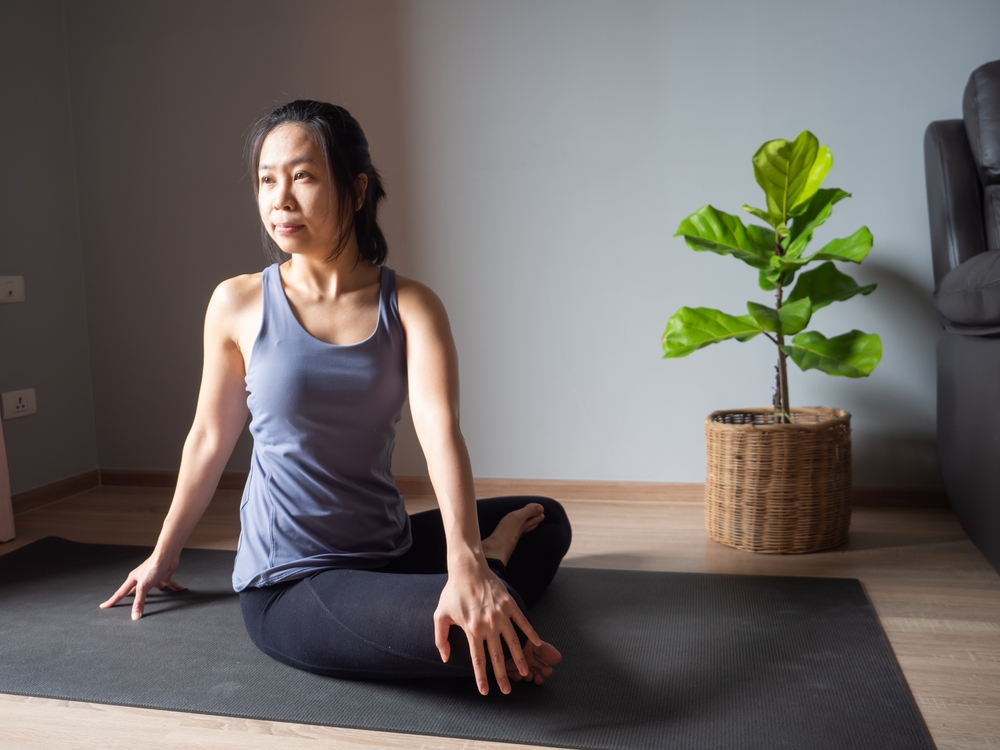
Sit tall in a chair with your feet flat on the ground and your back straight. Gently twist your torso to the right, placing your left hand on the outside of your right thigh for support. As you twist, try to keep your hips facing forward and your spine long. Hold the twist for 20-30 seconds, then slowly return to the starting position and repeat on the other side. This stretch helps improve spinal mobility and flexibility.
The seated spinal twist is a great way to loosen up your back and improve your flexibility, especially after sitting for a long time. It helps to stretch and strengthen the muscles along your spine, which can get stiff when sitting in one position for extended periods. This stretch also encourages better posture by helping to increase spinal rotation and flexibility. It’s a simple yet effective stretch that can relieve tension in your back, shoulders, and neck, helping to prevent stiffness and discomfort caused by desk work.
Cat-Cow Stretch
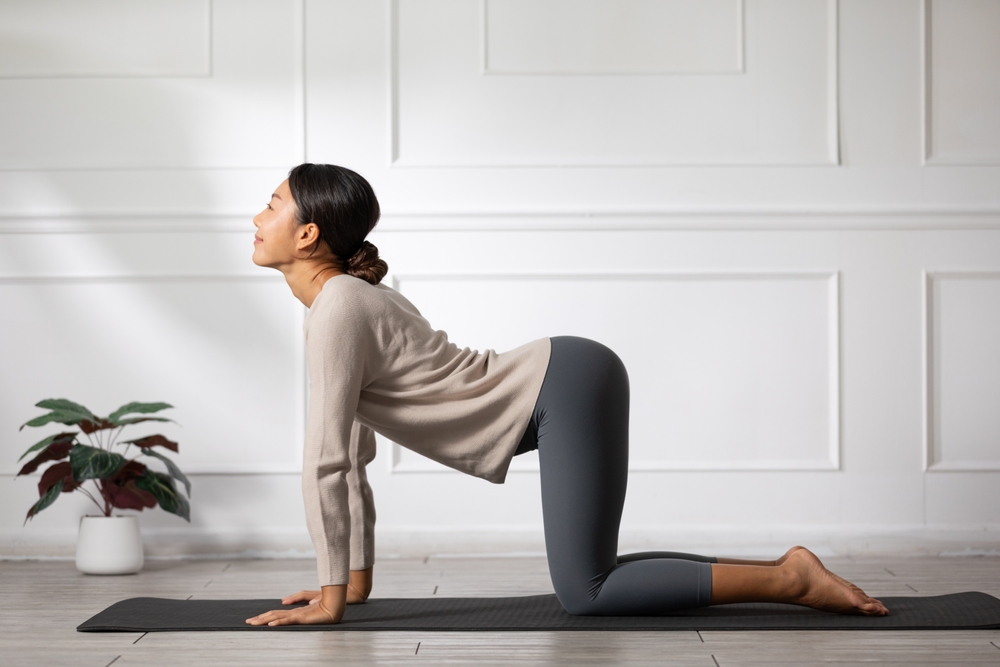
Begin on all fours with your wrists directly under your shoulders and your knees under your hips. As you inhale, arch your back, lifting your chest and tailbone toward the ceiling. Then, as you exhale, round your spine, tucking your chin toward your chest and drawing your tailbone down. Continue moving between these two positions for 8-10 rounds, breathing deeply with each movement. This stretch improves flexibility in the spine and helps release tension in the back and neck.
The cat-cow stretch is excellent for increasing mobility in your spine and relieving stiffness caused by sitting for long hours. It gently warms up the spine, stretches the back muscles, and promotes better alignment and posture. Moving between the two positions also helps stimulate the muscles in your core and abdomen, promoting a balanced stretch throughout your entire back. Incorporating this dynamic stretch into your routine can help keep your spine flexible, improve circulation, and alleviate back pain caused by prolonged desk sitting.
Hip Flexor Stretch
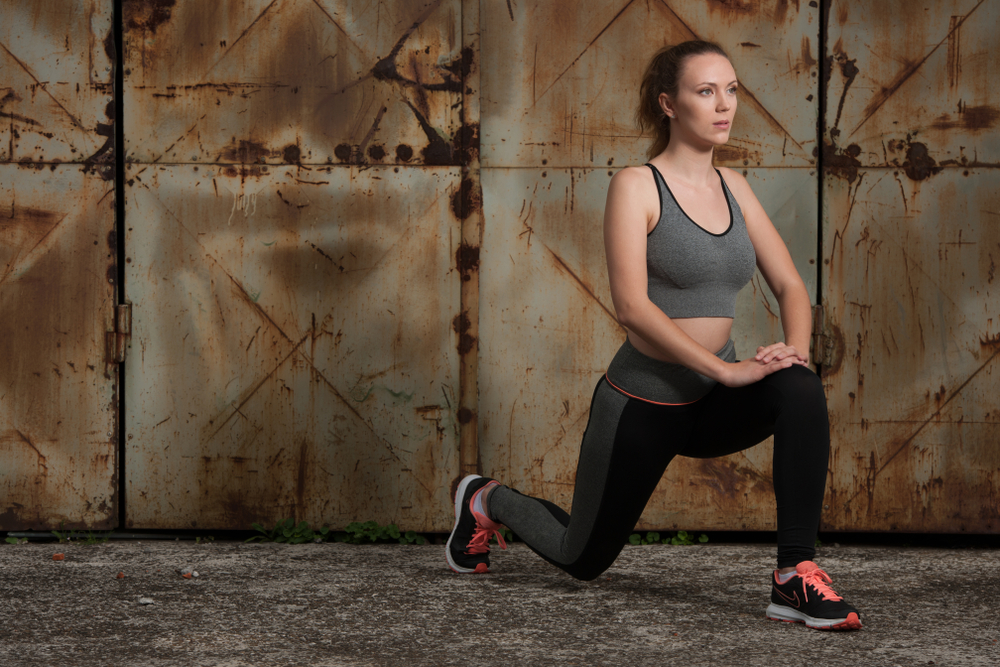
Start by stepping one foot forward into a lunge position, with your back leg extended behind you and your back heel lifted off the ground. Gently lower your hips toward the floor, feeling a stretch along the front of your hip and thigh. Make sure your front knee is aligned with your ankle and avoid letting it extend past your toes. Hold the stretch for 20-30 seconds, then switch sides and repeat.
Sitting for long periods can lead to tightness in the hip flexors, which are the muscles at the front of your hips. When these muscles become tight, they can cause discomfort in the lower back and affect your posture. This hip flexor stretch targets those muscles, helping to release tension and improve flexibility. It also promotes better alignment and posture, which is especially important for those who spend hours at a desk. Regular stretching of the hip flexors can help prevent lower back pain and discomfort associated with sitting.
Hamstring Stretch
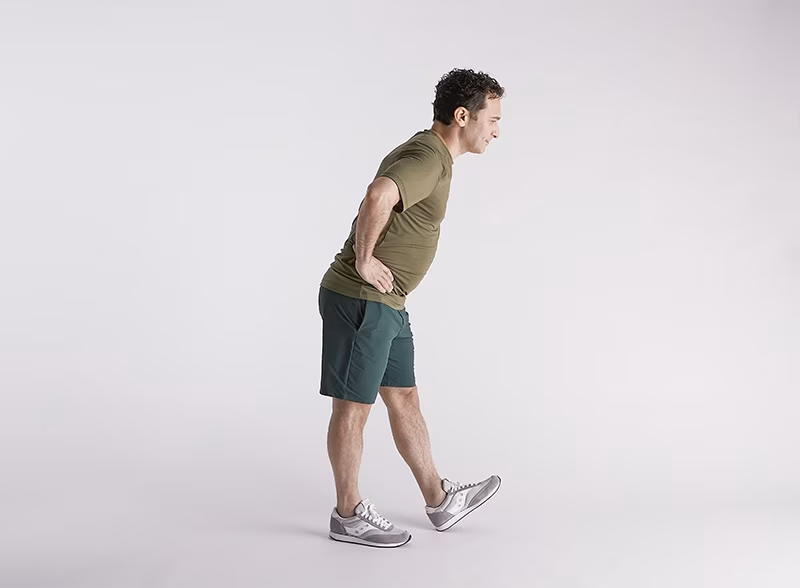
Sit on the floor with one leg extended straight in front of you and the other leg bent at the knee with your foot resting against your inner thigh. Slowly reach forward with both hands toward the toes of your extended leg, keeping your back straight as you stretch. You should feel a gentle stretch in the back of your thigh and calf. Hold the stretch for 20-30 seconds, then switch legs and repeat.
The hamstrings are large muscles at the back of your thighs that often become tight from sitting for long periods. This stretch helps to lengthen the hamstrings and relieve any stiffness that can build up from sitting at a desk. It also helps improve circulation in the legs and lower back, reducing the risk of discomfort or pain in the hips and knees. Regular hamstring stretches can improve flexibility and prevent muscle strain, especially if you’ve been sitting for extended periods throughout the day.
Standing Forward Bend
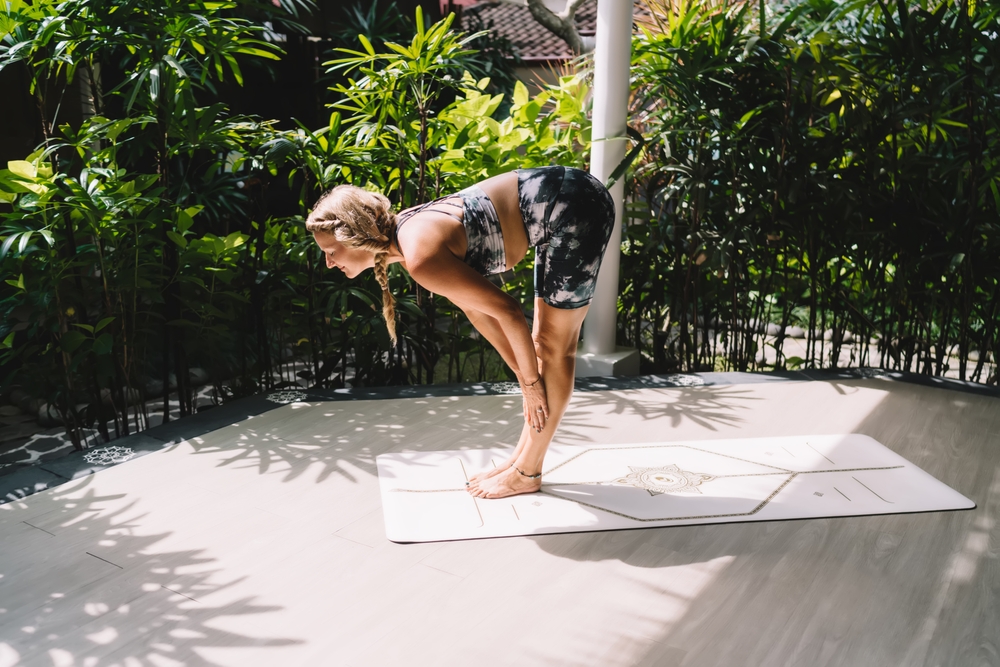
Stand with your feet hip-width apart and knees slightly bent to prevent straining your lower back. Slowly bend forward at the hips, letting your head and arms hang toward the floor. Keep your neck relaxed, allowing it to naturally fall in line with your spine, and avoid rounding your back. As you lower your upper body, engage your core to keep your back straight as much as possible. Hold the stretch for 20-30 seconds, then slowly rise back up, stacking your vertebrae one by one as you return to a standing position.
This stretch is highly effective for relieving tension and stiffness in your hamstrings, lower back, and shoulders. It’s especially helpful after a long day at a desk, as it targets the muscles that can become tight from prolonged sitting. The standing forward bend also encourages better posture by lengthening your spine and opening up the hips. By incorporating this stretch regularly, you can improve flexibility, reduce lower back pain, and avoid discomfort from sitting for extended periods. If you feel any strain, back off slightly and focus on lengthening the muscles rather than pushing yourself too deep into the stretch.
Seated Forward Fold
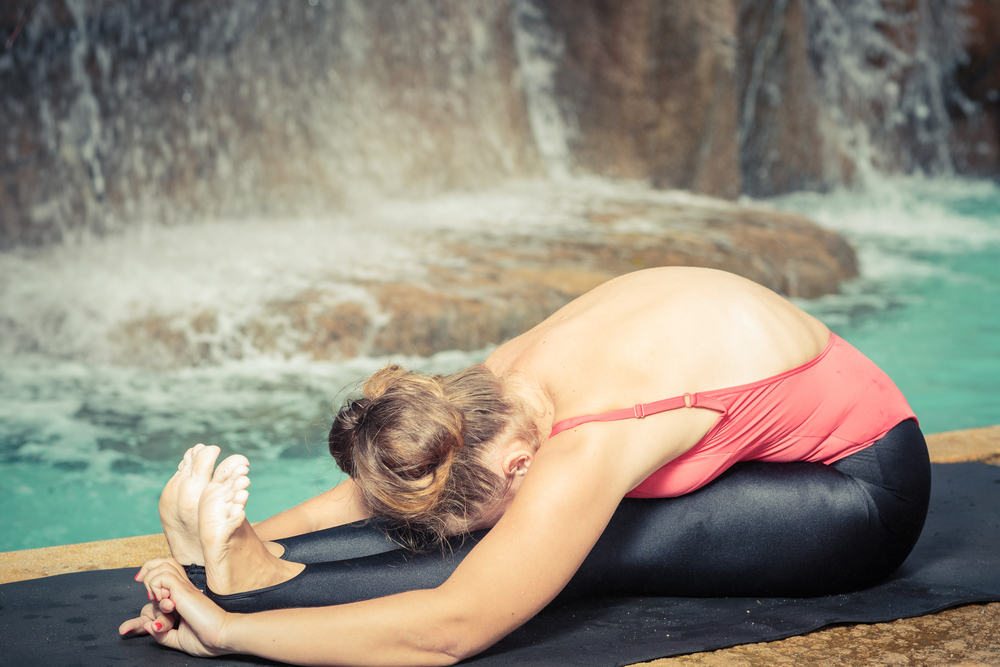
Sit on the floor with your legs extended straight in front of you and your feet flexed. Inhale deeply, then as you exhale, hinge at your hips and gently fold forward, reaching for your toes or ankles. Focus on keeping your back straight throughout the movement, ensuring that you bend at the hips rather than rounding your spine. Hold the stretch for 20-30 seconds, and then gently return to a seated position, stacking your vertebrae back into alignment.
The seated forward fold is excellent for improving flexibility in your hamstrings, lower back, and calves. This stretch targets tightness in the lower body, which can accumulate from sitting at a desk for hours. It also helps to lengthen the spine, alleviating discomfort in the lower back and promoting better posture. With consistent practice, you’ll notice an improvement in flexibility and a reduction in muscle stiffness. To maximize the benefits, keep your breathing steady and focus on relaxing into the stretch, allowing your muscles to gently release the tension.
Wrist and Finger Stretch
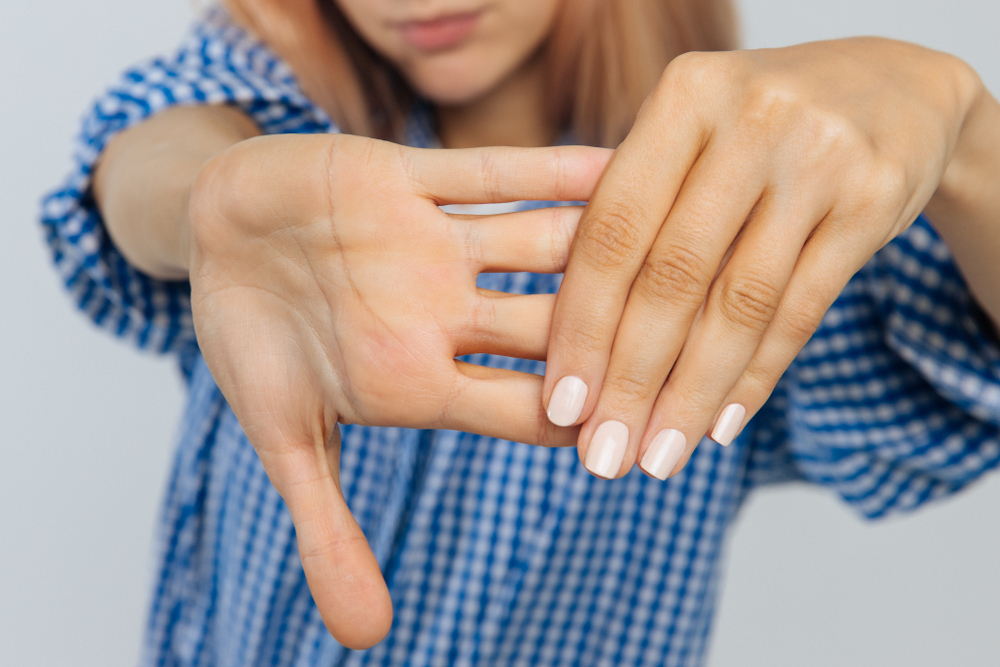
Extend one arm straight in front of you with your palm facing upward, making sure your shoulder is relaxed, and your arm is at a comfortable height. With your opposite hand, gently pull back on your fingers, stretching the wrist and forearm muscles. As you do this, be sure to keep your fingers relaxed to allow the full stretch to reach the muscles in your forearm and wrist. Hold the stretch for 20-30 seconds, and then slowly release. Switch to the other hand and repeat the process, making sure to stretch both wrists equally.
This wrist and finger stretch is particularly helpful for those who spend long hours typing or using a computer mouse. Repetitive movements like these can lead to stiffness and discomfort in the wrists, forearms, and fingers, which may eventually cause conditions like carpal tunnel syndrome. This stretch helps alleviate tightness in those areas by promoting blood flow and improving the flexibility of the wrist joints. Regular practice of this stretch can help reduce muscle strain, prevent overuse injuries, and improve hand and wrist mobility. Additionally, incorporating wrist stretches into your daily routine can help maintain flexibility and comfort, especially if your work involves constant hand movements.
Child’s Pose
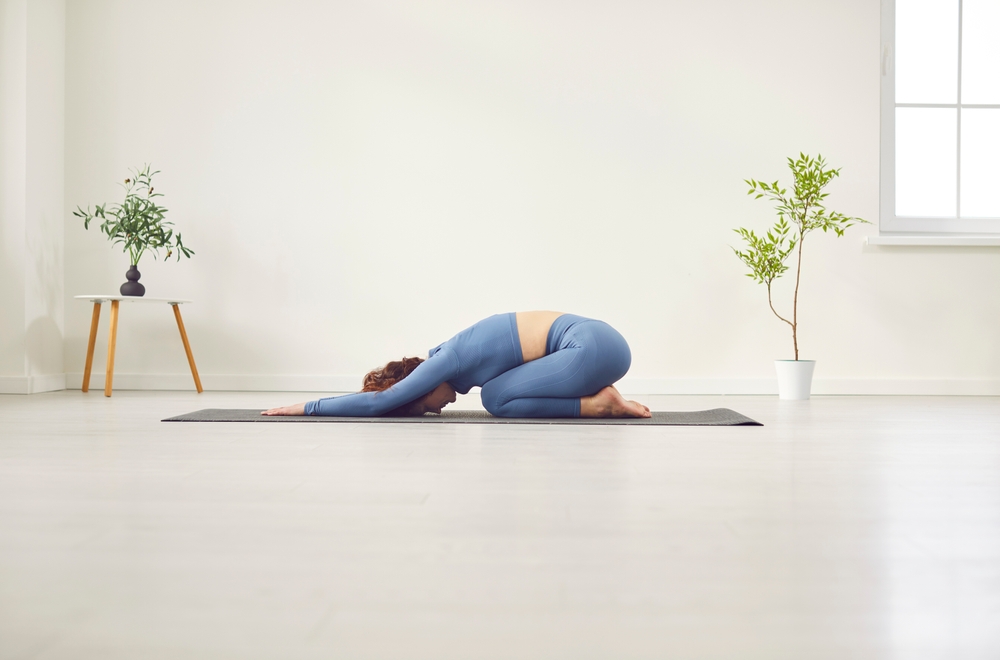
Begin on your hands and knees with your wrists directly under your shoulders and your knees under your hips. Slowly sit back onto your heels, extending your arms in front of you on the floor. Lower your forehead to the mat, allowing your body to relax into the stretch. Hold this position for 30 seconds to a minute, focusing on your breathing as you release any tension in your back, hips, and shoulders. If the stretch feels intense, use a cushion under your knees for added comfort.
Child’s pose is a restorative stretch that targets the lower back, hips, and thighs, all of which can become tense after hours of sitting. It is a gentle way to release tension from the spine while also calming the nervous system. This stretch promotes flexibility and increases mobility in the lower back, which is often stiff from desk work or prolonged sitting. Regularly practicing child’s pose helps reduce stress and tension while encouraging relaxation. It’s a great stretch to incorporate into your routine to relieve back pain and enhance overall flexibility.
Quadriceps Stretch
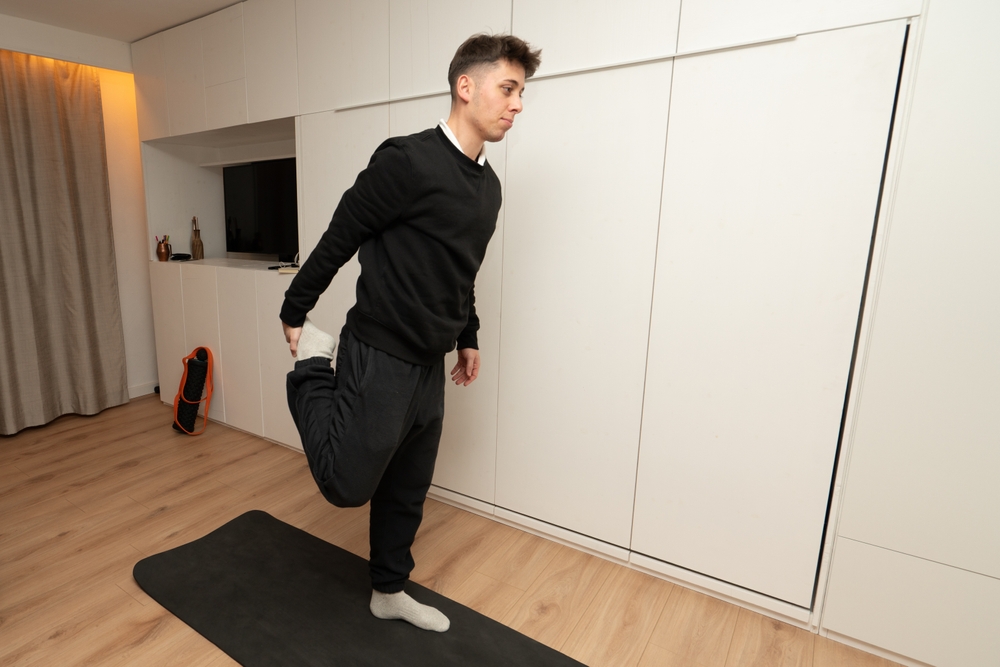
Stand tall with your feet hip-width apart. Bend your right knee and grab your right ankle with your right hand, gently pulling it towards your glutes. As you do this, keep your knees together and try to push your hips forward slightly to intensify the stretch along the front of your thigh. Hold this position for 20-30 seconds, making sure to maintain your balance by engaging your core. Afterward, slowly release and repeat the stretch with the other leg.
The quadriceps stretch targets the muscles at the front of your thighs, which can become tight from sitting for extended periods or from walking or standing for too long. Tight quadriceps can contribute to discomfort in your lower back and hips, so this stretch is essential for improving lower body flexibility. It helps release tension, improve posture, and promote better movement in the hips and knees. By practicing this stretch regularly, you can enhance your range of motion, reduce muscle stiffness, and prevent potential injuries related to tight thigh muscles.
This article originally appeared on Avocadu.