
12 Simple Soil Fixes You Can Do Now for Healthier Beds Later
Healthy soil is the foundation of a thriving garden. If your beds are lacking in nutrients or structure, it might be time for a little improvement. Simple fixes can make a huge difference in the health of your plants. With just a few adjustments, you can create a more fertile environment for growth.
This post may contain affiliate links, which helps keep this content free. Please read our disclosure for more info.
Add Organic Matter to Improve Soil Structure
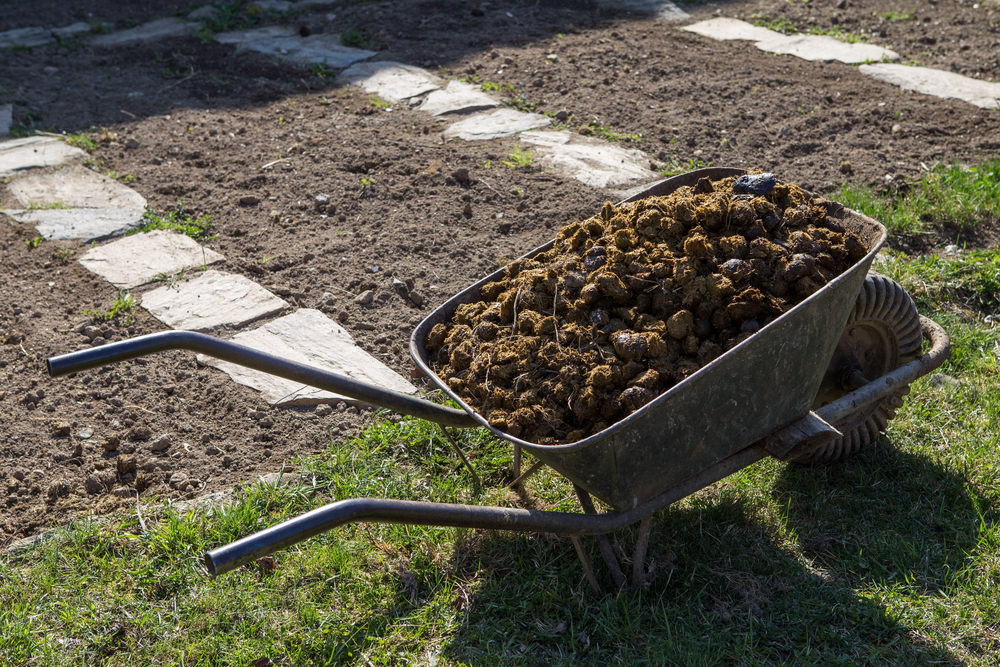
One of the simplest and most effective ways to improve your soil is by adding organic matter like compost or well-rotted manure. Organic material improves the soil structure by increasing its ability to hold moisture while also enhancing drainage. It also enriches the soil with nutrients that plants need to grow strong and healthy. Over time, this addition can help transform heavy clay or sandy soils into more balanced, fertile ground.
Composting is a great way to recycle kitchen scraps and garden waste into a valuable soil amendment. When you mix organic matter into your garden beds, you help improve soil aeration and encourage beneficial microorganisms. These organisms help break down organic material, releasing essential nutrients for plant roots to absorb. Regularly adding compost is an easy step you can take to keep your soil healthy year after year.
Test and Adjust pH Levels
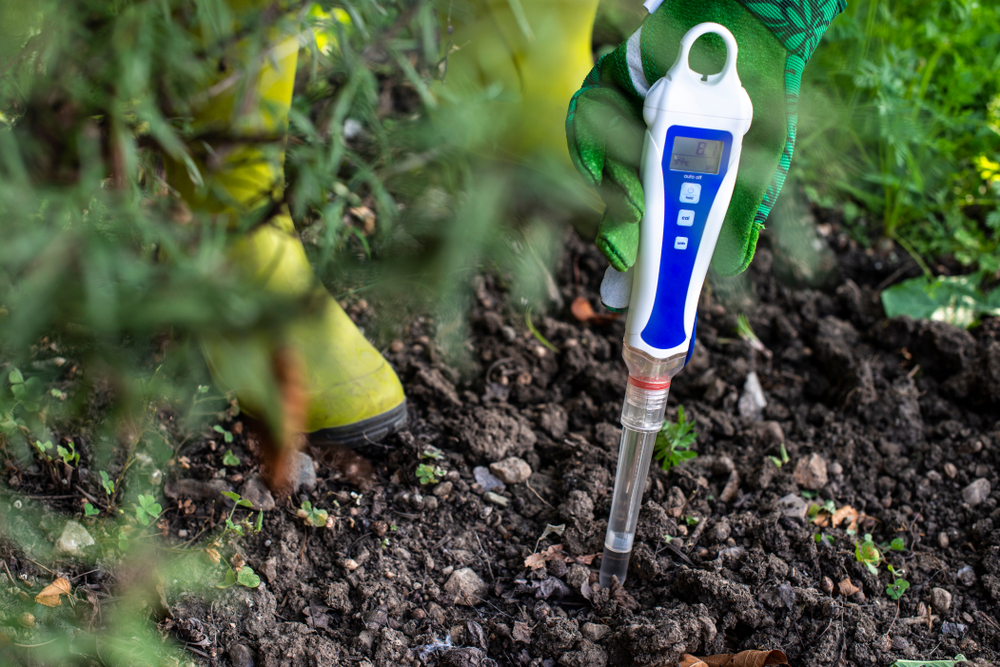
Testing the pH level of your soil is essential for understanding its acidity or alkalinity. Soil pH affects how well plants can absorb nutrients, so knowing the right range for your specific plants is crucial. Most plants thrive in slightly acidic soil, with a pH between 6.0 and 7.0. If your soil is too acidic or alkaline, adjusting it with products like lime or sulfur can improve plant growth.
For a quick fix, you can add lime to raise the pH of acidic soils or sulfur to lower the pH of alkaline soils. This adjustment will make a big difference, especially for nutrient-hungry plants like tomatoes, peppers, and beans. Testing your soil regularly and adjusting the pH as needed will help ensure your plants get the nutrients they need. It is a simple yet powerful step for creating a healthy growing environment.
Mulch to Retain Moisture and Control Weeds
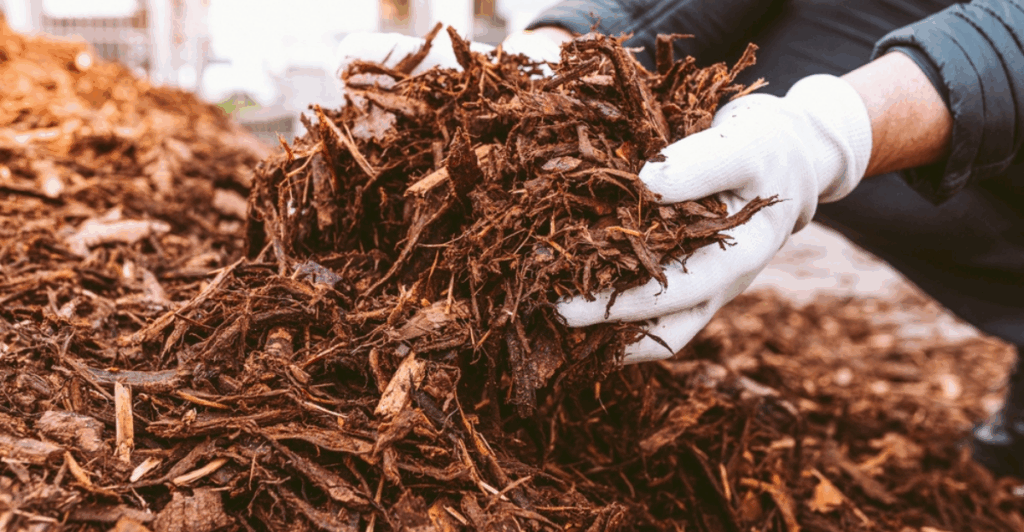
Applying a layer of mulch is one of the best ways to improve soil health. Mulch helps retain moisture by reducing evaporation, which is particularly useful in hot or dry weather. It also keeps the soil temperature stable, providing a better environment for plant roots. Additionally, mulch suppresses weed growth by blocking sunlight, reducing the competition for nutrients.
Choose natural mulches like straw, wood chips, or shredded leaves to add organic matter back into the soil as they break down. Mulching also prevents soil erosion and improves the structure of your soil over time. Be sure to spread mulch around plants but keep it a few inches away from plant stems to avoid rot. This simple fix saves you time on watering and weeding, while also nurturing your soil.
Aerate Compact Soil
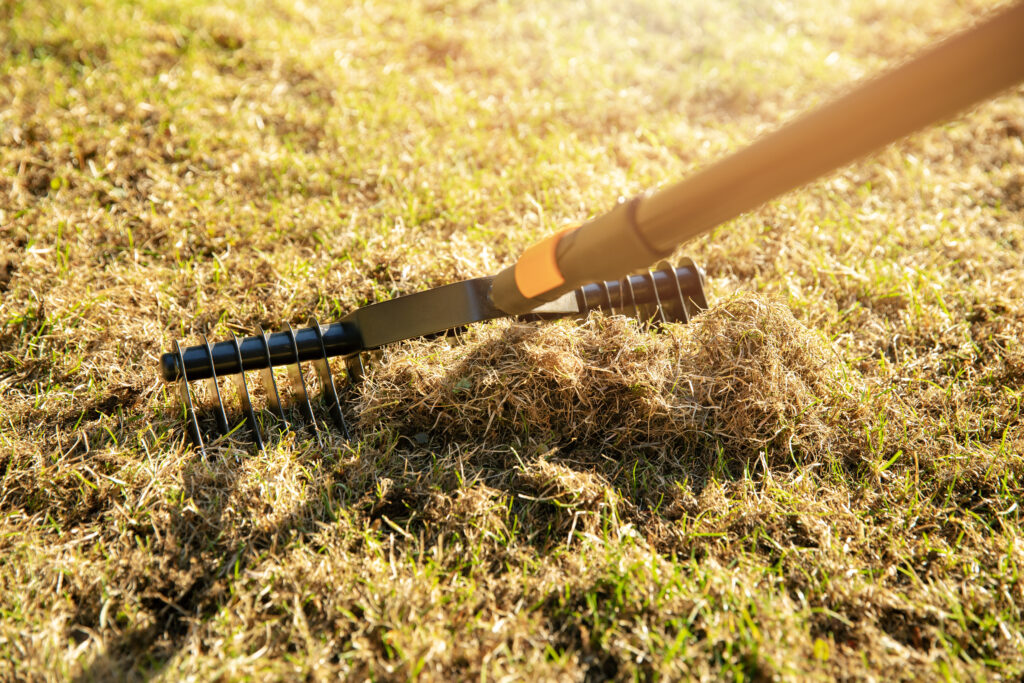
Over time, soil can become compacted, especially in high-traffic areas or when it has been overwatered. Compacted soil restricts root growth, making it harder for plants to access nutrients and water. Aerating your soil by poking small holes or using a garden fork helps break up compacted areas and improve root penetration. This simple process allows air to reach plant roots, encouraging healthy root development.
If you have a large garden, consider using a lawn aerator or manual aeration tool to make the process quicker and more efficient. After aerating, it’s a good idea to topdress the area with compost to further improve soil structure. Aeration can be especially beneficial for lawns, vegetable gardens, and flower beds. By incorporating this fix into your gardening routine, you’ll help plants establish strong, deep roots.
Use Cover Crops to Add Nutrients

Cover crops, like clover or vetch, are an excellent way to improve soil health over time. These plants are grown specifically to cover the soil and prevent erosion. As they grow, cover crops add organic matter to the soil and increase nitrogen levels, which benefits subsequent crops. When the cover crops are turned into the soil, they decompose and enrich it with nutrients.
Planting cover crops in the off-season or between harvests will help maintain the health of your soil. They also help to break up compacted soil, improve structure, and support beneficial microorganisms. Cover crops are particularly helpful for gardeners with large plots or those who practice crop rotation. By adding these plants to your routine, you can naturally replenish your soil.
Improve Soil with Worm Castings
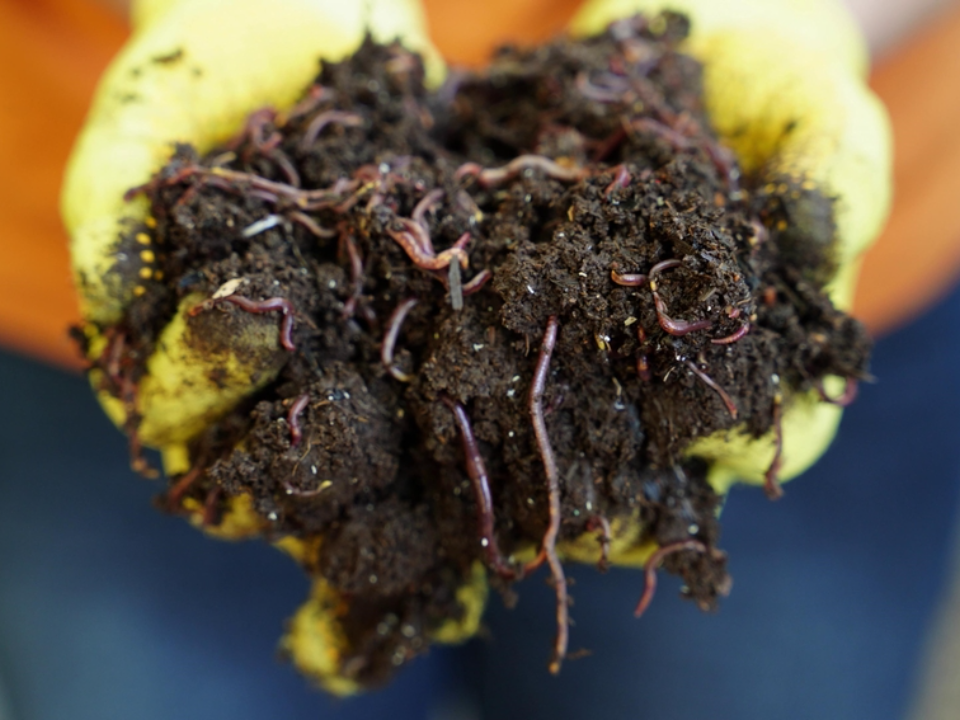
Worm castings, or worm manure, are an excellent soil amendment for boosting nutrient levels. These castings are packed with beneficial microorganisms that help break down organic matter and improve soil fertility. Worm castings also enhance the soil’s structure, allowing it to retain moisture and nutrients more effectively. Adding worm castings to your garden beds provides plants with a rich, balanced source of nutrients.
You can mix worm castings directly into the soil or use them as a top dressing. They are particularly helpful for plants that require a steady supply of nutrients, such as tomatoes and peppers. Worm castings are safe for all types of plants and won’t burn them, making them a great choice for sensitive plants. By adding worm castings, you’re nurturing both your plants and the soil that supports them.
Add Epsom Salt for Magnesium
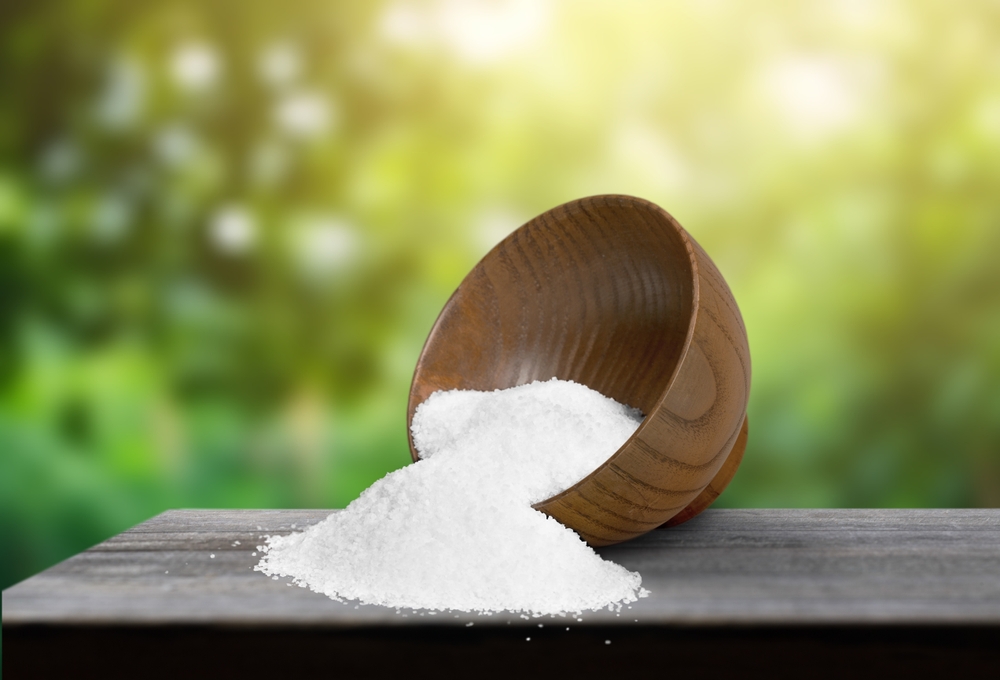
Magnesium is an essential nutrient that helps plants process other important nutrients like nitrogen and phosphorus. Many plants, especially tomatoes and peppers, require extra magnesium to thrive. If your soil is deficient in this nutrient, adding Epsom salt can help. Epsom salt contains magnesium sulfate, which improves soil fertility and promotes healthier plant growth.
To apply Epsom salt, mix about 1 tablespoon into the soil around the base of each plant. Be cautious not to overuse it, as too much magnesium can cause nutrient imbalances. Epsom salt is particularly beneficial for plants grown in containers or raised beds, where soil depletion is more common. Adding this simple fix can lead to better flowering and fruiting in your garden.
Incorporate Wood Ash for Potassium
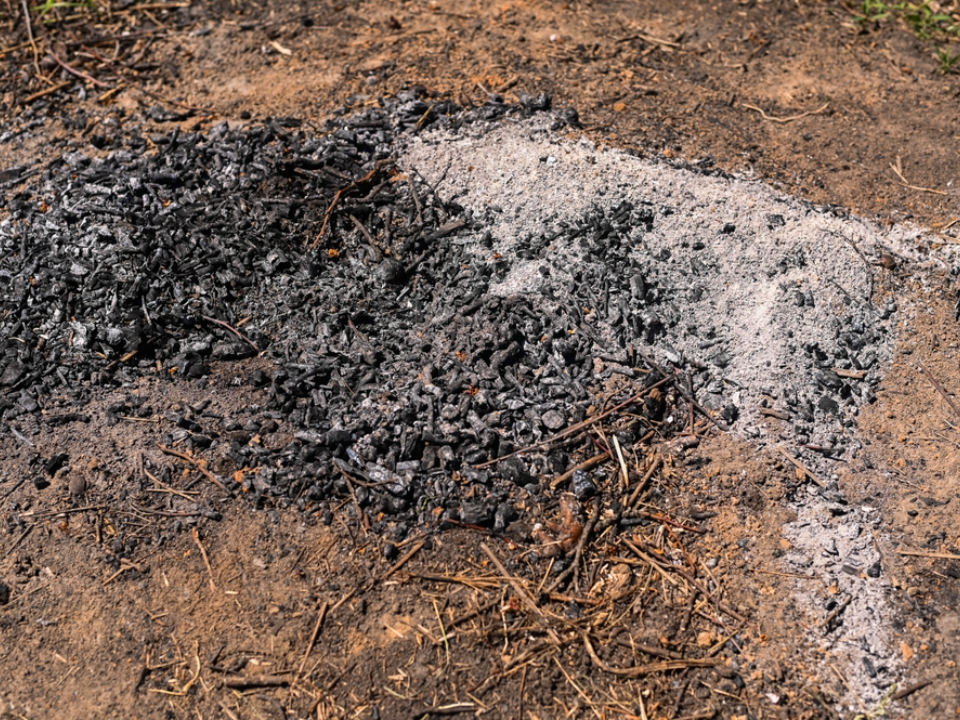
Wood ash is a natural source of potassium, an essential nutrient for plant growth. Potassium helps plants resist disease, improves fruit quality, and strengthens cell walls. Adding wood ash to your garden can help correct potassium deficiencies, especially in soils that are heavy in clay. It also raises the soil pH slightly, which can be beneficial for alkaline soils.
To use wood ash, sprinkle it lightly over the soil and work it into the top few inches. Be mindful of your soil’s pH level, as too much wood ash can make it overly alkaline. This fix is particularly useful for plants like tomatoes, peppers, and potatoes, which require ample potassium. By adding wood ash, you are enhancing your soil’s ability to support a wide range of crops.
Remove Weeds and Debris Regularly
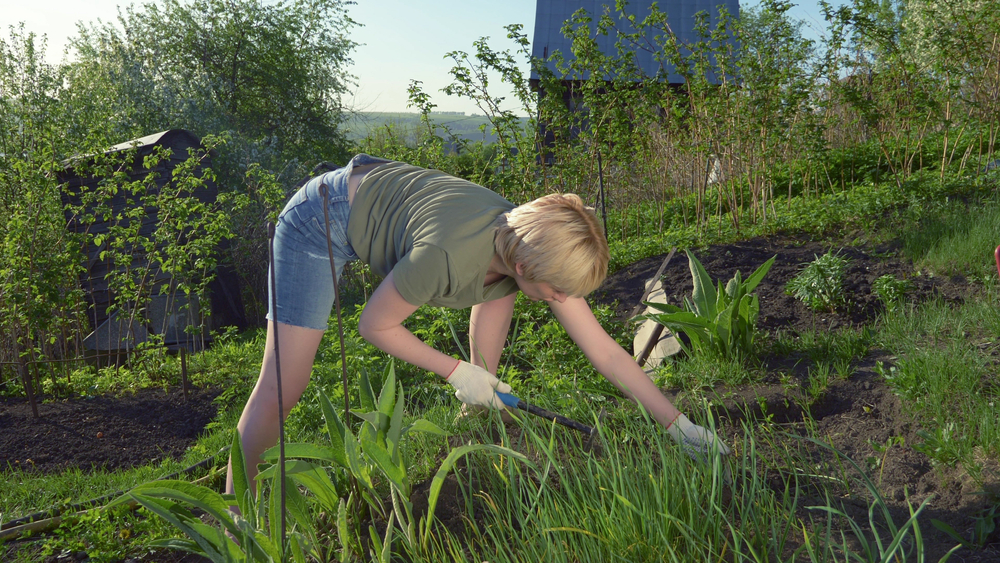
Keeping your garden beds free of weeds and debris is essential for maintaining healthy soil. Weeds compete with your plants for nutrients, water, and light, reducing their overall growth. Removing them regularly prevents them from taking root and spreading. Organic debris like dead leaves and branches, can also harbor pests and diseases that negatively affect your plants.
By staying on top of weed control, you allow your plants to have access to all the nutrients they need to grow. Hand-pulling weeds, using mulch, or applying organic herbicides are all effective methods. Regular garden maintenance not only helps your soil but also keeps your plants healthier. Consistent weeding will give your plants the best chance to thrive.
Use Coffee Grounds as a Natural Fertilizer
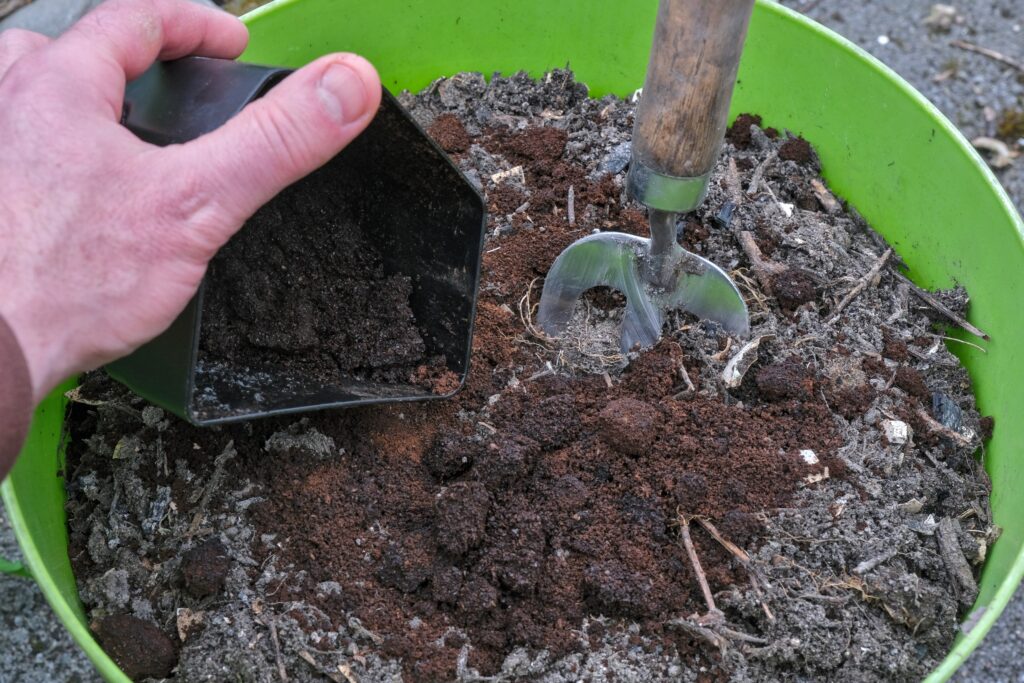
Coffee grounds are a great way to naturally fertilize your soil while recycling kitchen waste. Rich in nitrogen, coffee grounds help improve soil fertility and encourage healthy plant growth. They also attract earthworms, which help aerate the soil and break down organic matter. Sprinkle used coffee grounds around your plants or mix them into the soil for an extra nutrient boost.
Coffee grounds are especially beneficial for acid-loving plants like azaleas, blueberries, and tomatoes. They can also help improve soil structure, making it easier for roots to grow and access nutrients. However, be sure not to use too many grounds, as they can become compacted and reduce water flow. A small amount goes a long way in enriching your garden soil.
Add Perlite to Improve Soil Aeration
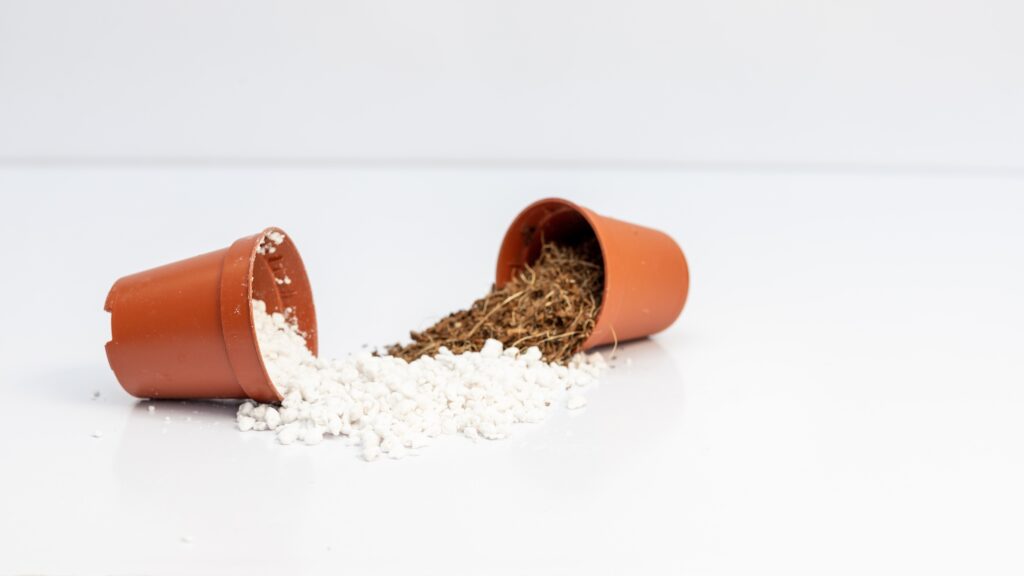
Perlite is a lightweight, volcanic material that helps improve soil aeration and drainage. It is commonly mixed into potting soil or garden beds to prevent compaction and promote healthy root growth. Perlite improves the texture of heavy soils like clay and helps retain moisture in sandy soils. It’s an excellent addition to soils that tend to become waterlogged or dry out too quickly.
When using perlite, mix it into the top few inches of soil to help with aeration. It works particularly well in raised beds, containers, or any garden area with poor drainage. Perlite also helps prevent soil from becoming too dense, which can stifle plant growth. This simple fix makes it easier for plant roots to access water and nutrients.
Rotate Crops Annually
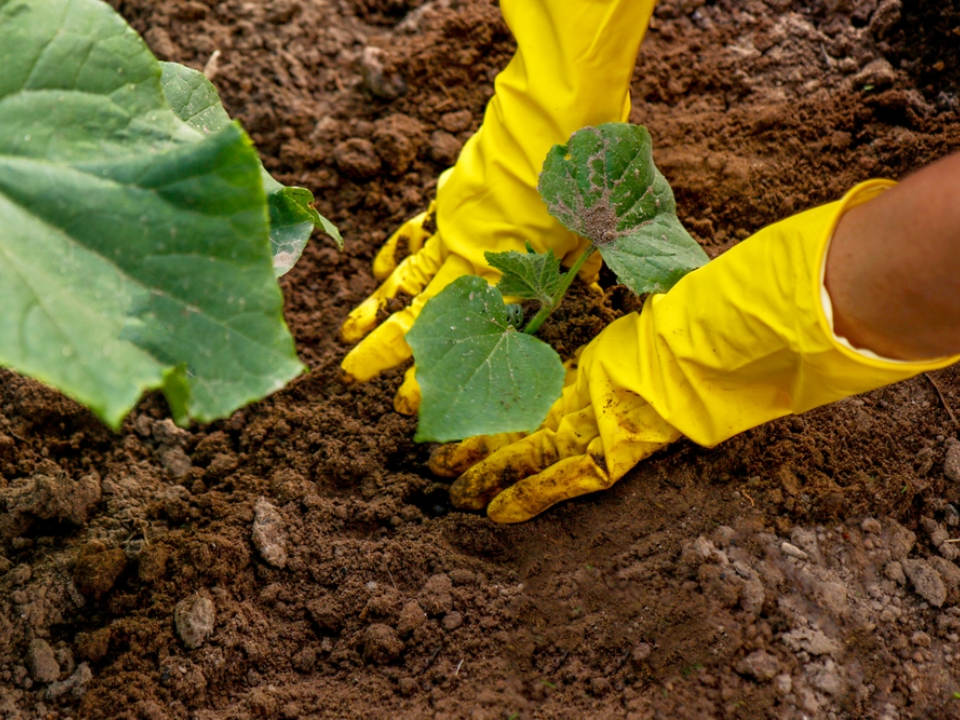
Crop rotation is a time-tested method for maintaining healthy soil. By rotating crops each year, you avoid depleting the soil of specific nutrients that certain plants use up. It also helps reduce the buildup of pests and diseases that can affect a particular crop. Rotate your vegetables, herbs, and flowers in different areas of the garden to maintain balanced soil health.
By switching where you plant specific crops, you ensure that soil nutrients are replenished throughout the growing season. For example, root crops like carrots and potatoes should be followed by nitrogen-fixing plants like beans or peas. Crop rotation helps break pest cycles and supports biodiversity in your garden. This practice is essential for long-term soil health and will keep your garden thriving year after year.
This article originally appeared on Avocadu.