
10 Simple Row Cover Uses For Early March Cold Snaps
March can be a tricky time for gardeners, with late frosts catching many off guard. Row covers offer an easy and effective solution to protect young plants. By using these covers, you can shield your crops from the harsh elements. Whether you’re a seasoned gardener or just starting out, row covers can make all the difference. Keep reading to learn how to use them during these chilly days.
This post may contain affiliate links, which helps keep this content free. Please read our disclosure for more info.
Protecting Seedlings from Frost
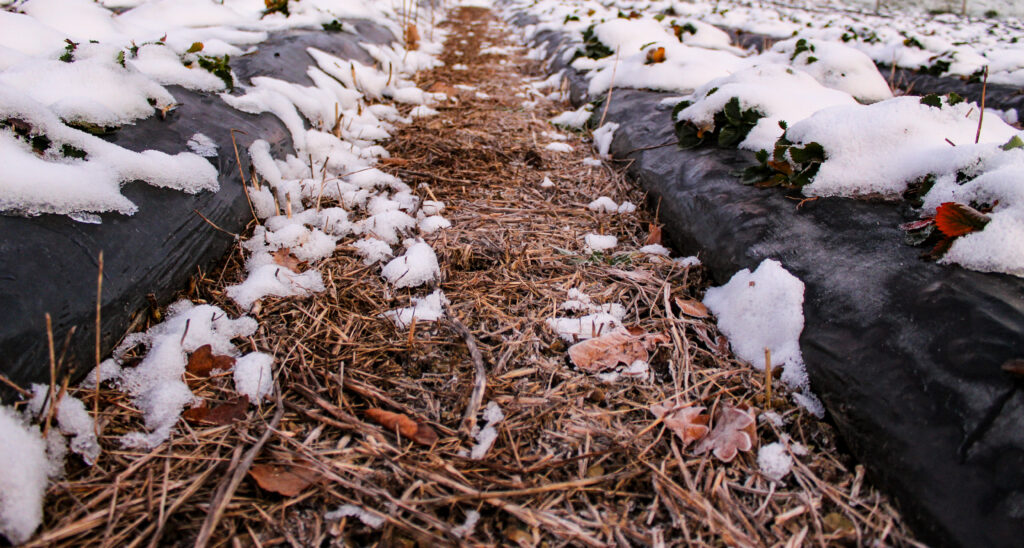
In early March, frost can still be a significant threat to young, tender seedlings, especially in regions where temperatures fluctuate. Row covers act as a protective barrier against these cold snaps, helping to keep the seedlings warm enough to survive the night. When draped over the plants, the cover traps heat from the soil and prevents the cold air from reaching the plants, which can cause freezing and damage. This extra layer of warmth is essential for crops like lettuce, spinach, and cabbage, which are particularly vulnerable to early spring frosts.
Not only do row covers provide warmth, but they also shield seedlings from other elements that could damage them, such as heavy winds or rain. With these covers in place, the plants experience more stable conditions, promoting healthier growth as they establish themselves. In areas where late-season frosts are common, using row covers during these early spring months can be a game-changer for gardeners. This simple yet effective measure helps protect your investment in seedlings and ensures that they grow strong and healthy as the weather warms.
Extending Growing Seasons for Early Crops
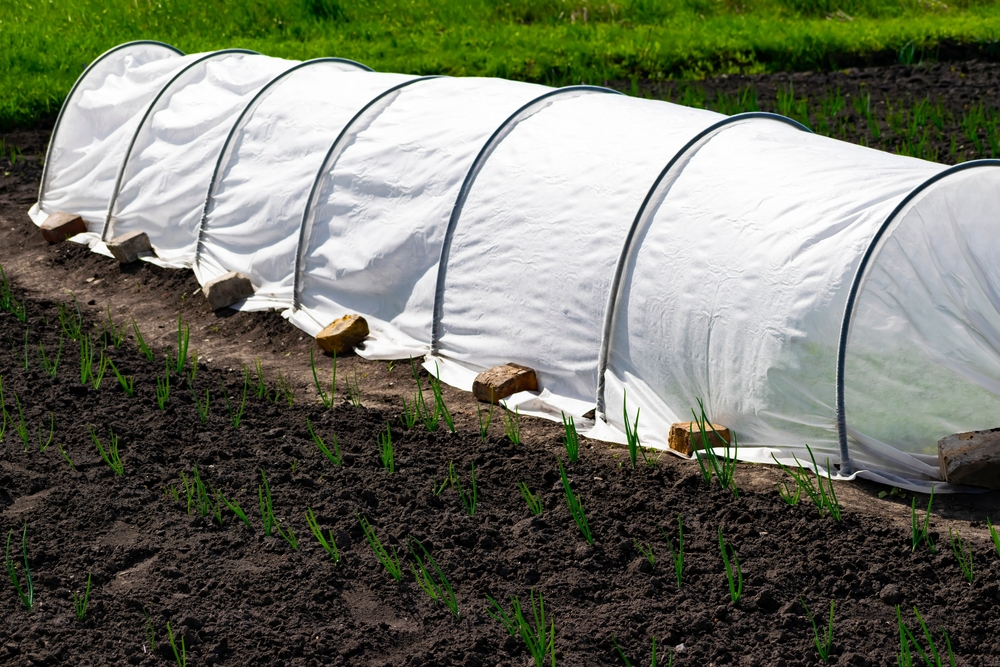
Row covers play a key role in extending the growing season for early crops, making them an essential tool for gardeners in colder climates. When the weather is still chilly, these covers create a warmer microclimate underneath them, helping soil temperatures rise. This extra warmth can accelerate seed germination, allowing crops like peas, spinach, and radishes to grow earlier than they would if left exposed to the elements. Row covers provide protection from both late frosts and cold winds, making it possible to plant a little earlier and extend the harvest season.
Additionally, row covers can help plants grow more vigorously by maintaining a consistent temperature and moisture level. This protection allows gardeners to get a jump-start on the season, increasing the potential yield of early crops. As the growing season progresses, row covers can continue to provide protection from pests, further benefiting plants as they grow. This simple technique helps maximize the gardening potential, ensuring that crops thrive even in the cooler months of early spring.
Shielding Plants from Windburn
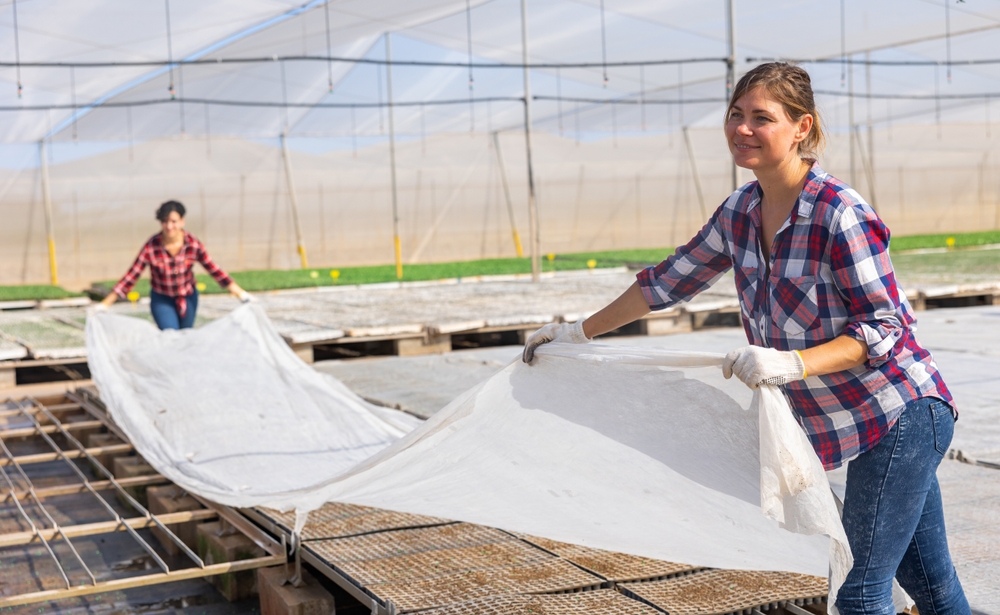
Early March can bring strong, gusty winds that pose a threat to tender plants, causing windburn. Windburn occurs when plants lose moisture too quickly due to exposure to cold, dry winds, leading to leaf damage, browning, or even death. Row covers help reduce the impact of these winds by acting as a barrier, preventing direct contact with the plants. By using these covers, you can protect delicate crops like seedlings or young transplants that are more vulnerable to wind stress.
Moreover, row covers create a more humid environment around the plants, which reduces the rate at which moisture is lost. This is especially helpful in areas where the wind can dry out plants quickly, preventing them from retaining the moisture they need. The covers also help maintain a more stable temperature around the plants, which reduces the risk of stress. This additional layer of protection is particularly important for plants that are just getting established or have shallow root systems that are sensitive to environmental changes.
Keeping Warmth in the Soil

Row covers not only protect the plants but also play a critical role in maintaining soil warmth. Early March can bring fluctuating temperatures that cause the soil to cool down rapidly, slowing the growth of plants that need warm soil to thrive. When row covers are placed over plants, they help retain the heat in the soil, creating a more stable environment. The heat trapped underneath the cover accelerates plant growth and improves the overall health of the soil, which is essential for root development.
This warming effect is particularly beneficial for crops like tomatoes, peppers, and beans, which rely on warm soil to grow effectively. Row covers also help prevent the soil from becoming waterlogged during early spring rains, which can wash away nutrients and harm the roots. By keeping the soil warm and moisture levels stable, row covers support healthier root systems and encourage faster plant growth. As a result, plants are better able to establish themselves and flourish once the weather begins to warm.
Reducing Pest Damage
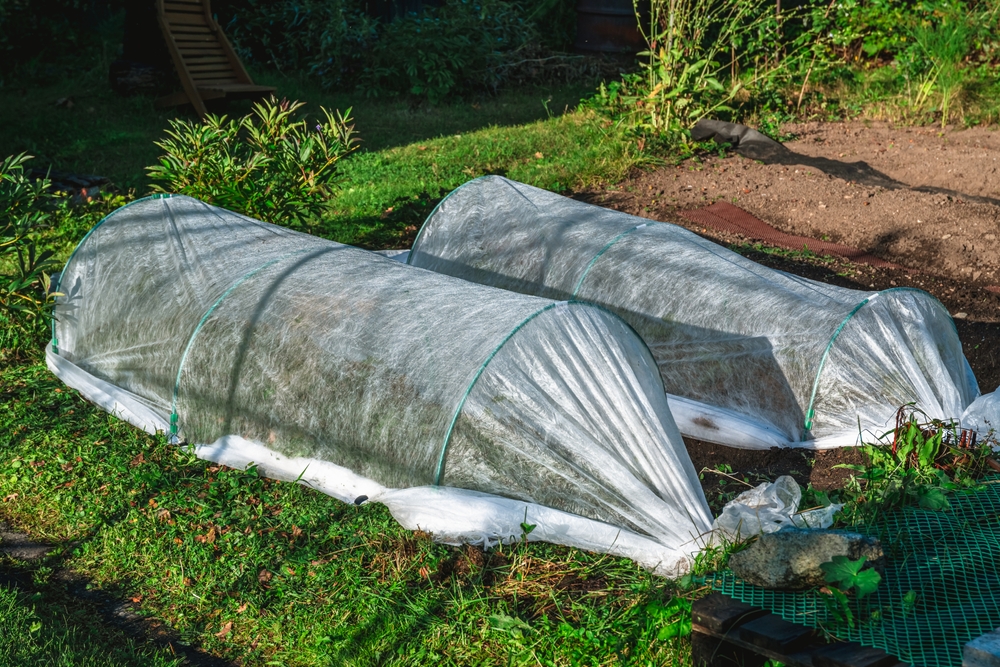
As early March ushers in the beginning of the growing season, it also marks the return of various pests that can harm crops. Aphids, flea beetles, and cabbage worms are just a few of the pests that gardeners may encounter. Row covers are a simple and effective way to reduce pest damage, as they act as a physical barrier between the plants and the insects. By placing the covers over crops, you can prevent pests from reaching your plants, keeping them safe from infestations.
In addition to keeping insects out, row covers also reduce the need for chemical pesticides, which can harm the environment and beneficial insects. The covers allow plants to grow naturally, while still providing protection from common pests. For crops like cabbage, broccoli, and kale, which are especially susceptible to insect damage, row covers can be a lifesaver. This preventative measure helps ensure that plants grow stronger and healthier without the interference of pests.
Promoting Early Germination

Row covers create an ideal environment for early germination by keeping the soil warmer and more consistent. In early March, soil temperatures can be too cool for some seeds to germinate, especially those of frost-sensitive plants. By using row covers, gardeners can give seeds a head start by providing a more stable environment that encourages germination. The warmth trapped underneath the cover accelerates seed sprouting, allowing crops like lettuce, carrots, and peas to emerge earlier than they would without the extra warmth.
The consistent temperature also helps seeds absorb water more evenly, which is crucial for successful germination. In addition, row covers protect the seeds from unexpected frosts, which can kill tender young plants. With this extra protection, gardeners can plant earlier and still ensure that their seeds have the best chance of growing. This gives a great head start to the growing season and helps plants mature faster.
Creating a Greenhouse Effect

Row covers can create a greenhouse-like effect, which is especially valuable during early spring cold snaps. By trapping heat from the sun, the covers provide a warmer environment underneath, mimicking the conditions found in a greenhouse. This effect is particularly helpful for crops that need extra warmth to grow, such as tomatoes, cucumbers, and peppers. By using row covers, gardeners can create an ideal growing environment that accelerates plant growth and boosts yields.
This mini-greenhouse effect not only warms the air around the plants but also retains moisture, helping to keep the soil hydrated. The added warmth and moisture create a stable environment that supports healthy plant development. Row covers can be particularly beneficial when there is a risk of temperature fluctuations or frost. With the right row cover, you can enjoy a longer growing season and better plant health, even in early spring.
Preventing Frost Damage on Flower Buds
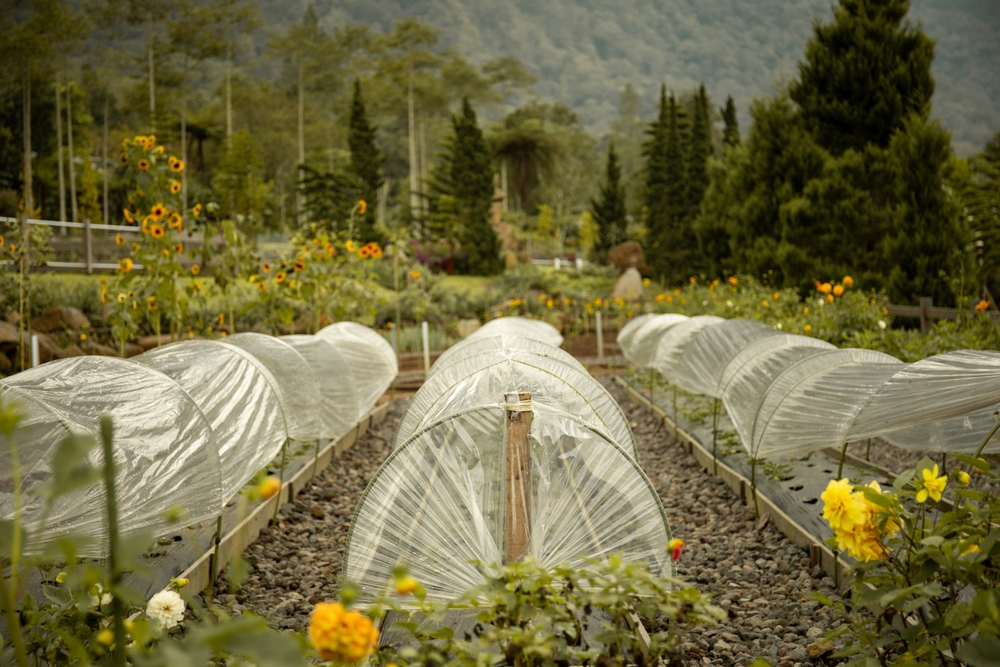
Early spring can bring frost that threatens delicate flower buds, which are often the first to appear in the garden. Row covers help protect these fragile buds by acting as a shield against the cold. When frost threatens, simply drape the covers over the plants to prevent the temperature from dropping too low around the buds. This keeps the buds warm enough to survive and continue developing, allowing flowers to bloom later in the season.
In addition to protecting flower buds, row covers can also keep the soil temperature stable, which further supports plant growth. By preventing frost damage, row covers help ensure that your flowers thrive despite the unpredictable weather. This is particularly beneficial for fruit trees and early-blooming flowers that are vulnerable to frost damage. The covers can be removed once the threat of frost has passed, allowing your plants to enjoy full access to sunlight and air.
Reducing Weed Growth

Weeds are a constant challenge for gardeners, but row covers can help keep them under control. When placed over the soil, row covers block sunlight from reaching weed seeds, preventing them from germinating and growing. This reduces the competition for nutrients and space, giving your plants a better chance to thrive. By using row covers, you can reduce the need for frequent weeding and ensure that your plants have access to all the resources they need.
Row covers also help keep the soil moist, which prevents weed seeds from drying out and germinating. This method works particularly well in the early spring when the soil is often disturbed, and weeds are quick to take root. By blocking the sunlight and retaining moisture, row covers help create an environment where weeds are less likely to thrive. This simple solution makes it easier to maintain a clean and healthy garden.
Regulating Temperature for Cold-Tolerant Plants
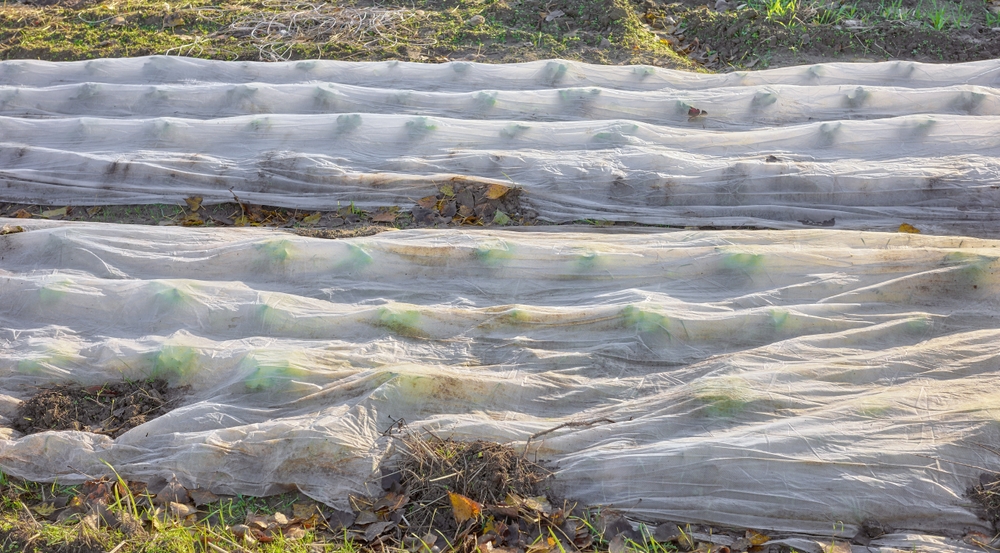
Cold-tolerant plants like kale, broccoli, and cabbage can still benefit from row covers during early March. While these plants can handle colder temperatures, row covers help regulate the temperature around them, ensuring that the plants are not exposed to sudden temperature drops. The cover acts as a buffer, providing extra warmth when needed and preventing frost from damaging the leaves and stems. This is particularly useful in areas where temperatures fluctuate rapidly during the early spring.
Row covers help maintain a consistent temperature around the plants, creating an environment that is conducive to healthy growth. This consistent warmth ensures that the plants can continue to grow even when the air temperature is too low for them to thrive. By using row covers, you can extend the growing season for cold-tolerant crops, allowing them to mature more quickly. The covers also help reduce the risk of frost damage, ensuring that your crops stay healthy and productive.
This article originally appeared on Avocadu.