
17 Shrubs That Start Blooming in Late Winter Even in Chilly Weather
While winter may not be over, these shrubs are already starting to bloom. They provide stunning flowers when most plants are still in hibernation, making them a great addition to your garden. Whether you’re after bright colors or soft pastels, these shrubs have something to offer. Discover how they bring early beauty to your yard despite the cold temperatures.
This post may contain affiliate links, which helps keep this content free. Please read our disclosure for more info.
Witch Hazel (Hamamelis spp.)
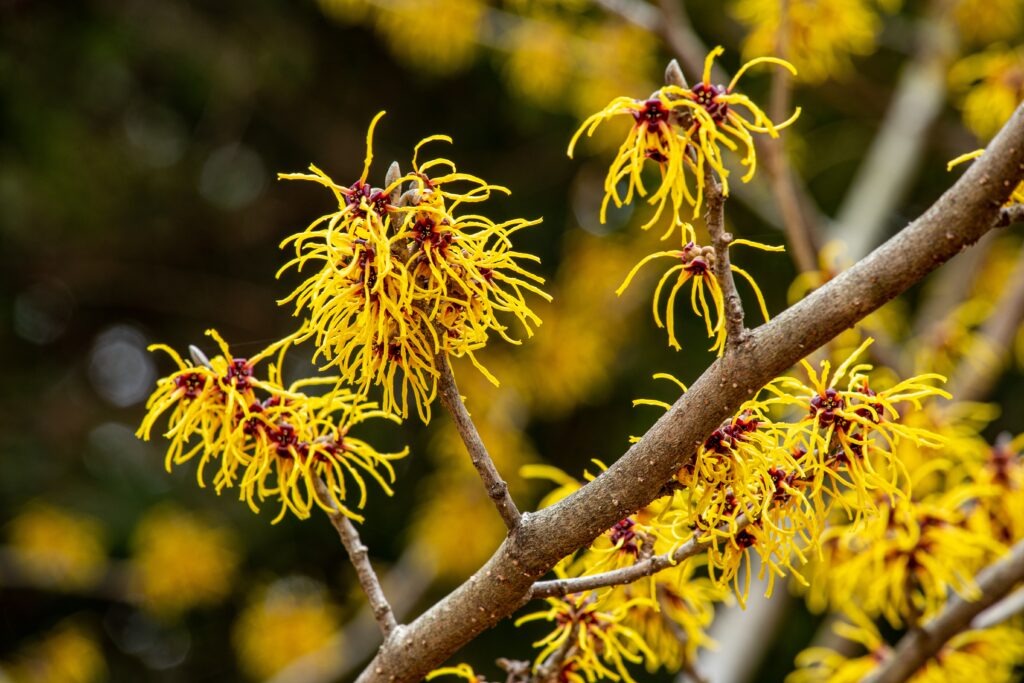
Witch hazel is known for its unique and vibrant blooms that appear in the dead of winter. These flowers are often yellow, orange, or red, creating a beautiful contrast against the frosty landscape. What makes witch hazel stand out is its ability to thrive in colder temperatures, bringing early color to your garden. As a bonus, the fragrant blossoms provide a lovely scent on cold days.
This shrub grows well in full sun to part shade and prefers well-drained soil. Witch hazel is also a great choice for areas where you need a small tree or shrub with winter interest. It’s perfect for gardeners looking for something unique that brings both beauty and fragrance when the weather is still chilly. Its hardy nature ensures it will bloom reliably each year.
Camellia (Camellia japonica)
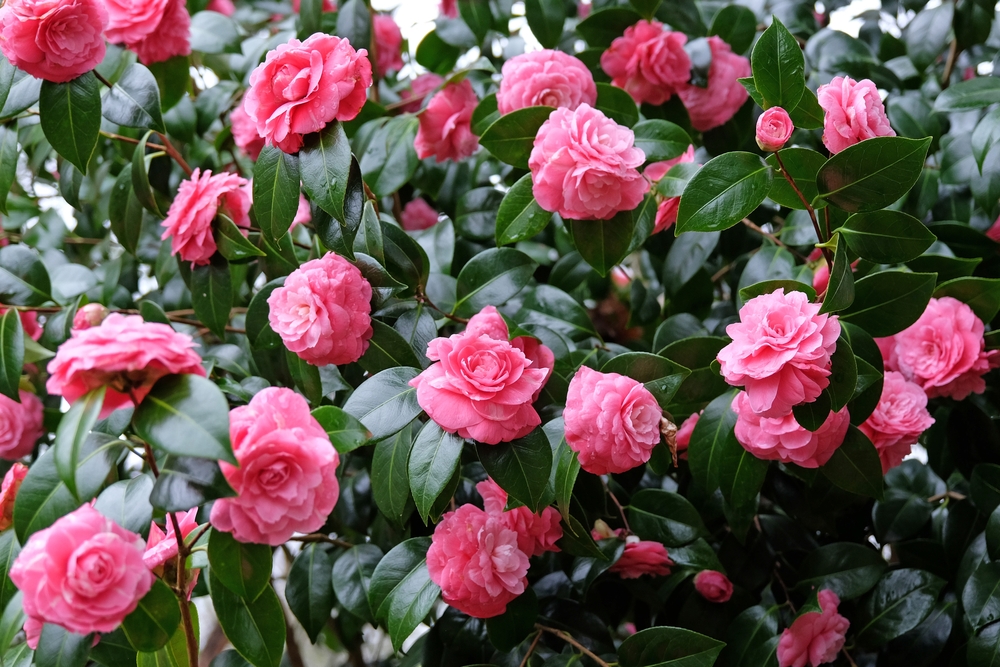
Camellias are known for their stunning, large flowers that bloom in late winter to early spring. The vibrant pink, red, or white blooms are a lovely sight in the cold weather, adding a pop of color to your garden. What sets camellias apart is their ability to thrive in cooler temperatures while producing beautiful flowers that can last for months. Their glossy green foliage also remains attractive year-round.
These shrubs thrive in partial shade, making them ideal for sheltered garden spots or under trees. Camellias need slightly acidic soil to grow well, so it’s a good idea to amend the soil before planting. They are low-maintenance, but keeping them well-watered during dry spells will help ensure healthy blooms. With their long-lasting flowers, camellias are a great choice for winter and early spring garden color.
Winter Jasmine (Jasminum nudiflorum)
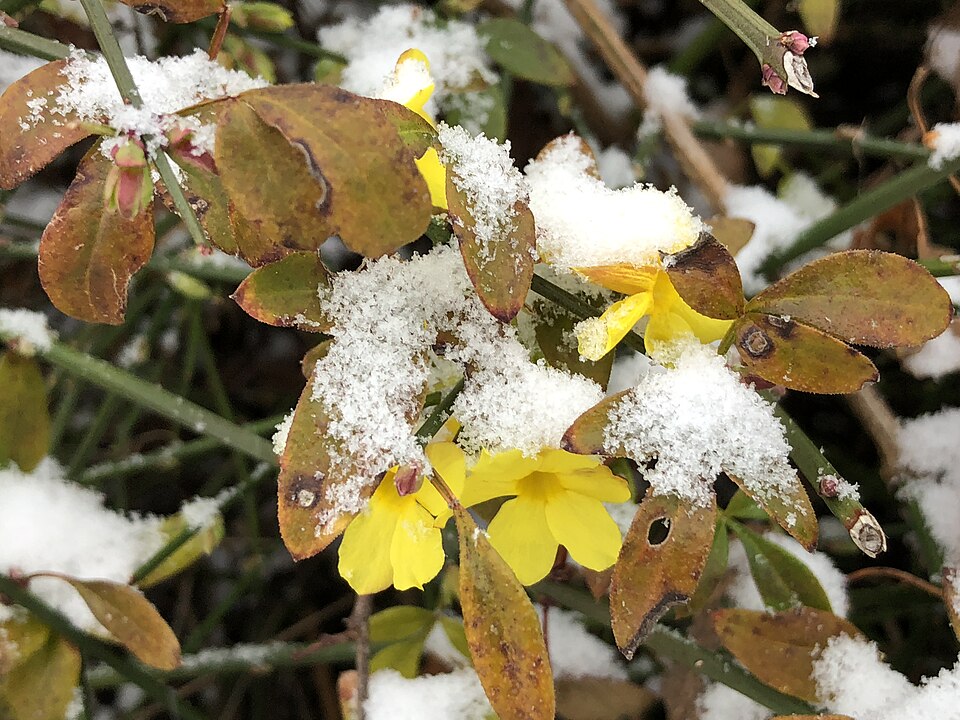
Winter jasmine is a vigorous, deciduous shrub that surprises gardeners with its bright yellow flowers in the coldest months. This low-growing shrub begins blooming in late winter and continues into early spring, offering cheerful yellow blooms against a backdrop of bare branches. What makes winter jasmine especially charming is its ability to bloom before its leaves appear. Its flowers often emerge even when snow is still on the ground.
It thrives in full sun to partial shade and is fairly easy to grow, making it a good choice for beginners. Winter jasmine does well in average to well-drained soil, and it can be trained to climb fences or walls for added visual appeal. It’s also quite hardy and will continue to bloom year after year, offering a burst of color during the coldest months. This shrub provides a welcome splash of sunshine when you need it most.
Winterberry Holly (Ilex verticillata)
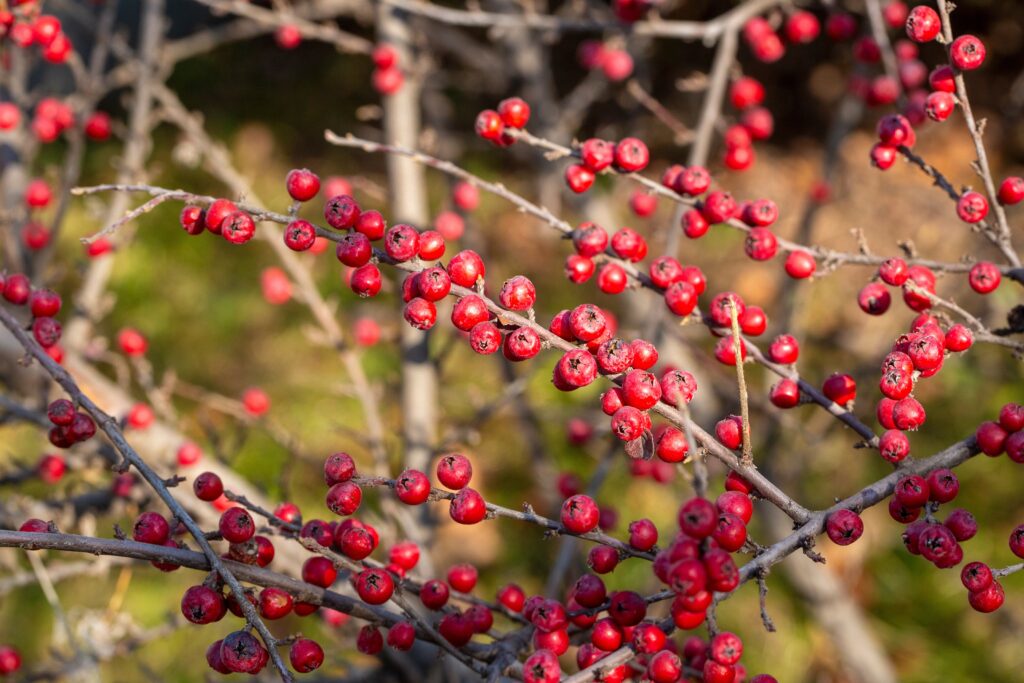
Winterberry holly is unique because it produces bright red berries in the winter months, even after its leaves have fallen. While it doesn’t flower in the traditional sense during late winter, its stunning berry clusters add color to your garden during the colder months. The red berries are a great food source for birds, making winterberry holly a beneficial plant for wildlife. It’s an easy-to-grow shrub that thrives in moist, acidic soils.
These shrubs grow best in full sun to part shade and are especially effective in wet or low-lying areas. They are deciduous, so they lose their leaves in the fall, but the vibrant berries remain throughout winter, adding visual interest. Winterberry holly can grow up to 6-10 feet tall and wide, making it a great option for privacy screens or hedges. As a bonus, it’s very hardy and requires little maintenance to thrive.
Daphne (Daphne odora)
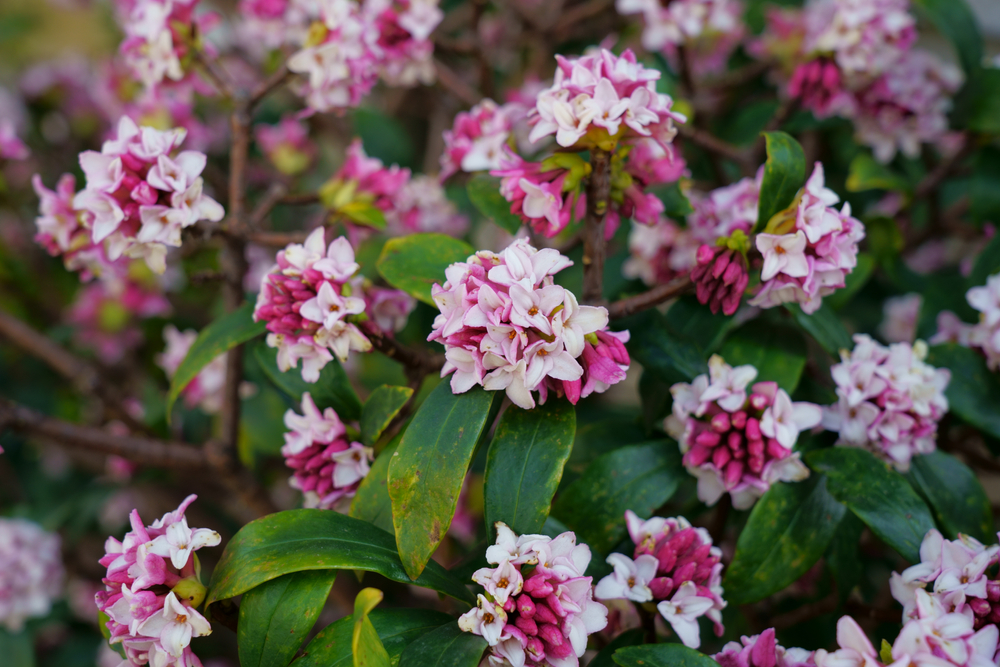
Daphne is a fragrant shrub that blooms in late winter, filling the garden with its sweet scent. Its small clusters of pink or white flowers appear before the foliage fully emerges, offering an early taste of spring. The flowers are incredibly fragrant, making daphne a perfect choice for garden beds or near walkways. Even during the cold months, its perfume can be appreciated, adding an element of warmth to the winter air.
Daphne prefers well-drained, slightly acidic soil and grows best in partial shade, making it ideal for woodland gardens. It’s relatively low-maintenance, but daphne does not like to be moved once planted, so careful planning is key. This shrub’s compact size, usually ranging from 2 to 3 feet in height, makes it great for smaller gardens or as a container plant. Its early bloom time and fragrance make it a standout for late winter gardens.
Forsythia (Forsythia spp.)
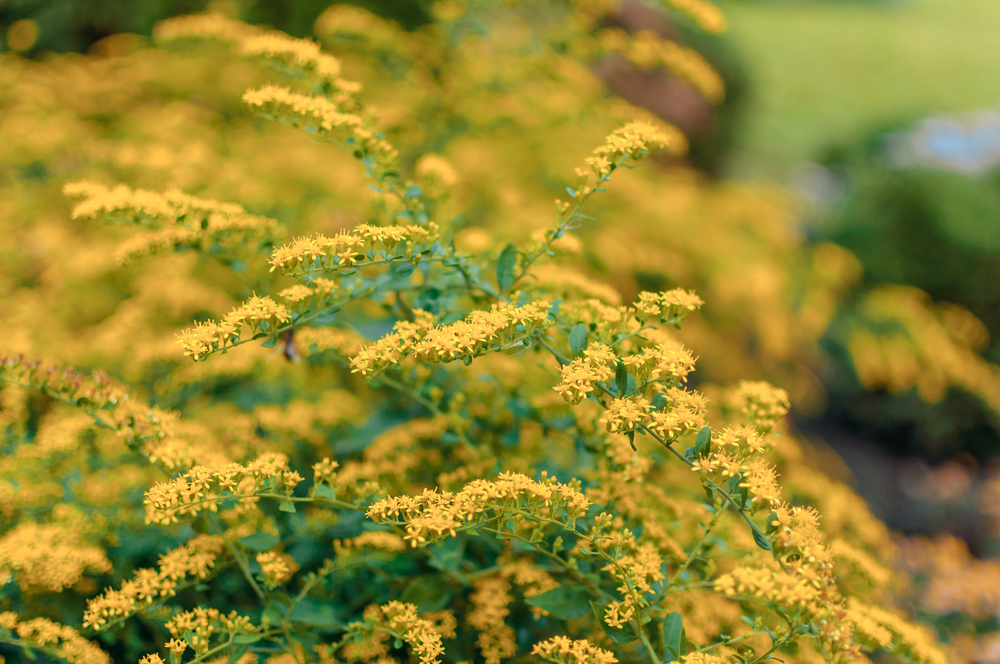
Forsythia is often one of the first shrubs to bloom in early spring, and it starts to show its yellow flowers in late winter. The flowers appear even before the leaves fully open, creating a cheerful, golden display. Forsythia is known for its vigorous growth and can quickly fill up a space, making it ideal for creating hedges or privacy screens. The striking yellow flowers contrast beautifully with the still-bare branches, providing a vivid reminder of spring’s arrival.
Forsythia grows best in full sun but can tolerate partial shade. It’s quite easy to care for and will thrive in almost any well-drained soil. This shrub grows quickly and can reach 8 to 10 feet tall, so it’s an excellent choice for gardeners looking for fast results. Forsythia also does well in both urban and suburban gardens, providing a touch of brightness when you need it the most.
Viburnum (Viburnum x bodnantense)
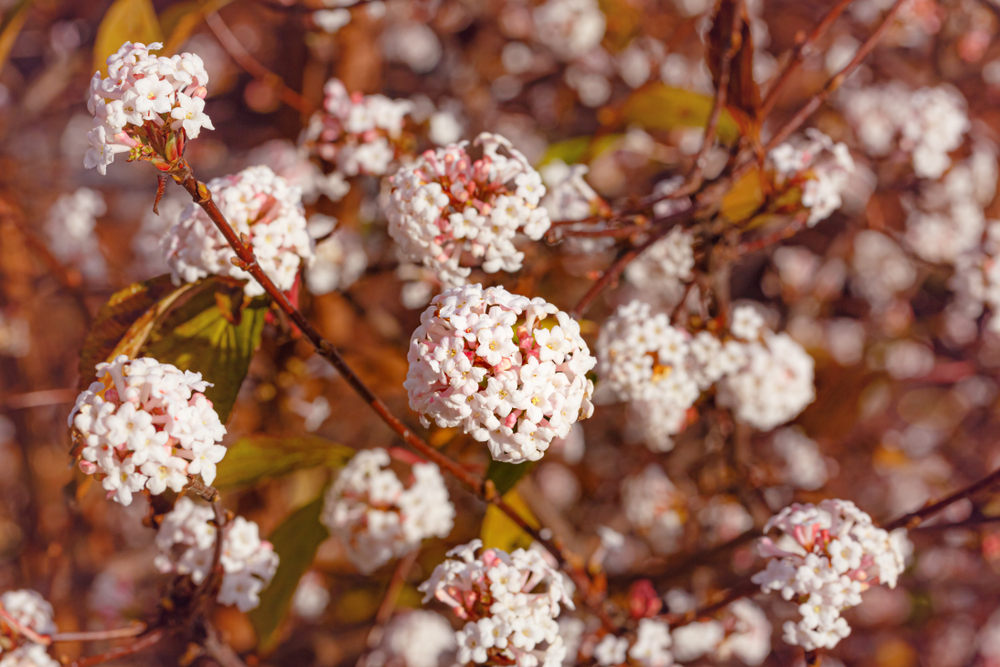
Viburnum is a deciduous shrub that bursts into bloom in late winter, offering clusters of pink or white flowers. These blooms are fragrant and can be a delightful sight and smell when the temperatures are still chilly. Viburnum can tolerate a variety of conditions, from sun to partial shade, and grows well in most soils, making it a versatile choice for gardeners. Its ability to bloom during the cold months makes it a standout shrub for late winter color.
It grows up to 8 feet tall and can be used as a hedge, a specimen plant, or in mixed borders. Viburnum’s flowers are followed by attractive dark berries in the late summer, which can attract birds and other wildlife. It’s also a low-maintenance shrub that requires only occasional pruning to maintain its shape. Viburnum is an excellent addition to any garden looking for early winter blooms and year-round appeal.
Mahonia (Mahonia aquifolium)
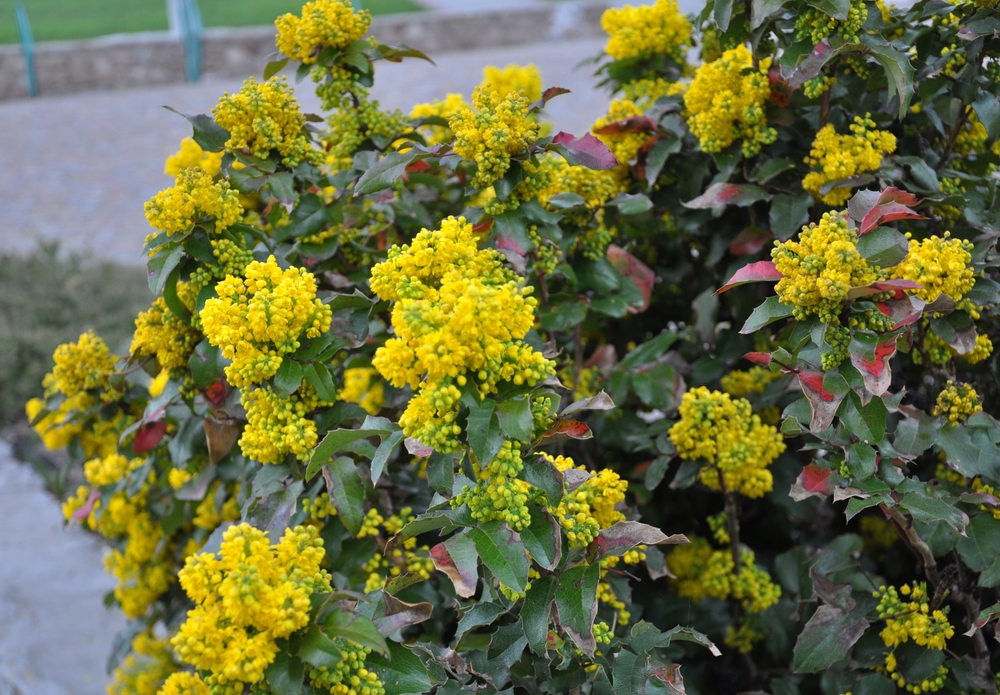
Mahonia, also known as Oregon grape, produces clusters of yellow flowers in late winter, adding brightness to your garden when most other plants are dormant. The blooms, which appear before the leaves unfurl, create a beautiful contrast against the dark green, holly-like foliage. Mahonia thrives in shaded to semi-shaded areas, making it an excellent choice for planting under trees or in woodland gardens. Its resilience to cold temperatures ensures that it will continue to bloom in the colder months.
This shrub grows best in full sun to partial shade and prefers well-drained soil. Mahonia’s flowers are followed by blue-purple berries that are attractive to birds. The shrub grows to about 3-6 feet tall and wide, making it suitable for a variety of garden sizes. It provides year-round interest with its evergreen foliage and late winter flowers.
Pieris (Pieris japonica)

Pieris, also known as andromeda or Japanese pieris, is a striking shrub that produces clusters of white to pink flowers in late winter. The flowers appear before the new growth begins, and they’re often fragrant, drawing in early pollinators. Pieris is an evergreen shrub that keeps its glossy, dark green leaves throughout the winter, adding year-round interest to your garden. Its ability to bloom during the colder months makes it a great way to brighten up the landscape.
This shrub grows best in acidic, well-drained soil and thrives in partial shade to full sun. Pieris can reach heights of 3 to 6 feet and can be used as a specimen plant or in mixed borders. Its versatility and hardiness make it a favorite among gardeners who want an early-season bloom. Pieris adds elegance to any garden with its delicate flowers and attractive foliage.
Corylopsis (Corylopsis spicata)
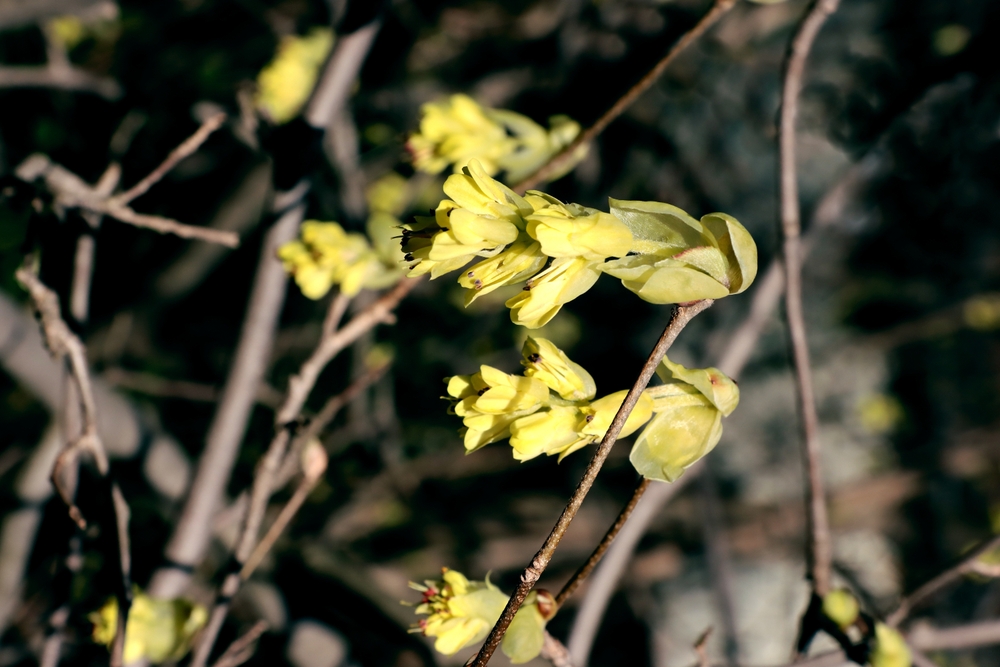
Corylopsis, also known as the buttercup winter hazel, blooms with delicate yellow flowers in late winter. The soft, pendulous blossoms appear in clusters, creating a graceful display that contrasts beautifully with the bare branches. Corylopsis is a smaller shrub, usually reaching 3 to 5 feet in height, making it perfect for small gardens or as a specimen plant. Its blooms are often one of the first signs of spring, making it a welcome addition to the winter landscape.
This shrub grows best in part shade and well-drained soil, making it perfect for woodland gardens. Corylopsis is relatively low-maintenance, requiring only minimal pruning after it finishes blooming. The shrub’s early flowers are followed by attractive foliage that turns yellow in the fall. It’s an ideal choice for anyone looking to add early seasonal interest to their garden.
Edgeworthia or Paperbush (Edgeworthia chrysantha)
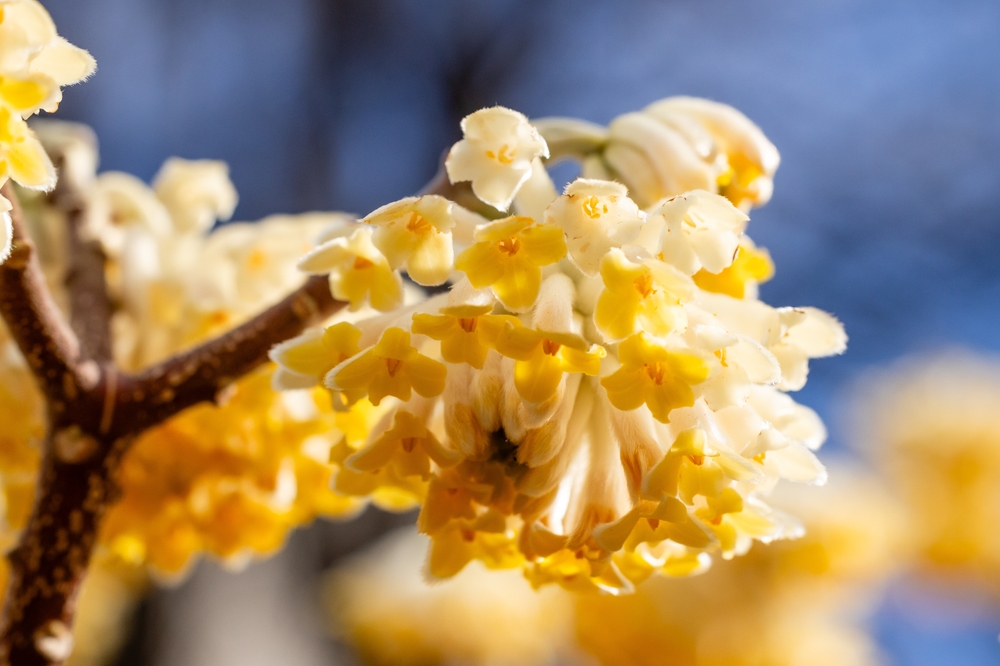
Edgeworthia, also known as paperbush, produces fragrant clusters of yellow flowers in late winter, often before its leaves emerge. The flowers appear in ball-shaped clusters, making this shrub stand out with its vibrant winter blooms. Edgeworthia thrives in well-drained, slightly acidic soil and can grow in full sun or partial shade. Its unique fragrance and early blooms make it a favorite among gardeners seeking something special for their winter garden.
This shrub can grow up to 4 to 6 feet tall, and it’s often used as a specimen plant or in mixed borders. After blooming, the foliage appears, offering a fresh contrast to the earlier flowers. Edgeworthia is easy to grow and requires little maintenance beyond occasional pruning. Its winter flowers are a rare treat, adding both color and fragrance to the garden during the colder months.
Winter Sweet (Chimonanthus praecox)
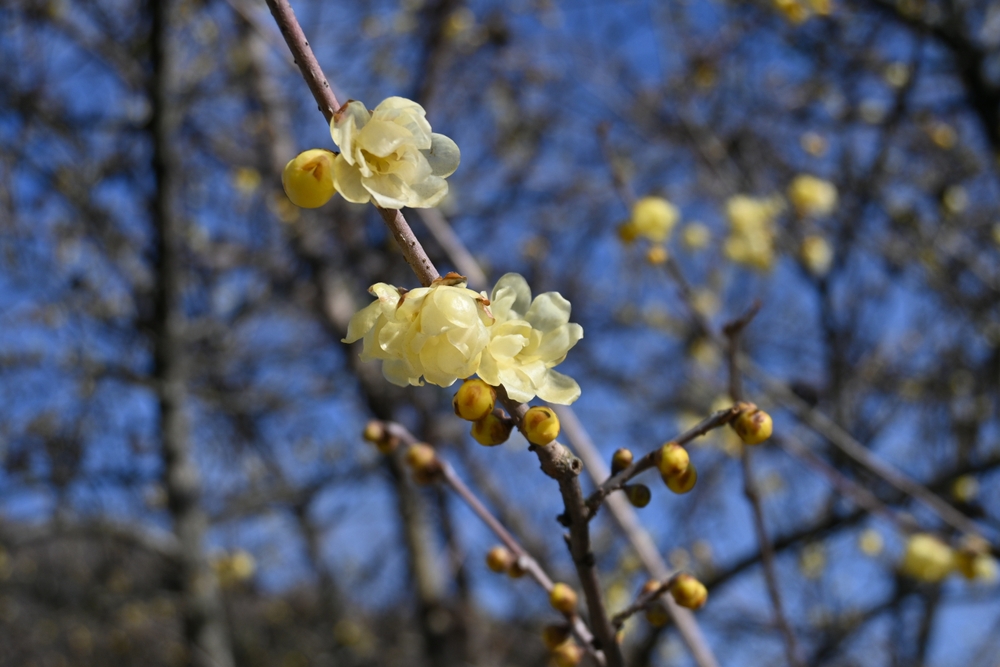
Winter sweet is a deciduous shrub that produces fragrant, yellow flowers in late winter, often when there is still snow on the ground. The flowers have a sweet, spicy fragrance that can fill the air, making this shrub a joy to have in the garden. It’s known for blooming in the coldest months, providing color and fragrance when most other plants are dormant. Winter sweet’s flowers are often followed by attractive seed pods that add interest to the plant after the blooming period.
This shrub grows best in full sun to partial shade and prefers well-drained, fertile soil. Winter sweet is hardy and can thrive in colder climates, making it ideal for regions with chilly winters. It can grow up to 6-10 feet tall and wide, making it suitable for a variety of garden spaces. Its early blooms are a highlight in any garden, providing much-needed color during the cold months.
Spirea (Spiraea thunbergii)
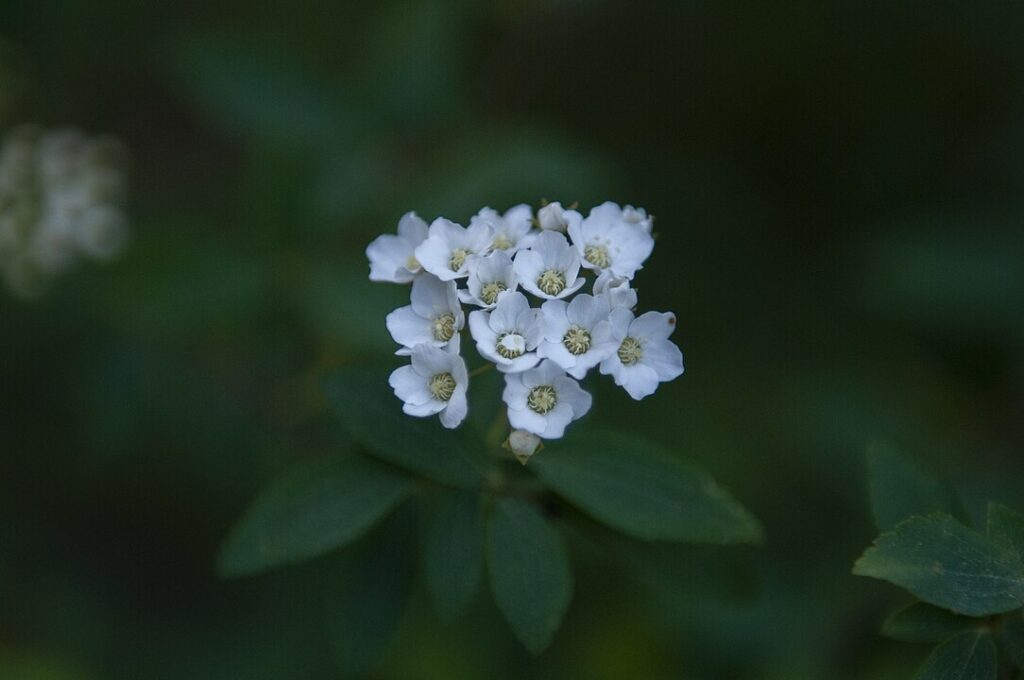
Spirea is a deciduous shrub that produces clusters of small white flowers in late winter or early spring. The blooms are dense and appear in long, arching branches, creating a stunning display. Spirea’s flowers attract early pollinators, making it a valuable addition to your garden. Its ability to bloom in the cold months sets it apart from many other shrubs, offering early-season color and interest.
This shrub grows well in full sun to partial shade and can tolerate a range of soil types, as long as it is well-drained. Spirea is relatively low-maintenance, requiring only occasional pruning after flowering. It can grow from 3 to 4 feet tall and wide, making it a great option for garden borders or hedges. With its early blooms and attractive form, spirea is a great choice for late winter gardens.
Saracocca (Sarcococca confusa)
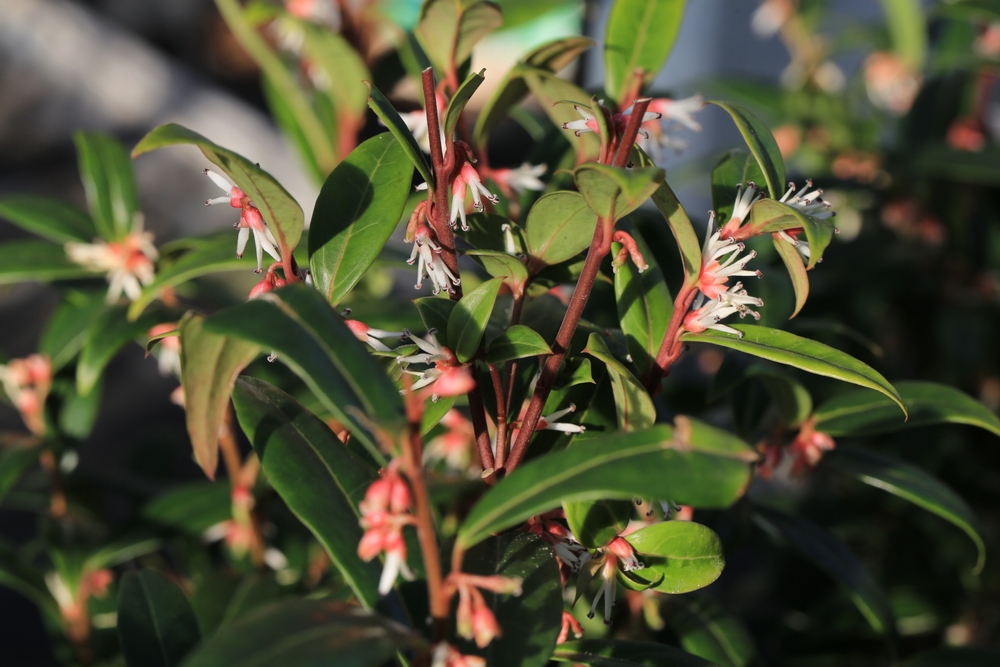
Saracocca, or sweet box, is a shade-loving shrub that produces fragrant white flowers in late winter. The flowers are small but highly aromatic, making it a great choice for areas where you want to enjoy a fragrance in the cold months. Saracocca thrives in shaded areas and is perfect for planting under trees or in woodland gardens. Its ability to bloom when the weather is still chilly makes it a valuable addition to gardens with minimal sunlight.
This shrub grows slowly and is perfect for smaller gardens, reaching heights of 2 to 3 feet. Saracocca prefers moist, well-drained soil and is very low-maintenance once established. Its evergreen foliage provides interest year-round, even when the flowers are not in bloom. Sweet box is a great choice for gardeners looking to add early winter fragrance and color to shaded spaces.
Buddleia (Buddleja davidii)
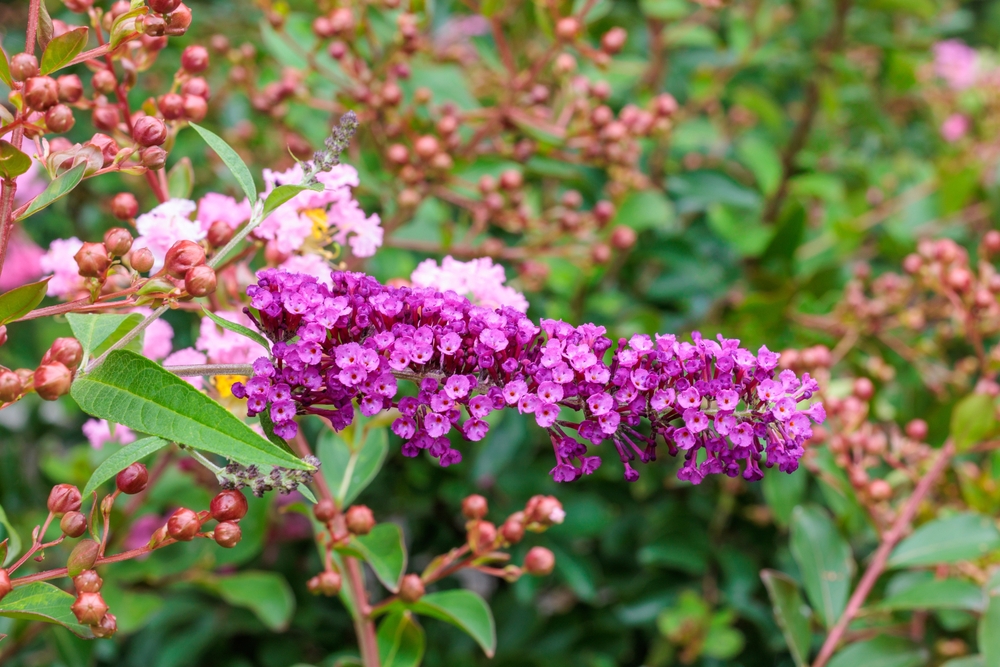
Buddleia, or butterfly bush, is known for attracting pollinators with its long, cone-shaped flowers. The blooms come in shades of purple, white, and pink, and they often appear in late winter, just before spring. This shrub is a favorite for gardeners looking to provide early-season nectar to butterflies and bees. Its vibrant flowers contrast beautifully with the bare branches and add a splash of color to late winter gardens.
Buddleia grows well in full sun and prefers well-drained soil. It’s drought-tolerant once established and grows up to 6 feet tall. This shrub also does well in most garden conditions, making it a versatile addition. With its long-lasting blooms and pollinator-friendly qualities, buddleia is an excellent choice for gardeners who want to support wildlife while adding color to their gardens.
Chaenomeles (Chaenomeles spp.)
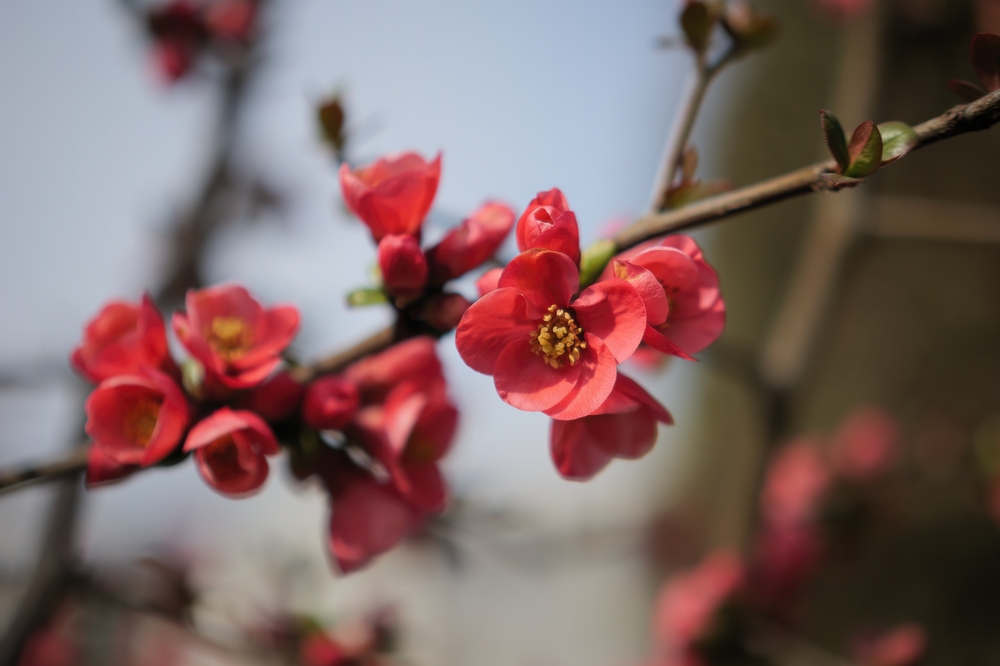
Chaenomeles, or flowering quince, produces vibrant flowers in shades of red, orange, or pink in late winter. These bold flowers appear on bare branches, offering a stunning display of color when most other plants are dormant. Flowering quince is well-suited for colder climates, thriving even in the chillier months. Its ability to bloom early makes it an excellent addition to any garden looking for winter interest.
This shrub grows best in full sun to part shade and can tolerate a variety of soil types, as long as it is well-drained. It’s a hardy shrub that can reach up to 4 feet tall and wide, making it perfect for hedges or as a specimen plant. Flowering quince is also easy to care for and requires little maintenance beyond occasional pruning. Its vibrant flowers provide early-season color when you need it most.
Abelia (Abelia x grandiflora)
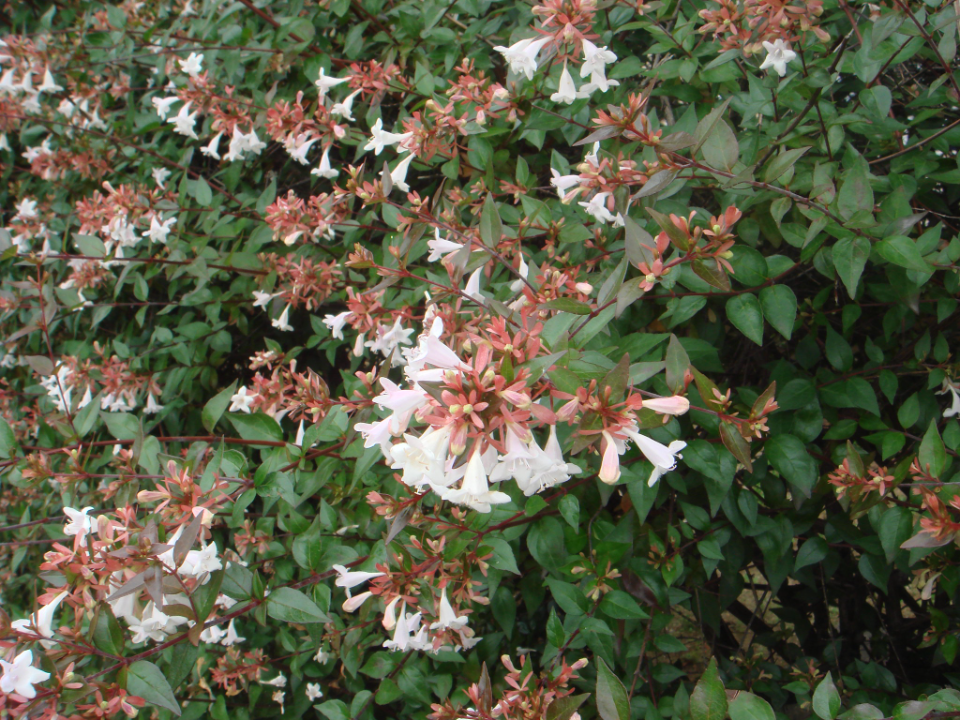
Abelia is a deciduous shrub that produces clusters of small, fragrant flowers in late winter or early spring. The blooms are usually pink or white, and they appear in abundance, creating a delicate display against its glossy, evergreen foliage. Abelia is a hardy shrub that thrives even when temperatures are still cool, making it perfect for late winter gardens. Its flowers attract pollinators like bees and butterflies, adding to its charm.
This shrub grows well in full sun to partial shade and prefers well-drained soil. Abelia can reach up to 4 to 6 feet in height, making it ideal for hedges, borders, or specimen planting. It’s relatively low-maintenance and requires only occasional pruning to maintain its shape. With its fragrant blooms and attractive foliage, abelia is a great choice for winter and early spring gardens.
This article originally appeared on Avocadu.