
13 Shows That Used Puppetry in Strange and Brilliant Ways
Puppetry on television has never been limited to kids shows or gentle humor. Some series used puppets in ways that felt strange, funny, unsettling, or unexpectedly clever. This list looks at shows that pushed puppetry into unusual territory and made it memorable for viewers in very different ways.
This post may contain affiliate links, which helps keep this content free. Please read our disclosure for more info.
The Muppet Show
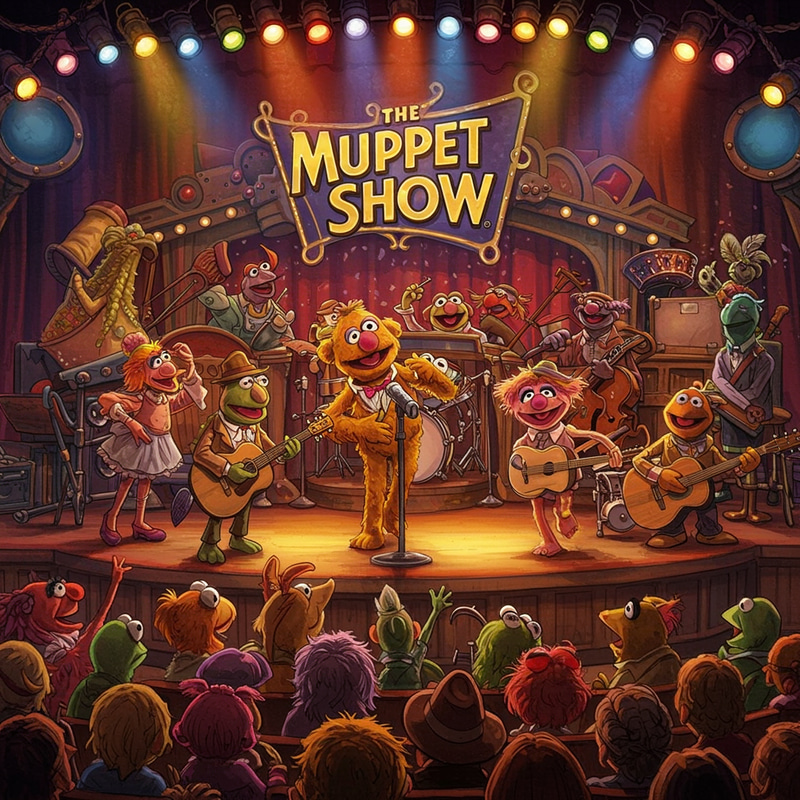
The Muppet Show treated puppets like full performers rather than children’s characters, placing them in a prime time variety format with real celebrity guests. Musical numbers, backstage chaos, and dry one liners gave the puppets a sharp comic edge. The humor often leaned adult, with jokes about ego, failure, and show business itself. That mix made the puppets feel strangely human.
Behind the scenes moments were just as important as the stage acts. Miss Piggy’s temper, Kermit’s quiet stress, and Gonzo’s bizarre confidence shaped ongoing character arcs. Puppetry here worked as character driven comedy instead of novelty. It set a standard that many later shows tried to follow.
Fraggle Rock
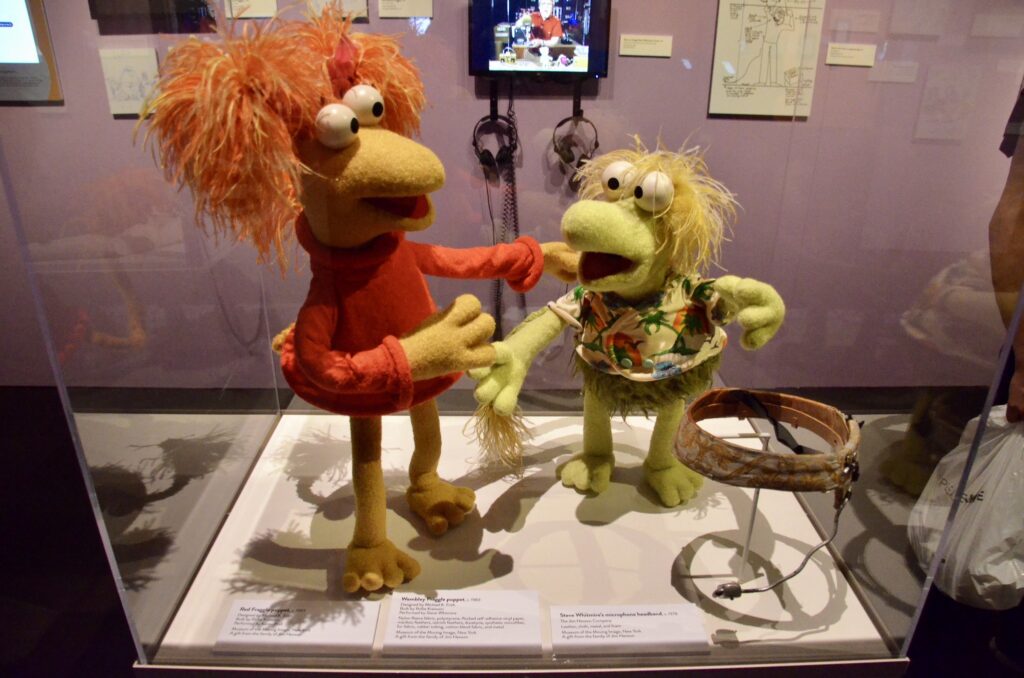
Fraggle Rock used colorful puppets to talk about cooperation, fear, and misunderstanding without feeling preachy. The Fraggles, Doozers, and Gorgs all lived in connected worlds that rarely understood each other. Simple conflicts carried larger ideas about resources and communication. The puppets made those ideas feel gentle and approachable.
Music played a major role in shaping mood and memory. Songs explained emotions in ways dialogue alone could not. The physical movement of the puppets helped the world feel alive and lived in. It was playful on the surface while quietly thoughtful underneath.
Dinosaurs
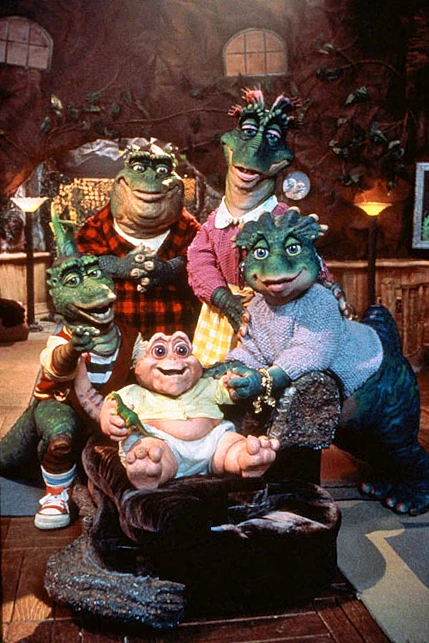
Dinosaurs looked like a family sitcom, yet its puppetry was massive and highly technical. The characters were full sized animatronic suits that allowed facial expressions and body language. This gave the show room for sarcasm, satire, and surprisingly dark jokes. The puppets carried weight and presence that animation could not.
Storylines tackled work stress, consumer habits, and social change. The famous finale shocked audiences by ending on a bleak note. Puppetry made those moments feel physical and real. It showed that family friendly visuals could still support heavy themes.
Alf
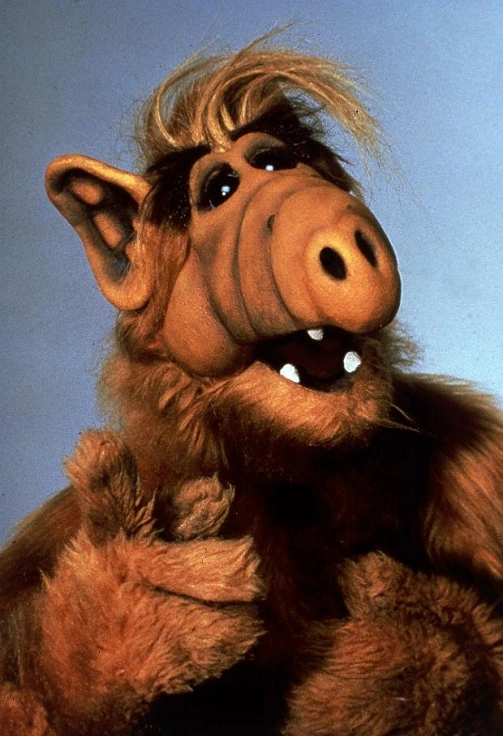
Alf relied on a single puppet placed into a live action sitcom world. His expressive face and quick insults carried much of the comedy. The puppet interacted closely with human actors, often from kitchen counters or sofas. That closeness helped sell the illusion.
The humor leaned on sarcasm and cultural jokes rather than slapstick. Alf felt like an unruly houseguest rather than a cute mascot. Puppetry allowed reactions that felt immediate and personal. It gave the alien character a strange sense of realism.
Greg the Bunny
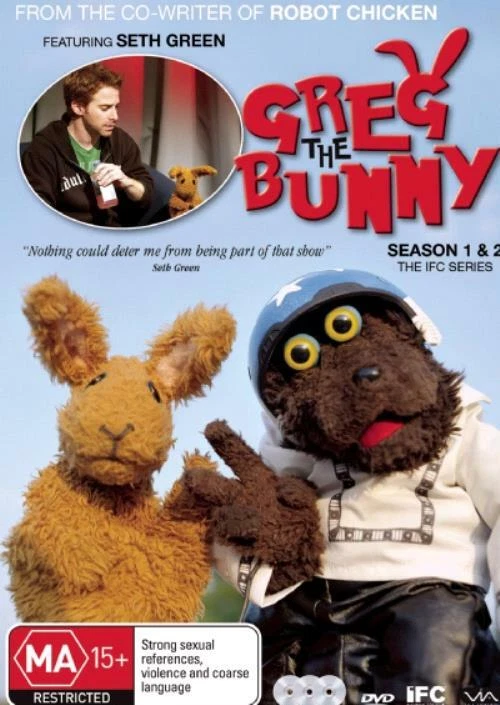
Greg the Bunny treated puppets as actors trying to survive in television production. The show openly discussed typecasting, burnout, and ego through felt characters. Puppets argued about unions and creative control. The concept itself was strange and self aware.
Live action humans and puppets shared equal status. This blurred the line between performer and prop. Puppetry became a metaphor for exploitation and ambition. The result felt messy, cynical, and honest.
Crank Yankers
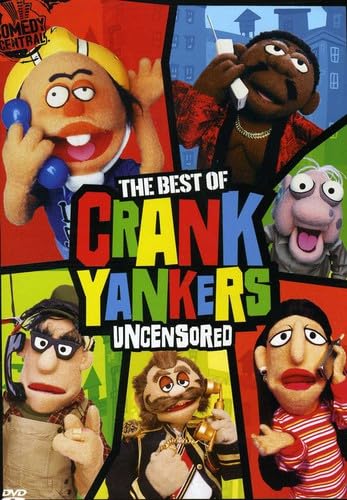
Crank Yankers used puppets to reenact prank phone calls. The exaggerated faces matched the awkwardness of the conversations. Seeing the calls acted out added discomfort and humor at the same time. The puppets made cruel jokes feel cartoonish.
Physical reactions sold the embarrassment better than audio alone. Awkward pauses and sudden anger played out visually. Puppetry allowed extreme expressions without real people on screen. It pushed prank comedy into uncomfortable territory.
Wonder Showzen
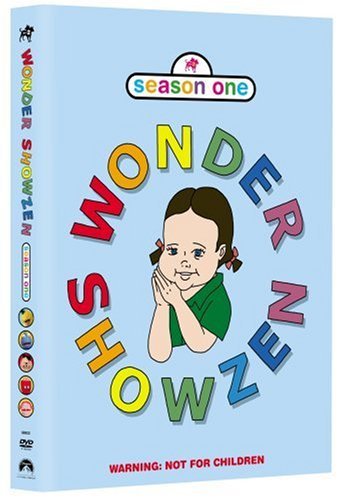
Wonder Showzen looked like a children’s program but behaved nothing like one. Puppets sang about violence, politics, and social failure. The contrast between innocent visuals and harsh content was deliberate. It made viewers uneasy on purpose.
The show used puppetry to question media aimed at kids. Familiar formats were twisted into satire. Bright colors masked dark messages. Puppets became tools for confrontation rather than comfort.
LazyTown
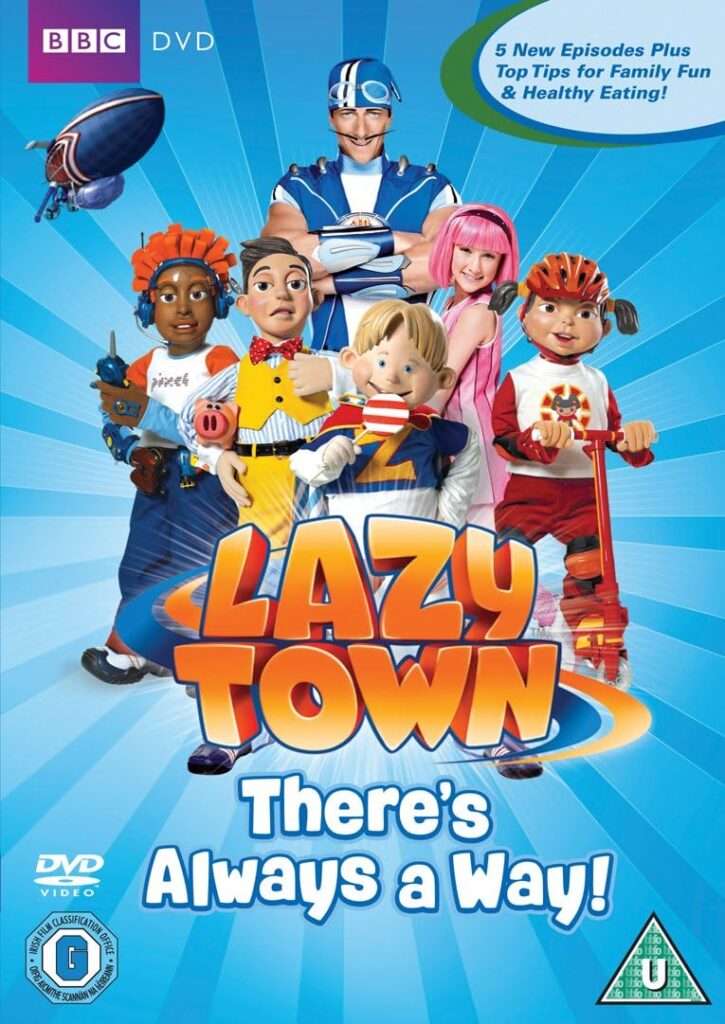
LazyTown mixed puppets, live actors, and stylized sets. The puppets had oversized heads and sharp movements that felt almost surreal. They shared space with athletic performances and musical numbers. The combination felt unusual but memorable.
Puppetry here focused on exaggerated personality traits. Villains and side characters stood out visually. Movement mattered more than realism. It created a world that felt playful yet strange.
Bear in the Big Blue House
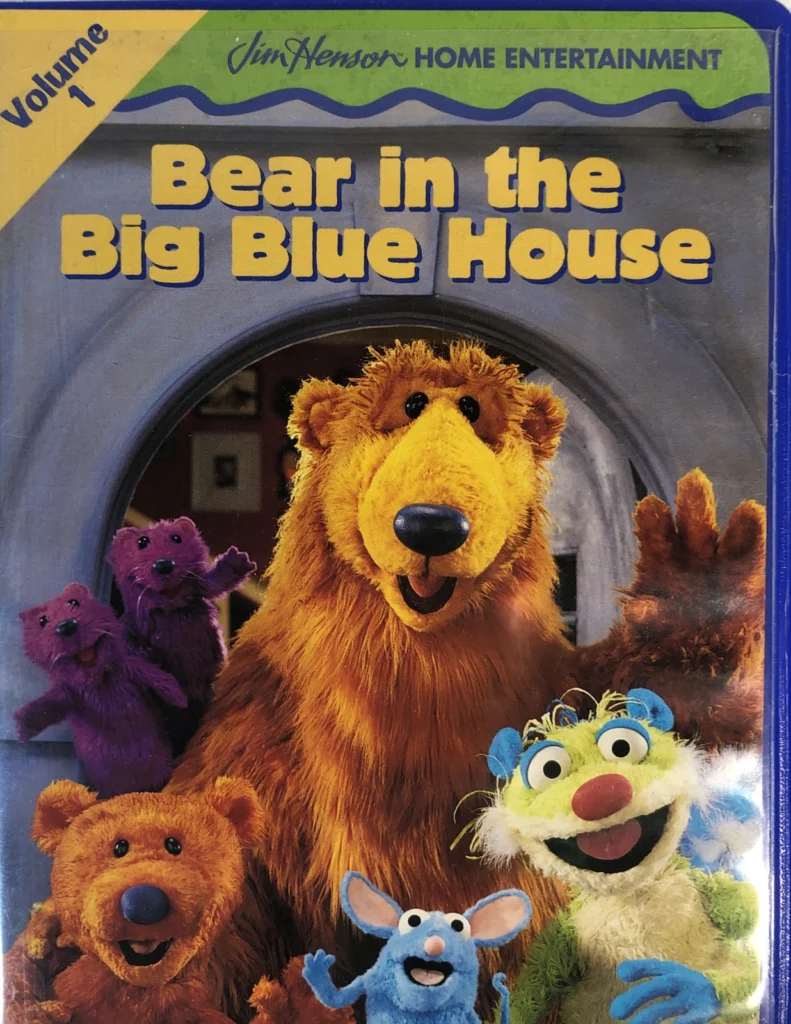
Bear in the Big Blue House used large puppets to create warmth and calm. Bear’s slow movements and soft voice set a relaxed tone. The puppets encouraged emotional awareness through simple conversations. It felt intimate rather than loud.
The set design supported that mood. Rooms felt cozy and safe. Puppetry helped maintain eye contact and gentle pacing. It showed how physical presence could shape trust.
Sesame Street
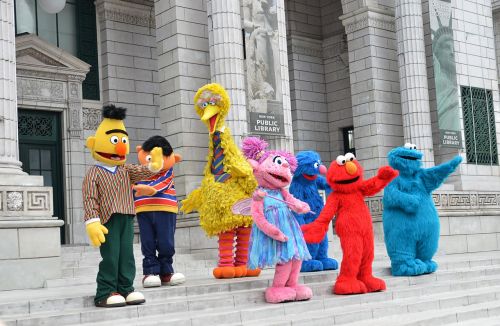
Sesame Street blended puppets with live action from the start. Characters like Big Bird and Oscar felt like neighbors rather than cartoons. Puppetry allowed clear emotions through simple gestures. That clarity helped with learning and connection.
The show addressed serious topics over time. Loss, change, and kindness were handled with care. Puppets softened difficult moments without avoiding them. Their honesty made lessons stick.
Mr. Meaty
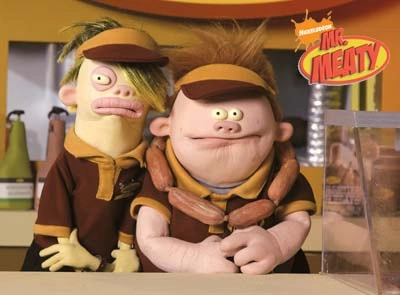
Mr. Meaty used grotesque puppets in a fast food setting. The texture and movement were intentionally uncomfortable. Close up shots emphasized grime and awkward detail. It stood out sharply from other kids programming.
The humor leaned toward absurd and gross. Conversations were stiff and strange by design. Puppetry made everything feel slightly wrong. That discomfort became the point.
Pee-wee’s Playhouse
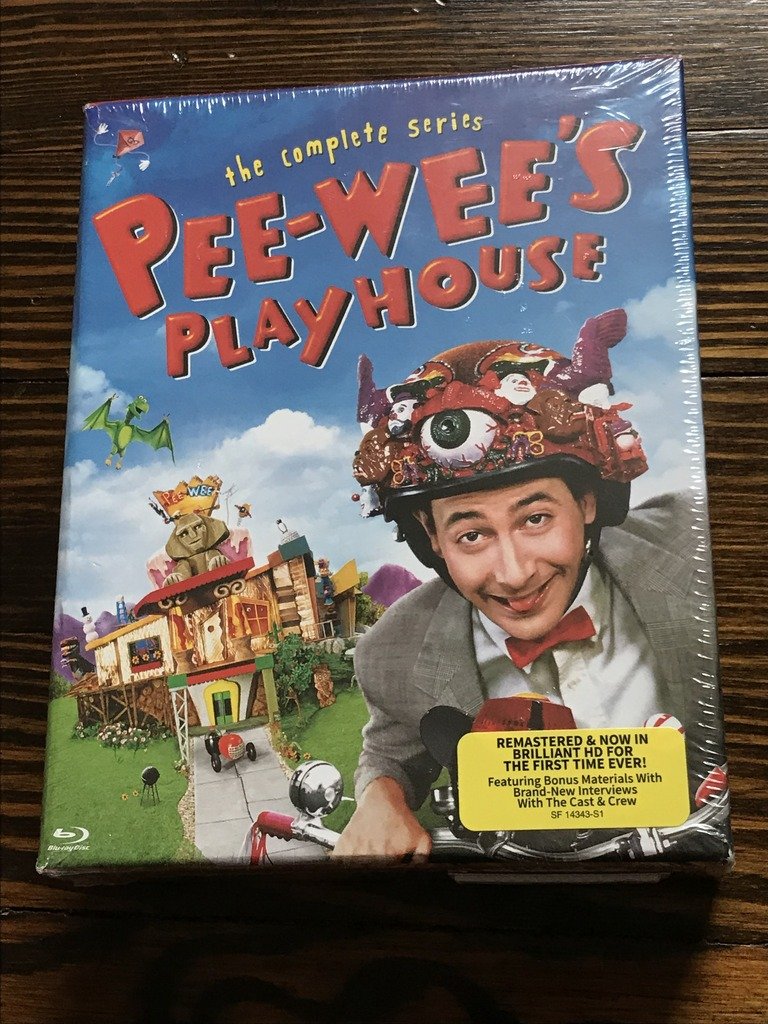
Pee-wee’s Playhouse filled its world with talking objects and puppet characters. Chairs, doors, and animals all had voices. Puppetry turned the set into a living space. Nothing stayed still or silent.
The show followed dream logic instead of structure. Puppets interrupted scenes and ignored rules. That chaos felt playful and unpredictable. It treated imagination as normal.
Thunderbirds
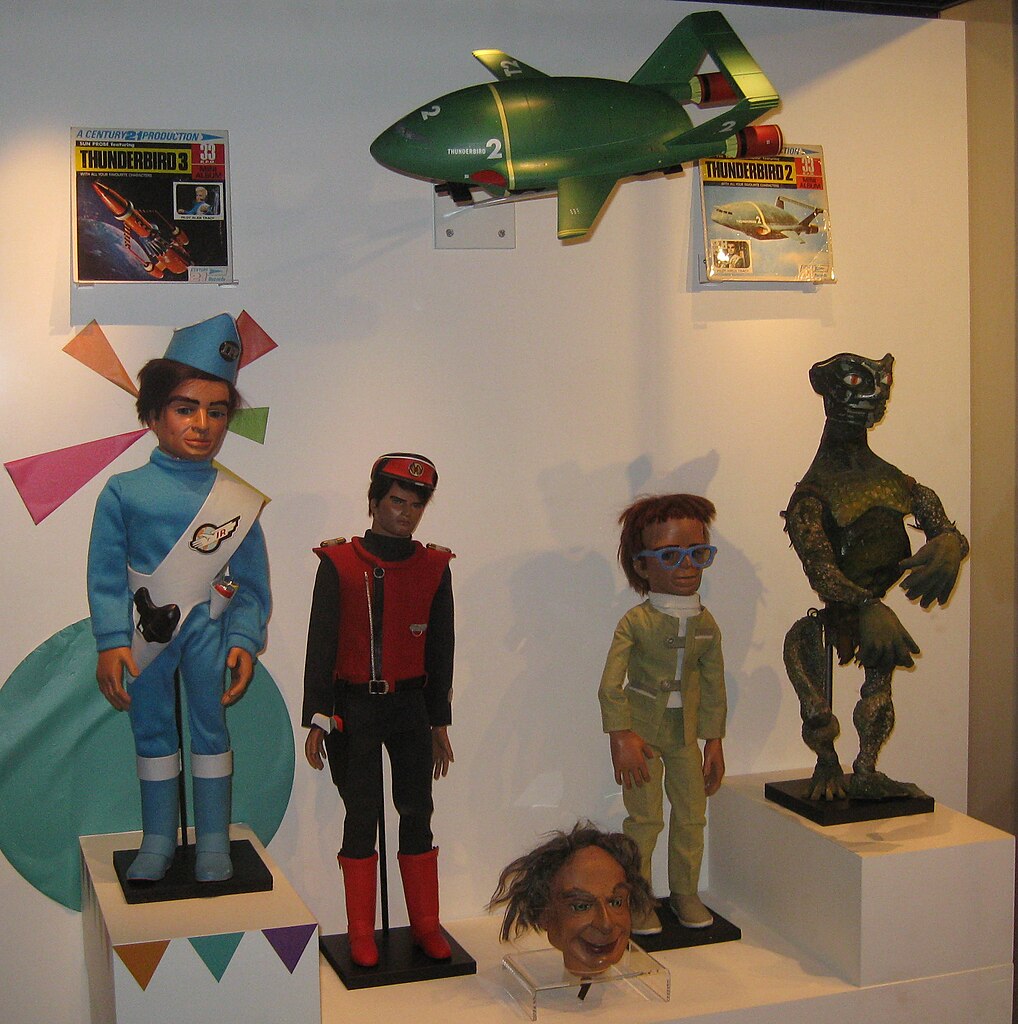
Thunderbirds used marionettes with visible strings and stiff motion. Instead of hiding limitations, the show leaned into them. The focus stayed on vehicles, missions, and tension. Puppetry supported spectacle rather than emotion.
The style felt mechanical and precise. Characters moved like machines, which fit the rescue themes. Miniature sets added realism. Puppets became part of the technical design.
This article originally appeared on Avocadu.