
14 Shade Plants That Start Early And Fill In Before Trees Leaf Out
As the days get longer and temperatures rise, early-blooming shade plants can make a noticeable impact in your garden. These plants thrive in the cool, shaded areas before the trees fully leaf out. Their vibrant colors and textures fill in gaps, bringing life to the space. If you’re looking to brighten those spots, these plants are the perfect choice. Let’s take a closer look at some great options for your early garden.
This post may contain affiliate links, which helps keep this content free. Please read our disclosure for more info.
Hellebore (Helleborus spp.)
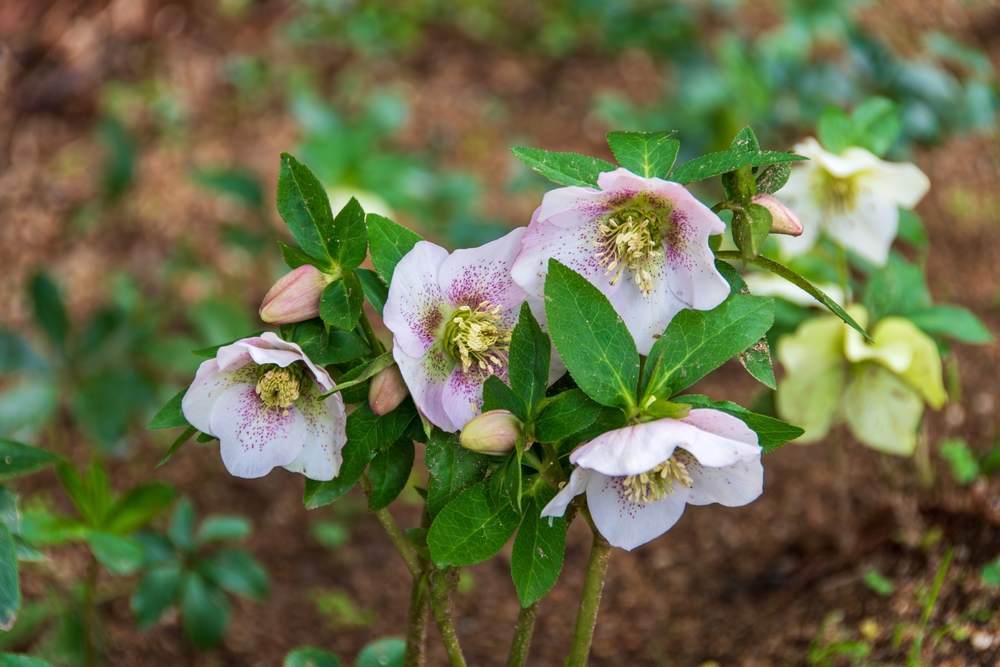
Hellebores, also known as Lenten roses, are one of the earliest bloomers in the shade garden. These plants often begin flowering as early as February, providing a splash of color in the otherwise dull early spring. They thrive in partially shaded areas and are ideal for planting under trees that haven’t yet leafed out. With their large, attractive flowers and evergreen leaves, hellebores offer year-round interest.
The flowers of hellebores come in a range of colors, including white, pink, purple, and green, making them versatile for many garden designs. They also prefer well-drained, humus-rich soil and benefit from light mulching to retain moisture. Hellebores are relatively low-maintenance and resistant to pests, making them perfect for shaded garden beds. These plants will continue to thrive as the trees grow fuller, providing beauty well into the warmer months.
Snowdrop (Galanthus nivalis)
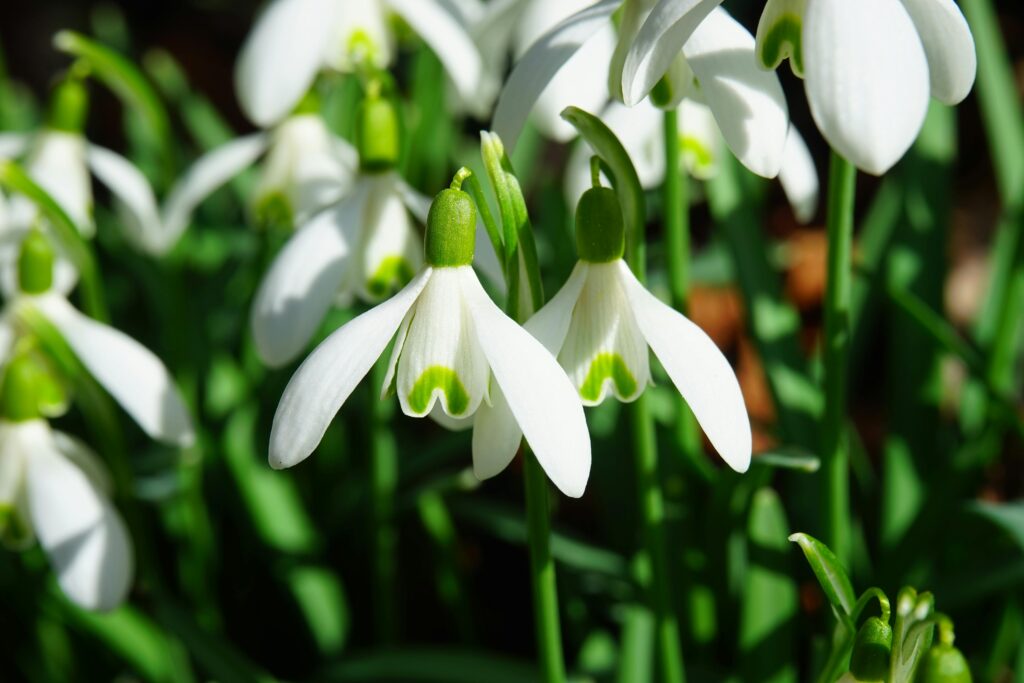
Snowdrops are a welcome sight in late winter and early spring, often pushing through the last remnants of snow. These hardy perennials are perfect for filling in shaded garden areas before the trees fully leaf out. Snowdrops are small but pack a punch in terms of charm, with their delicate, nodding white flowers. They are an excellent choice for naturalizing in woodland gardens or as an underplanting for shrubs.
Snowdrops thrive in well-drained, moist soil and will gradually spread over time. While they bloom early, their foliage remains attractive through the spring, gradually fading as the weather warms. They are also known for their ability to survive in colder climates, making them ideal for early spring displays. Snowdrops work wonderfully in groupings or drifts for maximum impact.
Crocus (Crocus spp.)
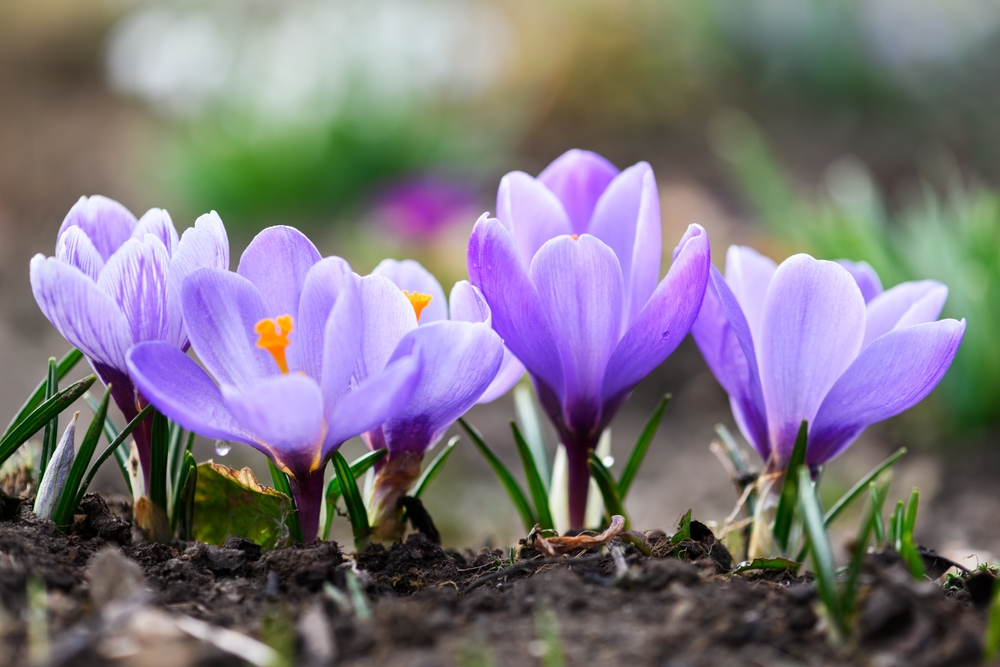
Crocus plants are one of the first signs of spring, often emerging as early as late winter. These small, vibrant flowers thrive in shady spots, particularly under deciduous trees. Their bright, colorful blooms, ranging from purple to yellow, bring cheer to areas that are still waiting for warmer temperatures. Crocus is a great option for gardeners looking to add color to shady areas before the canopy closes in.
These plants are low-growing and naturalize well, returning year after year with minimal care. They prefer well-drained soil and are best planted in groups to create a vibrant effect. Crocus flowers typically last for a few weeks, offering a burst of color before the trees leaf out. Once the blooms fade, their foliage dies back, making way for later-growing plants.
Trillium (Trillium spp.)
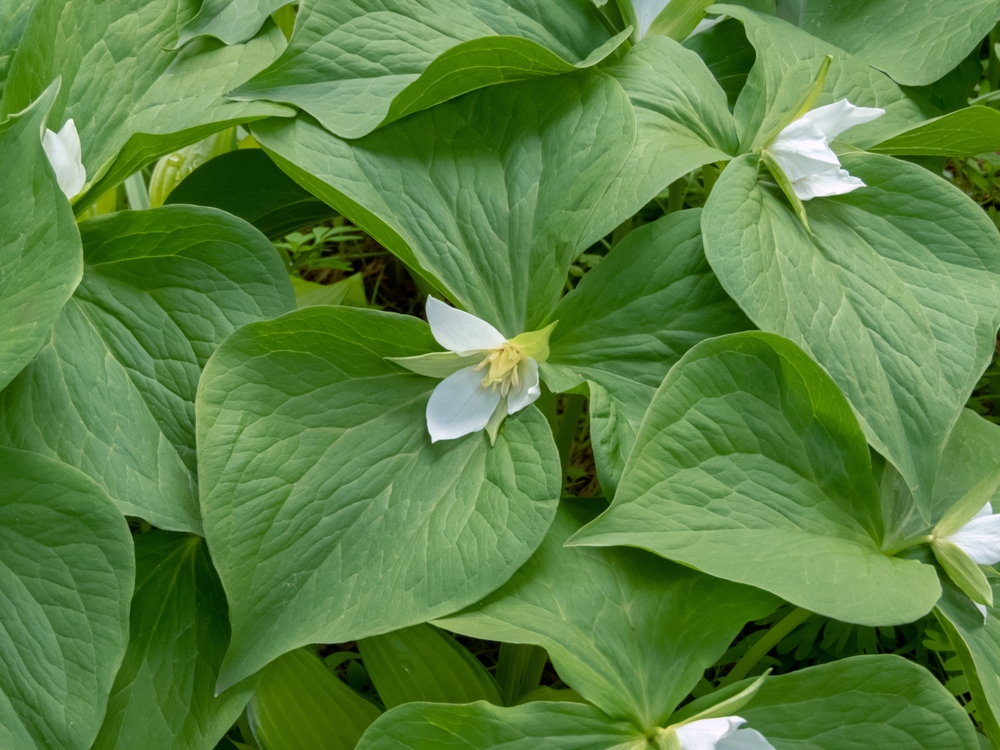
Trilliums are a classic shade-loving plant that start blooming early in the spring. These perennial wildflowers thrive in the cool, moist conditions of woodland areas, making them perfect for shaded garden spaces. Trillium flowers come in shades of white, pink, red, and purple, and are known for their unique three-petaled shape. They are ideal for naturalizing in woodland gardens or areas with dappled sunlight.
Trilliums grow best in rich, well-drained soil with a slightly acidic pH. While they are relatively slow-growing, their striking flowers and attractive foliage make them well worth the wait. These plants prefer moist, shaded conditions and can tolerate early spring frosts. After blooming, trillium leaves provide interest until they die back in late spring, leaving the space ready for other plants to take over.
Virginia Bluebell (Mertensia virginica)
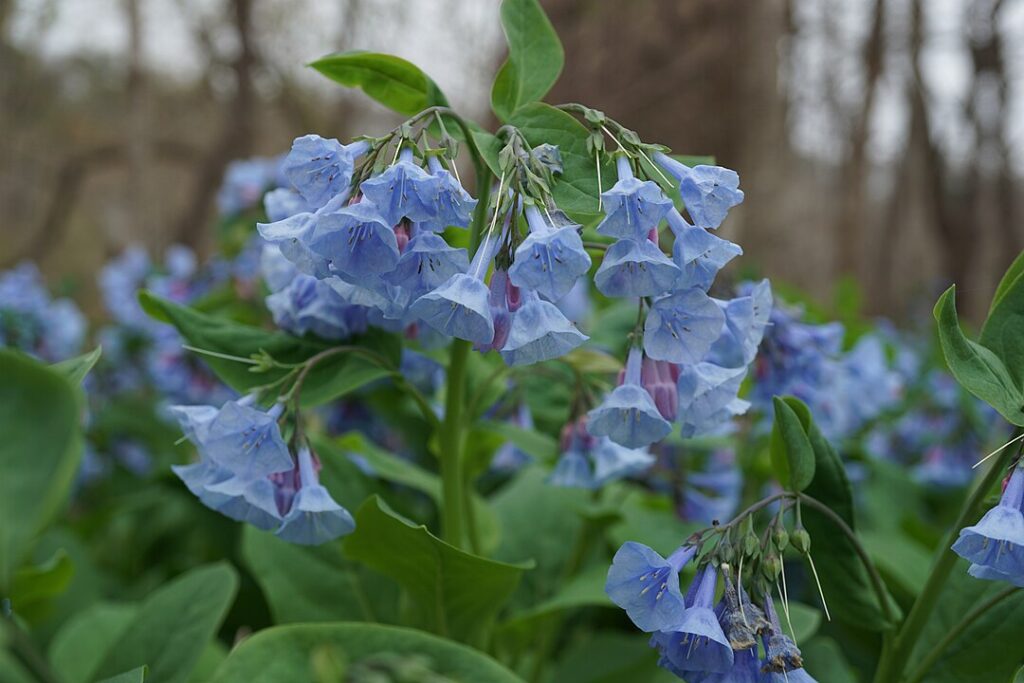
Virginia bluebells are a standout plant in early spring gardens, known for their clusters of blue, bell-shaped flowers. These plants are well-suited for shaded areas, particularly along the edges of wooded gardens. Their striking blue blooms stand out against the emerging green of other plants, making them a favorite for garden beds and naturalized areas. They are also great companions for spring ephemerals.
In addition to their beautiful flowers, Virginia bluebells have soft, textured leaves that add to their visual appeal. They are best planted in moist, well-drained soil and thrive in areas with partial to full shade. The plants begin to die back as the season progresses, leaving room for later-spring plants to take over. Their early bloom period provides a crucial pop of color before the full foliage of trees blocks the sunlight.
Astilbe (Astilbe spp.)
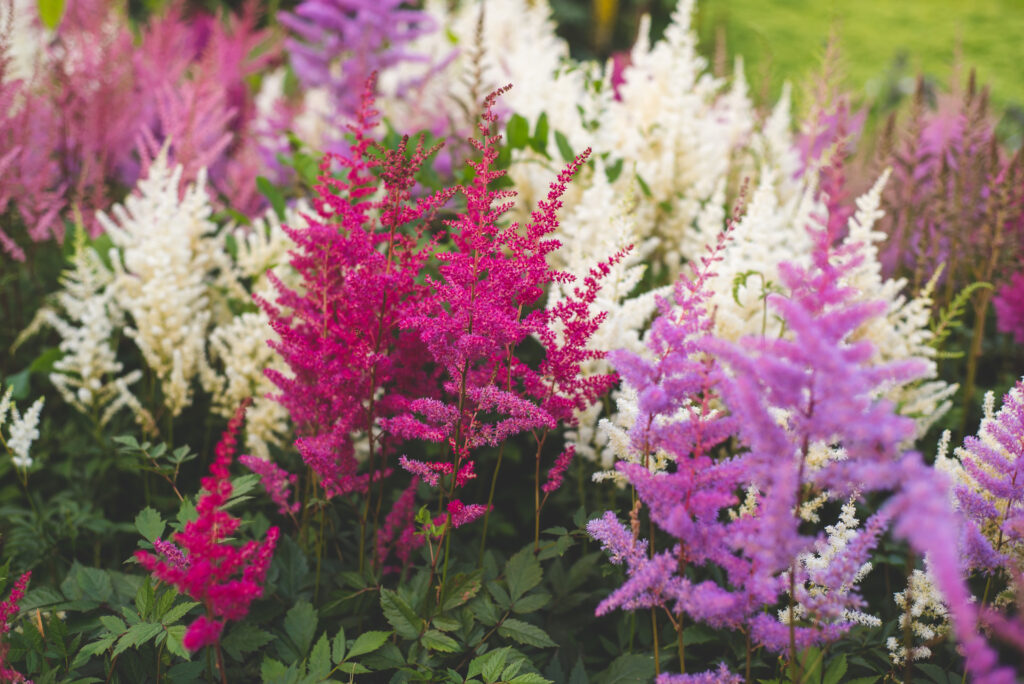
Astilbes are an excellent choice for shady gardens, offering both vibrant flowers and lush foliage. These perennial plants bloom in late spring, just before many trees fully leaf out, filling in shaded spaces with a burst of color. Astilbes come in shades of white, pink, red, and purple, and their feathery plumes add texture to garden beds. They are particularly effective in creating a striking contrast to the green foliage that emerges later in the season.
Astilbes thrive in consistently moist soil and can tolerate a variety of lighting conditions, though they do best in partial shade. They also have attractive foliage throughout the season, which remains fresh even after the blooms fade. These plants grow best when kept in a moist environment and are often used in bog gardens or alongside water features. Astilbes’ ability to grow in shade makes them perfect for planting under trees that leaf out late in the spring.
Lungwort (Pulmonaria spp.)
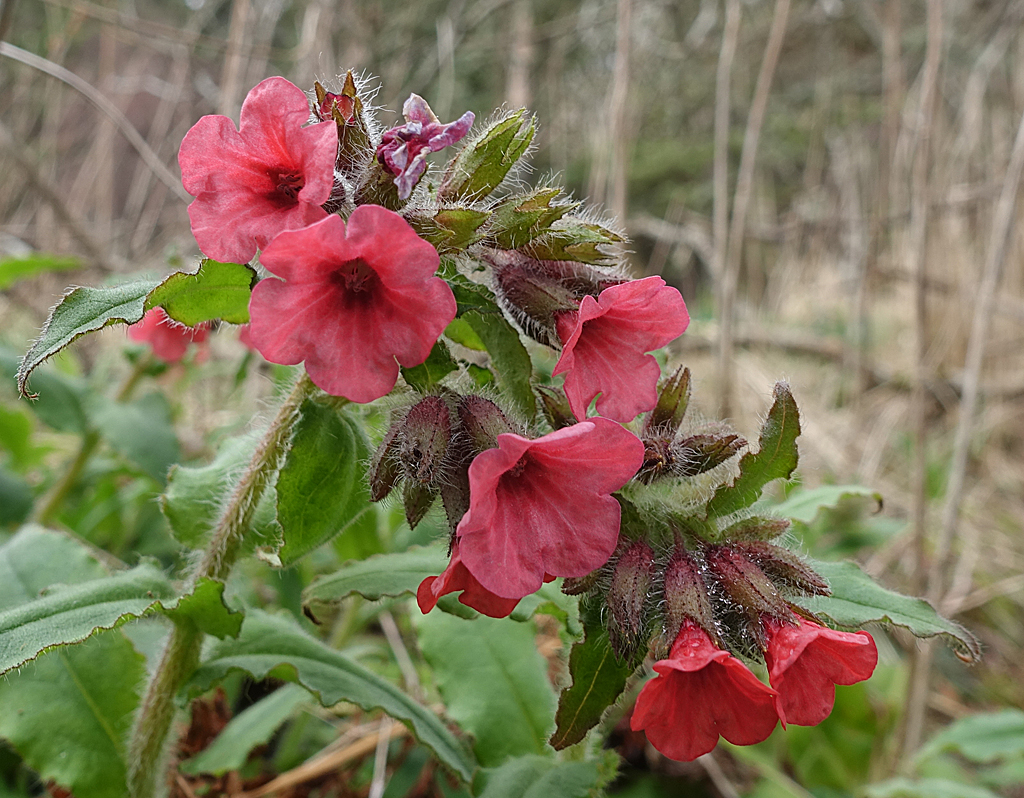
Lungwort is an early-blooming shade plant with a unique charm. Known for its spotted leaves and clusters of small, bell-shaped flowers, it’s an excellent addition to shaded garden spaces. Lungwort blooms early in the spring, providing color in areas that remain dull until the trees leaf out. The flowers start pink and change to blue, adding a layer of interest to the garden.
Lungwort thrives in moist, well-drained soil and is relatively low-maintenance. It performs best in areas with light shade, though it can tolerate heavier shade in some conditions. After blooming, the foliage remains attractive throughout the growing season. Lungwort also attracts pollinators, making it a great addition to any garden aiming to support wildlife.
Solomon’s Seal (Polygonatum spp.)

Solomon’s seal is a graceful, perennial plant that flourishes in shady areas. Its arching stems are covered with pairs of white, bell-shaped flowers in early spring, creating a soft, delicate appearance in the garden. This plant is particularly well-suited for woodland gardens or areas that receive dappled light before the trees fully leaf out. Its elegant form and light fragrance make it a favorite in shade gardens.
Solomon’s seal grows best in well-drained, humus-rich soil, where it can spread gradually over time. The plant’s foliage is attractive even after flowering, creating a lush backdrop for other spring blooms. It thrives in partial to full shade and is an excellent choice for filling in those tricky spots under trees or shrubs. Once the flowers fade, the leaves remain green until late in the season.
Creeping Jenny (Lysimachia nummularia)
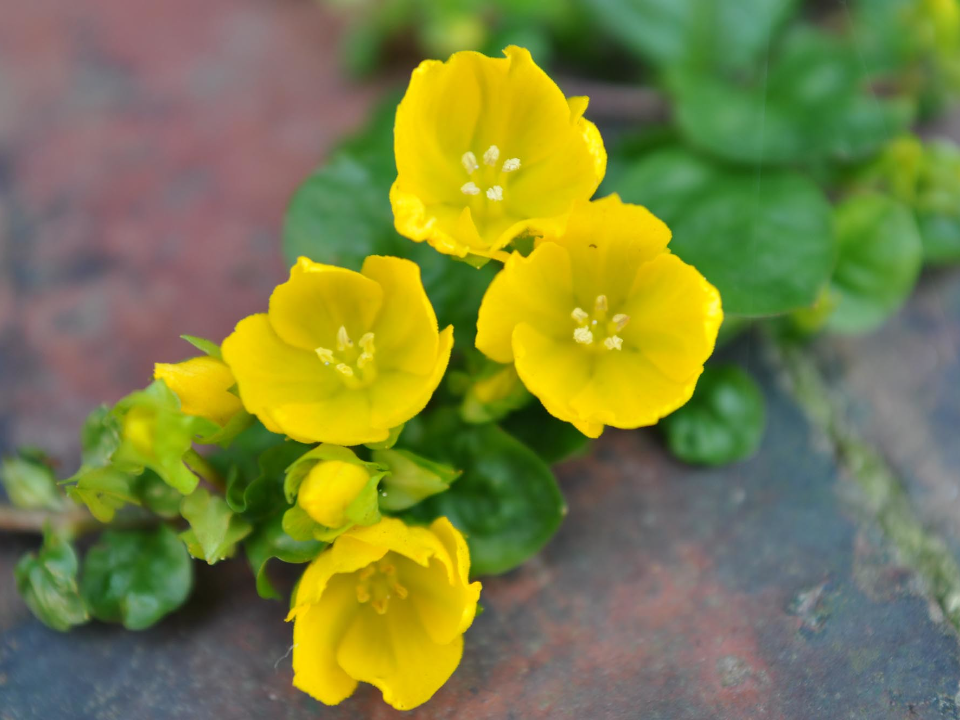
Creeping Jenny is a low-growing perennial that thrives in shady, moist conditions. Known for its bright green or golden-yellow foliage, it’s an excellent ground cover for filling in shaded spaces early in the spring. As the trees leaf out, Creeping Jenny’s bright color adds contrast to darker areas of the garden. It forms a dense mat that is perfect for covering the ground and preventing weeds from taking hold.
Creeping Jenny thrives in a variety of soil types, though it prefers moist, well-drained conditions. It works well as a border plant or in hanging baskets where its trailing habit can be fully appreciated. This plant is hardy and easy to grow, making it ideal for those looking to fill in bare spots under trees or in shaded garden beds. Creeping Jenny’s quick spread and attractive color make it a garden favorite.
Bloodroot (Sanguinaria canadensis)
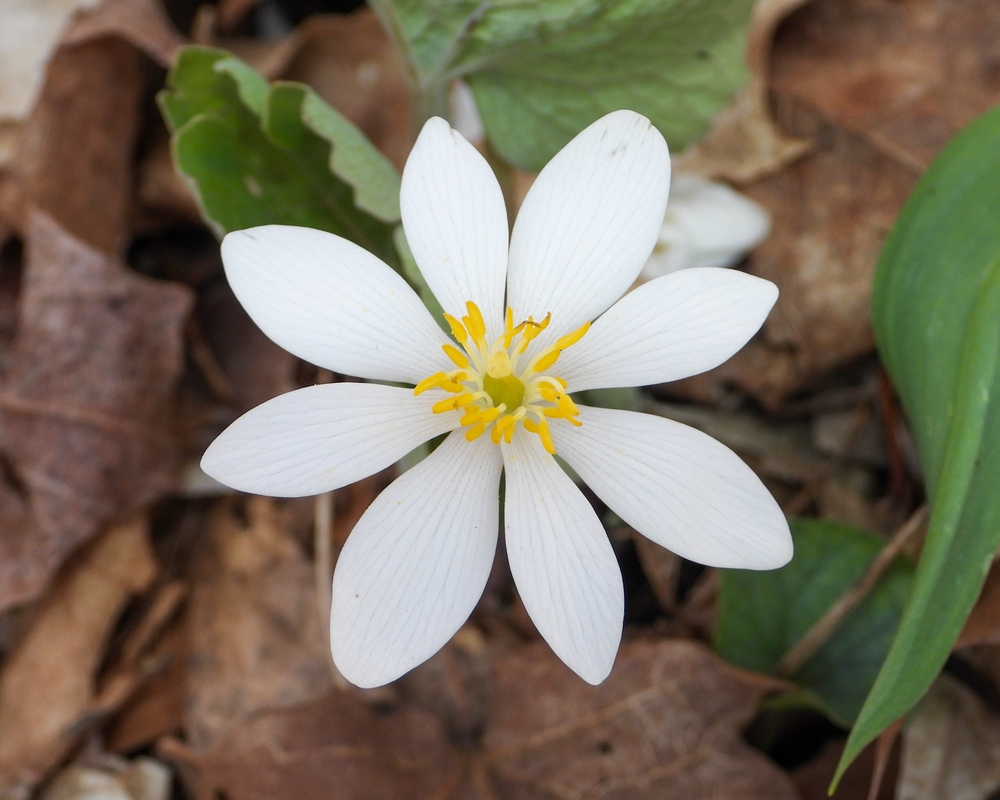
Bloodroot is a native woodland plant that blooms early in the spring, often before the trees leaf out. Its striking white flowers stand out against the emerging green foliage, creating a beautiful contrast. The plant’s distinctive, deeply lobed leaves emerge after the flowers, adding interest throughout the season. Bloodroot is well-suited for shaded garden areas with moist, well-drained soil.
Bloodroot is an easy-to-grow perennial that naturalizes well in woodland gardens. It spreads over time, creating a carpet of flowers in early spring. After blooming, the plant’s leaves continue to thrive and provide texture to the garden. Bloodroot is also known for its medicinal uses, though it should be handled with care.
Wild Ginger (Asarum canadense)
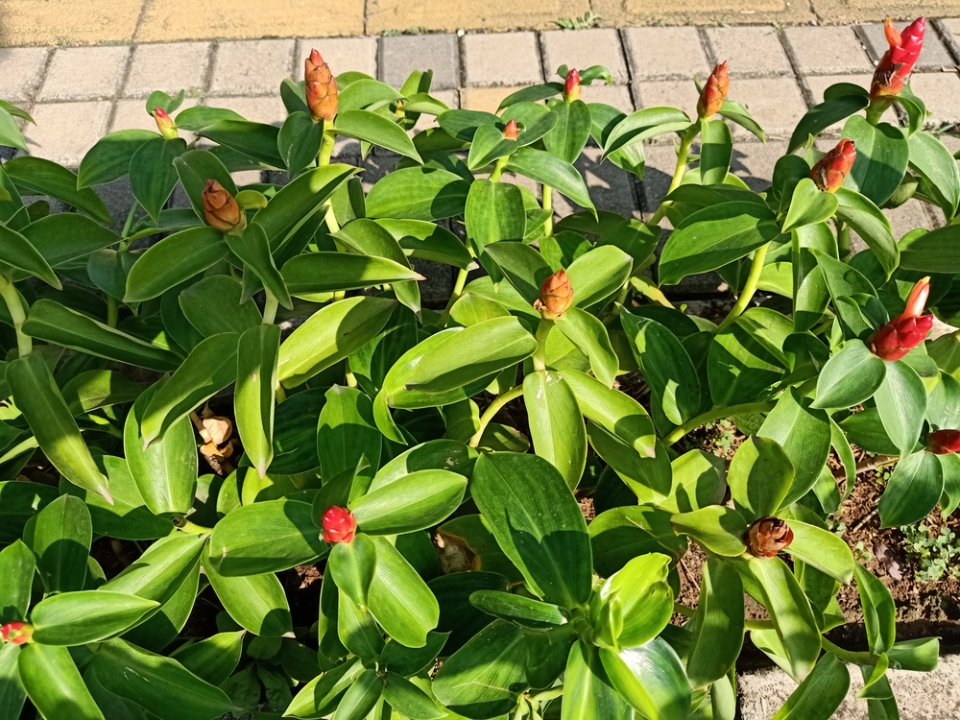
Wild ginger is a low-growing perennial that thrives in the shade, making it an excellent ground cover for early spring. Its round, glossy leaves and unique, hidden flowers add visual interest to shaded spaces. Wild ginger grows slowly, making it ideal for filling in gaps in the garden before trees fully leaf out. The small, brownish-purple flowers bloom close to the ground, making them a subtle yet charming addition.
Wild ginger prefers moist, well-drained soil and is a perfect plant for woodland gardens. It can tolerate dry conditions once established, but thrives in areas with consistent moisture. The plant’s attractive foliage persists throughout the growing season, providing coverage and texture even as other plants fade. Wild ginger’s slow spread makes it a good choice for low-maintenance gardeners looking to fill shaded areas.
Epimedium (Epimedium spp.)
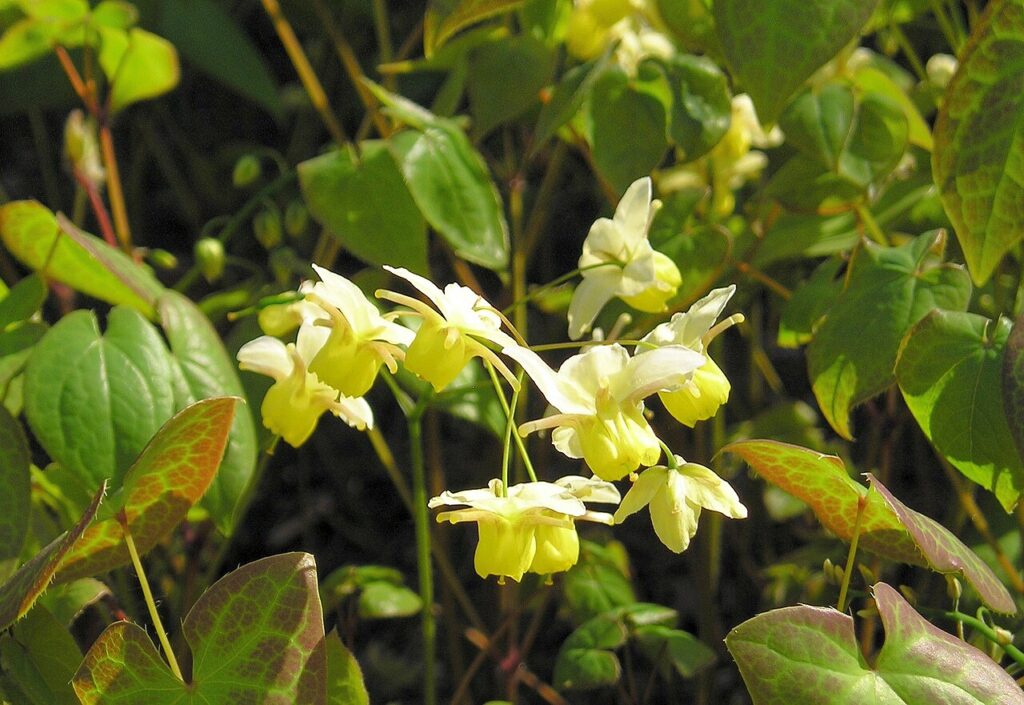
Epimedium, often called barrenwort or fairy wings, is a shade-loving perennial that starts blooming early in the spring. Known for its delicate, spurred flowers that appear in a range of colors, including white, pink, yellow, and purple, Epimedium is perfect for filling in garden spaces before the trees leaf out. Its foliage is equally attractive, with many varieties offering attractive, heart-shaped leaves that turn colorful in the fall.
Epimedium thrives in well-drained, slightly acidic soil and tolerates dry conditions once established. It’s ideal for woodland gardens or shaded areas where other plants may struggle. The flowers are small but abundant, creating a soft, airy effect in the garden. Epimedium is a reliable plant that provides both visual interest and ground cover throughout the growing season.
Jack-in-the-Pulpit (Arisaema triphyllum)
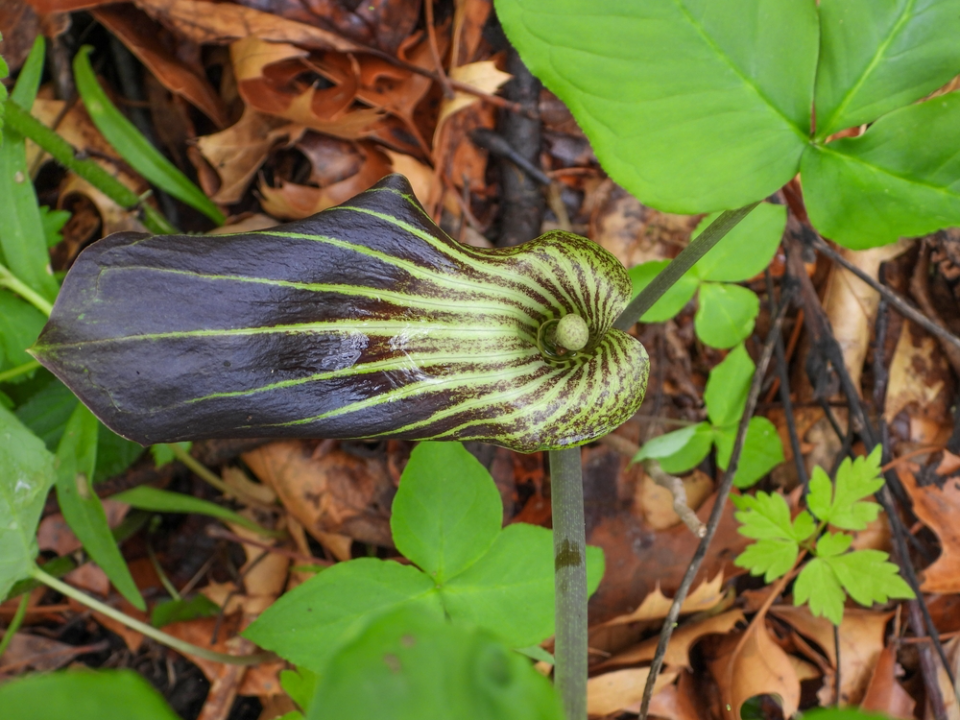
Jack-in-the-pulpit is a fascinating shade plant that starts to bloom early in the spring. The plant is known for its unique flower structure, where the “jack” is a spike of flowers enclosed in a hood-like structure known as the “pulpit.” These plants thrive in shaded, moist environments and are perfect for woodland gardens. Their striking appearance makes them a standout in early spring gardens before the trees are fully leafed out.
Jack-in-the-pulpit grows best in rich, moist soil and is tolerant of both dry and wet conditions once established. It gradually spreads through rhizomes, filling in shaded areas over time. The plant’s flowers are typically greenish-white or purple, adding an interesting texture to the garden. Jack-in-the-pulpit is perfect for those looking to add a bit of mystery and intrigue to their shade garden.
Columbine (Aquilegia spp.)
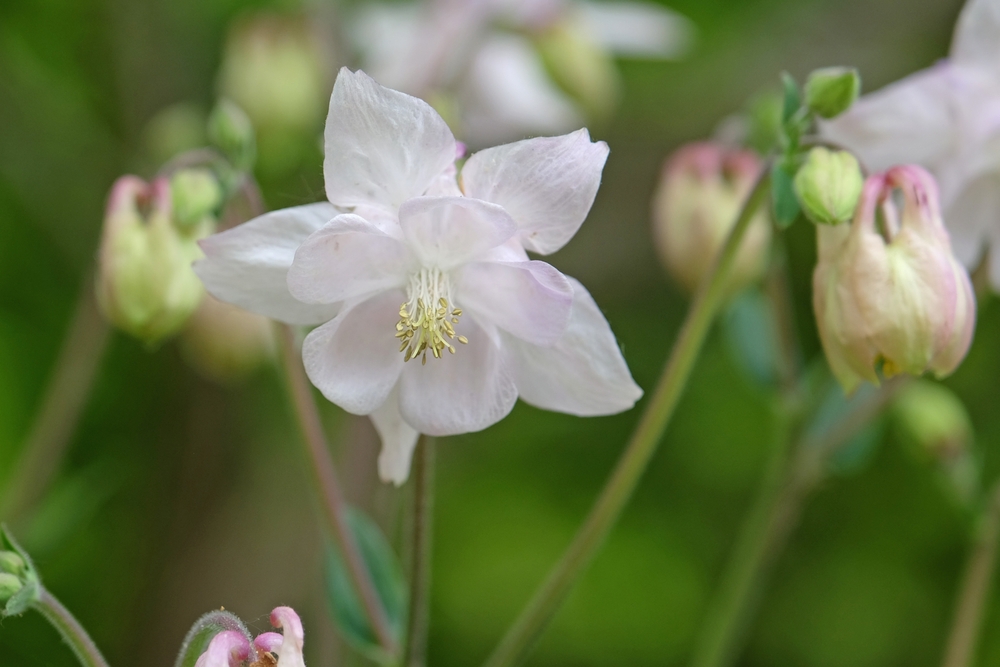
Columbine is an early-blooming perennial that adds a touch of elegance to the garden. Known for its delicate, spurred flowers, Columbine thrives in shaded areas and often begins to bloom as early as spring. The flowers come in a range of colors, from blue and purple to yellow and red, making them versatile for many garden designs. Columbine is well-suited for areas under trees that haven’t yet fully leafed out.
Columbine grows best in moist, well-drained soil and does well in partial shade. Its unique flowers attract pollinators such as bees and hummingbirds, making it a great addition to any garden. After blooming, the foliage remains attractive throughout the season, providing interest in the garden. Columbine is also relatively low-maintenance, making it ideal for gardeners looking for beauty with minimal care.
This article originally appeared on Avocadu.