
15 Shade Plants That Love Cool, Moist Soil in March
Early spring has a different rhythm in shaded beds. The soil holds moisture longer, and the air still carries a chill. Some plants settle in beautifully under these conditions and reward you later in the season. If you have been unsure what to grow beneath trees or along fences, this is worth your attention.
This post may contain affiliate links, which helps keep this content free. Please read our disclosure for more info.
Hosta
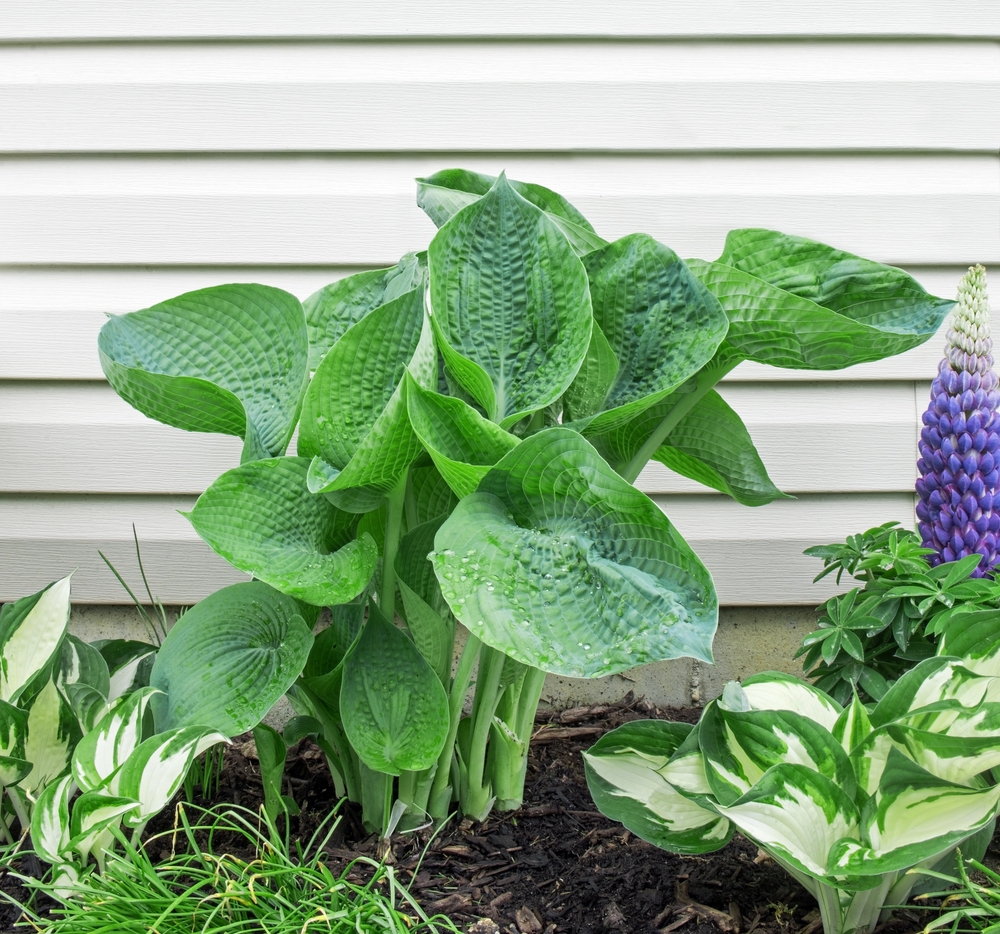
Hostas are one of the most dependable plants for shaded gardens, and cool, moist March soil gives them an ideal start. As the ground begins to warm slightly yet still holds steady moisture, their thick roots start expanding below the surface before leaves fully unfurl. Planting at this time allows them to settle in without the stress of summer heat bearing down on tender new growth. Their foliage ranges from deep green to powdery blue and wide variegated patterns, which makes them useful for adding contrast in low-light spaces. Many gardeners rely on hostas to anchor beds beneath trees where little else thrives.
They prefer soil that drains well yet never dries out completely, especially during their first growing season. Mixing compost into the planting area improves structure and supports steady root development. Slugs are often drawn to their broad leaves in damp conditions, so early monitoring can prevent damage before it spreads. Once established, hostas gradually form larger clumps each year and can be divided in early spring to fill other shaded areas. Their presence gives structure and fullness to gardens that might otherwise look sparse.
Astilbe
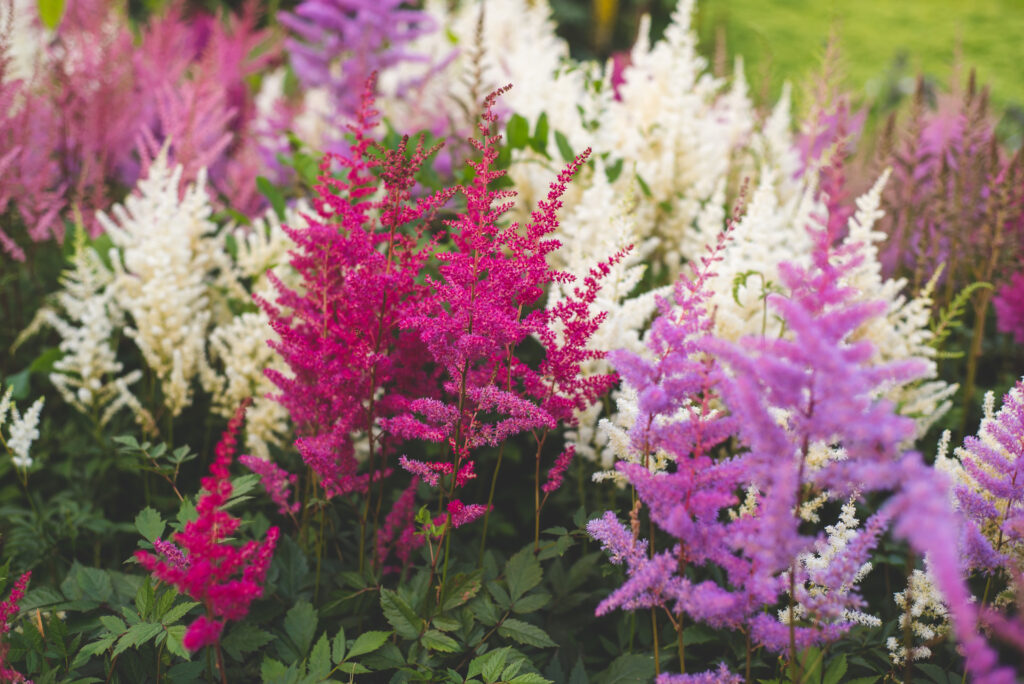
Astilbe performs beautifully in partial to full shade, particularly when planted in March while the soil is still cool and evenly moist. Early planting allows its roots to establish before flower spikes begin forming later in the season. The fern-like foliage emerges first, followed by feathery plumes in soft pink, white, or deep red tones that rise above the leaves. These blooms bring vertical interest to beds that might otherwise feel flat or heavy with greenery. Shaded borders near water features often suit astilbe especially well.
Consistent moisture is important, as this plant does not tolerate dry spells once temperatures climb. Soil enriched with organic matter supports healthy flowering and strong foliage. Dividing mature clumps every few years in early spring keeps plants vigorous and prevents overcrowding. Even when not in bloom, the textured leaves provide a steady backdrop for other shade plants. Astilbe rewards attention with reliable color and graceful form.
Bleeding Heart
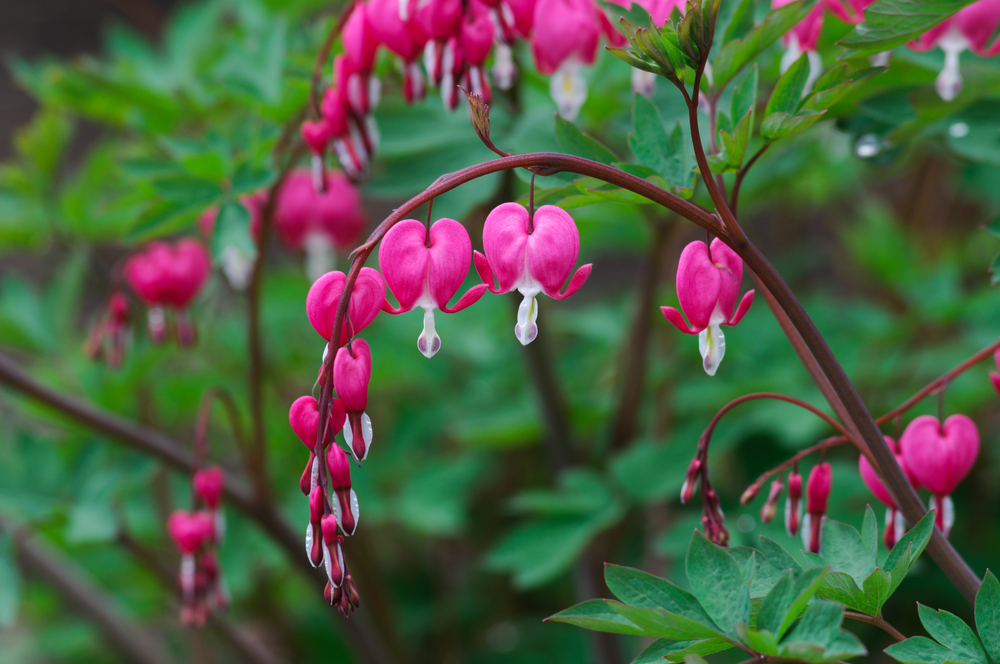
Bleeding heart is well-suited to cool March conditions because its roots prefer to settle into damp soil before top growth fully develops. Planting in early spring gives it time to adjust while temperatures remain mild and rainfall is more consistent. Its arching stems carry heart-shaped flowers that dangle delicately in shades of pink or white. The plant often grows best beneath deciduous trees where it receives filtered light. It brings a sense of softness to shaded beds just as the garden begins to wake up.
After flowering, the foliage may fade as summer heat increases, which is a natural part of its cycle. Pairing it with later emerging plants helps fill empty spaces once it goes dormant. Soil that holds moisture without becoming waterlogged supports steady growth. Adding compost during planting improves texture and nutrient levels. Given the right conditions, bleeding heart returns each spring reliably and often grows larger with time.
Heuchera
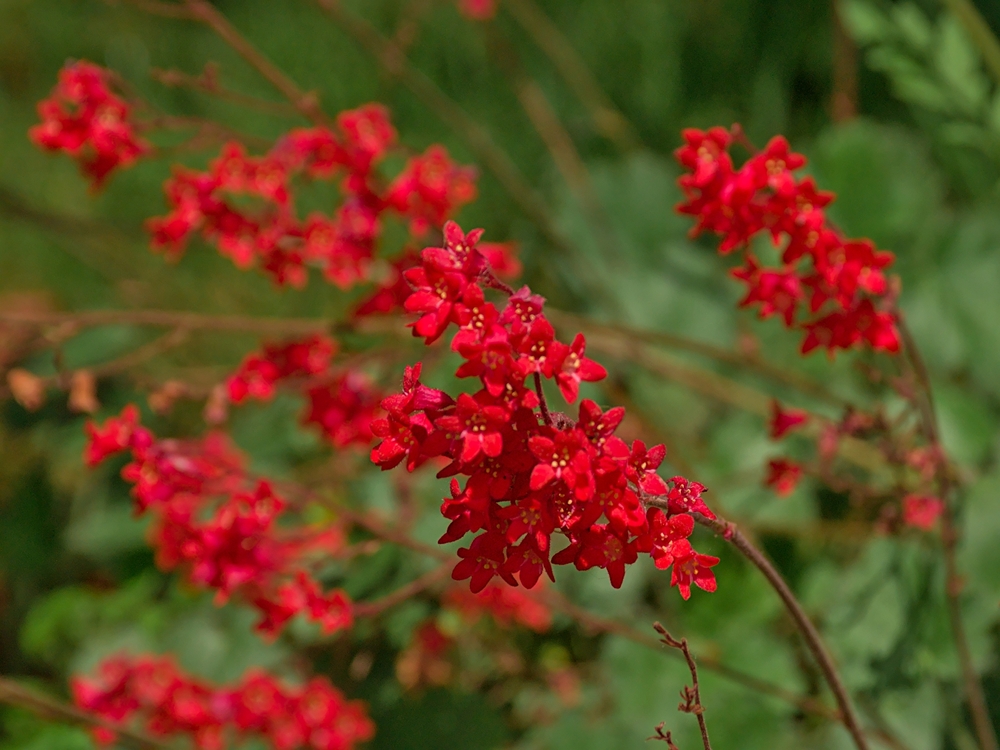
Heuchera handles cool, damp soil well and benefits from being planted or divided in March. While its delicate flower stems appear later, it is primarily valued for its colorful foliage. Leaves can range from rich burgundy to lime green or silver-veined patterns, offering year-round interest in shaded spaces. Early spring planting allows roots to settle before summer heat places strain on shallow crowns. It works especially well along borders or as an edging plant in woodland-style gardens.
Good drainage is important because overly heavy soil can lead to crown rot. Mixing compost and loosening compacted ground helps create healthier growing conditions. Heuchera prefers light shade that protects leaf color from fading. Removing old leaves in early spring keeps plants looking tidy and encourages fresh growth. Over time, clumps can be divided to refresh older plants and expand your planting area.
Lungwort
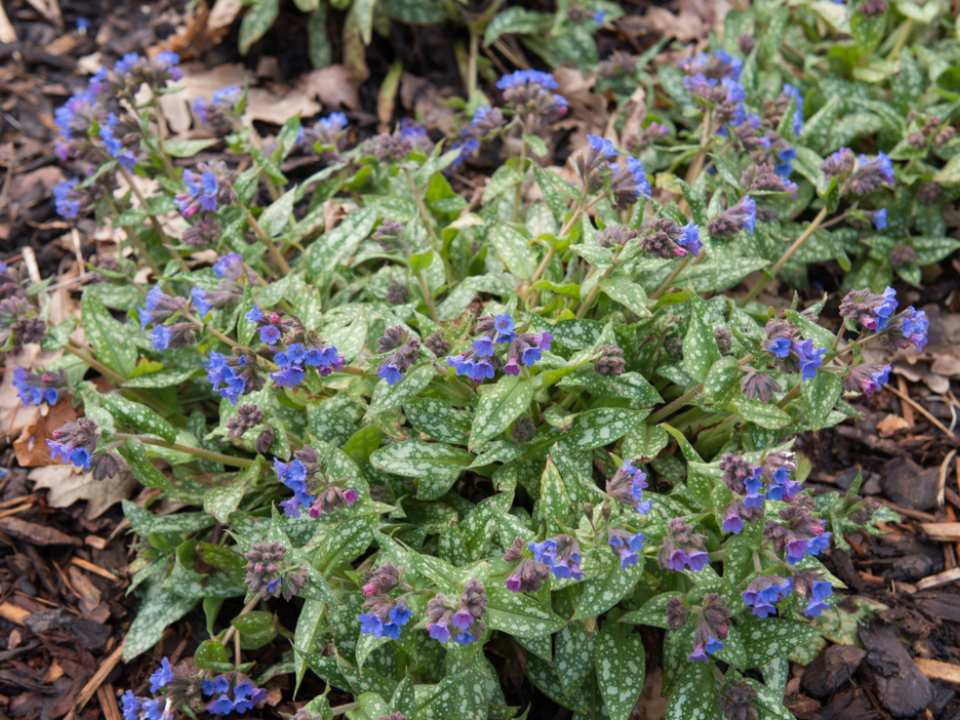
Lungwort is among the first shade plants to bloom in spring, making March planting a wise choice. Its spotted leaves add texture even before clusters of pink or blue flowers appear. Cool soil encourages steady root growth before temperatures rise too quickly. This plant thrives beneath trees where fallen leaves naturally enrich the soil. It is often chosen for woodland gardens because of its early color.
Lungwort prefers soil that stays moist but drains well, especially during establishment. Adding leaf compost mirrors its natural growing environment. It tolerates chilly nights and light frost without damage. Removing spent blooms keeps the plant looking neat and may encourage additional flowering. Its decorative foliage continues to add interest long after blooms fade.
Japanese Forest Grass
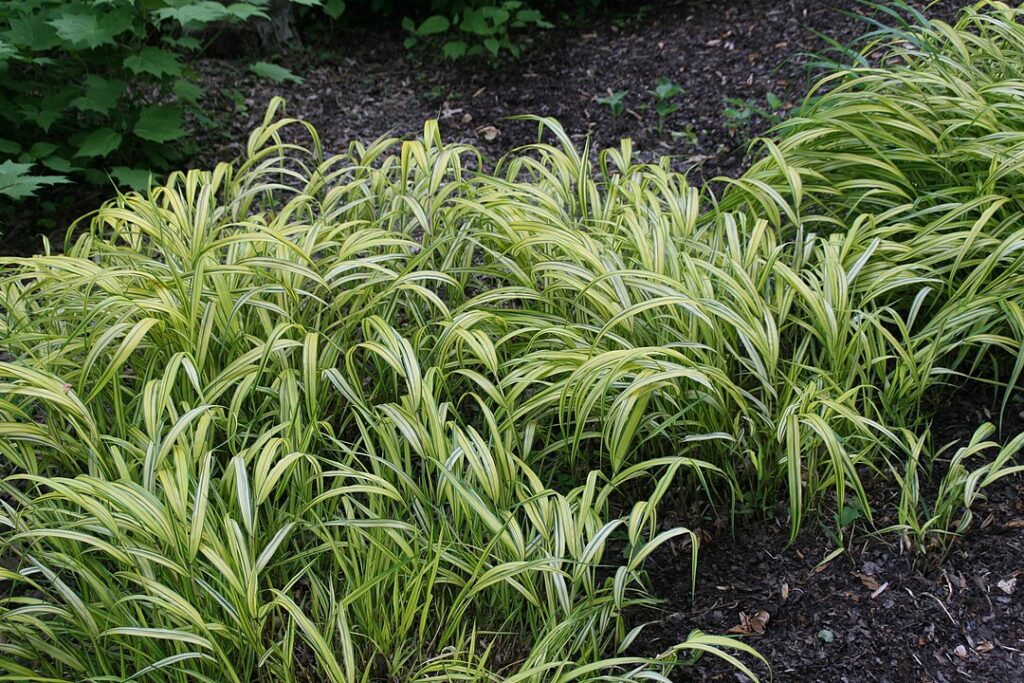
Japanese forest grass grows slowly yet steadily in shaded beds, especially when planted in cool March soil that still holds steady moisture from winter rains. Early spring gives its roots time to settle before top growth fully begins, which makes establishment far easier than planting in warm weather. The arching blades form soft cascades that gently spill over the edges of borders and pathways, creating movement in still corners of the garden. Varieties such as those with golden or creamy striped foliage reflect available light and brighten dark spaces without relying on flowers. In woodland settings, it often acts as a quiet connector between larger shrubs and lower ground covers.
This grass prefers soil that remains evenly moist yet drains well enough to prevent standing water around the crown. Working compost into the planting area improves texture and helps roots spread more comfortably. A light layer of mulch after planting keeps soil temperatures steady and limits moisture loss as spring progresses. Over time, clumps widen gradually rather than aggressively, which makes them easy to manage. Dividing every few years in early spring keeps growth fresh and prevents the center from thinning.
Ferns

Hardy ferns thrive in cool, damp soil, making March one of the best times to plant them in shaded gardens. As temperatures rise slowly, their fronds unfurl in tight coils known as fiddleheads, which add visual interest even before leaves fully open. Woodland borders and north-facing beds provide the filtered light they prefer. Different species offer a range of textures, from finely cut fronds to broader, more architectural forms that create depth and layering. Planting while the soil is still moist allows roots to anchor before dry conditions become a concern.
Ferns prefer soil rich in organic matter that mirrors forest floor conditions, where fallen leaves break down naturally. Adding compost or leaf mold supports strong growth and steady color throughout the season. Consistent moisture prevents browning at the tips and keeps foliage looking fresh. Newly planted ferns benefit from careful watering during their first year. Once established, wide varieties require little attention beyond occasional watering during extended dry spells.
Brunnera
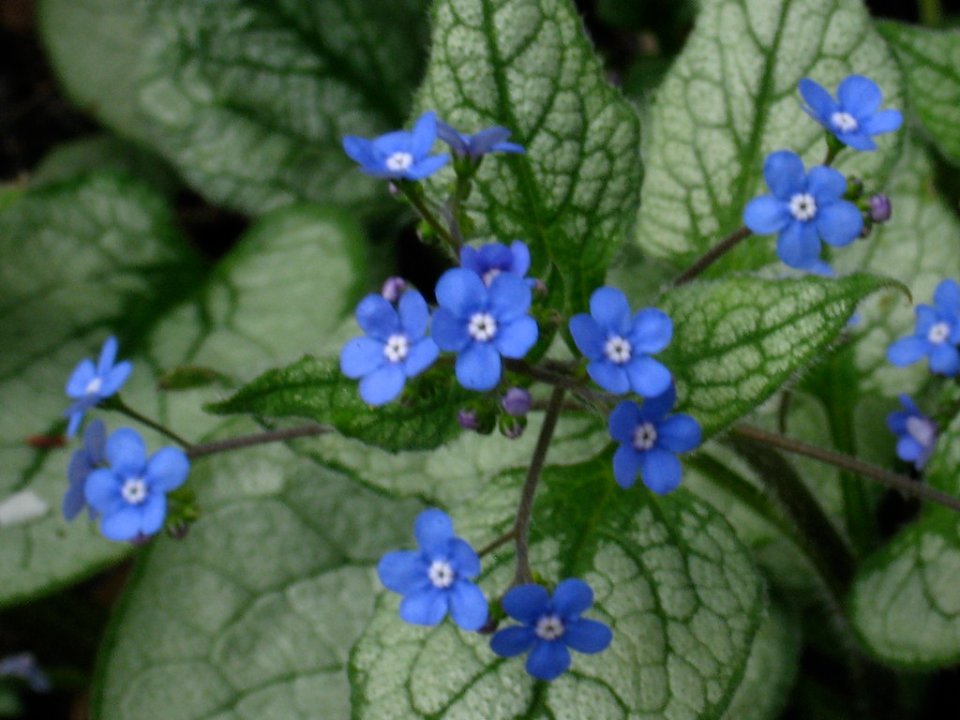
Brunnera thrives in partial to full shade and appreciates cool, moist soil in early spring when roots can establish without stress. Its tiny blue flowers resemble forget-me-not blooms and float above heart-shaped leaves on slender stems. March planting provides steady growing conditions before summer warmth increases evaporation. Varieties with silver veining or frosted foliage brighten darker borders where solid green plants might blend into the background. It works especially well along pathways where its patterned leaves can be appreciated up close.
Well-drained soil prevents root issues while still allowing consistent moisture. Mixing compost into the planting hole improves structure and helps young plants settle in comfortably. Brunnera tolerates cold nights without damage, which makes early spring planting reliable. Over time, it forms tidy clumps that can be divided to refresh growth and expand plantings. Even after flowers fade, the foliage continues to provide contrast and structure in shaded beds.
Primrose
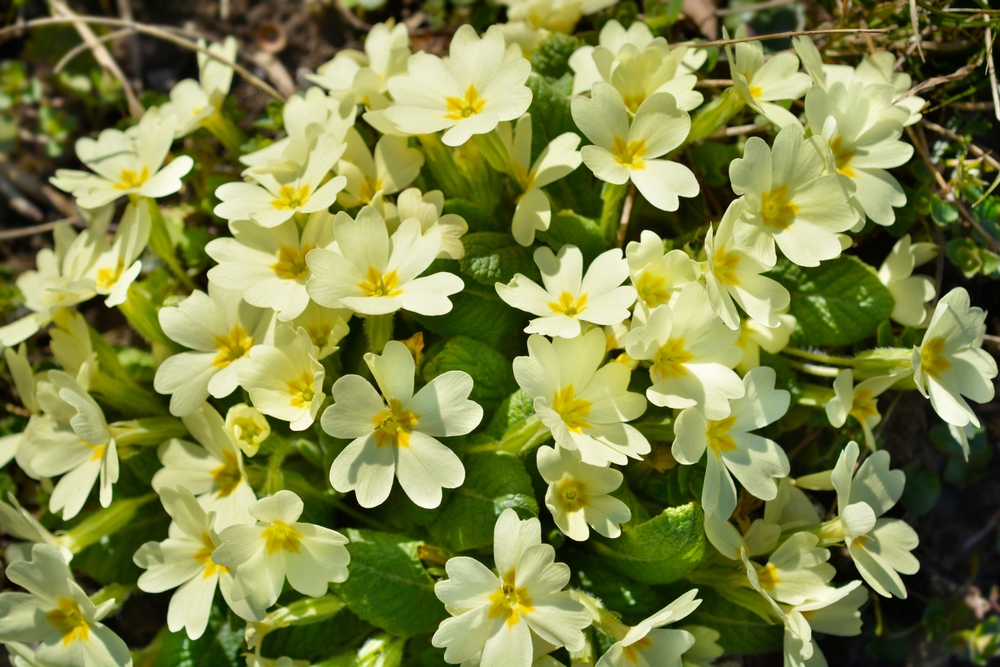
Primrose thrives in the cool, moist soil that March typically provides, especially in shaded areas that warm slowly. Early planting allows roots to settle into damp ground before flowering begins in full. The blooms appear in shades ranging from soft yellow to deep magenta and violet, offering bright color when most of the garden is still waking up. Partial shade protects delicate petals from harsh midday sun and helps extend the flowering period. These plants often shine near walkways, patios, or beneath deciduous shrubs.
Primroses prefer soil that remains consistently damp yet never waterlogged. Incorporating compost improves drainage while maintaining moisture retention. Removing spent blooms encourages continued flowering and keeps the plant tidy. In favorable spots, they may reseed lightly and return in nearby areas the following year. Their early presence sets the tone for the rest of the spring garden.
Columbine
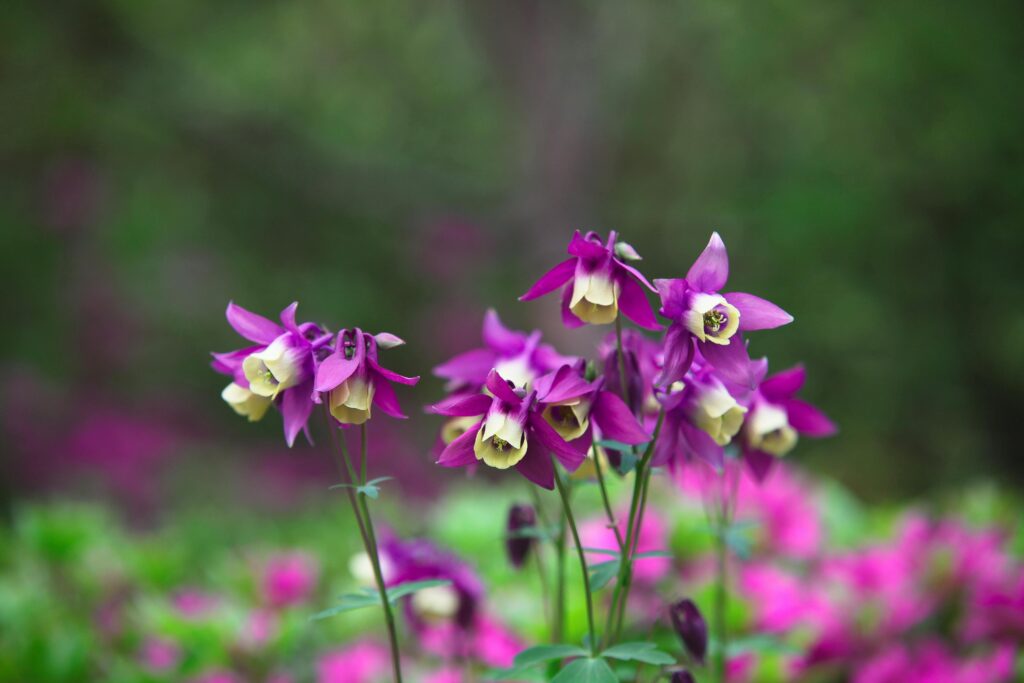
Columbine adapts well to partial shade and benefits from being planted in cool March soil when moisture levels are still reliable. Early planting allows its root system to settle before flowering begins in mid-spring. The nodding blooms often feature contrasting colors within a single flower, which gives them a delicate yet eye-catching appearance. The foliage forms a soft mound that fills gaps between larger shade plants. It brings a light texture that balances heavier leaves in woodland beds.
This plant tolerates a range of soil types as long as drainage is adequate and roots are not sitting in heavy water. Moderate moisture during the first season supports healthy establishment. Columbine often self-seeds gently, which can create natural clusters over time. Removing faded flowers can limit unwanted spread if desired. It fits easily into both relaxed cottage gardens and more structured borders.
Toad Lily
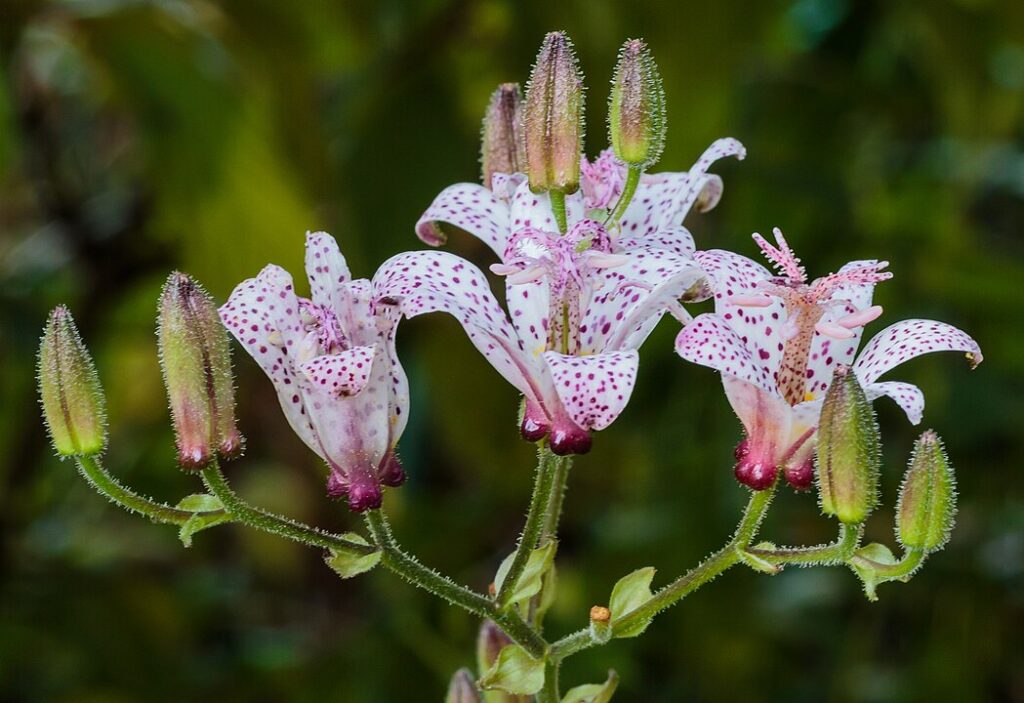
Toad lily thrives in consistent moisture and partial to full shade, which makes March a dependable planting time. Although its orchid-like blooms appear later in summer, early root growth happens best in cool soil. Planting in early spring allows stems to strengthen gradually before the growing season reaches full pace. The speckled flowers add unexpected detail to shaded beds when many earlier bloomers have finished. It works especially well along shaded paths where its late flowers can be noticed up close.
Rich soil with good drainage supports sturdy stems and healthy foliage. A layer of mulch helps retain moisture as temperatures rise through spring and early summer. Toad lily tolerates cool nights without stress, which makes it suitable for regions with lingering chill. Dividing mature clumps in early spring keeps plants productive and prevents overcrowding. Its late-season display adds depth to a shade garden that might otherwise fade after spring.
Solomon’s Seal
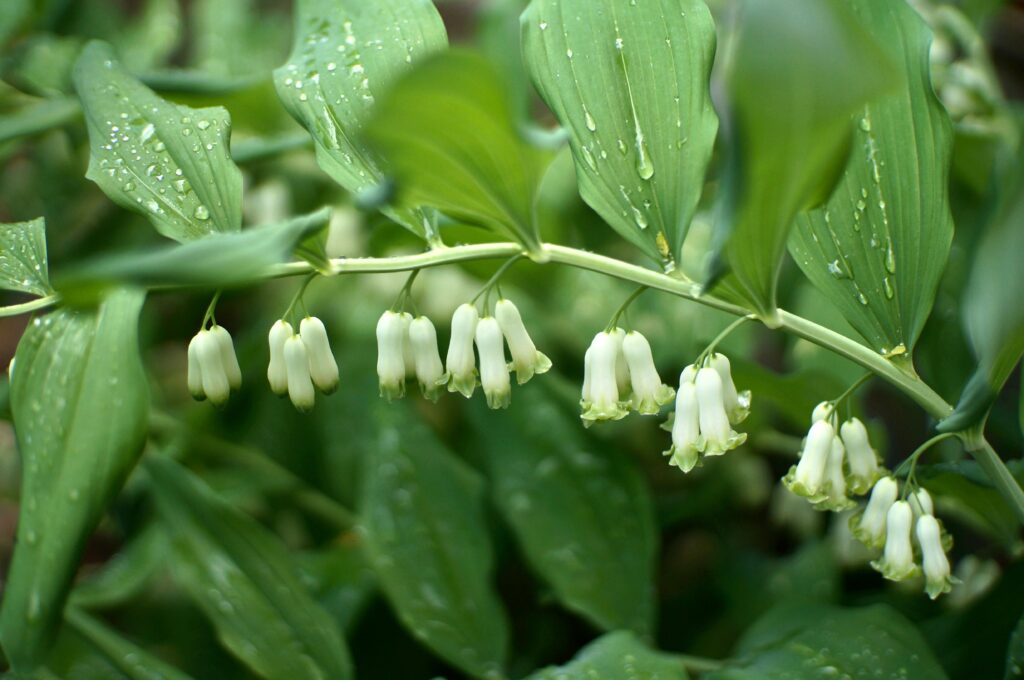
Solomon’s seal grows comfortably in partial to full shade and benefits from cool, moist March soil that supports early root activity. Planting at this time allows its underground rhizomes to establish before stems fully emerge. The arching stems carry small bell-shaped flowers beneath the leaves, which gives the plant a graceful, layered look. Over time, it spreads gradually and forms quiet colonies that feel natural in woodland settings. It adds vertical interest without overwhelming nearby plants.
Moist, well-drained soil keeps growth steady throughout spring. Compost added at planting improves both drainage and fertility. The foliage turns yellow in autumn before dying back for winter dormancy. Dividing clumps in early spring is the simplest way to expand plantings. Solomon’s seal pairs naturally with ferns, hostas, and other shade perennials.
Foamflower

Foamflower forms low clumps of deeply cut leaves that thrive in cool, damp soil during early spring. March planting gives roots a stable period to settle before flower spikes begin to form. The airy white blooms rise above the foliage in mid-spring and add softness to shaded borders. It works especially well as a ground cover beneath shrubs where grass struggles. Its gentle spread makes it manageable in mixed plantings.
Soil rich in organic matter supports steady growth and healthy leaf color. Regular moisture keeps the plant looking fresh as temperatures increase. Removing faded blooms improves appearance and can redirect energy back to foliage. Foamflower tolerates chilly nights common in early spring without issue. Its texture blends easily with both fine and broad-leaved shade plants.
Hellebore
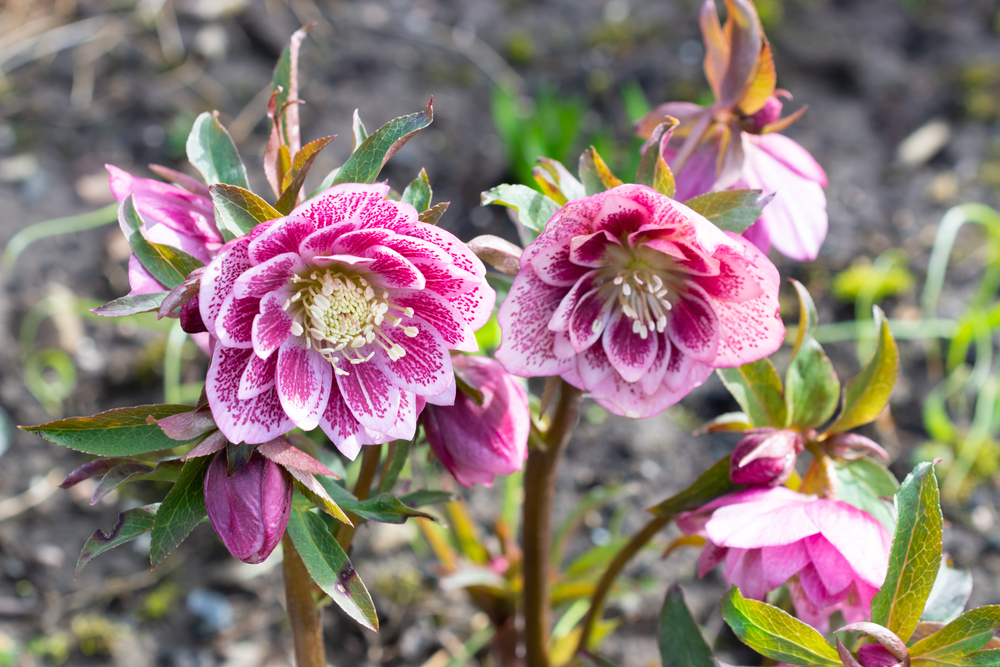
Hellebores bloom from late winter into early spring and appreciate the cool, moist soil that March often provides. Planting at this time allows roots to establish while rainfall remains consistent. Their leathery evergreen leaves provide structure even when flowers fade. Blooms range from creamy white to deep plum and often feature subtle spotting or shading. They are especially valued for bringing color to the garden when little else is flowering.
Well-drained soil enriched with compost supports steady long-term growth. Partial to full shade protects flowers from fading too quickly. Cutting back older leaves in early spring highlights fresh blooms and improves air flow. Once settled, hellebores can remain in place for many years with minimal care. Their steady presence anchors shaded beds through seasonal shifts.
Lamium
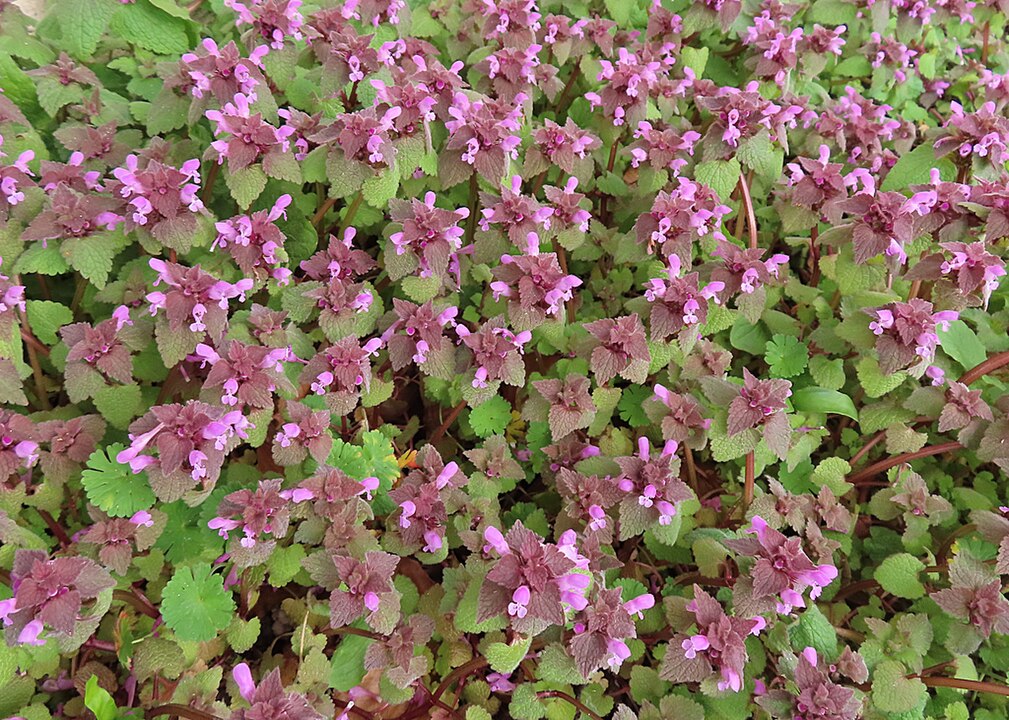
Lamium serves as a dependable ground cover for shaded spaces and handles cool, moist soil without difficulty. Planting in March allows it to spread gradually before summer heat increases stress. The silver-patterned leaves brighten darker corners and provide contrast against deeper green foliage. Pink or purple flowers appear in spring and draw pollinators to low-growing areas. It works well beneath taller perennials where bare soil might otherwise show.
Moist, well-drained soil keeps Lamium healthy during establishment. Trimming back after flowering keeps growth compact and encourages fresh leaves. It spreads at a moderate pace and is easy to control if it moves beyond its intended space. Adding compost during planting improves soil quality and supports steady coverage. Over time, it forms a dense mat that helps reduce weed growth in shaded beds.
This article originally appeared on Avocadu.