
17 Shade Perennials to Order Now for Spring Delivery
If you are looking to add some beautiful, low-maintenance plants to your garden, shade perennials are a great choice for those tricky, low-light areas. These plants thrive in spots where many others might struggle, filling your garden with vibrant colors and unique textures throughout the year. Ordering now for spring delivery gives you a head start on your planting, ensuring that your garden will come to life when the weather warms up. Whether you need groundcover, striking foliage, or late-season blooms, there are plenty of shade-loving perennials that will fit the bill. These plants are not only hardy but also versatile, making them perfect for adding charm and personality to your shaded spaces.
This post may contain affiliate links, which helps keep this content free. Please read our disclosure for more info.
Heuchera (Coral Bells)
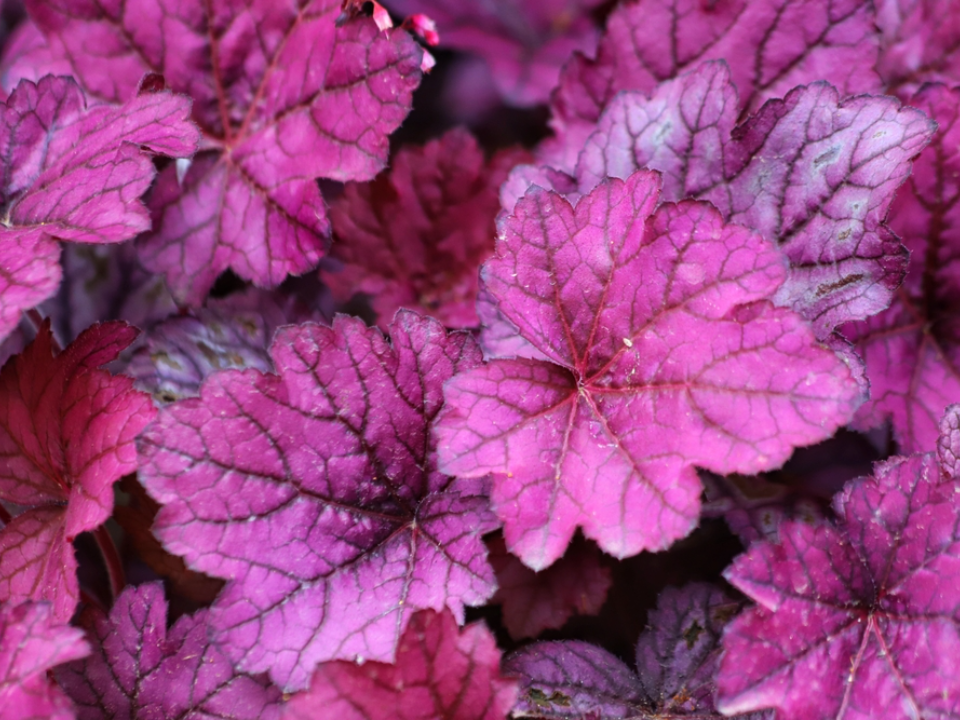
Heuchera, also known as Coral Bells, is a perennial that thrives in shaded areas, making it an excellent choice for gardens with limited sunlight. This plant is celebrated for its colorful foliage, which can range from deep purple to vibrant lime green. Heuchera adds a splash of color and texture to shaded spots, especially when planted alongside other shade-loving plants. These perennials are relatively low-maintenance and can adapt to various soil types, as long as they are well-drained.
During the warmer months, Heuchera produces delicate flowers on tall stems, which attract pollinators like bees and hummingbirds. For the best results, plant Heuchera in rich, organic soil and ensure it is watered regularly to maintain its health. When ordering this perennial for spring delivery, you can expect it to establish quickly and continue to thrive for many seasons.
Astilbe
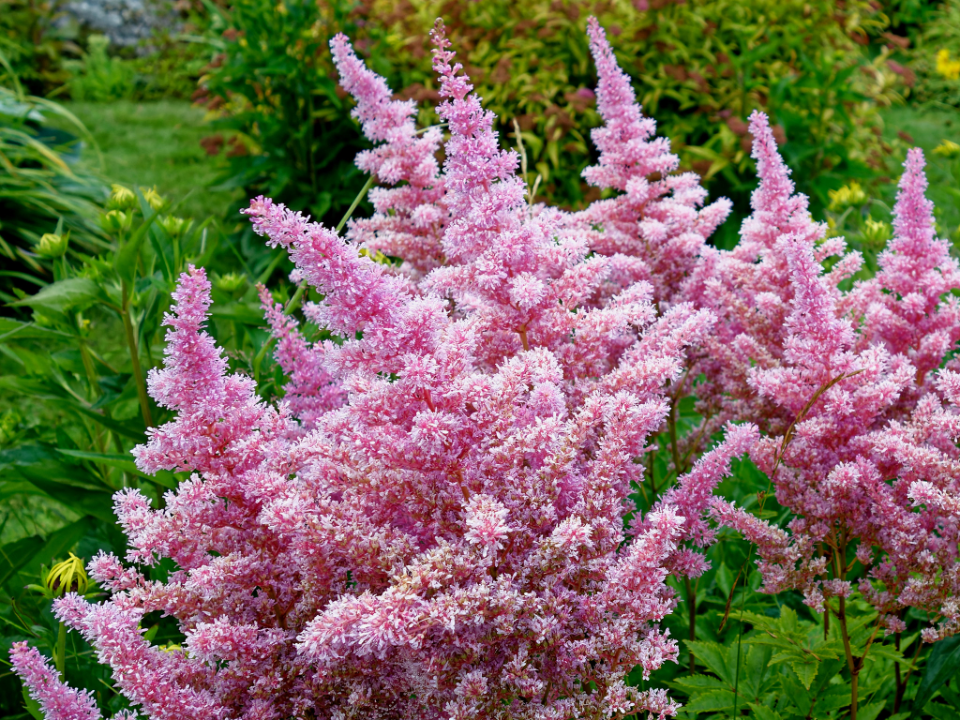
Astilbe is a fantastic shade-loving perennial known for its feathery, plume-like flowers that add a soft, romantic touch to any garden. This plant flourishes in moist, well-drained soil and grows well in partial to full shade. Astilbe comes in various colors, including pink, red, and white, which makes it an ideal addition to any garden that needs a pop of color. It is a perfect choice for planting near water features, such as ponds or streams, as it enjoys consistent moisture.
Astilbe is easy to care for and can be divided every few years to help it spread throughout the garden. With its ability to thrive in shady, damp conditions, it is an ideal choice for those looking to add a vibrant touch to their garden without the need for direct sunlight. It can also be used as a natural groundcover, providing a lush, vibrant layer to shaded areas.
Brunnera (False Forget-Me-Not)
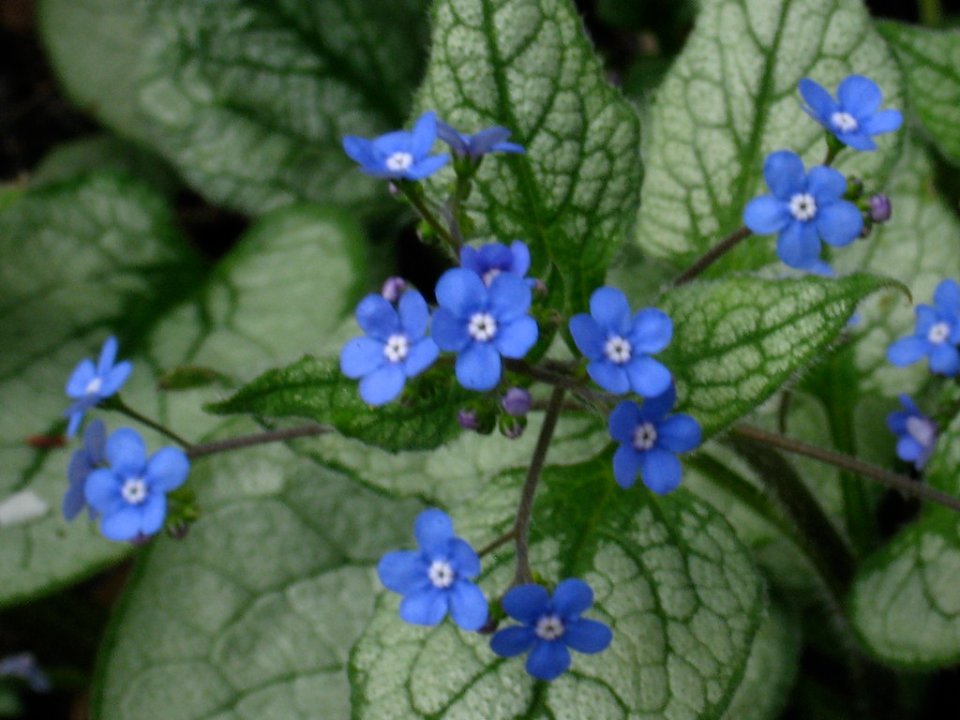
Brunnera, often referred to as False Forget-Me-Not, is a lovely perennial with heart-shaped leaves and delicate blue flowers that resemble the true forget-me-not. It thrives in moist, well-drained soil and does best in part to full shade. Brunnera is particularly appreciated for its ability to tolerate dry conditions once established, making it an excellent choice for gardeners with less-than-ideal watering systems.
The plant forms a groundcover that can help control soil erosion, particularly in areas with shade from trees or large shrubs. The foliage of Brunnera is attractive year-round, turning a beautiful silvery green with darker veins as the season progresses. It also produces clusters of bright blue flowers in early spring, making it a lovely early-season bloomer. Brunnera’s adaptability to a variety of soil types and its relatively low-maintenance needs make it an excellent option for shaded gardens.
Bleeding Heart (Dicentra)
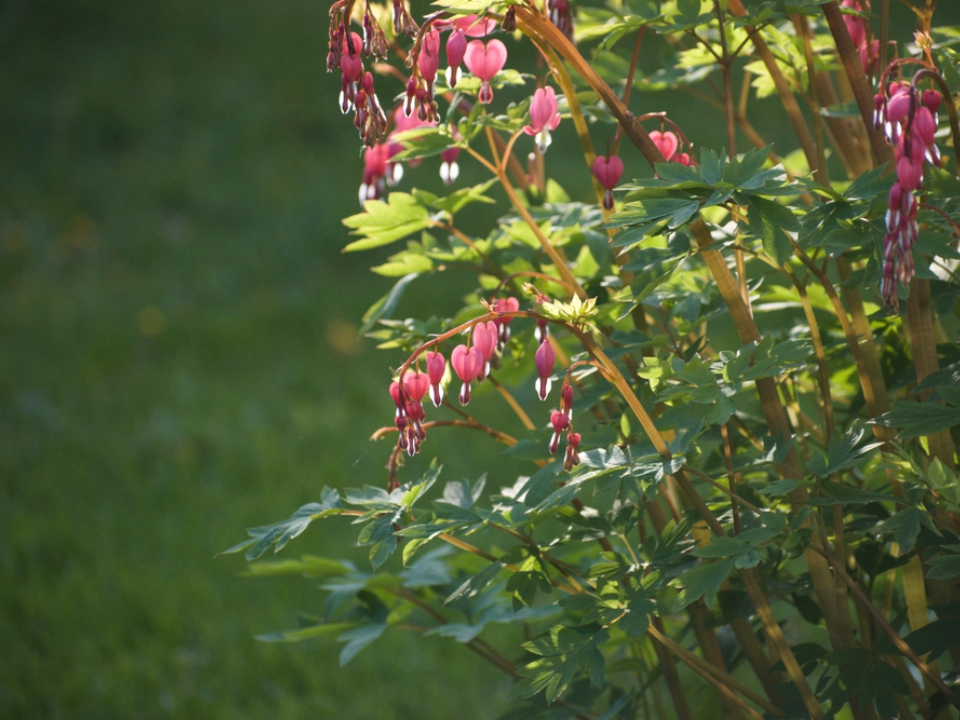
Bleeding Heart is a charming perennial known for its unique, heart-shaped flowers that dangle gracefully from arching stems. It thrives in shady spots, making it perfect for areas with little direct sunlight. The plant produces clusters of pink or white flowers that resemble delicate, teardrop-shaped hearts. It is ideal for adding a touch of romance to a garden with its soft, drooping blooms and fern-like foliage.
Bleeding Heart prefers moist, well-drained soil and can tolerate slightly acidic conditions. It is important to water this plant regularly, especially during dry spells, to ensure it maintains its vibrant foliage and blooms. The plant tends to go dormant in the summer, so pairing it with other shade-loving perennials can help keep the area looking full year-round. Order this beautiful perennial now to enjoy its early-season flowers next spring.
Toad Lily (Tricyrtis)
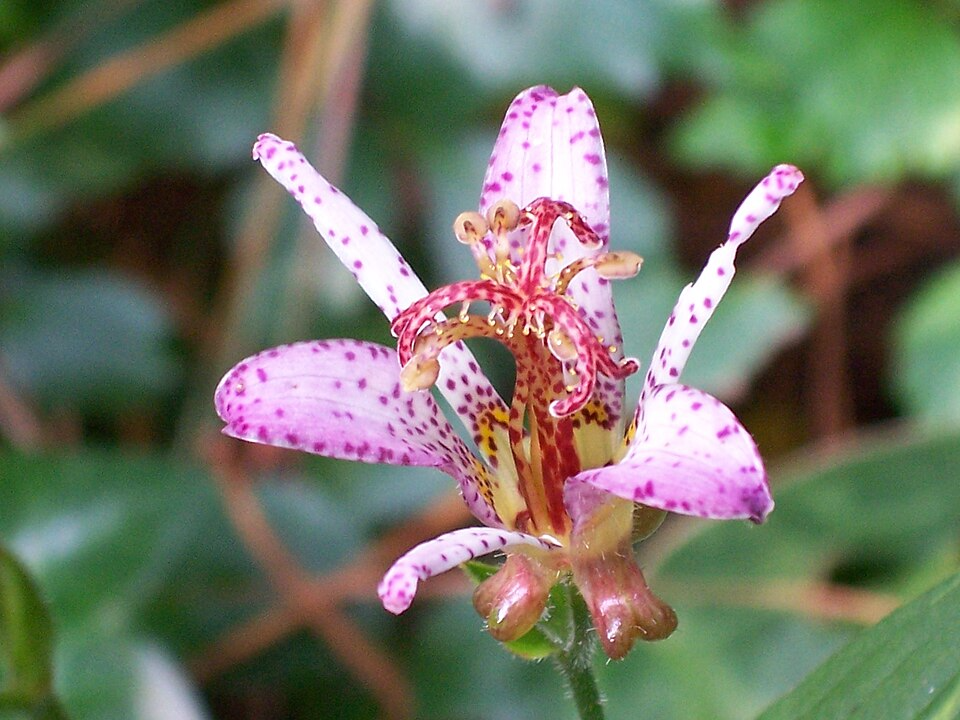
Toad Lily is a unique and lesser-known perennial that can bring an exotic touch to shady gardens. This plant features striking, orchid-like flowers that bloom in late summer to fall, adding unexpected color to the garden when many other plants have finished flowering. Toad Lilies prefer moist, well-drained soil and can tolerate both part and full shade.
The flowers come in shades of purple, white, and pink, often with speckles or spots, giving them a delicate, whimsical appearance. This plant’s broad, lance-shaped leaves provide attractive foliage throughout the growing season. Toad Lilies are relatively low-maintenance and do well in woodland settings, where they can thrive without needing direct sunlight. It is an excellent choice for adding a bit of intrigue and color to a shaded area that might otherwise look sparse.
Hosta
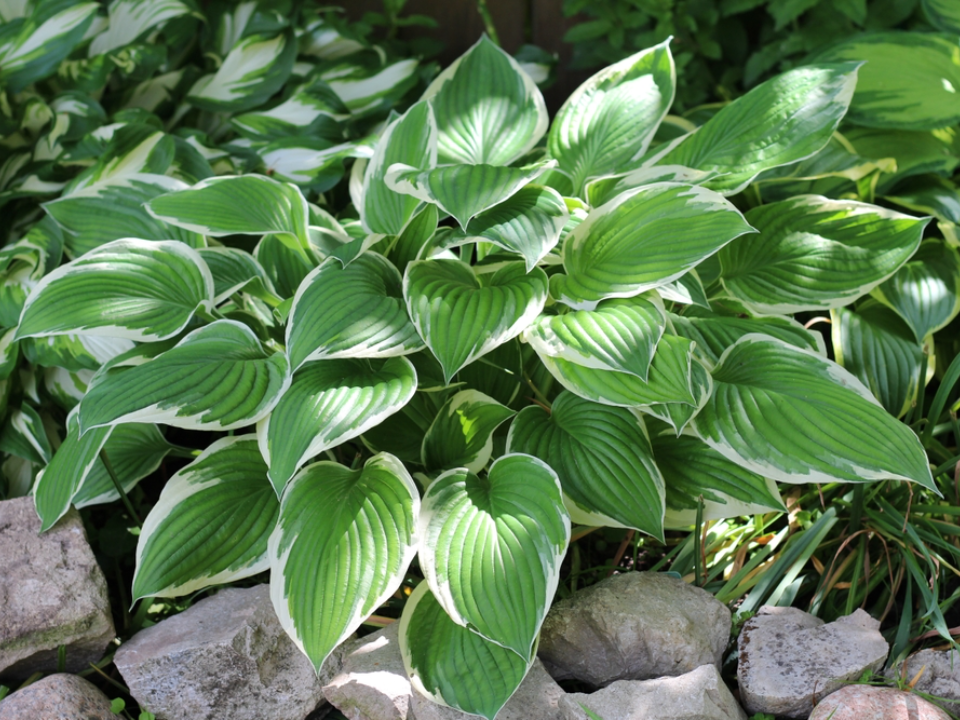
Hosta is one of the most popular shade-loving perennials, thanks to its broad variety of leaf colors and sizes, making it a perfect addition to any garden that experiences low light. Hostas are typically grown for their attractive foliage, which can range from deep green to vibrant yellow or blue. These plants also produce tall flower spikes that bloom with fragrant, tubular flowers, attracting pollinators like bees. Hostas thrive in rich, well-drained soil and require regular watering to maintain their lush foliage.
They are an excellent option for borders, edges, and under trees, where their broad leaves can fill in shady spots. Hostas come in many sizes, from tiny dwarf varieties to larger, more dramatic forms, making them adaptable to a wide range of garden spaces. With their easy care and stunning foliage, Hostas make a great choice for any shaded garden area.
Japanese Painted Fern (Athyrium niponicum)
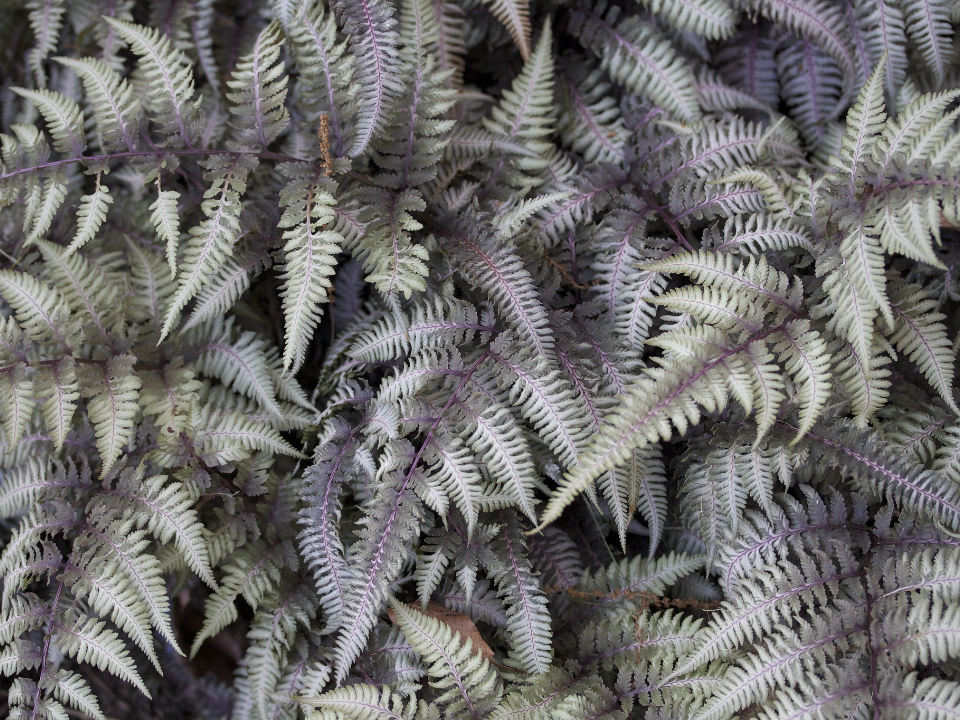
Japanese Painted Fern is an elegant and unique perennial that adds a touch of sophistication to any shaded garden. Its delicate fronds are silver-green with purple-red veins, creating a striking contrast with other plants. This fern prefers cool, moist conditions and thrives in partial to full shade. Japanese Painted Fern does well in woodland settings or beneath trees, where its finely textured leaves can shine.
It is relatively low-maintenance and requires little attention once established. This fern is perfect for adding texture and color to a shaded garden and works well in both formal and naturalistic planting schemes. Its adaptability to a variety of soil types and low-maintenance nature makes it an ideal choice for gardeners looking for an easy-to-care-for, beautiful addition to their shaded spaces.
Foamflower (Tiarella)
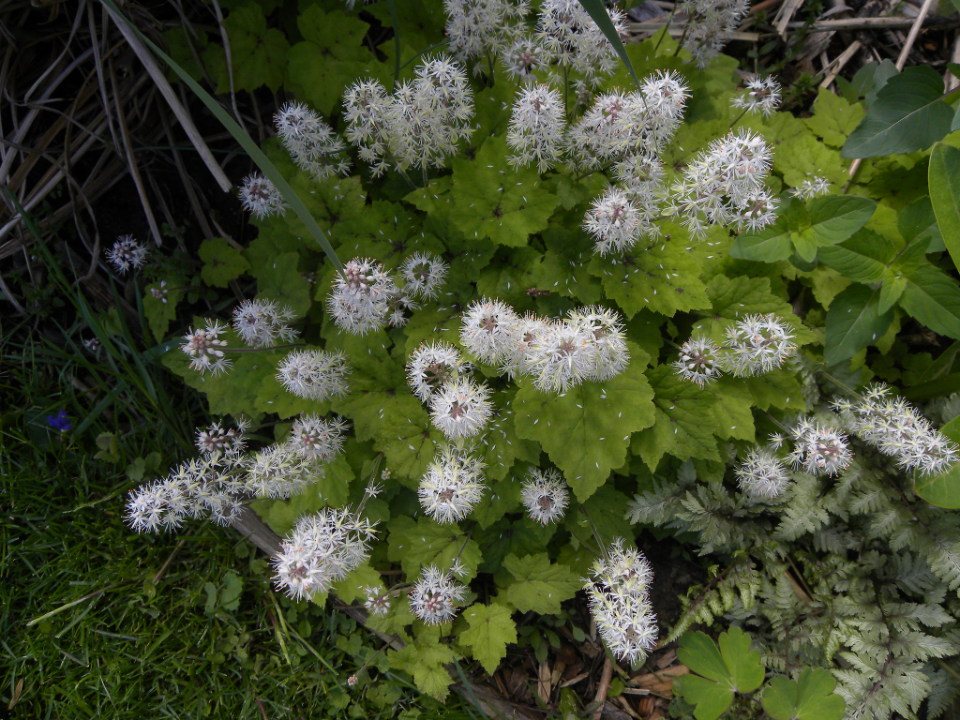
Foamflower, also known as Tiarella, is a native perennial that thrives in shaded areas with rich, moist soil. It is celebrated for its small, star-shaped flowers that bloom in clusters, creating a delicate, foamy appearance in spring. The plant produces attractive, deeply-lobed leaves that often have marbled patterns or reddish veins, adding interest to the garden even when not in bloom.
Foamflower is a perfect groundcover for shady areas, where it can spread quickly and help keep soil erosion in check. It works well in woodland gardens, providing a beautiful carpet of foliage beneath trees or shrubs. The plant also attracts pollinators, including bees and butterflies, making it a great addition for those who want to support local wildlife. Foamflower’s adaptability and low-maintenance care make it a great perennial to order for your shaded garden.
Solomon’s Seal (Polygonatum)
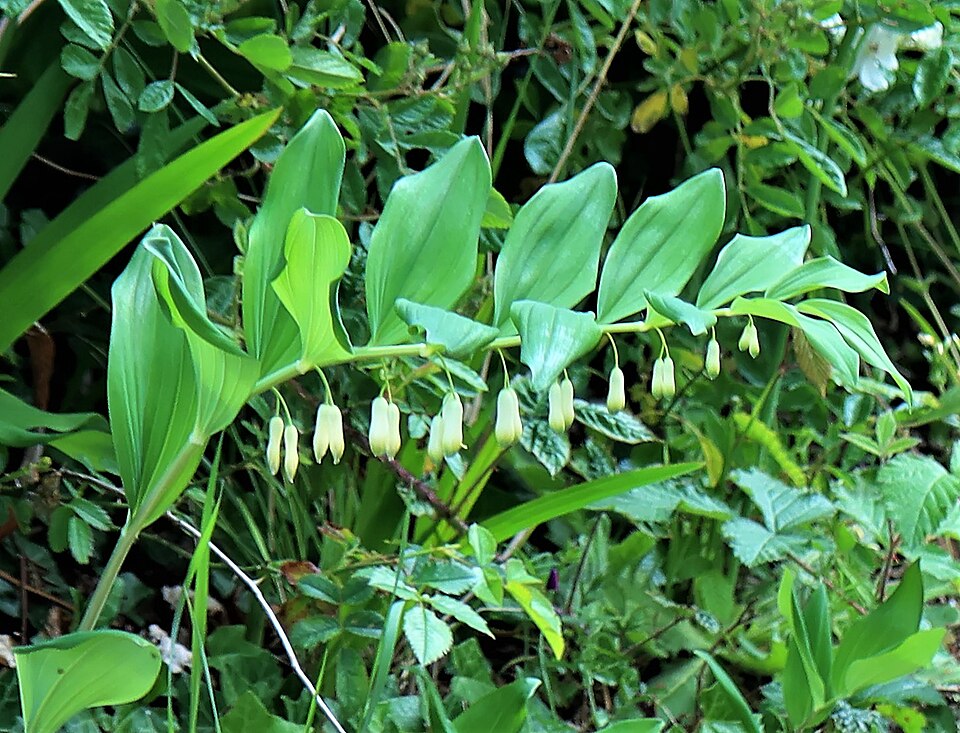
Solomon’s Seal is a graceful, perennial plant known for its arching stems and elegant, nodding white or greenish flowers that bloom in late spring to early summer. It prefers shaded or woodland areas and thrives in moist, well-drained soil. The plant’s slender stems and glossy, lance-shaped leaves create an attractive focal point in shaded gardens, while its pendulous flowers add a subtle touch of beauty.
Solomon’s Seal can grow in a variety of soil types and is relatively drought-tolerant once established. This perennial is perfect for adding texture to shaded garden beds or for planting along walkways. It’s a low-maintenance plant that will continue to thrive for many years, offering beauty year after year. Order Solomon’s Seal now to enjoy its graceful foliage and flowers next spring.
Lungwort (Pulmonaria)
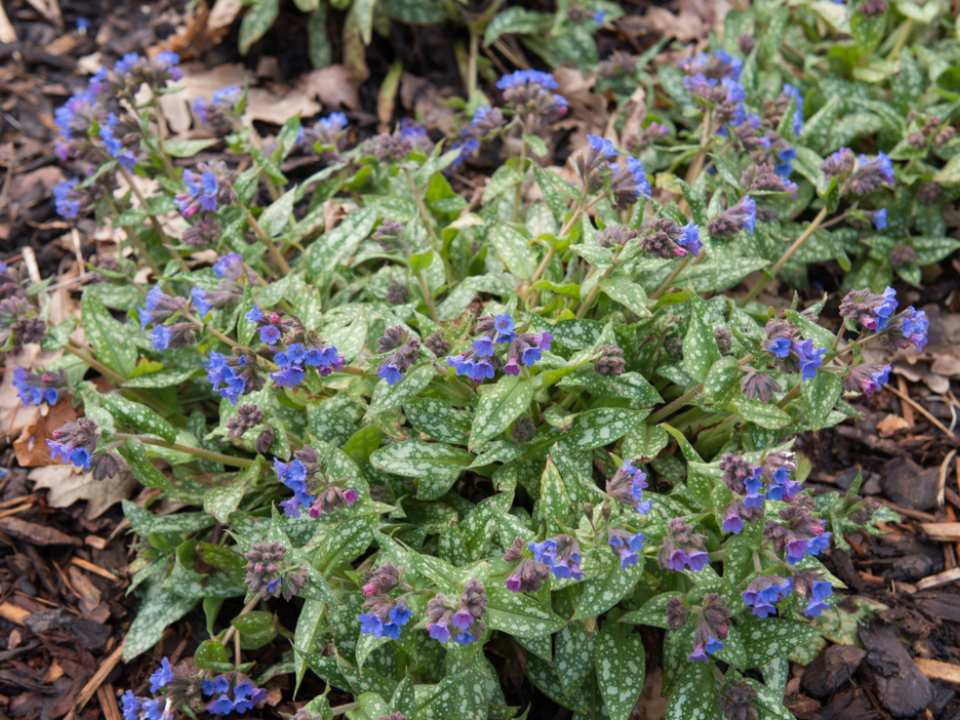
Lungwort is a perennial that offers both stunning foliage and early-season flowers, making it an excellent choice for shaded gardens. It features striking leaves that are often spotted or mottled with silver, adding visual interest to the garden. Lungwort produces clusters of bell-shaped flowers in shades of blue, pink, or white, which bloom in early spring before many other plants have started to flower.
This plant thrives in moist, well-drained soil and does well in areas with partial to full shade. Lungwort is an excellent groundcover, especially for areas with dry soil, where it will continue to thrive even with little maintenance. It is also a favorite of pollinators, attracting bees and butterflies to its colorful blooms. Lungwort’s versatility, beauty, and low-maintenance care make it a must-have for any shaded garden.
Epimedium (Barrenwort)

Epimedium, commonly known as Barrenwort, is a fantastic perennial for shaded gardens. It thrives in dry, well-drained soil and can tolerate a range of light conditions, from full shade to partial sunlight. Epimedium features attractive, heart-shaped leaves that emerge in spring with a purple or red tint before turning green as the season progresses. In early spring, this plant produces delicate, spidery flowers in shades of white, pink, or yellow, which stand out against its lush foliage.
Epimedium is an excellent choice for adding groundcover in woodland gardens or beneath trees, where its ability to thrive in low-light conditions is especially beneficial. This perennial is low-maintenance, only requiring occasional trimming to keep it tidy. Its hardiness and attractive appearance make it a great option for shaded or woodland gardens that need a reliable, year-round plant.
Japanese Forest Grass (Hakonechloa macra)
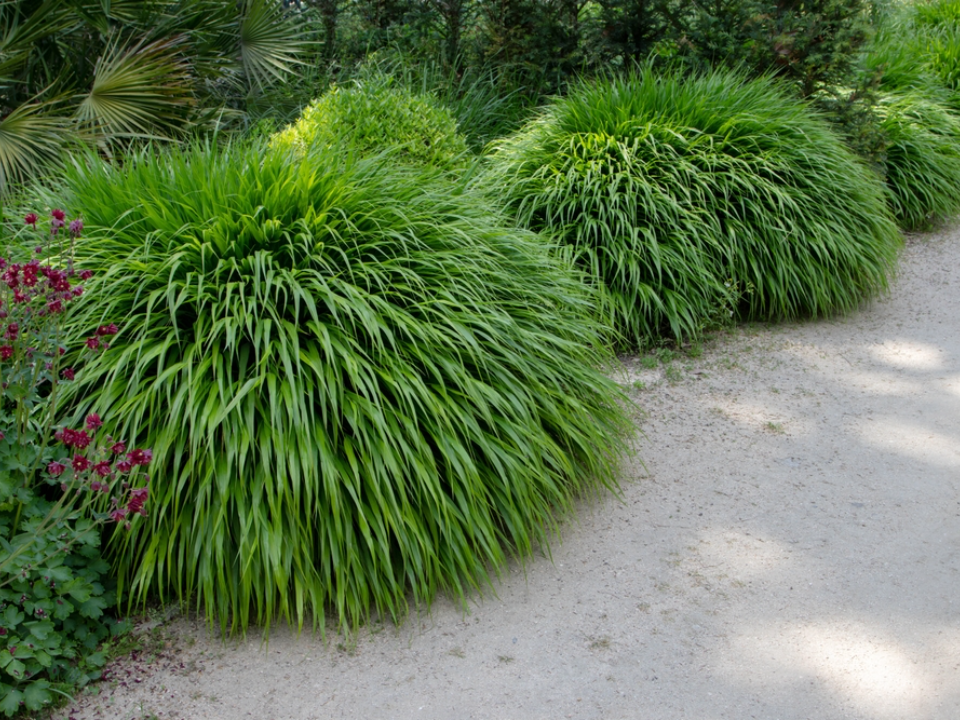
Japanese Forest Grass is an elegant perennial that thrives in shaded gardens, where its arching, golden-green foliage can create a soft, flowing effect. This grass grows best in moist, well-drained soil and performs well in partial to full shade. The plant has a graceful habit, with long, narrow leaves that cascade down, adding texture and movement to any garden.
In the fall, Japanese Forest Grass produces delicate flower spikes that add an additional layer of beauty. Its low-maintenance nature and ability to adapt to a variety of conditions make it an excellent option for gardens with limited sunlight. Japanese Forest Grass is particularly effective as a groundcover or in a mixed border where its flowing habit can soften the edges of other plants. It is an ideal choice for gardeners looking to add contrast and texture to shaded areas.
Hellebore (Lenten Rose)

Hellebores, also known as Lenten Roses, are beloved for their ability to bloom early in the spring, sometimes even before the snow has melted. These plants thrive in partial to full shade and prefer well-drained, slightly acidic soil. Hellebores come in a variety of colors, including white, pink, purple, and green, with some varieties featuring intricate speckles or marbling.
The flowers are large, cup-shaped, and stand proudly above the foliage, making them a standout feature in the garden. Hellebores are highly valued for their ability to bloom in winter or early spring, offering much-needed color when few other plants are in bloom. In addition to their striking flowers, the dark green, leathery foliage adds interest to shaded gardens throughout the growing season. Hellebores are also relatively low-maintenance, requiring little care once established.
Japanese Anemone (Anemone hupehensis)
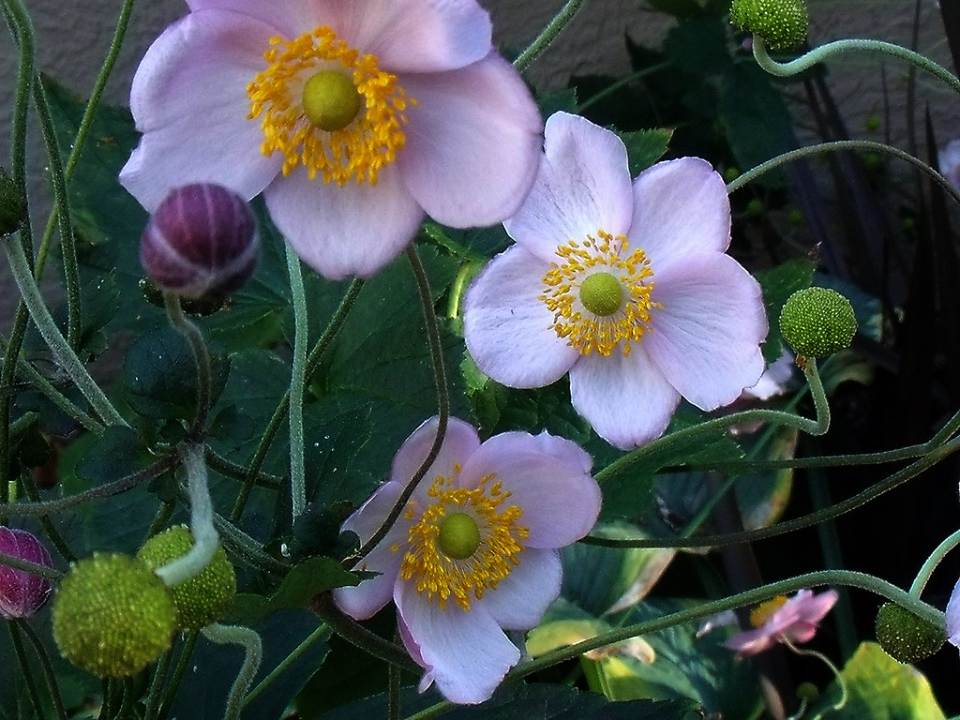
Japanese Anemone is a beautiful perennial that offers delicate, white or pink flowers that bloom in late summer to early fall, filling a garden with color when many other plants are finished blooming. This plant prefers partial to full shade and thrives in moist, well-drained soil. It is an excellent choice for adding vertical interest to shaded borders, as its tall stems can reach up to 4 feet. Japanese Anemones are low-maintenance and can tolerate a range of soil conditions, though they do best in slightly acidic soil.
Once established, these plants are drought-tolerant and can easily spread throughout the garden. The flowers of the Japanese Anemone are large and simple, resembling poppies, and they attract pollinators like bees and butterflies. This perennial is ideal for adding a late-season bloom to shaded areas and works well in woodland gardens or near the edge of tree lines.
Columbine (Aquilegia)
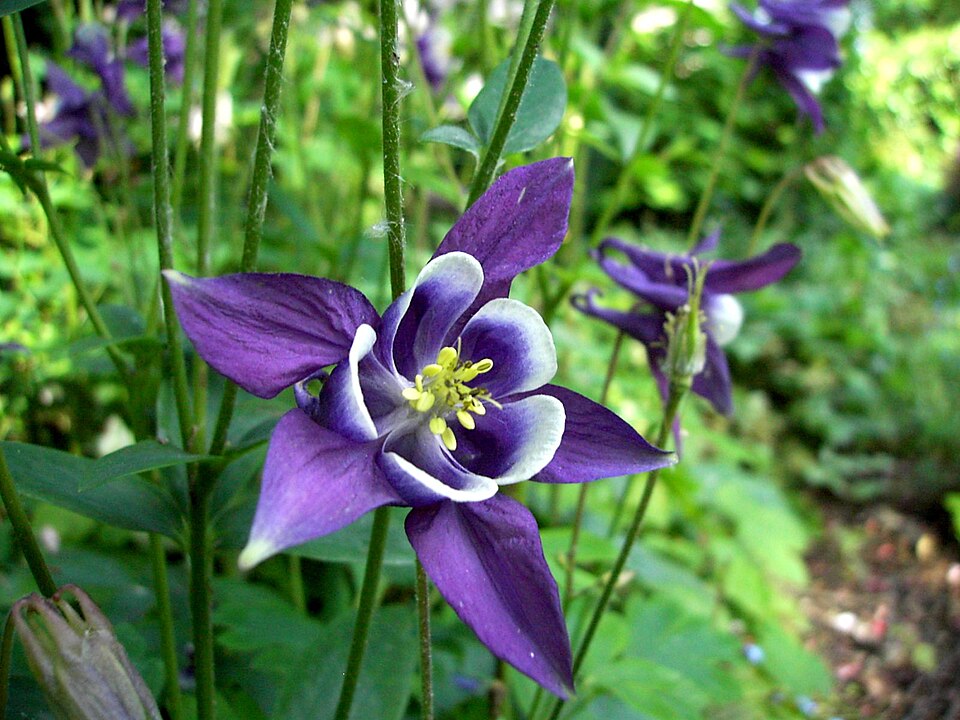
Columbine is a unique perennial that features distinctive, spurred flowers in a wide range of colors, including red, blue, purple, yellow, and white. It thrives in shaded areas with moist, well-drained soil and is particularly effective at attracting hummingbirds and butterflies. Columbine plants have finely cut, fern-like leaves that provide a soft, delicate texture in the garden.
The flowers bloom in late spring to early summer, adding a burst of color to areas that might otherwise be sparse. Columbine is relatively low-maintenance and will naturalize over time, spreading and reseeding in favorable conditions. This perennial is perfect for planting in woodland gardens, shaded borders, or areas with a mix of sun and shade. Its whimsical appearance and ability to adapt to different growing conditions make it a must-have for shaded gardens.
Jacob’s Ladder (Polemonium caeruleum)
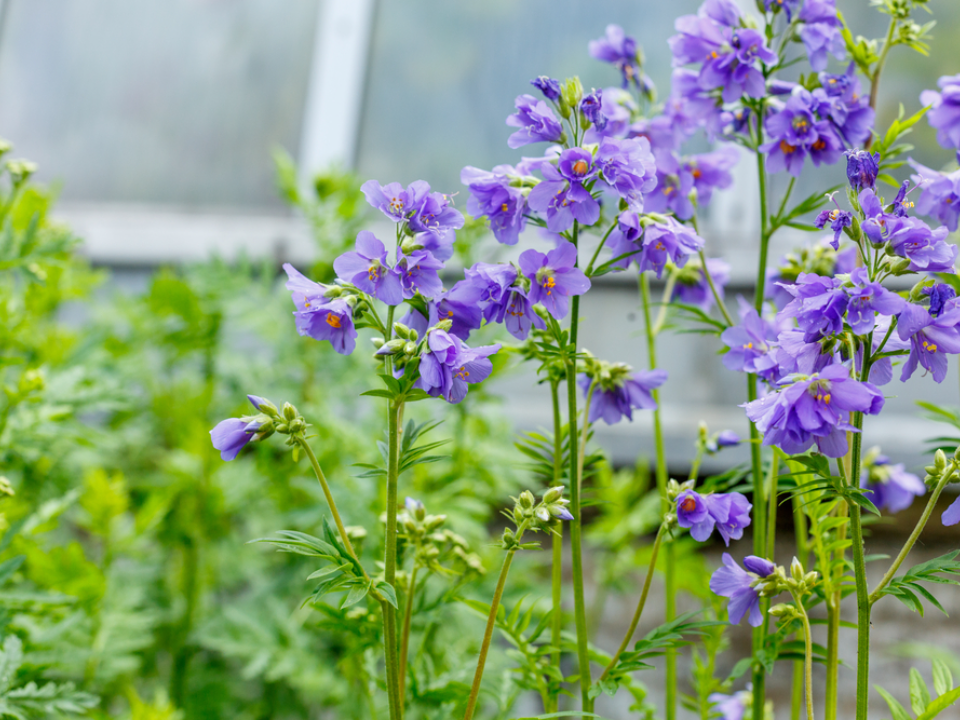
Jacob’s Ladder is a beautiful, shade-loving perennial that produces clusters of delicate blue or purple flowers that resemble the shape of a ladder. The plant is named for the unique shape of its flowers and its fern-like foliage, which adds a soft texture to any shaded garden. Jacob’s Ladder thrives in moist, well-drained soil and does well in partial to full shade. It blooms in early to mid-spring, making it a great addition to shaded areas that need an early-season color boost.
The plant’s attractive foliage remains lush throughout the growing season, and its ability to tolerate a range of soil types makes it easy to care for. Jacob’s Ladder is a perfect plant for borders, edges, or woodland gardens, where its delicate flowers can shine. It is an excellent choice for gardeners seeking a low-maintenance perennial with a unique charm.
Sweet Woodruff (Galium odoratum)
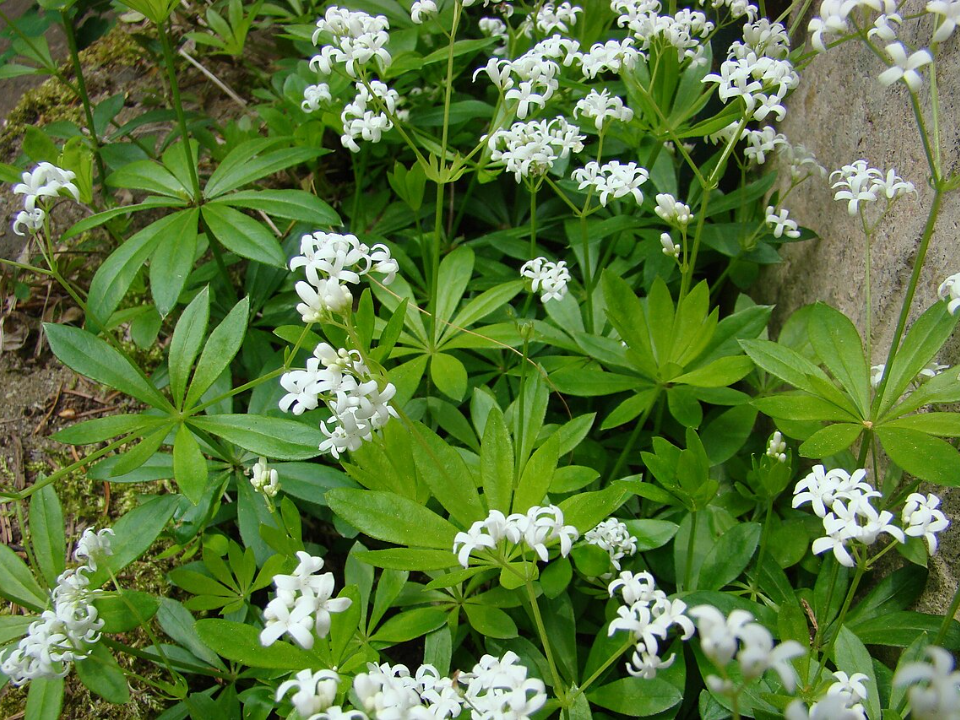
Sweet Woodruff is a fragrant, low-growing perennial that works wonderfully as groundcover in shaded areas. It produces small, white, star-shaped flowers in spring, which emit a sweet scent that can fill the garden with a pleasant fragrance. The plant’s dark green leaves are lance-shaped and form a dense mat, making it ideal for suppressing weeds in shaded areas. Sweet Woodruff prefers moist, well-drained soil and does best in partial to full shade.
It thrives under trees or in woodland gardens, where it can spread easily without becoming invasive. The plant’s attractive foliage remains vibrant throughout the growing season, and its sweet-smelling flowers attract pollinators like bees and butterflies. Sweet Woodruff is a reliable, low-maintenance addition to any shaded garden, offering both beauty and fragrance.
This article originally appeared on Avocadu.