
14 Seeds To Start Indoors in Late Winter for a Strong Spring Garden
The last weeks of winter provide an excellent opportunity to start seeds indoors. This early start helps your plants grow strong and ready for spring’s arrival. Whether you are a seasoned gardener or just starting, this method offers great results. Prepare your indoor space now, and soon you will see your seedlings begin to take shape.
This post may contain affiliate links, which helps keep this content free. Please read our disclosure for more info.
Tomatoes
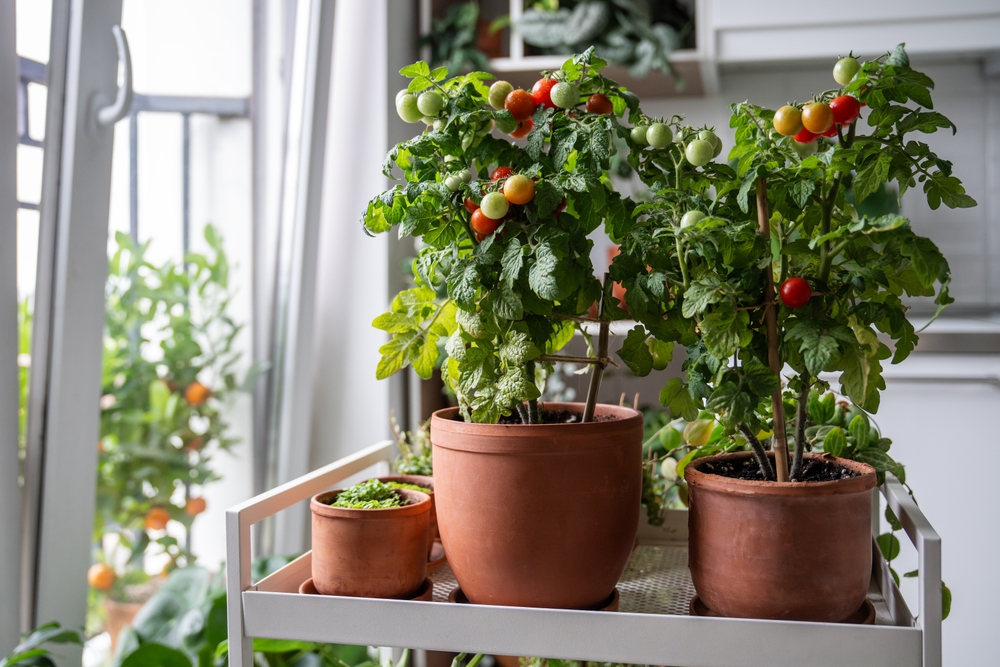
Tomatoes are a staple in many gardens, and starting them indoors in late winter gives them plenty of time to grow strong before being transplanted outdoors. When started early, tomato plants benefit from the warmth and protection of indoor conditions, which helps them thrive when it is time to move them outside. Select a variety suited for your region, whether it’s a determinate or indeterminate type, to ensure they adapt well to the climate. Provide ample light and consistent moisture to encourage healthy growth, and soon you will have strong, hearty plants ready to produce fruit in the spring.
One key factor when growing tomatoes indoors is ensuring they get enough light. Without proper lighting, the plants may become leggy and weak, so be sure to invest in grow lights if you do not have access to natural sunlight. Starting tomatoes indoors also allows you to control the temperature, which is especially helpful if your outdoor growing season is shorter. With proper care, your tomato seedlings will be strong enough to produce healthy crops once they are placed in the garden.
Peppers
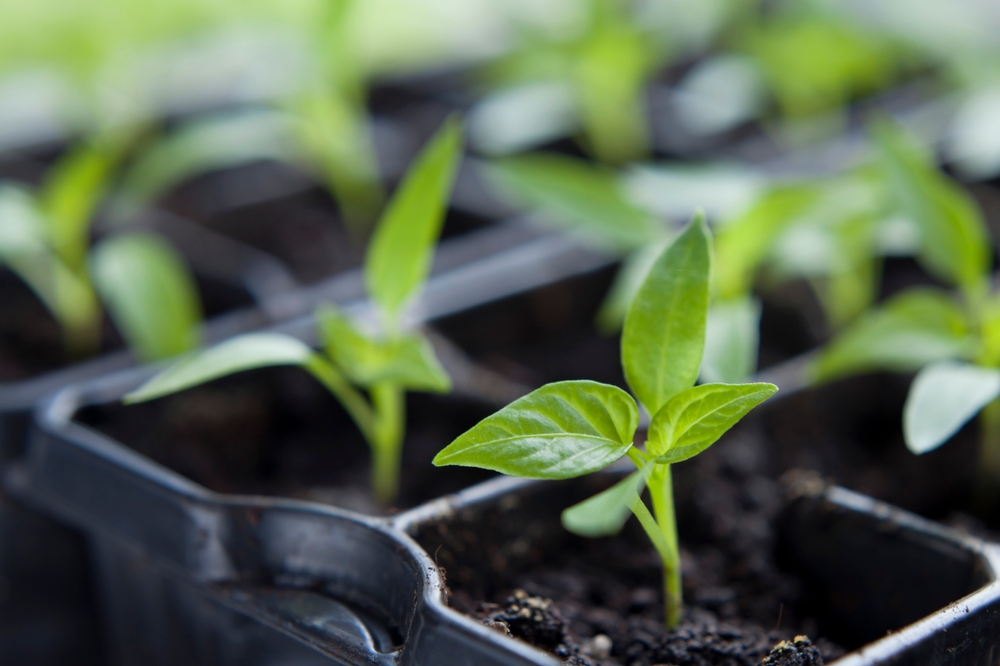
Peppers are another excellent plant to start indoors in late winter. Starting peppers early gives them the long growing season they need to mature fully, especially for larger varieties that take longer to grow. Capsicum, or sweet pepper, and chili peppers both thrive when started indoors in a warm and consistent environment. This gives you a head start on the growing season, and you can enjoy your peppers earlier than if you planted them directly outside.
When growing peppers indoors, it is essential to provide plenty of warmth and direct light. If your space is not warm enough, consider using a heat mat to keep the soil temperature steady, as peppers are sensitive to cool soil. You also want to avoid overwatering, as peppers are susceptible to root rot. With patience and care, your pepper seedlings will thrive and give you vibrant, healthy peppers come spring.
Lettuce
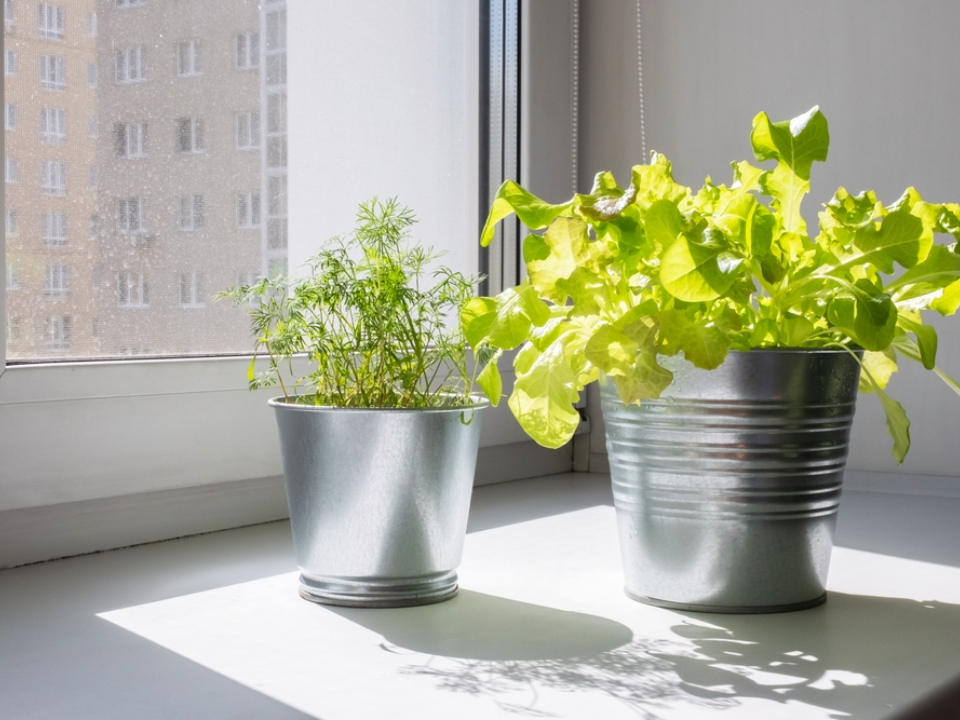
Lettuce is one of the quickest-growing vegetables, making it perfect for starting indoors in late winter. Lettuce seeds germinate rapidly and, with a little attention, can grow into mature plants within a few weeks. By starting indoors, you give your lettuce a chance to establish its roots before being transplanted into the garden. Early growth indoors also provides protection from late-season frost, which can stunt or damage outdoor crops.
To grow lettuce indoors, ensure it receives adequate light to promote strong, upright growth. Lettuce thrives in cooler temperatures, so be sure to keep the indoor environment at a comfortable, cool level. The key to success with lettuce is regular watering and nutrient-rich soil. After several weeks of growth indoors, your lettuce plants will be ready to transplant outdoors, where they can continue to grow and provide fresh, crisp leaves throughout the spring.
Herbs (Basil, Parsley, Thyme)
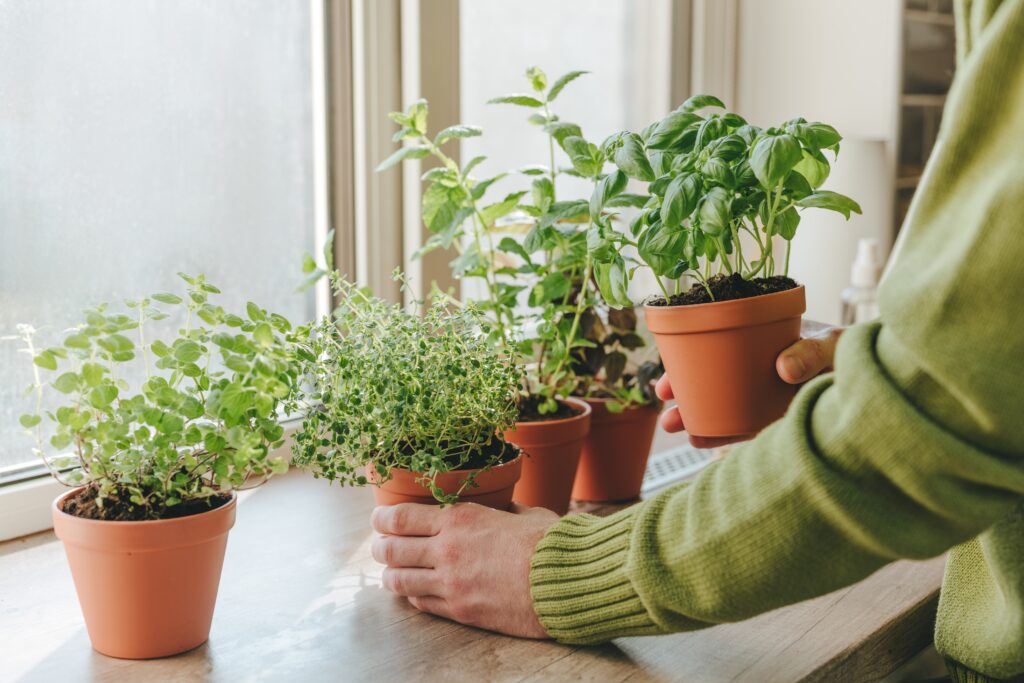
Starting herbs indoors in late winter is a great way to ensure you have fresh flavors ready when the weather warms. Herbs like basil, parsley, and thyme thrive indoors in a controlled environment, giving them the jumpstart they need before being moved outside. Starting these herbs early helps them develop strong roots, so they can quickly acclimate to outdoor conditions once the danger of frost has passed. These herbs are versatile and can be grown in small pots, making them ideal for indoor gardening.
Herbs require lots of light, so placing them near a sunny window or using grow lights will help them flourish. Make sure the soil stays consistently moist but not waterlogged, as herbs do not tolerate soggy roots. When planting these herbs outdoors in the spring, be sure to harden them off first by gradually introducing them to outdoor temperatures. With these few steps, you will have an abundance of fresh herbs to use in your cooking.
Broccoli
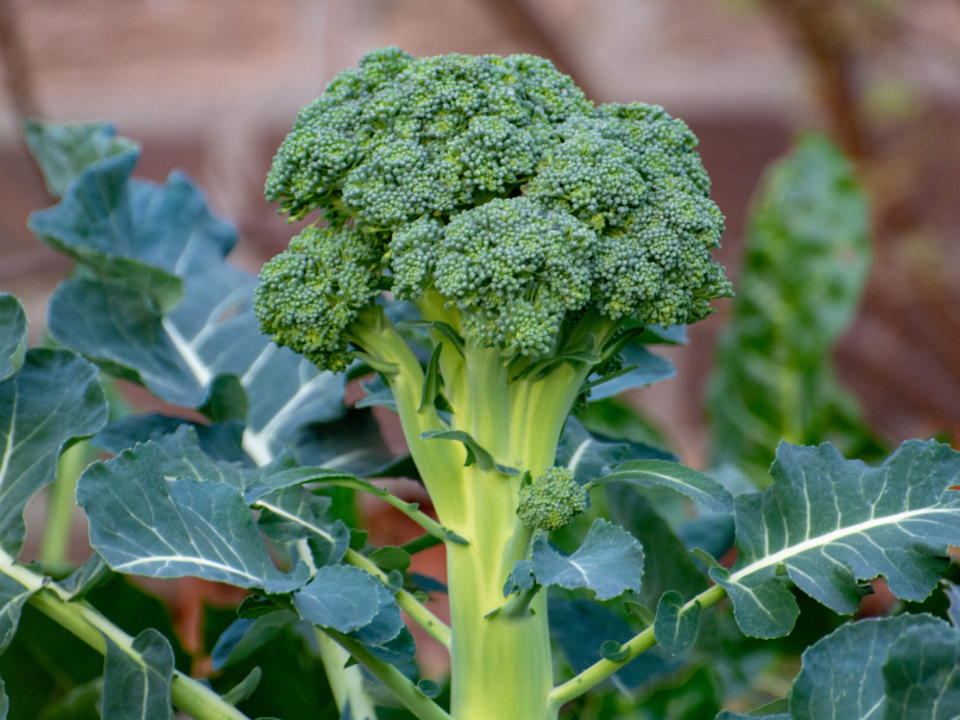
Broccoli is a cool-season vegetable that can be started indoors in late winter for a strong spring harvest. Starting broccoli early gives the plant enough time to establish itself and grow vigorously before the warmer weather arrives. Broccoli is a heavy feeder, so using nutrient-rich soil and consistent watering will help the plants thrive. In addition, broccoli seedlings are sturdy and can tolerate a bit of cold, so they will adapt well when transplanted into the garden.
Once your broccoli plants have developed a few sets of leaves, they can be moved outside to start growing in the spring. Be sure to plant them in a location that receives full sun and has well-drained soil. As they mature, you will need to keep an eye out for pests, such as aphids and cabbage worms, that tend to target broccoli. Harvest your broccoli once the heads are firm and compact for the best taste and texture.
Cauliflower
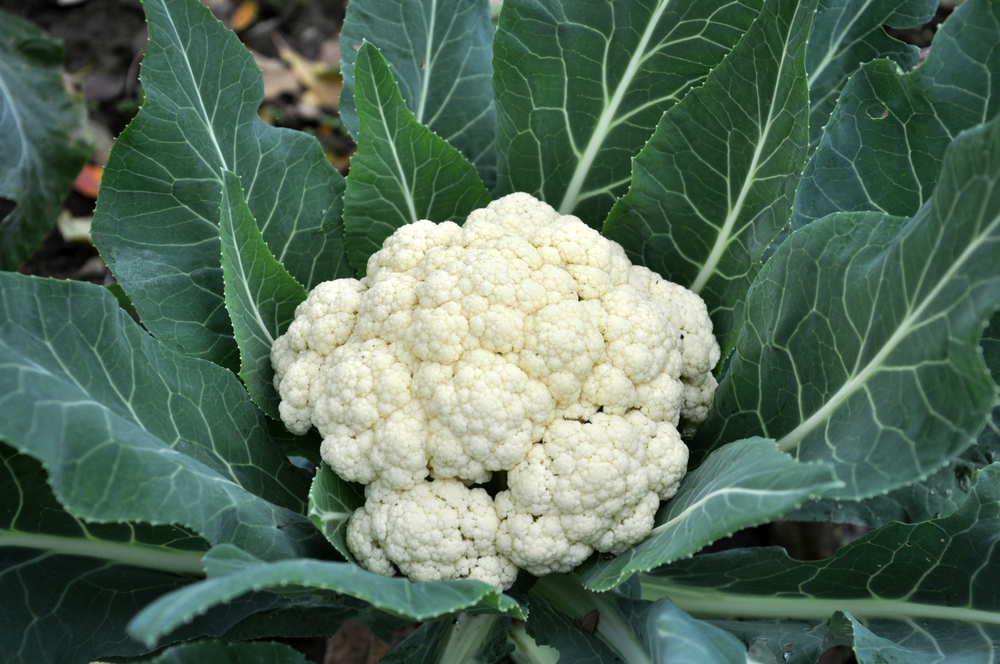
Cauliflower, like broccoli, is a cool-season vegetable that can benefit from an early start indoors. By starting cauliflower indoors, you allow it to grow into strong, healthy plants that will be ready to transplant outdoors once the soil is warm enough. Cauliflower has a longer growing season than some other vegetables, so starting indoors gives it the time it needs to mature. For optimal growth, make sure to use rich, well-draining soil and maintain steady moisture levels.
Once your cauliflower seedlings are large enough, transplant them outdoors to a spot that receives plenty of sunlight. Cauliflower plants require regular feeding to ensure the heads grow properly, and they also prefer slightly cooler temperatures for optimal development. Be cautious of pests that might target cauliflower, such as aphids and slugs. With the proper care, your cauliflower plants will produce large, tight heads perfect for your spring meals.
Kale
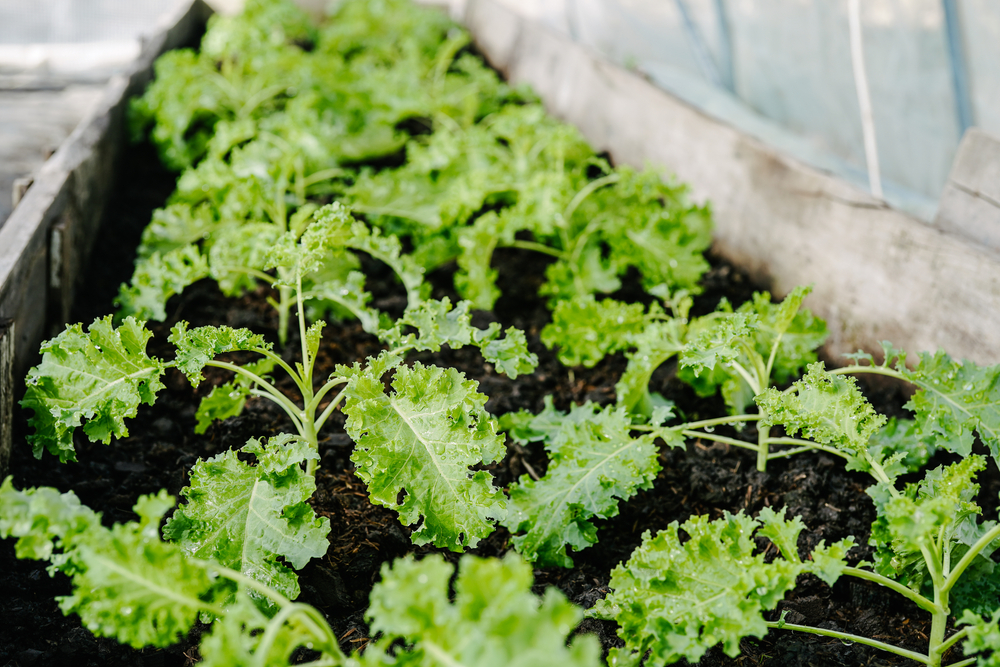
Kale is a hearty, nutritious vegetable that is perfect for starting indoors in late winter. Kale thrives in cooler temperatures, so starting it indoors allows you to extend its growing season. This leafy green will be ready for harvest in just a few months, making it a great choice for early spring gardening. Indoor growing also protects your kale from late frost, ensuring a strong, healthy crop.
To grow kale indoors, make sure the plants receive plenty of light and stay in a cool, consistent temperature. Kale plants are not particularly picky about soil, but using a high-quality potting mix will encourage healthy growth. After a few weeks, the plants will be ready to transplant outdoors, where they can continue to grow strong and provide an abundance of leaves. Kale is easy to care for, making it a perfect vegetable for beginner gardeners to start indoors.
Cucumbers
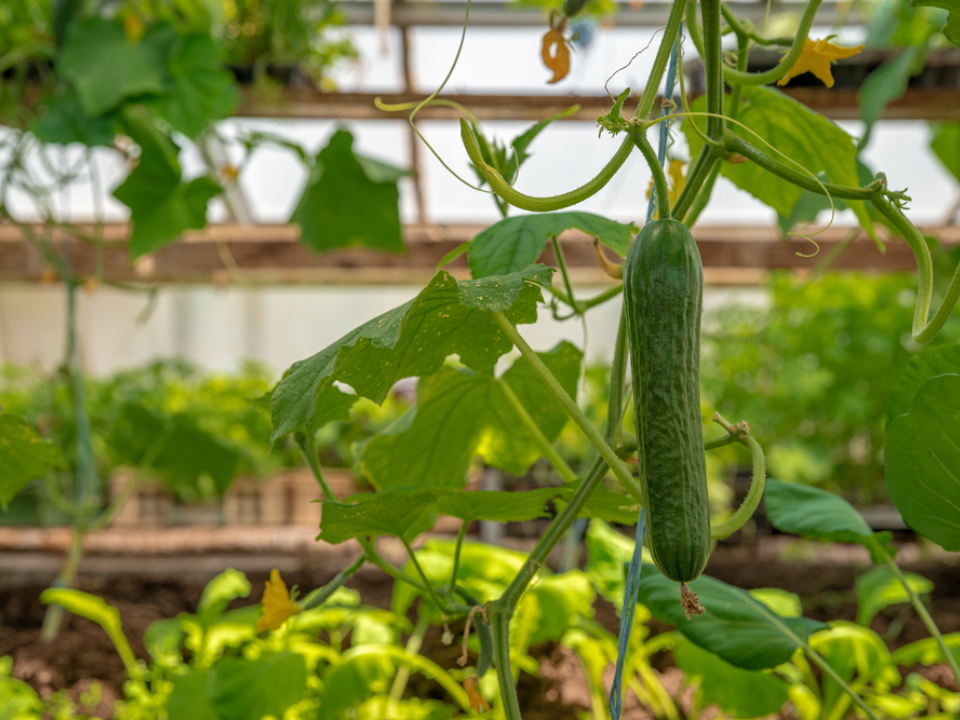
Cucumbers can be started indoors in late winter, especially if you are hoping to have an early harvest in the spring. These plants grow quickly, and starting them indoors gives them the extra time they need to produce abundant fruit. When starting cucumbers indoors, be sure to use deep containers that allow the roots to grow properly. Cucumbers like warmth, so make sure your indoor space stays warm enough for the plants to thrive.
Cucumbers also require a lot of light, so be sure they are placed near a sunny window or under a grow light. These plants tend to grow quickly, so it is important to monitor them for signs of overcrowding or leggy growth. Once they have developed strong roots and are ready to be transplanted outdoors, cucumbers will be quick to adapt to the warmer spring weather. With proper care, you will be able to harvest crisp, fresh cucumbers in no time.
Cabbage
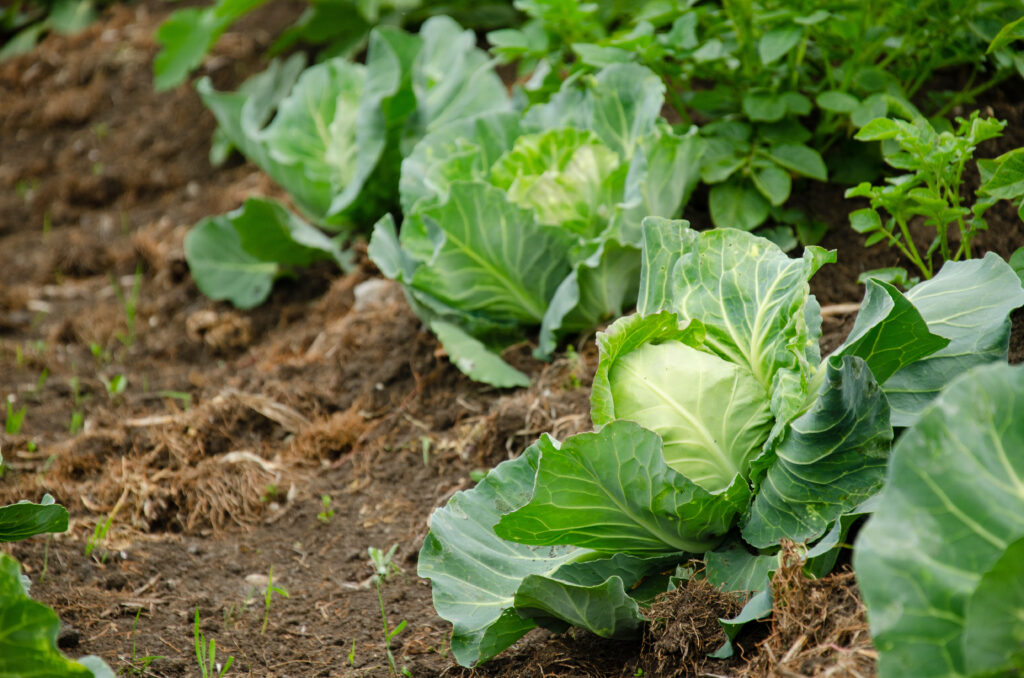
Cabbage is another cool-season vegetable that benefits from being started indoors. By starting cabbage indoors, you give the plants a head start before they are transplanted into the garden. Cabbage seedlings grow best when provided with nutrient-rich soil and ample light. These plants can tolerate cool temperatures, which makes them perfect for spring planting once they are ready.
When transplanting cabbage outdoors, make sure to choose a sunny spot with well-drained soil. Cabbage plants need plenty of water to grow, so regular irrigation is essential. Keep an eye on pests that can harm cabbage, such as aphids and cabbage worms, and take action to protect the plants if needed. With the right care, your cabbage plants will grow large, leafy heads perfect for your spring meals.
Spinach
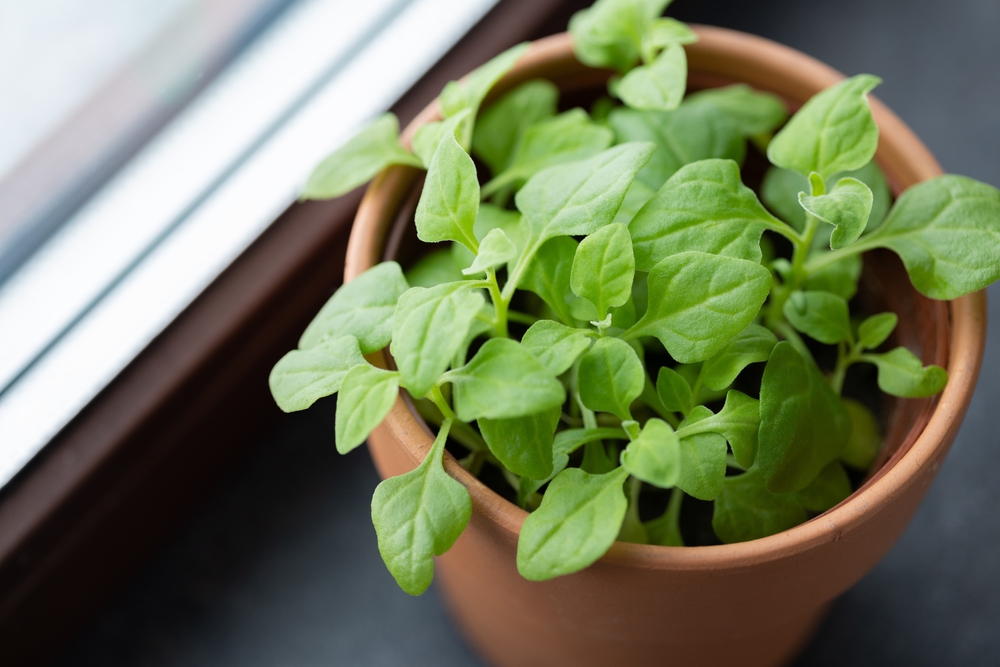
Spinach is a fast-growing, cool-season crop that thrives when started indoors in late winter. This leafy green grows quickly and can be ready for harvest in as little as six weeks. Starting spinach indoors ensures you will have a crop ready to plant once the weather warms up. Spinach grows best in well-draining soil and enjoys cooler temperatures, making it a great choice for early spring gardening.
When growing spinach indoors, make sure to place the plants in a location with plenty of sunlight. These plants are sensitive to heat, so it is important to transplant them outdoors as soon as possible to avoid bolting. Spinach plants also need regular watering to stay healthy and vibrant. After transplanting outdoors, you will have a fresh crop of spinach leaves ready to be enjoyed.
Zucchini
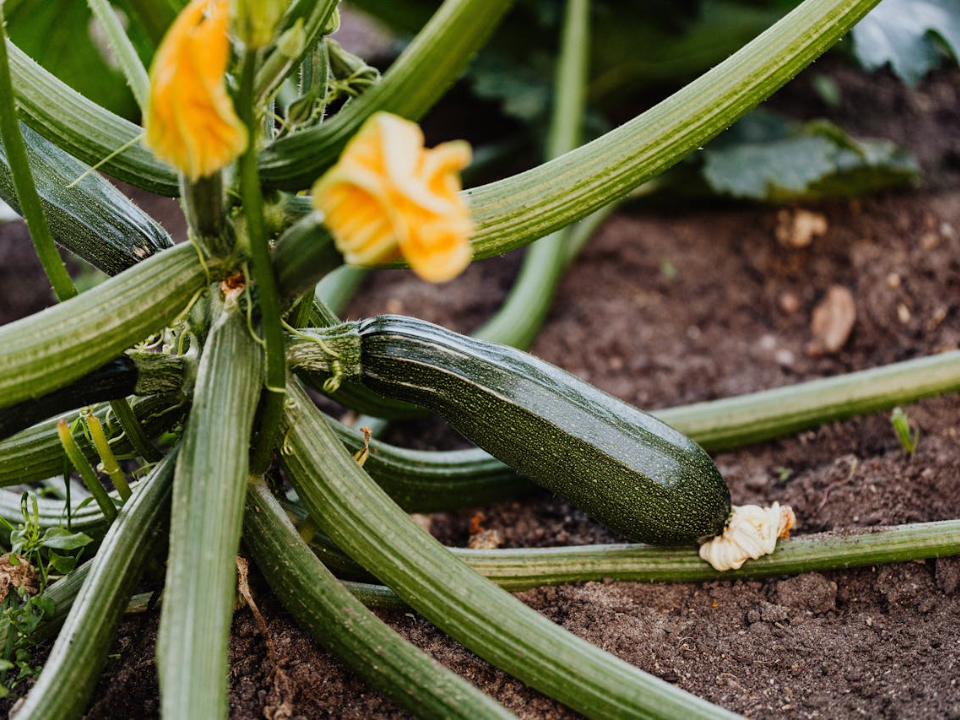
Zucchini is a great summer vegetable that can be started indoors in late winter for an early start to your garden. These plants grow quickly, and starting them indoors ensures that they will be ready to transplant outdoors as soon as the danger of frost has passed. Zucchini thrives in nutrient-rich, well-draining soil and requires plenty of sunlight to grow strong. By starting zucchini indoors, you can give it the best chance to grow into a healthy, productive plant.
Once zucchini plants are ready to be transplanted, make sure to place them in a sunny location with plenty of space to grow. Zucchini plants spread out and need room to expand. They are also quite thirsty, so be sure to water them regularly throughout the growing season. If your zucchini plants are cared for properly, you will be rewarded with an abundance of fresh, delicious squash.
Swiss Chard
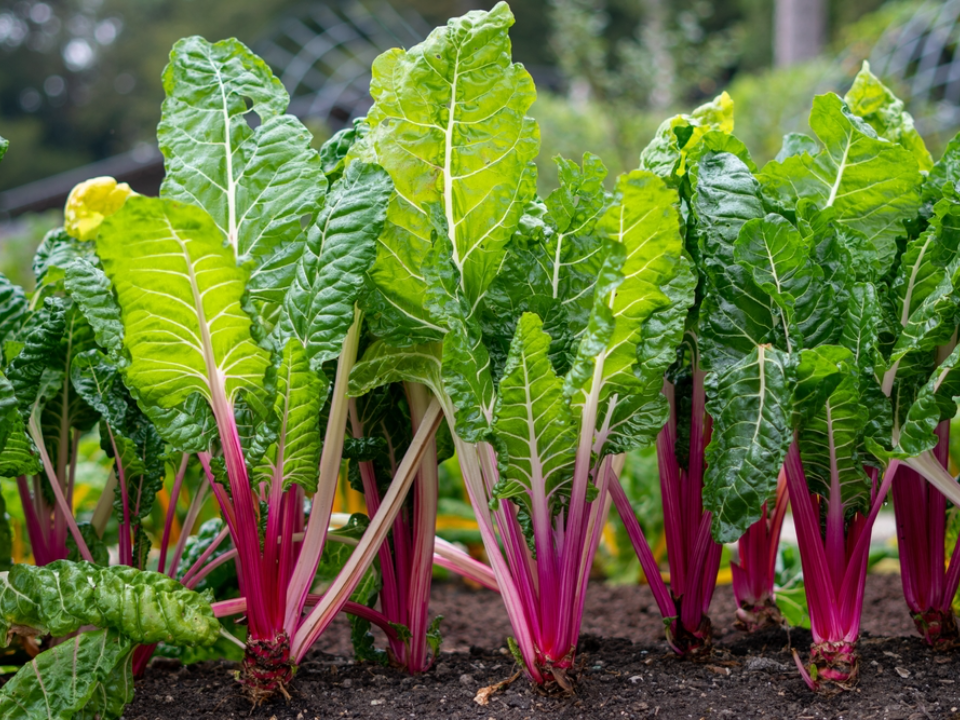
Swiss chard is a colorful and nutritious green that thrives in cool temperatures, making it perfect for starting indoors in late winter. These plants grow quickly and are often ready for harvest in about 60 to 70 days. Starting Swiss chard indoors gives it a strong start before being transplanted outdoors once the weather warms up. Swiss chard is easy to grow and can tolerate some frost, making it a great addition to a spring garden.
When growing Swiss chard indoors, make sure the plants receive plenty of light and are kept in a cool environment. Swiss chard grows best in fertile, well-drained soil and needs consistent watering to keep the leaves tender. Once transplanted outdoors, Swiss chard continues to grow quickly, and you can begin harvesting the outer leaves. This plant is an excellent choice for gardeners looking to add color and nutrition to their spring meals.
Carrots
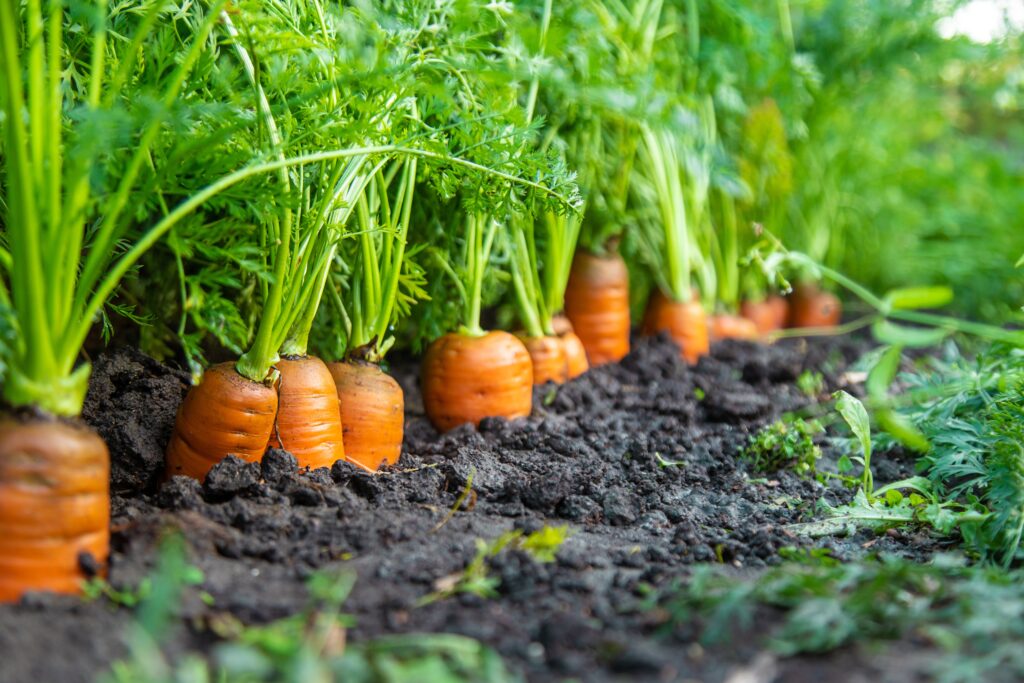
Carrots can be started indoors in late winter, giving them a head start before the growing season begins. These root vegetables benefit from a long growing season, and starting them indoors helps ensure they are well-established by the time they are transplanted. Carrots require deep, loose soil to grow properly, so use containers that allow the roots to grow downward without restriction. By starting carrots indoors, you give them a chance to develop strong roots before moving them to the garden.
To grow carrots indoors, keep them in a location with plenty of light and maintain steady moisture levels. Carrots need regular watering but do not like to be overwatered, so it is important to avoid waterlogged soil. Once your carrots are ready to be transplanted, make sure to plant them in a sunny spot with rich, well-drained soil. With care, you will be able to enjoy sweet, tender carrots later in the season.
Eggplant
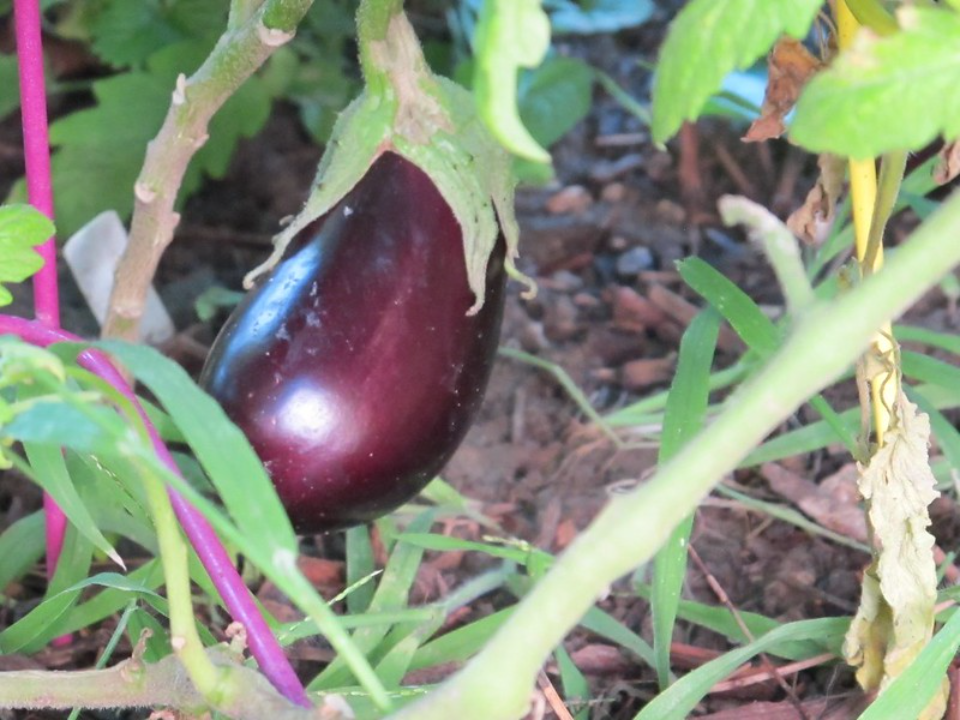
Eggplant is another vegetable that can benefit from being started indoors in late winter. These plants require a long growing season to mature, and starting them indoors gives them the extra time they need. Eggplant plants grow best in warm temperatures, so make sure to keep them in a warm indoor space while they develop. Be sure to provide plenty of light to keep the plants strong and healthy.
Once the eggplants are large enough to be transplanted, move them outdoors to a sunny spot with well-draining soil. Eggplants need regular watering and feeding to encourage healthy fruit production. Keep an eye on pests like aphids and beetles, which tend to target eggplants. With proper care, your eggplant plants will reward you with an abundance of tender, delicious fruit throughout the growing season.
This article originally appeared on Avocadu.