
16 Sea Turtles and Other Coastal Wildlife You Might See More in Spring
A walk by the water can feel very different once spring begins to settle in. As the season shifts, beaches, marshes, and coastal paths can fill with animal activity that makes each trip more interesting. Some sightings are quick, while others give you a chance to stop and watch for a while. With that in mind, let us take a closer look at the wildlife that often shows up around this time.
This post may contain affiliate links, which helps keep this content free. Please read our disclosure for more info.
Loggerhead Sea Turtle
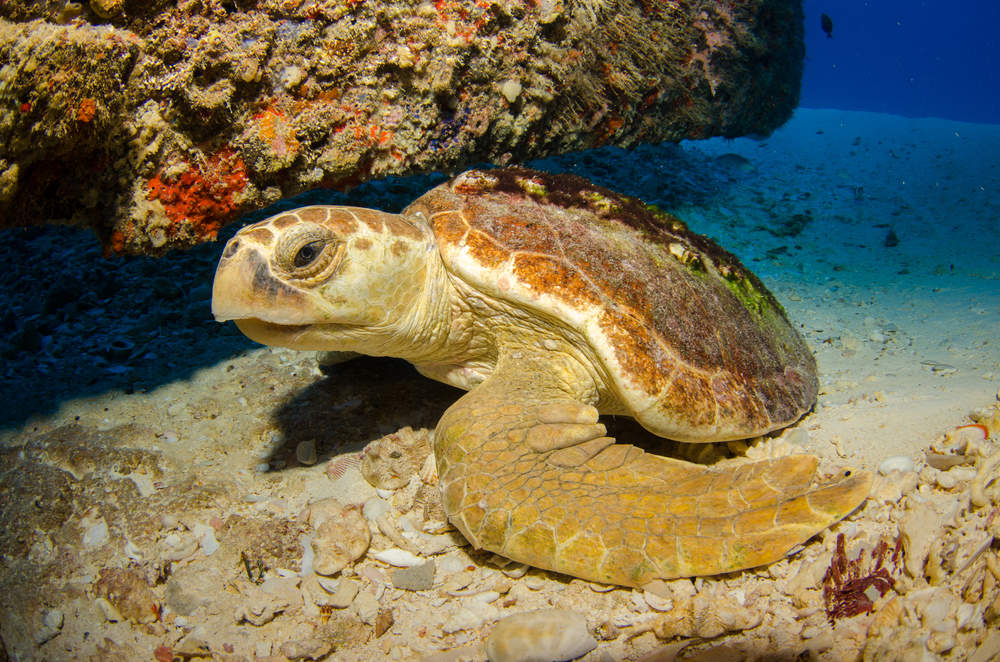
Spring often brings loggerheads closer to shore in parts of the Atlantic because nesting activity starts picking up along beaches in the southeastern United States. This sea turtle is native to the coastal waters of the United States, Mexico, and many other warm ocean regions. It has a large head and strong jaws that help it crush crabs and shellfish. People sometimes notice its tracks in the sand before they ever see the turtle.
Along the southeastern coast, loggerheads are among the sea turtles people are most likely to hear about in spring and early summer. Females return to sandy beaches after long trips from feeding grounds offshore. Young loggerheads spend years in the open ocean before moving into coastal waters. That long life cycle makes them an important species in shoreline conservation work.
Green Sea Turtle
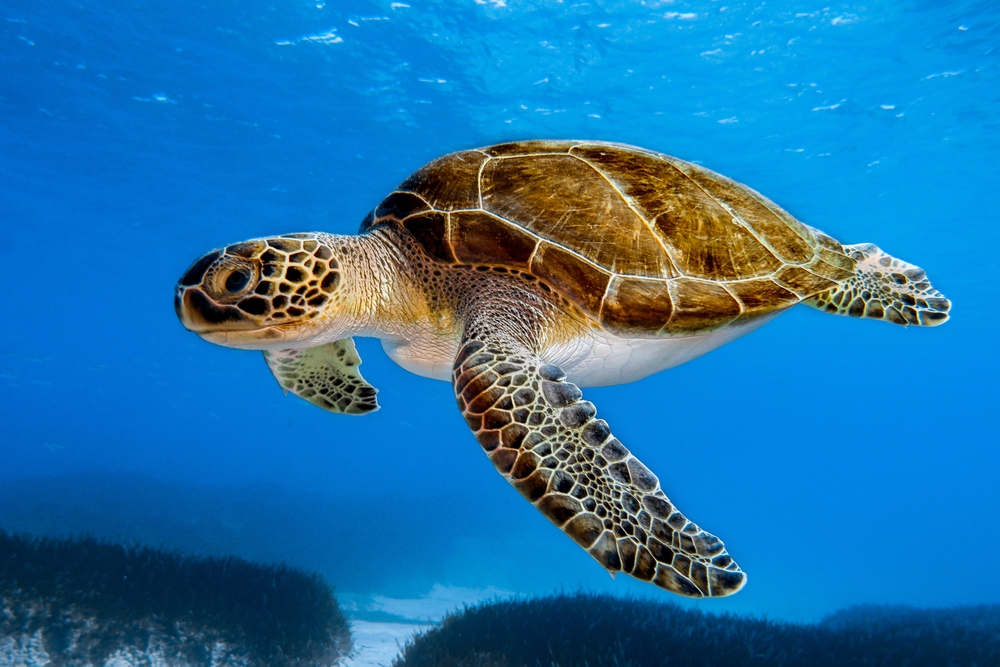
As the water starts warming, green sea turtles can be easier to spot in shallow coastal areas where they feed. They are native to the United States, Mexico, the Caribbean, and many tropical and subtropical coasts around the world. Adult green turtles eat a great deal of seagrass and algae. Their feeding habits often bring them into calm, clear water near shore.
In many places, spring lines up with more movement between feeding grounds and nesting areas. In the United States, this species is found in Atlantic and Gulf waters as well as around Hawaii. Green turtles are closely tied to healthy seagrass beds. When those underwater feeding areas are in good shape, turtles tend to do better, too.
Leatherback Sea Turtle
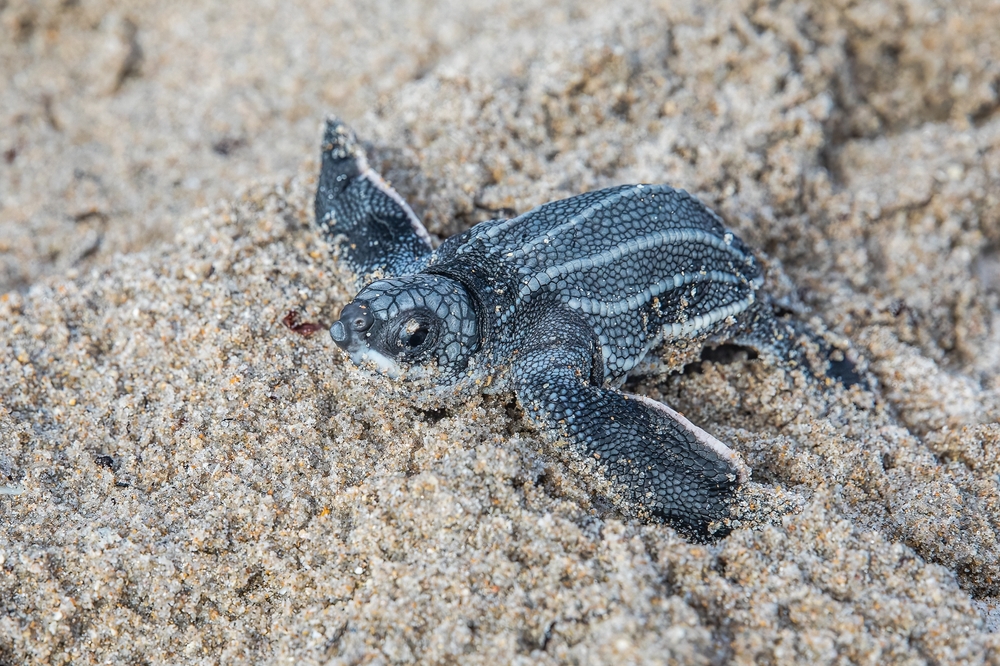
Leatherbacks spend much of their lives far from shore, yet spring can bring them into coastal waters in some regions as they pass through feeding areas. They are native to the United States, Canada, Indonesia, Papua New Guinea, and many other ocean regions. This is the largest sea turtle in the world. It also stands apart because it does not have a hard shell like other sea turtles.
What makes the leatherback especially interesting is how far it travels and how well it handles cooler water. In the United States, nesting takes place mainly in Florida, Puerto Rico, and the U.S. Virgin Islands. They feed heavily on jellyfish and move across huge stretches of ocean in search of food. A spring sighting can feel unusual because these turtles are both very large and very wide-ranging.
Kemp’s Ridley Sea Turtle
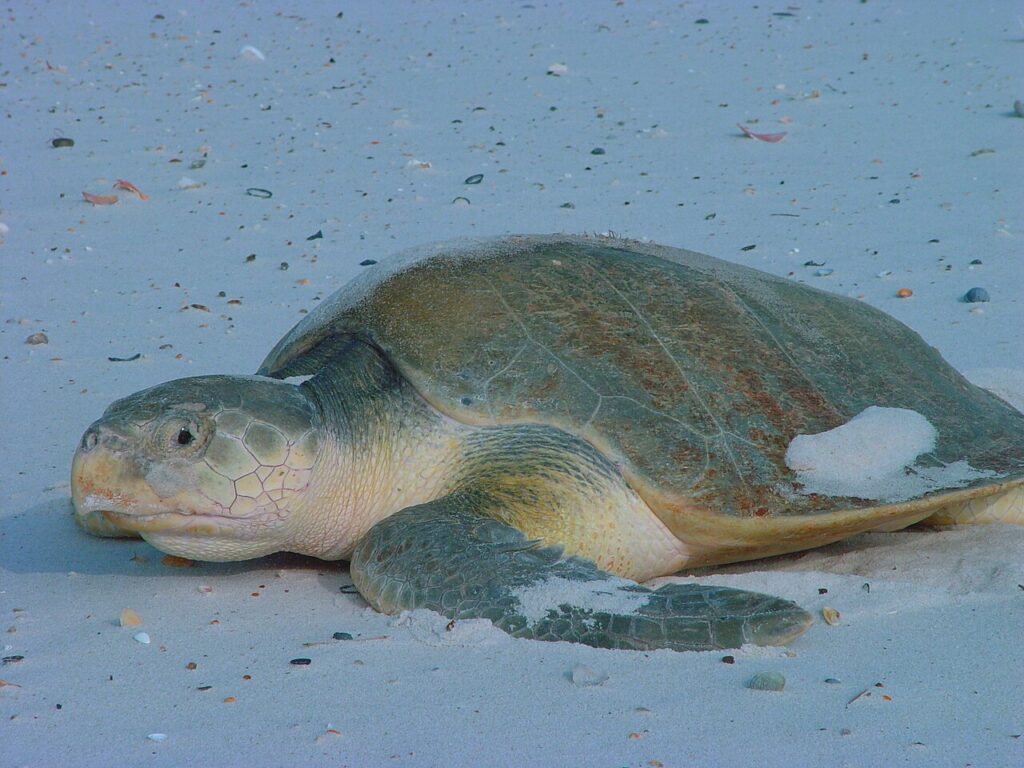
This small sea turtle often gets more attention in spring because its main nesting season begins in April. It is native mainly to Mexico and the United States, with its largest nesting area in Tamaulipas, Mexico. Kemp’s ridley is known for coming ashore in groups during nesting. That behavior makes it one of the most closely watched sea turtles in North America.
In U.S. waters, Kemp’s ridleys live in the Gulf and along the Atlantic coast. They feed mostly on crabs and often stay in shallower water than larger turtles. Spring movement toward nesting beaches is one reason sightings may rise during this time of year. Even so, seeing one in the wild is still not very common.
Hawksbill Sea Turtle
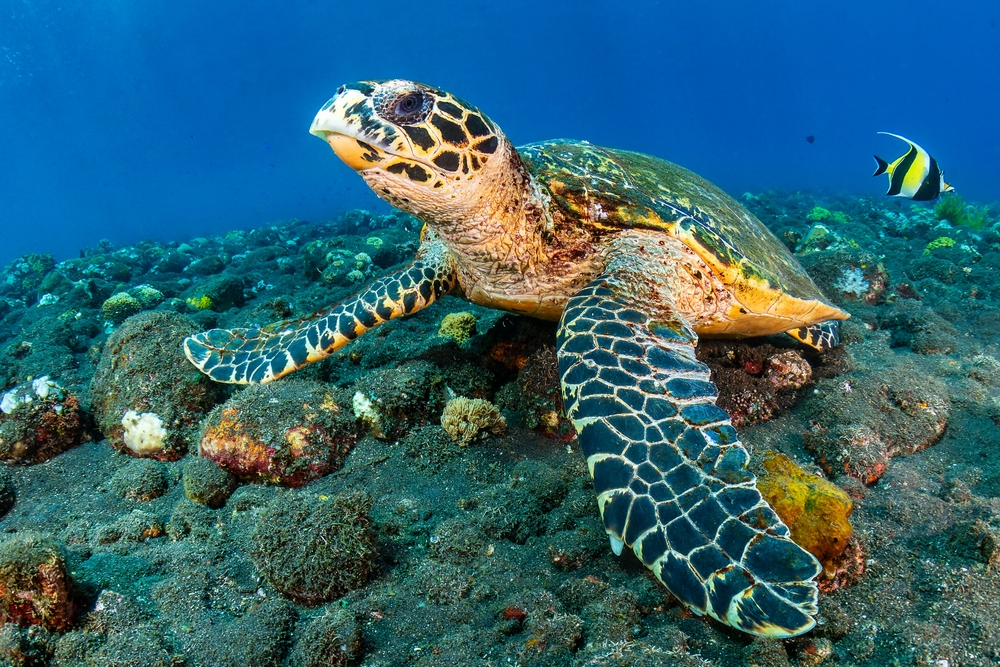
Hawksbills can become more noticeable in spring because nesting starts around this time in many warm coastal areas. They are native to the United States, Mexico, the Caribbean, and tropical coasts around the world. This species has a narrow beak that helps it reach food in coral reefs. Its shell pattern is also one of the most striking among sea turtles.
Most hawksbills are tied to reef habitats, so they are less common on many mainland beaches than some other turtles. Females return to nest every few years and lay several nests in one season. That spring nesting cycle is why sightings can increase in some places. They depend heavily on healthy reef systems for food and shelter.
Florida Manatee
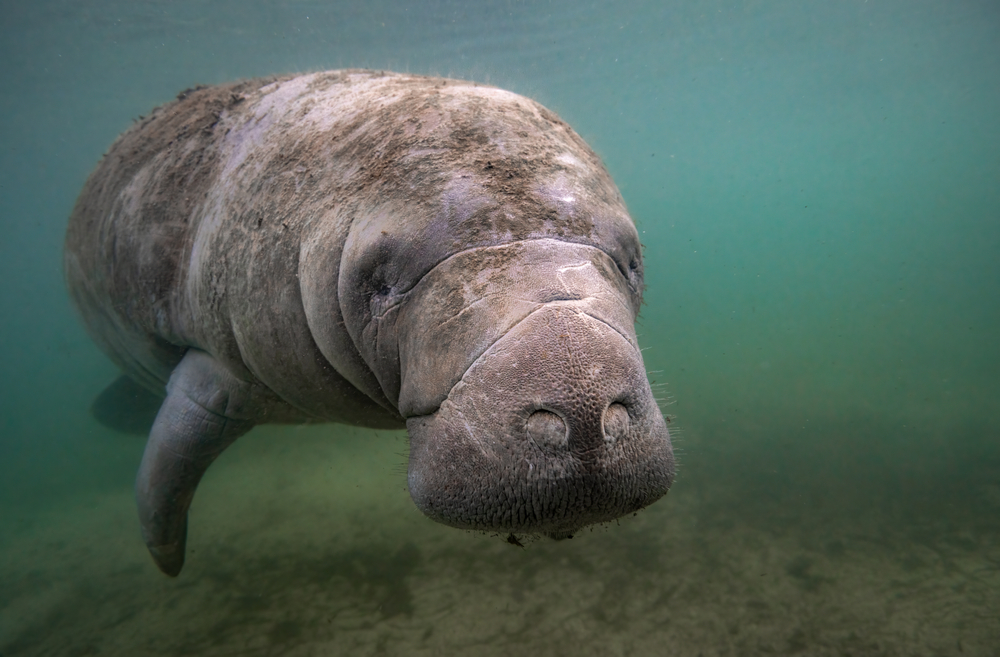
Once spring warms the water, Florida manatees begin moving out from winter refuges into rivers, bays, and coastal areas. They are native to the United States, especially Florida, though they can range along other parts of the southeastern coast in warmer months. These large mammals feed on plants and move at a slow pace. Their rounded bodies and paddle-shaped tails make them easy to recognize.
Seasonal movement is a big reason more people notice manatees in spring. During colder months, they stay close to warm water sources, then spread out when temperatures rise. They are often seen in estuaries, canals, springs, and shallow bays. Boats remain one of their biggest risks, which is why slow speed zones matter so much.
Common Bottlenose Dolphin
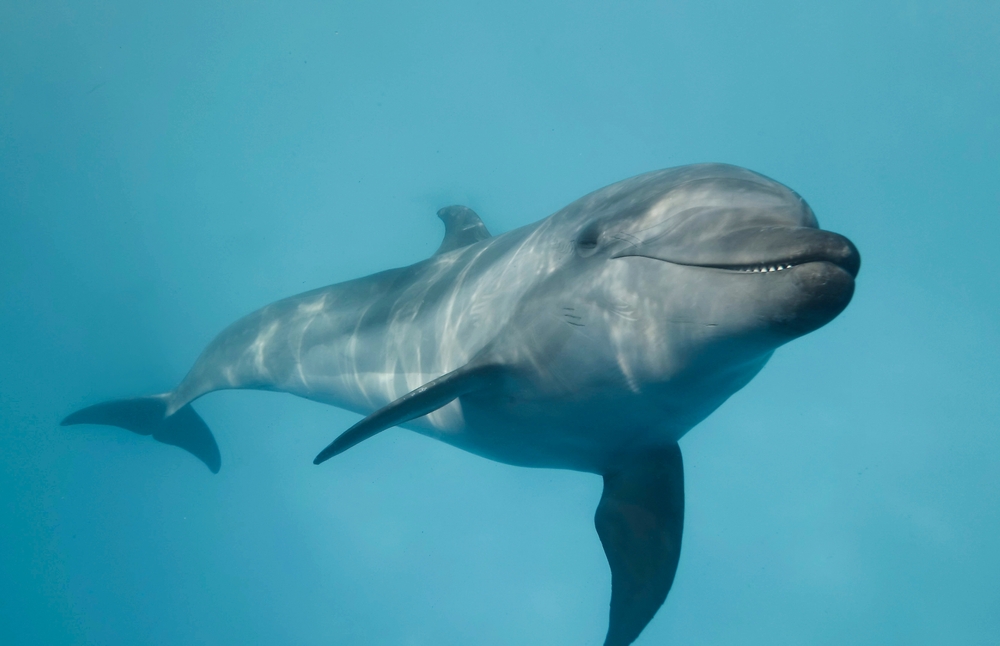
Warmer spring water can make bottlenose dolphins easier to notice in bays, estuaries, and nearshore areas. They are native to the United States and many temperate and tropical coasts around the world. This is the dolphin many people picture first when they think of coastal wildlife. Its gray body and regular surfacing pattern make it easy to identify.
Along the U.S. Atlantic coast, some groups shift north as the season changes. Bottlenose dolphins use many coastal habitats, including harbors, gulfs, and shallow shelf waters. They often travel in small groups and feed on fish and squid. Their appearance can make even a quiet shoreline feel more active.
Harbor Seal
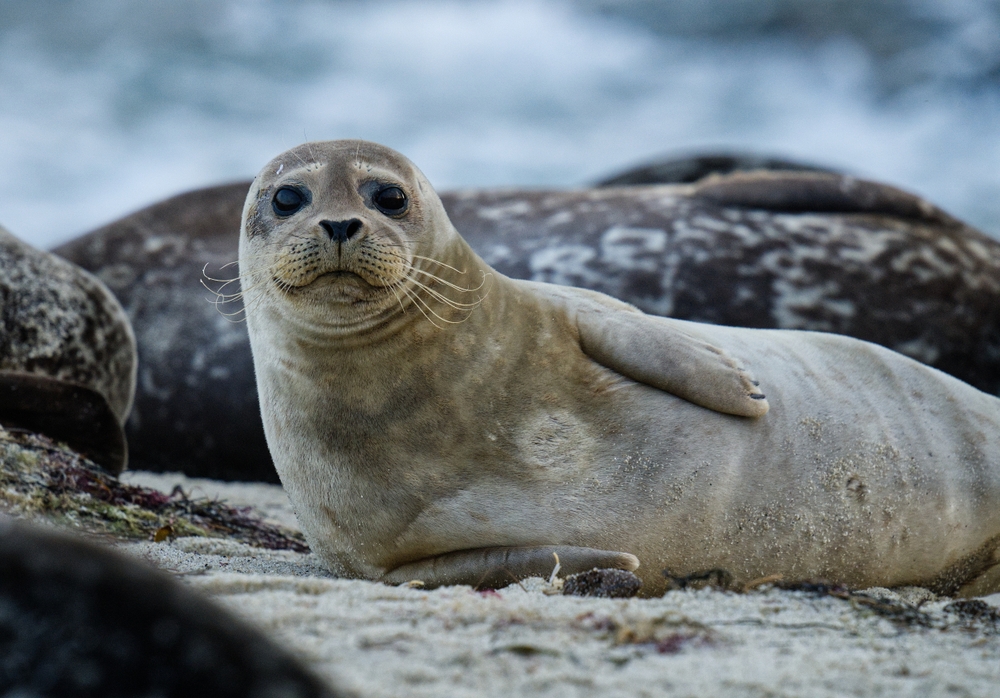
In many northern coastal regions, spring is a good time to notice harbor seals because pupping season begins around then. They are native to the United States, Canada, and other North Atlantic and North Pacific coasts. Harbor seals rest on rocks, beaches, mudflats, and ice. Their spotted coats can vary a lot from one animal to another.
Females give birth during spring and summer, depending on the area. In places like Maine and Alaska, people may see pups resting on shore while they learn how to survive on their own. It is important to keep your distance because a pup lying alone is not always abandoned. Harbor seals spend much of their time in the water, though they still need land or ice for rest.
Atlantic Horseshoe Crab
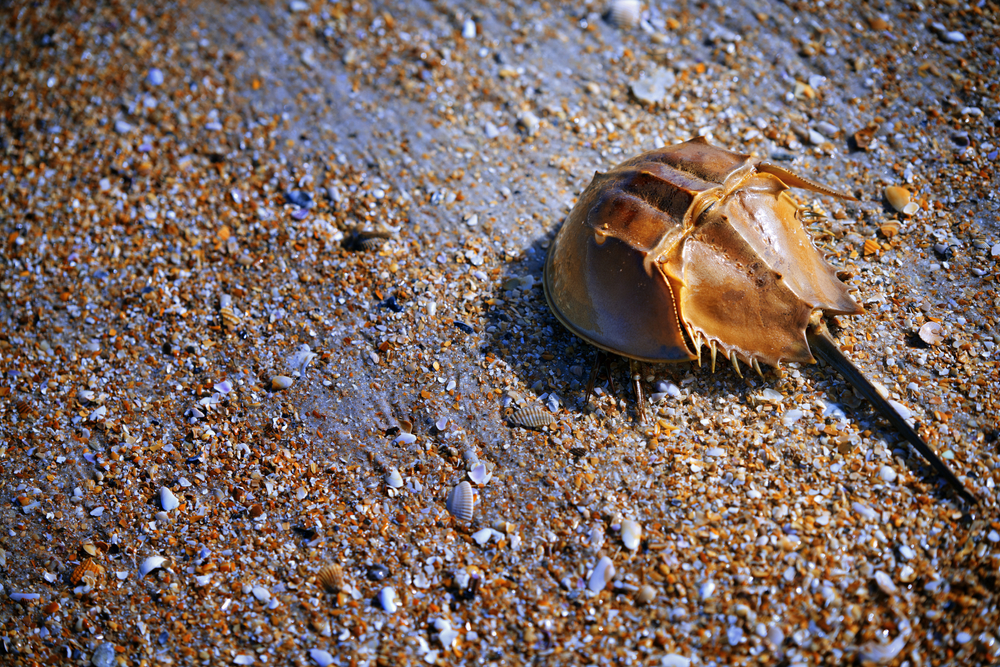
Each spring, horseshoe crabs move into shallow water and onto sandy beaches to spawn. They are native to the United States and the Atlantic coast of North America. Even though people call them crabs, they are more closely related to spiders and scorpions. Their hard shell and long tail give them a very ancient appearance.
In places like Delaware Bay, spring spawning is one of the clearest seasonal wildlife events on the coast. Their eggs become an important food source for migrating shorebirds. A beach full of horseshoe crabs can look unusual at first, yet it is a normal spring event in some regions. Their body plan has changed very little over an extremely long time.
Red Knot
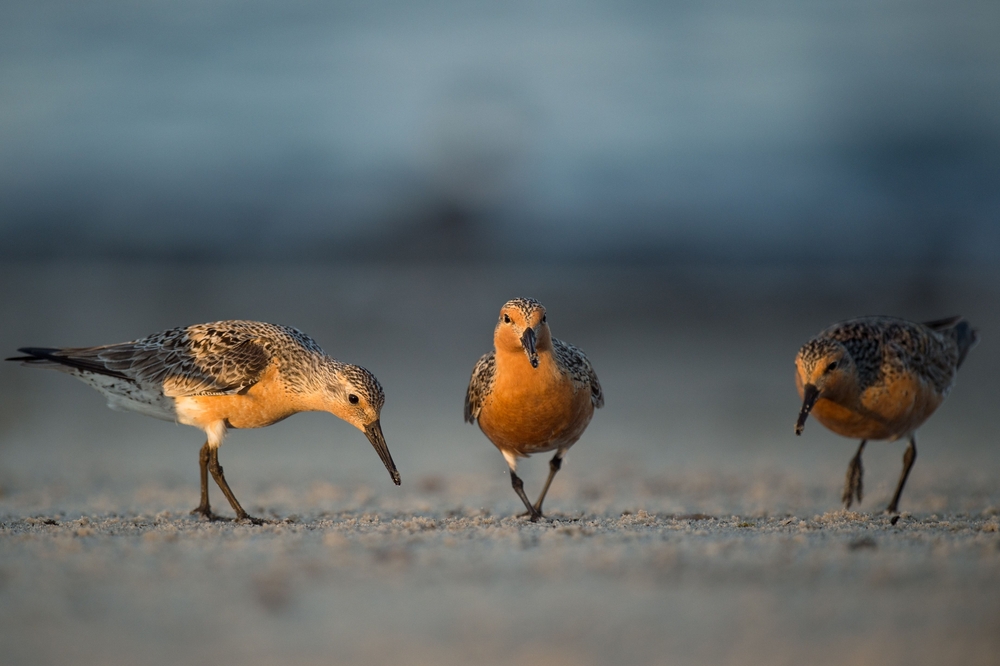
Spring is one of the best times to notice red knots because they stop along coasts during migration. They are native to Canada, the United States, Brazil, Argentina, and other parts of the Americas, depending on the season. In spring, many of them take on a rusty orange color that stands out more than their winter look. They often gather on beaches and mudflats to refuel before continuing north.
Many red knots depend on a few key stopover sites where food is packed into a short stretch of coast. Delaware Bay is one of the best-known examples because birds feed heavily on horseshoe crab eggs there. That feeding stop is a main reason they stand out more in spring than at other times of the year. A flock moving together can be one of the most memorable shorebird sights of the season.
American Oystercatcher
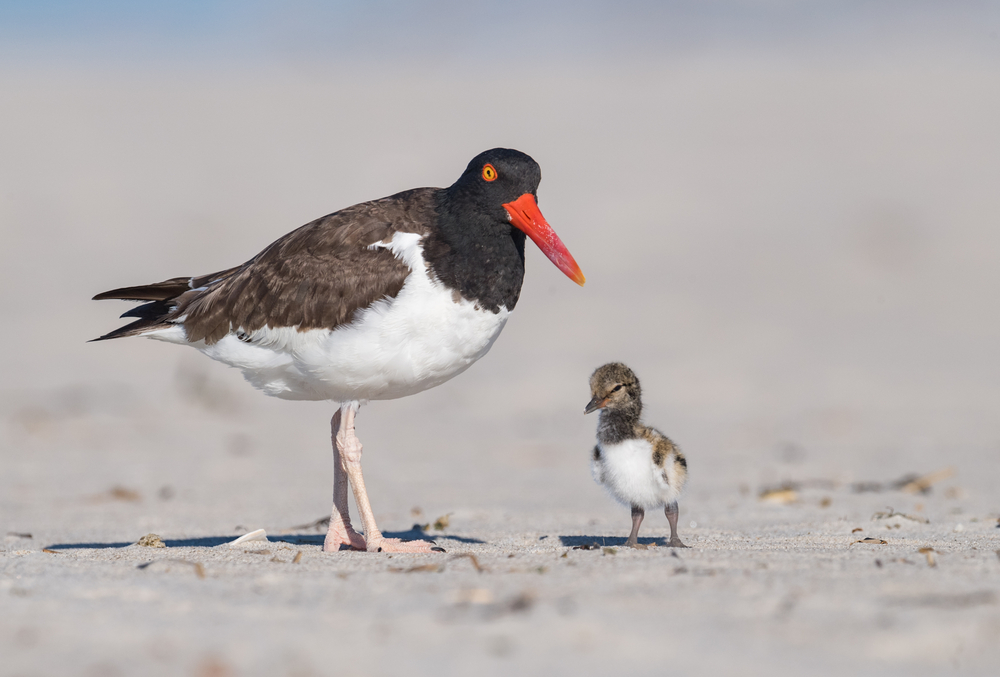
A bright orange bill usually gives away the American oystercatcher before anything else does. This bird is native to the United States, Mexico, the Caribbean, and other coasts in the Americas. It lives on beaches, salt marshes, and shell-lined shorelines where shellfish are easy to find. Spring often makes it easier to notice because pairs become louder and more active near nesting areas.
Its diet includes clams, oysters, and other shellfish, which explains the name. The nest is a simple, shallow scrape in the sand or shell. People often hear its sharp calls before they see the bird itself. Along shorelines with shell beds, it can be one of the easiest birds to remember.
Piping Plover
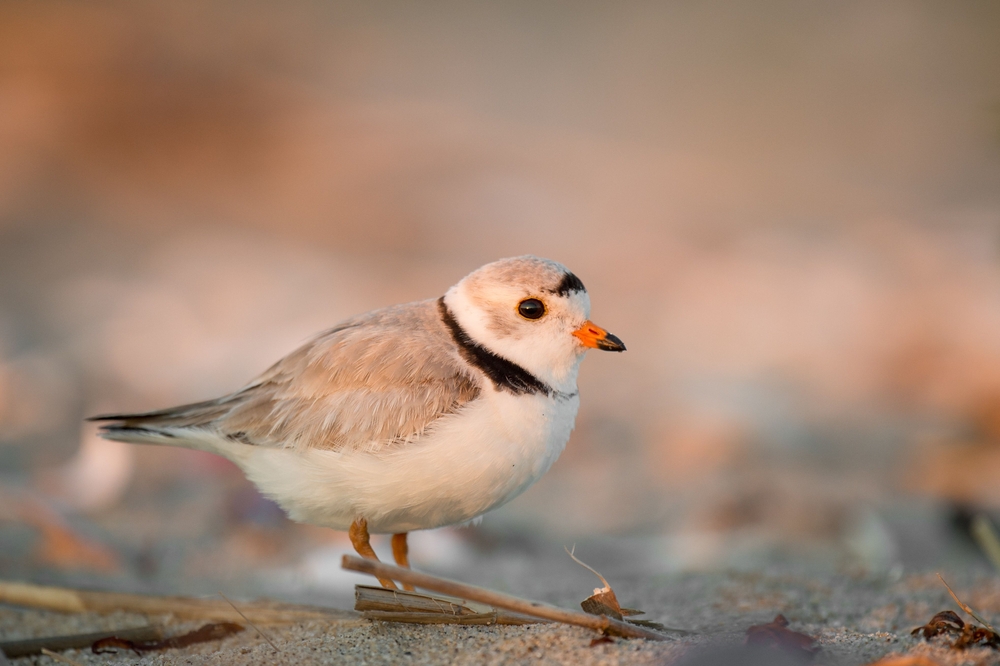
By early spring, piping plovers return to Atlantic beaches and begin nesting activity. They are native to the United States, Canada, the Bahamas, and parts of Mexico, depending on the season and population. Their pale sand colored feathers help them blend in almost perfectly with open beaches. Many people walk past them without even noticing.
On the Atlantic coast, nesting begins in spring and continues into summer. Because they nest above the high tide line, people often notice protected areas set up for them on beaches. Their very small size makes them easy to miss even when they are nearby. Watching one run quickly across wet sand is one of the quieter pleasures of a spring beach walk.
Brown Pelican
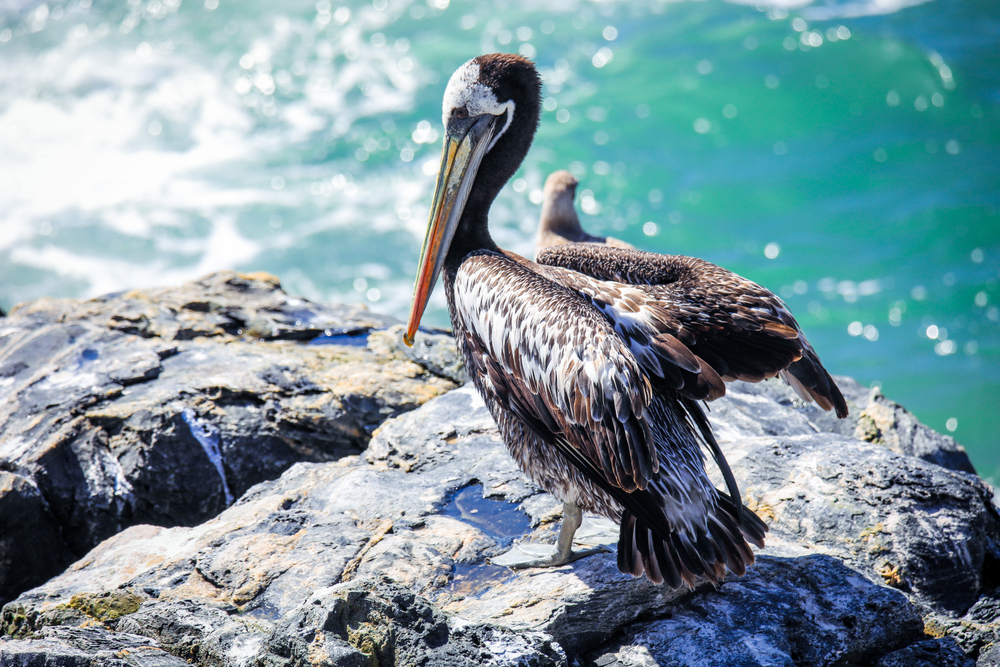
Brown pelicans often feel like part of the shoreline itself, especially when they glide low above the water in a line. They are native to the United States, Mexico, Panama, and many other coastal parts of the Americas. Spring can bring more activity around nesting sites and feeding grounds. Their sudden dives into the water make them one of the easiest coastal birds to recognize.
These birds nest in groups on small coastal islands, in shrubs, trees, or on the ground. Along the Gulf and southern Atlantic coasts, they are now a common sight again after severe losses in earlier decades. A passing pelican can look heavy, yet it moves with surprising ease. Few coastal birds are as easy to spot once you know that long bill and pouch.
Least Tern
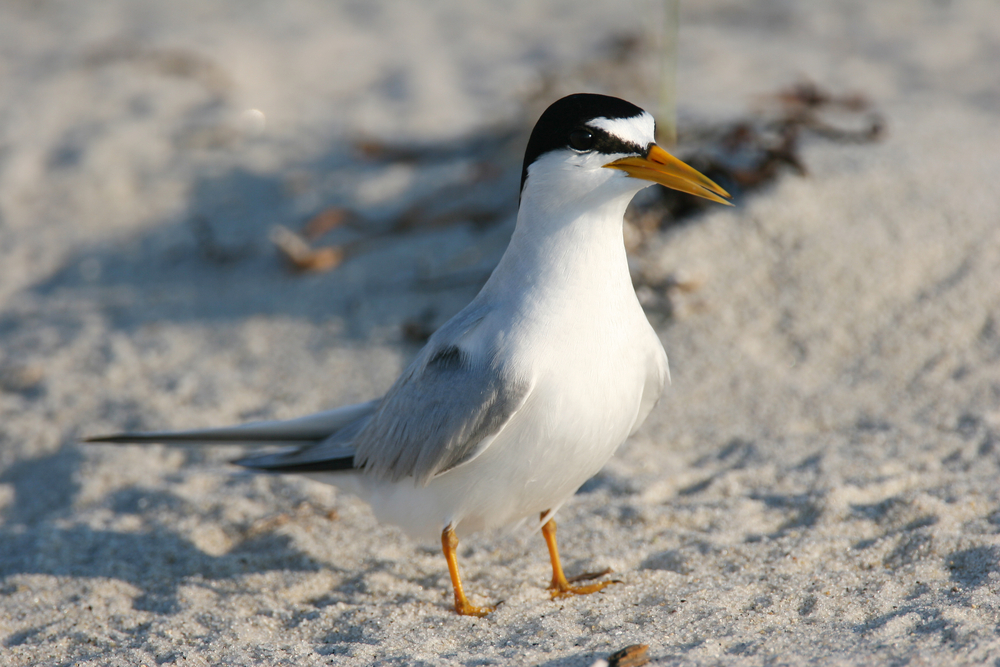
Least terns return to breeding sites in spring, which makes them much easier to notice along beaches and estuaries. They are native to the United States, Canada, Mexico, Central America, and parts of South America. This small bird flies with quick wingbeats and often hovers before dropping down for fish. Its small size sets it apart from gulls nearby.
Breeding colonies are usually placed on sandy or shelly ground with very little cover. Males often bring small fish to females during courtship, which people sometimes notice in spring. Because they nest out in the open, these birds can be very sensitive to disturbance. A group calling overhead can make the beach feel full of life.
Black Skimmer
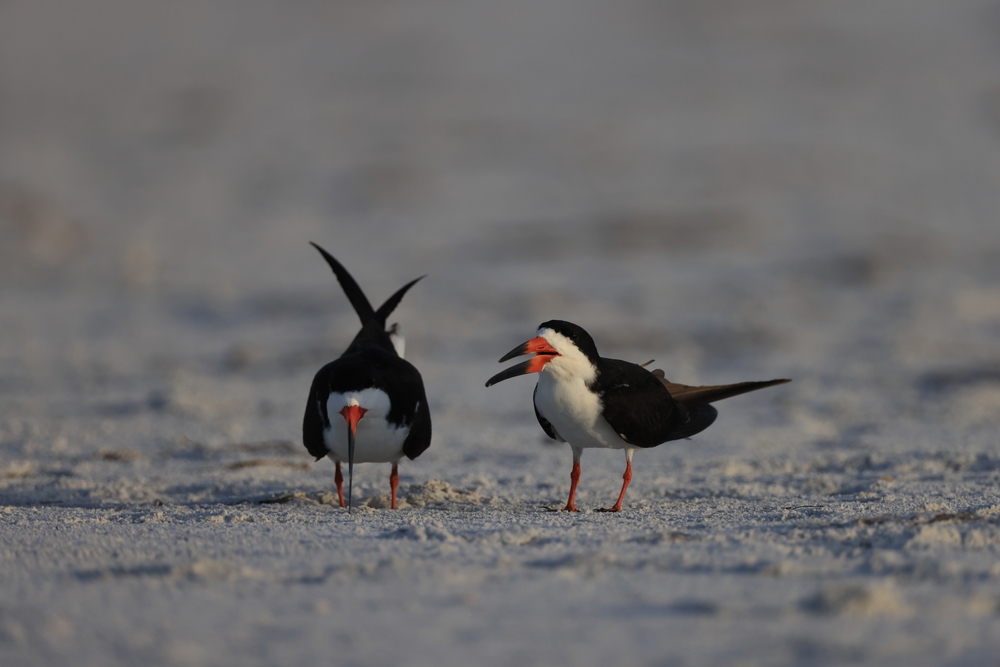
At first glance, a black skimmer can look like a tern with an unusual bill. It is native to the United States, Mexico, the Caribbean, and parts of Central and South America. Spring and early summer bring nesting activity on barrier islands and beaches, so it becomes easier to spot during this time. Its lower bill is longer than the upper one, which helps it skim the surface of the water for fish.
These birds often rest and nest in open sandy places near other coastal birds. Their feeding style is one of the most unusual sights on the shore because they fly low with the lower bill touching the water. Even from a distance, their black and white coloring is easy to notice. Near evening, a group of skimmers can be especially striking along a calm beach.
Roseate Spoonbill
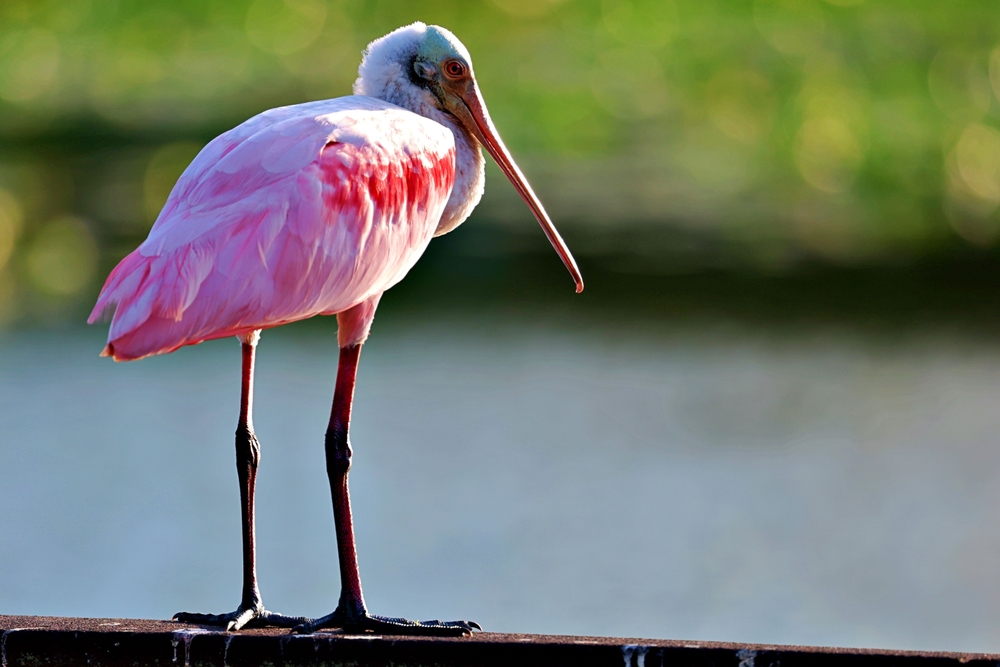
Spring can bring more roseate spoonbills into view in southern marshes, bays, and shallow coastal waters. They are native to the United States, Mexico, the Caribbean, Brazil, and other parts of the Americas. Their pink color comes from pigments in the animals they eat. The wide spoon-shaped bill is used to sweep through shallow water for food.
Many spoonbills nest in colonies with herons, egrets, and ibises. In the United States, they are strongly tied to South Florida and parts of the Gulf Coast. Young birds look much paler than adults, so age can change how bright a flock appears. When sunlight hits a feeding group, they are often hard to overlook.
Blue Crab
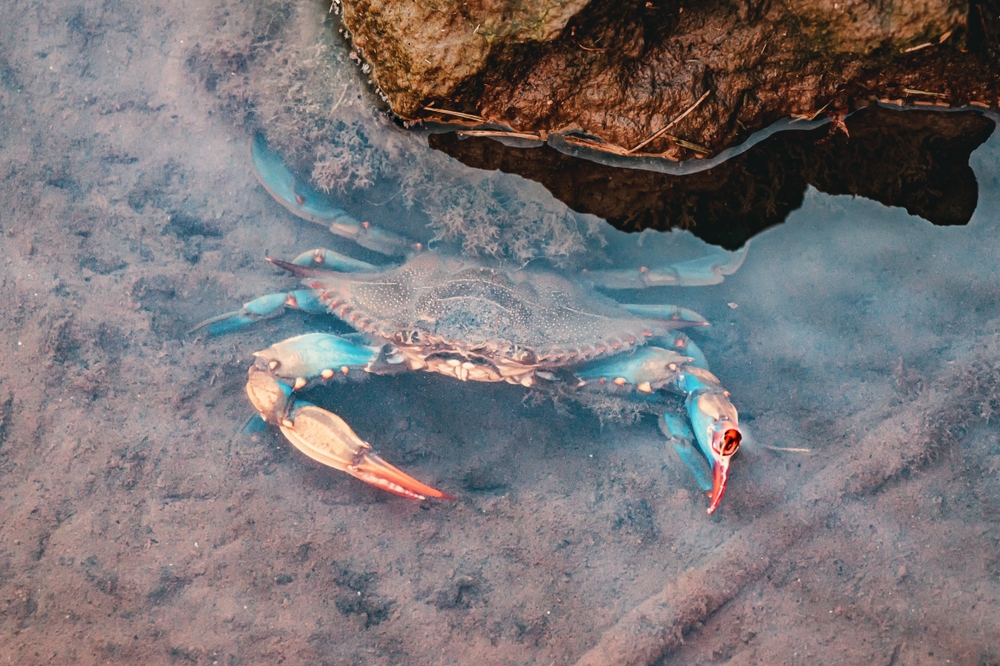
Blue crabs become more noticeable in spring because mating and spawning activity get going in coastal bays and estuaries. They are native to the Atlantic coast of the Americas from Nova Scotia to Argentina, including the Gulf coast of the United States and Mexico. Their rear legs work like paddles, which helps them swim far better than many other crabs. That swimming ability is part of what makes them such a familiar coastal animal.
In places like Chesapeake Bay, spring marks the start of an active period that continues into warmer months. Males and females often use different parts of the bay, which helps explain where they are found at different times. Their shells can show blue, olive, and reddish tones depending on age and sex. For many coastal communities, blue crabs are part of both local wildlife and local food traditions.
This article originally appeared on Avocadu.