
12 Sea Glass and Beach Finds People Collect After Spring Trips
Few things feel as satisfying as bringing home small beach finds after a spring trip. Sea glass, shells, and other shoreline pieces often carry a little memory of the day with them. Because of that, many people enjoy keeping these finds long after the trip is over.
This post may contain affiliate links, which helps keep this content free. Please read our disclosure for more info.
White Sea Glass
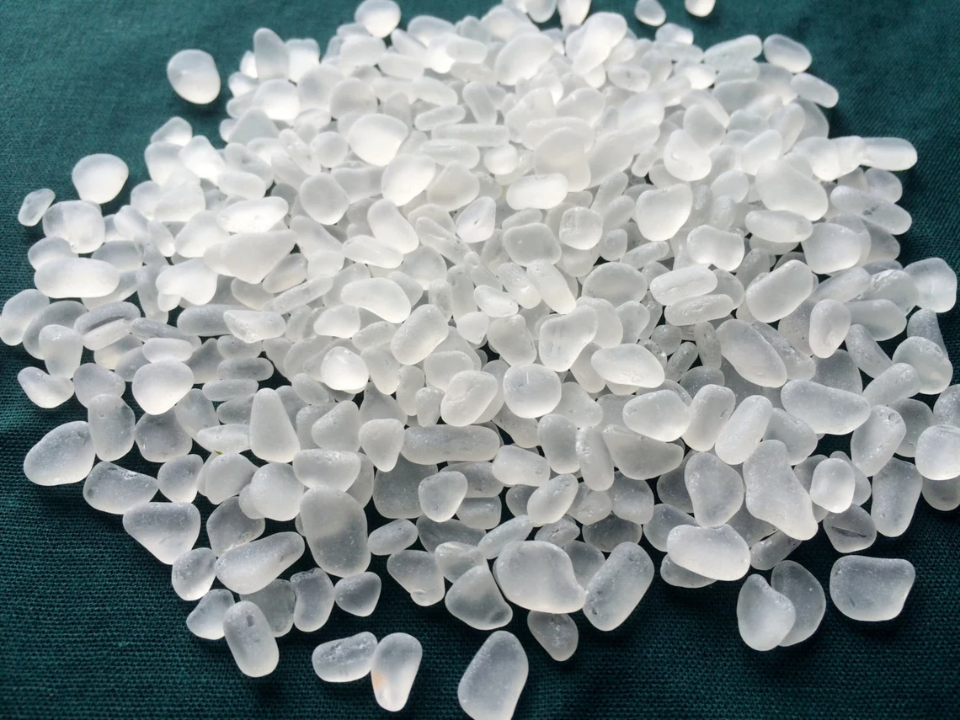
Along many beaches, white sea glass is one of the most common treasures people bring home after a spring trip. Its soft frosted finish looks lovely in glass jars, shallow bowls, and small display frames. Most single pieces are worth about $0.25 to $1, depending on size, shape, and how evenly worn they are. That modest value makes it easy for beginners to build a pretty collection.
For many collectors, the charm of white sea glass comes from its clean and timeless look. It pairs nicely with shells, pebbles, and driftwood, so it works well in simple beach displays. Pieces with rounded edges and a full cloudy surface are usually the most appealing. Even a small handful can feel special when it reminds someone of a sunny shoreline walk.
Brown Sea Glass
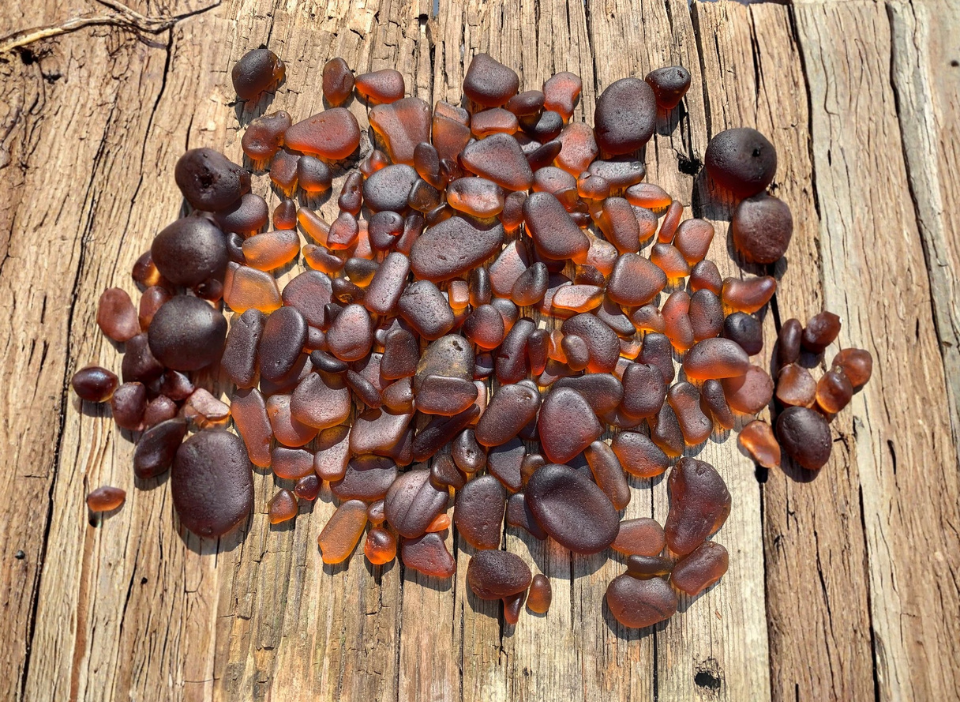
From the moment people spot it in the sand, brown sea glass often feels warm and old-fashioned. The color usually comes from older bottles, which gives each piece a nice vintage touch. Common pieces often sell for about $0.25 to $1 each, with larger and smoother ones worth a bit more. Its value may be low, though its character is easy to appreciate.
Many beachcombers like brown sea glass because it adds depth to a collection filled with lighter shades. It looks especially nice beside white and green pieces in a display bowl. Smooth texture and a balanced shape can make one piece stand out more than another. A well-worn brown shard often feels richer and more interesting than its price suggests.
Driftwood Pieces
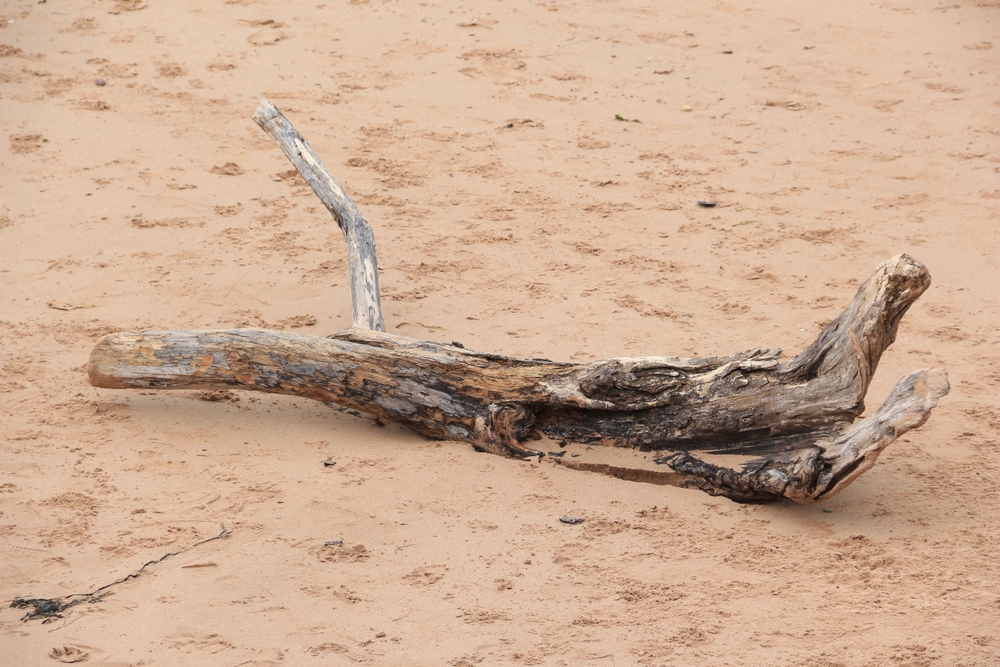
Weathered driftwood is another beach find people often keep because no two pieces look exactly alike. Some are small and simple, while others have curves and shapes that feel almost sculptural. Small decorative pieces often sell for about $3 to $15 each, with larger and more interesting forms worth more. Their value depends a lot on shape and display use.
In home decor, driftwood often helps tie shells, sea glass, and stones together in a natural way. Curved or branch-like pieces usually draw the most interest because they already look display-ready. Texture, color, and overall form matter more than size alone. A well-worn piece of driftwood can make a beach collection feel finished and full of character.
Green Sea Glass
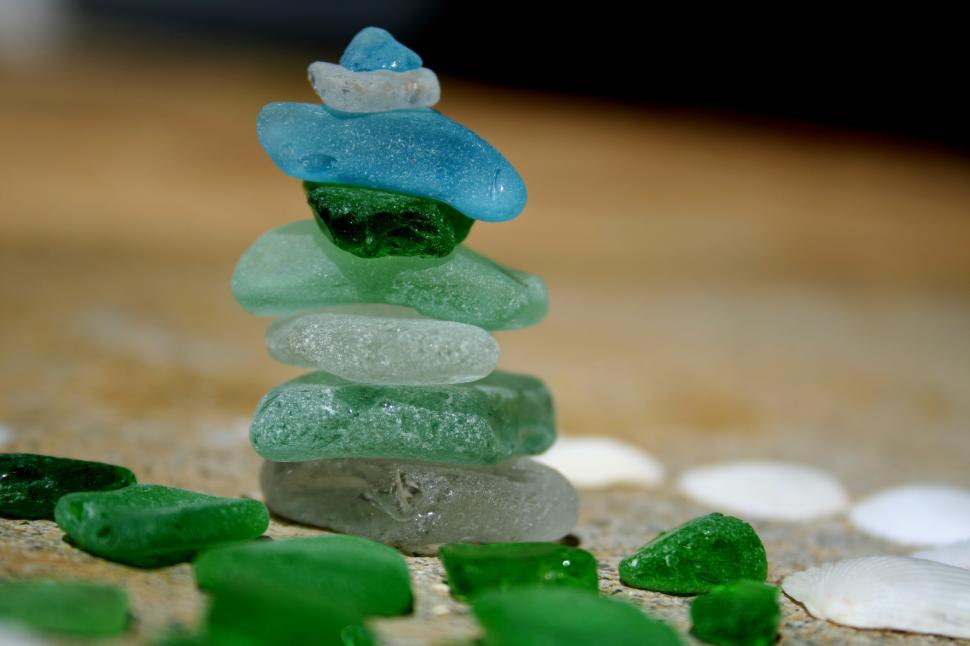
Few beach finds are as popular as green sea glass after a spring trip. It catches the light beautifully and can range from pale green to deep bottle tones. Most common pieces are worth around $0.50 to $2 each, depending on finish and size. That range gives it a nice balance of beauty and easy collectibility.
Collectors often save green pieces because they look striking without being too hard to find. They are also useful for beach art, jewelry projects, and shelf displays. Nicely rounded edges and an even frosted look usually add to the appeal. One good green piece can bring back the whole memory of a breezy day by the water.
Scallop Shells
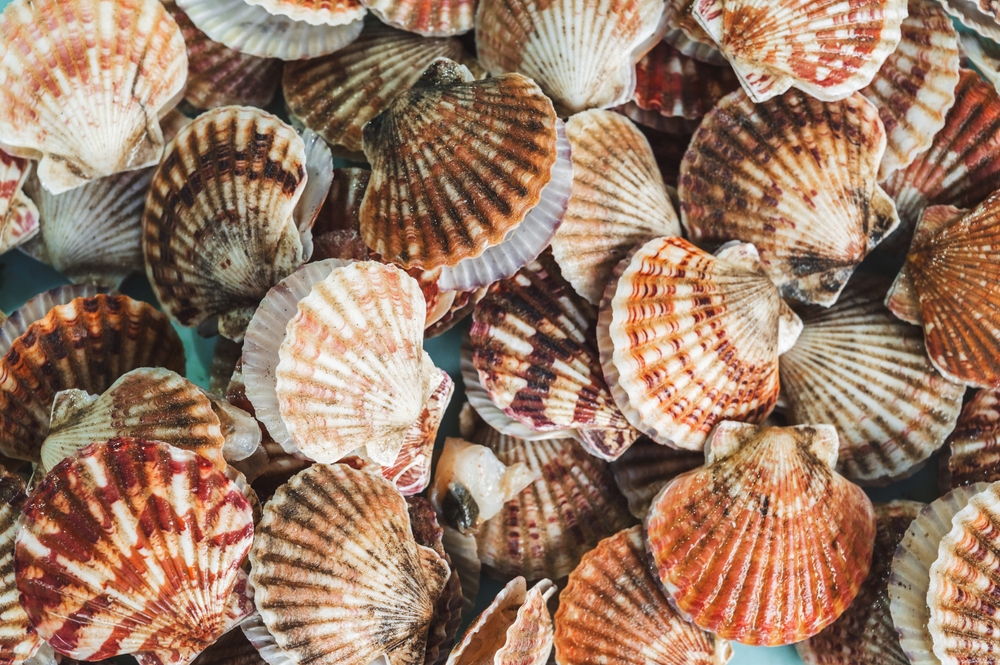
With their fan shape and soft, natural colors, scallop shells are easy beach finds to love. People often bring them home for little displays, trays, and simple decorative uses. Most loose shells are worth about $0.50 to $3 each, depending on color, size, and condition. Their value may be low, though their visual appeal stays high.
Many keepsake boxes end up with at least one scallop shell tucked inside. The ridged shape looks pretty even when the shell is plain in color. Cleaner edges and stronger natural markings usually make one more desirable. A small group of scallop shells can still look very charming after a spring trip.
Aqua Sea Glass
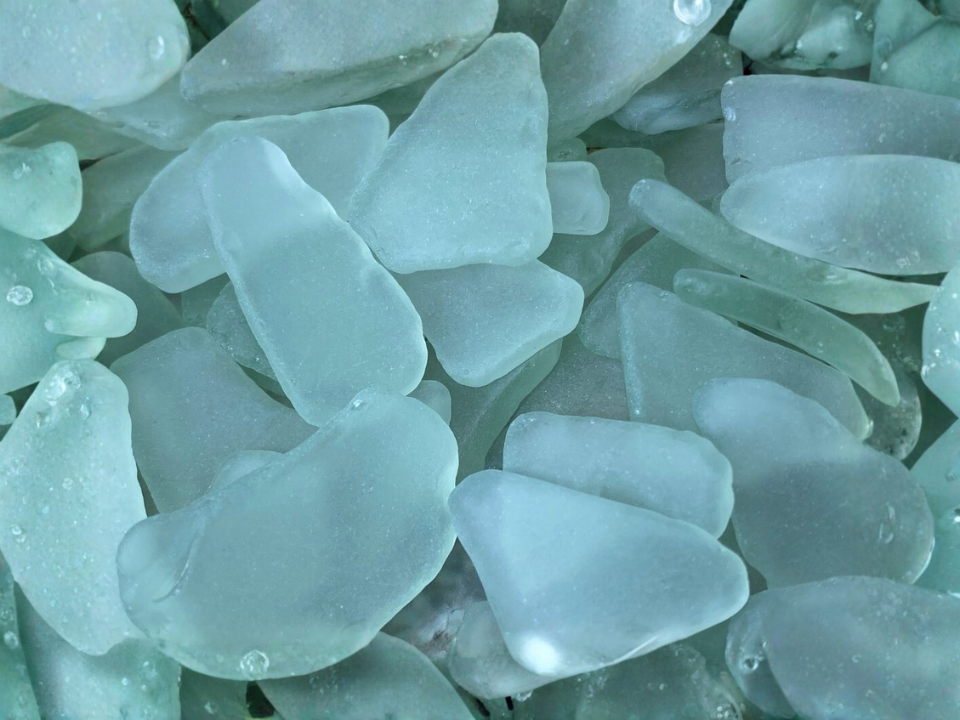
At first glance, aqua sea glass often feels like the color people hope to find most. Its bright water-like shade gives it a fresh and cheerful look that suits spring collections very well. Nice loose pieces often sell for about $1 to $4 each. That slightly higher value comes from its pretty color and lower supply compared with more common shades.
A lot of beachcombers keep aqua pieces because they look so pretty in the sunlight. They pair beautifully with pale shells and white sea glass in a display. Shape, size, and a smooth frosted finish all play a part in value. Even one small aqua shard can feel like a standout souvenir from a beach trip.
Sand Dollars
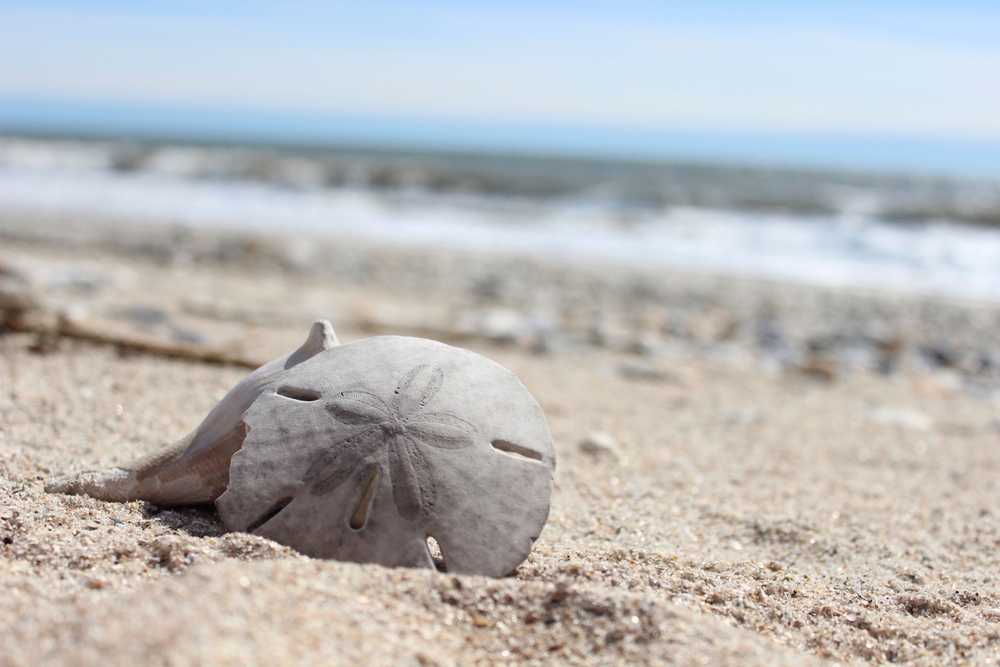
Soft in color and delicate in shape, sand dollars are easy to understand as a favorite beach keepsake. Whole ones can be hard to find in good condition, which adds to their appeal. Intact examples often sell for about $1 to $4 each, with larger clean ones worth a little more. Their gentle look makes them feel like classic seaside finds.
For many travelers, sand dollars carry the calm feel of the beach better than almost anything else. The star pattern in the center is one of the details people love most. Clean edges and a full, unbroken shape usually matter most for value. Even a single good one can look lovely in a simple display at home.
Cobalt Blue Sea Glass
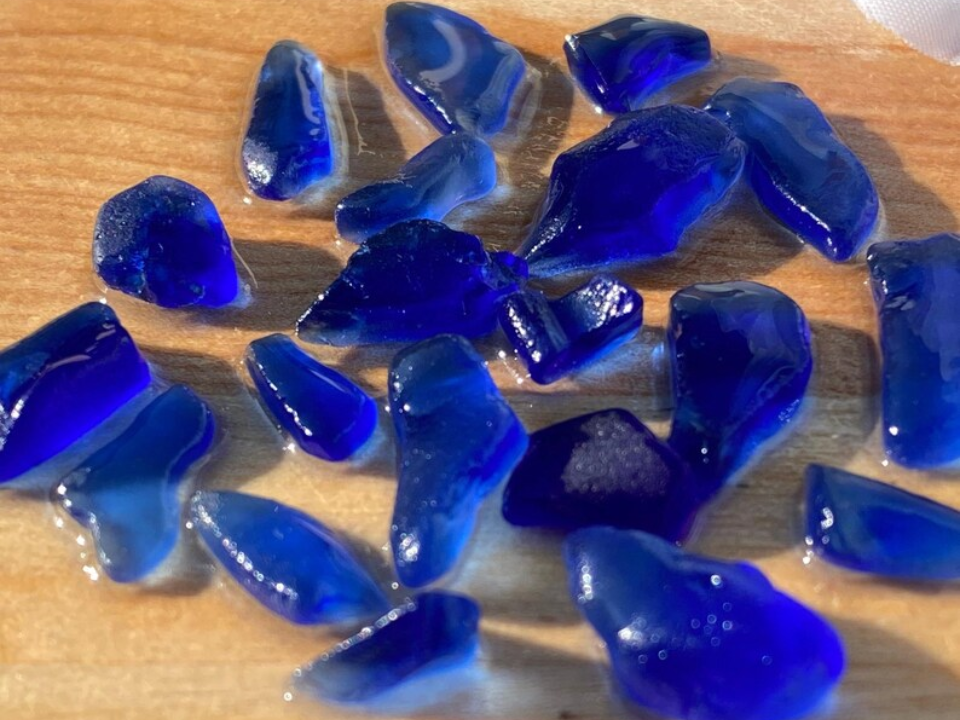
Nothing catches the eye quite like a piece of cobalt blue sea glass lying among stones and shell bits. The rich color gives it a much stronger presence than the usual white, green, or brown finds. Many nice pieces are worth about $5 to $20 each, with better examples selling for more. That stronger resale range is part of what makes it such a thrilling find.
Many collectors remember the first cobalt piece they ever found. It looks great in jewelry, shadow boxes, and simple tabletop displays. Thicker glass, rounded edges, and an even frosted finish usually make a piece more desirable. One deep blue shard can easily become the favorite item from an entire spring getaway.
Red Sea Glass
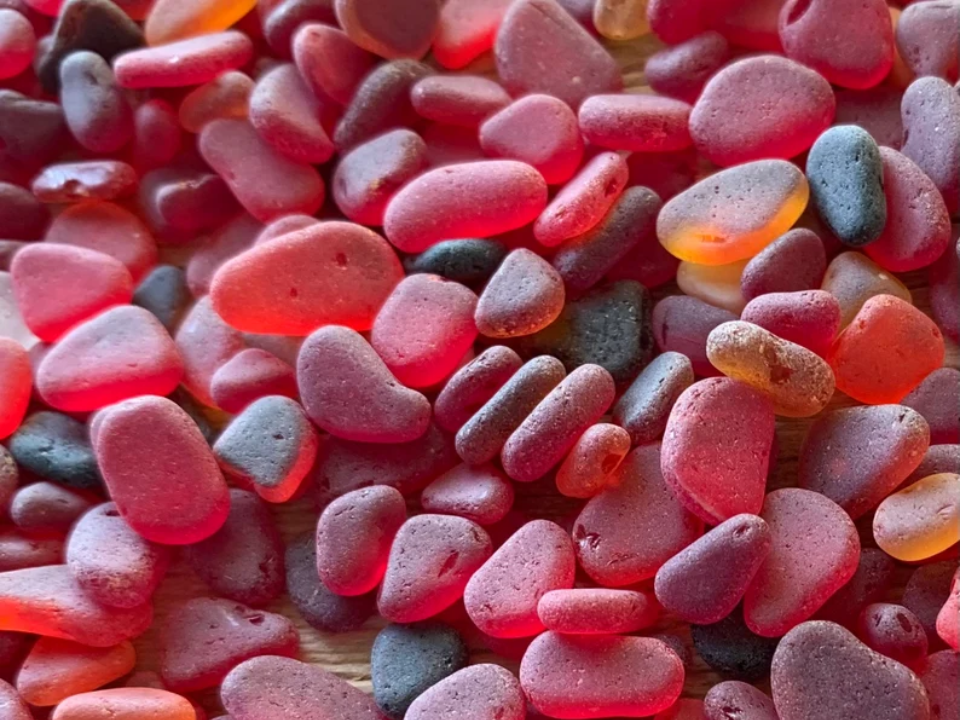
Among beachcombers, red sea glass is often seen as one of the most exciting finds of all. It is much harder to come across than common shades, which gives it a higher value. Good loose pieces often sell for about $15 to $40 each, with some worth more depending on size and finish. That rarity is exactly why people watch for it so carefully.
For serious collectors, a red shard can feel almost unforgettable. Even a small piece may stand out because the color is so unusual on the shore. Rich tone, balanced shape, and soft frosting all affect its worth. Most people who find red sea glass keep it apart from the rest of their collection.
Shark Teeth
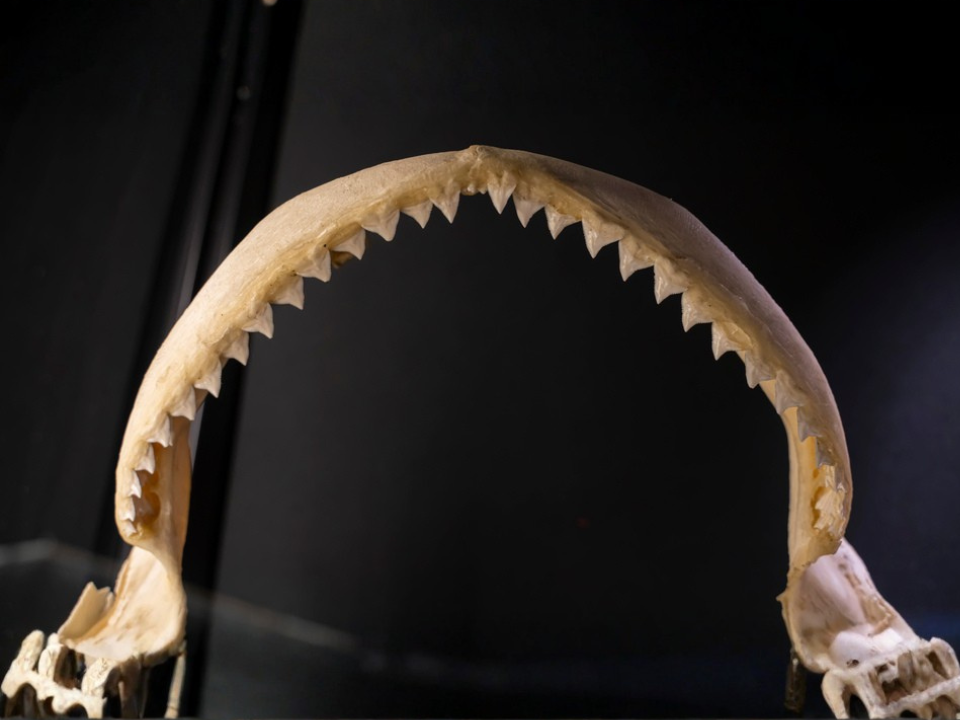
On many spring beach trips, shark teeth are one of the first things people hope to find. Their dark color and pointed shape make them easy to recognize once you know what to look for. Many common fossil teeth are worth about $1 to $5 each, while larger or cleaner examples may be worth more. The mix of history and excitement gives them lasting appeal.
For a lot of beachcombers, shark teeth feel like real treasures from another time. They stand out clearly against pale sand and shell fragments. Teeth with intact tips and clean outlines usually get more attention from buyers. Even when the value stays modest, the thrill of finding one is hard to beat.
Whelk Shells
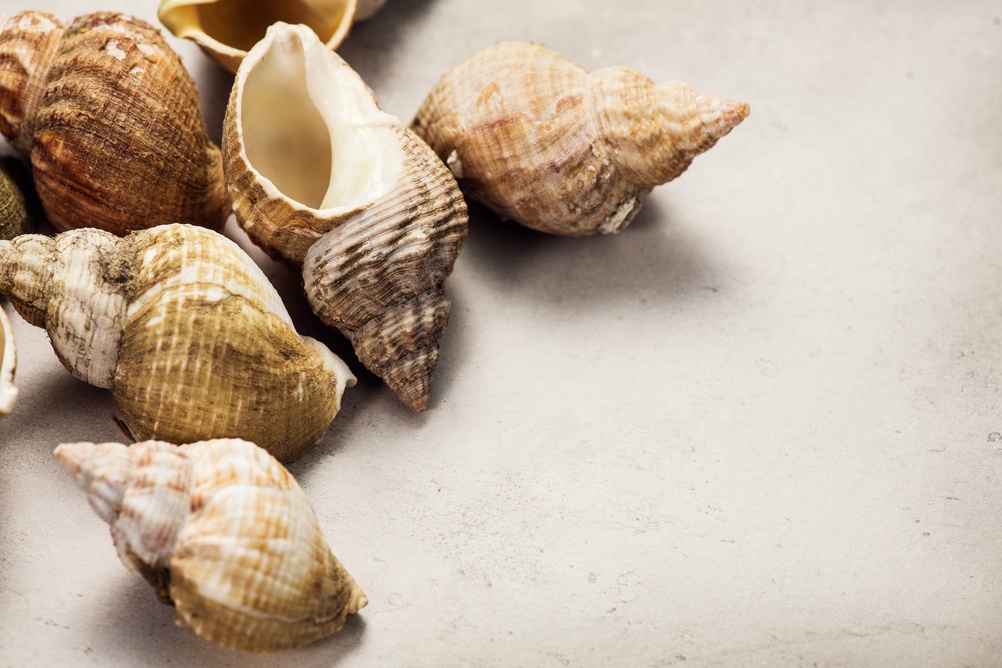
Large spiral whelk shells are the kind of beach find that people often save as statement pieces. Their ridged shape and curved opening give them a strong and classic seaside look. Many beach-found examples are worth about $2 to $10 each, with bigger, cleaner ones worth more. Their larger size helps them stand out in home displays.
For shelf styling, whelk shells often do a lot without needing anything fancy around them. The spiral form catches attention right away and gives a display a stronger shape. Chips and cracks can lower value, while a cleaner surface usually helps. One nice whelk shell can easily become the main piece in a beach collection.
Sea Urchin Tests
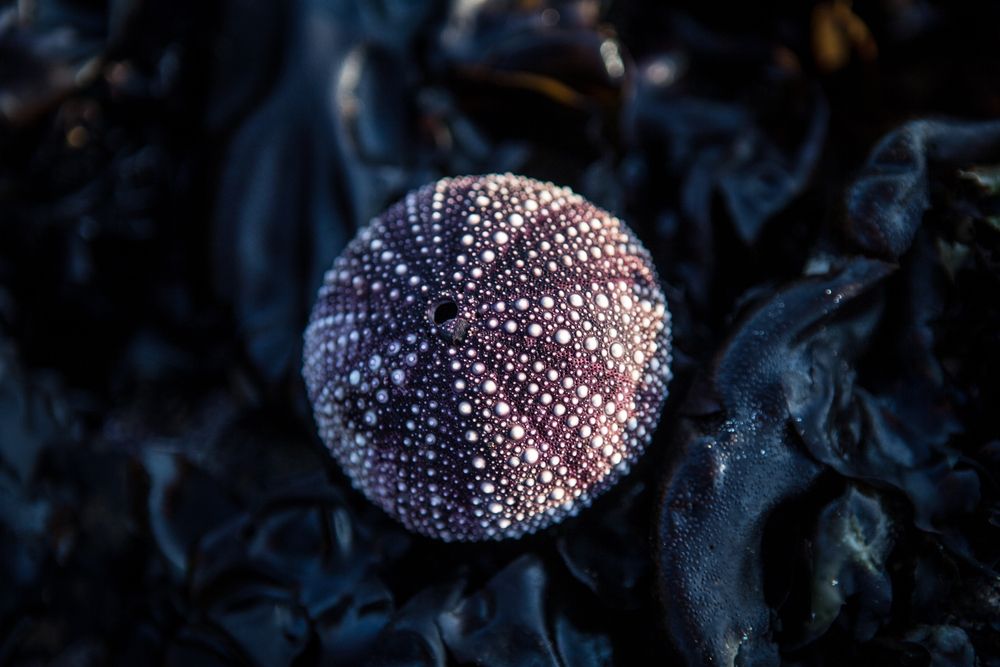
Delicate and patterned, sea urchin tests are one of the most eye-catching natural beach finds people collect. Their pale surface and fine detail make them stand out from thicker shells. Intact pieces are often worth about $12 to $30 each, with larger ones bringing more. That stronger value comes from both beauty and fragility.
For collectors, the appeal of a sea urchin test often starts with how detailed it looks. Because they break so easily, good condition matters a great deal. A full shape with a clear pattern usually makes a piece much more desirable. Finding one intact can feel like a very lucky moment on a spring beach walk.
This article originally appeared on Avocadu.